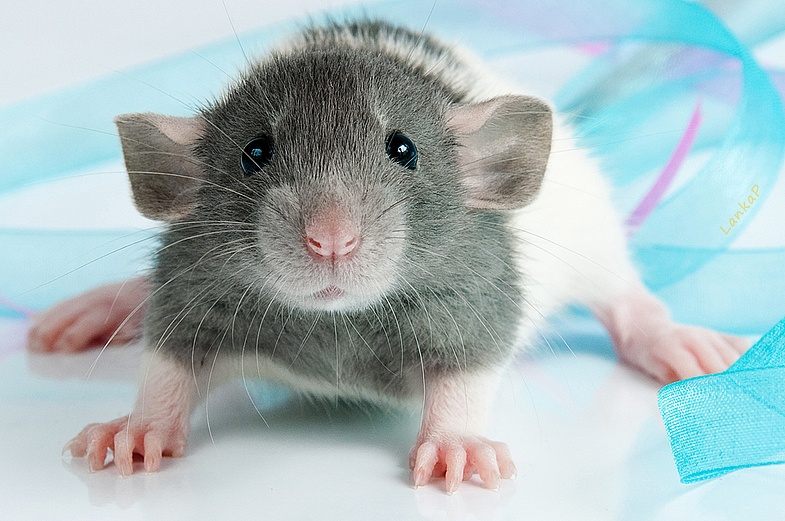
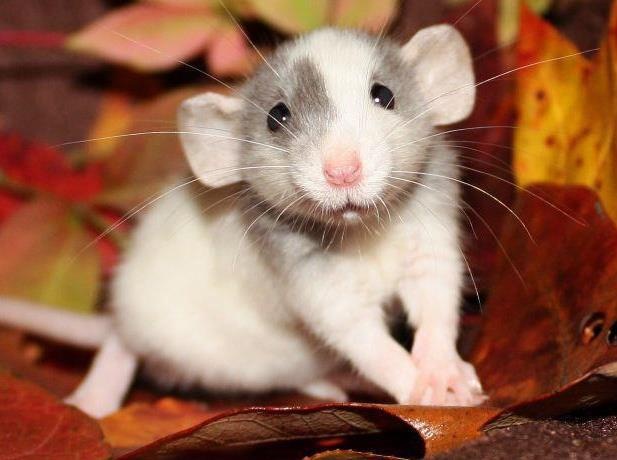
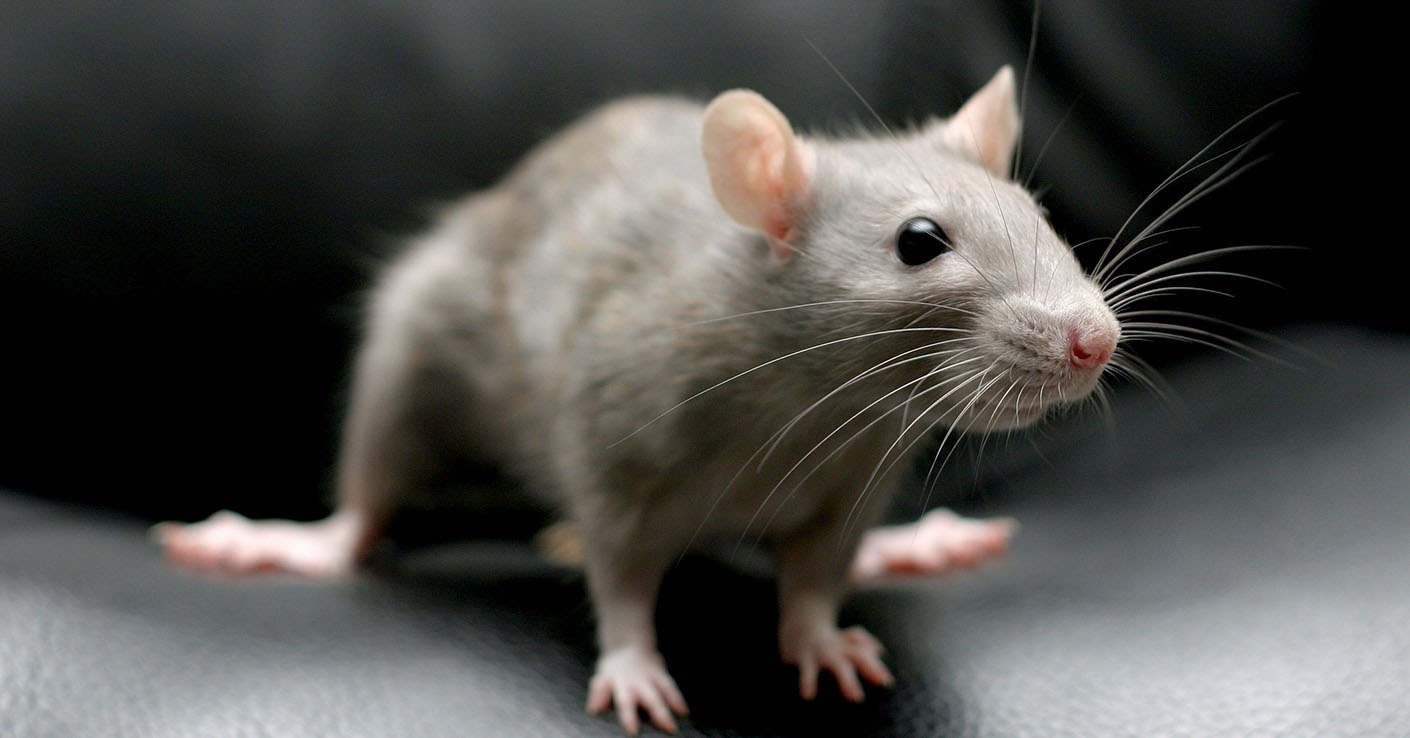
Decorative rat — This is an intelligent animal that can recognize its owner. When properly handled and cared for, rodents are non-aggressive and do not cause harm to humans.
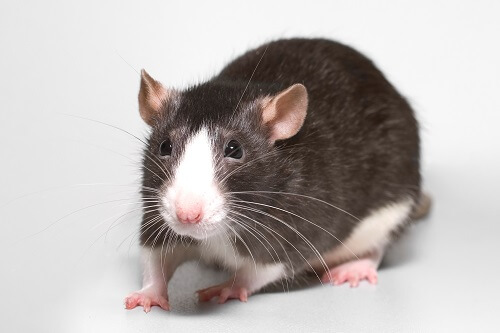
Why does a rat bite?
In the wild, rats use bites as a means of communication. Rodents use light nibbles for mutual grooming. If a rat bites a person, there are reasons for it. These reasons are related to the animal's condition and the impact of external factors:
| Pain, discontent | By biting, an animal signals that its owner is squeezing it too tightly. A sick pet may also display aggression toward its owner. |
| Hunger | A rat may bite if there is a lack of water or food, especially if a person's hands smell of food. |
| Alien smell | If an owner has had contact with another animal and then attempts to pick up a rat, it may express dissatisfaction and aggression. This is due to territoriality. The rat senses a threat along with the foreign scent and tries to protect its home. |
| Pregnancy and care of rat pups | A pregnant rat experiences hormonal changes, causing her to become aggressive. The female will bite her owner if she perceives his actions as a threat to her pups. |
| Puberty | Rats begin to reach puberty between 5 and 7 months of age. Hormonal changes in the body cause the pet to become irritable, attack intruders, and seek solitude. This condition subsides once puberty is complete. |
| Stress or fear | The rodent experiences stress from changes in environment, the presence of other animals nearby, and being carried constantly. Loud, sharp sounds can also cause severe fright. |
| Desire to attract attention, boredom | If a rat bites lightly, runs away, and then comes back and repeats the action, it means the animal is bored and wants to play. |
| Character | Some animals are genetically programmed to exhibit aggressive behavior. If a rat was mistreated by its previous owner or breeder, it will exhibit hostility toward humans. |
How to stop a rat from biting
Your pet's behavior is easy to correct if you understand its causes. Following simple rules will help stop your rat from biting and, in some cases, prevent aggression:
- The pet's cage should be in a quiet place, inaccessible to other animals. The rat should be provided with a shelter where it can hide if necessary. This will prevent stress;
- The animal needs to be given sufficient attention. If the owner doesn't have time for this, it's necessary to provide the rodent with toys made from natural materials;
- Animals that live alone are more likely to be aggressive. A human can never replace a fellow rat, so it's best to keep rats in pairs. Animals of the same sex and age get along well together.
- After contact with other animals or preparing food, you must wash your hands thoroughly before touching the rat;
- Handle the rodent carefully to avoid damaging its fragile skeleton. Children should be taught how to handle the animal.
Never physically punish a rat, hurt it, or yell at it. The animal won't understand the reason for its anger and will lose trust in its owner.
Are rat bites dangerous to humans?
Unlike wild rats, domestic rats don't carry dangerous diseases. A rodent bite is painful and deep due to its long, thin teeth. The wound heals quickly, but infection can enter and cause inflammation. If a rat bites, squeeze out a small amount of blood, treat it with antiseptic, and cover it with a bandage. If a fever, malaise, weakness, or suppuration develops shortly after the bite, seek medical attention immediately.
Decorative rat — This is an affectionate and intelligent animal. With proper care, good handling, and attention, its behavior will not cause problems.