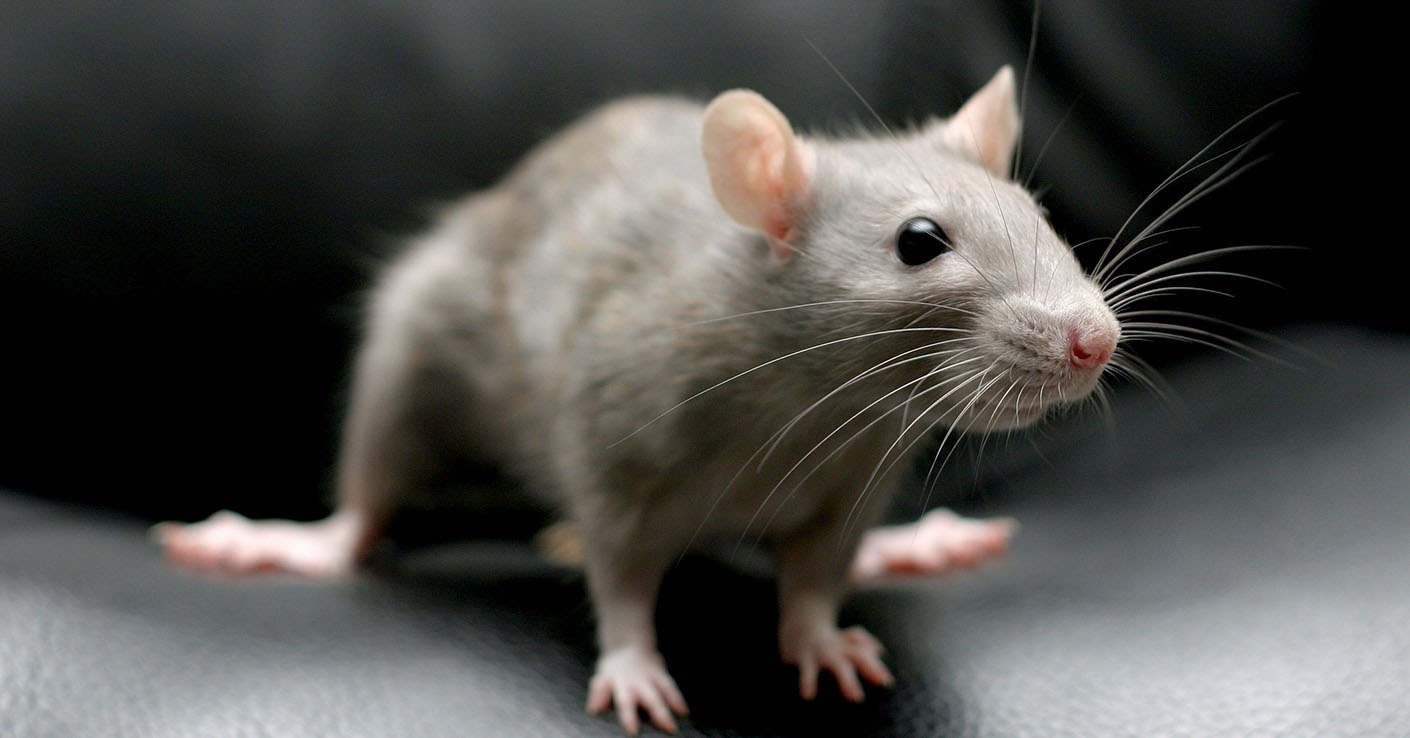
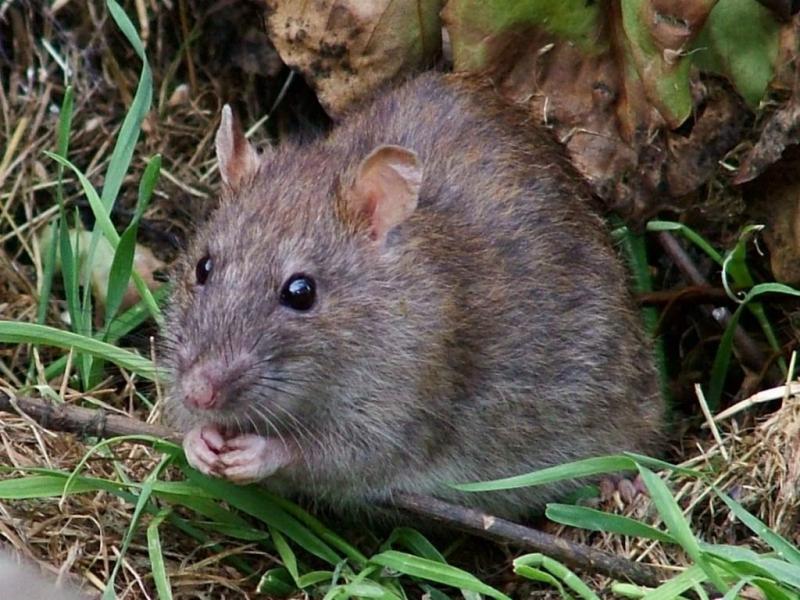
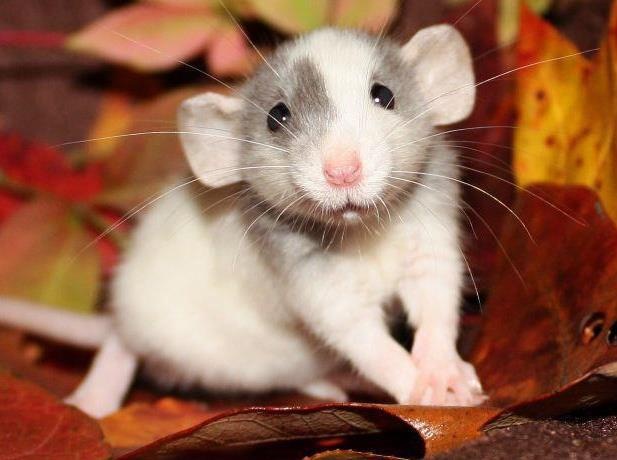
Small rodents are often chosen as pets. Their popularity is due to many factors, including their attractive appearance, intelligence, and cleverness. All of these attributes are particularly true of the pet rat, a favorite among both children and adults.
Content
Breeds of decorative rats
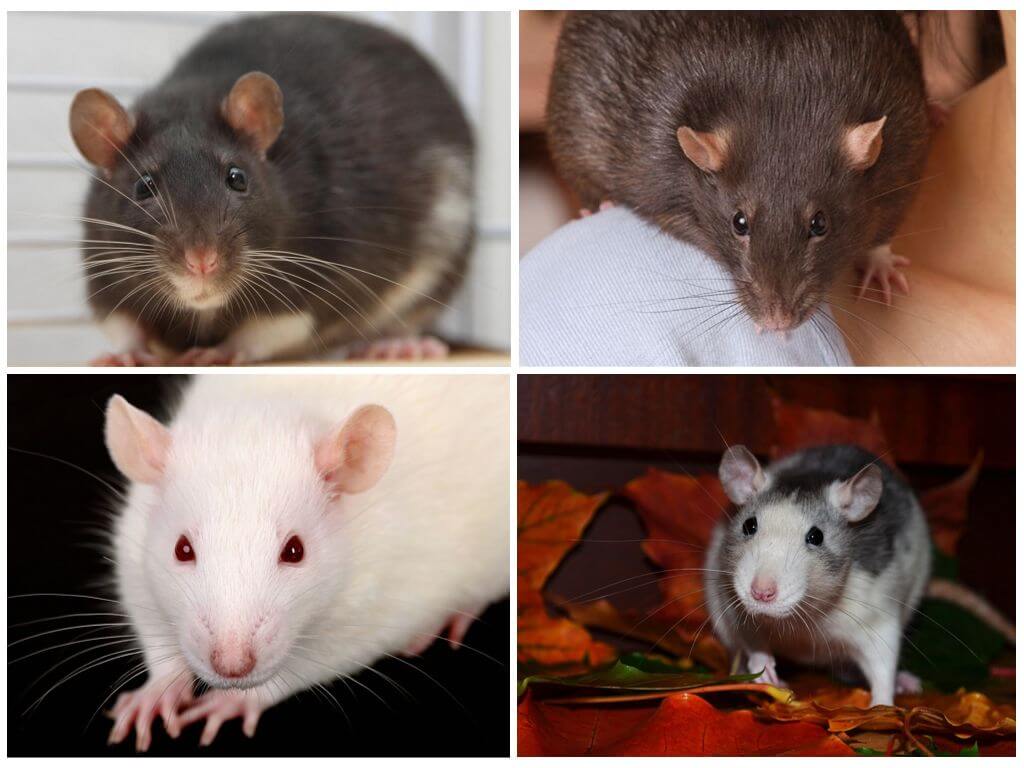
The breed of rat is determined by its body structure and fur.
The concept of a pet rat's breed is quite different from what is commonly understood for other pets. In dogs and cats, the concept of "breed" implies the production of offspring that inherit their parents' physical characteristics, as well as key psychological and personality traits.
Rats are different. Offspring inherit parental traits only with a certain degree of probability. Therefore, a breed is determined by two criteria:
- body structure;
- quality of the fur.
There is also a more precise classification of these rodents based on their fur color.
Seven breeds of decorative rats have been standardized:
- standard;
- Rex;
- satin (otherwise called "satin");
- Sphynx (hairless);
- dumbo;
- tailless;
- downy.
Standard
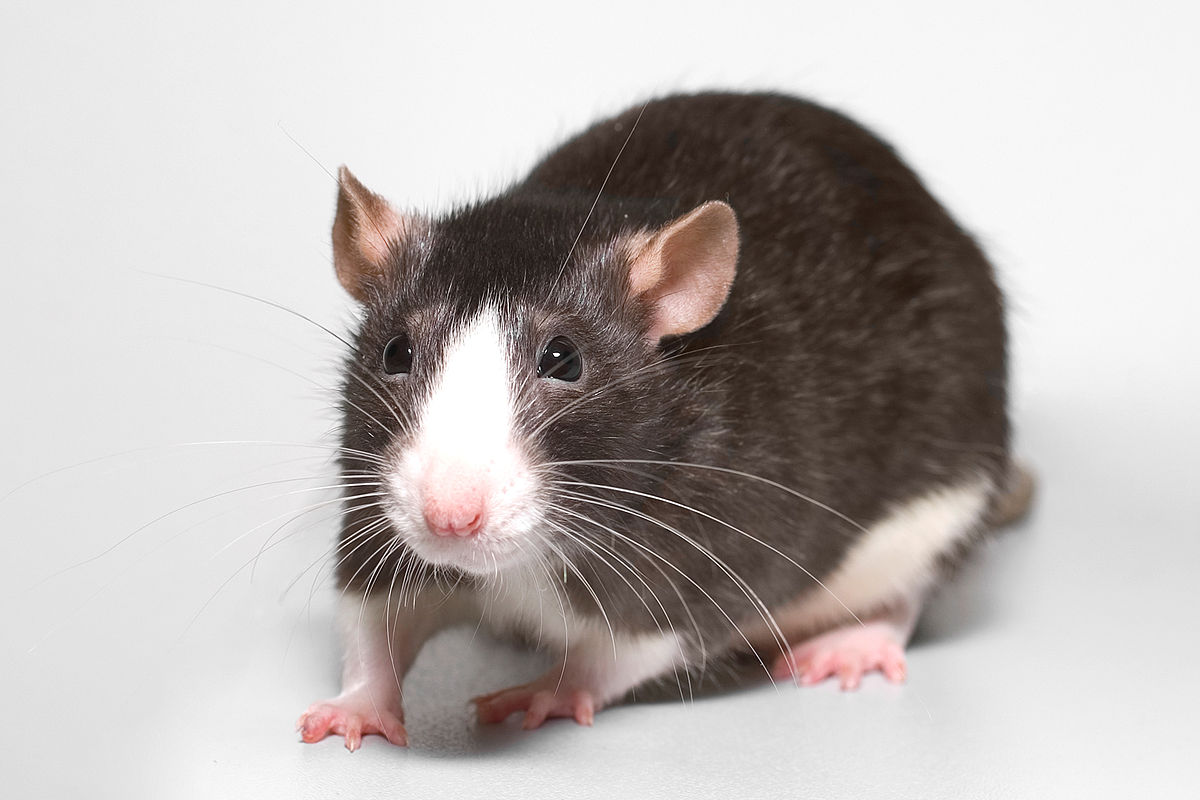
It is this breed that most people imagine when they hear the phrase "decorative rat."
The most common breed. It's the one associated with the term "decorative rat." People who don't breed these rodents often think of them that way.
Characteristic features of the breed:
- short glossy coat;
- elongated body (maximum - up to 24 cm);
- naked, thickened at the base, long tail;
- small rounded ears;
- Above the eyes are thin, short vibrissae (stiff hairs called whiskers and eyebrows, also found in cats and dogs).
Rex
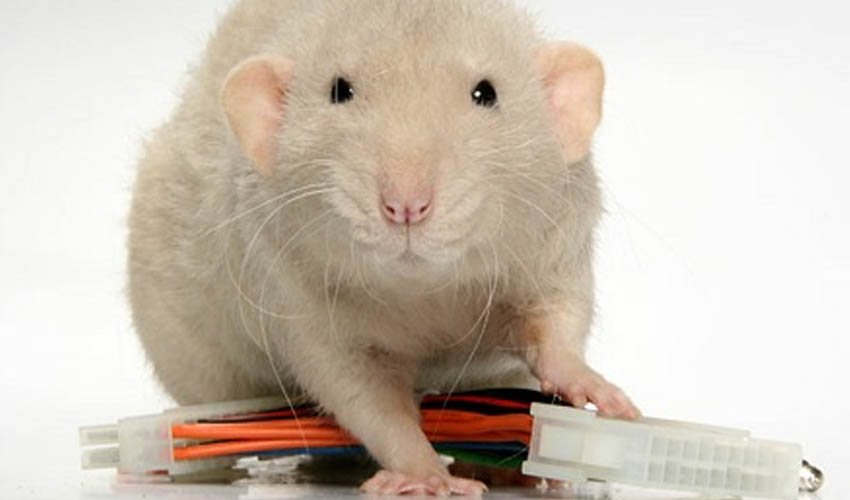
Rex rats have a more refined appearance.
These surprisingly beautiful and striking rodents have curly fur and curled whiskers. They have a matte, thick, and coarse coat. Their belly has a sparse amount of hair. Some members of the breed may have no hair at all.
Characteristic features:
- shorter whiskers than other relatives;
- wool stiffness;
- a small number of whiskers.
Satin
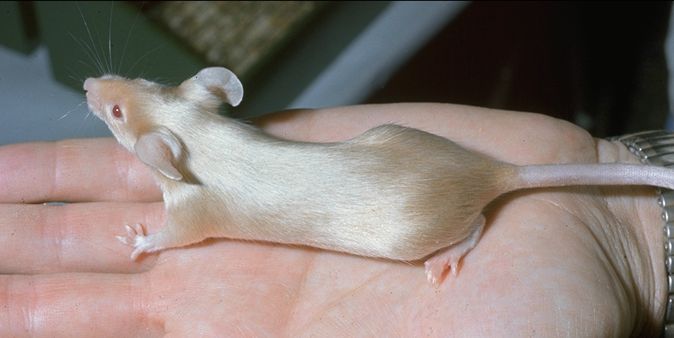
Satin rats are very pleasant to pet.
Satin rats are attractive due to their intelligence and smooth, silky fur. These pets are a pleasure to pet, which they enjoy. Both males and females can reach 30 cm in length. The average weight of a male is 600–800 g, while that of a female is 300–450 g. Their build is similar to that of the standard breed.
Characteristic features:
- short shiny coat;
- a wide variety of colors;
- bare paws and tail.
Sphinx
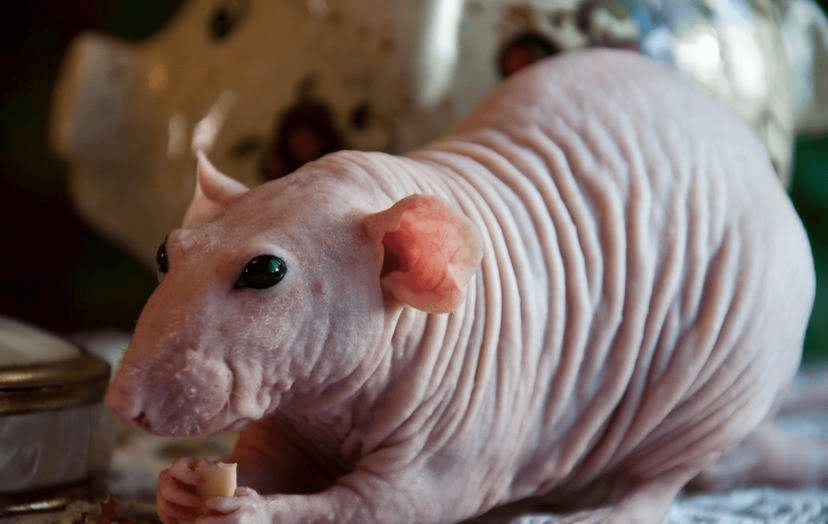
This breed is not afraid of shedding.
Sphynxes are striking decorative rats with a complete lack of hair on all parts of their bodies. They are attractive for their intelligence, friendliness, and exoticism. The breed standard allows for fine, short down on the cheeks, paws, and groin area. Whiskers can be dramatically curled, like those of the Rex breed. The lack of hair dictates specific grooming requirements for these pets. They must be kept away from drafts and sharp objects.
Dumbo
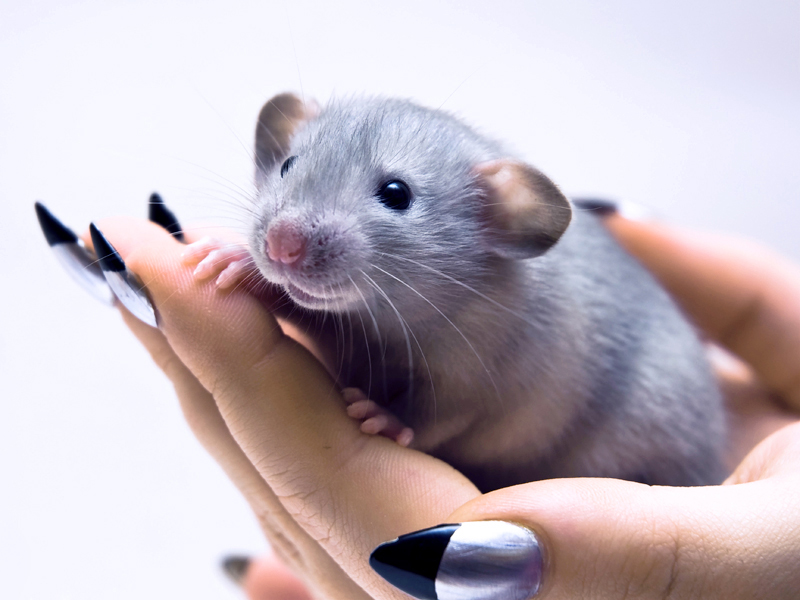
The main distinguishing feature of the Dumbo breed is its charming saucer-shaped ears.
A relatively young breed, developed in the mid-1990s, its representatives have several distinctive characteristics:
- rounded, rather large ears, located closer to the cheeks than in rats of other breeds;
- relatively small size: 15–20 cm in length;
- wider skull than other fancy rats;
- The body shape is pear-shaped, with a thickening towards the tail.
The breed standard allows for some pointedness of the ears, but two types of shapes are considered acceptable:
- "saucer";
- "tulip", with the edge of the ear slightly drooping downwards.
Tailless
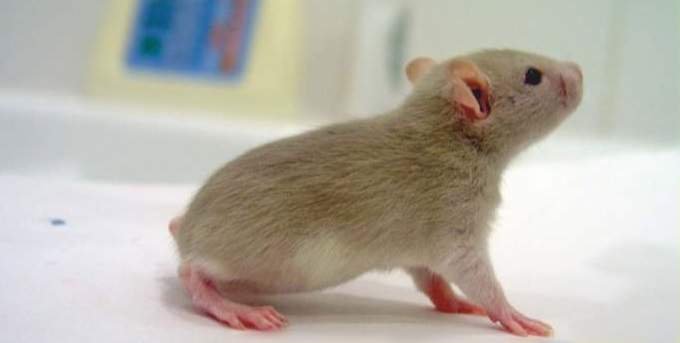
Tailless rats look more like hamsters than their relatives in the rat kingdom.
The breed was created by accident, the result of an unintentional mutation. The name of the breed is self-explanatory, conveying its characteristics. Rats are born tailless, with a pear-shaped body. A characteristic feature is modified lumbar vertebrae. This determines the stocky build and rounded croup.
Tailless rats with different eye colors are often found. This breed has short fur, with some curliness acceptable. Colors can vary widely, including spots.
Downy
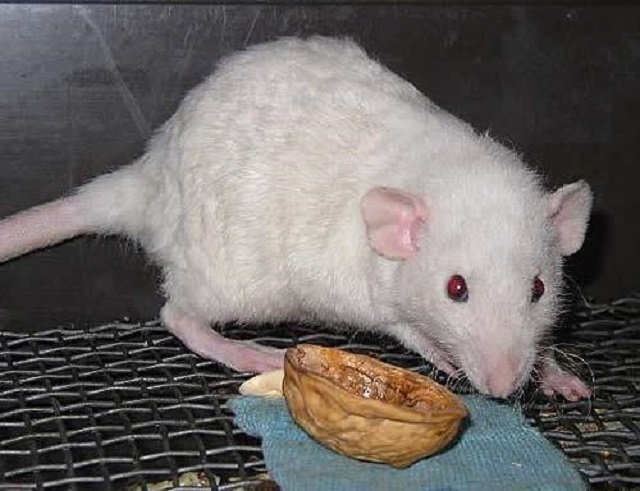
The downy rat fully lives up to its name.
The breed's distinctive feature is its short fur, through which the skin of the body is visible. These rodents shed frequently, periodically revealing different areas of the body. The coat color can vary widely. The hairs are longer and coarser on the face and belly. The whiskers are short and slightly curled.
The Pros and Cons of Having a Rat as a Pet
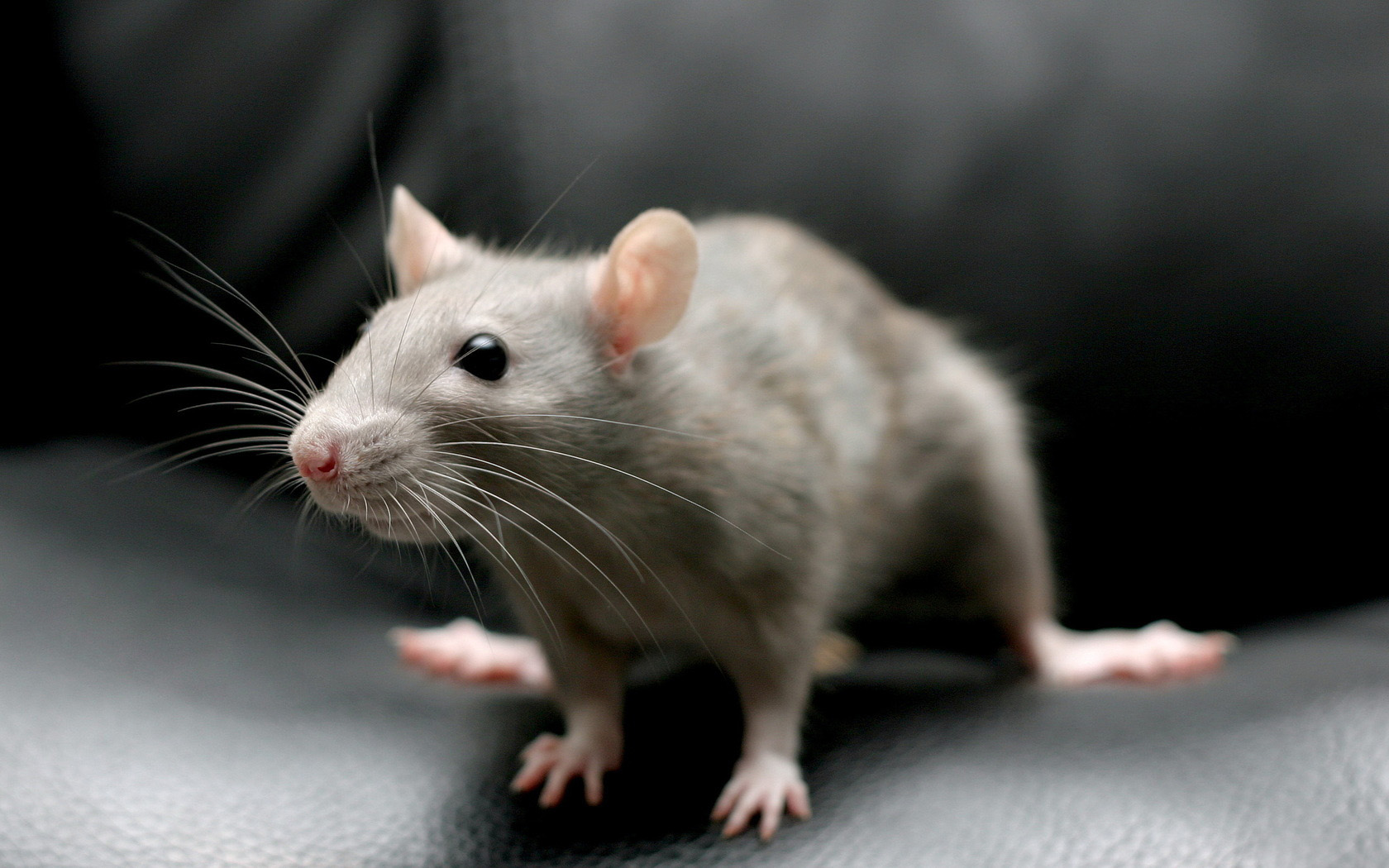
Pet rats are smart and friendly, but they like to sharpen their teeth on various objects.
People's attitudes toward pet rats are mixed. You'll find both those who support keeping these animals and those who oppose them. If a person finds the mere sight of rodents unpleasant, they'll have no interest in them.
Those who enjoy these intelligent and agile animals should be aware of all the pros and cons of keeping them. This will help them make the right choice of pet.
Pros:
- Developed intellectual abilities, thanks to which rats quickly become accustomed to their owner and are able to guess his mood.
- With due persistence from the owner, they can be trained.
- Lack of aggression towards humans, relatives and pets.
- It requires little space for maintenance.
- There will be no need for large expenses on purchasing feed.
- Omnivores.
- They quickly get used to children and allow them to play with them.
- Simple care, mostly consisting of cleaning the cage or other rat home.
Cons:
- When frightened or in physical pain, they may bite.
- The average lifespan is 2–3 years. Once you've become attached to a pet, it's difficult to cope with its loss.
- When kept freely, a rat will inevitably chew on various objects, furniture, and shoes.
- If the smell of food comes from your fingers, the rat may bite.
- People with a keen sense of smell may dislike the odor emanating from their pet. However, most owners don't notice it.
Care and maintenance at home
A decorative rat is unpretentious in maintenance, but in order for the pet to be healthy and cheerful, it needs to be provided with favorable conditionsThere are few rules and they are easy to remember.
What to feed and what not to feed decorative rats
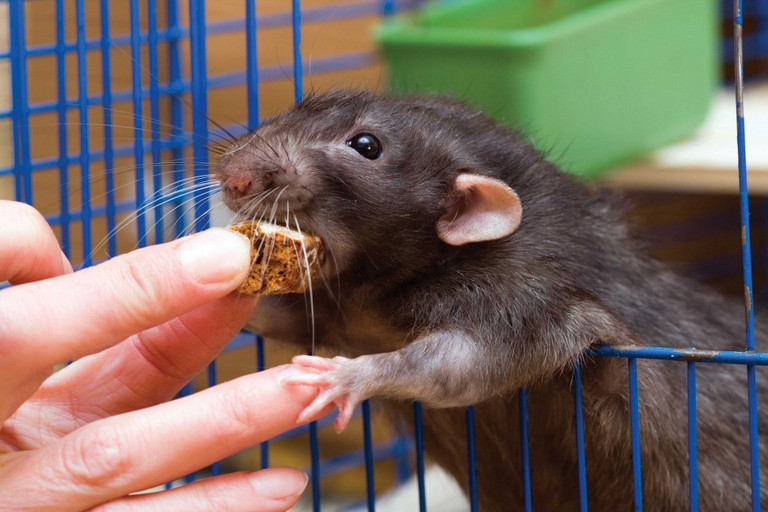
Rats are easy to keep because they are almost omnivorous.
Even though pet rats are rodents, they cannot be fed only grain crops.The diet should be balanced, taking into account the pet's weight and food preferences. A considerate owner always knows what treats their pet enjoys.
Useful feeds:
- cereals;
- legumes;
- nuts;
- dried fruits;
- raw and cooked meat;
- fish;
- boiled eggs;
- cottage cheese;
- cheese.
Unwanted treats for decorative rats include, first of all, fruit bones.Some of these can cause poisoning because they contain amygladin, a toxic substance that releases hydrocyanic acid when broken down. The most dangerous seeds are those from citrus fruits, persimmons, and apricots. Berry pits should also be avoided. Almonds are also not recommended for pets.
Of the vegetables, the following are not recommended:
- fresh white cabbage;
- radish;
- turnip;
- radish;
- eggplants.
Greens should be given in limited quantities. Rhubarb and sorrel should be excluded from the diet. Bananas and pineapples are not recommended.
Hygiene and bathing
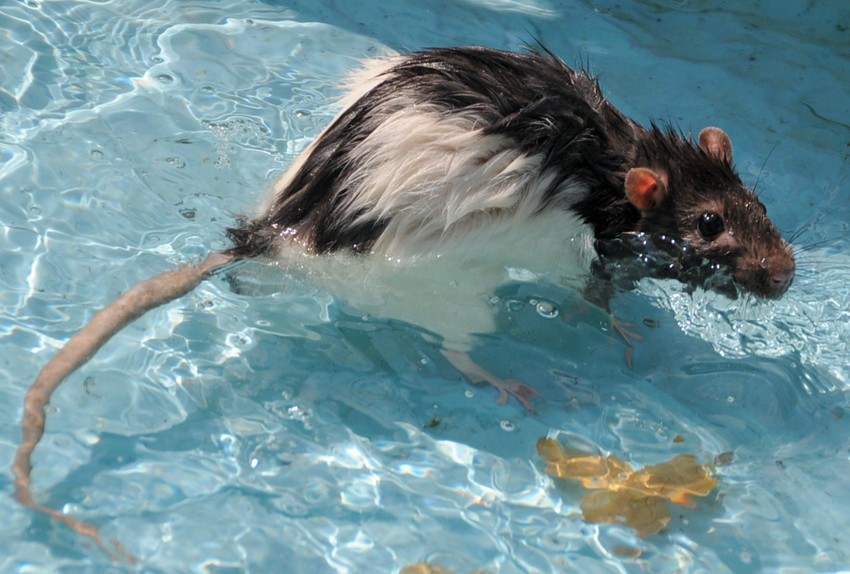
Rats are not big fans of swimming.
Rats are considered the cleanest rodents. However, they still require proper care. Their cages must be regularly cleaned of feces and food debris. This procedure should be performed at least once every 2-3 days. Otherwise, an unpleasant odor will inevitably develop.
Twice a month, all elements of the rat's home should be treated with a 5-10% alkaline solution or creolin. This disinfects surfaces, preventing odors and killing pathogenic microflora.
Contrary to popular belief, rats are not fans of water treatments.Bathing your pet can be complicated by their active resistance. However, much depends on the pet's personal preferences. Some individuals are quite tolerant of this hygienic procedure.
There are several cases when it is necessary to bathe a rat:
- in the presence of parasites;
- if the fur smells bad;
- if the animal is unable or unwilling to take care of itself.
Diseases and treatment
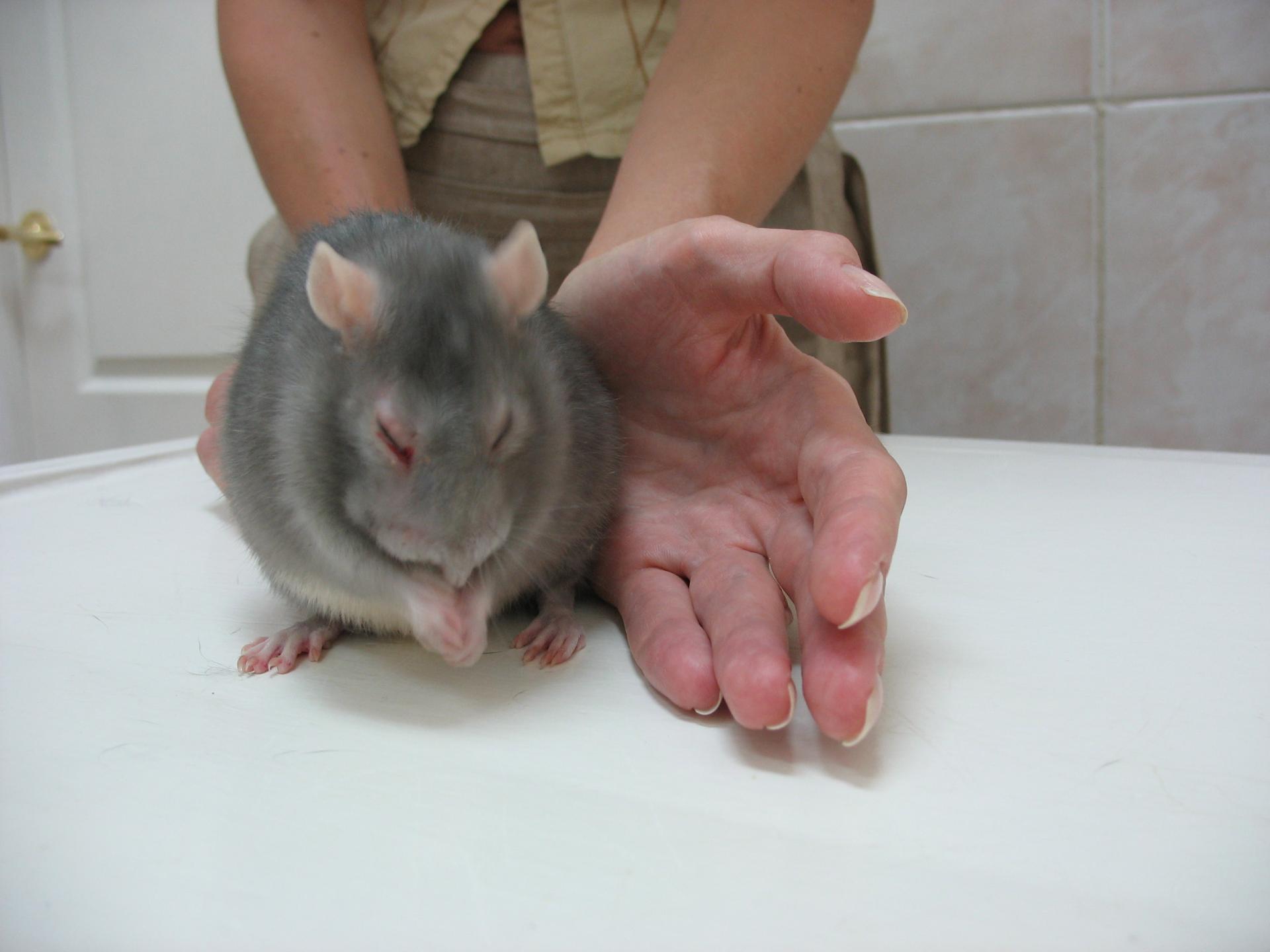
At the first deviation from the normal condition, the rat should be taken to the veterinarian.
Rodents are particularly susceptible to infectious diseases. The first signs of a pet's ill health include:
- lethargy;
- refusal to eat;
- discharge from the eyes and nose;
- ruffled fur.
If any of these symptoms appear, consult a veterinarian. The most common illnesses are:
- salmonellosis;
- listeriosis;
- smallpox (ectromelia);
- pasteurellosis.
An owner without veterinary training is unable to learn and memorize the specific symptoms of each disease and its progression. All that's required is attentive and caring attention to their pet. This will make it impossible to miss any deviations in its health, allowing timely consultation with a specialist.
Without proper care, rats can develop parasitic diseases.They are most often caused by the activity of single- and multicellular pathogenic microorganisms that attack the rat's internal organs. Contact with other animals can lead to infection with fungal infections (scab), ringworm, and helminths. Unlike cats and dogs, rats are not dewormed. Antiparasitic medications are administered if an infection occurs.
Vaccination
Pet rats are not vaccinated against rabies or other diseases. If you purchased your pet from a private seller, not a pet store or breeder, you should take it to a veterinarian. Based on the examination, a specialist will determine whether the animal requires any treatment.
Choosing a house and accessories

The cage for a decorative rat should be spacious.
The minimum size of a house for a decorative rat is 600x400 mm.The more space your pet has, the better. If the cage is made of metal bars, the optimal mesh size is 15x15 mm. In this type of cage, your pet won't get hurt if it sticks its head through the bars. The cage should contain:
- feeder;
- drinking bowl;
- bedding.
Rats are active and active creatures. They need a play area. This could include ladders, mazes, and various toys. One of rats' favorite pastimes is swinging in a hammock.You can make it yourself from scrap materials, or buy it at a pet store.
Breeding of fancy rats
Rats are most often bred for profit or for the purposes of selective breeding, development, or improvement. In any case, this activity requires specialized knowledge.
How to determine gender
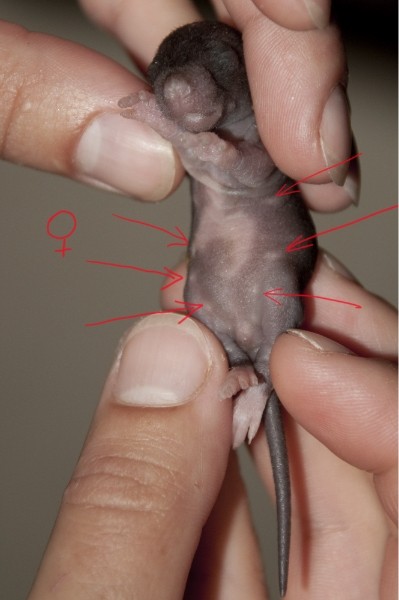
There is a girl in front of us
Already at the age of three weeks, the little rats have clearly expressed sexual characteristics.Males have enlarged testicles. Females lack them. However, newborn rats also have distinctive features that can be used to determine the animal's sex with a high degree of certainty. In females, the beginnings of nipples are visible on the abdomen.
Knitting
At 5 weeks of age, fancy rats reach sexual maturity. However, mating is only permitted after they reach 8–10 months of age. Earlier mating is possible for breeding males.
Required conditions for reproduction:
- individuals must not have any birth defects;
- the male and the female must be healthy;
- Mating between close relatives is not allowed.
In order for the female to become pregnant, she is left alone in a cage with the male for 2-3 daysIt's important to ensure the animals "like" each other. To do this, the owners pick up the rats and let them sniff each other. If there's no aggression, they release the rodents into the cage and leave them alone.
Important! Fertilization of a female is only possible during her estrus period, which lasts 12–20 hours and occurs every 4–7 days.
Pregnancy
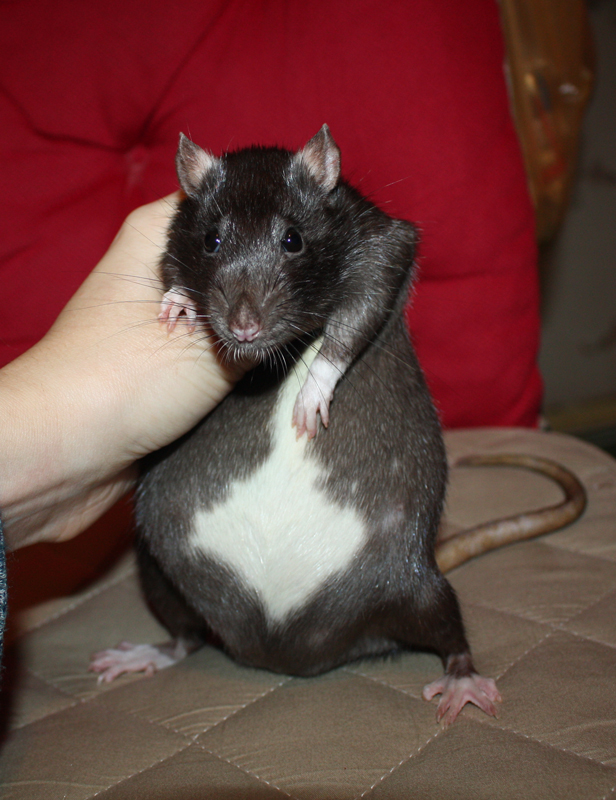
Pregnancy in rats proceeds at an accelerated rate.
Pregnancy in decorative rats is short and lasts only 21–23 days.If complications arise, premature birth is possible. If this occurs on the 18th or 19th day of pregnancy or later, the pups will be viable. If it occurs earlier, there is a high risk of death of the offspring.
First signs of pregnancy:
- the female's body takes on a pear-shaped form;
- the belly becomes rounded and increases in size;
- nipples enlarge;
- The female becomes less active and her appetite increases.
If the litter is small, all these signs may become pronounced only in the last week of pregnancy. On average, a female rat carries up to 10 pups. In the second half of pregnancy, you can feel the offspring move by placing your fingers on the pet's abdomen.
The first sign of approaching labor is the female's desire to build a nest..
The birth process proceeds as follows:
- bloody discharge from the vagina appears;
- contractions begin, during which the animal lies on its side or back and begins to stretch out;
- when the rats begin to emerge, the female assumes a sitting position;
- With her teeth she removes the birth membrane from each cub and licks it.
On average, labor lasts 1–3 hours.
How to care for newborn rats
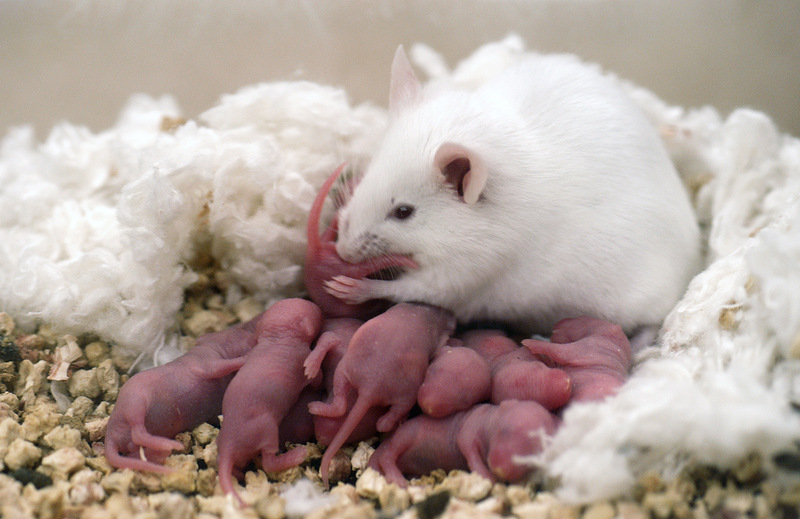
Rats are very caring mothers.
Decorative rats are caring parents. During the first few days, the mother does not leave her offspring, and during this time it is not advisable to pick up or examine the rats.If the female detects a foreign odor, she may eat them. A nursing mother must be provided with adequate nutrition.
By the end of the second week of life, the rat pups will begin to open their eyes. Throughout this period, the nest temperature should be maintained at 38–39°C. By the third week of life, the animals begin to show activity and interest in the world around them. The mother spends all her free time with them. Examining the pups to determine whether they are littermates should be done only in the mother's absence. She can be distracted with food or simply removed from the cage.
At 15-16 days of age, baby rats begin to actively explore and chew their surroundings. They readily eat food intended for adult rats. Therefore, the amount of food provided should be increased. To prevent injury to the animals, small and sharp objects should be removed from the cage.
Training and playing with your pet
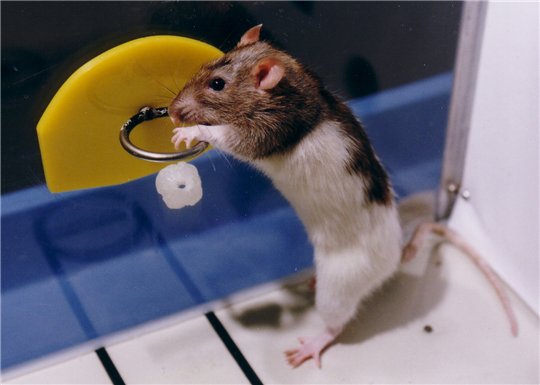
The variety of games with rats will surprise you.
Decorative rats have a natural intelligence, which makes them easy to train.It has been observed that individuals with colored fur are more capable of learning. White rats are more inert. Furthermore, they have poorer eyesight.
Rules for training decorative rats:
- The last meal should be 10-12 hours before the start of training. This will encourage your pet to be more proactive in seeking treats.
- The maximum lesson duration is 30 minutes.
- Before training begins, the animal is given the opportunity to sniff and explore the area where the lesson will take place. This way, the rat won't be distracted by unfamiliar smells.
- Training begins with reinforcing random movements and actions. If the pet jumps over an object, reward it with a treat and return it to its original position.
- The task becomes more difficult only after the previous actions have been fully completed and consolidated.
Tricks that decorative rats can perform:
- jump over an object;
- jumping through a hoop;
- search for a treat in a maze;
- walking on hind legs;
- taking a piece of paper out of a box;
- selection of a specific item from several located next to each other;
- running up and down stairs (including rope stairs).
Playing together is fun for both owner and pet. The most popular toys are:
- small balls (ideally from table tennis);
- beautiful papers;
- matchboxes filled with treats.
Watching a pet play is both interesting and educational. Play reveals a rat's personality, and the owner begins to understand their pet better.
How long do pet rats live?
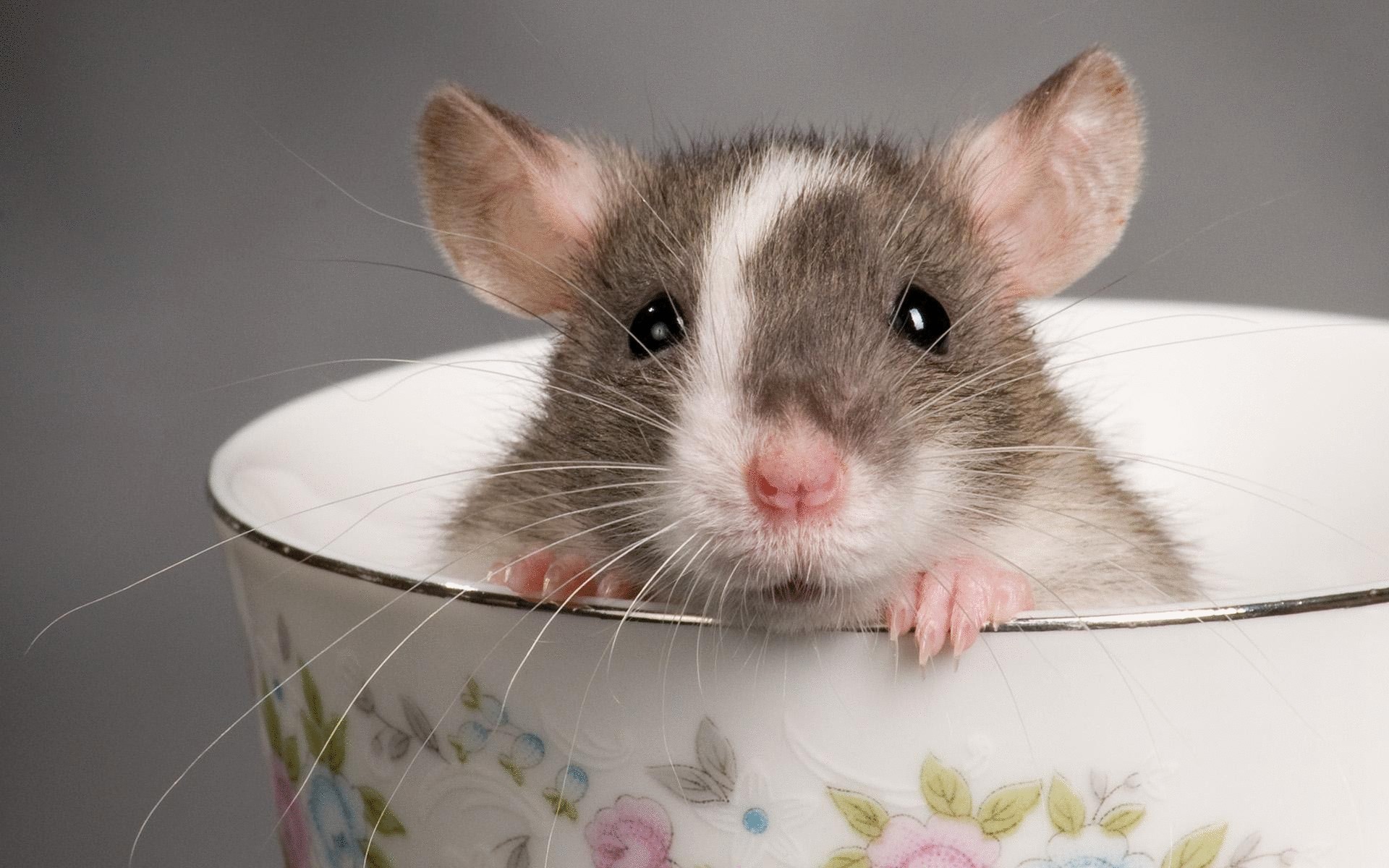
Unfortunately, rodents don't live very long.
The average lifespan of fancy rats is 2-3 years.But there are also long-lived cats, capable of living beyond three years. How long a pet lives depends on its genetic makeup. Even the most meticulous care and proper nutrition will not extend their natural lifespan.
Relationships with other animals

Rats are very friendly towards other animals.
Decorative rats are distinguished by their friendly nature.They easily make friends with other animals and show no aggression toward them. In terms of intelligence and intellectual development, these rodents are comparable to cats and dogs. However, whether pets become friends depends not only on the rat but also on the character of the other animal.
How to name a pet
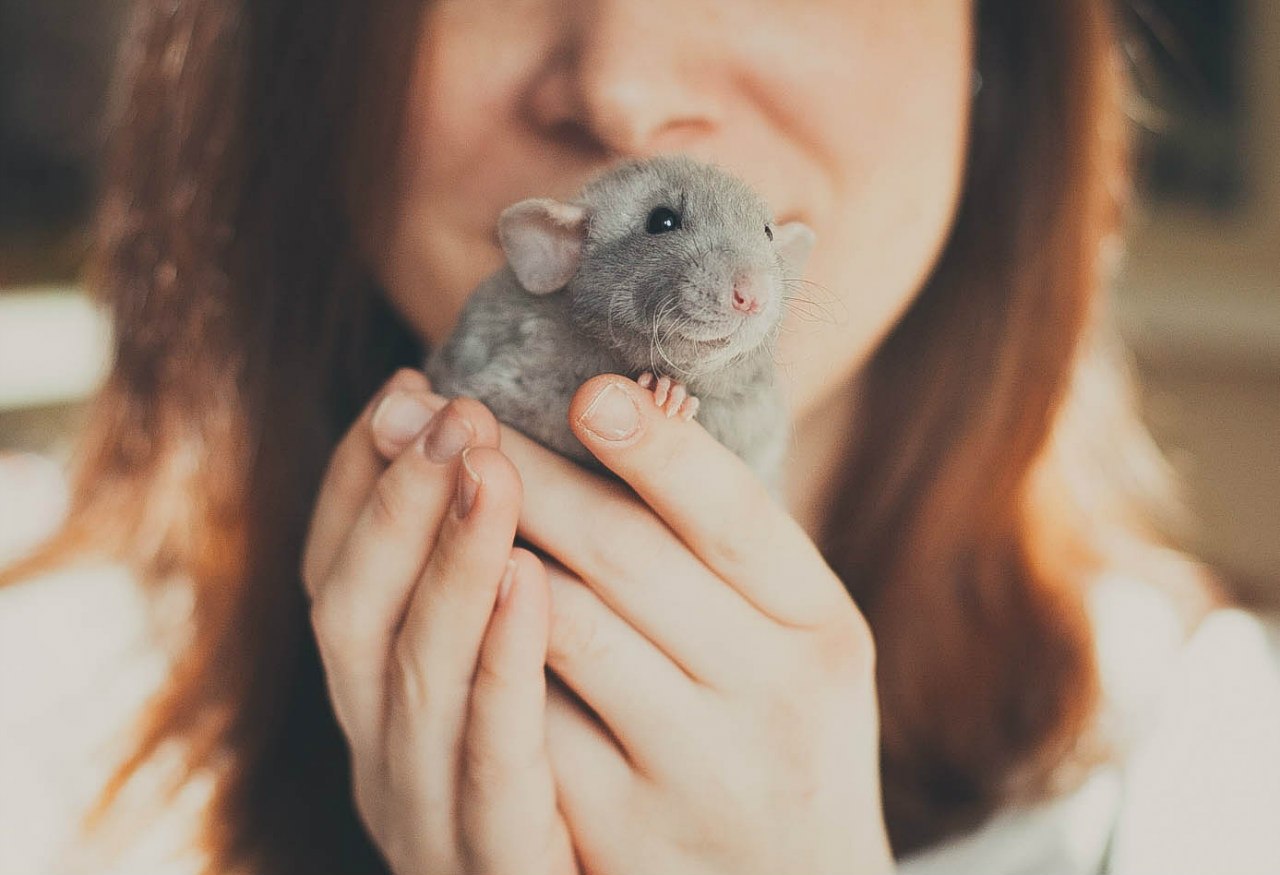
There are no special restrictions when choosing a name for a rat.
A pet rat can be named anything the owner likes. Some owners prefer catchy and famous names like Caesar, Margarita, Chapaev, and Cleopatra.
Others opt for simple and familiar nicknames:
- Zoya;
- Zina;
- Petka;
- Alice;
- Vasya;
- Borya;
- Khariton;
- Ksyu.
There are more “exotic” name options for rats:
- Dollar;
- Candy wrapper;
- Bucks;
- Lord.
Female rats quickly get used to names that contain the letters K, M, and D. For males, it is advisable to choose nicknames that begin with K, S, Sh, R, and N.
Fancy rats are one of the best pets for those who don't want the hassle of walking a dog or keeping a cat. They don't require a lot of food, their cage doesn't take up much space, and interaction with this intelligent pet will bring a lot of joy and pleasure.