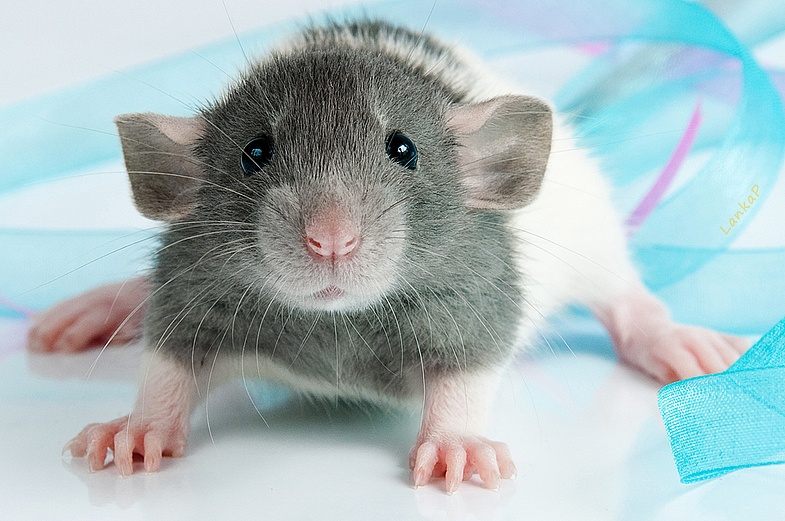
Rats and mice are frequent visitors to the chicken coop. While mice aren't particularly harmful, rats are a concern. These rodents eat eggs and young chickens and also carry worms, fleas, and various diseases. To prevent these unwanted guests from causing significant damage, poultry farmers must ensure the safety of their hens. There are various ways to protect laying hens from rats, including poisons, chemicals, and traps. When choosing a method, remember that it must be safe for birds and animals, yet effective against rodents.
Content
How do rats get into a chicken coop?
A chicken coop is a special building designed for keeping laying hens. It's warm and dry during the winter. Feeders full of grain, feed, and laid eggs all attract rats. The animals begin hunting at night and easily enter the building through cracks, clay floors, and open hatches. Even a chicken coop built on stilts is no problem for rats. They will get in there anyway, especially since rodents can easily move along inclined surfaces. Pests appear in a barn in the same way as in a chicken coop.
You can tell if there are rats in your home by the following signs:
- the smell of ammonia;
- noise, fuss, stomping;
- holes in the floor and walls;
- excrement in the form of small black lumps;
- the appearance of holes in bags of feed and grain.
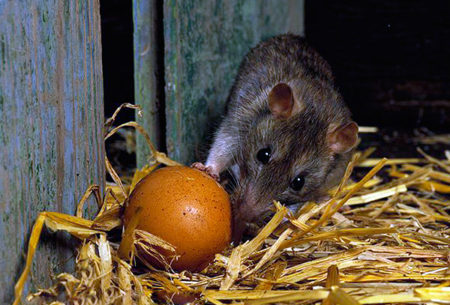
Rats really love to eat eggs.
How rats harm laying hens
If small rodents appear in the coop, hens react aggressively to them, catching and eating them. However, they are wary of rats. The birds are unable to cope with these rodents on their own. With their presence in the coop, the hens become restless, and their egg production decreases.
If you don't fight pests, troubles are inevitable:
- Rats cause discomfort to hens while they sleep by nibbling the scales on their feet. This causes stress in the birds, and over time, their egg production will decrease and their weight gain will be slower.
- Rodents steal and eat eggs. Although most rats eat plant matter and grains, they find this tasty treat hard to resist.
- They spoil and destroy food intended for chickens: they happily feast on grain, feed, vegetables, and vitamin supplements. Root vegetables spoiled by rats rot and harbor dangerous microorganisms.
- They strangle young birds and chicks. Hens don't always have time to help their young, and rats easily kill the chicks. The rodents don't attack adult birds.
- They destroy the chicken coop. With their sharp teeth, they gnaw holes and cracks in the floor.
- They carry infections. These animals love to climb into landfills and garbage dumps, bringing back pathogens that are dangerous to both birds and humans.
- They carry parasites on their fur. When entering a chicken coop, rats can infect chickens with fleas, scabies mites, and helminths.
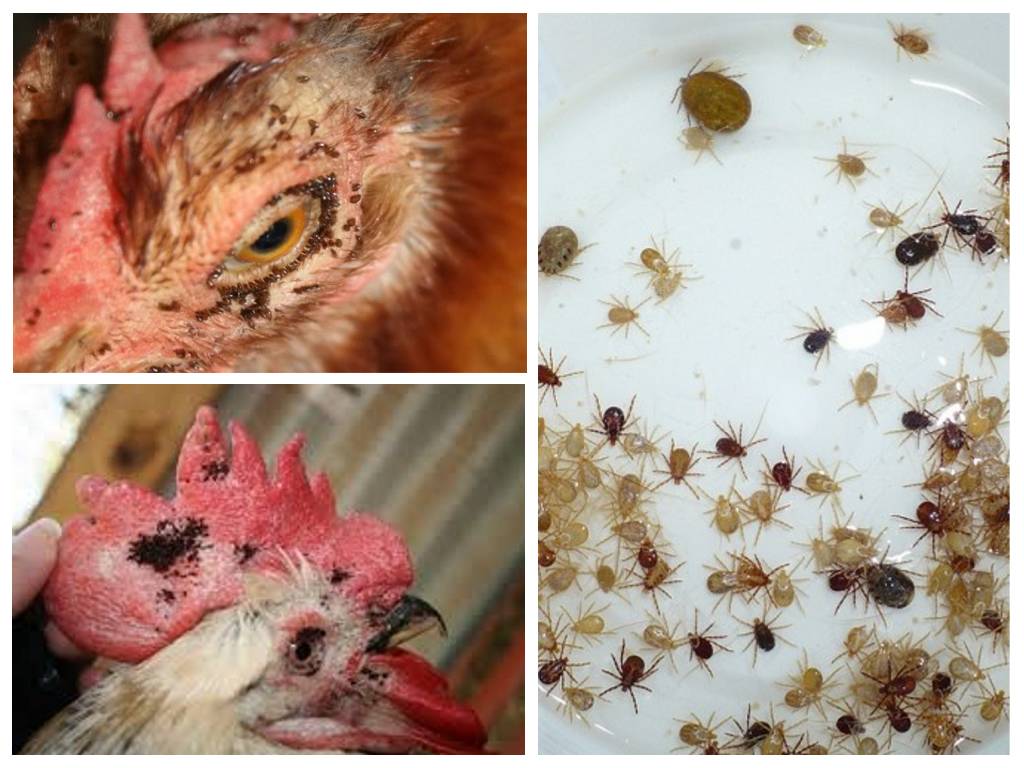
Chickens can become infested with lice and fleas when interacting with rats.
As soon as you notice evidence of rats in your chicken coop or barn, you should immediately begin exterminating them. After all, they not only undermine the health of birds and animals but also cause damage to the premises. By gnawing holes and digging passages for their free movement, the animals destroy the structure built by man.
Ways to get rid of rats
People have long been accustomed to getting rid of rodents themselves, using repellents, traps, and various devices. Chemical rat control products are currently popular. Biological, mechanical, and traditional methods can also be tried.
Biological
It's common knowledge that even the most common cat poses a significant threat to rats. Therefore, a simple way to get rid of rodents is to get one as a pet. A purebred pet is unlikely to hunt, but a common alley cat, living near the house rather than in it, will happily catch the animals. Even the mere scent of a cat can repel rats.
If you have geese or turkeys in addition to chickens, they can also be a good rodent control aid. If a rat gets into the coop or barn at night, they'll make a noise and start cackling, scaring off the pest.
You could also try taming a hedgehog. It's a danger to rats. Fill a container with milk and place it in the coop overnight, as that's when rodents are most active.
Some dog breeds, such as terriers and dachshunds, also hunt rodents, but they need to be trained to do so.
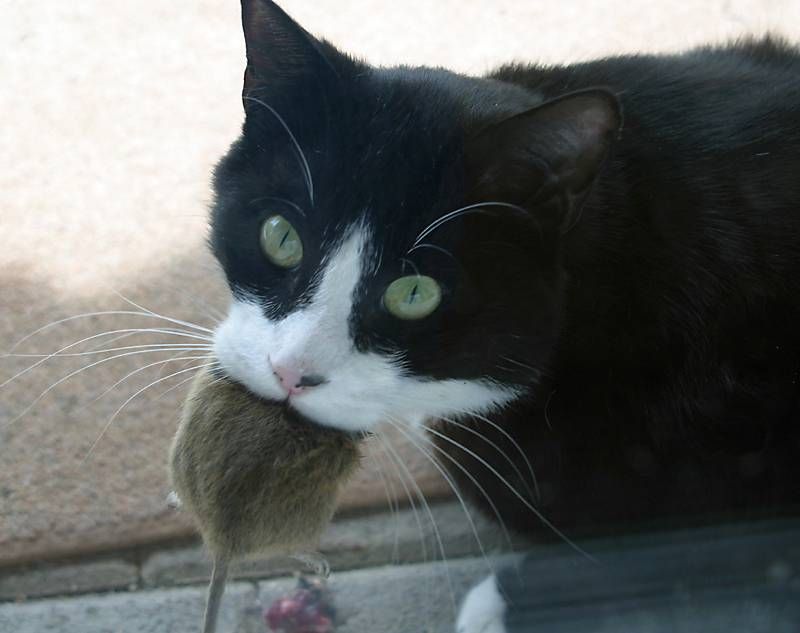
A reliable way to get rid of rats is to get a cat.
Mechanical
When catching rats in a chicken coop mechanically, proceed with caution. Traps and snares are most often set near nests containing eggs. However, rodents are smart and will avoid dangerous structures, unlike a hen or chick. Therefore, traps should be set so that adult birds and their offspring are not caught in the trap.
You can equip traps with glue. But such bait is only suitable for small mice or rats. Large animals will escape from it.
The easiest way to catch a rat is to use a plastic bottle or jar. Coat its sides with sunflower oil. You can pour it inside and shake it to spread it. Next, place a piece of sausage or lard in the container. The rat trap's reliability lies in the fact that it can be placed anywhere in the coop. The chicken won't fall into it, and the rat, once inside, won't be able to get out.
There's an interesting way to get rid of rats using a barrel or bucket. Fill an unused container halfway with water, and place a piece of wood with lard, smoked meat, or other bait on top. Place a board at an angle to the bucket (so the rat can climb up to the bait), and place the structure in the coop. The rat, drawn by the delicious smell, will end up in the bucket.
Video: DIY rat trap
https://youtube.com/watch?v=KkTAhSQpJDw
Traditional methods
Unpleasant guests like rats need to be eliminated as quickly as possible. But if you can't afford an expensive trap, you can use old folk remedies. There are humane and inhumane methods.
Methods of rat extermination:
- Stove ash scattered on the floor is detrimental to rats. The alkali it contains sticks to the animals' paws and corrodes them. When the rodent licks them, the ash enters the mouthparts and esophagus, causing tissue necrosis and death.
- You can prepare a lethal bait consisting of equal parts plaster of Paris, flour, lime, and sugar. Rats love tasty food and won't be able to resist the filling treat. When ingested, the mixture corrodes the esophagus, burning the organs, and the animal dies.
- An excellent remedy is a mixture of equal parts cornmeal and gypsum. Mix it with milk to form a soft dough, form balls, and place them in the corners of the coop. Once eaten, the bait hardens in the rat's stomach, killing it.
You can scare away a rat in the following ways:
- Place thorny plants on the floor of the coop, such as burdock or blackroot. When running around the coop, the animals pick up the thorns in their fur, making them difficult to remove. This will discourage them from making further incursions.
- Certain plants can be used to combat rats. The scent of wild rosemary, onion, mint, and elderberry has a repellent effect. If using dried grass or onion, crush the mixture and spread it on the floor, making sure to also tuck it into the rats' burrows. Peppermint can also be used as an infusion: soak a small piece of cloth in the solution and place it in the rats' hiding places.
- Rodents have a well-developed sense of smell; they can detect the smell of burning very well and, frightened, flee. Therefore, you can get rid of rats in a chicken coop by burning their fur or wearing a collar or hat that is unsuitable for wear. The chicken coop is fumigated with a smoking piece. The animals, smelling the burning smell, will flee and leave the coop.
Video: An unusual way to get rid of rats
Ultrasonic
If folk remedies haven't worked and rats continue to frequent the chicken coop and barn, you can use an ultrasonic device, which is designed to repel rodents rather than kill them. The sounds emitted by the device are inaudible to humans and birds, but they are very unpleasant for rats. The animals begin to panic, feel discomfort, and fear. Although humans cannot hear ultrasound, it is best to turn off the repeller when in the chicken coop, as its vibrations are harmful to the body.
There are two types of ultrasonic repellers: household and industrial. The former is battery-powered and suitable for use in a small chicken coop, as its effect is limited to a small area. Furthermore, it quickly wears out when its battery runs out. Industrial repellers are electrically powered, installed in a large coop or barn, and can be activated without human intervention. The most well-known brands of ultrasonic devices are Grad, Tornado, and Typhoon.
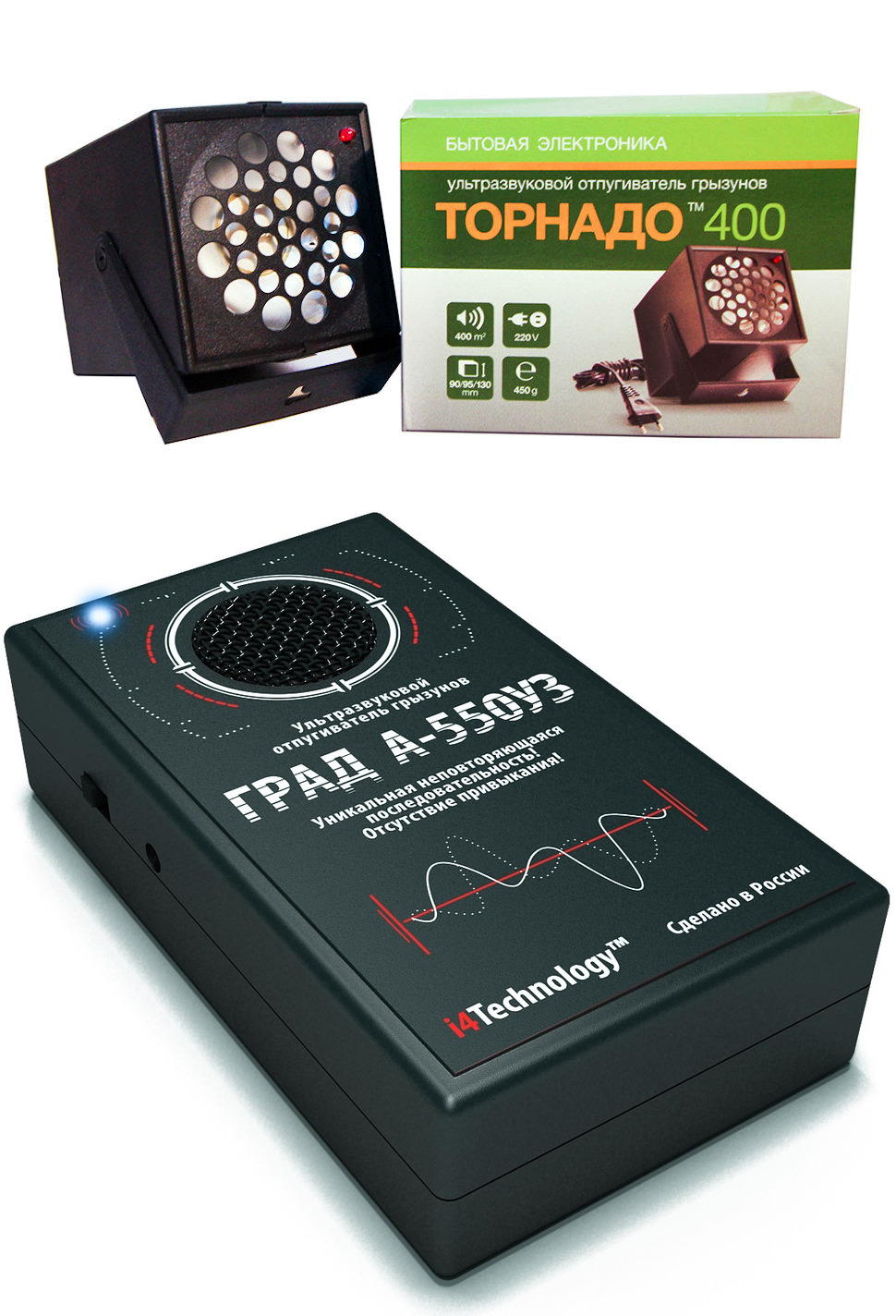
Rats cannot stand ultrasound, so they will leave the chicken coop if you install a special repeller there.
Chemicals
On poultry farms or in large chicken coops, fumigation is used. The premises are treated by spraying chemicals. The birds are isolated during quarantine. It is not advisable to use this method at home; it is better to leave this to professional pest control services.
A simpler and more accessible method of eliminating rats is the use of poison. The poison, placed around the chicken coop, acts as bait. The smell it emits is pleasant to the rodents. Once a rat has tasted it, it dies within a few days or even hours. However, care and caution must be taken when choosing this method. The aroma emanating from pesticides attracts not only rodents, but also pets and chickens. Therefore, bait should be scattered or placed in areas less accessible to birds. Wear gloves when handling toxic substances, and be sure to wash your hands with soap afterward. For greater effectiveness, alternate products, as rats quickly become accustomed to the same substance.
Table: Popular rat control products
| Preparation | Properties |
| Krysin | The substance is available in ampoules. A mixture is prepared: the drug, sunflower oil, and grains or seeds. The resulting mixture is placed at the entrance to the burrows. The rodent dies two minutes after ingesting the poison. |
| Goliath | This product takes effect after 12 days, so it's not suitable for those looking to kill rats quickly. After consuming the product, the rodents become oxygen-starved and try to get out of the coop as quickly as possible, which subsequently simplifies the process of removing the carcasses. |
| Ratid | There are two products called Ratid-1 and Ratid-2. They come in granules, with 40 pellets per pack. One pack is enough to kill rats in a poultry house. Ratid-2 is an improved version of the first version. It contains an additive that allows for mummification of the corpse. |
Photo gallery: Chemicals for rat control
-
- The most effective method of exterminating rats is the use of special chemicals consisting of poisonous bait.
-
- Some types of poisons, such as Ratid-1, contain mummifying components
-

- Goliath is considered one of the most powerful means for fighting rats.
How to protect birds and animals when using poisons
When using pesticides to kill rodents, remember that rats aren't the only animals at risk. Chickens are also attracted to the poison. They'll also want to try it, so place the poison out of reach of birds and pets. A poisoned rat is also dangerous. A cat can eat it, which will likely kill it as well. To ensure the safety of your chickens and pets, follow a few simple rules:
- If using poison, move the chickens to another coop or a separate room. Place the poison in the barn where the rodents are present. After the rats are dead, thoroughly clean the room. Check for dead rodents under the hay. Remove the old bedding with any remaining poison and replace it with clean bedding before returning the birds to the coop.
- If you don't have a spare coop, you can use another chicken-safe method. Place the poison in a wooden box, preferably one with a hinged lid. Punch holes through it to allow the rodent to get inside. There should be two holes, as without an exit, the rat will not enter the enclosed space. Smelling the delicious aroma, the rat will scurry into the box. Neither the chickens nor any other animals will be able to get inside and will remain safe. To prevent the box from falling or being knocked over by the birds, place something heavy on top of it.
- Provide the chickens with a wire mesh enclosure. Install protection not only on the sides but also on top.
Prevention
To prevent rats from invading your barn or chicken coop, follow these simple rules:
- It's best to use chew-proof bricks when building a chicken coop. Galvanized mesh should be installed around the entire perimeter of the coop. The floor should be a concrete base with fiberglass added. Straw should be sprinkled on top for insulation and moisture absorption. The door to the coop should close tightly.
- The room must be ventilated regularly.
- It is essential to maintain cleanliness in and around the chicken coop, carry out sanitization, and take out the trash on time.
- It is important to ensure good access to light.
- Strong-smelling plants (chamomile, mint, wormwood) should be planted around the chicken coop and barn.
- To prevent rats from carrying away the eggs, nests should be located at a height of about 40–50 cm from the floor.
- There is no need to leave feed and grain supplies in the chicken coop for a long time or overnight.
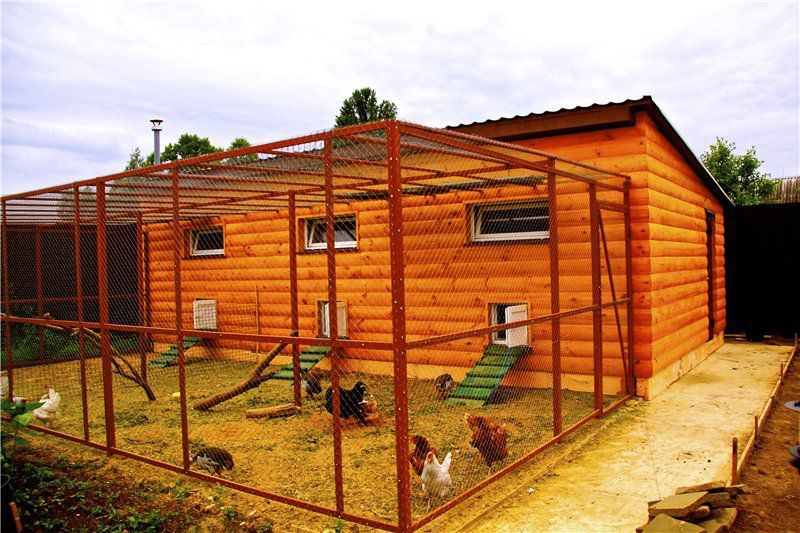
Following all the rules for building a chicken coop will help protect your chickens from uninvited guests in the form of rats.
Reviews
Try ultrasonic rat repellents. There are plenty of suggestions online... according to the instructions, they're harmless to humans and other pets, except rodents. I installed one, and they seem to have gone away. Now, with a timer, it turns on at night in random mode to keep out stray rodents, and, as the manufacturer recommends, to prevent rodents from getting used to the ultrasound. I bought the Chiston-2 for myself.
There's no better way to deal with rats than with a rat-catching cat (or cat). Rats are so smart that they won't even eat poisoned bait. They smell it, I suppose. A friend of mine has a rat-catching cat in the countryside. She's some kind of dwarf breed; I found her on the street in the bitter cold as a tiny kitten. She barely managed to get out; the tips of her ears and tail had fallen off. Her mouth was just fangs, jutting out, and they even extend past her lip, you could tell. She has no other teeth. Many rat-catchers are like that. How she manages to catch rats at least twice her size, I don't know. But she's dragged all the rats out of the house and now she hunts in the neighbors' sheds.
An old, rather cruel method. Mix plaster of Paris with flour and place it on saucers in various places. Place water bowls nearby. Change the bait regularly, as the plaster of Paris absorbs moisture from the air. Rats readily devour this mixture and drink the water… A blockage forms in their intestines. They scream terribly. The other rats leave. I've observed the results repeatedly.
Every poultry farmer cares about their chickens, their safety, and strives to provide them with everything they need. It's important to put maximum effort into building a reliable chicken coop, then keeping it clean and implementing preventative measures. If rats appear in the coop, take immediate action; it's easier to deal with a few rodents than to eradicate an entire flock. Use the most accessible method, but remember that it shouldn't harm the birds.