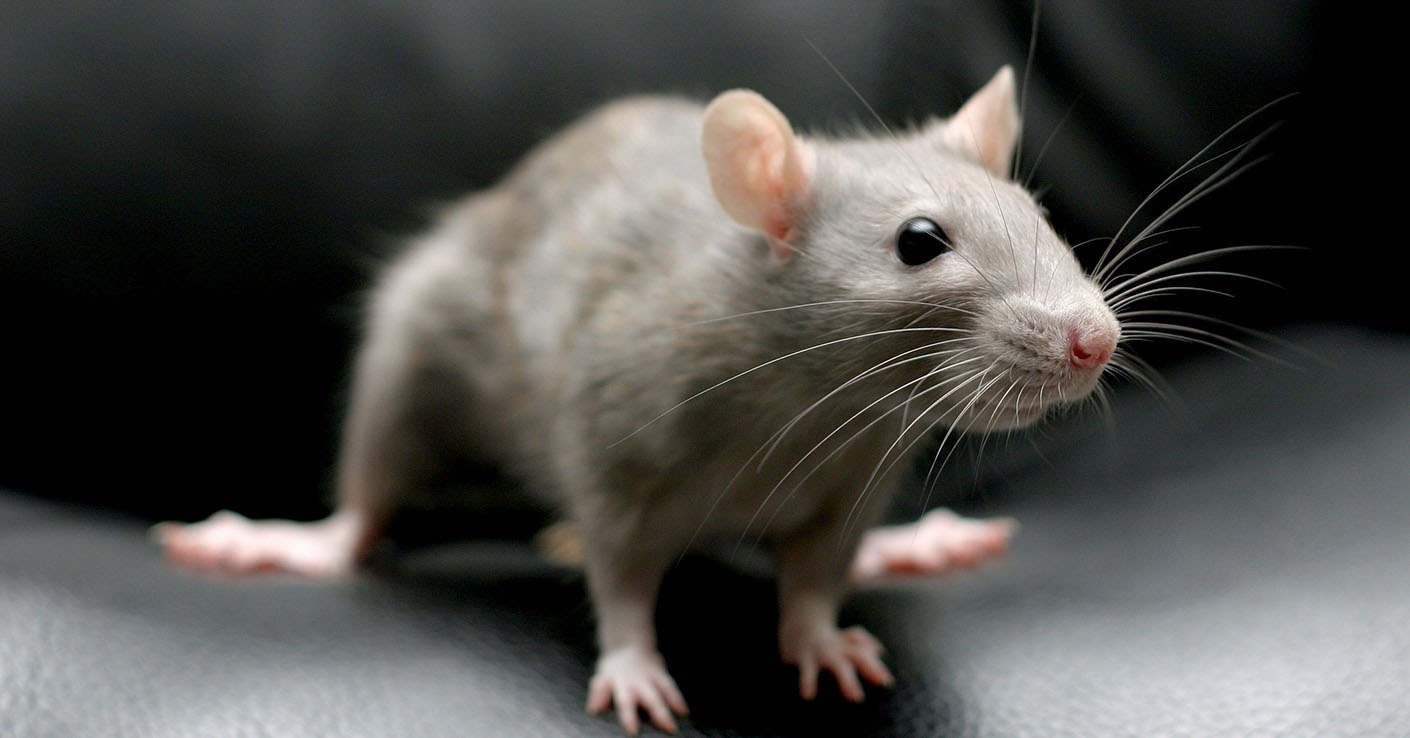
Rats are among the most dangerous and intelligent pests that share our homes. However, they can and must be controlled, otherwise, your home will become simply dangerous.
Content
What is the danger of rats?
Some people find these furry rodents cute, but only until they take up residence in their home. All they need from humans is food. A single rat requires 7-10 kg of food per year, and in the wild, they can't find that much. Therefore, they most often live in garbage dumps and bins, but sometimes they prefer warmer places and even come right up to our homes.

If you don't fight rats, they will feel like the real masters of the house.
The main danger of rats is that they bring germs and infections into the house from their unclean feeding places. So, rodents can present you with:
- leptospirosis (the infectious agent causes damage to the brain, kidneys and liver, leading to severe intoxication and impaired blood clotting);
- listeriosis (an acute form of the disease that affects the central nervous system, liver, lymph nodes and spleen; the infection is especially dangerous for people with weakened immune systems and pregnant women);
- toxoplasmosis;
- hemorrhagic fever;
- hepatitis E;
- typhus;
- plague.
A rodent can also bite, infecting a person with streptobacillosis. The disease is accompanied by a high fever, severe shaking, and joint pain. Without treatment, it is fatal in 10–25% of cases.
How to tell if there are rodents in your home
They're easy to spot, as they're quite large and don't try to hide their presence. You can recognize their presence by the following signs:
- holes in the basement, partitions and walls of the building and basements;
- excrement in the form of separate fragments of a grayish color and a characteristic stench from them;
- torn packaging or chewed food products with small teeth marks.
The surest sign is seeing rats in person. If you notice any of the above, begin combating them immediately.

Gnawed food is one of the main signs of rat infestation.
How to get rid of rats
Once you've identified a pest in your home, decide on a strategy to eliminate it from the occupied area. The modern chemical industry offers a variety of treatments, but traditional methods are also quite effective.
Folk remedies for rodent control
There are various ways to get rid of rats without chemicals.
- Finely ground ash is scattered on the floor of the basement or pantry (on average - 1 bucket per 7 sq. m). The alkali contained in the substance corrodes the paws of rodents and then gets into the stomach, causing irritation. Because of this, rats quickly retreat from the dirty area. The main drawback of this method is that the pests spread ash throughout the house on their paws.

Wood ash is an effective way to get rid of rats.
- Quicklime is used to make poisonous bait for rodents. It is mixed with flour and sugar in equal proportions.
- Flour and plaster are mixed in equal proportions and sprinkled in the rats' habitat, with water placed nearby. After eating this "treat" and washing it down, the rodents develop a real stone in their stomachs as the mixture hardens.
Plaster and flour are a good remedy for rats.
- To get rid of rats, kerosene or formalin are used: rodents do not like strong and unpleasant odors. Such products can only be used in non-residential premises, where they are sprayed into all corners. You can also use a soldering iron to burn off a piece of unwanted rubber in a bucket. It's best to do this when storing food in a cellar or pantry.
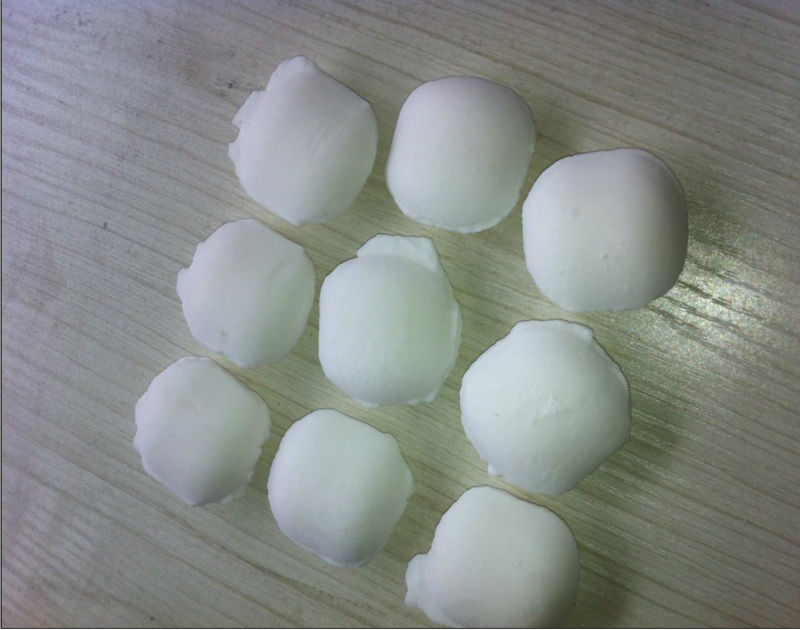
- Mothballs can also help. Mix them with equal parts sawdust and leave them near rat holes and passages.
Naphthalene mixed with wood sawdust is used to control rodents.
- Turpentine is also effective in driving rodents out of a room: soak a piece of cloth in the substance and place it in the hole, then change the cloth after 3-4 days.


Combined method
A good effect is achieved by using several products simultaneously.
- Before placing food in the room, all found holes are filled with stones, broken glass, or sealed with cement mortar.
- The hoods are covered with a fine metal mesh.
- A week before storing the food, disinfect the basement or cellar with bleach.
Treatment of premises with a sulfur checker
If the cellar is not located in the house, but in the yard, it is treated with a sulfur candle. This will help get rid of rodents, as well as insects, fungus, rot, and mold. To do this:
- We tightly close all vents and exhaust hoods.
- We light the fuse of the sulfur candle and close the door from the outside.
- After 24–36 hours, we open the room.
- After the procedure, we ventilate the cellar for 24 hours until the smell disappears.
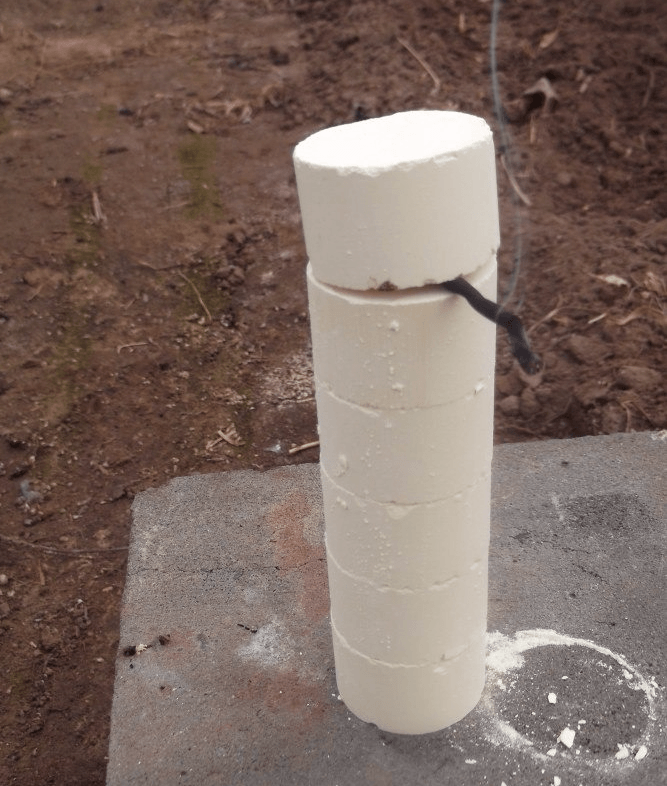
To drive rats out of the cellar, you can treat the room with a sulfur candle
Chemicals
Modern industry offers a lot of rat poisons - rodenticides. They are toxic, so they should be used in areas where people rarely go - in cellars, basements, and pantries. Their effectiveness is due to their detrimental effect on blood clotting, the gastrointestinal tract, and the respiratory system of rodents. These poisons are natural or chemical in origin and are available in the following forms:
- aerosols;
- powders;
- suspensions;
- granules;
- briquettes.
Some poisons do not act immediately, so rats have time to spread them throughout the room.
Rodents have developed immunity to many poisons, so the remedy may not be effective.
Before using any rodenticide, carefully read the instructions. Improper use poses a danger to humans and pets.

All rat control chemicals are very dangerous and should be used with great caution.
Mechanical methods
There are many devices for catching rats.
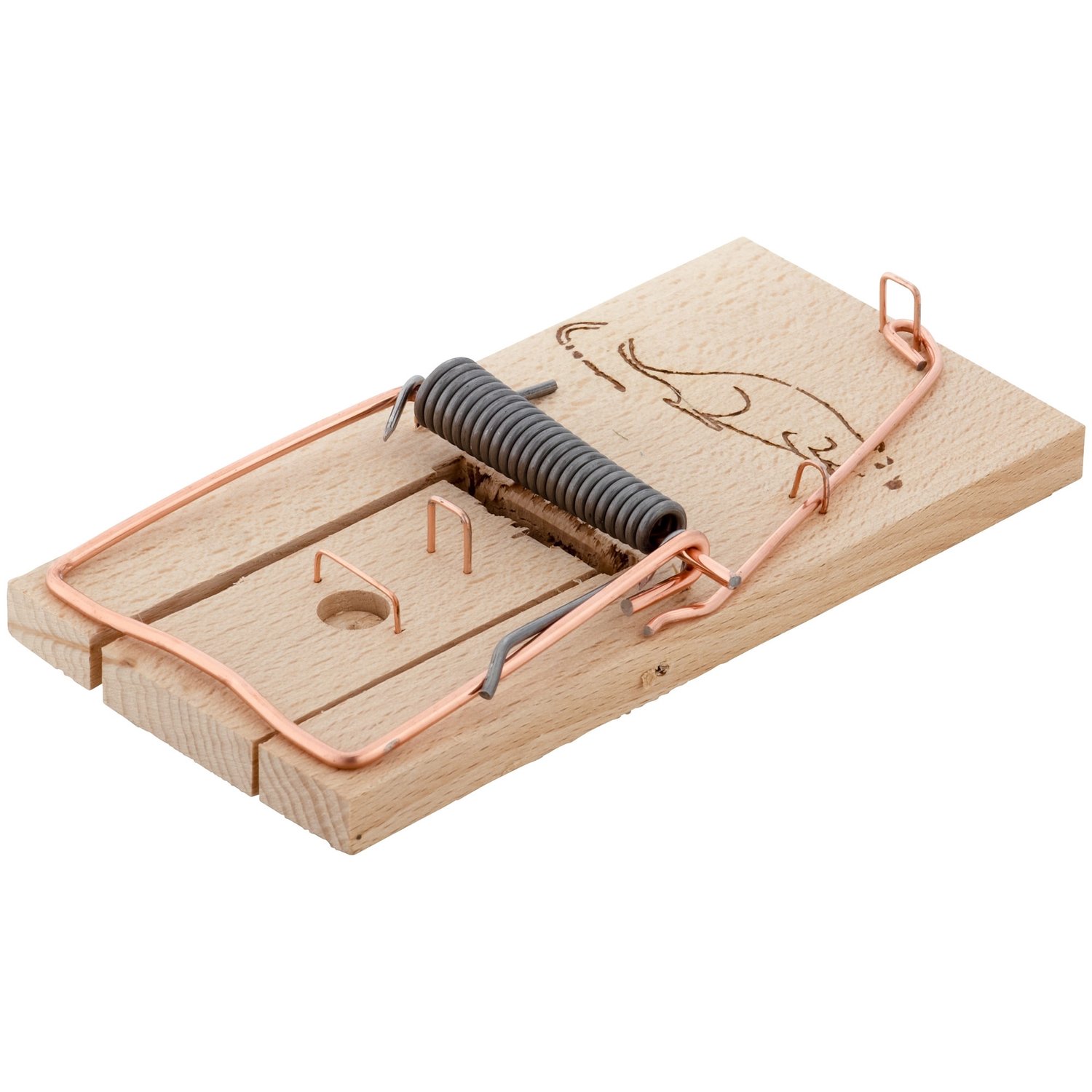
- A rat trap. Simply bait it, load it, and place it near the rodent's burrow or tunnels.
The most common device for catching rats is a rat trap.
- Another option is a sheet of hardboard or plywood coated with an adhesive. The rodent will stick to it tightly. The problem is, you'll have to kill it yourself.
- A live trap is a device consisting of a wooden floor and a metal cage. A spring is attached to the cage, and bait is placed on it. Once the bait is caught, the cage closes. You can make a trap yourself, for example, from a 3-liter jar: pour a little vegetable oil into the container, place it horizontally and put the bait inside. Once a rodent gets inside, the jar is quickly lifted. It's impossible to escape because it slides on the oil.
You can even make a reliable rat catcher yourself.
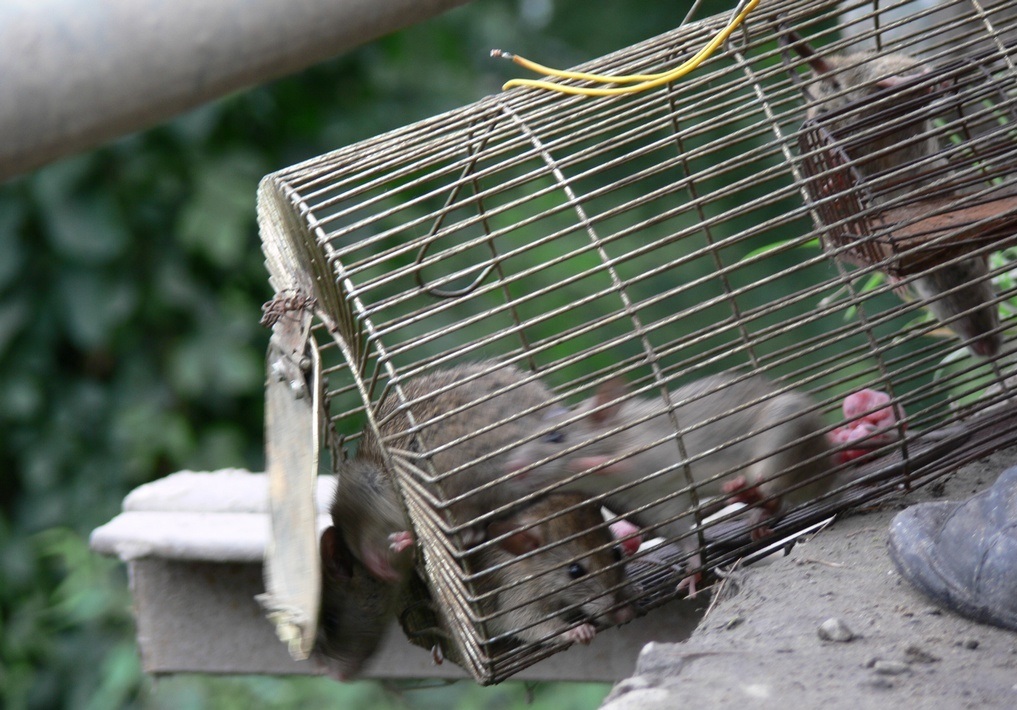
Using ultrasonic repellents
The device is effective against rodents, safe for other inhabitants of the home, and allows you to get rid of rats without killing them. To maximize the effect, consider a few points:
- walls absorb ultrasound, so place the device in a room where there are most parasites;
- You will notice the effect of the repellent in 7-10 days, during which time the rodents develop a reflex to the irritant;
- leave the device plugged in at all times;
- Do not use the repeller if you have hamsters or pet rats in your home.
After a month, as a preventative measure, you should turn on the repeller again for a week.

Rats will disappear completely due to ultrasound in 7-10 days
Cat vs. Rats: Who Wins?
The most environmentally friendly and safe way to control rodents is with a cat. When choosing a whiskered ratter, follow these guidelines:
- You need to buy a female cat: females, driven by maternal instinct, try to destroy any threat to potential offspring, in particular, omnivorous rats;
- the animal's head should be in the shape of a triangle if you press the ears and fur against it, i.e. a narrow muzzle that is elongated in the area of the nose;
- the cat should have large ears, which is typical, for example, of the Abyssinian breed;
- It’s great if there are tassels on the ears, like a lynx;
- Three-colored yard cats are excellent rat catchers.

Calico cats are the best rat catchers.
The breeds that are considered the best rat catchers are Siamese, Abyssinian, Oriental, Cornish Rex, Singapura, and Siberian. Don't forget about the mixed-breed calico cat, which will quickly rid you of rodents.
Professional disinfection
The most effective way to control rats is professional extermination. This procedure consists of several important steps:
- preliminary inspection of the premises to determine the size of the rodent population, detection of their locations, passages, and food sources;
- planning measures to destroy rodents and prevent their return;
- deratization of infected premises using modern technologies;
- quality control of the processing performed.
Pest control is performed using certified products that are completely safe for humans and lethal to rodents. It's recommended that the pest control company provide a guarantee for their services.

Deratization is the best way to get rid of rats
Methods for preventing rats from appearing in your home
To keep rodents out of your home, you need to take the following measures:
- regularly clean basements and utility rooms;
- remove garbage and food waste from the surrounding area in a timely manner;
- carefully seal up any possible openings for rats: cracks in the walls, crevices in the foundation, damage to the sewer system;
- It is better to replace leaky wooden partitions;
- ensure that all windows and doors fit tightly into their frames;
- attach metal mesh with small cells to the vents;
- periodically turn on ultrasonic repellers.
First aid for a bite
A rat bite carries the risk of serious infection. Therefore, proper wound care is crucial. Bites to the neck and face are dangerous due to their proximity to major blood vessels. This allows the infection to enter the bloodstream more quickly. First aid after a bite should be provided within 2-3 hours.
A rodent bites when it feels threatened, is afraid, or is trying to escape a trap. Rabies-infected rats do this without provocation. They become more aggressive when they see a person waving a stick or their hands.
Wash the wound area with a 20% solution of laundry soap (1/3 bar per 2 glasses of water). It is valued for its ability to destroy the rabies virus. You can use a toilet wash instead, but the treatment will be less effective. A superficial bite should be washed for 5 minutes, while a deep wound should be washed for at least 10 minutes. It's best to do this with an enema (syringe).
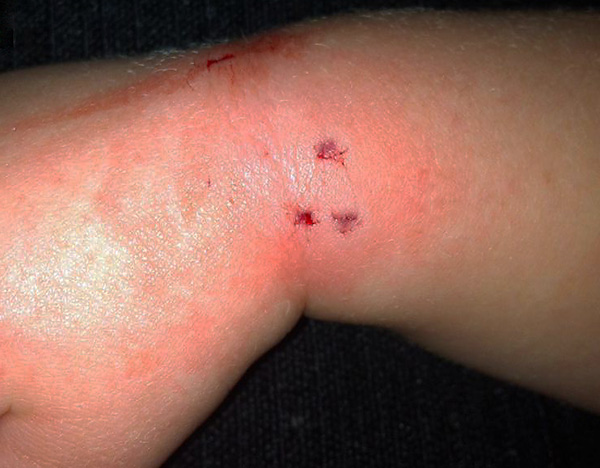
A rat bite can lead to a variety of infections, including fatal ones.
If the bite is bleeding, don't stop the bleeding immediately. This will flush out any germs and bacteria that may have entered the wound. After washing with soap, follow up with an antiseptic solution such as chlorhexidine, 3% hydrogen peroxide, or furacilin. Then apply a sterile cotton-gauze bandage with antibiotic ointment. Then consult a doctor for further advice.
Proven ways to get rid of rodents: reviews
The most effective and proven method is to get rats. It's best to keep them tame so they can roam freely. Rats are very afraid of rats, and rats can also crawl into passages and holes. My parents once had the same problem. They had a huge pigsty, goose coop, and chicken coop, and naturally, rats. We got rats, and simply let them out at night (opening the cage), then came back in the morning to find the rats already stuffed and sleeping in the cage. Even the rats' excrement (very smelly) influences their decision not to stay there. And then there are the fur coats. Breed them and make your own fur coats. The only thing you need to do is keep track of when the rats are killed or driven away, otherwise the rats will start strangling the neighbors' chickens—they are predators, after all.
Good afternoon! Hierarchy has already been mentioned here. And this is a very serious and complex reason for rat control. The "master rats," if you can call them that, release the weakest ones "into life," and if they don't survive, the traps are no longer effective—they're no longer caught. Furthermore, there's genetic memory, which is passed down through generations, and alabaster, cats, and even dogs (our rats were strangled by a dog) have long been "encoded" in it. Ultrasonic devices can be used, but only if you don't have other rodents (rabbits or ferrets, for example), which would also be harmed by ultrasound since they hear in the same range as rats. The only solution, in my opinion, is to fence off the premises with wire mesh around the entire perimeter. We have rabbits; they live in a barn, in suspended cages. Rats walk on the floor, but they can't get to the rabbits—they have no wings or ladders. If you also fence the floor with mesh, they won't be able to get into the barn at all, but otherwise, of course, they chew everything in sight. I read that adding broken glass or ash helps; supposedly, it hurts their paws, so rodents don't live near fires for long. Neither worked for me.
I need a really good cat. Rats ate all my vegetables and seeds over the winter. I adopted a kitten from friends, raised by his mother cat on rat meat. He simply ate them, rats and mice. He fed on them. He ate everything at home and hunted in the field. The cat died three years ago, and only now have rodents appeared – we've stopped being afraid. A good cat is a treasure! According to the Russian Truth of Ya the Wise, the penalty for killing a cat was two bulls – if my memory serves me right.
Fighting rats is certainly very difficult, but it's possible. You need to seal all the holes and cracks in your premises, then remove any food sources, and set out special rat poison or rat traps.
There's a folk remedy: fry flour in a frying pan and add a little gypsum or plaster of Paris. Place bowls of this "dish" in areas where rats are likely to appear. This poison works very quickly. It's also important to have a cat roaming the area, as it's a mouse and rat catcher.
Monitor your home to prevent rats from appearing or to eliminate them as quickly as possible. Use one of the methods described or a combination of them to drive out rodents. And be careful when using poisons and other products.