Dog nutrition
How to fatten up a dog after exhaustion 

A playful, active, and healthy pet is every dog owner's dream. But when a four-legged friend is depressed and losing weight, or is already exhausted for any reason, it's a serious problem. How can we determine the cause of a dog's exhaustion, adjust its diet, and effectively feed a sick animal dry food or natural products? First, we'll try to identify the cause of the dog's exhaustion and address it. Then, we'll create a balanced menu for our four-legged friend, making adjustments to its daily routine and lifestyle. Causes of Dog Exhaustion: A pet's nutritional status is immediately apparent from its body type and behavior.Read more
How to teach a puppy or adult dog to lie down
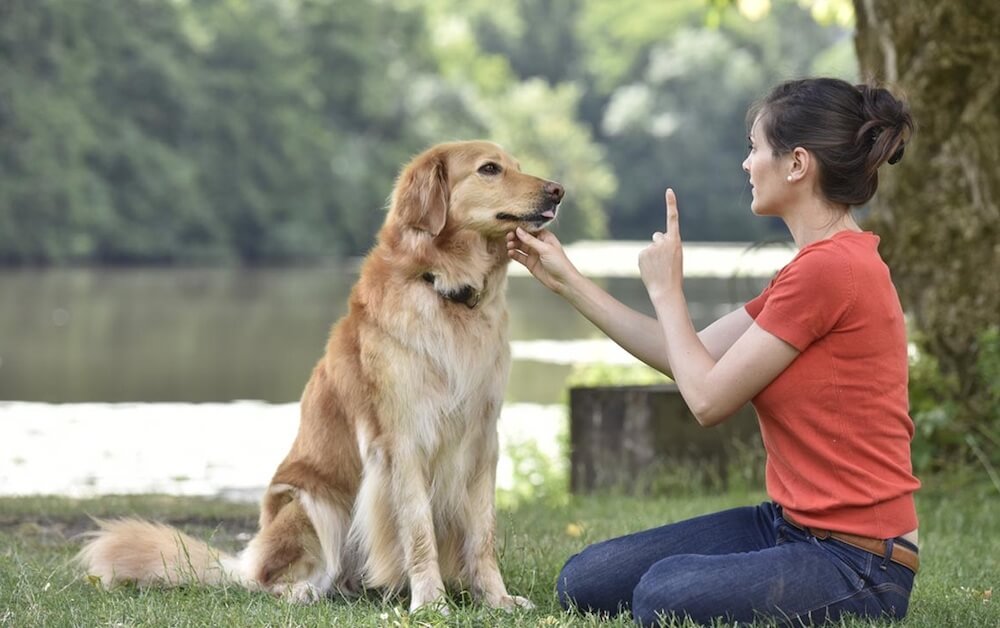
"Down" is one of the most basic commands dogs can learn, along with "sit," "stay," and "speak." These commands help establish a bond between the animal and its owner. It's best to start teaching a puppy this command no earlier than three months of age. Training methods can be varied, including rewards (treats, verbal praise) and coercion (pressure on the withers). Training can be done outdoors or indoors: the main thing is to keep the environment clean and free from distractions. Method one: training a puppy with a treat. Perform this exercise when the dog is sitting or standing. Take a treat in your hand and hold it to the dog's nose, but allow it to nibble on it. To do this, make sure your palm is facing down, otherwise the dog may snatch the food from your hand. Say "Down," and then gradually lower your hand with the treat in an arc, downwards and forwards. The easiest way to get to the treat is to lie down, i.e., follow your command. When this happens, give the dog the treat and reinforce your success with praise.Read more
How to determine the sex of a guinea pig
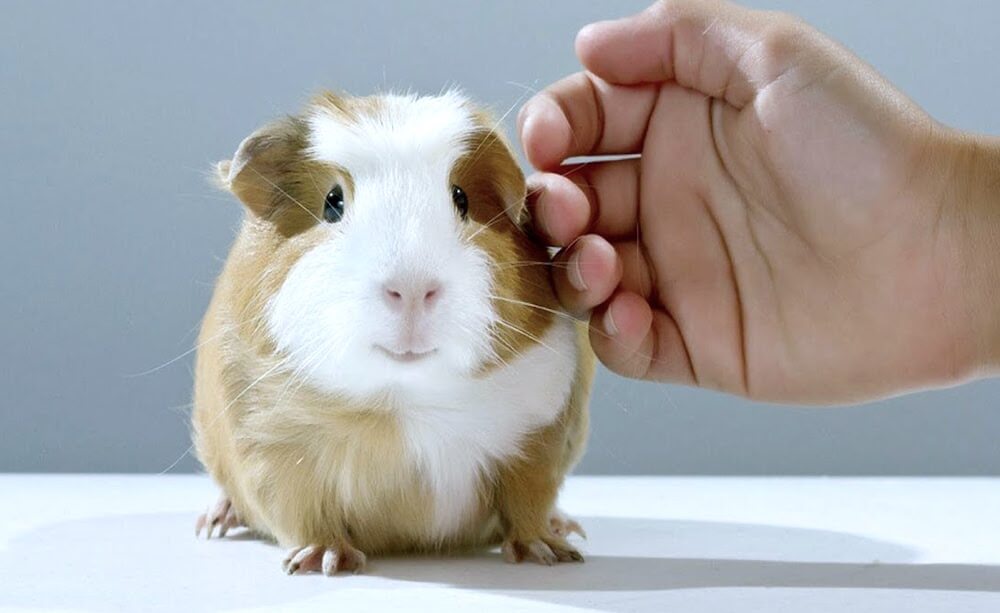
Guinea pig owners often need to determine the sex of their pet, especially when it comes to newborn animals. This is necessary to choose a suitable name, purchase a specific sex, or avoid breeding when introducing one animal to another. It's also important to promptly separate males from their mother. Even if you buy a pig from a breeder, a pet store, or from an ad, don't blindly trust the seller's assurances that it's a male or female—it's best to double-check. This can be done not only by a veterinarian but also by anyone—it's enough to understand the anatomy and behavior of guinea pigs. Distinctive sexual characteristics of adult guinea pigs Read more
How to train a cat to wear a harness
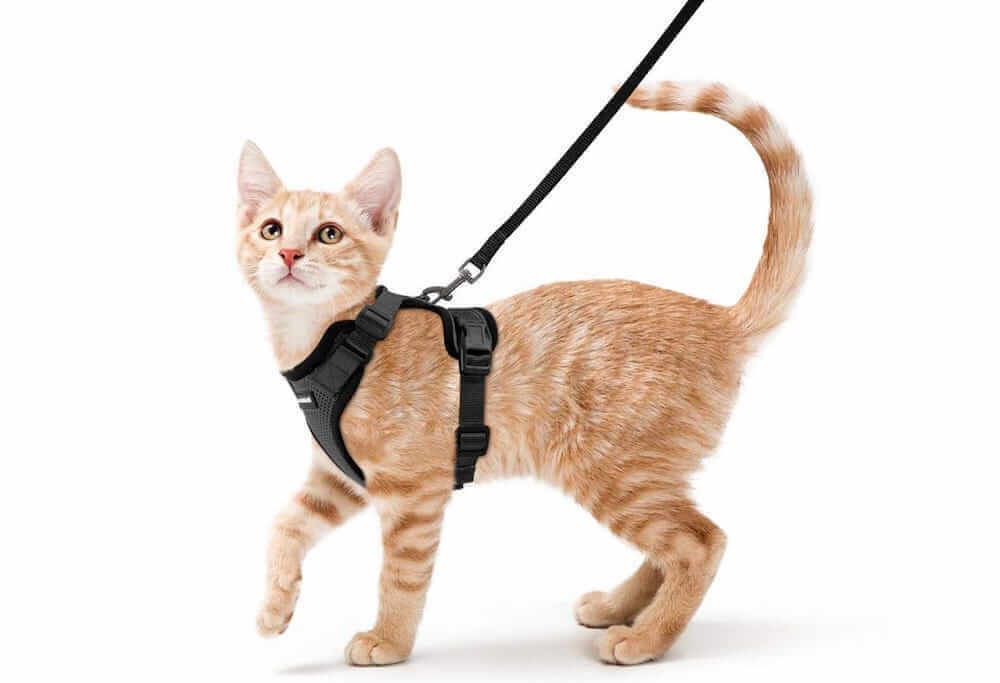
As a rule, felines absolutely hate being walked on a leash, especially since the urban jungle is completely unsuitable for these pets. Simply taking a cat for a walk isn't an option – they're often afraid of people, cars, and the frantic pace of modern life. Special devices, such as a harness, can help. Without one, a walk is no fun for either the animal or the owner. Cats wearing harnesses are increasingly common at veterinary clinics, at shows, and on public transportation. Let's find a harness for your cat, learn how to use it, and discover how to accustom your pet to this convenient feline device. Do I need to walk my cat? Unlike dogs, cats don't necessarily need to be walked – it's not required by necessity or the specifics of their living conditions. Domestic cats happily spend most of their lives within four walls. They're quite content to curiously watch the birds and the changing seasons from the window. However, cats aren't always eager to participate in all of this. A measured, calm way of life suits them quite well.Read more
How to protect your cat in hot weather
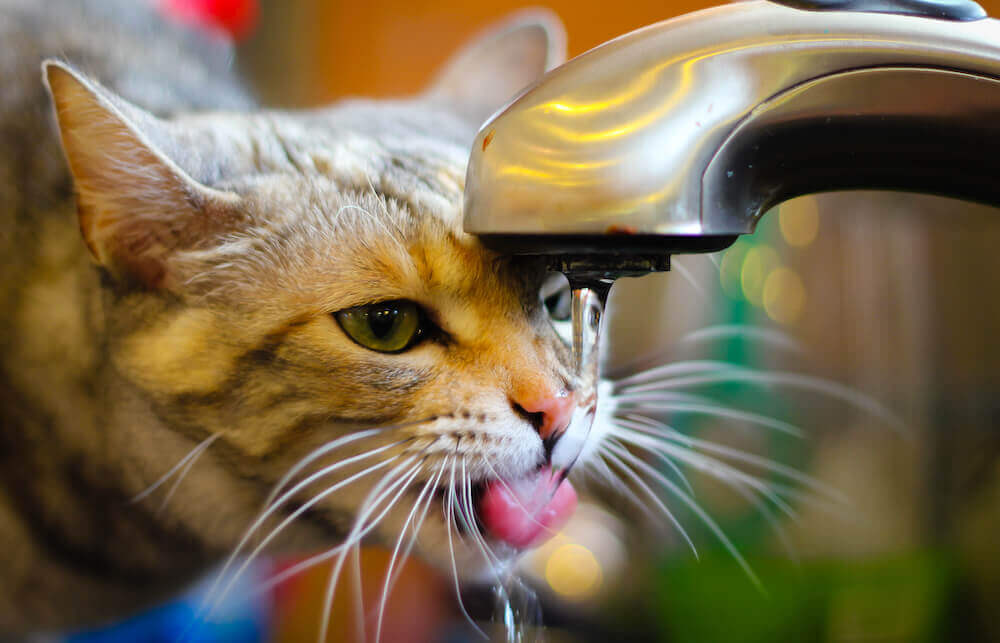
When the thermometer rises above 30 degrees Celsius, not only people but also pets, including cats, begin to suffer from the heat. In this article, we'll explore how cats tolerate high temperatures and how to help them survive the heat without suffering heatstroke. How Cats Tolerate Heat: Cats are heat-loving animals, and despite their fur and undercoat, they react calmly to rising temperatures. Furthermore, pets are naturally hotter than humans; they expend more energy to warm their bodies. High temperatures allow cats to conserve energy.Read more