A playful, active, and healthy pet is every dog owner's dream. But when a four-legged friend is depressed and losing weight, or is already exhausted for any reason, it's a serious problem. How can you find the cause of your dog's exhaustion, adjust their diet, and more effectively feed a sick animal—dry food or natural products? First, we'll try to find the cause of your dog's exhaustion and address it. Then, we'll create a balanced diet for your four-legged friend and make adjustments to their daily routine and lifestyle.
Content
Causes of dog exhaustion
Whether a pet is eating properly can be immediately seen from its body type and behavior.
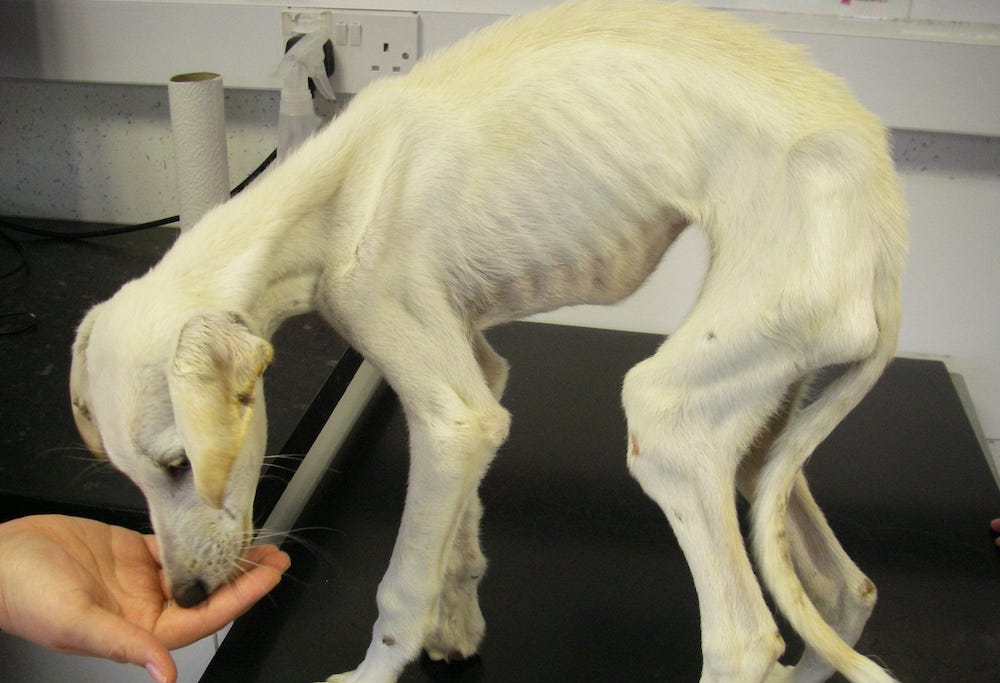
Let's look at what to look for if your dog eats well and leads an active lifestyle, but still remains thin:
- Be sure to check the diet. Your pet may be on an economy-class food, which is often predominantly plant-based.
- Your dog will lose weight on vegetables and cereals—don't try to over-enrich their diet with beneficial vitamins and fiber. This may result in your dog getting enough food, but poor nutrient absorption. Your dog may lack the necessary nutrients from grains and fiber. In this case, you should adjust their diet—switch to a higher-quality, more nutritious dry food. Or, consider introducing more fatty and nutritious dairy products in limited quantities into their natural diet, or switching to a different type of organ meat.
- Introduce supplemental feeding – it's possible your pet isn't getting enough food, not just the volume, but the number of meals. If your four-legged friend is fed twice a day, try offering snacks. Feeding three to four times a day is very effective at eliminating excess food and finding the right diet.
- If your dog is extremely emaciated (as they say, "skin and bones"), switch to a "baby" diet. Experts recommend feeding puppy formula between meals (dog formula is rich in protein and vitamins and contains more calories than regular milk or milk-based cereals).
- Another cause of exhaustion is parasites. Ticks, fleas, demodicosis, and piroplasmosis cause discomfort for the animal. Itching complicates the absorption of daily nutrients, which can ultimately lead to anxiety, stress, and even anemia. This combination of circumstances triggers weight loss.
- Parasites living in the intestines damage the internal lining, leading to gastrointestinal inflammation. This disrupts normal metabolism. These parasitic "neighbors" take away some of the vitamins, minerals, and other nutrients obtained from food. Failure to promptly eliminate the infestation and provide treatment and rehabilitation for the dog can result in death. Furthermore, worms can also infect other organs and tissues (liver, lungs, etc.).
- A pet's lifestyle greatly influences its physiology and weight. If a dog is heavily exercised—long walks, long hikes, hunting—weight loss is inevitable. Even with a balanced diet, the animal will lose weight, expend more calories, and lose muscle mass. This is especially true for young dogs.
- Stress, anxiety, loss or change of owner, improper daily routine (lack of walks) – the dog’s psychological state also affects appetite and, accordingly, physical condition.
- Another seasonal cause of exhaustion is hormonal changes during the mating season. For two to three weeks, a dog may not approach its food bowl—this is a normal process that every adult dog experiences.
- A pet may also lose weight as a result of surgery or a long-term illness.
- In puppies, weight loss is often observed when there is high competition for food.
Another point: dogs often pick up small sticks and pebbles during walks, attempting to chew and swallow them. This irritates the esophagus, damaging the lining of the stomach and intestines, causing spasms and chronic inflammation of the gastrointestinal tract. This seriously impacts appetite, digestion, and, naturally, weight. In this case, no matter how full the esophagus is, food is not properly digested.
If none of the above reasons are typical for your dog, you will need to have tests done at a veterinary laboratory.
A complete blood count will reveal inflammation and anemia. Diabetes, liver disease, and renal failure will be revealed by a blood chemistry panel. A comprehensive ultrasound is most often required for dogs over 8 years of age, as the presence of tumors can also contribute to exhaustion.
Begin to gradually bring your dog out of an exhausted state:
- Feed rationally (dry food and natural menu).
- Increase your calorie intake.
- Combine products.
- Include vitamin complexes and supplements.
- Give thermally processed food (80% of the menu).
Read also, How to know when it's time to change your dog's diet.
How to fatten up a skinny dog on dry food
Canine experts believe dry food is not the best option for restoring a pet's weight. Regardless of the cause of weight loss, it is recommended to switch your dog to high-quality canned meat and natural protein-rich foods. Even high-protein dry food is less digestible than canned meat and organ meats.
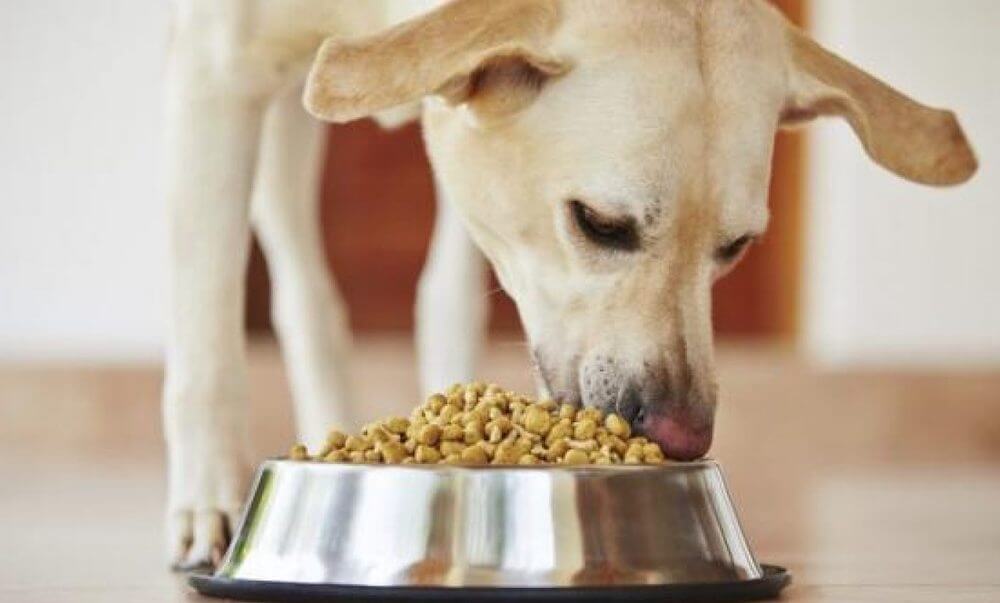
If you decide to introduce dry food into your pet's diet, make sure to choose only high-quality foods with a balanced composition and high vitamin and mineral content:
- Such food in the animal’s menu should not exceed 30% during treatment for exhaustion.
- Most often, when a pet loses weight, food based on balanced protein supplements is selected.
- It's also worth noting that dry food is divided into categories: for puppies, nursing dogs, and pets with certain illnesses, especially, should receive a specialized menu.
Read also, How to switch a dog to dry food.
How to help your dog gain weight on natural food
The advantage of natural food is that it's more filling and free of synthetic additives, making it much easier for dogs to gain weight. Fish, processed meats, milk, and fermented milk products are natural, natural ingredients that help strengthen the immune system and improve gastrointestinal function. Even dogs unaccustomed to organic or homemade foods gain weight quickly when introduced to natural foods. In the diet of an emaciated dog, natural food should make up approximately 40-50% of the total menu:
- Seaweed, fish oil, and meat and bone meal have always helped replenish vitamin balance and coordinate pets' nutrition.
- Cottage cheese, yogurt, porridge made with homemade milk, and eggs—these dietary components help dramatically improve the weight of pets.
- Fish is allowed no more than twice a week.
- Dogs often enjoy eating dried fruits, nuts, baked and stewed vegetables, and bran products.
How to fatten up a dog after giving birth
Underweight in females is usually observed when nursing a large litter.
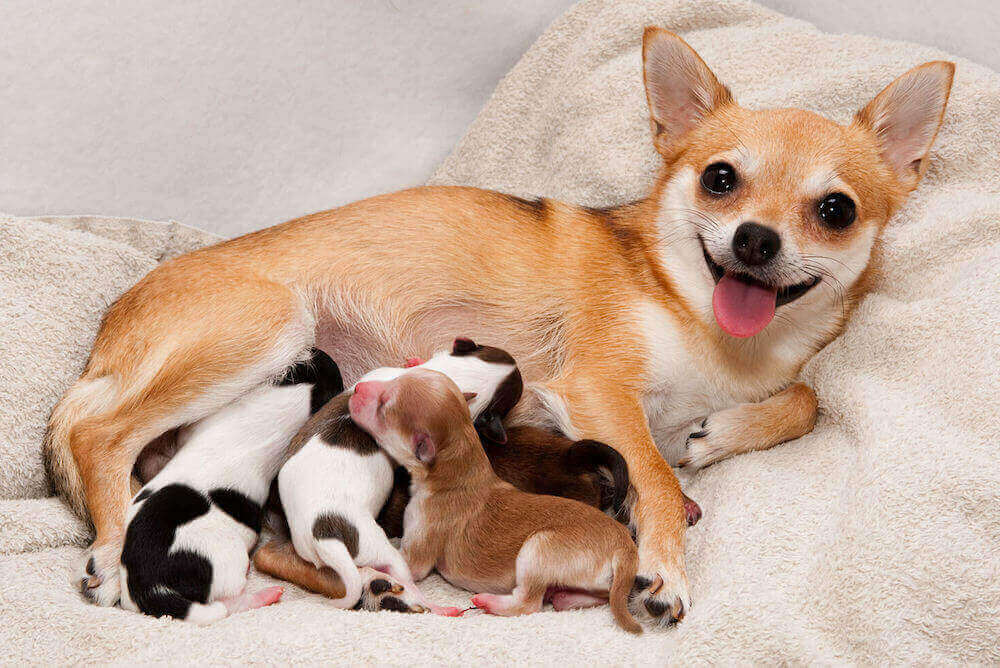
Most often, the young mother is transferred to a balanced natural menu, with limited dairy products:
- Select high-quality dry food or canned food rich in vitamin complexes for nursing bitches.
- Useful supplements are introduced into the dog's diet - meat and bone meal, seaweed and stewed vegetables, eleutherococcus extract.
- It is recommended to offer food to the dog after birth as often as possible - from 5 to 8 times a day.
Mistakes in fattening
If your pet's weight begins to drop dramatically, the first step is to contact a veterinarian. No amount of criticism or personal arguments will help in this case.
Here are the main mistakes dog owners make:
- Don't try to increase the portion size, especially if your dog isn't eating that much. First, get your dog examined.
- For elderly and sick pets, it is recommended to feed them in small portions and maintain an activity regimen throughout the day – only then will the pet begin to gain weight or at least stop losing it.
- Remember to always keep a bowl of water nearby, especially if dry food remains the predominant food in the diet.
- Since iron and calcium are poorly absorbed together, it is recommended to give dairy products and meat and fish at different times of the day.
- Avoid overfeeding your animal with high-fat foods (such as pork).
- You shouldn't switch to legumes - they are quite high in calories, but can cause increased gas formation.
- Don't overdo it with semolina and pearl barley - these are filling grains, but they take a long time to digest and cause bloating.
- Pay attention to the belly – it should be sunken, with the chest dominant. The dog should be lean, not obese.
- An older dog should be fed soft kibble, and wet canned food should be given instead of dry food. Poor teeth are the most common cause of weight loss in older pets.
Breed, age, and lifestyle are three key factors that must be taken into account to understand the animal's condition and objectively assess its physiological needs.
Pregnancy and weight loss during periods of starvation (in stray dogs) clearly require competent intervention in the dog's diet. A balanced diet with a vitamin supplement is not enough. A more relaxed daily routine and improved living conditions are essential – only then will the dog's weight return to normal.
Brief conclusions
Assess your pet's condition objectively. If you've chosen the ideal diet, your blood tests are clear, and your pet is feeling energetic, don't panic. If other dog owners think your dog is thin, it doesn't mean she's losing weight. Perform a check-up weigh-in in the morning, learn independent data and metrics specific to your breed. Change the food, combine dry food and natural food. And be sure to consult with a professional. Wishing you and your four-legged friend good health!
Read also about The best dog foods according to veterinarians.