The most common reasons dog owners visit a veterinarian are digestive problems, oral health issues, and allergies. Chronic illnesses can also be to blame, but the cause is usually much simpler: poor nutrition. Here are three key signs that you're feeding your dog the wrong foods or low-quality food.
Dental problems in dogs
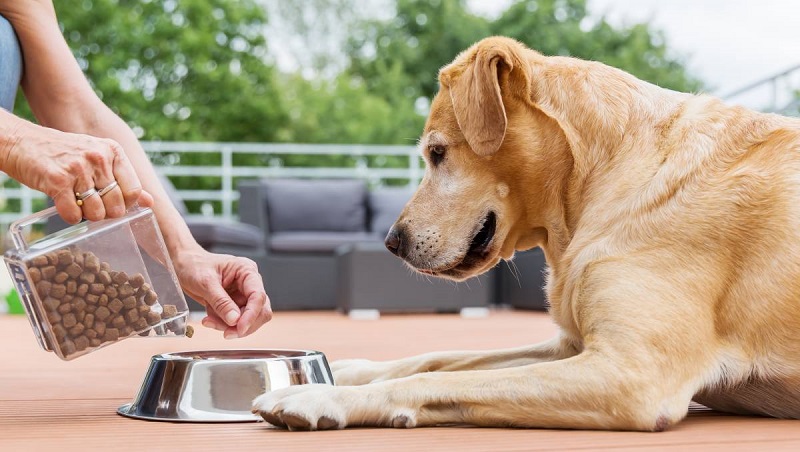
An improper diet can cause tartar buildup in pets. This is especially true for small and medium-sized dogs. Feeding finely ground food, porridge, cottage cheese, and tasty table scraps can lead to clogged teeth. Bacteria then feed on the food particles trapped between the teeth, forming plaque, which over time hardens and turns into tartar. To prevent this, take the following steps:
- Feed your dog in portions twice a day;
- offer her cleansing bones after meals;
- spend more time outdoors;
- Buy food that is suitable for your pet's breed.
A dog owner should understand that the condition of the teeth and gums affects the initial processing of food. A dog with bad teeth cannot bite off small pieces of meat. It tries to grab as much as possible and swallow it all at once. This slows down the digestion process in the stomach and leads to problems with the digestive system.
Dental and gum disease in dogs can be detected by the following signs:
- bad breath;
- swelling in the cheek or lower jaw area;
- enlargement of the submandibular lymph nodes;
- bloody or purulent discharge from the mouth;
- difficulty eating.
Plaque can also trigger more serious illnesses. Harmful bacteria that live in the mouth spread throughout the body through the bloodstream. They can settle in any organ, causing problems with the kidneys, liver, and heart. And you'd hardly think that the root cause lies in your dog's improper diet.
The dog defecates profusely and frequently
A responsible dog owner must monitor their pet's stool. This waste product reflects what's going on in the gastrointestinal tract. A dog's stool should be firm, formed, and dark brown. There should be no particles in it, and there should be virtually no odor. The slightest deviation from the norm indicates a problem.
If a dog defecates frequently and profusely, this stool can only indicate one thing: the food it's consuming isn't being properly digested. If you have multiple pets, don't assume the same food is suitable for them all. Every dog is unique. What works well for one dog may not be digested by another.
If your dog has soft, frequent stools, they need more protein and fiber. You can temporarily switch your dog to a high-quality meat and vegetable diet.
What should you do to restore your dog's well-formed stool?
- feed your pet a balanced diet;
- eliminate lactose from your diet;
- Transition your dog from liquid food to dry food. Do this gradually over five to six days. This will allow the intestines to develop a new environment that will help digestion adjust.
- Avoid feeding your pet fatty foods. Fats are poorly digested and can build up on the intestinal walls, leading to frequent, loose stools.
If loose stools persist for some time, try putting your dog on a rice diet. Feed your pet rice and cooked pork or beef for about five days. During this time, the stool will become firmer and the bowel movements will return to normal.
Please note that special dog foods designed to restore bowel movements are made with rice. It contains a small amount of protein and starch and is easily digested by the animal's body.
Food allergy manifestations
A food allergy is an adverse reaction to a specific food component, most often proteins. The following foods pose the greatest risk to dogs: poultry, beef, wheat, milk, kefir, corn, fish, and soy.
An allergic reaction occurs instantly, even if a dog is exposed to a small amount of the allergen. The animal's skin in the most sensitive areas becomes covered in red spots, accompanied by itching and leading to scratching of the painful area.
The most difficult part is correctly identifying the allergen. It's important to understand the specific food that's causing the reaction and eliminate the offending food from the animal's diet. A customized menu is created for the animal. If the dog eats dry food, it's essential to switch to a hypoallergenic variety. Changing diets is always stressful for the body, but in the case of allergies, the measure is justified.
Buy pet food from trusted brands. Feed your pet according to its age and needs. If your dog eats natural food, make sure it gets all the necessary vitamins. Only then will your pet enjoy a good mood and good health.