When the thermometer rises above 30 degrees Celsius, not only people but also pets, including cats, begin to suffer from the heat. In this article, we'll explore how pets cope with high temperatures and how to help your cat survive the heat without suffering heatstroke.
How do cats cope with heat?
Cats are heat-loving animals, and despite their fur and undercoat, they react calmly to rising temperatures. Furthermore, pets are naturally hotter than humans; they expend more energy to warm their bodies. Higher temperatures allow cats to conserve energy.
Cats have their own thermoregulatory system. Under their fur, they have an air chamber that maintains a constant temperature of 38–39°C. This chamber helps them cool down in hot weather and warm up in cold weather. Therefore, shaving a cat's coat completely to help them cope with the heat is a bad idea. Partial trimming of long fur is acceptable, but it should be done in a way that doesn't disrupt the functioning of this air chamber.
But this doesn't mean that the hotter it is, the better for a cat. Abnormally high temperatures combined with direct sunlight or high or low humidity can cause overheating and even heatstroke. This can lead to dangerous consequences, including death. Therefore, it's the owner's responsibility to monitor their pet's condition and provide assistance if necessary.
Read also, How to properly give an injection to a cat.
Cat breeds that don't tolerate heat well
How badly a cat tolerates heat depends, among other things, on its breed. Flat-faced cats (British Shorthairs, Persians, etc.) are particularly vulnerable. This is due to the excess tissue in these breeds' throats, which can make breathing difficult. If you have one of these breeds, monitor their condition closely; consulting a veterinarian is a good idea.
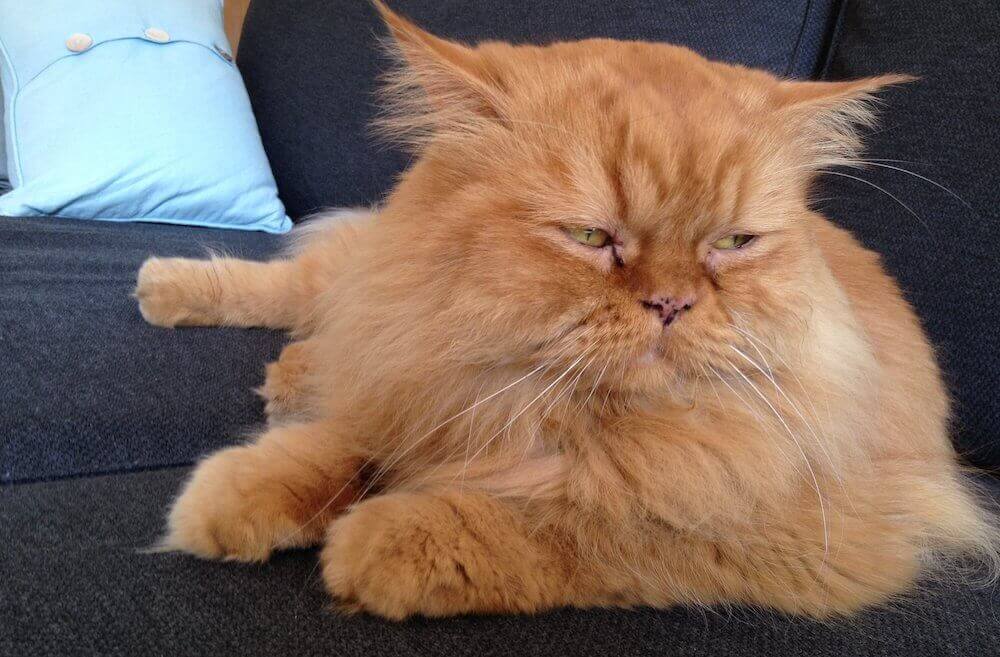
Fluffy pets suffer more from heat due to their long, thick fur and undercoat. A partial haircut, as well as ice cubes and damp towels, can solve the problem.
A cat's age and health are crucial. Elderly pets, as well as overweight animals and those with cardiovascular problems, can suffer severely from overheating. It's best to keep them indoors and ensure the appropriate temperature with an air conditioner. If you must go outside, it's best to do so during cooler hours and use a special sunscreen applied to hairless areas. If your cat is transported in a carrier, a bowl of water should be provided. Pay close attention to your cat to protect them from heart attack and other health problems.
What to do if your cat is hot. Tips on how to help your pet.
Here are some basic tips to help your pet survive hot days:
- Regular brushing. We mentioned above that a cat's fur is involved in thermoregulation mechanisms, so it doesn't need to be completely trimmed. However, matted fur in the summer is bad because it retains heat. Therefore, it's important to brush your cat daily with a special brush to avoid tangling and remove excess hair.
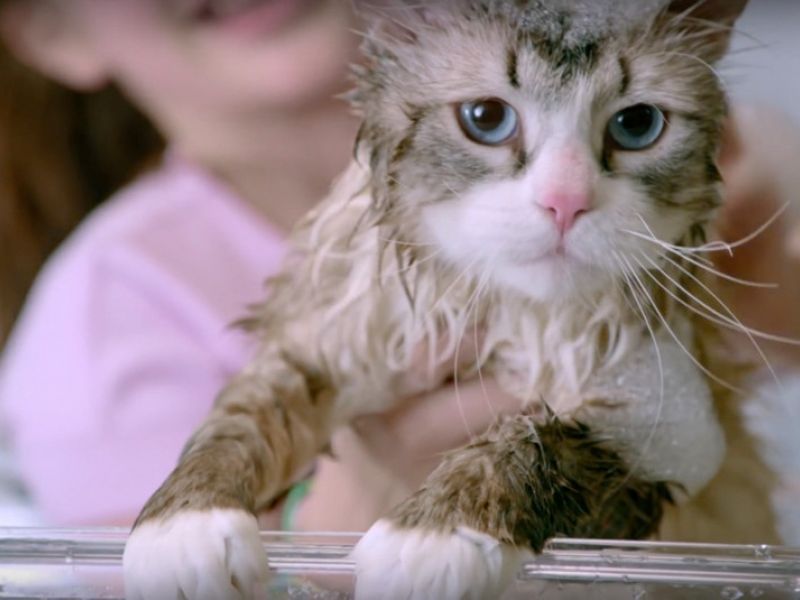
- Wrapping in a damp cloth. Most cats dislike baths, but you don't necessarily have to carry your cat into the shower—just run a soft washcloth over their body, including their paws. If your cat is comfortable with water, you can dip their paws in cold water. This will help lower their body temperature.
- Fountain instead of drinking bowlCats need fresh, unstained water, so many prefer to drink from the tap. A special drinking fountain is a good idea, especially in the summer heat.
- Ice in the water. You can regularly add an ice cube to the water to keep it fresh. However, it's important not to overdo it, as drinking water that's too cold can cause stomach problems.
- A damp towel on the bedYou can place a damp towel where your cat likes to sleep or rest during the day. This will help refresh them.
- ShelterOutdoor cats typically seek out suitable places to escape the heat. For indoor cats, it's quite possible to create such a temporary shelter yourself. Place a towel or piece of fabric on a chair or armchair, allowing the edges to hang loosely. This will create shade. Your pet might find it comfortable to hide underneath.
- Water in every room. During the summer heat, keep water bowls in every room. This will not only give your cat access to a drink at any time but also protect them from the high temperatures.
- A trickle of water and a slightly open bathroom door. In hot weather, the bathroom door should be left slightly open. A small stream of cool water can be left running so your pet can come in and wash at any time.
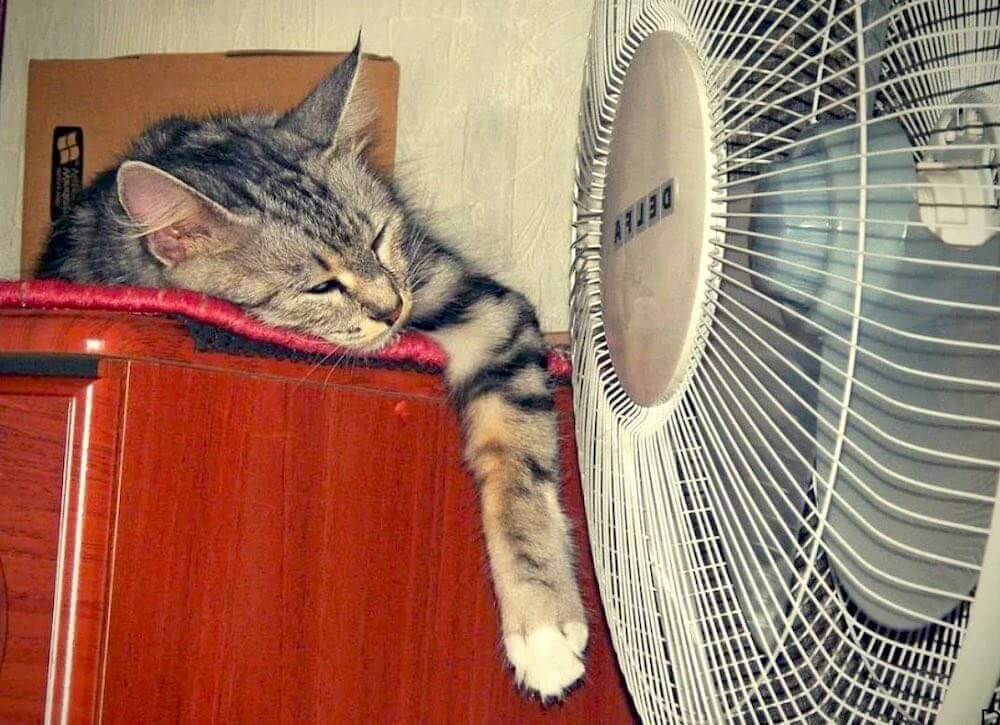
- Humidification of the room. Try to humidify the air in your apartment as much as possible. This can be done by placing a wet towel on a fan or leaving damp rags hanging in front of wide-open windows.
- Spray. You can regularly spray your cat with water - this will help your pet cool down.
- House arrest. If your cat is allowed outside, do not allow it to do so during the hottest hours (11 a.m. to 5 p.m.).
What to do if my cat has heatstroke
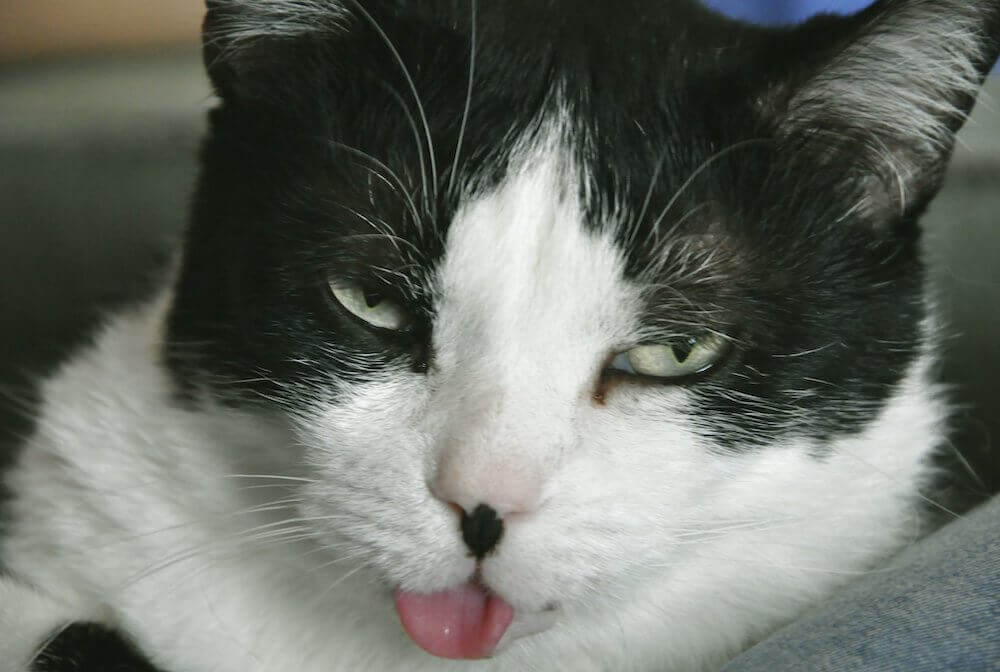
The main signs of heatstroke in cats:
- the pet is experiencing difficulty breathing,
- tries to get up or rocks on his paws,
- has hot skin and glassy eyes,
- he has excessive salivation and vomiting,
- does not respond to touch.
Even the presence of one of these signs indicates the need to call a veterinarian immediately. Before calling a veterinarian, wet the cat's thighs with cool water and wrap the pet in a wet towel.
Cats can experience heat stress in the summer, but in most cases, owners can help their pet and prevent heatstroke. Follow these recommendations, especially if your cat is at risk due to its breed, age, or health.
Read also, ToHow to make a collar for a cat with your own hands.