In the family hierarchy, cats often take second place after children, and if there are no children, then first. And it would seem that the furry pet would live happily ever after. But sometimes, a parasite such as a flea can seriously make their life miserable.
Content
Characteristics of cat fleas
The flea found on cats is closely related to rat and dog fleas. Despite this, its appearance is quite distinctive. Although the subtle differences between flea species are known only to specialists, it's useful to know the distinctive features of cat fleas. These parasites can transmit a variety of dangerous diseases when they bite humans.
This particular species of flea primarily attacks cats, other animals, and people in both rural and urban areas. Other flea species remain loyal to a single host. Interestingly, if cat fleas settle on a rat, they will soon completely displace these same insects, which parasitize only on rodents.
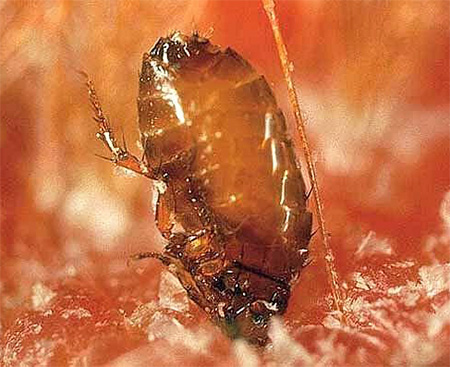
There are no pain-relieving enzymes in the saliva of a cat flea, so its bite is very painful.
What do pests look like?
The flea that parasitizes cats appears as an extremely small, dark-brown, almost black insect. It can appear in the animal's fur for literally a second and then disappear again. The size of the parasite's body depends directly on its age and can range from 0.8 to 4 mm, with an average length of 2–3 mm.
This insect species lacks wings, but its powerful hind legs more than compensate for their absence—they allow it to vanish from sight with lightning speed, jumping 30 cm in any direction. The parasite's body is laterally compressed, which gives it the following advantages:
- It's hard to crush a flea,
- It is comfortable for her to move in the owner's fur,
- During the jump, air resistance is almost imperceptible.
Video: Cat flea under a microscope
It's worth noting that cats can be plagued by fleas and lice, which are different species of insect. Moreover, it's almost impossible to find both on the same feline. Lice live in the fur permanently, while fleas only hop onto your furry friend when they're feeding. Furthermore, lice cannot change their food source, while fleas do so easily and happily.
Cat fleas are smaller than rat or dog fleas. Furthermore, the rat flea has a slightly raised end, while the dog flea has a larger head. However, these differences are very difficult to spot with the naked eye, as the parasites only remain in one place while biting, and their small size makes them difficult to examine thoroughly.
Photo gallery: different types of fleas
-
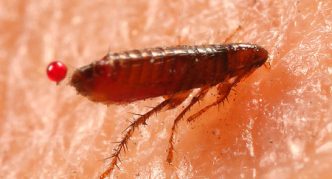
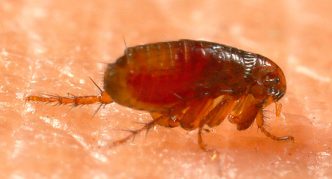
- The cat flea parasitizes not only on its own animal, but also on other mammals.
-
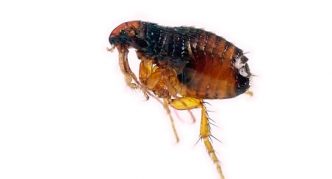
- The human flea most often lives near a person's sleeping place.
-
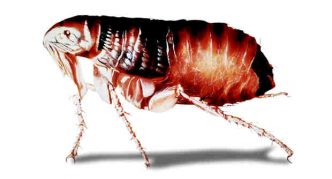
- Rat fleas carry many deadly infections.
-
- The dog flea's body is covered with bristles, and its legs have hooks that help it stay on the dog while moving.
How to tell if your cat has fleas
At the very beginning of a flea infestation, they may be invisible to the naked eye, but already at this stage, signs appear that should alert the owner. For example, the cat will begin to twitch violently and scratch, literally gnawing at its fur and skin. Scratch marks may be visible under the fur. The following experiment can help identify the presence of parasites:
- The cat is placed on a white sheet of paper.
- They begin to comb the animal.
- If small black-brown pellets appear on a white surface, they are flea droppings. To check further, drop a drop of water on them; they will turn a brownish-red tint.
To be absolutely sure your pet has parasites, observe them in person. To do this, part the cat's fur in several places with a fine-toothed comb. You may be able to see a moving flea or its feces, which will look like black dust or sand.
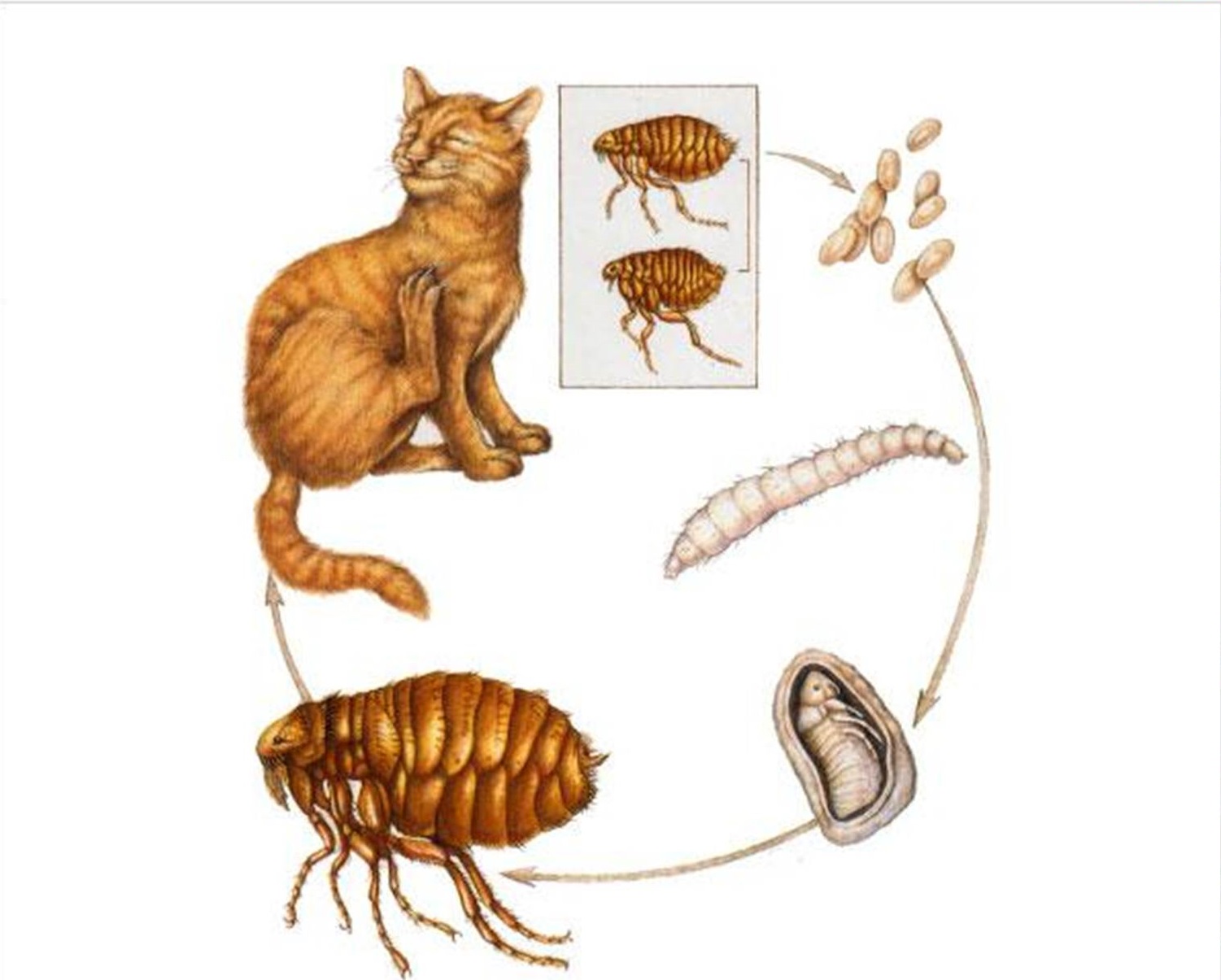
The cat flea life cycle involves eggs, larvae, and pupae being laid and developing outside the animal's fur, so only adult fleas bother the cat.
During the breeding process, the female parasite does not lay eggs, but literally shoots them as far as possible in different directions. This gives more larvae a chance to survive if conditions are unfavourable.
Are these parasites transmitted to other animals or humans?
Cat fleas, unlike other species of these parasites, are relatively unpretentious when it comes to food, and can easily be considered a fan of warm-blooded mammals, not just cats. Therefore, these bloodsuckers can easily jump from a cat to a dog or a human. Their lifestyle doesn't necessarily require them to live permanently on their host. Their larvae don't require blood to develop.
Humans can also become victims of cat fleas. This can happen simply by being near an infested cat or even near its bedding. Furthermore, these bloodsuckers can attack you:
- near an enclosure where other animals live;
- in a neglected apartment;
- in the entrance, where it is rarely cleaned and where homeless animals often spend the night;
- on farms, mainly rabbit farms;
- in places where rodents are common - in a field, in a meadow, near a hayloft or grain storage facility;
- in the forest near the habitat of wild animals: badgers, foxes, etc.
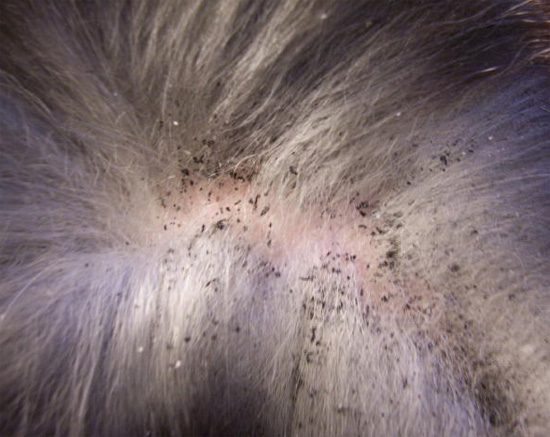
Small black specks in your cat's fur (flea feces) indicate that your cat is being attacked by blood-sucking parasites.
What is the danger of cat fleas?
Microscopic blood loss is the least of the problems to expect from a flea bite. There are also other dangers posed by this parasite.
For cats
Besides being painful, upsetting, and causing anxiety, a flea bite can also cause other problems. For example, in cats:
- fungal and bacterial dermatitis may appear;
- an allergy to the saliva and feces of the parasite occurs;
- worms may appear;
- Due to the decomposition of flea excrement, chronic otitis may develop;
- due to the bite and scratching, the mucous membranes of the eyes and nose become inflamed;
- anemia caused by mycoplasmas (hemobartonellosis) may occur, which without treatment causes death;
- Tularemia (caused by the bacterium Francisella tularensis) can develop. The disease causes high fever, lymph node damage, and general intoxication. Ultimately, the animal dies.
For kittens, pregnant and lactating cats
If kittens are recently born and are exposed to numerous parasites, severe anemia can develop within a few days. As a result, the little furry creatures lose their appetite, feel weak, and their body temperature drops. This can lead to death.
Fleas are also very dangerous for a pregnant cat, as many infections transmitted through their saliva can cause fetal malformations or even miscarriage. Even without infection, a cat can lose her kittens due to severe blood loss from multiple bites. A nursing cat infested with fleas will inevitably pass them on to her kittens, including other infections.

Nursing and pregnant cats are at particular risk for flea infestations due to the health risks to their kittens.
For people
A cat flea bite is no less dangerous for humans than for their furry pets. Through their saliva, the parasite can infect you with:
- anthrax;
- scarlet fever-like fever, also called pseudotuberculosis;
- dipylidosis, which causes problems with the gastrointestinal tract;
- pulicosis (a rash that is accompanied by redness of the skin and itching);
- brucellosis, which causes severe fever and affects almost all internal organs;
- creeping erythema (under the influence of this infection, lymphocytes and skin are damaged, and the latter becomes necrotic);
- worms;
- endemic typhus.
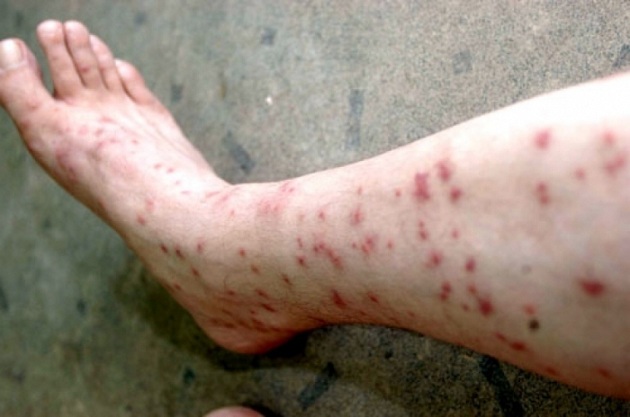
Cat flea bites are not only unpleasant, but can also cause a variety of diseases.
How to get rid of fleas on a cat
Before starting flea treatment, thoroughly vacuum the home, paying special attention to the cat's bedding and other favorite spots. Afterward, wash the cat's bedding at high temperature and treat it with a flea insecticide. The floor and walls should also be coated with the substance up to a height of 1.5 meters. After this, it's time to treat the animal itself. There are many products available for this purpose, each with varying effectiveness and application requirements.
Always be wary of cheap products, especially drops, as they are almost guaranteed to contain permethrin. Although this agrochemical kills fleas, it is also extremely toxic to cats. The only way to save a cat is to go to a veterinary clinic. Even then, a third of cats die.
Sprays
Veterinarians say aerosols are one of the most effective flea treatments, but they must be used with caution, as overdosing can poison the cat. During treatment, the animal should be given a protective collar and kept on for up to half an hour afterward to prevent licking. It's recommended that the person administering the treatment wear a respirator and rubber gloves. Due to the high concentration of the active ingredient, the spray is best used for disinfecting rugs and areas where the cat lives. Popular products:
- Frontline,
- Hartz,
- Celandine,
- Leopard.
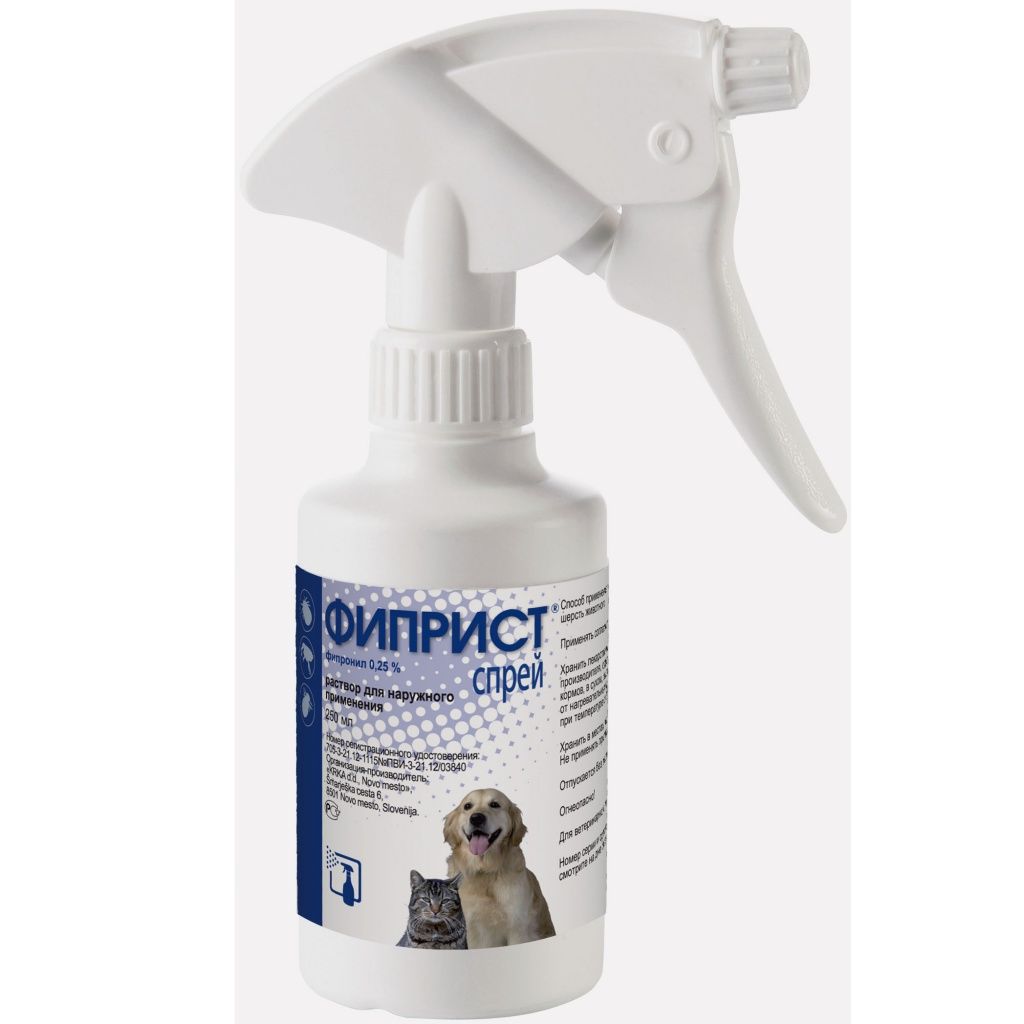
Flea sprays should be used with caution, as an overdose can poison the animal.
Collars
Flea collars are a favorite among cat owners because they last from 2 to 7 months and require no effort to kill the parasites. However, while they are very effective, chemical-based collars are unsafe for cats, as they constantly inhale the toxic substance they are treated with. Herbal collars are less effective, but safer.

A flea and tick collar is a very effective remedy.
If you have more than one cat, collars cannot be used. Even biting off or chewing a small piece can cause serious poisoning to an animal.
Drops
Drops are the most popular flea treatment. This is due to their effectiveness, relative safety, and ease of use. To use, open the capsule and squeeze the product onto the withers, parting the fur first.
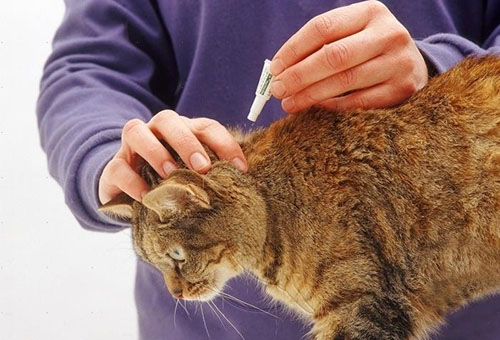
Flea drops are the best option for protecting your pet from these parasites.
Drops will rid your pet of almost all types of parasites for up to a month. The procedure is then repeated. However, the product should be chosen carefully, as some ingredients can be harmful to your pet's health, gradually accumulating in the body. The most well-known drops are:
- Leopard,
- Frontline,
- Rolf,
- Advantage and others
Powders and shampoos
Powders are among the safest products for cats. When applying the powder, wear rubber gloves and rub it into the animal's skin with your hands, parting the fur with a comb. After applying the powder, brush the cat thoroughly to ensure the powder is deposited in the undercoat rather than on the surface of the coat.
Shampoo is effective when there are only a few parasites. Products can be natural or contain chemicals. The latter type is only suitable for washing adult cats. The main drawback is that even with thorough rinsing, a certain amount of the product will remain in the fur, meaning the pet will ingest it when grooming. Some products can also cause dermatitis. Kittens should only be treated with natural shampoo.
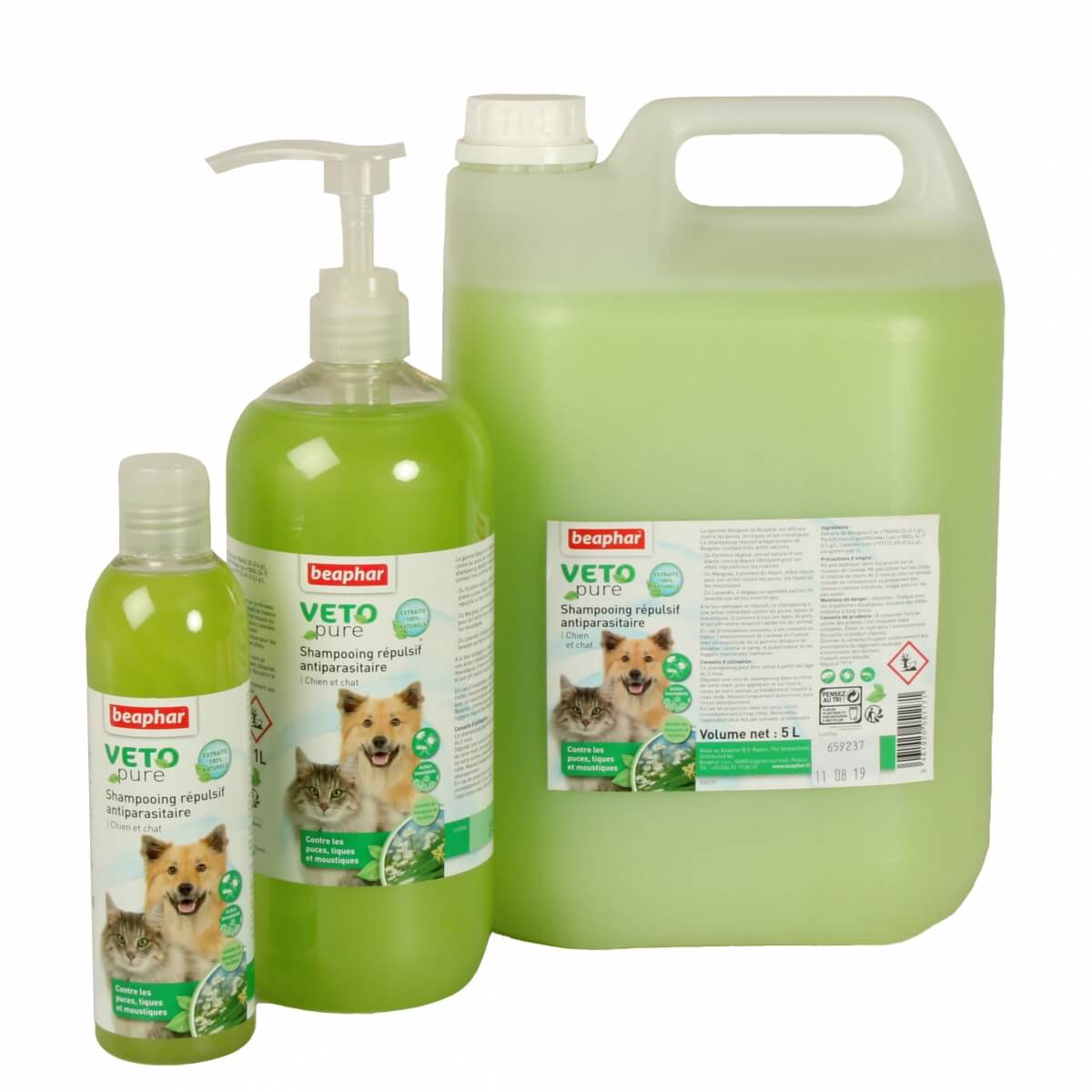
Flea shampoos are only effective if the animal has only a few parasites.
Folk remedies
If you're worried about harming your animal with chemicals or if you can't use them on it, folk remedies can come to the rescue.
Tar soap
This soap can be purchased at a pharmacy or home improvement store. It has antiparasitic, anti-inflammatory, and other beneficial properties, making it effective against fleas. To use, wet the animal with water, lather it thoroughly, and rinse thoroughly.
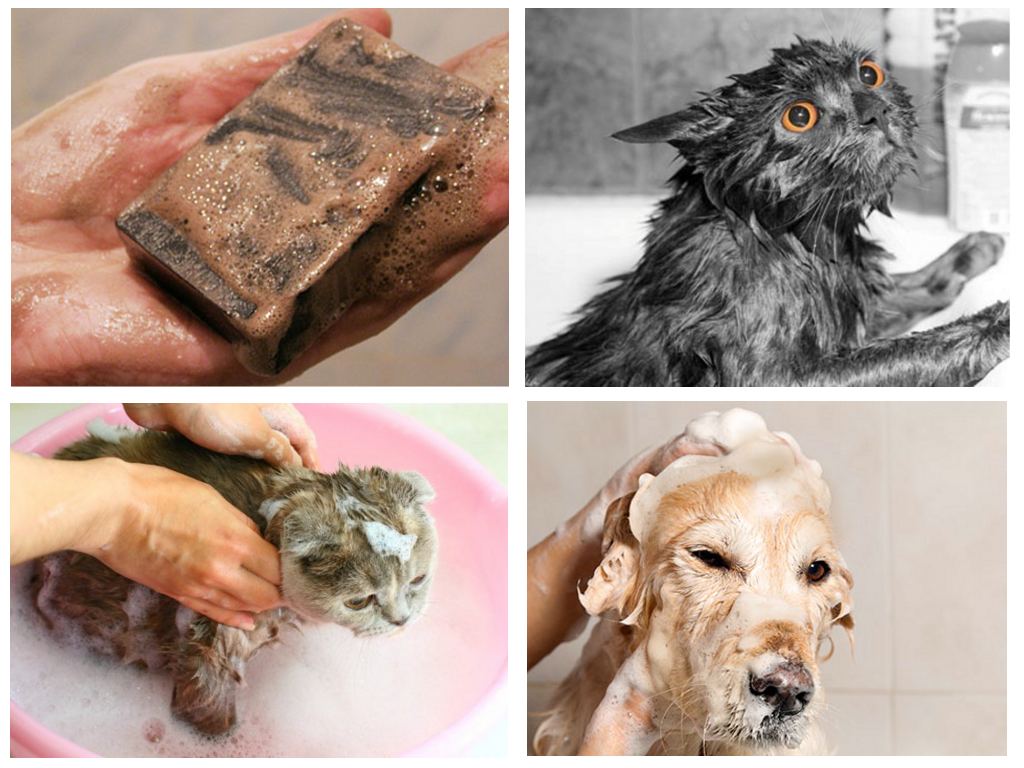
Tar soap is a universal remedy for getting rid of parasites in various animals.
Scallop
Oddly enough, a regular comb can help get rid of a small number of fleas. This is because the parasites don't lay eggs in the animal's fur, but rather jump there to find food. Here's how to do it:
- Comb out fleas from the fur with a fine-toothed comb.
- The animal should be washed with antiparasitic shampoo.
- Then you need to do a general cleaning of the home - vacuum everything, wash the floors, wash the animal's bedding, and treat all surfaces up to a height of 1.5 m with insecticides.
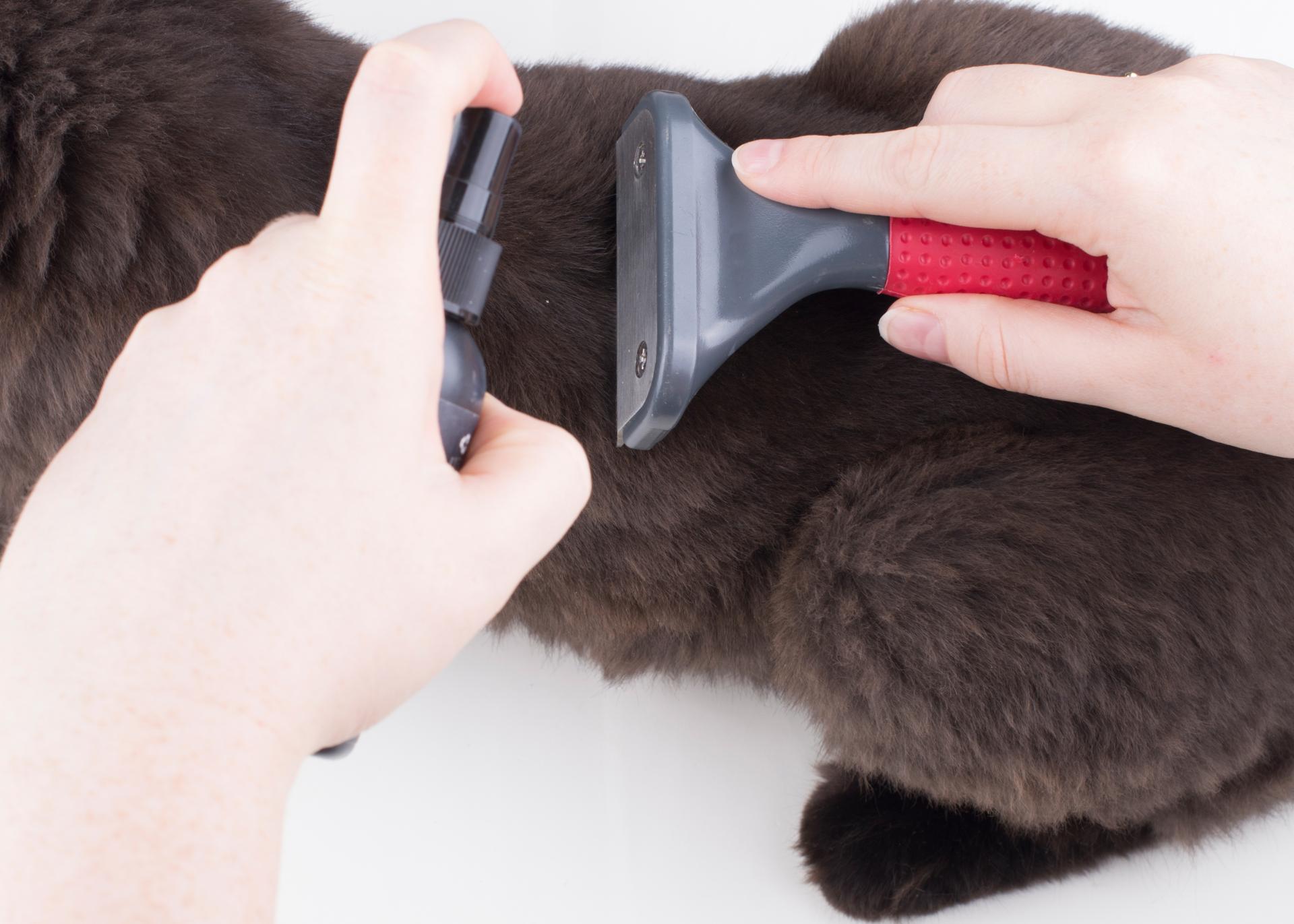
A regular comb will help rid your cat of a small number of fleas.
Sagebrush
Wormwood is effective at repelling fleas, so it should be used as a preventative measure after getting rid of the parasites. To do this, after treating the cat for fleas, place dried or fresh wormwood at the entrance to the house.
You can also use a wormwood decoction to wash floors:
- Take 3 heaped tablespoons of dry, chopped grass.
- Boil it in half a liter of water in a steam bath for 10 minutes.
- After this, the product is filtered and diluted in 5 liters of water, which is used to wash the floor.
Pine or spruce sawdust
Fleas cannot stand the smell of pine needles, so sawdust from them can be used to stuff the animal's pillow or sprinkled under the bedding.
Celandine
This plant is poisonous in large doses, so it's effective against fleas. For treatment, make a celandine decoction:
- Twenty grams of dried plant are mixed with 2 glasses of water.
- Cook for 5–10 minutes after boiling.
- The product is then cooled, filtered and rubbed into the animal’s fur.
During the procedure, parasites will begin to jump off the pet, so it is best to carry out this procedure in an empty basin placed in a bathtub filled with water.

Many antiparasitic drugs contain celandine extract.
Contacting specialists
A veterinarian may recommend two methods of flea control: pills and vaccinations. The injection helps completely eliminate the presence of these parasites for six months. Pills, however, last for about a month, with the effect appearing only after three weeks of treatment.
Peculiarities of flea removal in pregnant or lactating cats
Removing parasites from pregnant or nursing cats is especially important. The kittens' lives depend directly on the mother's health. The wrong choice of insecticide can lead to miscarriage, congenital defects, or death immediately after birth. Before treating fleas in a pregnant or nursing cat, you should:
- Be sure to consult a veterinarian, where they will select the appropriate medication for your pet.
- Vacuum the house and wash the floors.
- Wash, dry and treat the animal's bedding with insecticide, then air it out for 3 days.
- Before using any product, comb your cat thoroughly with a comb. Use a wide-tooth comb first, then a fine-tooth comb.
For pregnant cats, the following drops are optimal:
- Stronghold,
- Advantage-40,
- Frontline.
They are as safe as possible for your pet. When choosing a product, make sure it does not contain organophosphates or permethrin, which can cause severe poisoning in cats.
Flea injections are not given to pregnant animals, as they are dangerous for future offspring. Sprays are also not recommended due to their high toxicity. It is strictly forbidden to use Comfortis tablets to remove fleas from a pregnant cat.
Flea prevention in cats
If you've just gotten rid of annoying parasites or want to prevent them from appearing again, there are a number of steps you should take:
- Bathe your cat regularly with flea shampoo and wash its bedding frequently.
- Inspect your animal periodically for parasites.
- It's not advisable to let your pet outside, where it could encounter an infected animal and pick up fleas. After a walk, wash your cat with antiparasitic shampoo.
- Put a flea collar on your cat.
- Give your animal injections against blood-sucking parasites at the required intervals.
Reviews
My parents' cat and dog both wear flea collars. They haven't seen any fleas, and they don't itch. You probably need to buy a good flea shampoo and wash your cat, then apply drops and a flea collar, since they're infested with fleas.
Oh, author, why use tar soap? It's not surprising that the fleas returned after the drops, as the drops hardly killed all the flea eggs in one go. You need to bathe your cat with a proper flea shampoo (as per the instructions). Then apply the drops again or, as recommended above, put on a collar (not all cats tolerate collars). If you use the drops instead of the collar, you can bathe him again with shampoo after two weeks to really cement the results. In theory, such draconian measures should be guaranteed to help.
If you have pets, to get rid of fleas, you should first treat them with a good product and then disinfect your home. Treating carpets and floors with a water-based solution of Neostomosan is particularly effective; it kills fleas for a long time. If all else fails, it's best to call a professional cleaning company to disinfect the entire premises.
Buy a flea comb. Some have fine-toothed ones. Place your cat on a white sheet and comb the fur. The fleas will stick to the comb.
We recently had a problem with fleas. There were practically no fleas on the cat, but they were jumping all over the floor. I bought sprays and capsules and applied drops to the cat, but nothing worked until I bought the simplest flea collar. Literally a couple of days later, all the fleas were gone.
I spread regular wormwood in the corners. I also vacuum the carpets with a carpet cleaner. I wouldn't risk using dichlorvos, as it smells bad and is a chemical, and if you have pets in the house, they could be poisoned.
I used everything when my cat got a flea infestation, the whole kit and pan. The strategy is simple: if there are already fleas, use drops. We used Dana Ultra Neo, which we applied according to the instructions for the cat. The first problem was solved; there are no more fleas. Second point: how do you protect the cat in the future? You can use drops; they last for several months. You can buy a collar; they also last for several months. We got the collar after a month so we could attach an ID tag to it when the cat goes outside. We also bought a spray to spray the places where the cat usually lies, as they can harbor flea eggs. We sprayed all the bedding and rugs in the house. As a result, we've been flea-free for six months now.
Removing fleas from your furry pet isn't that difficult thanks to modern products. But it's still best to prevent them from appearing. Then your pet will stay healthy and delight its owners with its mischief for years to come.