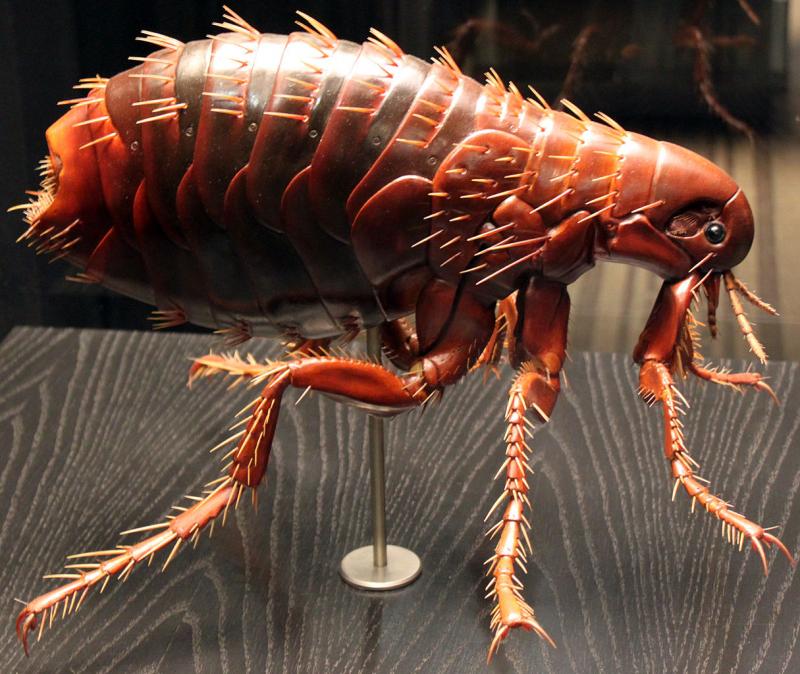
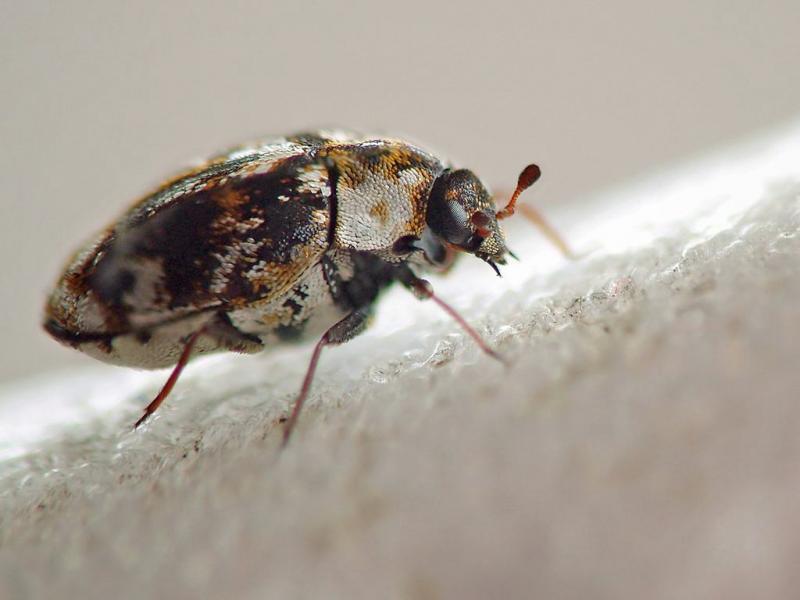
Residents of modern megacities who own apartments in multi-story buildings are all too familiar with the problem of basement fleas. Moreover, the sanitary condition of the home is completely unimportant: cleaning the rooms even several times a day does not guarantee that the owners will not encounter these blood-sucking parasites, which are very reluctant to leave their source of food—humans and animals. Despite this, there are many ways to eliminate basement fleas from your home. And first, it's worth clarifying a few theoretical issues.
Content
Unkind acquaintances
Fleas are blood-sucking parasites that reproduce quickly, inhabit premises with habitable conditions, and easily transfer from the bodies of animals to people. Basement fleas is a collective (popular) name that includes several species of fleas, united into the “common” group. These include:
- rat (one of the most dangerous varieties, as rats are carriers of serious diseases);
- felines (often cats, driven by hunting instinct, run into the basement and become infected by rats);
- dogs (they pick up parasites while walking);
- human (live on the bodies of vagrants and homeless people who come to spend the night in the basement).
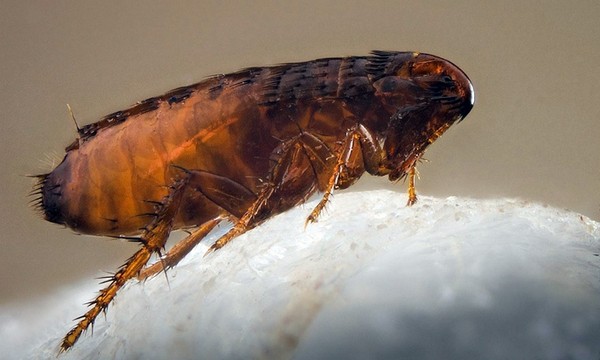
Basement fleas is a collective name for the most common species of these bloodsuckers.
What do basement fleas look like?
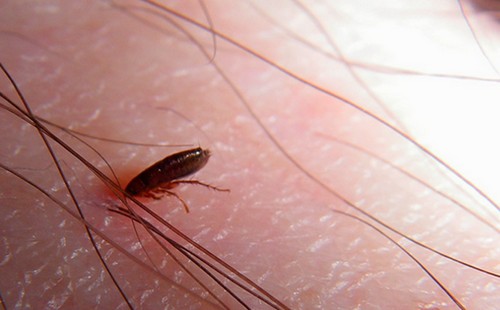
The body length of the brownish or yellowish-brown parasite varies from 1 to 5 mm, and in a blood-fed female, it can reach 1 cm. The insect's body, with three pairs of legs, is slightly flattened on the sides, but the abdomen is noticeably thicker. Fleas lack wings, but their strong legs allow them to jump quite high—which is why owners of apartments on the first through third floors are at risk from fleas in their basements.
Life cycle
Fleas lay their eggs on their host's body, in dust, sand, a warm bird's nest, or an animal's bed. Complete metamorphosis into an adult insect involves:
- 2 days of egg incubation;
- week of larval development (during this period, insects feed on decaying remains, including the droppings of adult relatives);
- a week of growth of the pupa (feeling the warmth and vibrations of the body of an animal or a person, it emerges from the cocoon);
- 2–12 months of adult life.
During her lifetime, a female lays from 400 to 1000 eggs.
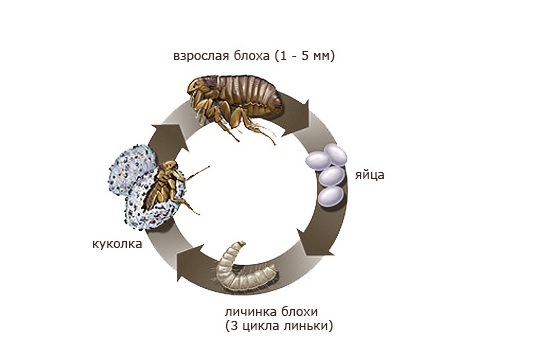
Fleas develop into adults quite quickly.
This is interesting. Fleas are capable of hibernating under unfavorable conditions, such as the absence of a host. During the pupal stage, this hibernation period can sometimes last up to a year.
Lifestyle
Fleas live on their hosts year-round. However, infestations are particularly severe during the warmer months, when animals begin to breed and incubate eggs, as burrows and nests experience increased humidity and temperature during this period. Dust and dirt in basements are additional "bonuses" for parasites.
Fleas feed in small doses. After gorging themselves on blood, the insect often leaves the host in search of a new home, but some species remain faithful to their host until the very end.
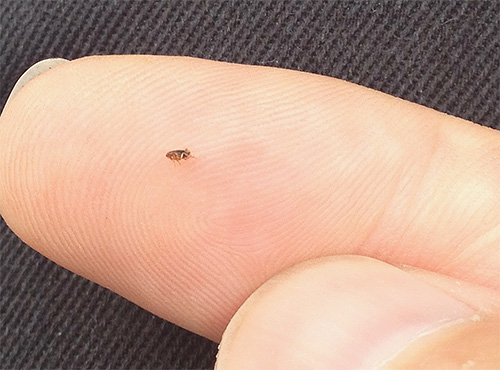
Fleas feed in small portions in several doses.
Thanks to this unpretentious lifestyle, fleas are widespread and even inhabit Antarctica, where they terrorize the bodies of penguins.
Reasons why fleas appear in an apartment
The level of cleanliness of the apartment owners does not affect the level of risk of fleas entering the home. Since rats are the most common carriers of parasites, basements inhabited by these rodents are 100% infested with fleas. Another source of infection is homeless people inhabiting basements. Thus, the insects find themselves in an ideal environment: dark, warm, and humid. Invading the apartment becomes a matter of technique, as several avenues are available:
- through ventilation and cracks;
- on the body of pets that may have come into contact with an infected animal while walking;

Pets are the most common source of fleas in an apartment.
- on shoes and clothes (people whose professions involve frequent visits to basements, such as electricians and plumbers, are especially likely to carry fleas this way);
- from neighbors.

In a new place of residence, fleas usually settle:
- under the cluttered cabinets;
- in old clothes;
- under the carpets;
- in the cracks of the floors;
- in animal beds.
What do flea bites look like?
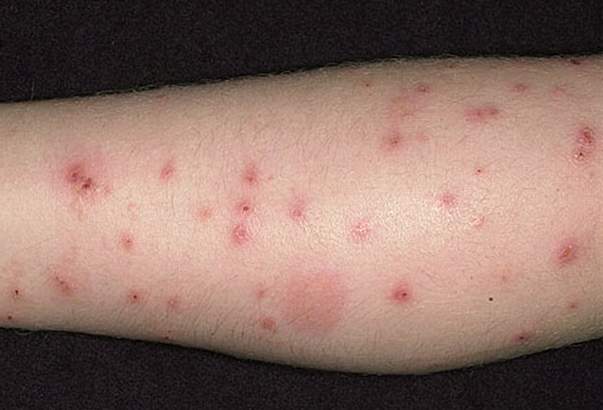
Nature has designed fleas to not inject an anesthetic when they bite into the skin, unlike mosquitoes or bedbugs, so their bites are quite painful. There are also several other signs that can help you identify a flea bite.
- Bite marks are located on the calves and feet. Above this area, fleas can only bite a sleeping person.
Human blood is a tasty morsel for a flea.
- The puncture site is not visible; only the thickening of the wound is visible to the naked eye.
- When the proboscis is inserted under the skin, a person feels pain as if being pricked with a needle or thorn.
- After a flea bite, there is a strong itch, stronger than after a mosquito bite.
- The distance between the wounds is about 2 cm, which is due to the numerous punctures made by one individual.
- After the puncture, the itching continues for 2-3 hours, but the bruising, redness and swelling persist for 2-3 days.
Why are flea bites dangerous?
Attacks by bloodsuckers, in addition to the depressed state of mind caused by such a disgusting neighborhood, can lead to serious health problems.
Infection with infectious diseases
In addition to biting infected animals, fleas also feed on the blood of sick or recently deceased animals. This can lead to humans becoming infected with:
- encephalitis (inflammation of the brain);
- bubonic plague (an infection transmitted to humans by rats);
Fleas can carry serious infectious diseases.
- typhus;
- anthrax;
- salmonellosis (acute intestinal infection);
- hepatitis;
- fungal diseases;
- worms;
- tularemia (an infection that affects the lymph nodes, skin, mucous membranes of the eyes, throat and lungs);
- listeriosis (an acute infection that affects the cells of the immune system, occurring in the form of sepsis).
Allergies and inflammation
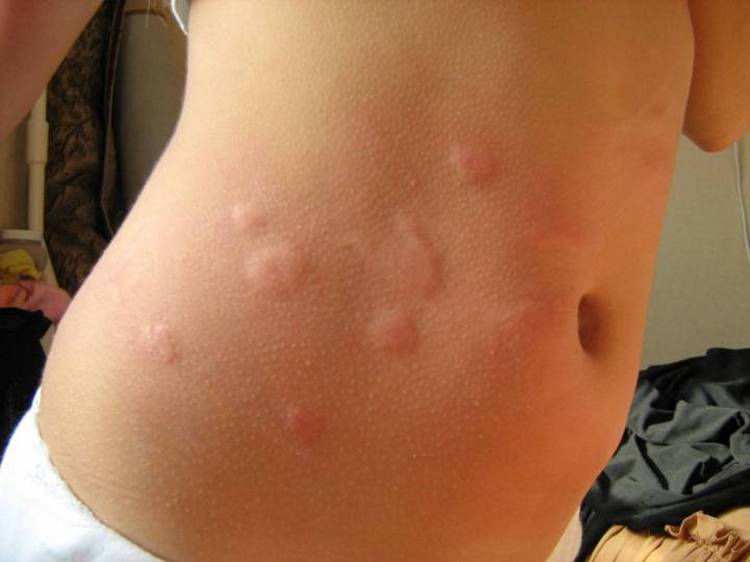
The enzyme injected by fleas when they bite, as well as scratching the affected areas, can cause an allergic reaction or inflammation. Therefore, it's worth consulting a doctor if a flea attack has caused:
- extensive rashes on the body;
Flea bites can cause rashes on the body.
- enlarged lymph nodes;
- high temperature;
- headache;
- sleep disorders;
- indigestion;
- difficulty breathing;
- trembling throughout the body;
- swelling of the bite sites;
- nervousness;
- ulcers on the mucous membranes.
How to treat bites
There have been cases of flea bites causing anaphylactic shock. Therefore, to be on the safe side, it's best to take an antihistamine (Fenistil, Suprastin).
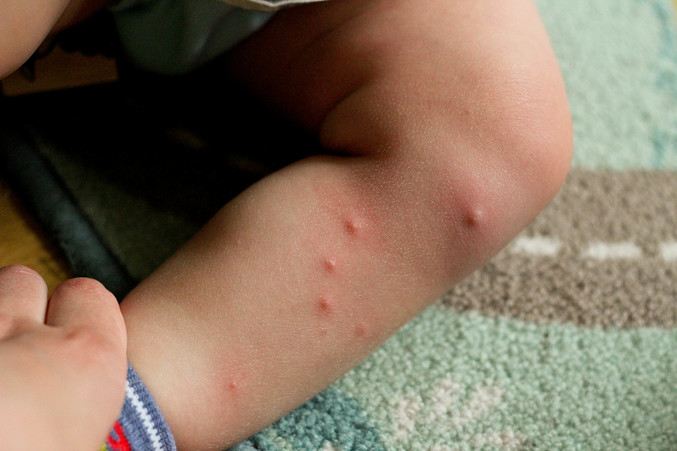
If fleas have bitten a child, taking antihistamines is essential, as children are more susceptible to allergic reactions than adults.
First aid
To prevent inflammation from developing at the bite site, it is necessary to treat the affected area as quickly as possible after taking allergy medication.
- Wash the affected areas with antibacterial soap or a disinfectant solution. You can use a hydrogen peroxide solution, miramistin, potassium permanganate, or chlorhexidine.
- If the bites affect a large area, then each wound should be lubricated with an aqueous solution of apple or lemon juice (1:1) to help the skin heal faster.
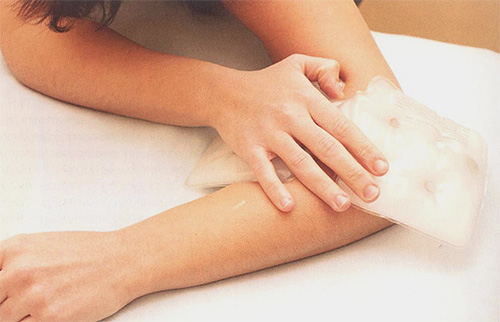
- To relieve itching, we use corticosteroid creams or ointments (flucinar, hydrocortisone, advantan), which inhibit the production of substances that cause progressive inflammation. Or try tried-and-true folk remedies: ice cubes made from a decoction of calendula, chamomile, or wormwood, wrapped in a cloth.
A cold compress will help relieve itching.
Therapy
A doctor will prescribe appropriate treatment for allergies, inflammation, or infections. Most often, this involves taking antihistamines and treating the wounds:
- alcohol solution (the proportion is determined by the doctor);
- Fenistil gel;
- Boro-plus cream;
- with Zvezdochka balm.
Zvezdochka Balm will relieve irritation and swelling.

This is interesting. For children, before seeing a specialist, it is essential to apply a bandage to the affected area after the initial treatment to reduce the risk of scratching.
Folk remedies
If the bites do not cause complications, then traditional medicine can be used.
Aloe vera poultices
Instructions:
- We twist the leaves in a juicer or meat grinder.
- Strain the juice and apply to itchy areas.
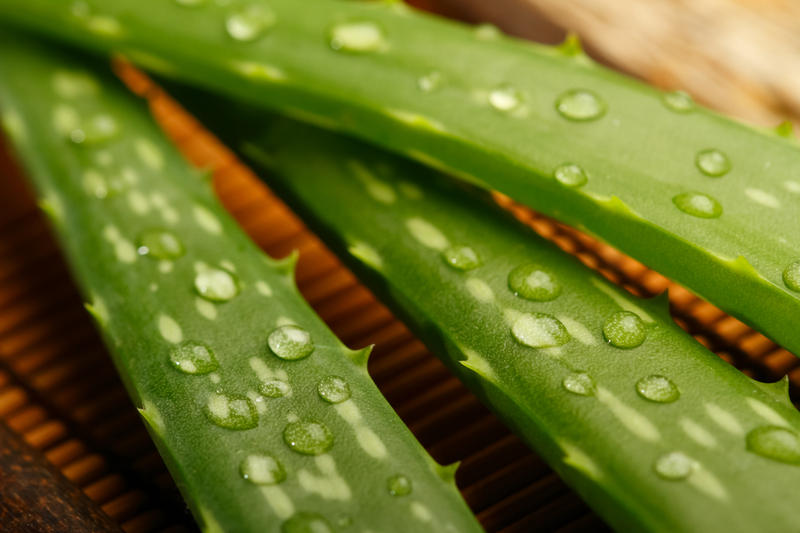
Aloe juice relieves itching and inflammation
This is interesting. Plantain and calendula can be used instead of or along with aloe.
Green tea rinse
Instructions:
- Brew 1 teaspoon of leaves in 200 ml of hot water.
- Let it brew for 8–10 minutes.
- Cool, drain, and rinse problem areas.

Green tea has an antiseptic effect.
Garlic applications
They relieve swelling and inflammation.
Instructions:
- Grate 2-3 cloves of garlic.
- We apply the gruel to the bite site.

Garlic quickly relieves inflammation
Soda solution
- For 1 tbsp. take 1 tsp of warm boiled water. soda
- We wash the wounds 2-3 times a day.
This is interesting. It's very helpful to periodically apply fresh celandine juice to the wounds.
How to detect basement fleas
If there are pets in the house, they will be the first indicator of the appearance of fleas. Infested pets begin to scratch themselves and sometimes behave inappropriately, even becoming aggressive toward their owners. If there are no pets in the house, a flea infestation is usually indicated by bites on the human body. In cases of severe infestation, the fleas themselves may also be visible in the house, especially in hard-to-reach places (under cabinets, carpets, etc.).

The appearance of fleas on pets is a signal for active measures aimed at combating parasites.
Effective methods of control
If signs of a flea infestation are noticeable, immediate action is needed to eradicate them. This serious matter requires a comprehensive approach, including:
- extermination of bloodsuckers on the body of pets;
- apartment disinfestation;
- treatment of suspected places of insect penetration into the home;
- extermination of mice and rats, and along with them fleas, in the basement by special services;
- We are taking preventive measures.
Each of the stages requires more detailed consideration.
Pet treatment
To kill fleas on your pet's body, it is recommended to use special products that can be purchased at pet stores.

Bathing should also be done with the addition of special shampoos.
Table: flea remedies for animals
| Name | Release form | Notes |
| Hartz | Shampoo, drops, sprays, collars | Shampoos can be used even for animals with dermatological diseases. |
| Leopard | Shampoos, sprays, collars, drops (this form of release has gained wide popularity) | They guarantee that until fipronil, a powerful insecticide, is eliminated from the body, no fleas will be a threat. |
| Frontline | Drops, sprays | In addition to fipronil, the product contains methoprene, a hormonal drug that causes growth abnormalities in insects. These products are expensive. |
| Beaphar | Drops, collars | Drops are produced with different types of insecticides and are used depending on the degree of infestation of the animal. |
All products are used strictly according to the instructions, with special attention paid to the withers, tail and ears. After treatment, an anti-flea collar is placed on the animal.
This is interesting. Before continuing to treat basement fleas, the pet should be temporarily moved to another home to avoid the risk of reinfestation.
Folk remedies
Of course, proponents of folk remedies might object: what about bathing in a wormwood decoction? But in the war against bloodsucking insects, the enemy must not be given the slightest chance. Herbs are certainly an excellent preventative measure, but they are unlikely to be a quick and effective flea killer.

It is not a fact that wormwood will help in the fight against fleas, but its smell can cause severe allergies in humans.
If your pet is allergic to chemical flea control products, you can regularly use apple cider vinegar.
Instructions:
- Grate 30 g of laundry soap.
- Pour in 1 liter of warm water.
- Add 1 cup of apple cider vinegar.
- We mix and lubricate the animal’s fur every time before going outside.
Interestingly, vinegar itself isn't a flea poison, but its sour taste repels the parasites when it comes into contact with the skin.
Apartment disinfection
The processing takes place in several stages.
- Thorough cleaning. Wipe off dust with a damp cloth, wash the floors (optionally with bleach or vinegar), and distribute the food into jars and trays. Cover the aquarium, if applicable, and turn on the air pump.
General cleaning is the first step in eliminating basement fleas.
- Washing clothes, slippers, toys, curtains.
- We beat pillows, blankets, mattresses, and carpets outside. If the weather permits, we let them bake in the sun. In cold weather, you can use a steam generator for treatment.
- We thoroughly clean the furniture and floor with a vacuum cleaner.
- We treat the premises with insecticide.

Preliminary preparation
- We clear the premises of people and pets.
- We close the windows and doors tightly.
- We treat furniture, baseboards, and cracks with insecticide.
- For several hours after treatment, entering the premises is prohibited.
- After the product has finished working, ventilate the rooms and do a wet cleaning.
Table: Effective insecticides for apartment treatment
| Name of the product | Release form | Note |
| Dichlorvos | Aerosol | An inexpensive remedy for many parasites. |
| Raptor | Fights fleas quickly and effectively. | |
| Raid | It has a pleasant aroma. | |
| Tetrix | Concentrate for dilution in water | Does not require re-treatment, as it destroys adult insects, larvae, and eggs. Highly toxic. |
| Cucaracha | Does not work on eggs. | |
| Cyfox | In just 2–3 hours, all fleas will die; the product is economical to use and can even be used in open areas. |
Folk remedies
The most popular folk remedy for getting rid of fleas in an apartment is baking soda and salt. These two components are mixed in a 1:1 ratio and sprinkled on carpets, under baseboards, and rubbed into mattresses. After 12 hours, the residue containing the dead fleas is removed. However, this method of pest control is not considered effective compared to fast-acting professional treatments.

Salt and soda are used to treat not only floors, but also textiles
Another option for using generations of experience in flea control is boric acid salt mixed 1:1 with plant powder. The mixture is applied in the same way as the baking soda and salt mixture, and its effectiveness is approximately the same.
Treatment of penetration sites
Chalk (such as "Mashenka") is very effective for repelling fleas from your apartment. We use it on baseboards, thresholds, and ventilation ducts.
To prevent fleas from reappearing in the basement, use dust. The larvae, which feed on organic waste, consume the dust and die instantly.
This is interesting. It is not recommended to use dust in residential premises, as it is poisonous to people and animals.
Video: What to do if there are fleas in the house – advice from a veterinarian
Flea control in the basement
To control fleas in non-residential premises, you can use not only products intended for apartments but also much more powerful insecticides, such as Butox 50. You only need 30 grams of concentrate per bucket of water. All work must be carried out wearing a protective suit and respirator.
For larger areas, you can use a smoke bomb (available at pest control stores). The sulfur base and smoke help kill insects in hard-to-reach places, as well as fungi and bacteria. However, the product has a strong odor, so its use should be approved by your neighbors. After treatment, the basement should be closed for as long as possible.
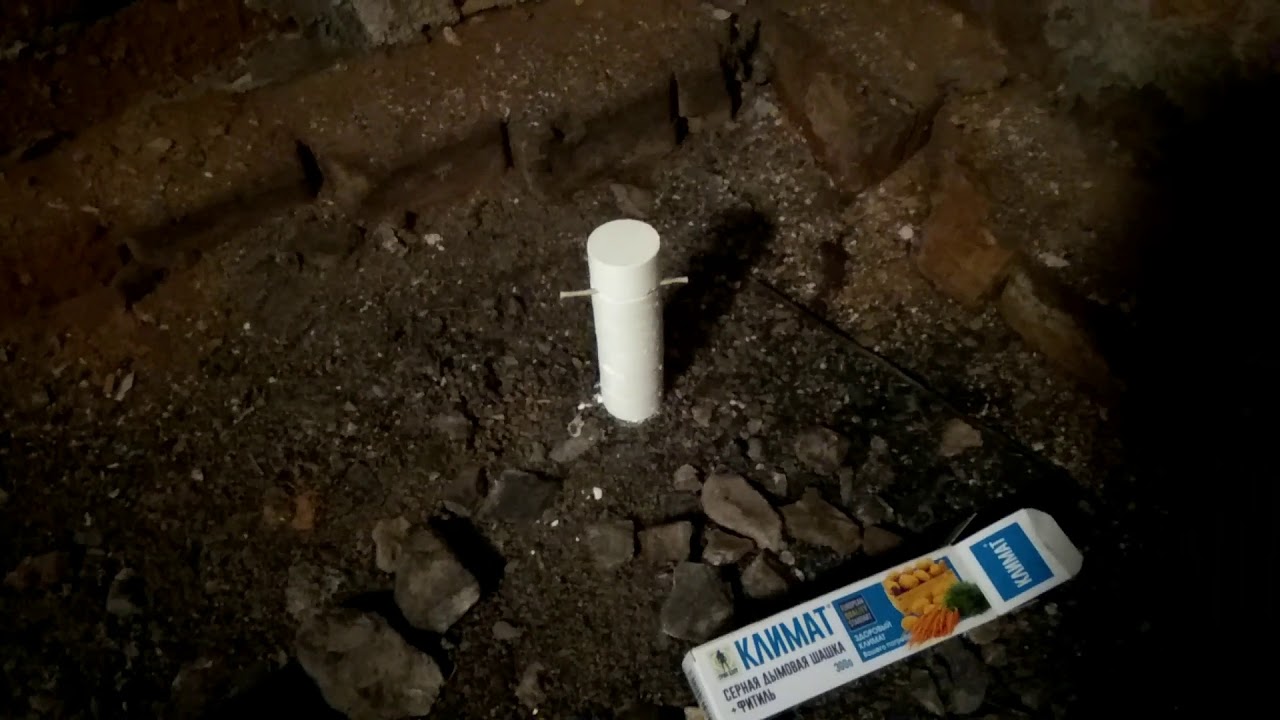
After using a smoke bomb, all doors and windows in the basement must be closed.
If the basement isn't very large, you can use folk remedies like spraying with a solution of soap and salt or crushed garlic and yeast. Apply these homemade mixtures to the walls with a broom.
To increase the effectiveness of the treatment, the basement should be treated 3-5 times every 10 days.
This is interesting. If the basement is heavily infested, it's best to start the flea control there first, and then move on to treating the apartment.
Rodent control
Only by eliminating the food source for basement fleas can we truly say that pest control is effective. It's best to call a specialized service for basement treatment. This requires contacting the management company that handles the residents' housing and utility needs.
If the basement of a private home is infested, the following methods can help control the rodents:
- Zoocoumarin;
- Rat death;
- Storm;
- The Pied Piper.
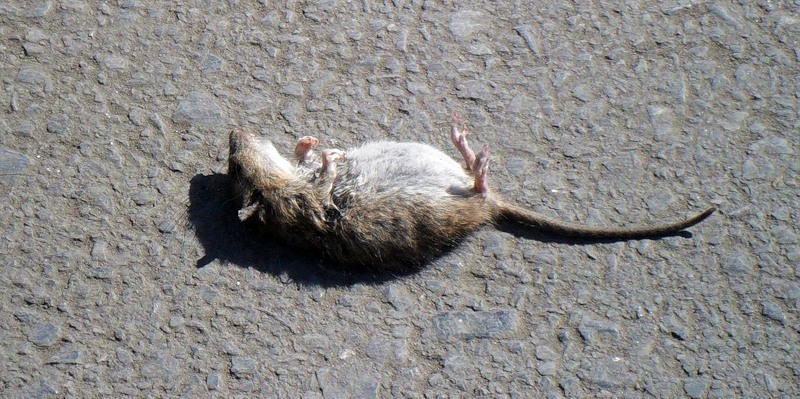
Extermination of mice and rats will deprive fleas of food sources
Prevention
Since no one is immune from a visit from jumping uninvited guests, especially on the street, preventative measures are certainly not superfluous.
- Eat garlic. This aroma is so detested by fleas that it will definitely force them to move a considerable distance away from their food source.
- Rub essential oils of lavender, eucalyptus, and cedar into the skin, after diluting them with water or vegetable oil 1:5.
- Use commercial repellents (Gardex, Biban, DEET, etc.).
- Use a citrus spray. The base can be lemon, grapefruit, or citron, sliced with the peel and poured into 200-250 ml of water. Boil the mixture, let it steep for 6-10 hours, and then strain it and apply it to the body.
- To protect apartments and small basements, bunches of herbs with a strong smell are laid around the perimeter: lemon balm, mint, tansy, immortelle, lavender.
The smell of herbs repels basement fleas

Since the basement is a breeding ground for fleas, special attention should be paid to prevention in this room, namely:
- treat the area with insecticides once every three months;
- do not dump garbage, as this leads to the spread of rats and mice;
- In early spring, ensure an influx of cold air into the basement through open windows - this measure will help to partially eradicate fleas and other parasites;
- Invite pest control specialists once a year to kill parasites.
Basement fleas are small parasites that cause a lot of trouble. Not only is no one safe from them invading their home, but the consequences of contact with these bloodsuckers can be very serious. Therefore, measures to eliminate this jumping enemy must be taken immediately as soon as a dangerous presence is detected. And after getting rid of the parasites, don't forget about preventing re-infestation.