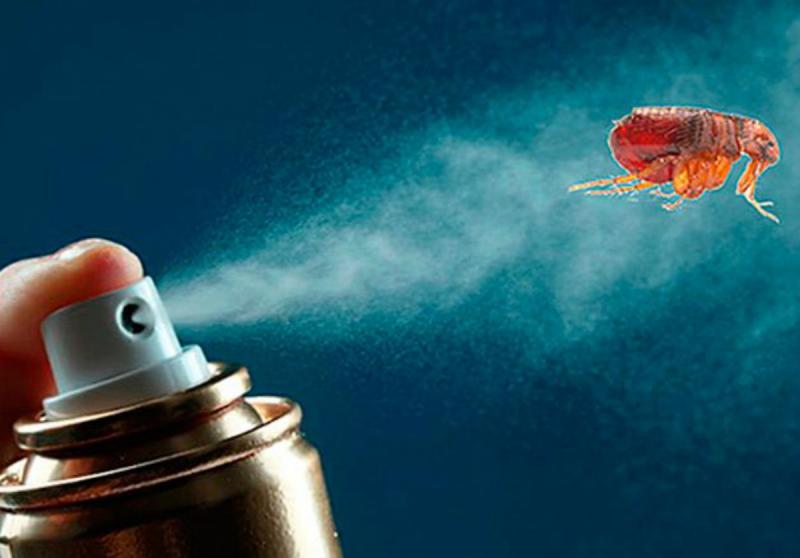
Many people know that fleas bite animals. But brown parasites are more sophisticated and attack humans. There's a specific species of insect that prefers human blood.
Content
The appearance of the human flea, its habitat and signs of a bite
These insects primarily feed on blood from human veins. It's impossible to distinguish the human parasite from other insects that live on animals. After all, we don't have a spare second to try to spot the bloodsucker: it quickly hops from place to place and is small. Only an entomologist with a microscope can examine the human flea thoroughly:
- color from light brown to black-brown;
- wings are absent;
- the body is flattened, which makes it easy for the insect to get through hair and difficult to crush;
- 6 legs, the back ones are stronger;
- hooks and hairs on the body and paws;
- the head is small;
- The oral apparatus allows it to bite through the skin and suck out blood.
A large body, three millimetres long, distinguishes the human flea from other species.
The flea beetle uses its well-formed hind limbs to jump distances of up to one and a half meters.
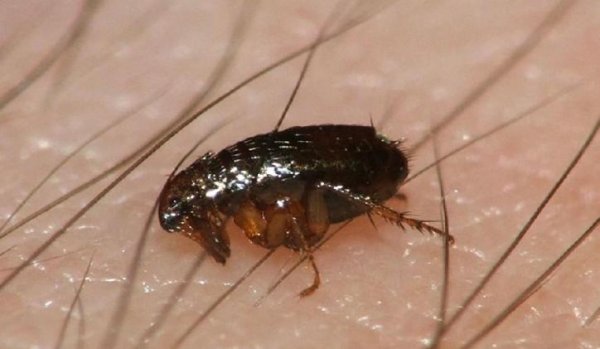
It is impossible to distinguish a human parasite from an animal bloodsucker without a microscope.
Human parasites do not live on the human body, but use it as a means of transport and food. Their presence in the home is signaled by bites, although they are difficult to identify reliably. Fleas are versatile and feed on any nearby warm-blooded animal. The most telling symptoms of a bite are:
- Pain in the affected area, as if from an injection with a regular syringe.
- An intense itching sensation that immediately attracts attention and causes scratching of the skin.
- Fleas attack people around the clock, unlike bedbugs, which feed at night.
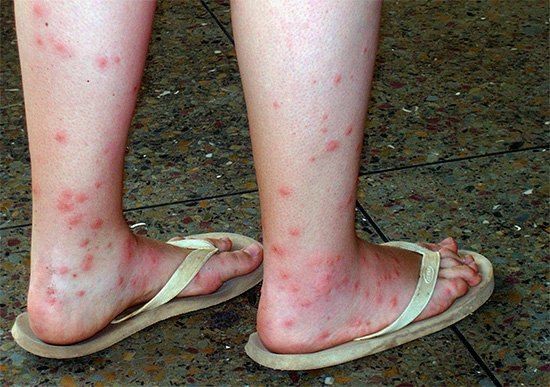
- The location of the bites on the body also gives a sign of the involvement of fleas - there are most of them in the area of the legs below the knee, and the distance between them is up to 1 cm.

Most often, fleas attack the area of the legs no higher than the knee.
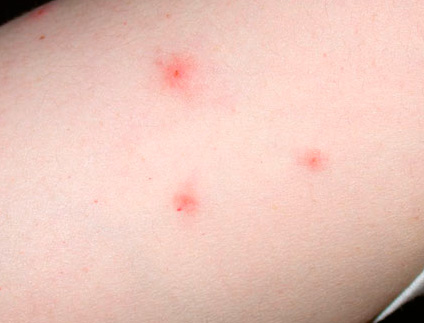
- At the site of the insect bite, a red spot about four or five millimeters in size appears, or a formation with liquid inside and a dark red dot of dried blood.
Right next to the hole through which the blood was sucked, a small subcutaneous hemorrhage is formed
Causes of the emergence of human parasites
Once inside homes, fleas receive a personalized dose of blood, lay eggs, and linger for a long time: they make their home in bedding, soft toys and furniture, high-pile carpets, pet bedding, pet houses, wallpaper, hide in floor crevices, and crawl behind baseboards. It's in these places that these parasitic arthropods rest after a bloody meal. The main causes and routes of flea infestation are:
- Dust and dirt that forms after a major apartment renovation.
- Moving from basements. The heat and humidity in them guarantee a rapid increase in the number of brown parasites, dispersing them into apartments on the lower floors.
- Pets are the main carriers of human parasitic insects, as they thrive in the fur of cats and dogs. Fleas jump on pets during walks and ride them into the home. To detect an infestation, simply observing their behavior is enough. Parasites are present if your pet frequently scratches and chews, shows no desire to eat, and has disturbed sleep.
- People. Anyone can bring an insect into the house on their clothes or shoes. These bloodsuckers reproduce quickly—in just two weeks, your house will be full of parasites.
- Ventilation holes. Brown insects enter the apartment from neighbors, attics, or basements through these holes.
- Violation of sanitary standards. Fleas are common companions of dysfunctional families with a complete lack of hygiene and clutter in a dirty apartment. It is not safe to live next door to such people.
Video: A veterinarian talks about fleas
What is the danger of human parasite bites?
A flea pierces the most delicate area of skin with its mouthparts and sucks blood from a blood vessel. A single bite causes little harm. However, repeated attacks by several fleas significantly damage the skin, causing itching and itching. This causes pustular sores, psychosis, and neuralgia. Sometimes a person imagines fleas all over their body, but they are most likely not there.
Inflammation, itching, redness
A human flea bite causes a severe burning sensation and a red spot up to 7–8 mm in diameter. Swelling then develops, and the wound becomes itchy, leading to secondary infection. A blister forms, which melts within 2–3 hours. Bites heal within seven days without complications.
The most terrifying sight is bitten children. Their skin is soft and thin, making it easier to bite, so the brown parasites attack children under 12 with particular enthusiasm. The effects of flea bites in children are more intense than in adults. Their immune system can't withstand this stress, so the wound turns bright red and becomes noticeably swollen. Even after several days, children may still have traces of reddish spots and severe swelling, accompanied by itching.
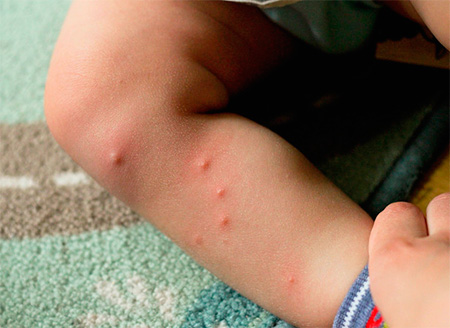
Multiple flea bites on the child's legs are more pronounced
Pulicosis
Flea bites often cause pulicosis—a skin condition that's somewhere between a severe allergy and a simple reaction to the parasite bite. A rash appears, but there are no signs of an allergy. This manifests itself in specific symptoms:
- the area around the bites becomes covered with a rash;
- inflammation appears, sometimes suppuration;
- small abscesses appear in the throat and mouth;
- the lymph nodes are enlarged;
- fever and nervousness appear;
- sleep deteriorates;
- I'm worried about a headache.
Allergy
The enzymes contained in flea saliva have toxic properties, which is why an allergic reaction is likely after bites from brown parasites. It takes various forms. In severe cases, the rash spreads to large areas of skin, causing severe swelling and itching. Sometimes, the allergy manifests as swelling, and the bite victim becomes so swollen that medical attention is necessary. Typically, signs of such a reaction include:
- a profuse, continuous rash all over the body and in the area of the bites;
- overexcitability and anxiety;
- headache;
- increase in temperature to 40 degrees;
- diarrhea;
- Difficulty breathing is a particularly serious symptom that requires immediate assistance—calling a doctor and taking antihistamines.
Diseases carried by fleas
The most dangerous consequence of a human parasite bite is the possibility of contracting:
- Toxocariasis is a disease caused by helminth larvae that infect the liver, lungs, and tissues of other organs.
- Flea dermatitis - you want to scratch not only the bite site, but your whole body.
- Plague is a terrible disease that is no longer common, but when an infection occurs, fleas are the first to be suspected of spreading it.
- Encephalitis is a group of inflammatory processes in the brain.
- Salmonellosis is an acute intestinal inflammation of the digestive system.
- Anthrax is a rare but highly dangerous infection for humans, causing specific lesions of the skin and internal organs, as well as severe intoxication.
- Brucellosis is a disease with multiple organ and system damage.
- Tularemia is an acute infection that affects the lymph nodes, skin, and sometimes mucous membranes.
And this isn't a complete list of diseases that can be caused by flea bites. Scientists have identified more than 200 viruses, bacteria, and protozoa in the bodies of these arthropods, potentially causing life-threatening diseases in humans.
How to treat bites
You can't scratch them: the wound will open up and receive another dose of microbes, which will cause complications such as infection, inflammation, and suppuration. First aid after a bite involves taking steps to improve the condition, but not self-medication. First, disinfect the wound with soapy water or one of the following:
- hydrogen peroxide;
- Miramistin;
- potassium permanganate - potassium permanganate;
- antiseptic Chlorhexidine;
- iodine, alcohol, brilliant green or vodka.
Photo Gallery: First Aid Remedies for Human Flea Bites
-
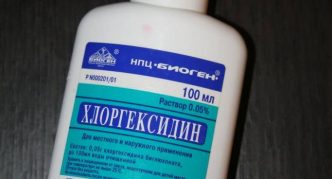
- Chlorhexidine has a disinfectant effect
-
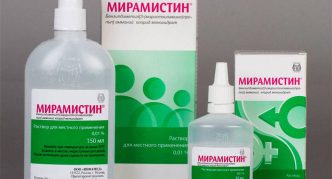
- Miramistin has a detrimental effect on pathogenic microorganisms
-
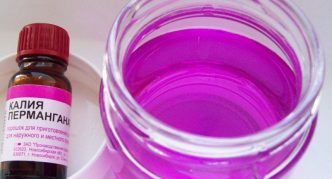
- Potassium permanganate is used as an antiseptic for external and local use.
-
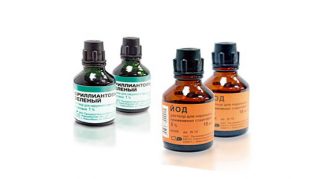
- Brilliant green and iodine are great for disinfecting a wound after a flea bite.
-

- Hydrogen peroxide helps prevent the spread of infection
Relieving inflammation
There are many methods to help relieve the discomfort caused by flea bites. These include both over-the-counter medications and folk remedies.
Table: folk remedies and medications for treating the consequences of flea bites
| Folk remedy/name of pharmaceutical drug | The effect produced | Method of preparation |
| Cold compress | Perfectly relieves itching and inflammation, disinfects. |
|
| Ice cubes made from decoctions of calendula, chamomile, and wormwood | Prevents swelling and reduces inflammation. |
|
| Honey | Promotes faster healing of damaged scratched areas. | Mix 1 tbsp with 2 tbsp lemon juice. |
| Garlic, parsley or dandelion juice | They act as an aid in flea bites as a remedy for swelling and inflammation. | Grind and apply the resulting gruel to the bite area. |
| Plantain, aloe, and calendula juice | Helps reduce itching and inflammation from bites. |
|
| Apple cider vinegar | Dilute vinegar with water in equal proportions. | |
| Baking soda | Dilute 2 teaspoons in 1 cup of boiled water and wash the wounds with the resulting solution. | |
| Ammonia | Dilute with water 1:1 | |
| Fresh lemon juice | Promotes wound healing. | Scald the lemon with boiling water, cut it and squeeze out the juice. |
| Green tea | Helps relieve itching and inflammation of the skin. |
|
| Freshly squeezed celandine juice | Heals and disinfects wounds. | Squeeze the juice of a fresh plant onto the wound. |
| Tansy decoction | Disinfects and relieves pain. |
|
| Soventol |
| Apply to affected areas according to instructions. |
| Elidel | ||
| Fenistil gel | ||
| Balm Zvezdochka | ||
| Sulfur ointment | ||
| Psilo-balm | ||
| Calamine lotion | ||
| Rescuer Ointment | ||
| Hydrocortisone (for severe lesions) | ||
| Flucinar |
| |
| Nezulin |
| |
| Herbal remedy Boro-plus |
| |
| Advantan |
|
Photo Gallery: Folk Remedies for Human Parasite Bites
-

- Chamomile ice cubes relieve swelling and inflammation from human parasite bites.
-

- A decoction of tansy is used to wash the bite sites for the purpose of disinfection and pain relief from flea bites.
-

- Garlic paste is used for complex treatment of human flea bites.
-
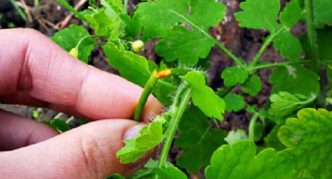
- Fresh celandine juice is used to heal and disinfect wounds from bites of brown parasites.
-

- Aloe vera juice poultices relieve itching from flea bites
Fleas usually bite a person's legs. If they are severely affected, it is better to bandage them, after treating the affected areas with ointment or lotion.
Photo gallery: Pharmaceutical remedies for human flea bites
-
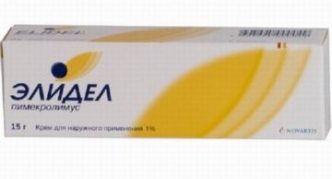
- Elidel helps relieve inflammation very quickly
-

- Calamine soothes the skin, relieves irritation, swelling, redness and puffiness
-
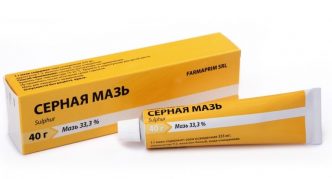
- Sulfur ointment relieves swelling and has an anti-itch effect.
-
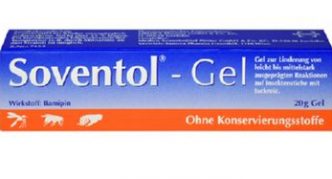
- Soventol gel reduces local allergy symptoms
-
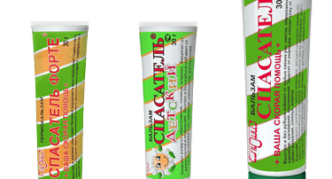
- Rescuer ointment promotes rapid healing of wounds
-
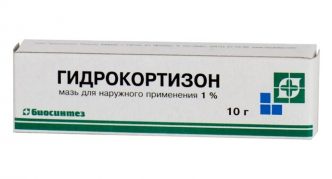
- Hydrocortisone should only be used in cases of severe skin lesions, as it is a hormonal drug.
-
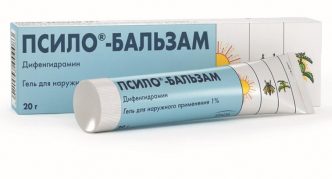
- Psilo-balm relieves inflammation, swelling and itching.
-
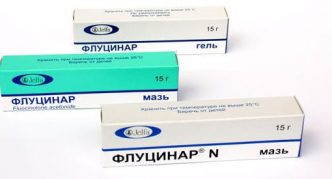
- Flucinar has anti-inflammatory, anti-allergic and antipruritic effects on the skin.
-
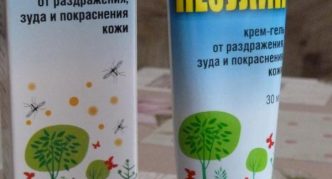
- Nezulin cream has a bactericidal effect.
-
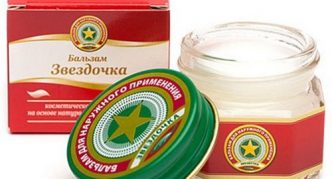
- Zvezdochka Balm perfectly eliminates the itching sensation that occurs at the site of flea bites.
-

- Boro-plus cream is used for festering wounds.
-

- Fenistil gel soothes the skin, relieves itching, inflammation and has a gentle effect on the skin.
-

- Advantan is used for allergic reactions of any origin, including insect bites.
Contacting a medical facility
If the treatments you're taking don't produce the desired effect and complications arise, the only correct solution is to stop any treatments without a doctor's recommendation and consult a specialist. You'll need to seek medical attention for brown parasite bites if:
- Self-administered medications do not work, and a severe allergy occurs:
- rash all over the body, hives;
- severe headache;
- deterioration of general condition;
- weakness and fatigue;
- diarrhea;
- anxiety and increased agitation;
- a fever appears - a sign of infection of the bite wound;
- scratching resulted in secondary infection and the formation of abscesses with pustules;
- difficulty breathing.
If you experience any of these symptoms, seek immediate medical attention. Doctors have known cases of patients experiencing anaphylactic shock after flea bites. Pay particular attention to bites on children: if they have been attacked by human parasites, a doctor's consultation is essential. To prevent your child from scratching the bitten areas, apply a bandage after administering first aid and follow all doctor's instructions and recommendations. While treating the effects of brown lice bites is easy, eliminating the bloodsuckers in areas where humans are present should be a top priority.
How to get rid of brown plague
The same means and methods used to exterminate other species of insects in this order are suitable for combating human fleas: wet cleaning of the house, treatment with chemicals or folk remedies, and calling specialized pest control services.
Comprehensive house cleaning
The fight against human parasitic insects will yield positive results if you simultaneously use chemical agents and carry out a general wet cleaning of the living space:
- Remove carpets and rugs, as they collect all the dust in the house. But a vacuum cleaner alone won't do the trick. The best option is to hire a dry cleaner. Special disinfectants will kill all insects and larvae.
- Wash the floors with bleach, shampoo, vinegar, or other scented products. It is important to wipe the baseboards, corners and hard-to-reach areas with a cloth, which remain untouched during simple cleaning. After all, it is in them that parasites find refuge.
- Wash other surfaces in the house. Human insects can jump up to five feet high, so absolutely every surface and piece of furniture in the house needs to be treated with a disinfectant solution, regularly replacing the used solution with fresh one.
- Wash beds and mattresses. Remove bedding and wash thoroughly beforehand, and shake out and treat mattresses. Pay special attention to upholstered furniture.
- Eliminate fleas from pets' fur and treat their habitats.
Chemicals
Many specialized chemicals have been developed to kill human parasites, including aerosols, solutions, and sprays. During treatment, keep the doors and windows closed. After treatment, it's important to leave the room immediately and only after two hours of intensive ventilation should wet cleaning be performed. It's recommended to repeat the cleaning after 4-5 days. Insecticides will reduce the flea infestation.
Table: Insecticides for the control of human fleas
| Name | Form of the drug | Description |
| Get | Aerosol | Household insect repellent aerosol, 2 or 3 cans are enough for one room. |
| Raptor | It is odorless and shows high effectiveness in fighting parasites. | |
| Raid | The most famous, safe and effective remedy. | |
| Beaphar | Suitable for treating homes and pets. | |
| Sinuzan | A professional product with an unpleasant, pungent odor. | |
| Cyfox | Solution | It copes well with the elimination of fleas; one 50 ml bottle allows you to treat an area of up to 100 square meters. |
| Cucaracha | ||
| Executioner | An effective pest control product. A two-room apartment will require 20–25 bottles. | |
| Get | The best home flea treatment. A 100 ml bottle is enough to spray one large room, including furniture. | |
| Tetrix | The insect repellent is sprayed or rubbed into surfaces. | |
| Medilis ciper | It is characterized by a broad spectrum of action on insects of different types and low consumption with high efficiency. | |
| Butox 50 | Used for spraying rooms. For 100 square meters, dilute 30 ml of the product in 10 liters of water. | |
| Dobrokhim | Completely eliminates fleas and larvae, odorless, safe for pregnant women and children. | |
| Flee | Spray | Instantly eliminates human parasites, reduces the activity of allergens. |
| Control Home Flea & Tick Killer | It works in just ten minutes, killing 98% of adult fleas and larvae. | |
| Battalion commander | It is used to remove fleas from upholstered furniture, textiles, and clothing, as it does not stain or damage the fabric. | |
| Clean house | It does not destroy flea eggs, so the treatment must be repeated after some time. |
Photo Gallery: Insecticides for Human Flea Control
-
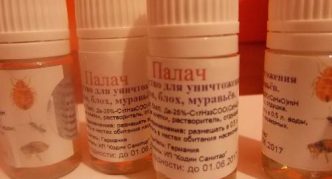
- The executioner is a very effective means of fighting parasites.
-

- Sinusan has an unpleasant, pungent odor.
-
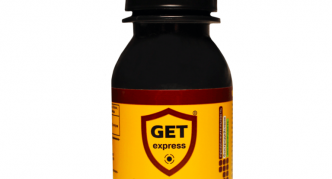
- Get is one of the best remedies for treating homes against fleas.
-

- Dobrokhim completely destroys fleas and larvae
-

- Medilis is characterized by a broad spectrum of action on insects of different types and low consumption with high efficiency.
-
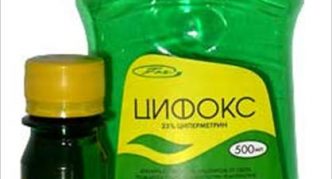
- Cyfox does an excellent job of eliminating fleas.
-
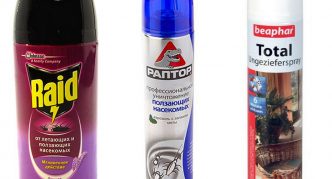
- Aerosols Raid, Raptor and Beaphar are very effective in controlling fleas.
-

- Control Home Flea & Tick Killer, Combat, and Flee sprays kill fleas very quickly.
-
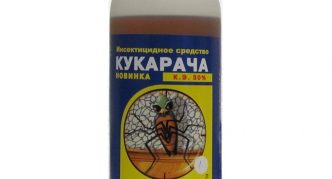
- Cucaracha is a powerful insecticide
-
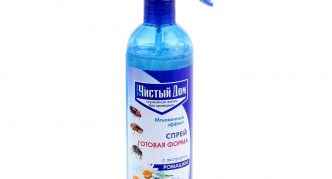
- Clean House spray is not active against insect eggs.
-
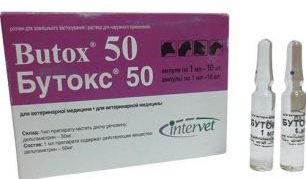
- Butox 50 ampoules are used for spraying rooms.
-
- Tetrix flea repellent is sprayed or rubbed into surfaces
Video: How to get rid of fleas in your apartment
Folk methods and means of combating blood-sucking parasites
This is an alternative. Unlike chemicals, these products are harmless to the occupants of the premises. Herbal infusions are used to combat these annoying insects:
- Take a teaspoon of crushed wormwood, tansy, and eucalyptus in a 2:2:4 ratio, add one cup of boiling water, mix well, and let sit for 10 hours. Then, spray the entire room with a spray bottle.
- Place bay leaves, chamomile, mint, wormwood, tansy and eucalyptus in cloth bags and hang them around the house.
Bay leaf repels fleas
- Dissolve salt and baking soda in water, let sit for 10 hours, spray the flooring, and vacuum after 8 hours. Another way to use these substances is to add them to pet bath water.
- We place peeled and chopped garlic throughout the house.
- Scatter pine sawdust in the corners of rooms and on the floor, and fill pets' houses and bedding with it. This will gradually drive out insects. Citrus peels have a similar effect.
- When wet cleaning, add scented soaps, essential oils, vinegar or ammonia to the water, and also use wormwood tincture with anise and pine oil.

Physical methods of control: do-it-yourself options and calling in special pest control services
Physical methods are based on the use of high or low temperatures.
- Freezing a room is only possible in winter. Leave the door and windows open for a couple of hours in freezing weather, then thoroughly clean the room, vacuuming the furniture and carpets. Repeat the procedure to be sure.
- Scalding with boiling water is used when there is a small number of parasites and if the habitat is known.
If you don't want to treat the premises yourself or the flea infestation has become a serious one, consider using the services of professional exterminators. They use the following methods:
- Hot fog. It's created by a generator using aqueous solutions of insecticides, reaching temperatures of 65–75°C. Fine water droplets fall everywhere and are sure to reach the pests' nests. The high temperature increases the intensity of the toxic agents' activity. Hot fog treatment kills not only fleas, but also all insects living in the room, and also eliminates fungi, pathogens, and mold. Suitable for non-residential premises.
- Cold fog. Works in the same way, but without heating the chemical. This allows water particles to hang in the air for a long time, poisoning human fleas. Used in residential buildings.
- Fine mist spraying is a budget-friendly option. Modern insecticides and equipment kill fleas and other insects just as effectively as fog generators.
Methods of preventing the appearance of human fleas
Getting rid of parasites is no easy task. Human fleas are resilient. Therefore, take preventative measures to protect against them sometime after pest control:
- After 1–2 months of intensive treatment with blood-sucking parasites, re-treat the home.
- When leaving for the countryside or to the dacha, take the following measures to be on the safe side:
- eat garlic and food seasoned with it;
- apply citrus spray;
- rub aqueous solutions of lavender, cedar or eucalyptus essential oils into the skin;
- wear trousers and long-sleeved shirts, covering all areas of the body;
- use ready-made repellents - Gardex, DEET, Biban, Gall-RET.
- Maintain order in the house - do not allow the accumulation of junk, clothes, and unnecessary rags.
- Ventilate your home and basement regularly.
- Avoid visiting places where there is unsanitary conditions.
- Monitor the condition of upholstered furniture and carpets.
- Keep pets clean, bathe them regularly, and use flea control products.
- When wet cleaning, add essential oils or scented detergents to the water.
- Fence private houses with plants with a strong smell.
- Restrict access to basements for rodents and other living creatures.
Reviews
Fleas in the apartment. We have a dog at home. At first, she had fleas, but we got rid of them. Now they're biting my little daughter and no one else. The poor thing is all over her. I washed the floors with brewed wormwood and sprinkled it everywhere. Now I'll be using "Kukarachi" flea repellent in the apartment; I bought it at the store. It helped.
We first discovered fleas on our cat. We put a collar on her—she stopped scratching, and there weren't any fleas to be seen. After a while, I periodically started noticing small red spots (like mosquito bites) that itched terribly!!! The cat (apparently unable to bear it) went "for a walk" and never came back! So, these little creatures, starving, literally almost ate me. By evening, I was practically hysterical and was about to go to my mom's... And my youngest child is one month old!!!!!!!!!!! To somehow get rid of them, I took a can of Maskitol tick repellent (it also works against fleas) and sprayed my clothes and bedding... They left me alone (the instructions say the product lasts 15 days). We made it until the morning, and my husband finally took me to my mom's to get rid of these creatures and avoid a nervous breakdown. We live on the first floor, and it's safe to assume they came from the basement, so my husband immediately called the housing office, and they promised to treat the basement that very day. In the evening, my husband bought 10 ampoules of Butox. He came home and started the treatment—he diluted one ampoule in 4 liters of water and sprayed everything with a spray bottle. We stayed overnight with the kids at my mom's. We got home the next day, and so far, there are no fleas in sight... Although even at my mom's, I thought I was being bitten and crawled on. It must be nerves! I still have 9 ampoules of Butox left!)))))))))))) Just let them get into our house!!!!!!!!
We have the same problem in our house. It occurs in the summer when the heat comes. I think these fleas are from cats and yaks, since they also kill cats at this time. We use wormwood for relief. Luckily, I live on the outskirts of town, and outside the village, all sorts of things grow. So, I spread armfuls of wormwood in the corners of every room. My wife once bought some wormwood tincture at the pharmacy and sprayed it all over the place, and the fleas really did go away.
I understand you so well. We thought our cat had brought fleas in from outside! We got rid of them, of course, but it turned out it wasn't just the cat that was infested, but our entire apartment! We were horrified. We tried a well-known essential oil and other remedies, but it didn't help, as the infestation was severe, and it turned out there were fleas living in our entryway and basement too. In the end, we called a special service. From the company Ecomir. Have you heard? http://www.ecomir.ru they really helped us! ) Of course, the battle didn't take place in one day. We treated the apartment, the basement, and the entryway!
We washed the floors with bleach. They were infested by dampness, but as soon as we removed it, they were gone.
The human flea, while differing slightly from other species only in size, bites in the same way as its fellow species. Therefore, treating and eliminating a bite is no different. It's important to remember that prevention is preferable to control and treating the consequences.