 A healthy pet is a constant source of joy for its owner. But when a pet gets sick, its owner simply doesn't know where to go or what to do. Panic sets in when diarrhea appears or the cat starts vomiting after eating. In these cases, prompt action is crucial. Without identifying the cause, treatment is simply impossible.
Content
Causes and symptoms of vomiting in cats
Starvation
If we consider cats, then, as a rule, hunger vomiting appears in the morningWhen the stomach is empty after a night's sleep, the vomiting stops as soon as the cat is fed or even given water.
Why does a cat vomit after eating? Overeating.
The other side of the coin: If the stomach is very full, its contents are unable to enter the intestines (since the food must be digested) and the food returns. In this case, the cat vomits and vomits after eating. Naturally, since the food couldn't fit in the stomach, the animal vomits undigested food or food.
The cat is vomiting hair
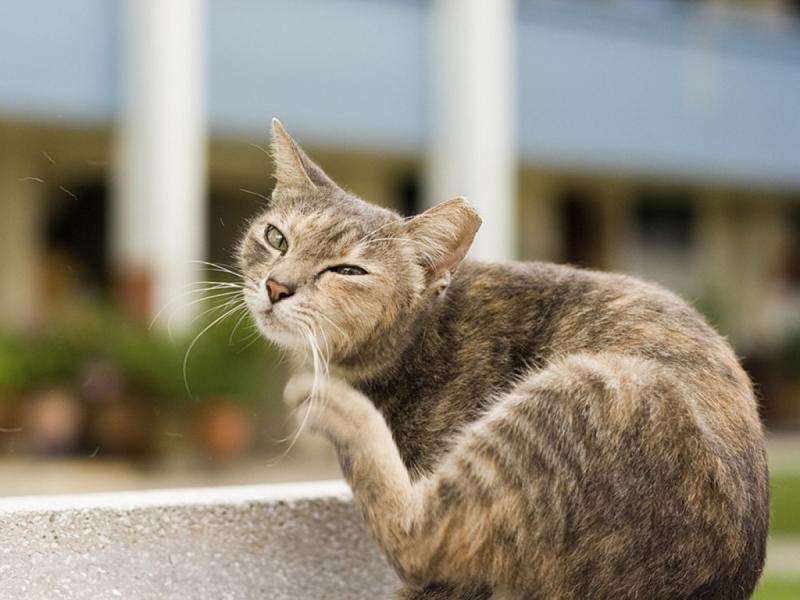
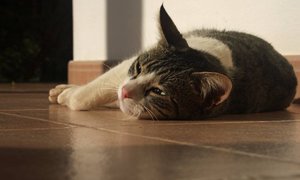 Almost every cat owner has experienced their pet vomiting hair. There's nothing scary about it. The cat licks itself, and the hair inevitably ends up in the stomach, which can't digest it.
Such a hairball wouldn't be able to pass through the entire intestine, so the vomiting center (which every mammal has in its brain) would trigger a reverse peristalsis (thus, the entire stomach contents would move toward the mouth, rather than the anus, as intended). This results in vomiting. This is how the hairballs are expelled from the animal.
If this does not pass, then after a while a pilobezoar will appear in the intestines – a dense ball of wool, which will block the digestive tract. Food will no longer be able to move through the intestines, and severe toxicity can develop. The cat will experience significant pain. Often, the cat will vomit undigested food or food because there's simply nowhere for the food to go.
Removing this hairball is only possible surgically. Therefore, it's crucial to feed your cat special foods that can help remove licked hair from the digestive system. And it's essential to brush your pet regularly, especially during shedding season.
Poisoning
Vomiting is a protective response. And if a cat is poisoned, vomiting helps as quickly as possible. remove toxins from the body, so they don't have time to be absorbed and cause harm to the cat's body. However, vomiting in animals that have been poisoned typically occurs simultaneously with diarrhea. The intestines are being cleaned out very intensively from all sides.
There's a high risk of dehydration. The cat needs immediate help! Poisoning is especially dangerous for pregnant cats and young animals.
Vomiting in a pregnant cat
 Everyone probably knows that the uterus increases in size during pregnancy. Since there's limited space in the abdominal cavity, other organs within are displaced or compressed. During pregnancy, the expectant mother experiences significant hormonal fluctuations. This is why pregnant cats sometimes vomit.
But you shouldn't attribute everything to hormonal changes or a tight stomach, especially when your cat vomits very frequently. This is very often is a serious symptomA cat may have parasites or an infectious disease. While vomiting and diarrhea sometimes occur immediately before labor—precursors, so to speak—this is not always the case. Therefore, if you notice your pregnant cat vomiting, it's advisable to consult a veterinarian to avoid risking the lives of either the kittens or the mother.
Parasitic and infectious diseases
It's important to keep these symptoms in mind, too. Intestinal parasites are often the culprit behind a cat's seemingly endless vomiting and diarrhea. It's also crucial to pay attention to other symptoms. If your cat has an infection, you'll notice behavioral changes, a fever, and discharge from the nose and eyes. A runny nose and cough are also possible.
It depends on the parasite and where it is localized. Also important is examination of a cat's vomitDon't be disdainful, as if bile or blood is present, this can provide clues as to what your cat might be experiencing. Furthermore, when your veterinarian takes a medical history, these details can really help narrow down the range of illnesses.
What do different types of vomit in cats indicate?
Yellow vomit
Very rarely, yellow vomit in an animal is caused by dyes in the food (most often due to feeding dry commercial food). Usually, yellow vomit is not caused by food, but by bile.
Unlike regular yellow vomit, bile supplements have a distinct color. Therefore, it is very it's hard to confuse with anything elseTypically, it occurs in animals with biliary tract and liver diseases. Avoid feeding your cat stale or fatty food. This is harmful and puts significant strain on the liver.
The liver suffers after significant drug overdoses or infectious diseases. Sometimes antibiotics destroy hepatocytes. And in some cats, even the most common fever-reducing medications slowly "kill" the liver, which can subsequently lead to vomiting bile.
The cat vomits undigested food or food
Either your pet overate or ate very quickly, resulting in swallowing fairly large pieces of food that are then regurgitated. However, vomiting in cats in this case is a one-time occurrence.
The cat vomits undigested food for various reasons.
If you notice that your cat is vomiting frequently, especially undigested food, you should consult a veterinarian. Frequent regurgitation of food is a sign inflammatory process of the digestive organs:
- colitis;
- pancreatitis;
- gastritis or ulcer, etc.
It is painful for the animal to eat food; the cat's stomach cannot normally digest such a quantity of food, which is why the animal vomits.
Very often, this vomiting in cats indicates intestinal obstruction or constipation.
The cat is vomiting white foam.
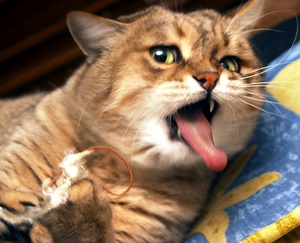 If this only happens once, there's no need to worry too much. This can happen to pets (and even people) on an empty stomach. This foam is just mucus protecting the stomach lining. If there's no foam, then a stomach ulcer will appear.
However, if your cat repeatedly vomits foam, it's best to seek veterinary attention. Your pet may have an ulcer, gastritis, or other inflammatory conditions in the digestive system. These inflammatory conditions aren't always contagious. The cause could be helminths or an infection (bacteria or viruses).
The cat is vomiting blood.
A cat can vomit blood in two ways.
- If the bleeding occurred in the intestines or stomach (for example, due to a tumor or ulcer), then brownish streaks may be observed in the vomit.
- But if their hue is scarlet, then the blood has mixed from a wound in the digestive system or in the oral cavity.
But in any case, you should definitely seek veterinary help! Bleeding in a cat is quite dangerous! It doesn't always stop on its own.
How to treat vomiting in cats?
In cats, vomiting should only be treated under veterinary supervision! Self-medication can lead to significant deterioration in your pet's condition or even death.
First of all the veterinarian will collect an anamnesisSo, you will be obliged to tell him:
 how long ago did the animal start doing this;
- after what reason did it happen;
- how long does it last;
- Are there any other symptoms (some owners, before visiting a veterinarian, prescribe antipyretics and painkillers on their own, which changes the picture of the disease);
- what specific vomit occurred.
 how long ago did the animal start doing this;
Owners often panic when their pet vomits after spaying. However, the cause is usually simple: either the cat is very sensitive to anesthesia and is recovering from it in a specific way, or you fed the cat while it was still under anesthesia. A cat should only be given water after spaying for several hours, once it's standing and able to walk. The stomach and throat "settle" a little later than the legs. Therefore, if you feed the animal too early, there's a high risk of vomiting.
If the veterinarian has determined that the animal has been poisoned, then adsorbents will be prescribed (They will absorb toxins, preventing them from being absorbed into the bloodstream.) If there was any poison, the animal will be given an antidote. Medications that restore water and salt balance should be included.
Don't forget about colitis, ulcers, gastritis, and other inflammations. Your veterinarian will prescribe therapeutic diets and medications (astringents, anti-inflammatory drugs, etc.). Surgery is rarely necessary. If helminths are diagnosed as the cause of vomiting, deworming will definitely be performed (remember to take preventative measures in the future).
It's much more dangerous when the cause of vomiting is an infection. It's not always possible to quickly identify it. Many owners assume the condition will resolve on its own and don't seek veterinary help. As a result, the pet may die in a few daysFor the animal to recover, specific serums or immunoglobulins must be administered. Choosing "at random" is nearly impossible. Test results and analysis are required.