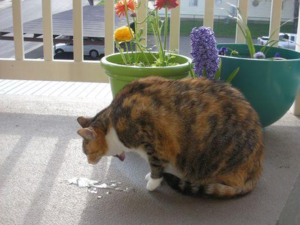
 Nature calculated every detail when creating the body. Sneezing or coughing are a natural defense mechanism. The same applies to vomiting. Through vomiting, the cat's body tries to rid itself of substances it perceives as foreign. Naturally, vomiting can cause great panic in owners. But there's no need to worry.
The cause may be harmless, but it's still important to determine why your cat is vomiting and what to do next. So, your cat is vomiting: what should you do, how should you treat it, and should you be alarmed?
Cats vomit after a reflex signal coming from the brain. There could be many reasons for this:
- pathology of the bile ducts and stomach;
- sore throat;
- high intracranial pressure;
- Taking this into account, a first aid or treatment strategy is selected.
Content
Types of vomiting in cats
Vomiting foam
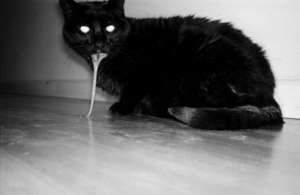
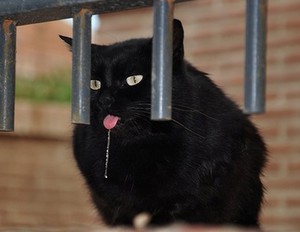
When a cat vomits white foam, first of all, it is necessary to exclude diseases such as panleukopenia or distemperWith this condition, the cat vomits a white or yellow liquid with foam. This vomiting does not contain food particles or hair. Most often, the urge to vomit is frequent and does not provide relief.
In addition, cats become apathetic and refuse food, even their favorite dishes. Just like in dogs, this condition often leads to death if treatment is not promptly initiated. Therefore, if your cat is vomiting yellow or white fluid with foam, it's essential to see a veterinarian as soon as possible and receive treatment.
Vomiting after eating
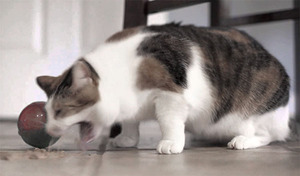
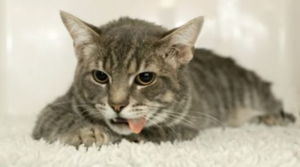 Cats vomit after eating for various reasons. The main and most likely cause is overeating. In this case, if the cat swallows food too quickly, overeating can occur and, as a result, vomiting of food coated with saliva or mucusAlso, a cat may vomit after eating during a food change. If the cat was previously fed natural food and for some reason the daily menu suddenly consists primarily of dry food, this could also lead to a digestive problem.
In this case, it's important to rule out illness. Thus, overeating is usually caused by vomiting after eating, along with saliva or food residue mixed with mucus.
Vomit should not contain:
- bile with water;
- wool;
- worms.
In addition, diarrhea will not occur, the cat will not refuse to eat, and a single vomiting will provide significant relief.
Just like in dogs, these problems tend to appear at a young age and in adult cats.
Vomiting with wool
Unlike dogs, cats constantly groom themselves, and hair gets into their digestive system. The accumulation of hair obstructs the digestive tract, leading to a reflexive purging of the stomach. The cat then vomits hair. Vomiting yellow liquid or foam, along with mucus, is also possible. There should be no changes in the cat's behavior or diarrhea during this time. This condition most often occurs several times a month.
But it's not that simple. Longhaired cats often develop intestinal obstructionIn this case, the pet vomits constantly, producing a mixture of blood, undigested food, and bile. The cat also becomes weak and simply refuses to eat, leading to dehydration. In this case, immediate surgery is necessary, as there is simply no conservative treatment for this condition. However, to the delight of longhaired cat owners, there is a specially formulated paste that prevents this condition and can be used as a preventative measure.
Injuries
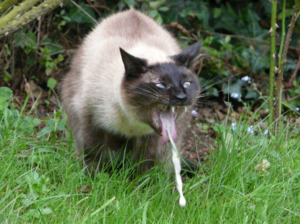 Vomiting is also possible when a cat's throat is damaged. Of course, the pet will not eat anything during this time, weakness will develop, and the vomit may contain blood impuritiesVomiting with white foam is possible during bronchial or lung damage. Cats with injuries do not experience diarrhea, which rules out infection. In this case, it is necessary to examine the animal's mouth and determine the underlying cause.
Ingestion of a foreign object can cause these symptoms, and the animal may also develop respiratory problems. Most often, cats trying to taste the wallpaper, which results in stomach upset and vomiting. It's important to note that, for example, washable wallpaper is usually impregnated with a certain compound, often similar to polyethylene. This type of wallpaper is the most dangerous, as it can cause intestinal blockage in cats. Paper wallpaper, on the other hand, is almost always digested without any side effects.
Parasitic anomalies
If your cat vomits frequently for no apparent reason, parasites need to be ruled out. In the early stages, vomiting will produce yellow and white foam, but as with a large number of adult worms and larvae, traces of worms and blood may also appear.
In this case it is necessary determine the type of parasite and administer the necessary treatment. It's also important to remember that if a cat is constantly vomiting worms, this indicates that the parasites have multiplied so much that there's simply no room for them in the host. This is quite dangerous for the cat, and young kittens often die from internal organ infections and intoxication.
Changes in hormonal levels
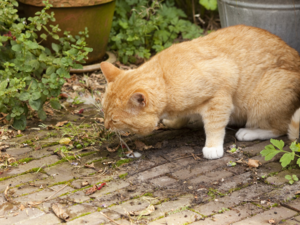 Any hormonal changes can cause vomiting. This primarily applies to pregnant cats. In the early stages vomiting mucus is considered normalIf a cat vomits yellow foam, it indicates gallbladder disease, which has become chronically aggravated during pregnancy. Typically, the urge to vomit occurs in the morning, just like in dogs and humans.
There's no need to treat a pregnant cat unless she has a fever and diarrhea. It's sufficient to feed her easily digestible food and water frequently. Avoid allowing your cat to eat unsuitable items. Pregnant cats often experience a change in taste, and they may begin chewing on wallpaper, pieces of plastic, and the like. Feed her a specially selected food that contains all the necessary micronutrients and vitamins.
Diseases of internal organs
Most often, cats vomit due to gallbladder and liver problems. Moreover, the vomiting occurs with bile of the corresponding smellOften, a cat will not eat anything, yet will feel much better after eating. Diarrhea, which may contain bile, is possible. Diarrhea is very common and most often occurs in the morning, as this is when these internal organs are most active.
Statistics show that cats typically vomit after eating fatty foods and dry food. If this condition is simply due to dietary inconsistency, then you simply need to adjust the food and provide water.
Intestinal pathologies can also cause vomiting. These include ulcers, gastritis, and trauma—all the same illnesses that affect humans and dogs. During certain conditions, diarrhea may occur, the animal will not eat anything, and the vomit may contain pieces of food. If an ulcer is present, the diarrhea may even contain blood. In the latter case, the condition is aggravated after eating dry food, as it can cause damage to the mucous membrane.
In this case, it is necessary to determine the cause of vomiting, which organ is infected, and begin treatment directly.
Infectious diseases
You should be especially vigilant when your cat frequently vomits bile and has noticeable watery diarrhea. This often indicates an infectious disease, possibly distemper. It's slightly different from the disease that affects dogs, but it's just as life-threatening for cats.
Also such pathologies may occur, How:
- rhinotracheitis;
- herpes;
- calicivirus and the like.
All these diseases have specific characteristics. That's why it's important to monitor cats closely and note any changes.
Other reasons
 In addition to the above, cats may vomit after spaying or any other surgery. If the cat is eating and not experiencing diarrhea, then nothing needs to be done. However, if the animal is not eating, has diarrhea, or the vomit contains bile or blood, then it is essential to see a veterinarian as soon as possible to prevent this. complications after sterilization.
In addition, liver damage sometimes occurs after surgery as a protective reaction to anesthesia, which also manifests as vomiting. It's also important to note that after sterilization, the immune system's protective properties are weakened, so any vomiting with foam, especially foul-smelling water, requires a consultation with a venereologist to prevent distemper.
What to do?
First of all, if your cat is vomiting, you need to rule out poisoning or infection and do this as quickly as possible. Then the nature of vomiting is revealedIf vomiting involves worms, seek immediate hospital treatment. Vomiting food indicates overeating, and nausea during spaying is considered normal, but only in the absence of other symptoms. Vomiting in the morning indicates a gallbladder infection.
Prevention involves following proper housing and feeding guidelines. Try eliminating dry food when your cat has stomach issues. If your cat is picky and won't eat anything else, try boiling it with boiling water, which will soften the food. If your cat eats wallpaper, provide them with a toy. Knowing why your cat is vomiting will free you from the stress of wondering what to do and allow you to take immediate steps to alleviate your pet's condition.
 Sveta
Sveta
1 comment