Today, you can find many exotic animals in apartments and private homes, including skunks. banana eaters, geckos, tarantulasFor some people, it's simply a fashion statement, but others are interested in keeping unusual pets. In this article, we'll tell you about an unusual animal from the mongoose family—the meerkat—which has recently become fashionable.
Peculiarities of keeping a meerkat at home
The meerkat (Suricata suricatta) is a carnivorous mammal and the smallest member of the large mongoose family. It weighs no more than 0.75 kg, and its body length is only 30-35 cm. The meerkat has a long red tail (up to 25 cm), dark at the tip. The animal has a small head with brown or black ears protruding from the crown. The dark rims around its eyes give it a unique expression.
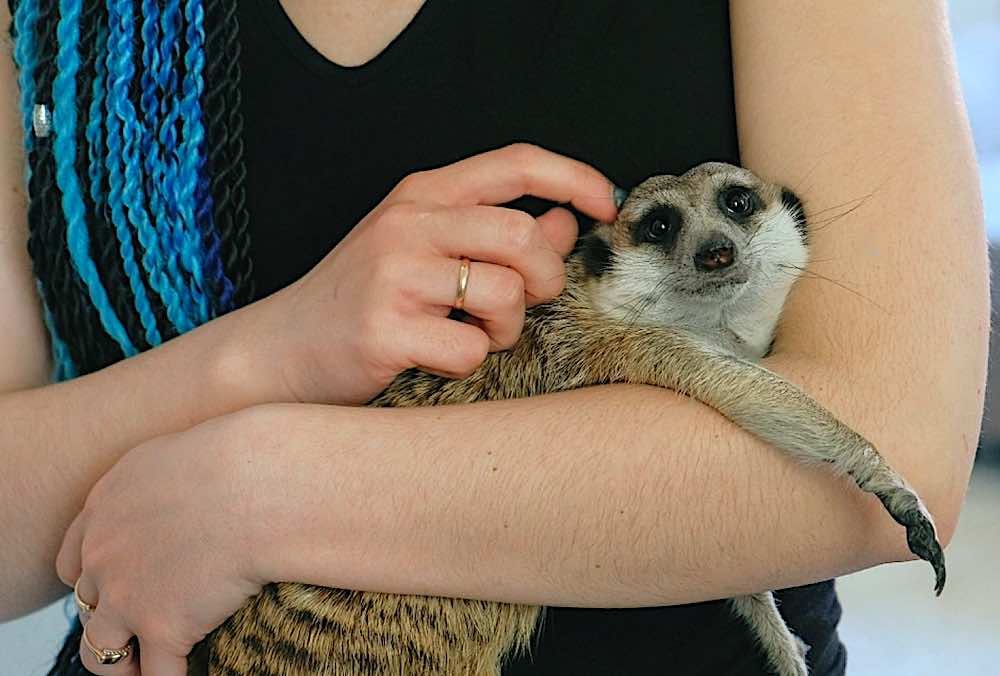
Meerkats have long fur, usually gray with a reddish tint. They have sharp teeth and long claws on their front paws. Keep in mind that, like all other mongoose species, they are capable of secreting an odor from their inguinal glands. However, this odor isn't particularly unpleasant—unlike that of a skunk or even a ferret, it's almost imperceptible to the human nose.
In the wild, meerkats feed on rats, scorpions, spiders, snakes, and other animals. They have well-developed family relationships. When food is scarce, these animals often migrate and can even conquer territory from other animals. They can be useful to humans by killing snakes, scorpions, and spiders; they are sometimes kept for rodent control.
Another advantage of having a meerkat as a pet is their friendly attitude towards other pets – cats, dogs, etc. Meerkats are sociable but not overly noisy animals, although they can produce 20-30 sounds.
What do pet meerkats eat?
It's crucial to provide your pet with the right diet, otherwise they may develop health problems. There's no special food for pet meerkats, but you can try premium cat food.
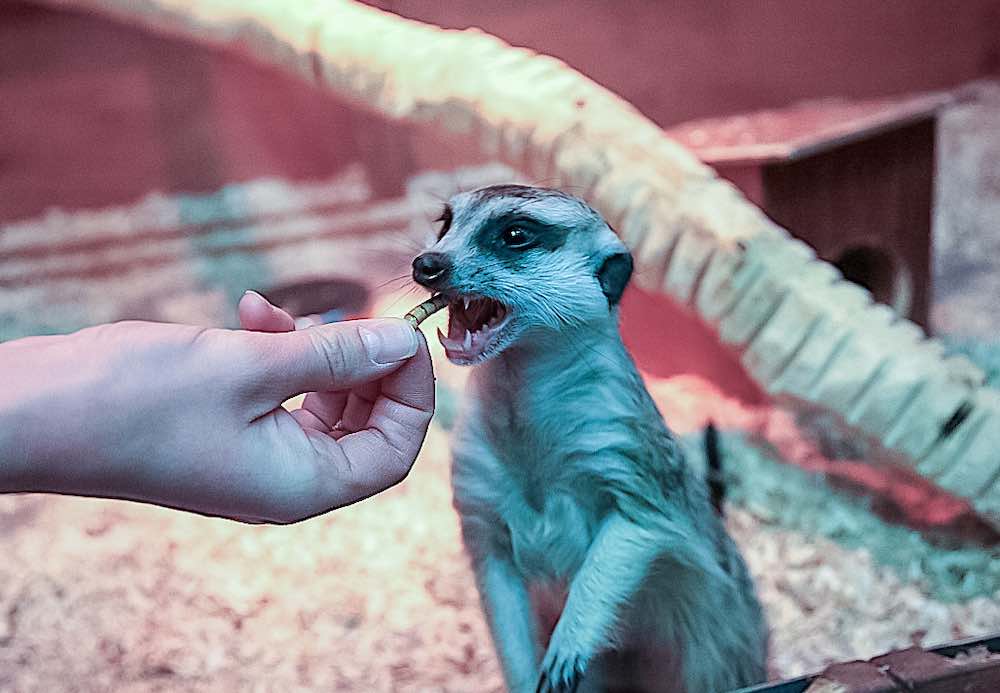
The diet should include:
- meat - both boiled and raw;
- "live food" (crickets, worms, etc.) - you can buy it at a pet store;
- You can add some plant food - chopped vegetables and fruits.
Low-fat dairy products (kefir, cottage cheese) and lean fish (salmon, chum salmon, pink salmon) are also permitted. Fatty poultry/meat (lamb, duck, pork), mushrooms and nuts, smoked foods and all foods containing preservatives, salty and spicy foods, as well as garlic and onions, are strictly prohibited.
Meerkats up to 5 months of age eat 4 times a day, then switch to three meals a day, and adults (9-10 months) to two meals a day.
Living conditions for meerkats
Meerkats are inquisitive animals that can crawl into any crack, so it's important to ensure their safety by closing off any dangerous openings and access to balconies or loggias without glass. Also, keep all household chemicals out of their reach, and keep small items (nails, buttons) and kitchen scraps out of reach. When turning on the washing machine, make sure the meerkat isn't inside.
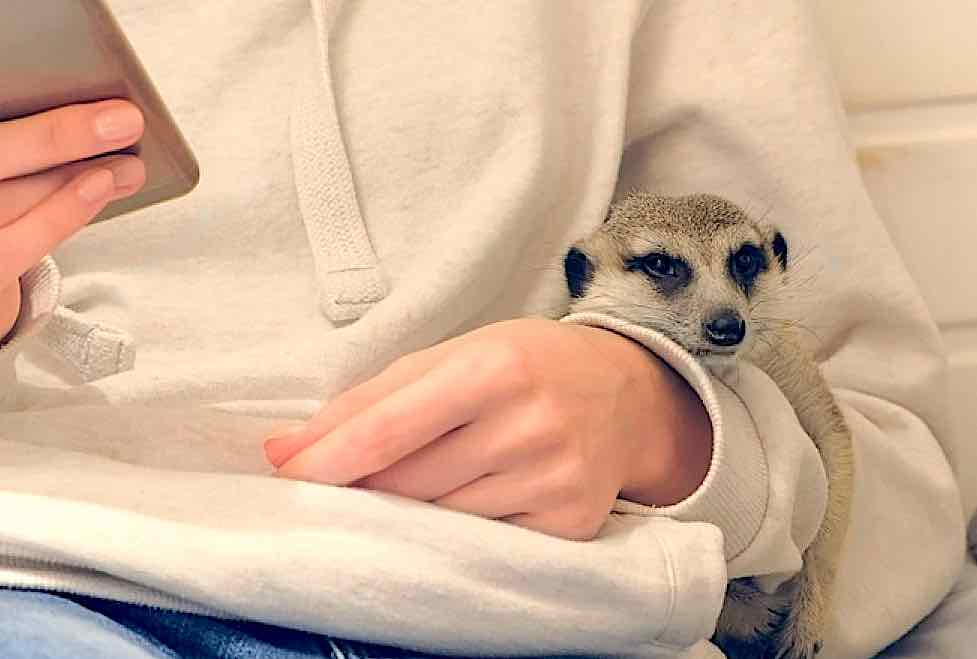
Meerkats can live in a private house or apartment. Most breeders describe them as cheerful, active, and affectionate pets. However, keep in mind that meerkats are family animals, so you'll need at least two mongooses to ensure they have the opportunity to play together. Although meerkats are friendly toward people, their owners are not their family. You can have mixed-sex meerkats if you plan to breed them, or same-sex meerkats if you don't. Incidentally, meerkats are very prolific and can produce offspring up to four times a year.
They can be kept without a cage; a long, sleep-friendly hutch with bedding is sufficient. If you choose to keep them in a cage, it should be spacious enough to allow the meerkat to move freely. Experienced breeders recommend a large cage or enclosure, even if the animal can leave it at any time: this will serve as their main "home base."
Litter training a meerkat can be challenging: you'll need to be patient. You can use cat litter, but you'll need to change it frequently to avoid an unpleasant odor. Experienced breeders recommend using multiple litter boxes (at least two, preferably more) and always placing the litter box in the area where the meerkat sleeps, as meerkats are not known for holding their urination and will go whenever they feel like it.
They also require light—either natural or from a UV lamp. These animals naturally live in Africa, so they thrive on warmth and light. It's recommended to take meerkats for walks in good weather; a cat harness is also recommended. Never let the animal off the leash. Before going outside, be sure to vaccinate your meerkat against rabies and distemper. If you live with a dog or cat, you should also treat it for fleas and ticks.
Periodically (once a month or at least every few months), your pet should be bathed with shampoo, but be careful not to get water in its ears. After bathing, dry your pet thoroughly and blow-dry on low heat. After each walk, wash its paws thoroughly.
Read also: keeping Japanese mice.
Pros and cons, breeder reviews of the mongoose family
Almost all owners speak highly of meerkats. They are sweet, friendly, affectionate, and intelligent creatures from the mongoose family, and will appeal to anyone. Meerkats are not pushy and tend to be destructive—even if they get into something, they might knock things over, but they won't damage anything. They have a cheerful disposition, get along well not only with people but also with other pets, and are rarely aggressive.
The only downsides are the difficulty with feeding (live food is also required), difficulty training the cat to use a litter box, and the need to clean it frequently.
How long does a meerkat live at home?
A pet's lifespan depends on their living conditions. In the wild, they live 6-8 years, but indoors they can live up to 12 years.
Tips and nuances
Caring for meerkats isn't difficult. Purchase a house, some bedding, a litter box, and litter in advance. A cage or enclosure isn't necessary. To make your meerkat feel at home, it's best to choose a house with a chimney, like those for ferrets.
Don't forget to bathe your meerkat periodically and take it for walks. After bathing, dry your pet thoroughly, otherwise it may become ill.
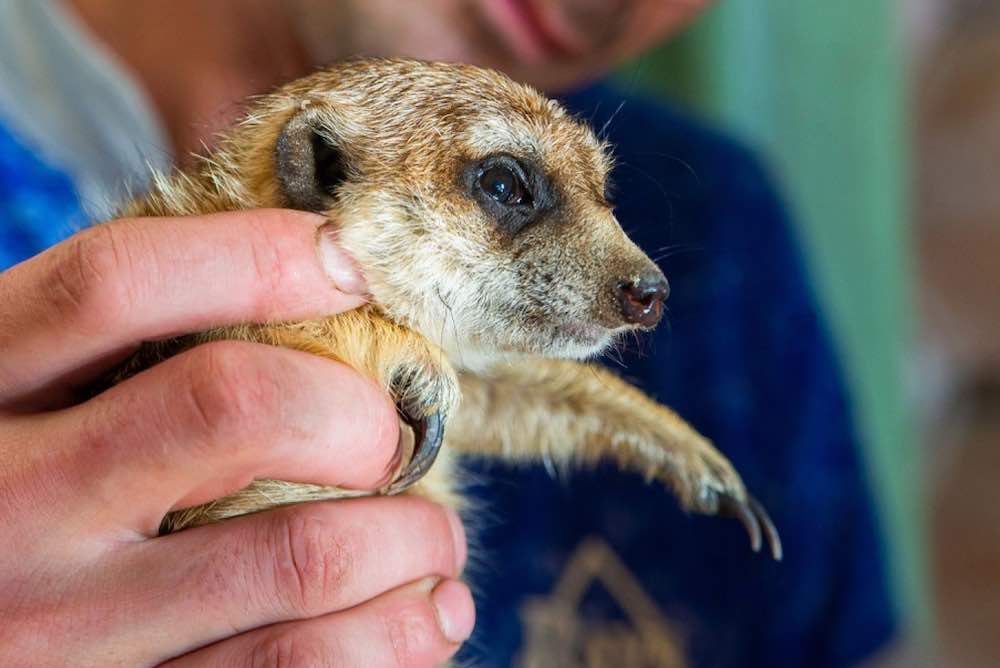
Don't forget to take care of your dog's claws - they need to be trimmed, but do it very carefully so that the paw doesn't start bleeding.
Warmth is essential for meerkats. If it's not warm enough, they'll start clinging to radiators, so it's best to invest in a UV lamp right away and, in good weather, provide access to a balcony (glazed) or a window with bars or a good-quality mesh.
Meerkats kept as pets are not aggressive, but in some cases they may bite your finger.
Keep in mind that meerkats tend to mark their territory by secreting a scent, but it's practically undetectable to the human sense of smell. Their litter box, however, can smell unpleasant, so it's important to clean it regularly and use high-quality litter.
Despite their low maintenance, meerkats are still more difficult to care for than cats. Meerkats require regular walks, are pickier eaters, are difficult to litter train, and are prone to escape. Therefore, before adopting a meerkat, it's important to weigh the pros and cons.
Read also: keeping a Syrian hamster.