The banana-eating gecko is a species of gecko native to the humid tropical climate of New Caledonia. Long considered extremely rare, this species has now spread rapidly throughout the world thanks to the interest of breeders.
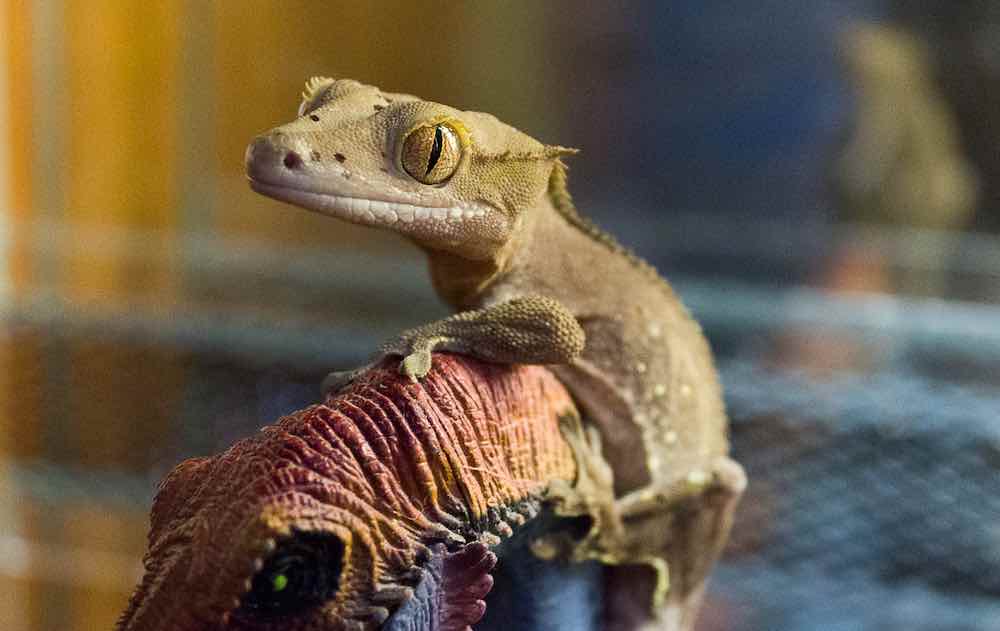
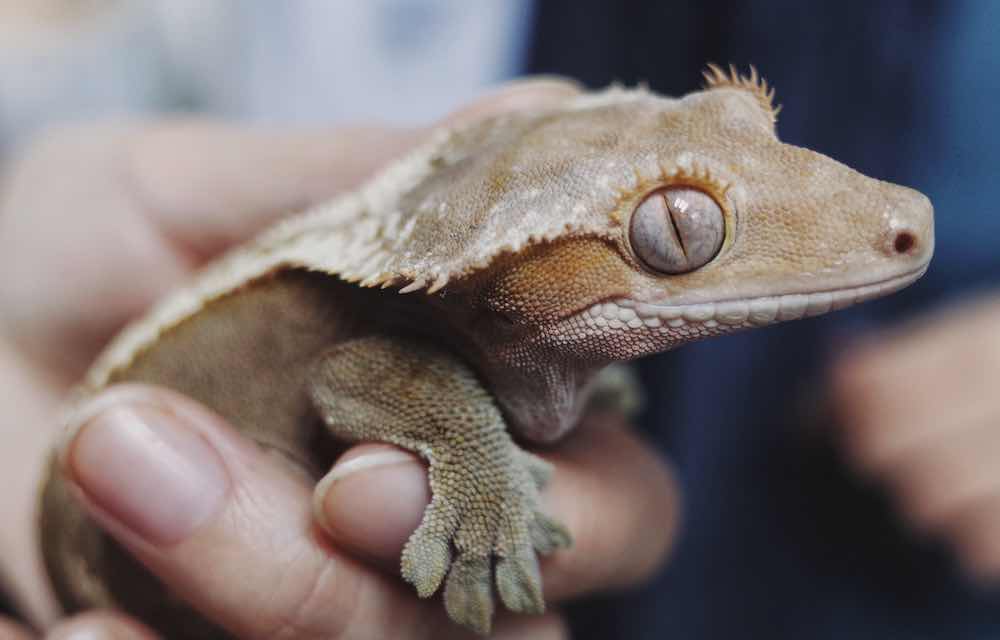
The scientific name of this animal is Rhacodactylus ciliatus; they are also called crested geckos or eyelash geckos. This is because the eyes and head of these animals are surrounded by spiky scales, similar to eyelashes. This looks like a crest or crown around the head. They are considered to have the most attractive appearance of all geckos; many choose these pets precisely because of their cute appearance.
Banana eaters come in a variety of colors, but in Russia and the CIS, the most commonly sold varieties are morphs with a beige stripe on their backs, and normal varieties. The most common colors are yellow and red. Brown, gray, and green banana eaters are also available.
Overall, this gecko is a very calm pet. Another advantage is its omnivorous nature. While other geckos require live insects (which can be difficult to find), these reptiles can easily cope without them.
Distinguishing features of the crested gecko
Crested geckos are small animals, reaching a length of no more than 15 cm. Their coloration varies, but yellow is most common. Some geckos are solid-colored, while others have spots or stripes. Like most reptiles, they are nocturnal. To thrive, they require shelter (in the wild, these include crevices in bark, cracks, tree hollows, etc.).
Like many lizards, these geckos can lose their tails, but the difference is that the banana-eating gecko does not regrow a new tail. The loss of a tail has no consequences—the animal simply continues to live without it.
Crested geckos are friendly and easy to handle. They are active and can leap long distances (for example, from branch to branch or from a table to the floor).
How to keep a banana-eating lizard at home
Further in the article we will consider the peculiarities of keeping banana-eating lizards at home.
Gecko's home
A gecko should be housed in a vertical terrarium with hiding spots and branches for the animal to climb and hide in. The minimum size is 30 x 30 x 45 centimeters for a single gecko, and 45 x 45 x 60 centimeters or more for multiple geckos. Driftwood and branches should be included inside.
The optimal daytime temperature is between 24 and 28°C, with a slightly lower nighttime temperature, but never below 22°C or above 28°C. Temperatures that are too high at night can lead to dehydration, stress, and, in some cases, even death. You can add a heat mat to the tank and install fluorescent lamps with protective mesh (this is recommended, but not necessary if you can maintain the desired temperature). If you install a lamp, there will be a basking spot underneath it (temperatures up to 32°C), and there should be enough branches underneath the lamp to allow the banana eater to find the optimal location.
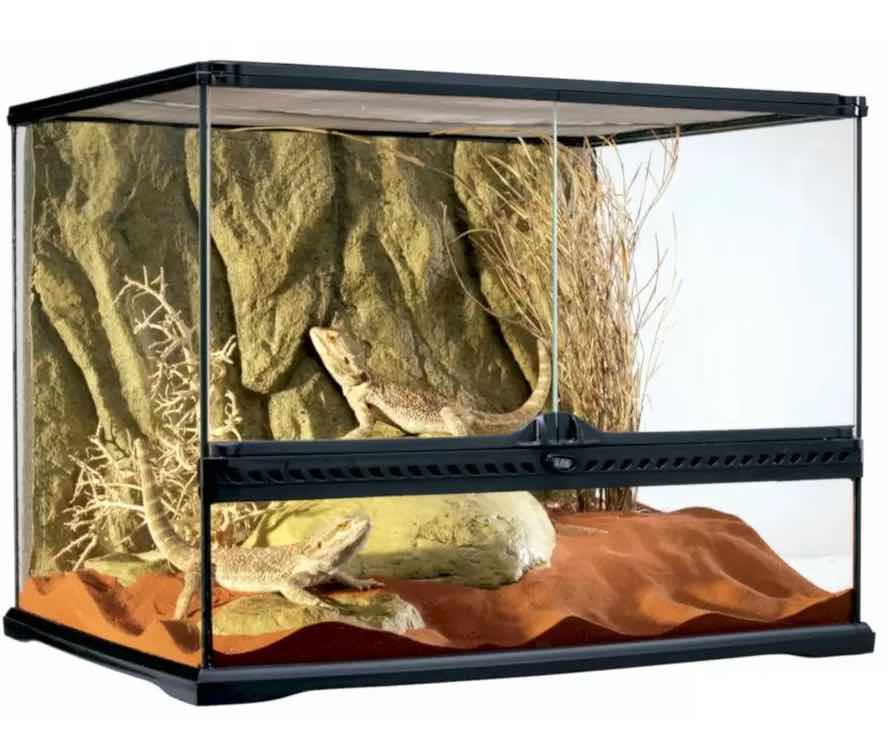
UV lamps are not considered essential for crested geckos, but seizures have been reported in some cases, which are relieved by ultraviolet light (even a weak lamp is sufficient). A night light that automatically turns on and off at the appropriate time can also be installed. Daylight hours in the terrarium should be no less than 8 and no more than 12 hours.
Place a substrate on the bottom. Choose a natural substrate: moss, coconut shavings, tree bark, sphagnum—anything that doesn't mold and absorbs moisture, including regular paper towels (but only if you're willing to change them regularly). Geckos don't walk along the bottom very often, spending more time on branches. If geckos are breeding, check the substrate for eggs—the female may be hiding them.
The required humidity level is 50%, ideally 60 to 90%. The terrarium should be misted with osmotic or distilled water using a spray bottle morning and evening, including the substrate: it should be moist. An automatic humidity control system can be installed.
Also pay attention to the ventilation system: the tank glass should not fog up.
Read also About keeping leopard geckos at home.
What do banana eaters eat?
Despite their name, geckos eat more than just bananas. They are omnivorous: their diet can include insects (even mammals and small invertebrates), berries, fruits, flowers, shoots, and pollen. However, geckos especially enjoy insects and ripe fruit. At home, you can feed your gecko cockroaches, crickets, and live insects, or you can get by with fruit and pureed food. Just keep in mind that they shouldn't eat a lot of citrus fruits, and you shouldn't feed them unlimited amounts of bananas. Apricots, peaches, a few sweet apples, and soft pears are good choices. Geckos can also be fed baby fruit purees, as long as they don't contain starch or other additives. This puree can be made in a blender and frozen. Commercially prepared gecko food is also available.
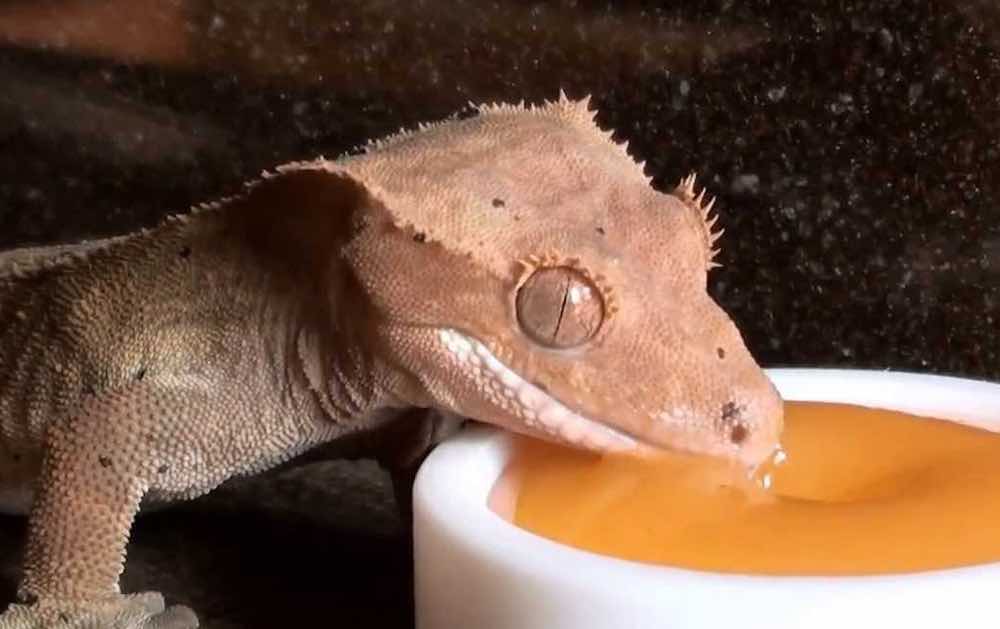
Baby geckos eat daily, adults only once every 2-3 days.
If you feed your geckos insects, they should be introduced into the terrarium or fed to your pet with soft-tipped tweezers. The terrarium should also have plant-based food bowls.
As for water, geckos usually lick it off glass or branches. This is another reason why the tank needs to be misted regularly.
How long does a gecko live at home?
Their lifespan in the wild is 5 to 10 years. However, if provided with good conditions at home, the banana-eater can live 15 to 20 years or even slightly longer.
Read also about keeping a praying mantis.
Tips and nuances
Please pay attention to the following nuances:
- Your pet may get sick. Signs of illness include loss of appetite and lethargy. First, check the temperature in the aquarium. Rickets is also possible—in this case, the animal will squat on its elbows when moving. Dietary adjustments, including vitamin supplements (primarily calcium), can help.
- Banana-eating lizards shed their skin like other lizard species.The remaining skin should be moistened with warm water and removed from the animal's tail or body.
- Pets usually make contact with their owners easily.They readily sit in your arms, but it's best to let them get used to their new surroundings immediately after purchase and avoid disturbing them unnecessarily. To train your banana-eater, feed them by hand and occasionally take them out of their cage. If they don't see you as a threat, they'll readily accept your arms.
- Despite the common features, each banana eater has its own character.
- There are far fewer female banana eaters than males..
- The lizard can be let out for a walk., but you need to close windows and doors, and also isolate other pets and do not leave the banana eater unattended.
- You can determine the sex of your pet from about 4 months. At this age, males have well-defined hemipenis.
- Banana eaters become sexually mature at the age of 15-18 months., when they weigh from 35 to 45 grams.
- For breeding you need 1 male and 2-3 femalesPlease note that multiple males should not be kept together, and one female per male is not enough. Mating occurs at night, accompanied by quacking sounds. Each female typically lays 3-4 clutches, each containing 2 eggs. It is important to maintain a temperature of 22-27°C. New geckos will hatch in 55-75 days. They are housed separately and fed cricket "dust." Avoid handling newborn crested geckos for at least the first two weeks of life—this will be very stressful for them.
As you can see, the banana-eater is a cute and easy-to-care-for animal, safe even for children, and can live a long life with you. Simply maintain the correct temperature and humidity in the terrarium, and provide the animal with a suitable diet.
Read more about characteristics of geckos.