Other useful information
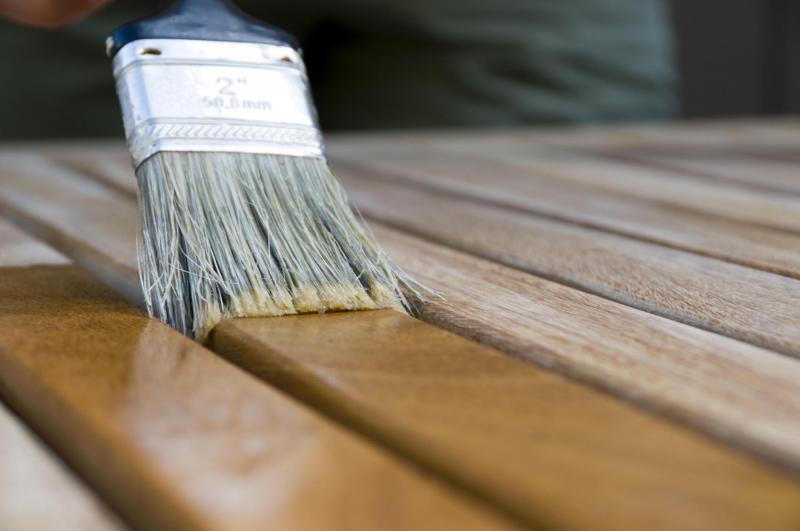
Wood is an environmentally friendly and relatively easy-to-process material. This is precisely why it is so popular in construction: it is used to build houses, saunas, and interior and exterior finishes. Wood is also used to create all kinds of furniture and interior items. Wood could be an ideal building material if not for two significant drawbacks: its susceptibility to rot and its poor resistance to high humidity. A damp and warm environment promotes wood rot, mold, and, consequently, damage and loss of its properties. For this reason, the protection and preventative maintenance of wooden structures are of paramount importance.
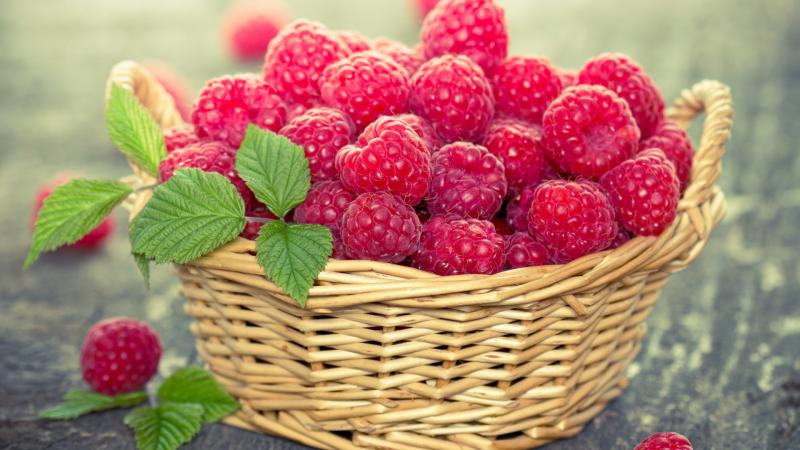
Gardeners and vegetable growers are always busy saving their harvest. It's a given that every plant is susceptible to at least one pest. Raspberry bushes also have such a "personal" enemy. In the spring, young shoots are threatened by the raspberry cane fly. If left unchecked, you could be left without fresh berries and your winter jam supply.
Tick repellents have become an essential companion for humans. After all, protection from parasites is essential for anyone heading out into the forest to pick mushrooms, fish, or simply relaxing in nature. Ticks are arthropods that pose a health hazard, and in severe cases, even a life-threatening threat. A single bite can cause a serious illness, leading to complications, disability, or death.
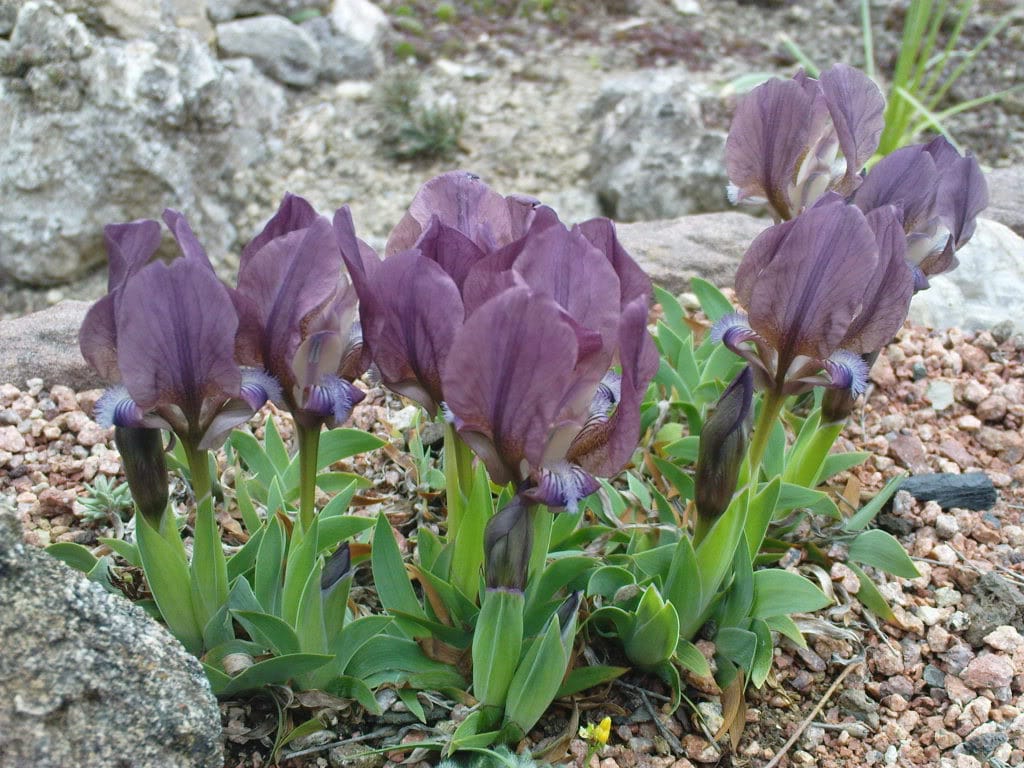
Gardeners love irises for their vibrant colors and low maintenance. After all, the flower thrives in any location free from stagnant moisture. However, in recent years, cases of bud rot have become more common. Why do flowers fail to bloom, instead becoming waterlogged and dying? The answer was discovered back in the 19th century, but our gardeners have only recently become familiar with this problem—the iris fly.