Other useful information

Lucky is the person who has never encountered cockroaches, because they appear out of nowhere and are incredibly difficult to get rid of, even if your home is clean and tidy. What's so dangerous about these insects? They carry worms and many diseases, as they crawl everywhere and collect bacteria from everywhere on their chitinous covering. Cockroaches can also bite people and even gnaw at the corners of the lips (especially in small children), which can cause allergies, at the very least. Therefore, cockroaches should be exterminated as soon as you notice them. These creatures quickly become accustomed to many chemicals (such as dichlorvos), and no matter how much you treat them, it won't work. And there are many substances and preparations to which cockroaches don't react at all. But what about fog—cold or hot?
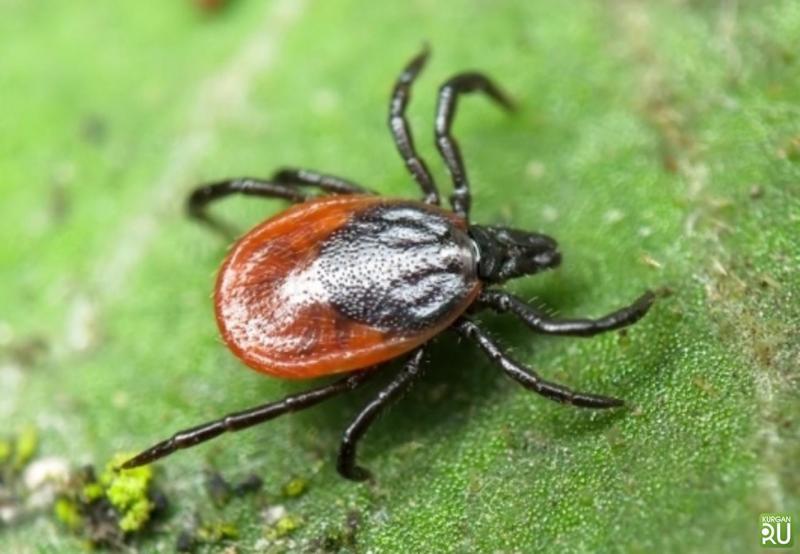
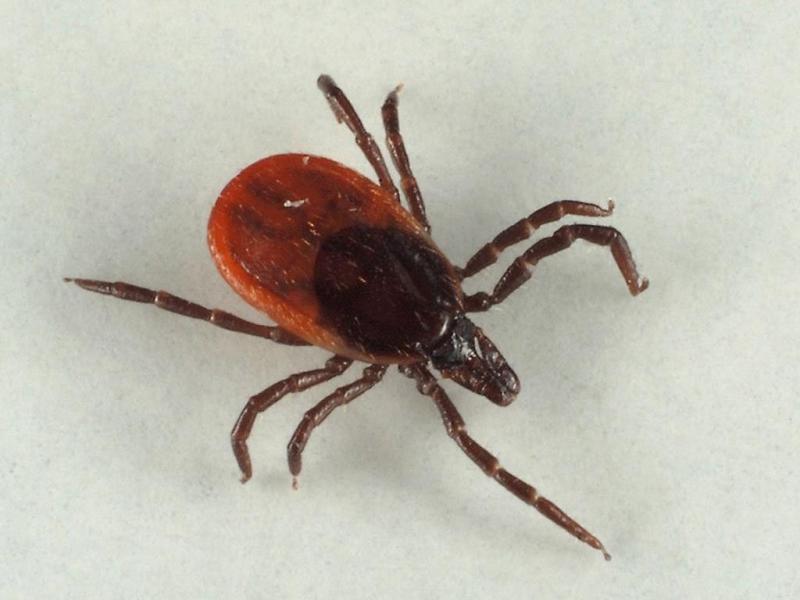
The spring and summer seasons are associated with gardening and vegetable gardening. This time can be marred by unpleasant creatures like ticks. Some are dangerous to human health and life, while others damage trees and other plantings. Regardless, controlling these pests is crucial during any warm period. Ticks can be eliminated using both chemicals and folk remedies.
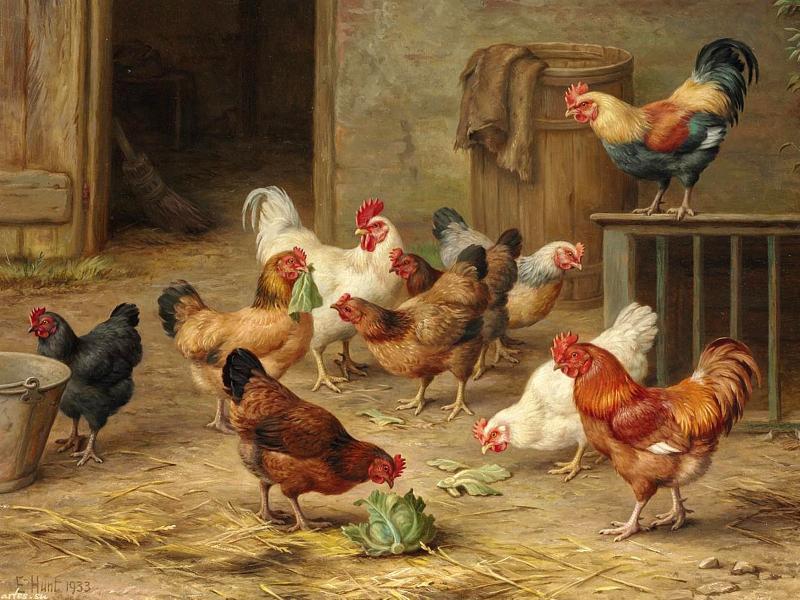
Chicken fleas cause significant damage to poultry farms. Large numbers of parasites often lead to decreased egg production, dangerous infections, and population decline due to mortality. Chickens aren't the only ones susceptible to fleas—these bloodsuckers also attack geese, ducks, turkeys, and other poultry on backyard farms. The problem can also affect pets such as canaries and parakeets, and even humans, under certain conditions. Removing the insects from a chicken coop and its inhabitants is somewhat more difficult than eliminating them from, say, cats or dogs. However, modern standards and methods for controlling chicken fleas are now well-established, so with proper preparation, treating the premises, preventing infestations, and treating poultry is not an impossible task.