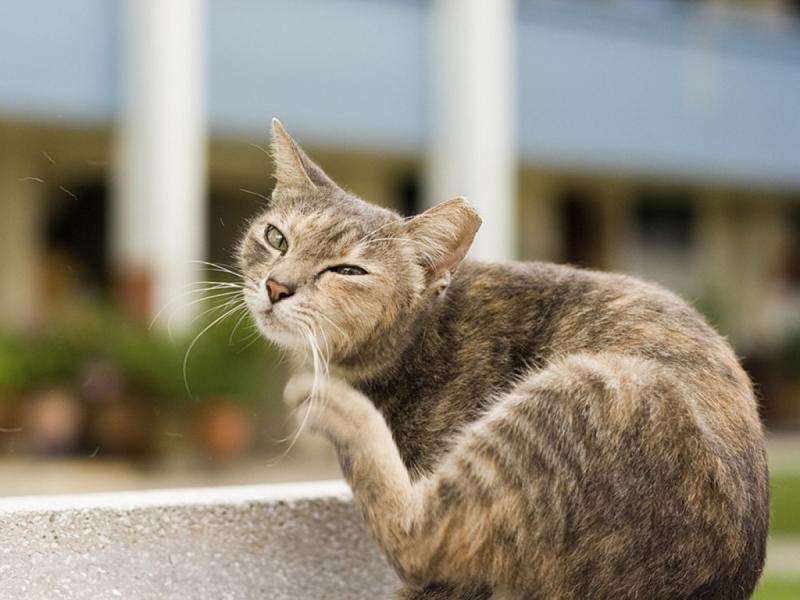
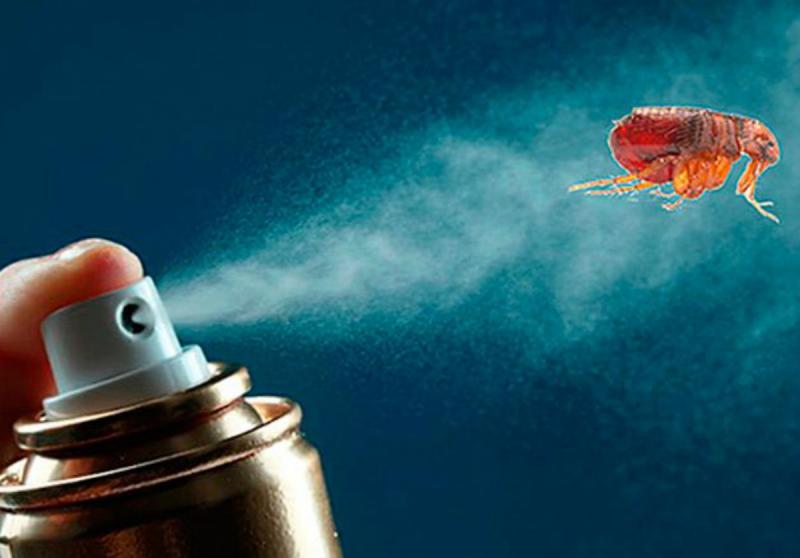
Chicken fleas cause significant damage to poultry farms. Large numbers of parasites often lead to decreased egg production, dangerous infections, and population decline due to mortality. Chickens aren't the only ones susceptible to fleas—these bloodsuckers also attack geese, ducks, turkeys, and other poultry on backyard farms. The problem can also affect pets such as canaries and parakeets, and even humans, under certain conditions. Removing the insects from a chicken coop and its inhabitants is somewhat more difficult than eliminating them from, say, cats or dogs. However, modern standards and methods for controlling chicken fleas are now well-established, so with proper preparation, treating the premises, preventing infestations, and treating poultry is not an impossible task.
Content
What do chicken fleas look like?
Chicken fleas are similar in appearance to other species in this family. They have a darkish, shimmering body no more than 1.5 mm long. These insects lack wings, but have well-developed hind legs, making them excellent jumpers. Under microscopic magnification, these bloodsuckers have well-developed eyes and antennae. Their hard, durable chitinous covering and flattened body shape give them a greater chance of survival.
The chicken flea is easy to distinguish from other common parasites that attack poultry. These include, for example, the bird mite, which is distinguished by its red color and widely spaced legs, or lice with their elongated bodies. And, of course, none of them can jump like fleas. Control of different ectoparasites also varies, and prevention measures vary somewhat.
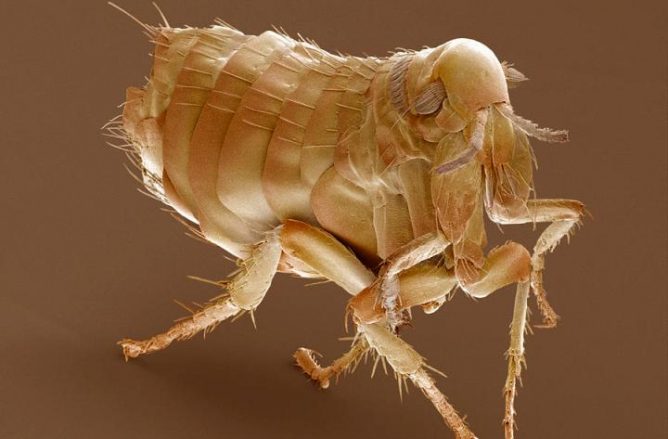
The chicken flea has a darkish, shiny body no more than 1.5 mm long.
Fleas can be seen on chickens around the beak, legs, or eyes when they emerge from the bird's thick plumage. However, small clusters of parasites on exposed areas of the bird's body can be mistaken for natural growths by an inexperienced poultry farmer and ignored.
Can fleas be transmitted from chickens to other pets and people?
Chicken fleas can only penetrate the thin skin of birds and very rarely attack other species of animals or humans. Occasionally, they may attack a person in a chicken coop and remain there for some time, but the conditions are unsuitable for the insects, and they quickly leave. On the other hand, bloodsucking insects can infest human dwellings, but this only occurs in areas inhabited by birds, such as canaries or parrots. However, even here, fleas will not leave the bird cage or aviary.
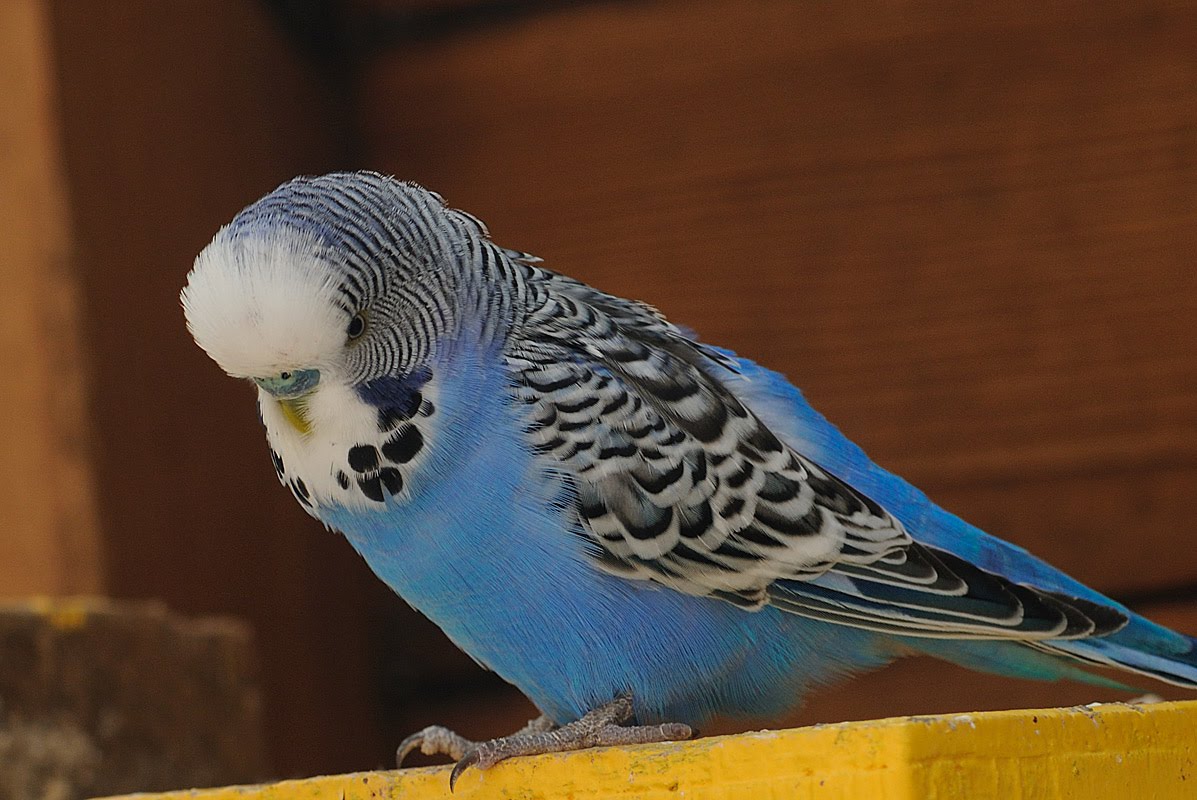
Fleas often attack pets such as parrots.
It is worth mentioning that even if this creature bites a person, it cannot reach the blood vessels, and, as a rule, the resulting unpleasantness for the victim ends with mild irritation or allergies.
Why are chicken fleas dangerous?
The chicken flea differs from other flea species not only in appearance. This parasite requires a specific microclimate and habitat to thrive. The optimal temperature for comfortable survival ranges from 40 to 41°C. This temperature tolerance is maintained only on the bird's body, optimally under the feathers; even under a hen's nest, the bloodsuckers experience discomfort. This is why these unwanted inhabitants of any poultry farm almost never leave the body of their victim.
On the other hand, chicken flea larvae don't require a specific temperature or blood to develop. Female flea larvae produce three to six eggs daily, disposing of them in a rather unusual manner: by ejecting the eggs over a long distance.
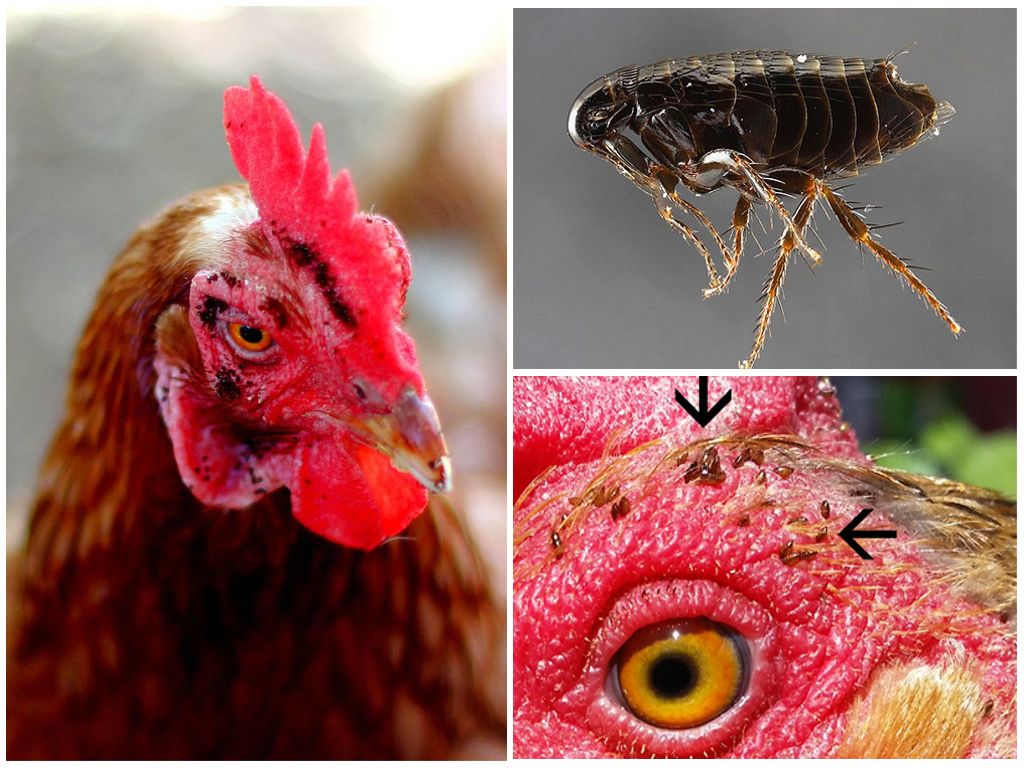
Bird fleas require a certain temperature for comfortable living, which only the bird's body can provide them with.
The worm-like larvae feed on various organic matter, which is always abundant in poultry houses. After several weeks, the larvae enter the pupal stage. In this state, the parasite can survive for a very long time—until it has the opportunity to settle on the bird's body. An infestation of young and very hungry insects often occurs during the incubation period.
The average chicken flea lifespan is about a year, during which time it can lay a huge number of eggs. In the wild, birds abandon infested nests or attempt to drive out the fleas by bringing leaves from certain plants or grasses into their homes that are undesirable to the parasites. Chickens and other poultry are unable to do this themselves, so pest control in the coop must be undertaken immediately after their identification.
Fleas can be carried by other birds, including wild ones that accidentally end up near a poultry farm. These bloodsuckers primarily cause severe irritation in chickens, causing them to scratch and pluck their feathers.
During a massive attack, hens stop laying eggs and become less active. The next stage can be anemia, which results from anemia—visually manifested by discoloration of the bird's comb. Severe exhaustion due to malnutrition and anemia often results in death.
Among other things, chicken fleas carry dangerous infectious diseases such as brucellosis, salmonellosis, trypanosomiasis, and sometimes (very rarely) even encephalitis and plague. Furthermore, these insects carry helminth eggs.
Why are bird fleas dangerous to humans?
Chicken fleas are not adapted to parasitize the human body. They also cannot penetrate the thick human skin, and their bites, if they do occur, miss their target—the blood vessels, which are located deeper in mammals than in birds. Fleas typically disappear from human skin on their own after a few bites, but their presence is dangerous because they carry very dangerous diseases (mentioned above) and worm eggs. Bites from these parasites can also cause allergic reactions in sensitive individuals.
How to get rid of fleas on chickens and in the coop
Folk remedies for chicken flea control are preferred by breeders who adhere to popular eco-friendly principles. Many simply don't want to poison their pets with chemicals for various reasons. Others, on the contrary, use the most modern, powerful products for both treating chickens and disinfesting their coops.
Traditional methods
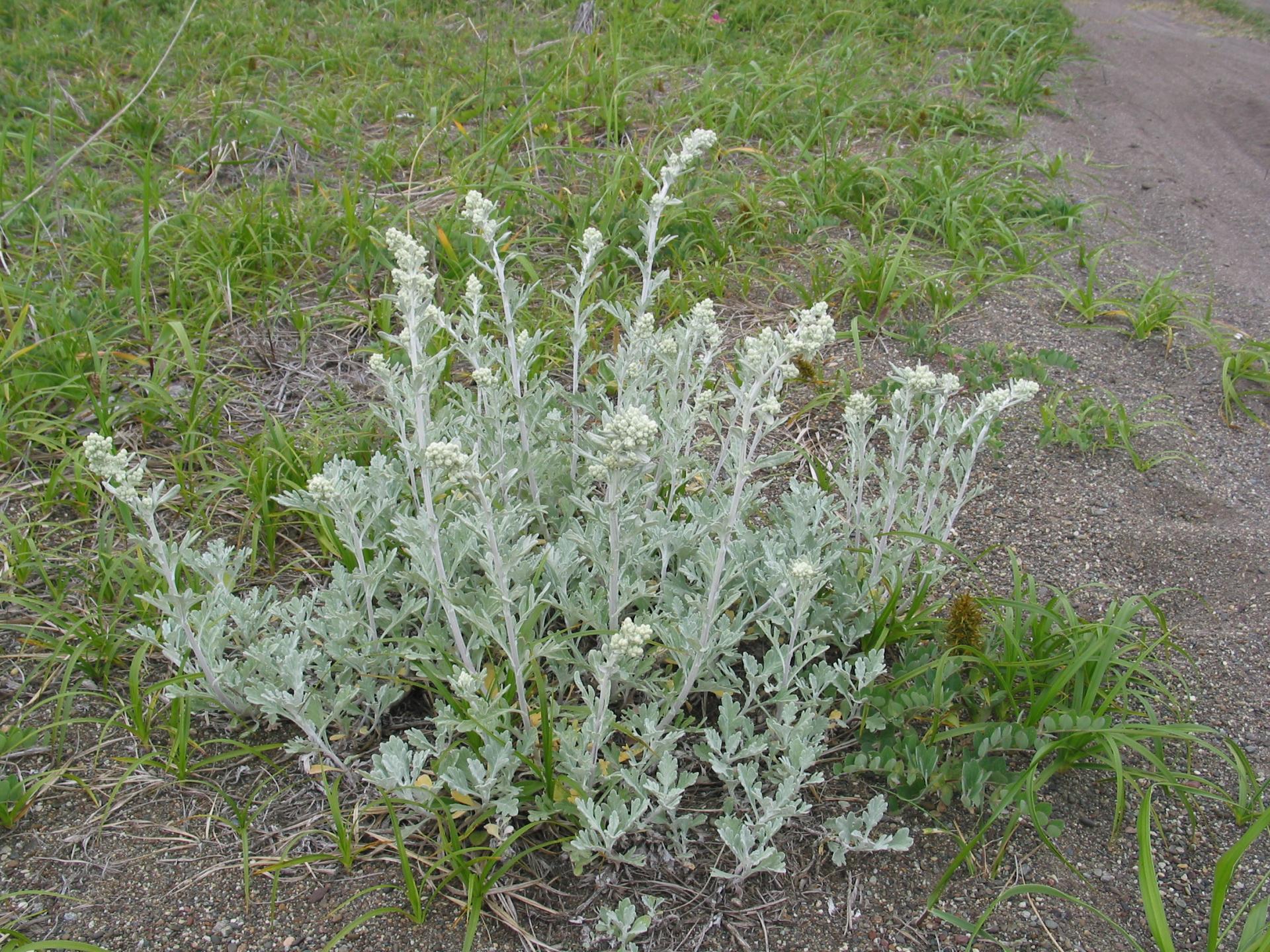
Among the many folk methods of combating parasites, one can note the use of plants such as tansy and wormwood, both fresh and dried.
- Many insects dislike the scent of wormwood and tansy, and chicken fleas are no exception. Hang small brooms made from these plants around the coop.
- The pungent aroma of tansy and wormwood is enhanced by simply processing the dried herbs. Make an infusion from the mixture and use it to anoint the room.
- Herbs can be used both to control existing insects and to prevent their arrival. Place chopped wormwood and tansy in the coop.
- Many essential oils have a very strong, irritating odor. Peppermint and lavender oils are the most resistant to parasites, so consider using them in your room.

Wormwood is the most commonly used folk remedy for the control and prevention of chicken fleas.
Powders, dusts, aerosols and solutions
Since adult insects live directly on the birds, and eggs and larvae are carried throughout the entire chicken coop, control involves simultaneously applying measures to treat the chickens, as well as cleaning and disinfecting the premises.
Table: Powders, sprays, aerosols and solutions in the fight against fleas
| Neostomazan | Released in the form of ampoules. | Effective against many external parasites. |
| Ivermectin | It is available in the form of an injection solution. | Copes with most parasites. |
| Butox | Composition for dilution with water. | Destroys bloodsuckers by treating bird feathers. |
| Deltamethrin | Released in powder form. | Kills fleas, lice and ticks by treating nests and feathers. |
Sulfur, widely used by poultry farmers, has a negative impact not only on chicken fleas but also on the health of the birds. Even small amounts of sulfur can be seriously toxic to chickens, and its use is especially dangerous on farms with chickens.
Video: Chemical treatment of a chicken coop
https://youtube.com/watch?v=8_FU6wmODgg
How to disinfect a poultry house
First, thoroughly remove from the coop everything related to the chickens' activities: remove and destroy straw, other bedding, droppings, and anything else that could harbor fleas, larvae, and eggs. Next, it's recommended to follow a roughly similar procedure:
- Wash the poultry house (preferably with bleach), then additionally scald all surfaces with very hot water.
- Whitewash the walls with a mixture of slaked lime and bleach.
- After thoroughly airing the room, lay down fresh bedding.
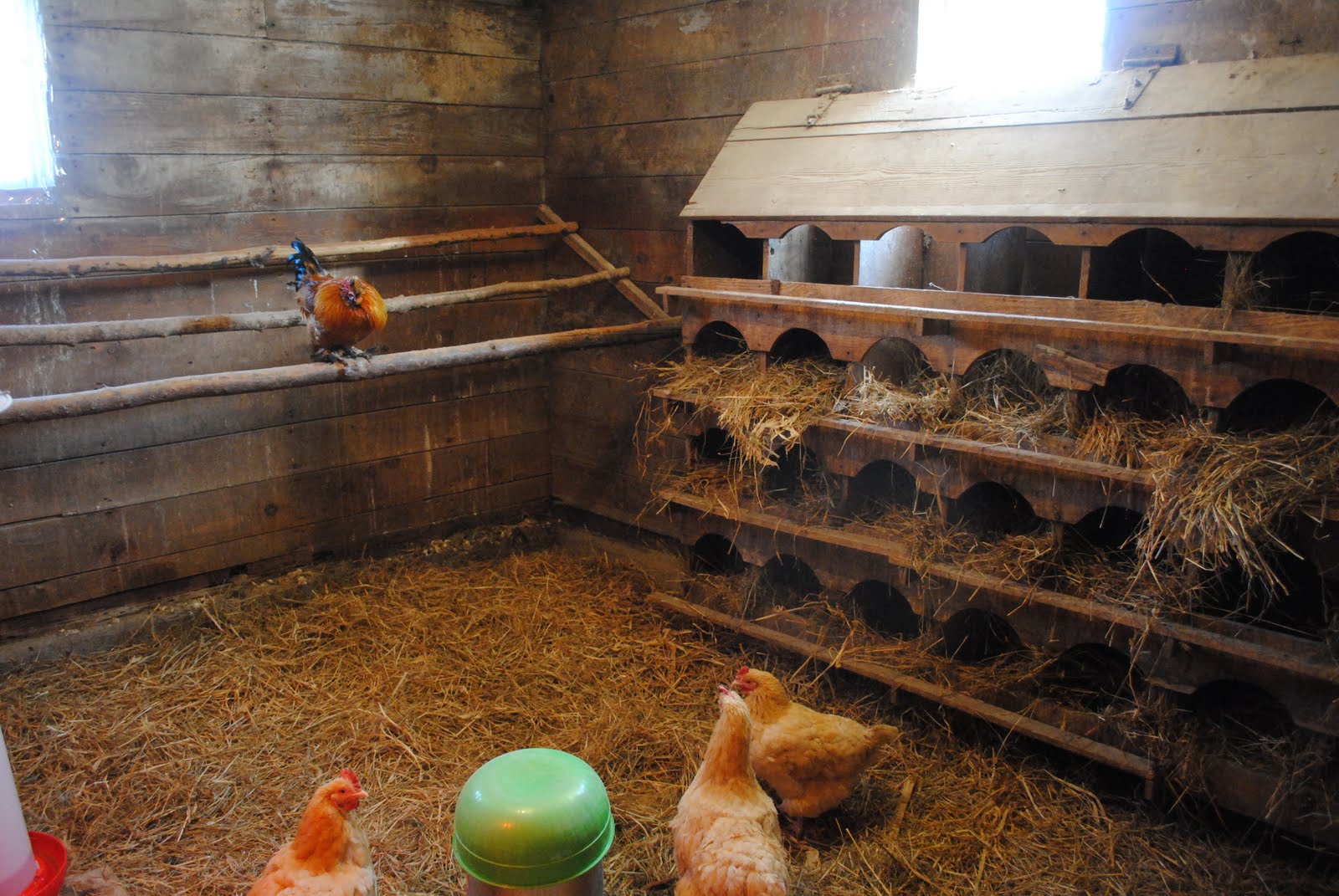
Chickens can be introduced into the treated chicken coop only after the room has been completely ventilated.
Ectoparasite larvae are the most difficult to control, as they are resistant even to chemical poisons. For this reason, areas where they congregate should be treated two or three times. Chickens should be removed from their habitats in advance and treated separately (preferably away from the house and in an open area). Only after complete disinfestation and the airing of toxic chemical fumes have cleared should the birds be reintroduced.
Peculiarities of flea control in chickens
Chicken fleas can cause significant damage to poultry flocks, and are especially dangerous to chicks. These insects require blood for nutrition, and if the infestation is high, chicks risk stunted growth, general weakness, and ultimately death. Furthermore, avian ectoparasites carry infectious diseases that are dangerous to chicks.
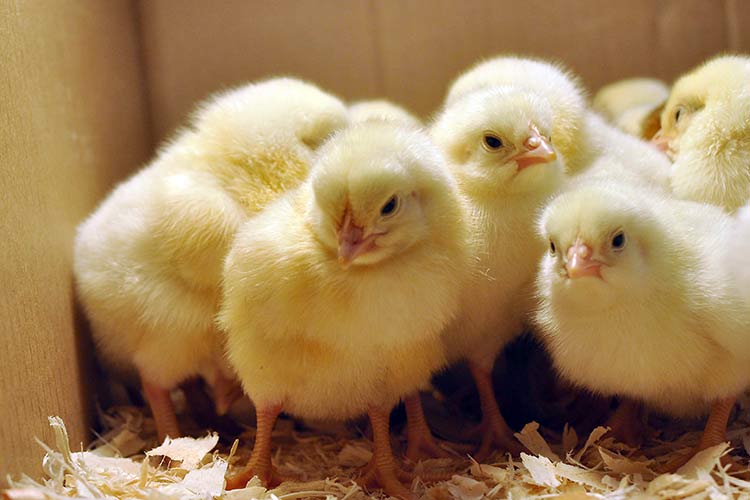
Parasites can cause enormous harm to the younger generation.
Poultry farmers, especially novices, often ignore the first signs of bloodsuckers in chickens, such as scratching and restlessness. Bites and fleas themselves become visible to the naked eye only when their numbers become too high, and it's often too late to take action. The skin of chicks is very thin and easily bitten, and the blood vessels are located close to the surface. Prompt treatment is essential, otherwise the chicks can die within a week.
Chicken fleas may appear on chickens in the following cases:
- when the poultry house is heavily polluted and neglected,
- by being carried by wild birds or animals,
- when purchasing and exchanging pets.
Chicken fleas are transmitted very quickly, especially in winter and autumn, when it is cold and the birds warm up by huddling in tight groups.
Natural and chemical remedies
Methods for controlling bloodsuckers in chickens, as well as in adult birds, involve the use of chemicals and natural folk remedies. However, neither method guarantees results, as many formulations are used in reduced doses, but they work similarly as a preventative measure.
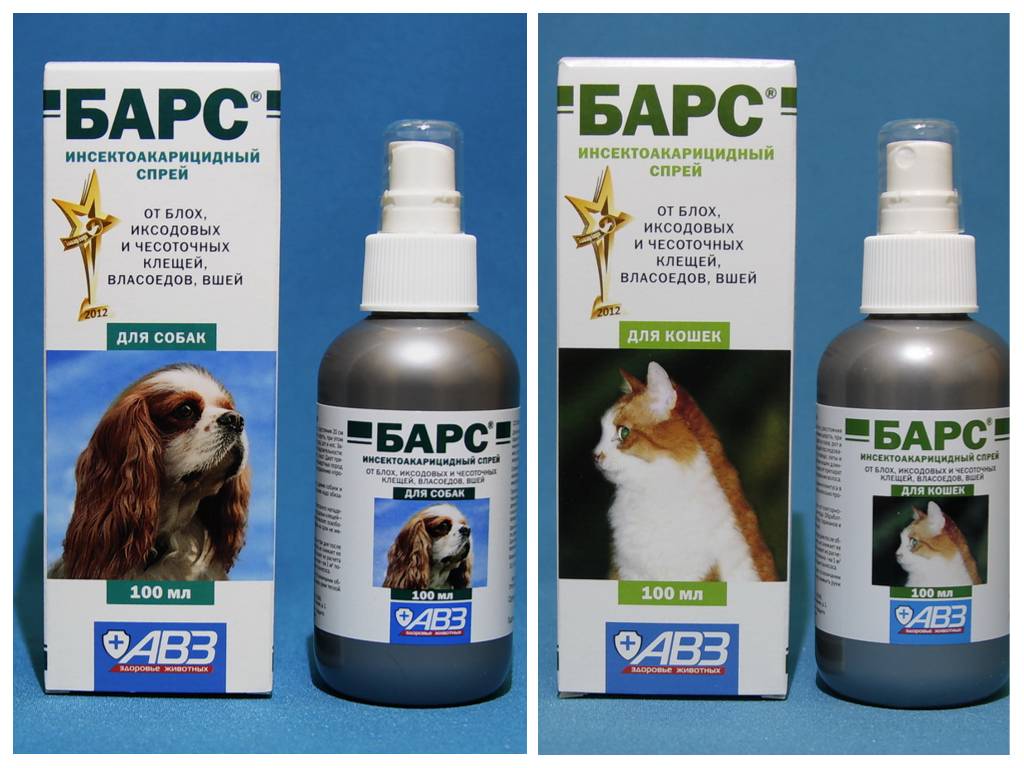
To treat poultry, you can use parasite control products for cats and dogs.
- In the room with the chicks, place parts of plants such as tansy, wormwood, and wild rosemary.
- Place wood ash on top of the bedding for the chicks to bathe in.
- Use Butox, but be sure to follow the dosage indicated on the package.
- Treat the birds' plumage with Deltamethrin, which is available in powder form, but be aware that this is a very powerful and toxic drug.
- Try standard parasite control products for dogs and cats, but be sure to check the ingredients before using the product; it should not contain chlorine.
Disinfection of a room with chickens
Treating chicks with antiparasitic agents should be done outdoors. Afterward, isolate the chicks and disinfect the coop. As with adult birds, remove the litter from the coop, wash, and treat the walls and floors. Surfaces, waterers, and feeders should be scalded with boiling water. Suitable chemical treatments include Butox and Deltamethrin. The walls should also be whitewashed with a solution of bleach and slaked lime. Remember to thoroughly ventilate the room before introducing the chicks into the coop.
Preventive measures to prevent the appearance of parasites
Preventing parasites in a poultry house is much easier and cheaper than dealing with them later. Preventative measures include the following:
- maintain order and cleanliness, carry out thorough cleaning regularly;
- periodically ventilate the room where the bird lives;
- Send your chickens out to pasture, this significantly reduces the activity and number of parasites, slowing down their reproduction;
- Place containers filled with wood ash in the chicken coop for bathing the birds;
- Place dry branches of wormwood and tansy in the bedding;
- Immediately treat the chickens and the poultry house if parasites appear;
- Monitor your pets closely; the first signs of infection include increased appetite without cause, excitability, and decreased egg production.
Frequent walks in the fresh air are necessary to prevent the appearance of parasites.
Reviews
I used Butox to combat fleas. It's a fantastic product: it works the first time. You can bathe or spray it, and I also use it to disinfect the chicken coop and the swimming hole in the spring and fall.
Butox and similar products can easily kill a bird. There are a variety of treatments, such as smoke bombs containing sulfur or a special antiparasitic substance, and tablets and powders that are diluted and sprayed around the coop. You can treat the coop first, then give the chickens a bowl of ash and sulfur—some you can sprinkle yourself. Bars dog drops are very effective—just drop them onto the bird, and Bars spray can be used to treat the coop. Tar or creolin can be sprayed not only on the perches but also on the walls.
I'm a newbie and don't know if I've been doing it right, but this summer I noticed something crawling on the chickens. They weren't scratching themselves, but once I saw it, I decided to take action. I hung up some wormwood and put it in the nests, but to be honest, I didn't see any results. I had Bars dog spray (for fleas and ticks), so I sprayed it on the chickens' withers like dogs. I also sprayed the nests, and the results were impressive—everything disappeared. But this is probably only practical if you don't have a very large flock.
This is a real pest, and getting rid of it quickly, effectively, and safely for the birds is quite difficult. Thoroughly clean the coop of droppings, bedding, cobwebs, any dirt, and absolutely everything! Clean out feeders and waterers completely. Treat the floor, walls, all cracks, and perches with boiling water, a blowtorch, or a gas torch (preferably a torch if you have one). The birds themselves should be treated with pyrethrum. This is an insecticide that is completely harmless to humans and birds. Pyrethrum is sold in medical and veterinary pharmacies. If pyrethrum is unavailable, other products that are also harmless to birds can be used. Be sure to provide spacious troughs with a mixture of ash and sand in the run areas. Mix equal parts wood ash and finely sifted dry sand and fill the troughs to a depth of at least 20 cm. Chickens readily bathe in this mixture, ridding themselves of parasites. The mixture must remain dry at all times.
We had a similar situation, and regular flea drops for kittens worked. We didn't apply them directly to the chickens, but rather to the nest bedding and around the perimeter—on the walls and floor.
The appearance of any parasites in chickens, even a single one, is cause for concern and a call to action. Follow the tips and recommendations in this article, and your pets will always be happy and healthy. Use both modern pharmaceuticals and time-tested folk remedies to combat blood-sucking insects, and, of course, don't forget about prevention.