Fleas are parasites whose bites are very unpleasant. Furthermore, these pests can carry dangerous diseases. If you have fleas in your home or pet, you need to get rid of them. You don't have to resort to chemicals right away; you can try some home remedies first.
Content
Folk remedies for fleas
You can use folk remedies to control fleas on animals and indoors. The methods described below are effective against blood-sucking fleas found indoors, as well as on cats and dogs.
Tar
Birch tar has a paralyzing effect on pests, and the smell of the substance itself repels insects. Due to these properties, tar and tar soap are used to combat various parasites, including fleas.
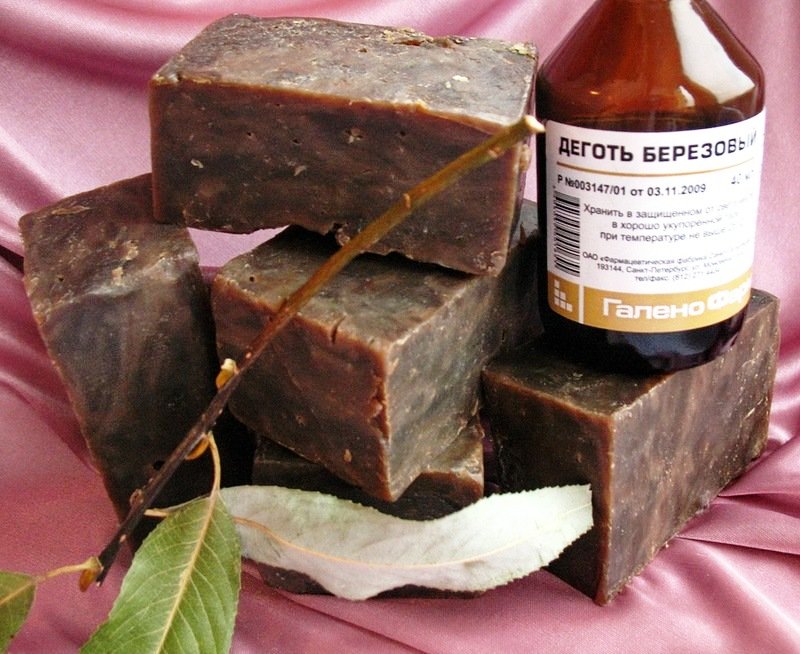
Tar has a beneficial effect on skin and hair
Tar itself and soaps containing it are non-toxic and rarely cause allergies. However, the risk of an adverse reaction is increased in asthmatics due to the substance's strong odor. In any case, people with asthma and allergies should exercise caution. This also applies to pregnant women, for whom the strong smell of tar can cause nausea and a deterioration in health.
To treat premises, use soap foam containing birch tar. It's used to clean floors and likely flea habitats. The insects don't disappear immediately, but with regular use, they gradually disappear.
Tar soap can also be used to combat fleas in pets:
- The pet is placed in a container with water.
- Lather it with massaging movements.
- Wrap it in a thick cloth, such as an old towel.
- After 10 minutes, rinse off the foam, thoroughly rinsing the coat.
- Dry your pet with a dry towel.
- After drying the fur, it should be combed thoroughly, removing larvae, dead or surviving fleas.
- 2–3 treatments are carried out with a frequency of 4–5 days.
Dogs or cats that walk outside can be washed with tar soap once every two weeks as a preventative measure.
It's best to work with two people when treating cats, as they often dislike water and try to escape. Someone should hold the cat while the other person applies the product to its fur. If no one else is available, another method is to soak some soap in a basin of water until it forms a thick lather, and then place the cat in the lather instead of lathering it.
Tar is non-toxic, so it can be used on puppies and kittens. However, the soap should not come into contact with the eyes or mouth to avoid irritation. Tar allergies in animals are rare, but if they do occur, repeat treatment should be avoided.
Laundry soap
To get rid of fleas, you can also use regular laundry soap. Wash your floors with a concentrated solution (one or more bars of soap per bucket of water). The high concentration of alkali in the soap provides an effect against insects – they receive chemical burns.
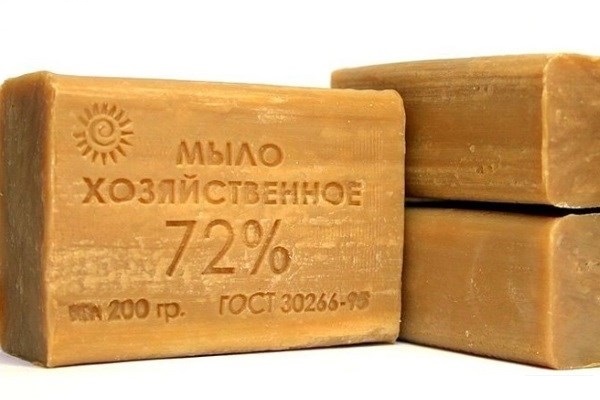
It is better to choose laundry soap marked 72%
Animal handling:
- Place your pet in warm water.
- Lather with laundry soap.
- Wrap the animal in cloth or plastic without rinsing off the foam, leaving only the head free.
- After 20–30 minutes, rinse the wool thoroughly with water.
- After the animal has dried, comb out any remaining fleas and larvae from the fur.
Repeat treatment every 4-5 days until fleas stop appearing. It's best to use laundry soap in combination with other products or alternate it with tar soap. It can also be used as a preventative measure.
The product is safe for humans unless allergic to the soap's scent. However, gloves should be worn during treatment, as the lye may irritate your hands. For the same reason, it's best to treat puppies and kittens with other products, as their skin is still sensitive.
Wormwood and other herbs
Wormwood is not able to kill fleas, but its smell may well repel pests. If fresh wormwood is unavailable, you can purchase dried wormwood at a pharmacy or use tincture or essential oil. The key is to ensure the wormwood has a strong scent. However, some people may experience a severe allergic reaction to wormwood essential oils, causing sneezing, a sore throat, swollen eyes, and other unpleasant symptoms. In such cases, avoid using wormwood.
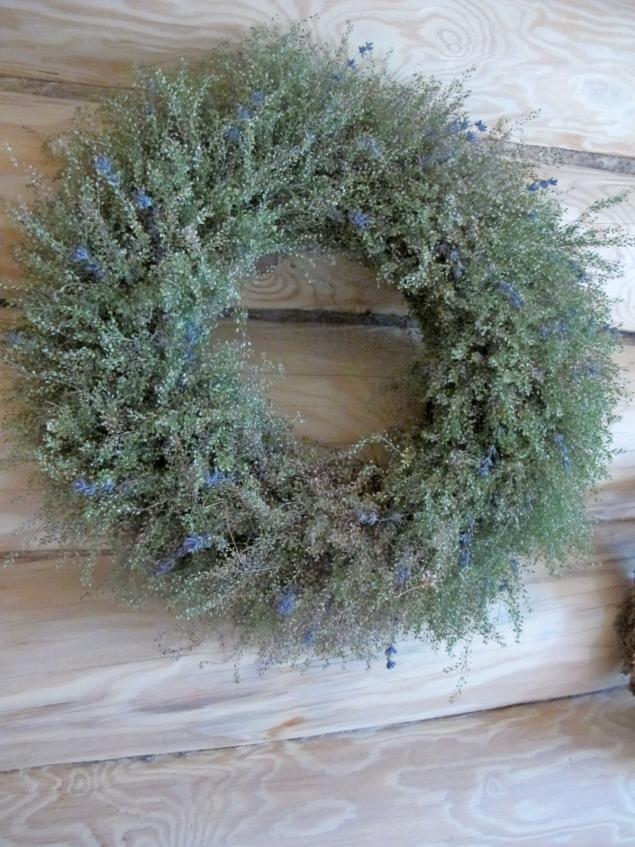
You can weave a wreath from wormwood, then it will not only repel fleas, but also become a decorative element
Wormwood also repels garden pests such as caterpillars and woodworms.
To protect your home from fleas, place bunches of grass in all possible places, especially where the parasites can enter: under animal bedding, carpets, near doors and windows, in various cabinets, pantries, ventilation ducts, and so on. It's best to use fresh or slightly dried herb. Dried herb works, but not as effectively. Small containers (such as cups) of wormwood oil can be placed around the house. It's also advisable to wash the floors by adding a liter of wormwood decoction to a bucket of water and, optionally, laundry soap (25 g per 7 liters of water).
To protect animals, rub their fur with a decoction or tincture of wormwood. You can also apply essential oil to their skin. Before applying the oil, test your pet for sensitivity to prevent an allergic reaction. To do this, apply a small amount of the solution to the skin and observe the animal for 24 hours. If the animal feels well, you can apply wormwood.
Wormwood tincture is prepared as follows:
- Take half a liter of vodka.
- Add 2-4 tablespoons of finely chopped herbs to it.
- Infuse in a cool, dark place for about two weeks.
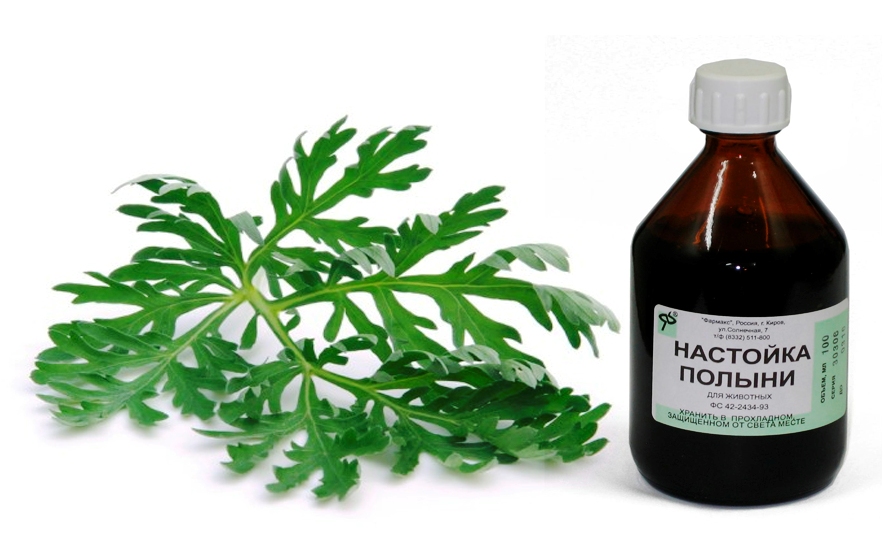
Ready-made wormwood tincture can be purchased at a pharmacy.
To prepare the decoction you will need:
- Take two glasses of water.
- Add 2 tablespoons of finely chopped herbs.
- Bring the mixture to a boil.
- Let it brew for several hours (in principle, you can use it after it has cooled).
Tansy
Tansy's effect on fleas is similar to that of wormwood: its essential oils create a scent that repels insects. It also has antibacterial properties. If you mix tansy and wormwood, you can even get rid of chicken fleas.
Tansy is considered a poisonous plant, so it's best not to use it on animals. It's also best to avoid using this herb in areas where small children live.
To treat a house against fleas, prepare a concentrated tansy decoction:
- Take 25 g of dried tansy flowers.
- Brew with a glass of boiling water.
- It is advisable to heat the mixture on the stove for five minutes.
Apply the decoction to surfaces in living or utility areas, paying particular attention to areas where fleas might enter. You can also hang bunches of fresh or slightly dried herbs. Wormwood tincture is also available.
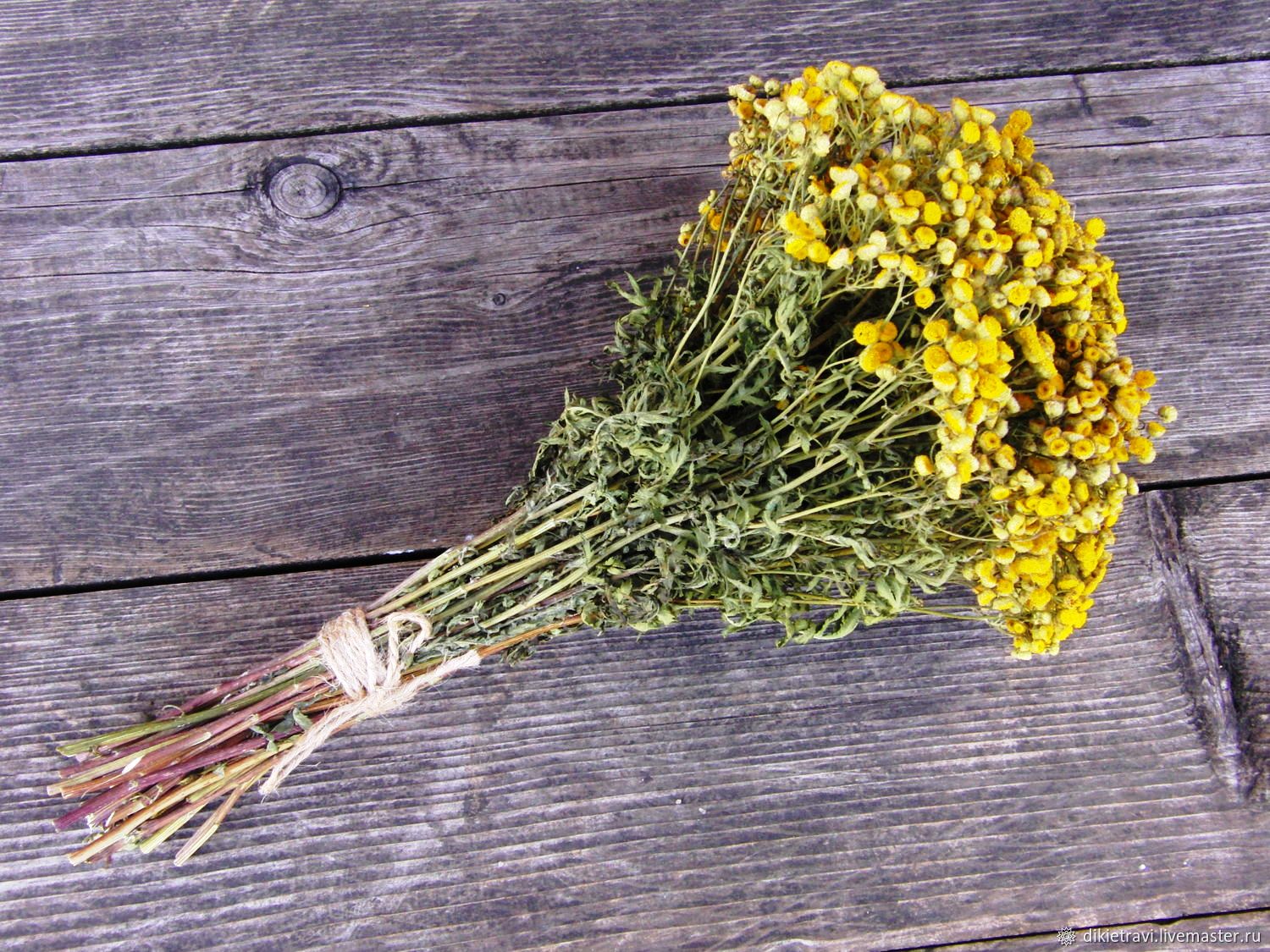
Bunches or brooms of tansy are laid out and hung in places inaccessible to children and animals.
Tansy can be used to protect potato beds from the Colorado potato beetle, as well as to combat leaf-eating caterpillars on trees.
Persian chamomile
To combat fleas, they use chamomile, but not the ordinary kind, but Persian (Dalmatian). It contains pyrethrins, substances used to control many insects, including mosquitoes and bedbugs. It's easier to find this herb's closest relative, Caucasian chamomile. It has the same effect and is used in the same way.
To treat rooms, chamomile is dried, crushed, and scattered throughout the room, including hard-to-reach places such as under furniture and carpets, in sofas and closets, and in areas where pets rest. Fresh plants can also be placed.
There are no contraindications to the use of the product, except for individual sensitivity (allergy to chamomile).
Peppermint and eucalyptus
Another plant that helps repel fleas is mint. It's harmless to humans and also has a calming effect.
Putting fresh mint in your closet can help repel moths.
To repel pests, cut or purchase fresh stems of the plant. Place them around the apartment, especially under furniture, carpets, and pet bedding. Dried mint can also be used and scattered throughout the room. A more discreet method is to make fabric sachets from the dried herb and place them around the house and clothing.
Eucalyptus shoots are used in similar ways.
Photo Gallery: Plants That Repel Fleas
-
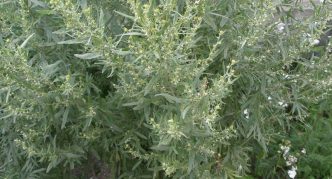
- In Russia, the most common plant is wormwood.
-
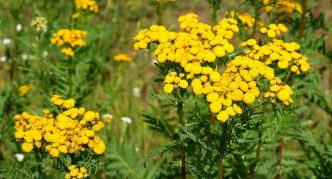
- Tansy is used not only in pest control, but also in folk medicine.
-

- Persian (Dalmatian) chamomile differs from the common one by its pale pink flowers.
-
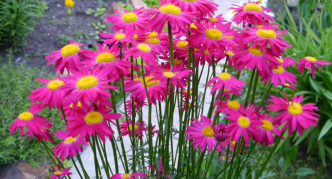
- Caucasian chamomile has flowers of a rich pink color.
-

- Eucalyptus has antimicrobial properties.
-
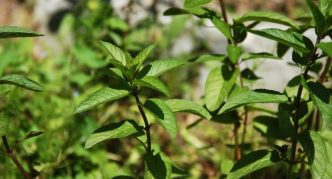
- Peppermint repels many pests; to protect against them, it can be planted in garden plots.
Essential oils
To repel parasites, essential oils with a strong smell are used:
- sagebrush;
- eucalyptus;
- anise;
- peppermint and Japanese mint;
- thyme;
- lemongrass;
- pine;
- lavender;
- tea tree;
- Virginia cedar.
They cannot kill fleas, but they can drive away the pests. Treatment of an apartment with essential oils is carried out as follows:
- Clean, wash floors, wash bedding and other fabrics that pets come into contact with.
- Dilute essential oil in water (20–25 drops per 5 liters).
- Wipe the floors and furniture with the mixture.
- Use a spray bottle to treat curtains, carpets and other hard-to-reach areas.
- For greater effectiveness, a mixture of several essential oils is used.
If fleas reappear, repeat the treatment. For prevention, you can use an aroma lamp with the chosen oil.
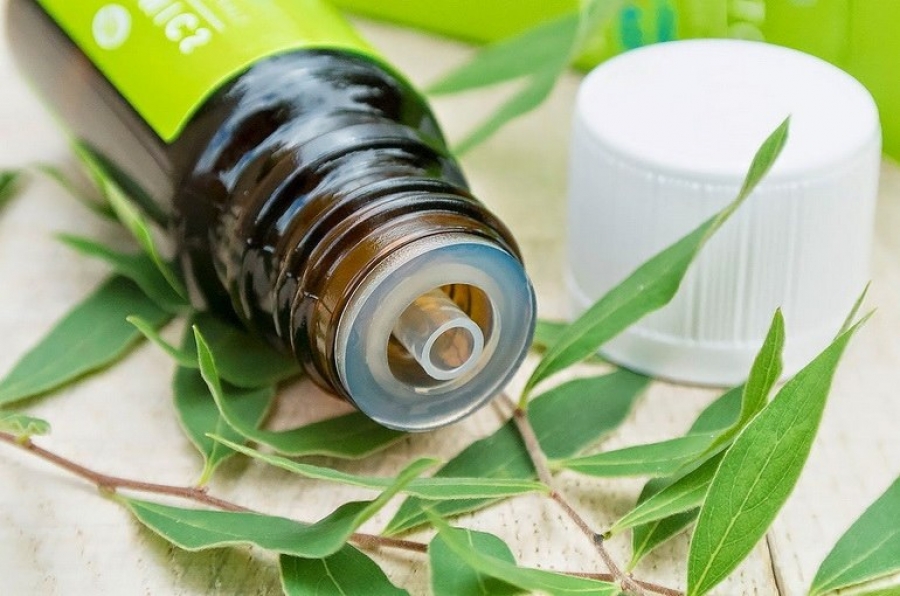
Tea tree oil has a universal insecticidal effect.
Essential oils should not be applied to animals' fur, as they may lick them off and become poisoned. Suggested use:
- Dissolve a few drops of oil in water (preferably tea tree).
- Apply to the animal's withers; the pet should not be able to lick the product off.
This product is safe for humans, except for those with individual odor intolerance (allergies). Pregnant women should also refrain from using it. In homes with small children, use only oils with a subtle, calming aroma (such as lavender) and in minimal concentrations, so that the scent remains barely noticeable in the air.
It is worth remembering that if the concentration is too high, any essential oil can cause headaches, nausea and other unpleasant symptoms.
Salt and soda
You can try to get rid of fleas using such indispensable kitchen remedies as soda and salt. They are safe for people, which means they can be used in any situation.
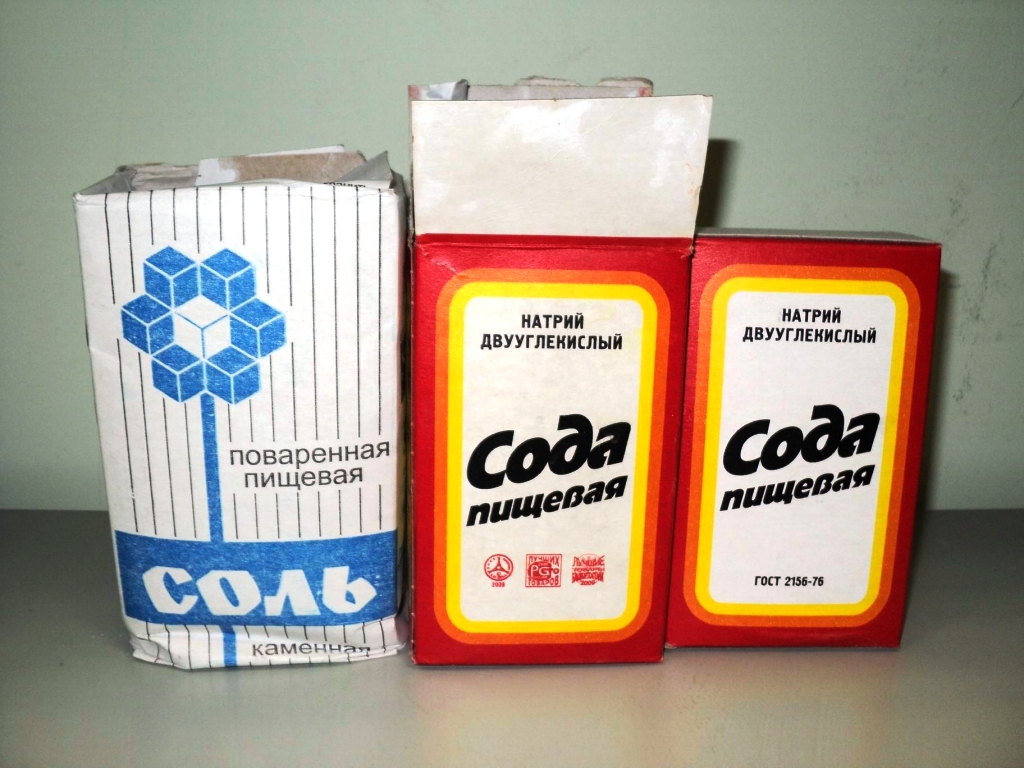
The water-salt solution is also used to treat diseases of the throat, skin and oral cavity in people
To treat a room for fleas, mix salt and baking soda in a 1:1 ratio and sprinkle it on the floor. This mixture can also be rubbed into furniture and carpets. After 24 hours, wet clean the area. Be careful not to inhale the powder to avoid respiratory irritation.
Another option is to make a baking soda and salt solution by adding a kilogram of each to a bucket of hot water. This mixture is used to wash floors and other surfaces, and to spray carpets, furniture, and curtains.
A saline solution can be used to bathe flea-infested animals. This is the safest method, suitable even for kittens and puppies.
- Salt is dissolved in hot water (1 kg per 7–10 liters; for cubs, a less concentrated solution is made).
- Once the mixture has cooled and become warm, bathe your pet in it. The animal should be immersed in the solution up to its neck.
- After 3-4 minutes, rinse the pet with clean water.
If your animal has any wounds or scratches, you should not wash it with salt, as it will interfere with healing and cause pain.
Ammonia
Ammonia is used to combat not only fleas, but also cockroaches. It does not kill insects, but repels them with a pungent smell.
To control pests, treat the premises with an aqueous solution of the substance. Its vapors can irritate the respiratory tract, so it's best to wear a respirator. Avoid using ammonia in areas where asthmatics, pregnant women, and small children live.

In pharmacies, ammonia is found under the name "10% ammonia solution."
- A few drops of ammonia are added to half a liter of water.
- The solution is used to wash floors, walls, and furniture.
- It is unlikely that you will be able to get rid of fleas in one go, so repeat the disinfection after 4–5 days.
- The solution is also used for washing pet bedding.
Another way to combat fleas is to spray undiluted ammonia into cracks. When in contact with the pure substance, be sure to wear a gauze mask or respirator and provide fresh air by opening windows. After treatment, it's advisable to leave the room for a few hours. To prevent fleas, soak a cloth in ammonia and place it under the doormat.
Hellebore water
This product is known to be effective against lice, but it also works on all types of fleas and other pests.
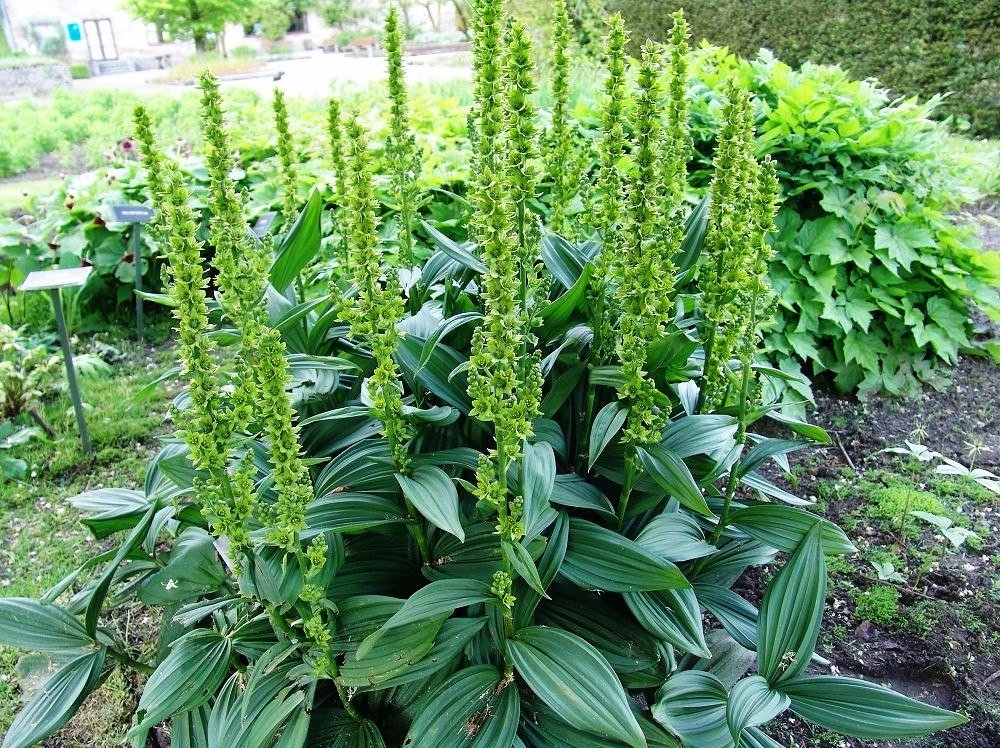
The poisonous hellebore is similar to the edible plant wild garlic, which is why poisoning often occurs.
Hellebore water is a solution of an alcoholic tincture of the poisonous herb hellebore. When using the product, one must remember its toxicity: just one gram of the drug, if ingested, can cause life-threatening poisoning. Therefore, avoid contact of the preparation internally or with the skin; keep it out of the reach of children. When handling hellebore tincture, wear gloves and a respirator. It should not be used by pregnant women, those with allergies, or asthma.
- To treat the premises, you need to spray a solution of hellebore water where there are most fleas.
- If the accumulation areas are not identified, the product is sprayed on the floor, under furniture, into cracks, and on baseboards.
- You can also wash the floor and surfaces with water with the addition of a solution (one bottle per bucket of water).
- After treatment, it is better not to stay in the room for 24 hours; animals should also be taken away.
- Upon returning, it is necessary to ventilate and wash with detergent all surfaces that came into contact with the product.
You can buy hellebore water at a pharmacy or prepare it yourself:
- Grind 40 grams of hellebore.
- Pour water over the grass.
- Cook for 2 hours over low heat in a well-ventilated area.
- After the time has elapsed, add water to the original level.
- The remaining product after processing is stored in a tightly closed container.
You can treat animals for fleas with a hellebore solution, but be careful not to let it get inside. To do this, place a special collar on your pet to prevent them from turning their head and licking themselves.
- Apply hellebore water to the wool.
- Leave for 30 minutes.
- Wash off the solution with warm water and shampoo or soap, rinse thoroughly.
- After the fur has dried, comb out the killed fleas and larvae with a fine comb.
Hellebore water should not be used if the animal has wounds or scratches. In any case, it is better to use less toxic products for pets.
Kerosene
Another fairly effective, but toxic, remedy that must be used with caution. Safety precautions are the same as for hellebore water: do not ingest or allow it to come into contact with skin. Pregnant women and asthmatics should avoid using it. Wear gloves and, preferably, a respirator when handling it. In addition, kerosene is a flammable substance, so it should be kept away from fire, do not smoke near it, and do not turn on the gas.
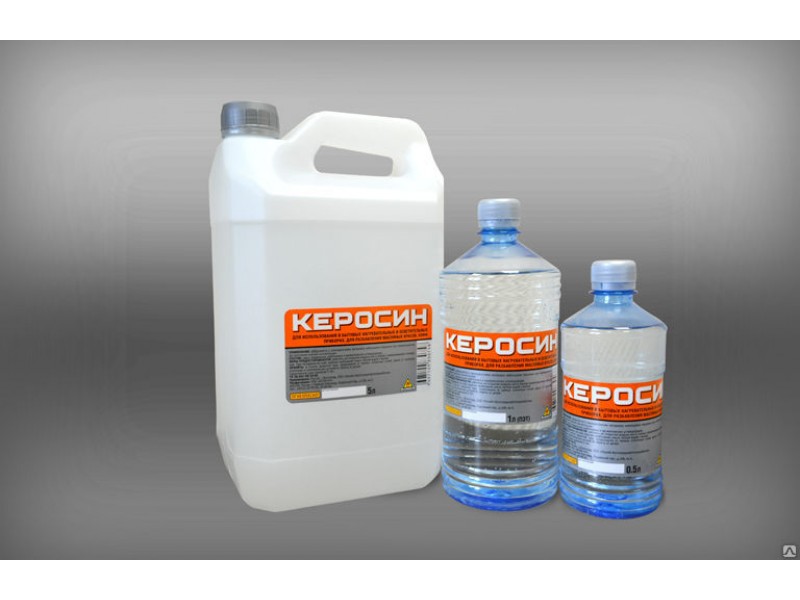
In everyday life, lighting or technical kerosene is used, but aviation or automotive kerosene is not suitable for this purpose.
To treat a room, pour 100 ml of kerosene into a bucket of water. Wash the floor and other surfaces with the resulting mixture. You can spray it on carpets and furniture, but this will make it difficult to remove the kerosene smell. After applying the solution, leave the room for several hours, and remove any animals. Upon returning, thoroughly ventilate and wash all surfaces where the solution was applied.
Kerosene should be used with extreme caution to remove fleas from pets. It should not be used on young, sick, weak, or wounded pets. A shampoo should be prepared for treating fur:
- Dissolve 200 g of laundry soap and 100 g of kerosene in 10 liters of water.
- Wash the animal in the resulting solution so that it does not get into the pet’s eyes, mouth and ears.
- Rinse the wool thoroughly to ensure no kerosene remains on it.
- When the fur is dry, comb it out, removing dead fleas and larvae.
Bay leaf
To repel fleas, you can use a concentrated bay leaf decoction or infusion. Use it to wash floors and other surfaces, and spray furniture and carpets.
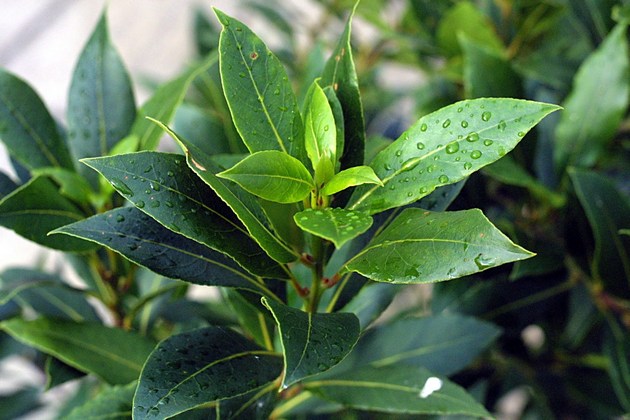
Laurel can be grown as a houseplant.
Decoction:
- Place as many bay leaves as possible (10 pieces per 250 ml of water) in boiling water.
- Cook for 5–7 minutes.
- It is advisable to let the decoction steep for several hours.
- Strain before use.
Infusion:
- Soak 10 grams (or more) of bay leaf in 250 ml of boiling water.
- Infuse for 7–8 hours.
- Strain before use.
You can also spread the leaves indoors. The essential oil, whose vapors repel fleas, is best preserved in whole leaves, so avoid crushing, cutting, or tearing them. The effect will be greater if you use fresh bay leaves, but if you don’t have them, you can use dried ones.
Except for rare cases of individual sensitivity, bay leaf is harmless to humans and animals. It is not a strong remedy, so it should be used daily for one to two weeks.
Vinegar
Apple cider vinegar is used to rid an apartment or animals of fleas.It doesn't kill the parasites, but the sour smell of the product repels them, so they leave the treated areas.
Pets are treated with a soap and vinegar solution:
- Dissolve 30 grams of laundry soap shavings in a liter of water.
- Add a glass of apple cider vinegar.
- Stir well.
- Apply the composition to the animal's fur.
- After 3-4 minutes, rinse off, thoroughly rinsing the wool with water.
- The dried fur is combed out, removing any fleas entangled there, as well as their larvae.
For kittens and puppies, you can reduce the time the product is left on their fur to avoid irritating their sensitive skin. Do not use the product if your pet has any cuts or scratches. When applying the product, be careful not to get it in their mouth, eyes, or ears.

Apple cider vinegar solution is also used as a tick repellent.
The room can be treated with the same solution, applying it to all possible surfaces, after which the room is ventilated. There is another method:
- Mix apple cider vinegar with water in a 1:1 ratio or use undiluted.
- Pour the product into a spray bottle and spray all accessible surfaces up to a height of 1 m from the floor, as well as those where pets have climbed.
- Wipe the floors with the solution.
- Leave the premises for an hour or two.
- Upon returning, you should wash the floors and other surfaces with clean water and ventilate the room.
- There should be no children or animals in the room during treatment.
Like other products with a strong odor, vinegar should not be used by pregnant women to avoid nausea and other unpleasant reactions. Asthmatics should also use it with caution, as vinegar vapors can irritate the respiratory tract. It's best to wear a respirator when using vinegar, and gloves are essential.
Garlic
Fleas also don't like the smell of garlic, so you can use a garlic infusion to remove them from your pet:
- Grate 4 cloves or crush in a mortar.
- Pour half a liter of warm water over the garlic.
- Infuse for 8–14 hours at room temperature.
Apply to your cat or dog's fur in an area where your pet cannot lick the infusion. Garlic is toxic to animals and can cause digestive upset if ingested. Furthermore, the concentrated tincture can cause burns to mucous membranes, so be careful not to let it come into contact with your pet's eyes, ears, or mouth.
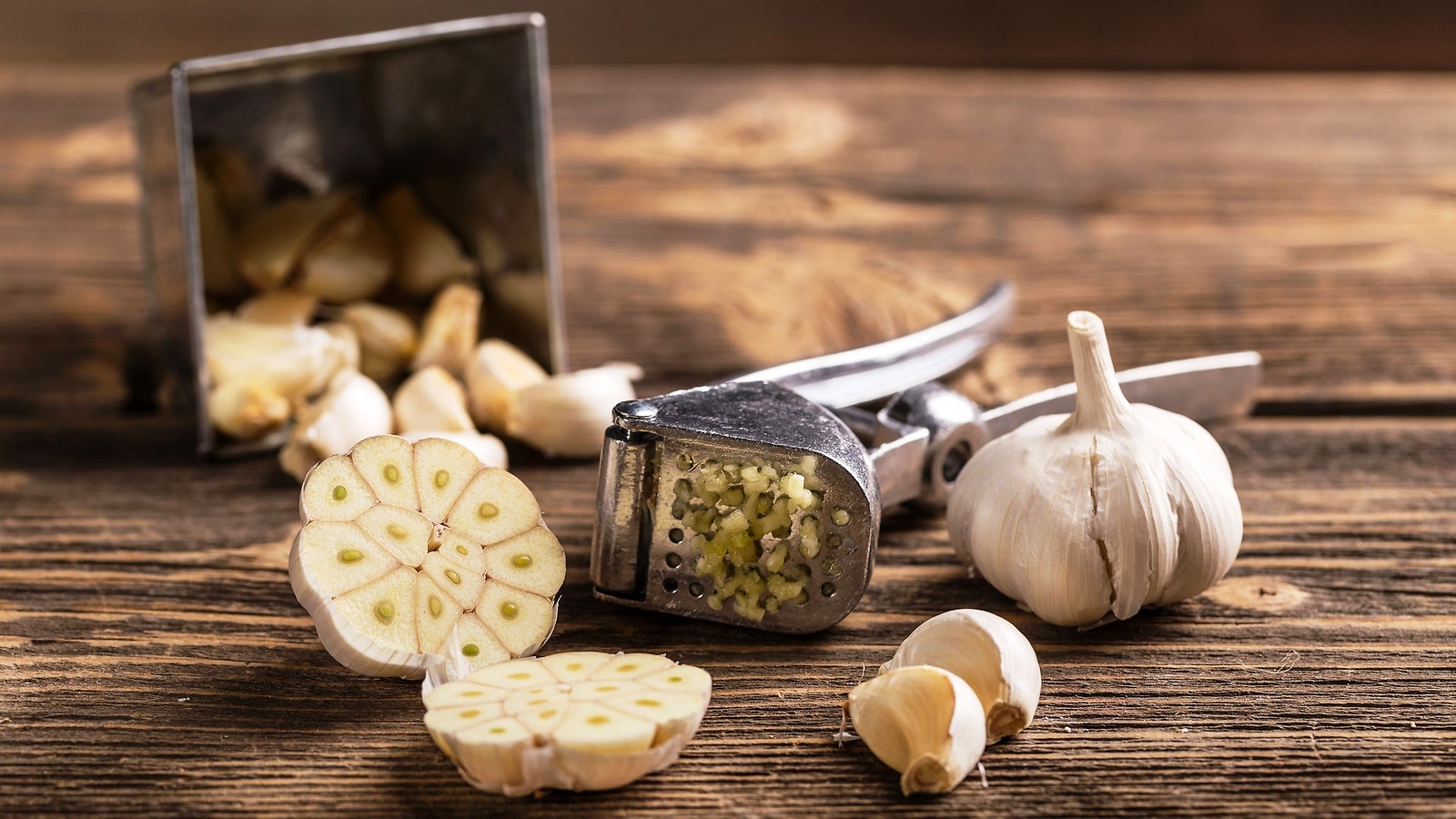
To prepare garlic products, it is most convenient to use a special press.
In combination with brewer's yeast, garlic can also be used to treat the premises:
- The yeast is diluted with water to a mushy state.
- Add grated garlic (at the rate of 3-4 cloves per packet of yeast).
- Apply the mixture to the floor and other surfaces.
- The next day, remove the dried residue of the product; this is most conveniently done with a vacuum cleaner.
You can simply scatter garlic cloves around your apartment; it's not as effective, but it won't do any harm.
Garlic contains phytoncides—volatile substances that kill many types of bacteria. Therefore, garlic cloves placed around the house will not only help repel fleas but also prevent colds.
Sawdust and pine needles
It has been noted that fleas are repelled by the scent of pine. Pine wood shavings or pine needles can be used. Parasites especially don't like pine.
- Sawdust or pine needles are sprinkled on floors, carpets, and furniture. They are removed after a few hours.
- Pine needle decoction is used to wash pets' clothes and bedding, and it can also be added to their baths.
- A sleeping mattress, pillow, or bed stuffed with pine sawdust will protect your pet well from fleas.
Crafters can combine beauty with utility by creating a variety of decorative pillows filled with pine needles. They can be placed throughout the home as a preventative measure.
Reviews
I used eucalyptus infusion to treat my dog's fleas. It's a great remedy. I rubbed the infusion into my dog's fur as a flea preventative. It's very effective.
You can spread wormwood, but keep it out of reach of children. Fleas can't stand its smell.
I used tar soap and terracotta water to kill fleas on my cat. The latter needs to be handled with care, as it has a very strong odor that can provoke sudden movements in the cat.
Fleas can't stand the smell of wormwood. Make a strong wormwood infusion: pour one cup of stems and leaves into one liter of boiling water. Bathe your cat with this infusion. Also, place some wormwood under a cotton cloth in the cat's sleeping basket. The fleas will disappear, but if the cat constantly picks up new fleas, the treatment will be ineffective. You'll need to keep your cat away from other cats.
We live in a multi-story panel building, on the middle floor, and have never had any pets. Where the fleas came from is unclear, but we simply couldn't get rid of them using "folk remedies."
My grandmother always bathes her cats with laundry soap or tar soap. The cats "don't complain" about fleas.
My wife tried bathing her cat with tar soap. It was a real pain, both for herself and for the cat. In the end, we only kept the cat in the soap for three minutes and then washed it off. It didn't work.
I recommend that people who are bitten by fleas wear a string with garlic cloves around their neck. Think of those vampire movies—they're afraid of garlic. I tried it myself—it works! The garlic is cut for a stronger scent.
You can use folk remedies to get rid of fleas in your pets and your home. However, to avoid harming yourself and your pets, use them with caution, taking into account your body's specific needs and the toxicity of the substance you choose. For greater effectiveness in pest control, it's advisable to combine different remedies.