House ants are widely known as some of the most annoying and difficult to get rid of household insects. However, don't despair: there's no pest that can't be defeated! And ants are no exception. Let's look at what measures you can take to protect your home from them.
Content
House ants: appearance and habitat
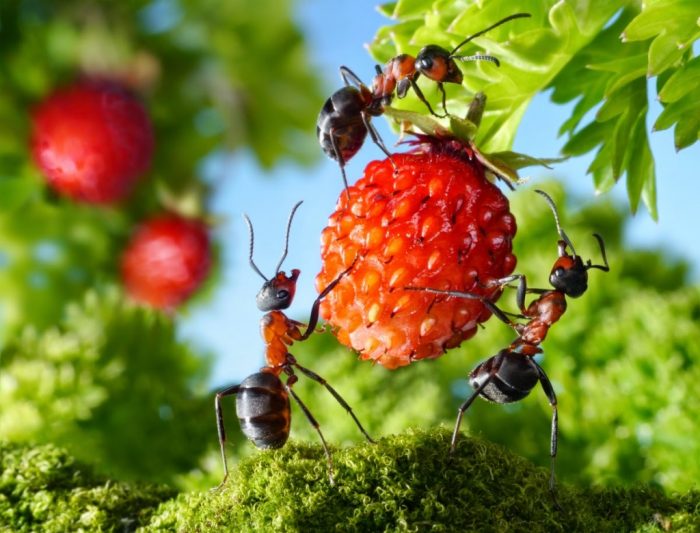
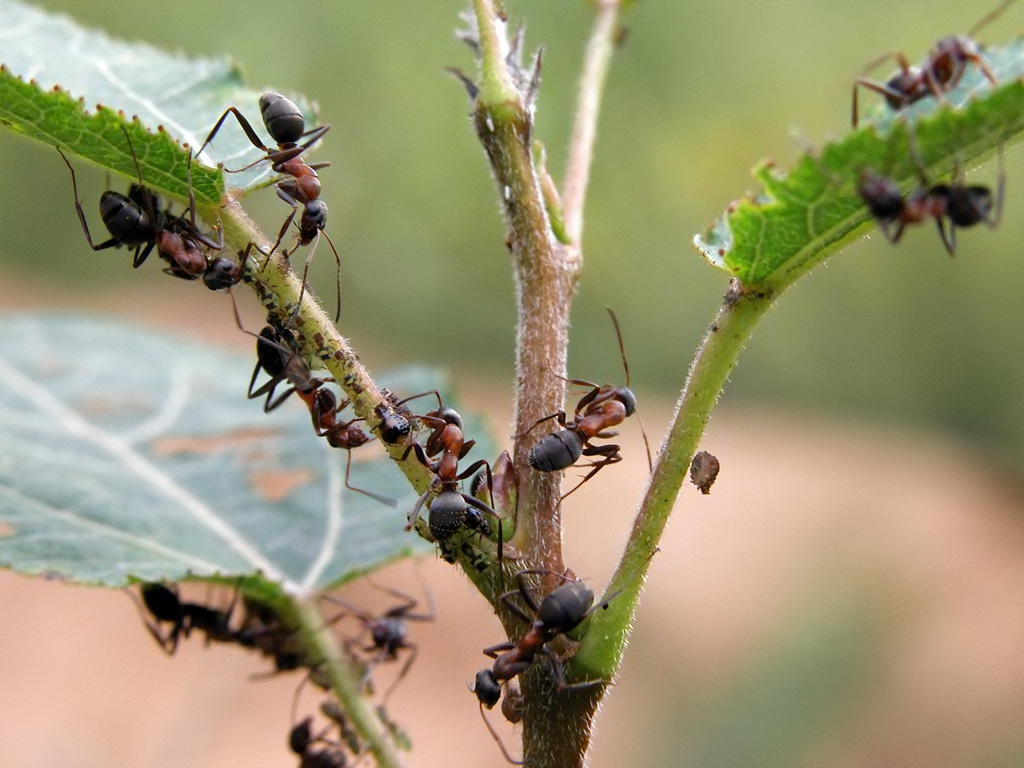
First of all, you need to understand what house ants are and how they live. Usually, red insects, the so-called house thief ants, live in our apartments; pharaoh ants appear less often—they prefer warm countries. Red and black ants live in the wild. If they end up in a house, it's most likely an accident. They also differ in size: house ants are significantly smaller than their forest relatives.
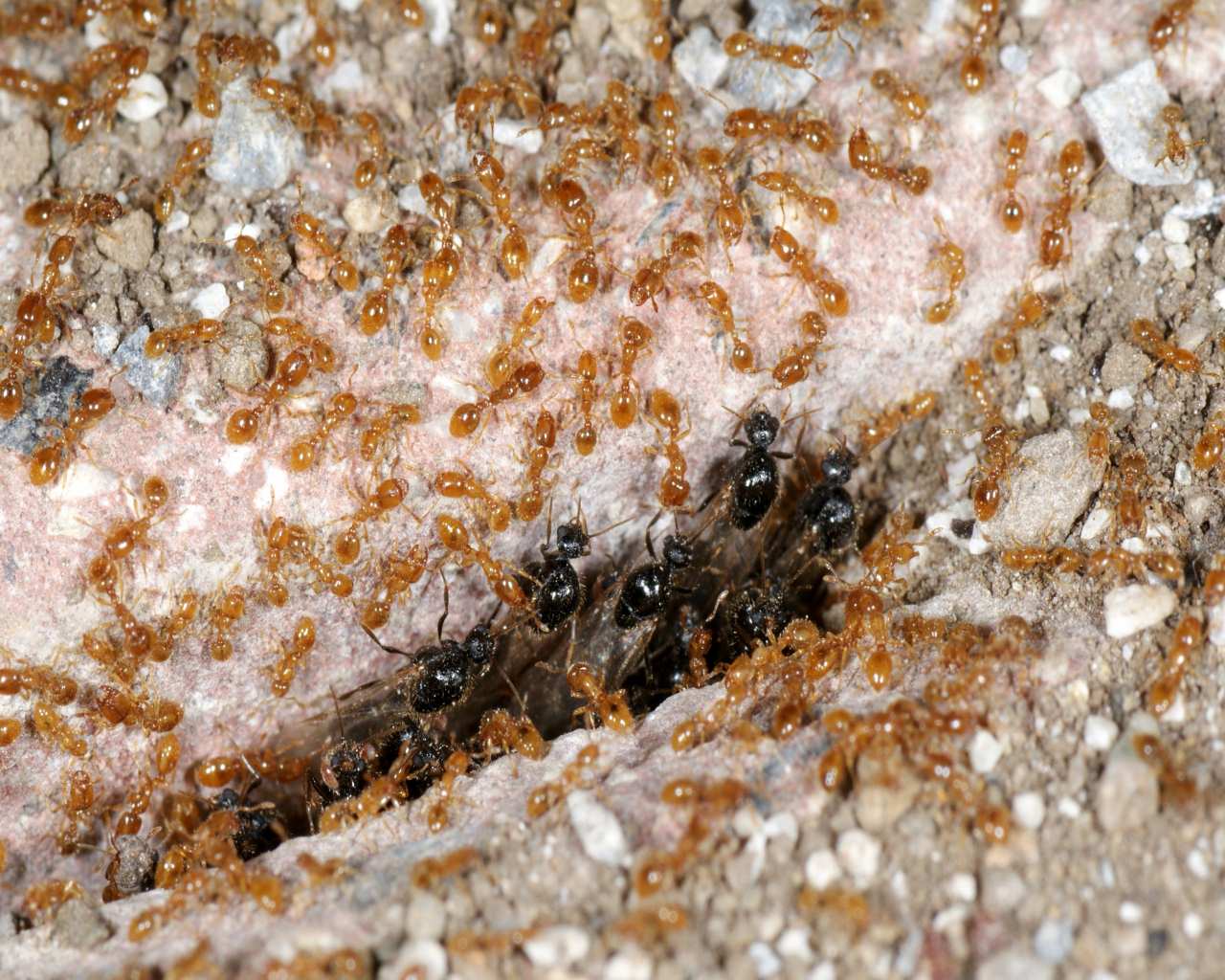
Domestic ants parasitize the habitats of wild ants, for which they are rightly hated.
These insects prefer to build their nests in secluded corners of warm and humid rooms, such as the kitchen or pantry.Ants can hide under linoleum, behind peeling wallpaper, or behind old furniture. Furthermore, rarely used kitchen drawers can also become a good home for these pests.
In terms of social structure, house ants are no different from their "wild" counterparts. The queen ant lays eggs, which then hatch into larvae and then pupae. Worker ants, who make up the majority of the swarm, forage for food. These are usually females with an underdeveloped reproductive system, born from fertilized eggs. Unfertilized eggs, respectively, produce males, which, upon maturation, fertilize the queen.
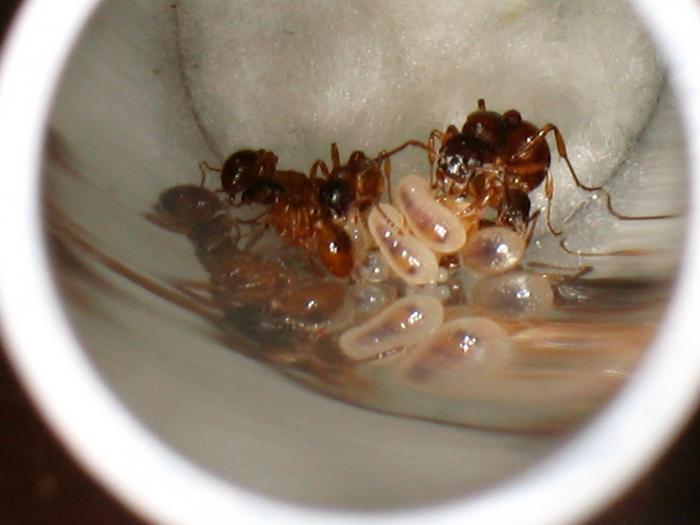
Ants are responsible in raising their offspring.
House ants literally feed on our tableware, preferring high-protein and high-carbohydrate foods. They'll happily eat bread crumbs, meat scraps, and any scraps from the trash can. Flour, cereals, baked goods, sugar, and sweet liquids are all suitable for ant consumption.
What's wrong with these insects?
Certainly, the renowned industriousness and well-organized social structure of ants cannot but inspire respect and even a certain sympathy. However, these insects have no place in human dwellings. The damage directly caused by their feeding on our food is minimal. But the very presence of ants in our food and the fact that they are not shy about leaving their excrement there forces us to reconsider this problem. Sometimes, ant carcasses remain in food (especially sticky liquids). These pests also store food reserves for their brood, which creates extra dirt and an excellent breeding ground for pathogenic bacteria and fungi.
Another downside of having ants as neighbors is that they often crawl onto people and pets and bite. Their bites usually don't cause serious harm, but when this happens several times a day, it becomes annoying. Furthermore, there's always the risk of an allergic reaction—people with weakened immune systems, as well as pregnant women and children, are at risk. But even more serious problems can threaten unwitting ant owners: these insects are everywhere, including in toilets, entryways, and trash heaps. It only takes a second to introduce an infection or parasite eggs from such places.
Where do pests come from?
If we already understand that red ants don't live in the wild, how can we figure out where they come from in a seemingly perfectly clean house? There are several ways these insects can enter a home:
- Neighbors. They may have house ants in their home. If so, it's no surprise that these "guests" will one day show up on your doorstep.
- The entryway. This place is much warmer than the street. The basement is even warmer, though it's also dark and often quite damp. Many house ants choose to hibernate there, as well as live there permanently. Bringing these insects from the entryway into your apartment is a piece of cake.
- Food. Sadly, you can't completely trust stores and markets when it comes to food quality these days. You might often be sold flour and cereals infested with flour beetles and ants.
- Furniture. Sofas, wardrobes, and dressers (especially those bought second-hand) can also harbor insects, which can then spread throughout the apartment.
Ants initially come to human dwellings in search of warmth and food. Many of them first parasitize the nests of their wild counterparts, and then move closer to humans. Most of them actually come from basements - that's the first place they end up from the street.
Ways to get rid of the problem
You probably don't feel like feeding these pesky pests. But if they've already invaded your apartment, you need to begin combating them immediately before they multiply and take over your entire living space.
Chemicals
You can get rid of house ants reliably and permanently using chemicals. There are a wide variety of them available in stores today. Any general-purpose insecticide will do. Various aerosol and spray products are very popular: simply spray the toxic substance on the pests to kill them. Furthermore, these products can treat even the most hard-to-reach places in your home.
Photo Gallery: Insecticide Aerosols and Sprays
-
- Aerosol insecticide Raptor is a universal remedy for controlling crawling insects.
-
- Dichlorvos remains popular as an effective insecticide.
-
- Varan is the same dichlorvos, but under a different trade name.
-
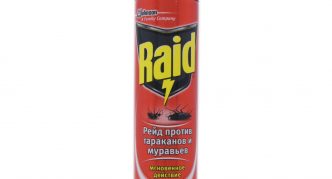
- Raid aerosol is a special product for fighting ants and cockroaches.
-
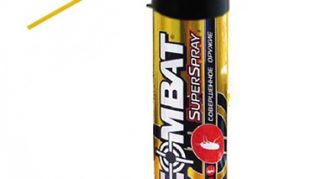
- Combat is a spray insecticide with low toxicity.
-
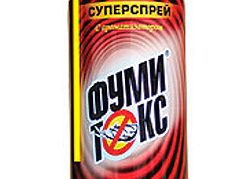
- Fumitox is a universal spray with a broad spectrum of action.
-
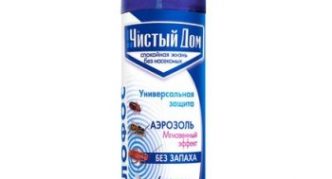
- Clean Home Aerosol is ideal for controlling household insects.
-
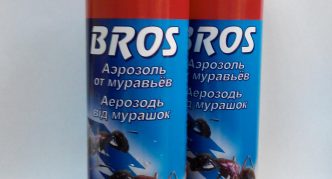
- Bros aerosol is designed specifically for killing ants.
Another group of products gaining popularity among consumers are concentrated poison solutions. These should be diluted with water according to the instructions, poured into a spray bottle, and then sprayed onto insect-infested areas.
Photo Gallery: Insecticide Concentrates
-
- Agran is a concentrated insecticide that does not cause addiction in insects.
-
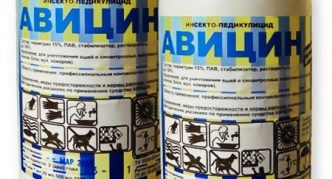
- The drug Avicin is diluted with water and sprayed in places where ants are found.
-
- Get is a popular insecticide used even by professionals.
-

- Help Boyscout is a concentrate specially designed to combat ants.
Gels against household insects in general and ants in particular are also frequently advertised. They are supposed to be applied to the pests' habitats. The downside of this method is that it only kills the ant after contact with the substance. Many individuals will still remain alive (both workers and offspring).
Photo Gallery: Insecticide Gels
-
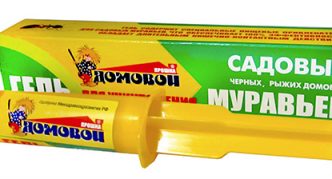
- Proshka Domovoy is a gel that deals with all types of ants.
-
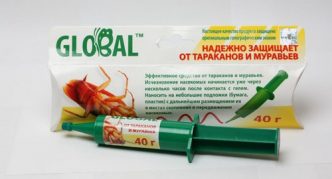
- Global is a universal insecticidal gel that guarantees reliable protection against ants.
-
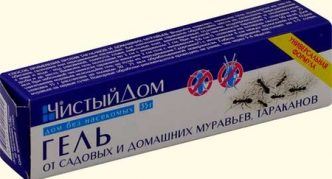
- Clean House gel helps rid your home of ants and cockroaches.
-
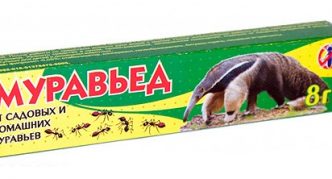
- Muravied gel kills not only garden ants, but also house ants.
-

- The Great Warrior ant gel works on the principle of poisonous bait.
Traditional methods
Since ants have been invading human homes for quite some time, there are many folk remedies for their control. One popular method is treating the apartment with household chemicals such as turpentine, kerosene, ammonia, and vinegar. These are believed to be poisonous to the insects, and the pungent odor will also deter further infestations of these pests. However, many of these substances are highly flammable, and their fumes are harmful not only to ants, but also to people and pets.
It's also believed that these insects dislike the smell of lemon and sunflower oil, so it's recommended to grease food containers and the rims of dishes with them. Lemon peels are also recommended for placing in kitchen cabinets. But there are other plants besides citrus fruits that can help repel ants. Among them, the most commonly mentioned are wormwood, garlic, bay leaf, parsley, cilantro, chamomile, lavender, and mint. They can be hung in bunches, placed in sachets, or anointed with essential oils from these plants on shelves, cabinets, and baseboards.
Photo Gallery: Plants in the Fight Against Insects
-
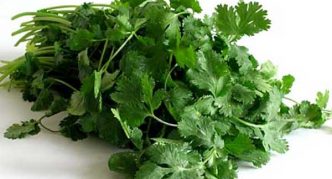
- The specific smell of cilantro is not liked by insects.
-
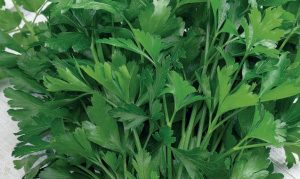
- Good old parsley keeps ants away.
-

- Mint is both a spice and an insect repellent.
-

- Lavender can repel not only ants, but also mosquitoes and midges.
-

- Chamomile contains pyrethrum, which is harmful to insects.
There is also a natural way to get rid of ants: just deliberately bring their “wild” brethren into the house, and they will drive out the domestic ones.
Traps
Some housewives, hoping to get rid of ants quickly and effectively, make their own insect traps. Hardware stores also offer a wide selection of these devices. Attracted by the pleasant smell, the insects rush inside the traps and are unable to escape. All you have to do is empty the traps and replace the bait regularly.
The most effective "homemade" insecticides for making traps are borax and boric acid. They are mixed with a sweet substance like honey or jam, or simply added to sweetened water. The ant then either consumes the poisoned bait and dies later, or drowns in the water itself.
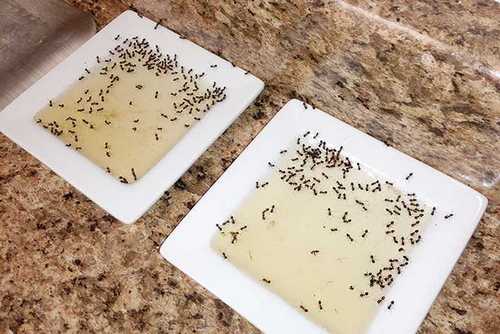
Effective ant traps can be made at home.
The advantage of such traps is that they can also catch other household insects. The disadvantage is that they pose virtually no harm to the offspring. While the nurse ant population will certainly decrease, this won't completely prevent the emergence of new individuals from existing larvae and pupae.
Disinsection
One of the most reliable methods is to call a team of professional exterminators. This is especially important if, in addition to ants, you've unwittingly harbored other pests (cockroaches, bedbugs, moths, and the like). Specialists will treat your entire apartment with highly effective chemicals, address any aftereffects, and clear your home of larvae, eggs, and any dead pests. Naturally, professional work will cost money, but in return, you'll get a clean apartment and, most likely, a warranty for a certain period. If the ants manage to return during this time, you'll receive a second cleaning for free.
Video: How to get rid of ants
Preventive measures
Fighting ants in your home can be a tedious task. The best way to prevent them from entering your home is to make it unattractive. To achieve this, remember the following preventative measures:
Cleaning. To prevent insects from settling in your apartment, it's necessary to frequently perform this procedure (dry and wet). At least once a month, take the time to do a general cleaning (moving all cabinets, dusting all surfaces, washing drawers and furniture).
Repelling. Gels, powders, and fragrant plants are ideal for this purpose. Spread or sprinkle insecticides on areas where ants might enter the house (thresholds and doorframes in the hallway, windows, balcony doors, and ventilation shafts). You can also hang bundles or sachets of plants that ants fear.
Inspection. All furniture, clothing, and food brought home from the store or purchased secondhand should be immediately inspected for ants. It's better to be safe than sorry and eliminate a few insects or a single colony (if it's infested furniture) than to try to smoke them out of the entire apartment.
Pest control. Preventative pest control before moving into your apartment is also effective. Invest the time and money, and a team of professionals will do everything possible to ensure you don't have to deal with ants later.
Reviews of effective insect repellents
Good day everyone! Today I'd like to recommend an effective remedy for garden and house ants—Great Warrior gel. <…> The entire wall next to the refrigerator was simply covered in them. The ants kept increasing in number, until a local hardware store recommended this product. We applied the gel according to the instructions, and within a few days, the ants were gone.
An old-fashioned method worked really well for me. Gently collect at least a dozen black wood ants in the forest. I dropped some jam into a jar and placed it on its side near the anthill. They went there themselves. I released these little buggers back home. Ants are territorial and destroy the weakest competitors. Within three days, there was no trace of the red ones left. And the wood ants, searching for a queen, leave the house on their own.
Dissolve yeast in water, add jam or powdered sugar, and place the mixture in a food pantry. The ants will attack the bait and die.
Our family really benefited from the service we called. We wanted to be sure, tired of struggling ourselves, and the price was reasonable, so we decided to do it. The company also had very good reviews, and we ultimately got rid of the ants with their help.
Getting rid of house ants in an apartment is a difficult task, but it can be done. It's more difficult to get rid of them from the entire house, or more specifically, the basement—but that's the responsibility of the utility services. We must do everything we can to protect our homes from these pesky pests. There are now plenty of methods and special products for this.