Since childhood, we've known that ants are useful workers, helping humans fight pests. Entomologists consider ants to be one of the most evolutionarily advanced insect species. However, sometimes these helpers become pests themselves. Having bred in a garden or infiltrated a home, ants begin to spoil food and gnaw on plants. That's when it's time to consider pest control methods.
Content
Methods for getting rid of ants
When faced with the damage caused by ants in your home or garden, it's easy to lose any illusions about the exceptional benefits of these insects. Ants can cause serious damage. Our ancestors already knew about this, judging by the original methods of fighting ants invented in the old days.
There are currently several ways to get rid of ants:
- Chemical means. These include insecticides and the use of toxic preparations.

It is worth considering that most insect repellents are not completely safe for mammals.
- Folk remedies. These are gentle measures, primarily aimed at repelling ants from your home and property.
Most folk recipes are also good for prevention.
- Mechanical barriers. These are usually barriers that ants cannot overcome.
Some types of mechanical ant barriers are available for both home and garden use. Craftsmen can make their own.
- Traps. These contain bait to attract ants for subsequent destruction.
Commercial traps may use contact insecticides or even pheromones as bait to attract ants.
- Ultrasound. Modern repellents generate a sound that is inaudible to the human ear, but causes a persistent feeling of anxiety in ants.
Ultrasonic ant repellers are available with different power and range of action.
- Biological methods. These are a set of measures aimed at creating an ecological environment unsuitable for ant nesting and reproduction.
One of the safest biological methods is the cultivation of plants with a strong odor that ants cannot stand.
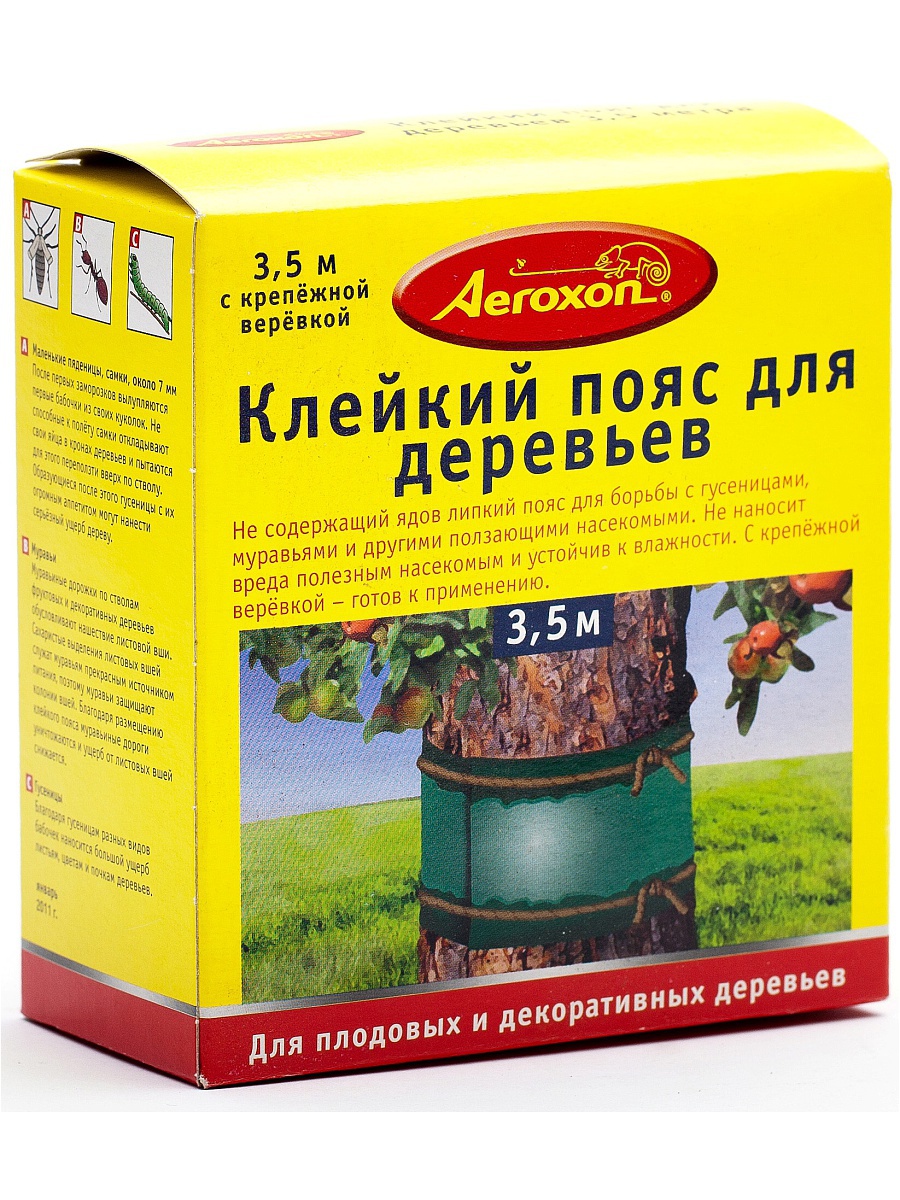
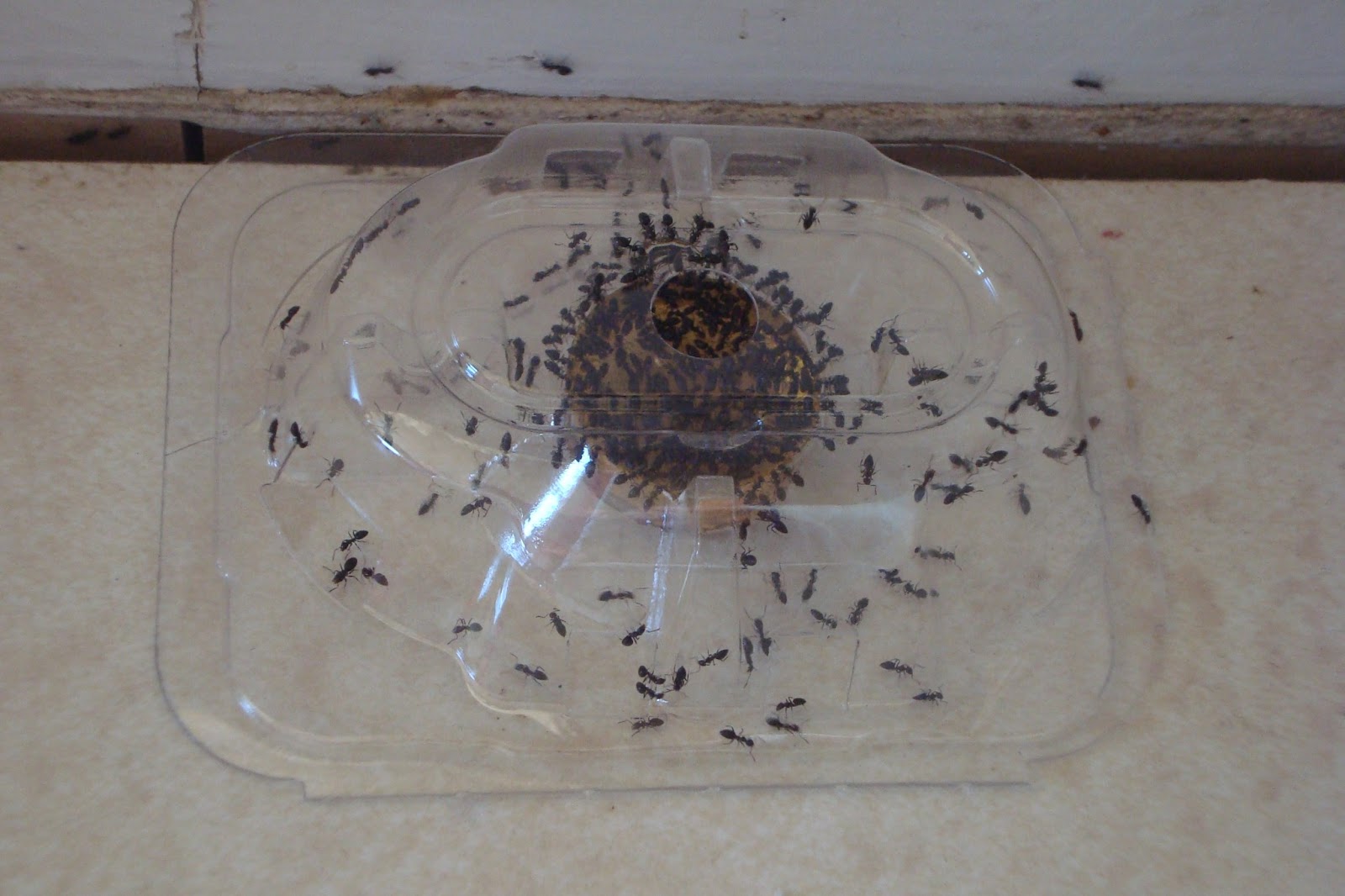
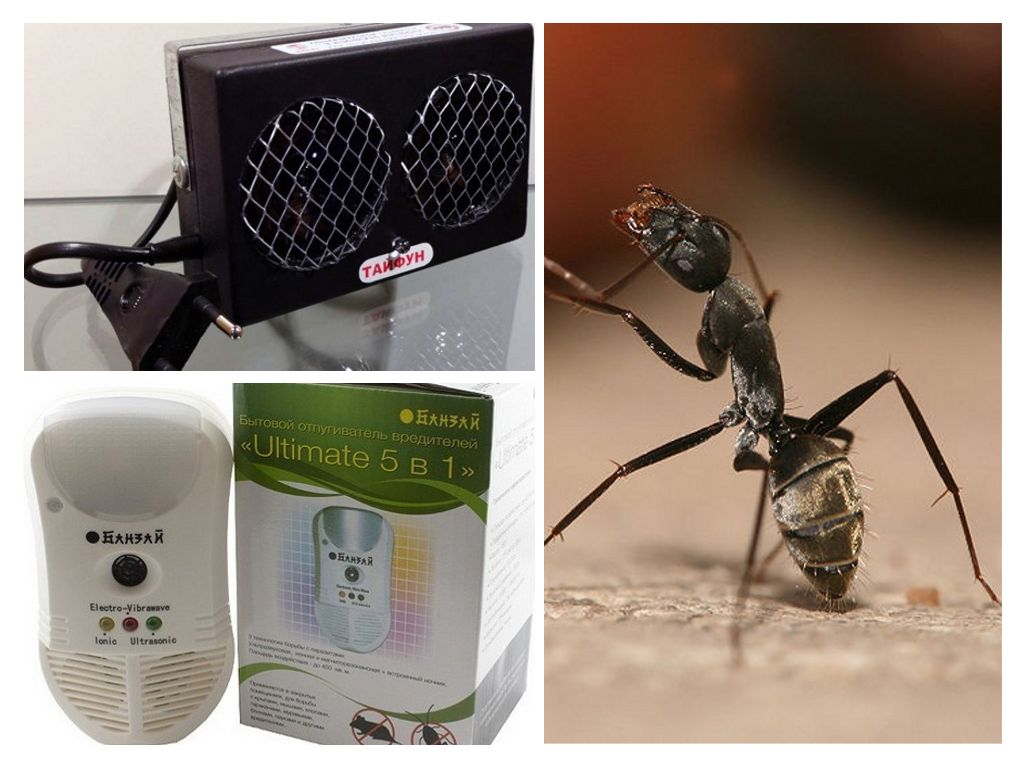
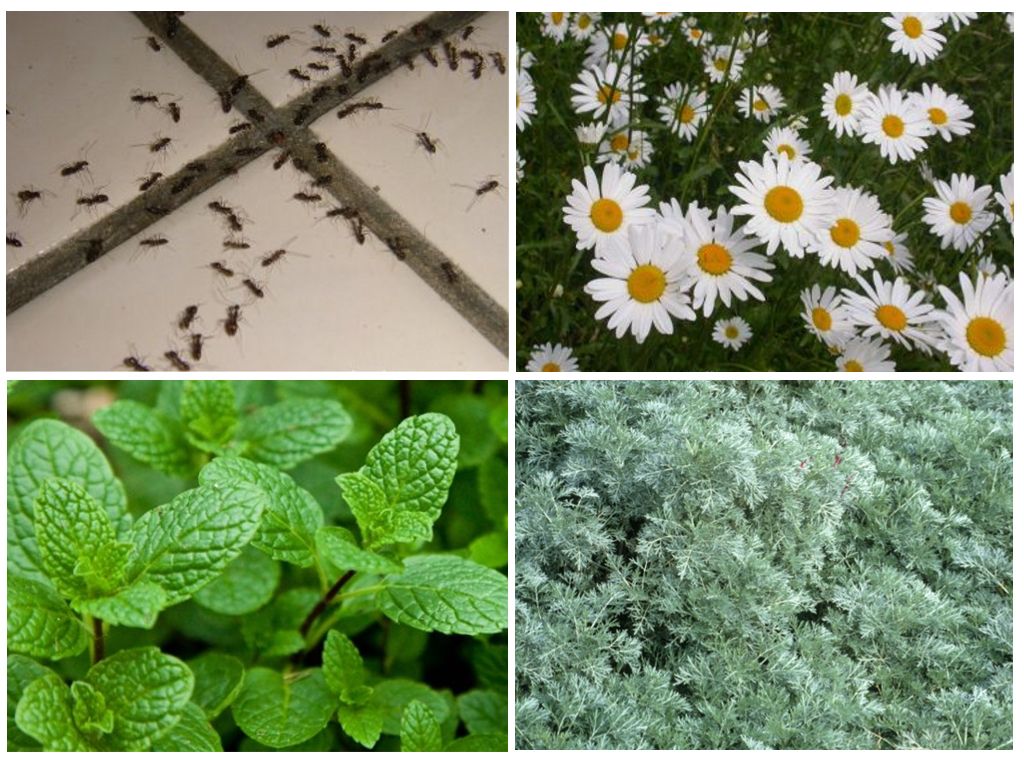
Each method has its pros and cons. To make a final decision, or even to combine them, let's examine them in more detail.
Chemicals
Chemical methods of exterminating ants have all the properties of toxic preparations. Chemicals are effective in use, but do not guarantee safety in use.
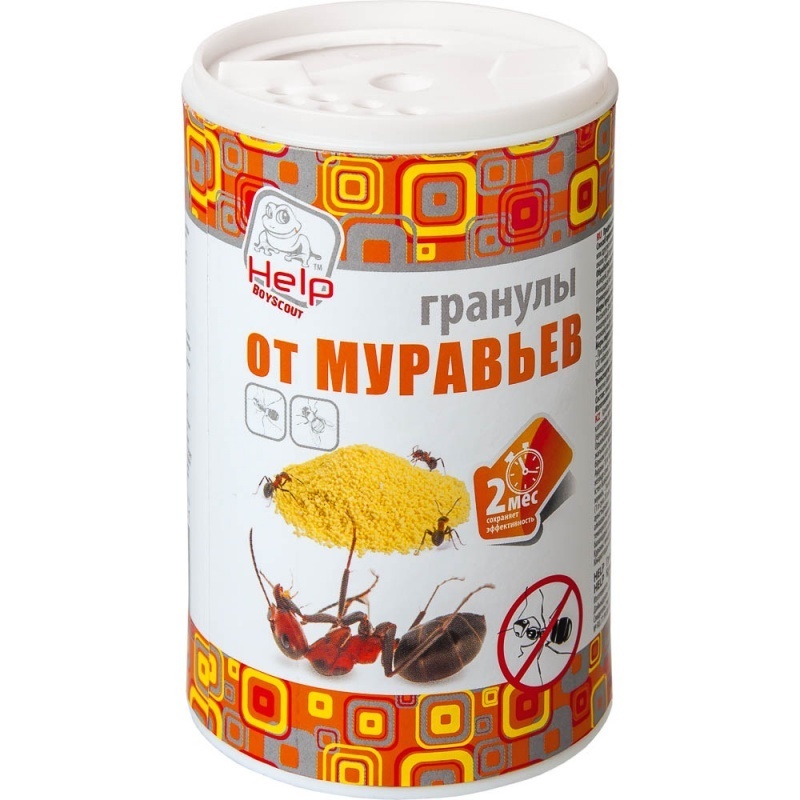
Modern industry produces insecticides and toxic substances against ants in the form of:
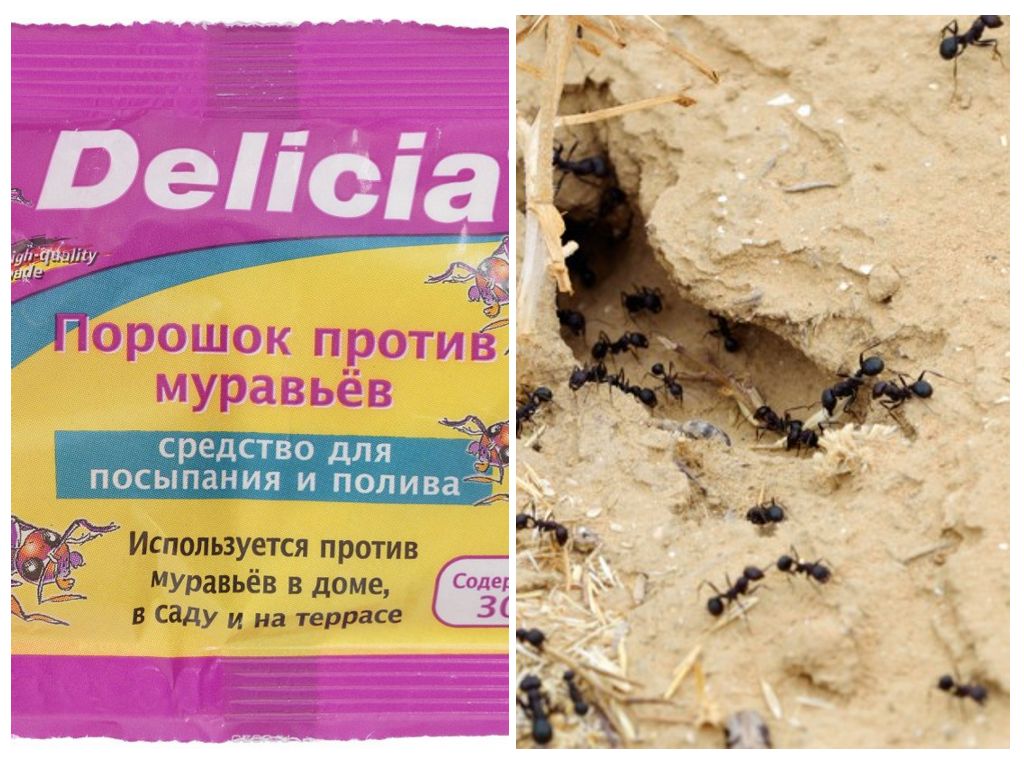
- Powders.
Most ant powders can be used in either dry or liquid form, diluted with water according to the instructions.
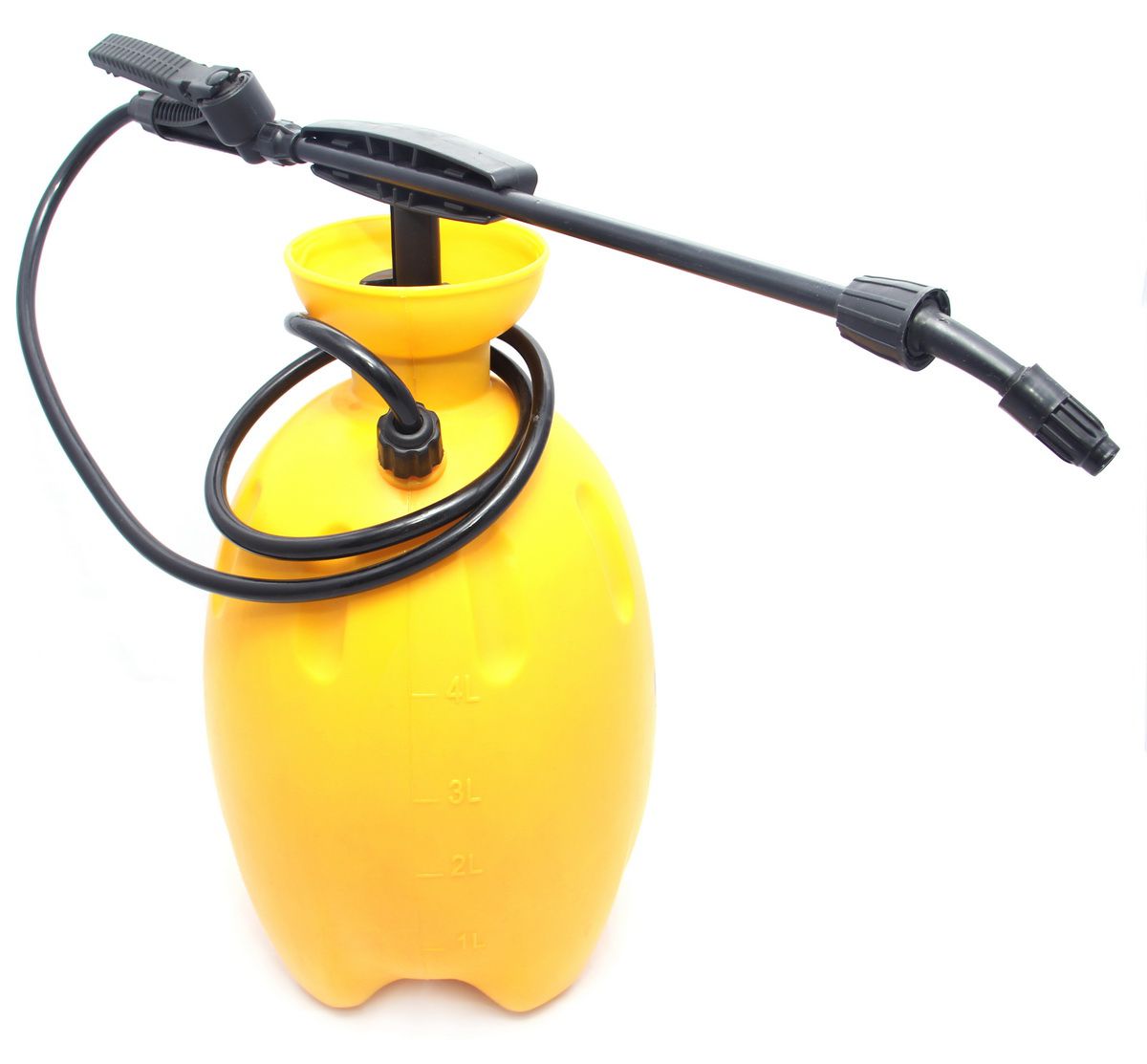
- Sprays.
You can buy ready-made ant spray in stores, or you can make it yourself by pouring the liquid into a spray bottle.
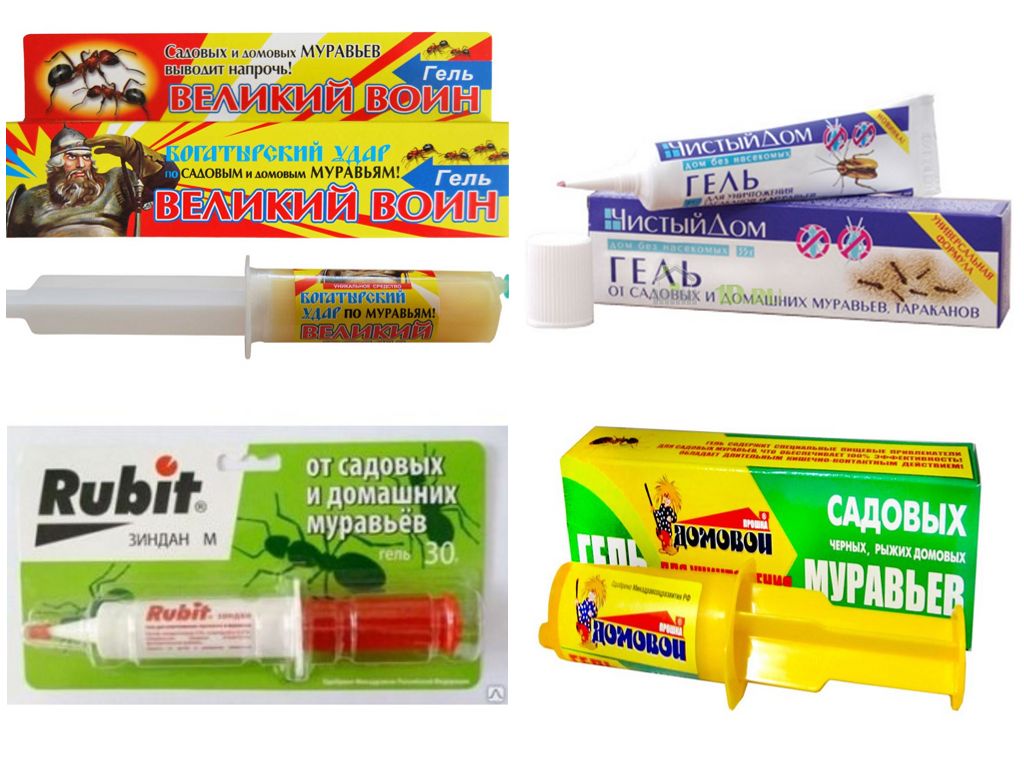
- Gels.
Ant gels are not designed to have an immediate effect: the insect eats the drug and carries it back to the anthill, where it infects the rest of the inhabitants, including the offspring and the queen.
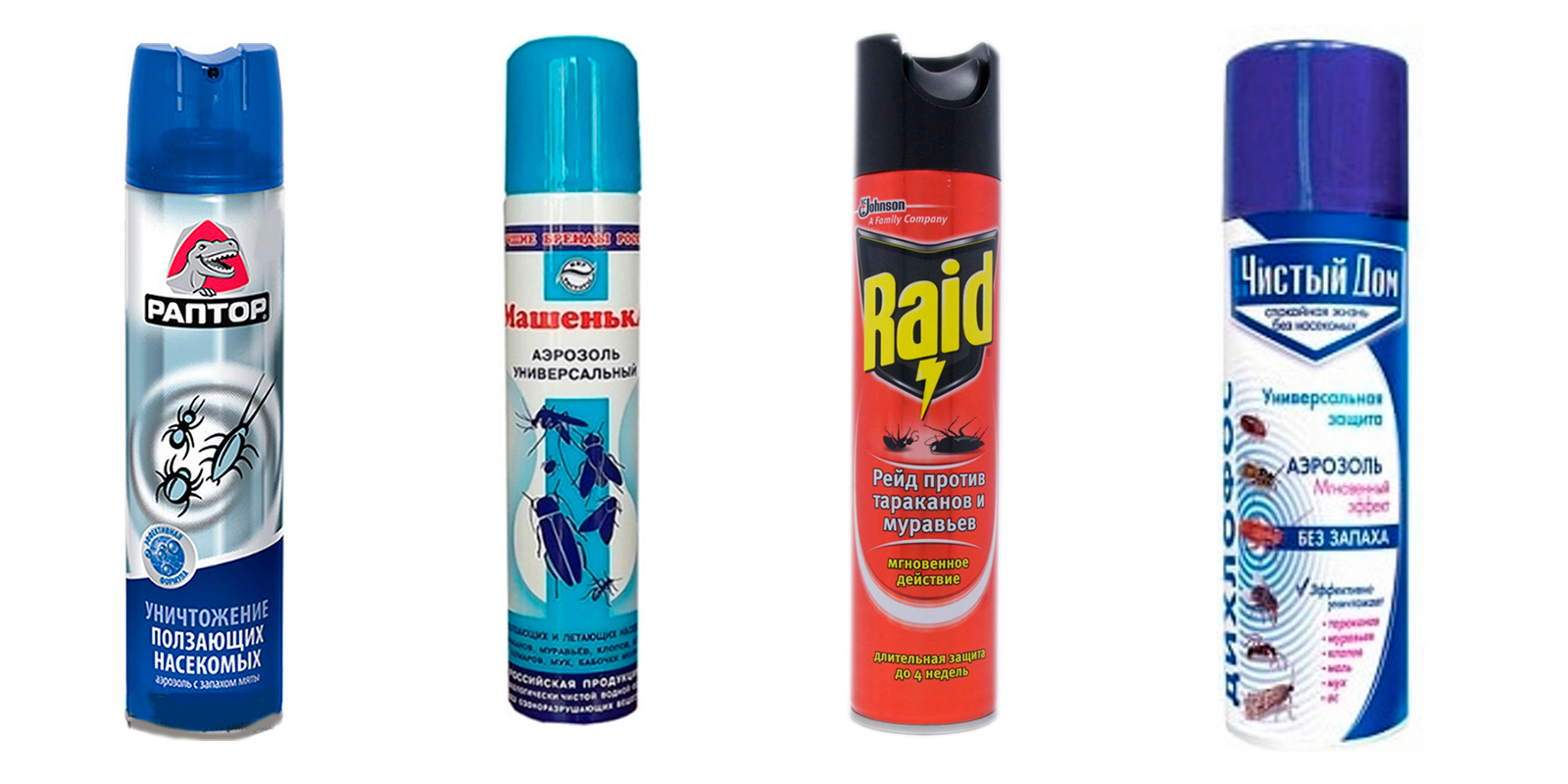
- Aerosols.
Ant aerosols are strong preparations that provide an immediate effect when fighting individual insects or when an anthill is discovered.
- Pencils (crayons).
Pencils (crayons) for ants are more suitable for treating premises and require repeated use
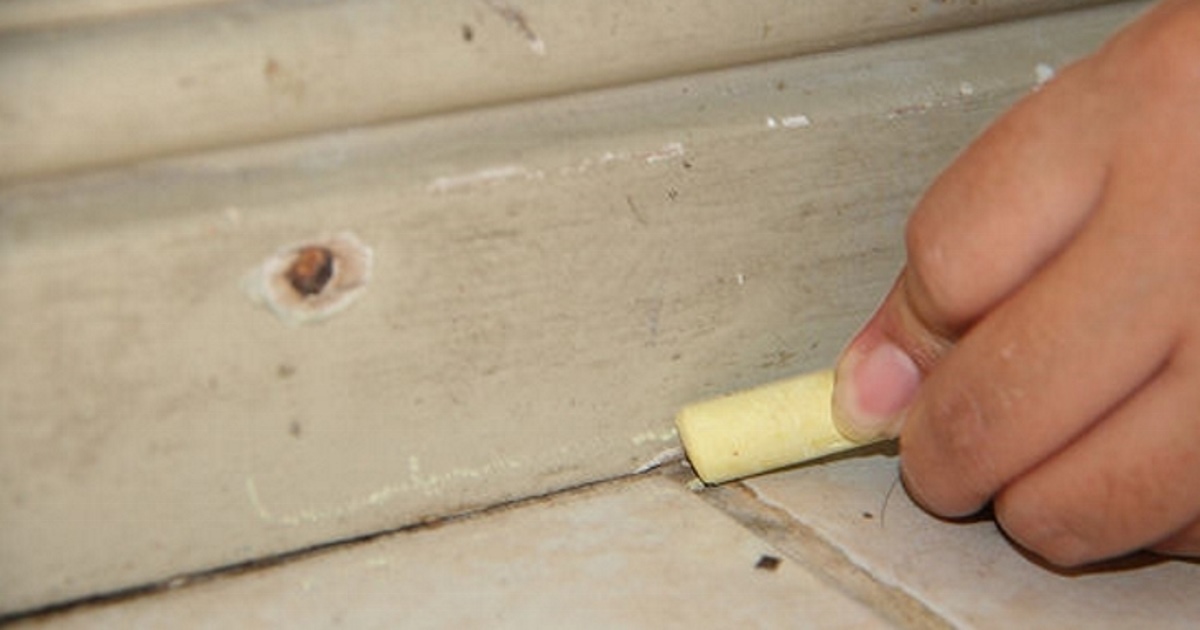
When choosing chemical treatments, remember to ensure your own safety: wear protective gloves and a respirator when handling toxic substances. Unless the instructions state that the chosen product is safe for mammals, restrict access to the area or premises for people and pets.
Traditional methods
Traditional methods of control usually include products that are made using ingredients that are harmless to humans and pets. It is worth considering that it is almost impossible to completely destroy ants using folk remedies. Therefore, in some cases, experts recommend combining methods of influence.
However, in garden plots, for example, where a few worker insects won't cause a nuisance, and the safety of those relaxing and the harvest is a priority, folk remedies are ideal. Moreover, they are usually very easy to use and require virtually no expense.
To combat ants using folk methods the following are used:
- Boiling water. This method is simple, yet completely environmentally friendly and quite effective: at sunset, when all the ants are already in the nest, pour boiling water over the entrances to the anthill.
Treatment with boiling water will require repeated treatment, as ants are capable of transferring their offspring to other areas of the anthill.
- Herbal infusions with a pungent odor. The recipe is based on ants' intolerance to strong odors: if you pour a fragrant liquid over an anthill, its inhabitants will be forced to find another place to live.
To prepare a fragrant decoction, you can use not only herbs, but also coniferous concentrates
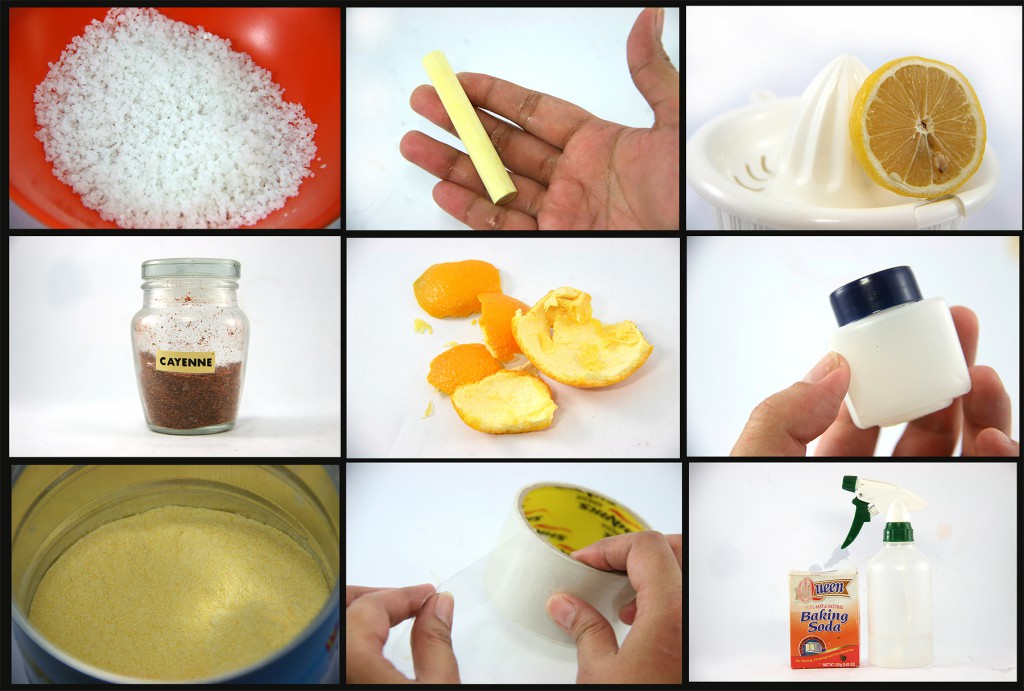
- Baking soda or ash. Ant nests and ant congregation areas are sprinkled with these substances.
In addition to killing pests, ash and soda on the site have a beneficial effect on the soil
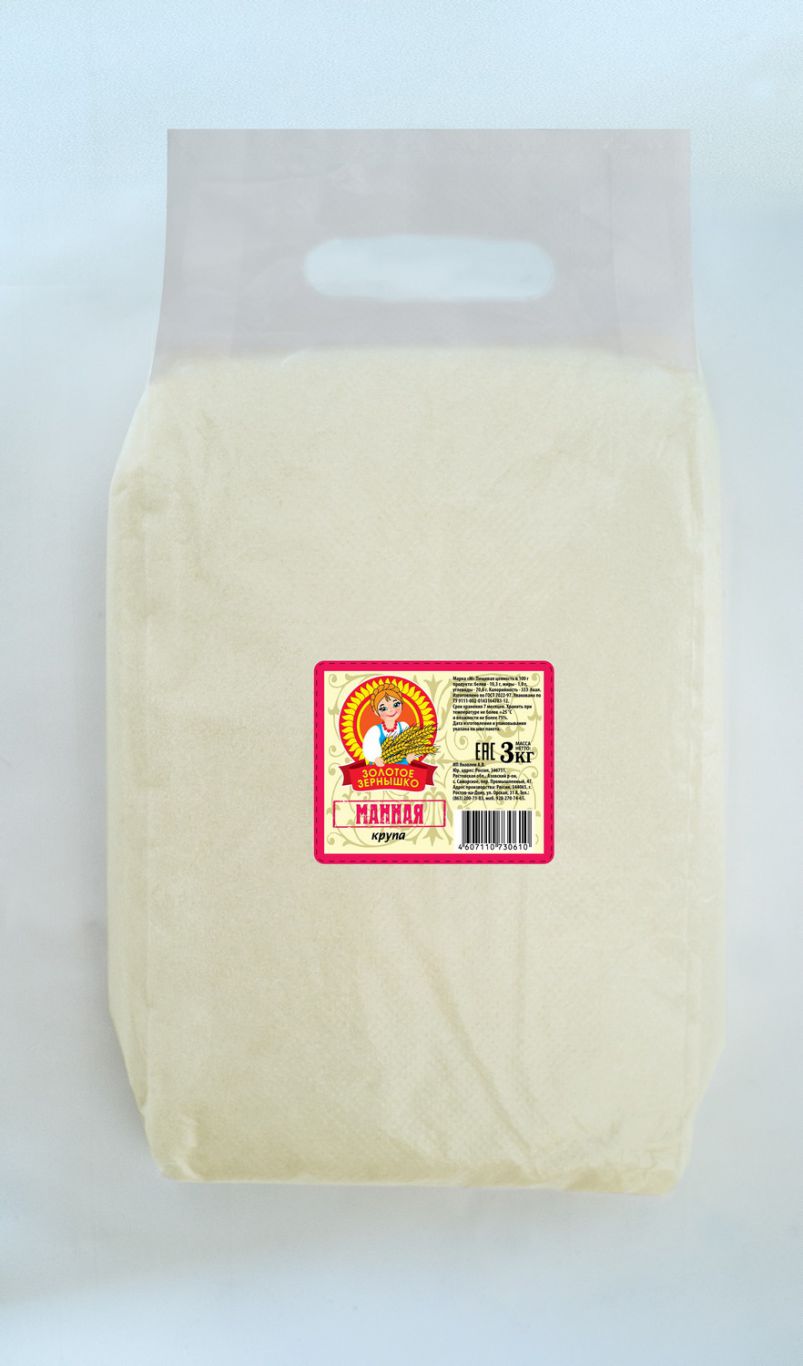
- Some types of groceries: potato starch, corn or wheat flour, semolina, ground rice. This clever recipe relies on the food repeatedly swelling when it enters the ant's stomach. As a result, not only the adult insects die, but also the larvae, which are fed on such food.
Any quality grocery will do, even with an expired shelf life, but if the nest is large, you may need about 3 kg of product.
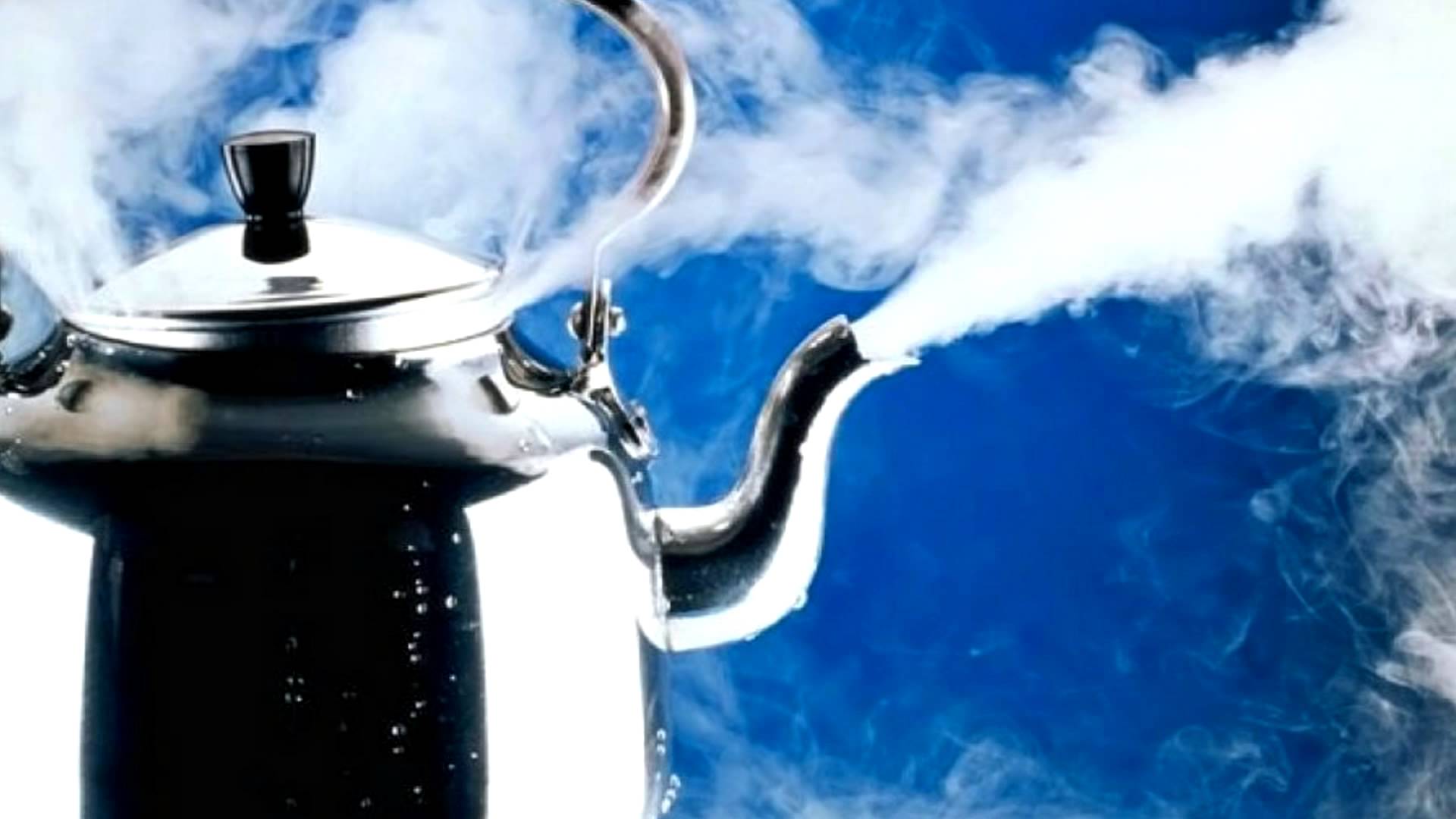
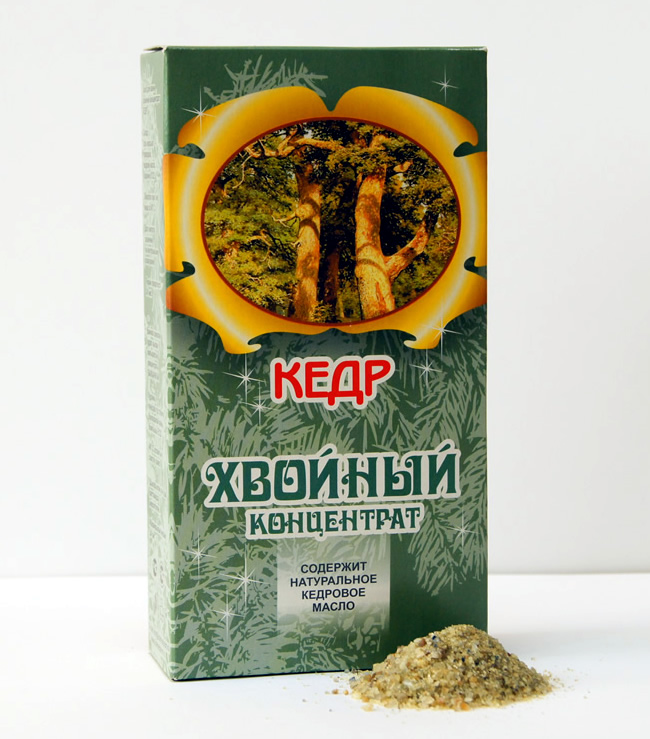
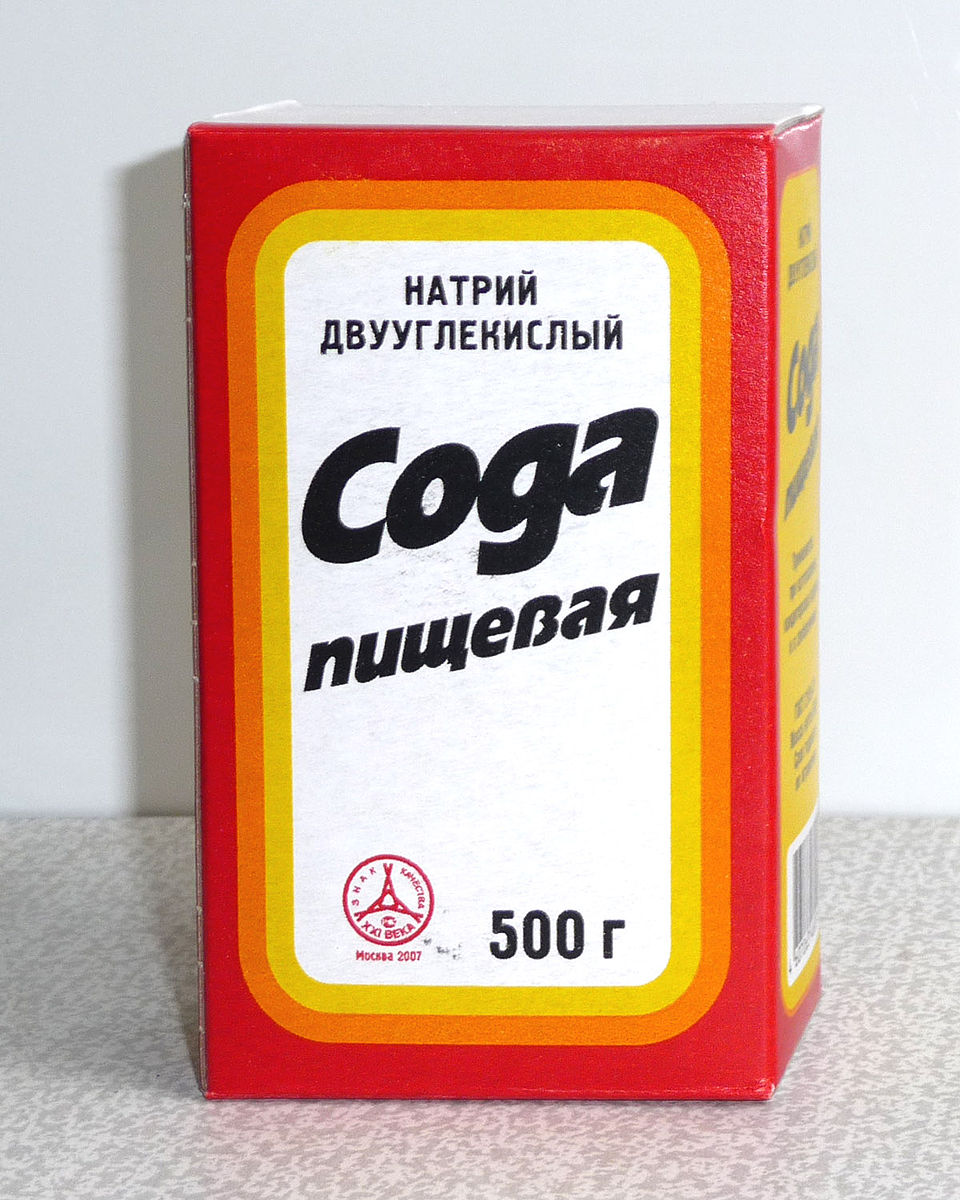
Most folk remedies don't cause allergies in those who use them and don't even require special protective equipment. However, to enhance and maintain the effect, they will need to be used repeatedly.
Mechanical barriers
Most often, such barriers are used by owners as preventative and prophylactic methods. They also work well in combination with other methods. Ant barriers can come in a wide variety of types, but they all work on the same principle. An ant is physically unable to overcome such an obstacle.
The most common types of mechanical barriers include:
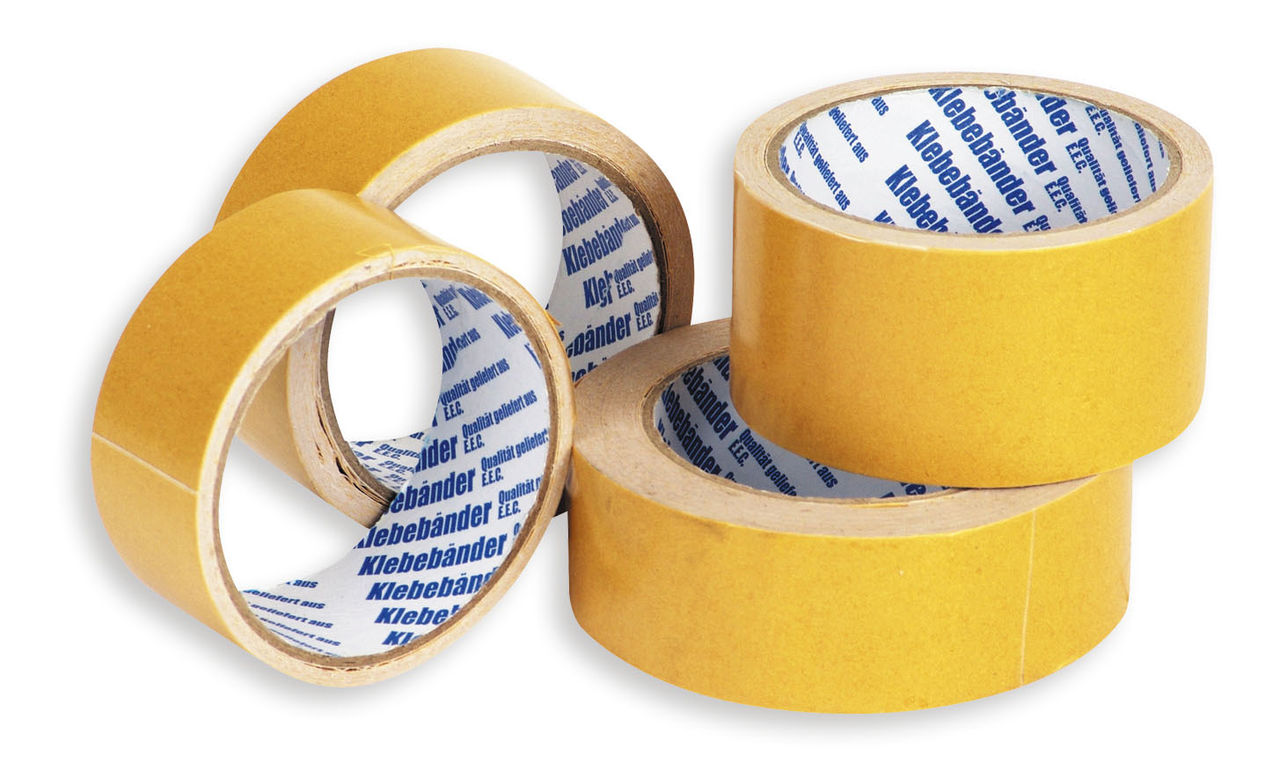
- Adhesive tapes. Store-bought or homemade from scrap materials.
To create a sticky barrier against ants, it is important that the adhesive base is strong enough.
- Paths made of spices or other odorous substances that are harmless to people and animals.
To create a protective barrier using aromas, a continuous path 0.5 cm wide is enough
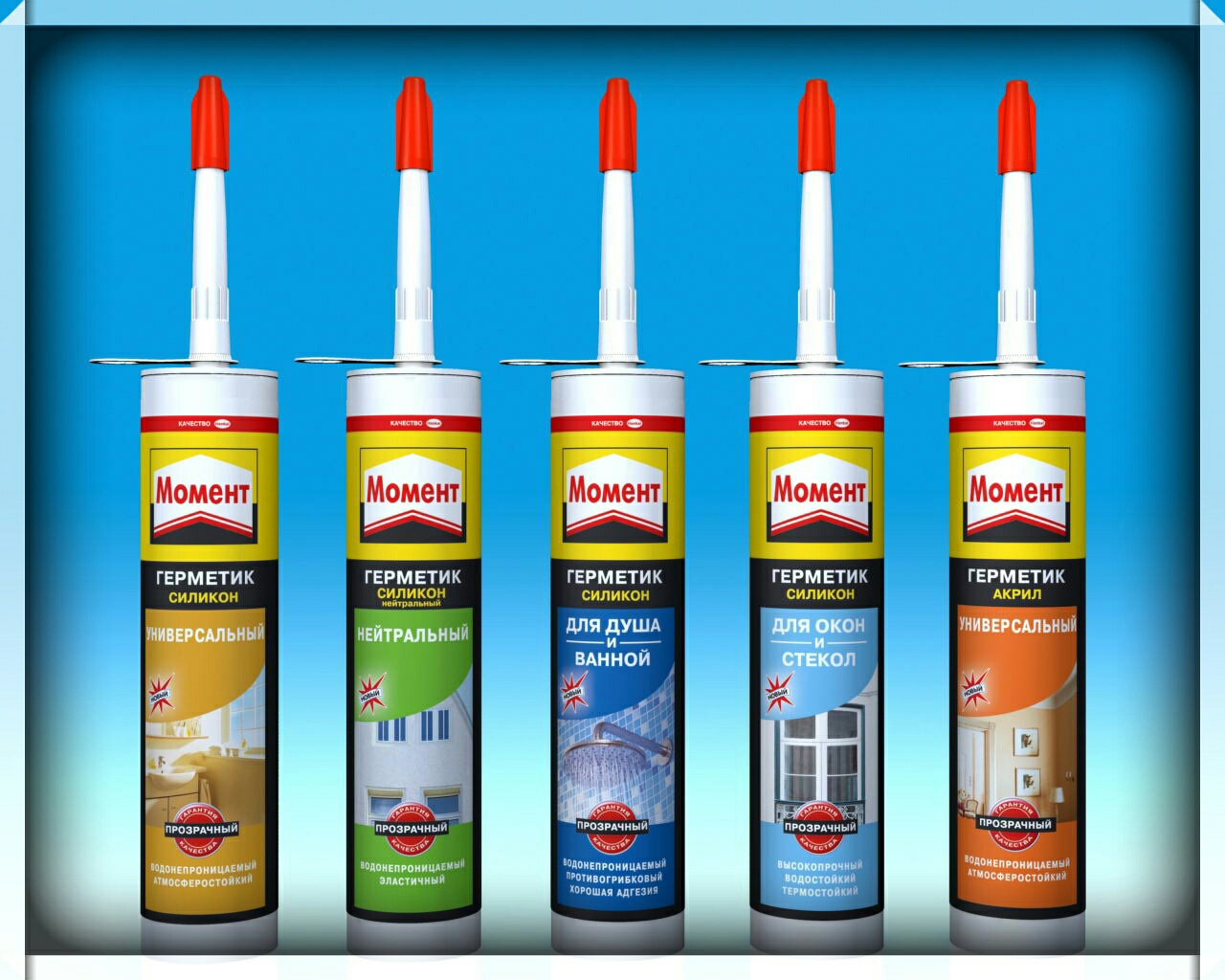
- Experienced owners protect themselves from ants by sealing their premises.
If there are no cracks or crevices in the room, ants will not be able to get inside.
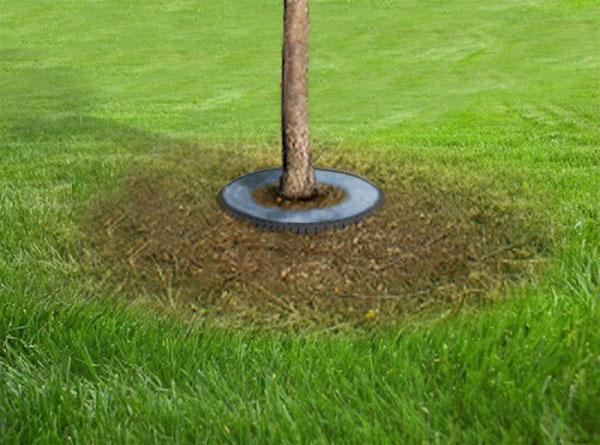
- Experienced gardeners use water barriers and protective belts for trees in their plots.
To protect against ants with the help of water barriers, craftsmen use old tires

Mechanical barriers are difficult to significantly reduce ant populations. Barriers are best used to secure specific objects and to prevent ants from appearing indoors.
Traps
Depending on the type, traps are used to destroy the entire ant population or to capture adult insects.
The undeniable advantages of traps include accessibility, effectiveness, and safety when used correctly. A drawback to using this method is the delayed effect when controlling an entire colony. This is because some traps are designed to delay the immediate death of the insect, which then carries the disease back to the nest. This way, the destruction of ants at all stages of development is achieved.
Ant traps come in the following types:
- Adhesive traps. Homemade or store-bought, these traps contain a sticky substance and bait to attract ants.
It is worth considering that glue traps are aimed at destroying worker ants, but the queen ant and her offspring cannot be destroyed by this means.
- Electric. Instantly kill attracted adult insects with an electric shock.
An electric trap is usually designed for larger pest species, but it also kills ants.
- Poisonous traps. Unlike the first two types of traps, these have a delayed effect. An ant trapped in such a trap carries the poison back to the nest, where it can infect all other inhabitants, including the queen ant.
The bait in the poison trap has a pleasant smell for ants.
- Homemade. Usually made from plastic containers, which are easy for ants to enter and impossible to escape. They are designed to mechanically destroy adult ants.
Depending on the composition of the bait, a homemade bottle trap can be used against both ants and other pests.
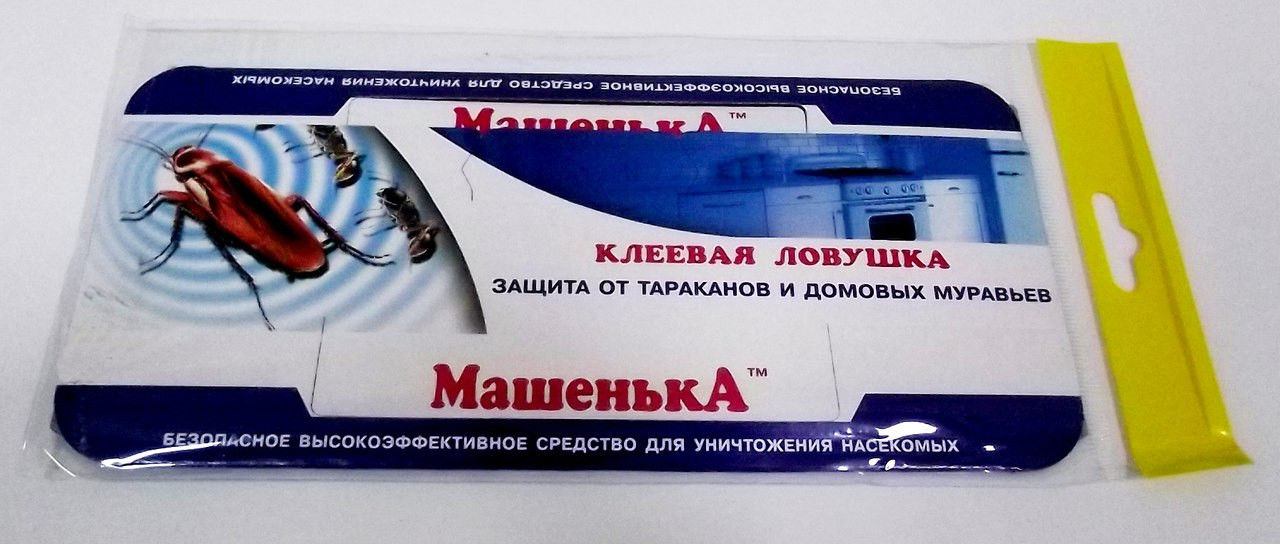
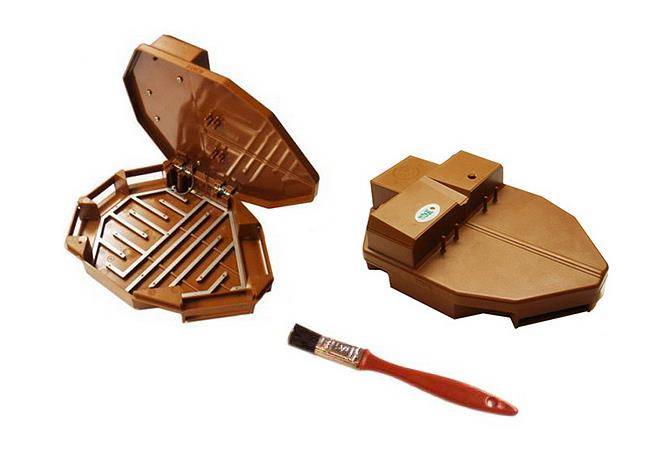
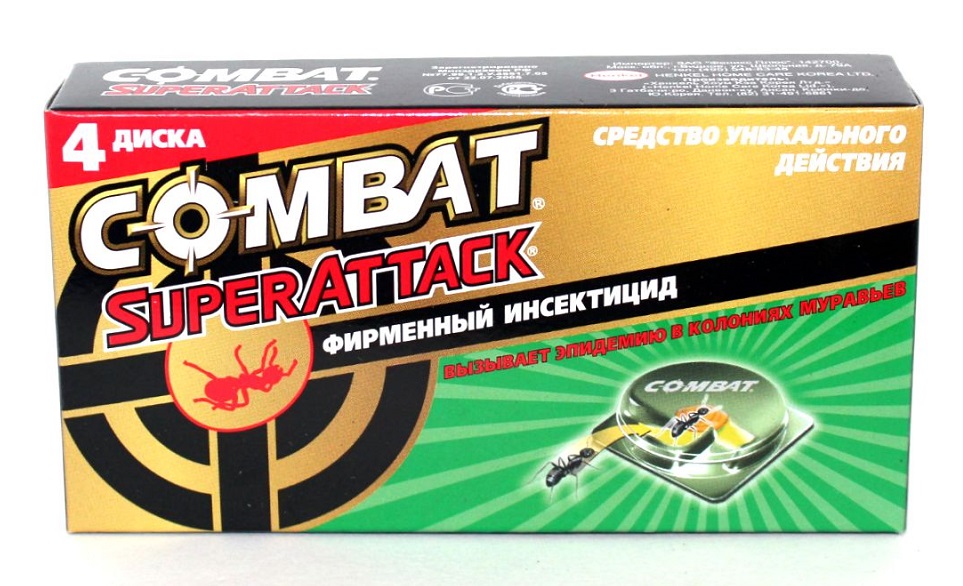
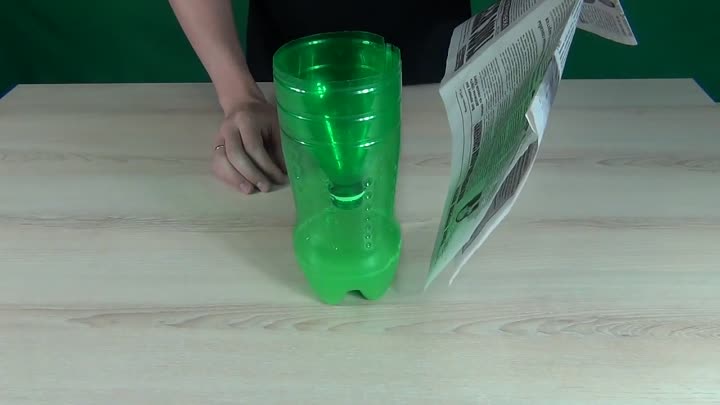
Traps are great for killing ants in an apartment, but they're not very effective in a garden. Even if you destroy an entire nest, expect a new one to appear nearby after a while.
Ultrasonic repellers
Ant control using ultrasound is a relatively new method, with both ardent opponents and staunch supporters. Manufacturers promise that the device will repel all ants within a specified radius as soon as it's turned on, without affecting people or pets.
Experience shows that this is not always the case. In most cases, it turns out that the lack of effect is due to improper use of the ultrasonic repeller. However, due to the rather expensive price, few people decide to repeat the experiment. Furthermore, most devices are recommended to be used for no more than three months.
Ultrasonic repellents are classified according to:
- Operating radius. Devices with a minimal coverage area are suitable for apartments and indoor spaces. More powerful models are used for gardens and suburban areas.
Models with a short range are usually more compact and have a nice design.
- Power type. Ultrasonic repellers for home use are typically powered by an AC power source. Mobile versions are battery-powered or rechargeable. Devices with a combination of these power types also exist.
Professional models designed for large areas are usually equipped with powerful batteries and have several operating modes.
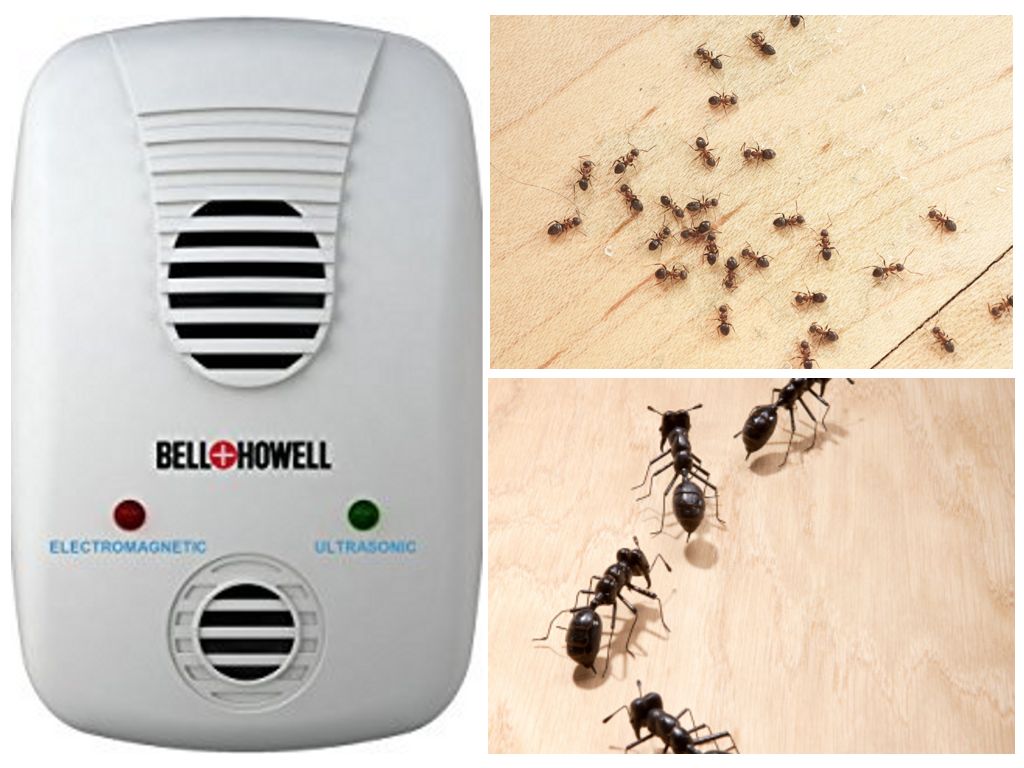
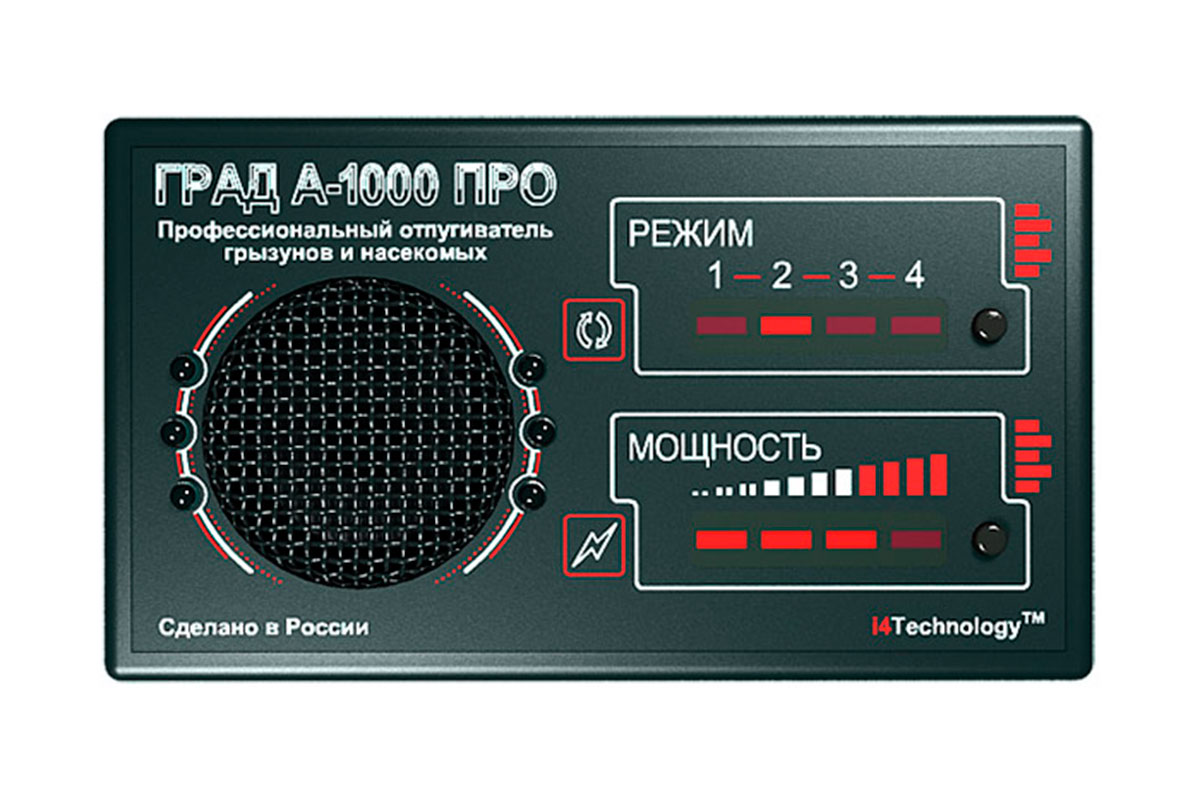
Some devices use ultrasound to repel not only ants, but also other pests.
Biological methods
Biological methods are typically used to repel ants from garden plots. However, planting aromatic plants, for example, can also be used to prevent ants from appearing in an apartment.
The positive aspects of biological methods include complete safety and an unlimited range of action. The disadvantages of this method include possible low effectiveness if the population has developed a tolerance to the specific chosen agent.
Biological methods of ant control include:
- Agrotechnical techniques: loosening and deep digging of the soil, removing debris from the area and partial replacement of the soil before planting.
Ants cannot build nests and reproduce if they are constantly disturbed.
- Planting plants with strong odors. Ants cannot survive in environments with strong odors.
Valerian, tansy, mint, tomatoes and allspice are good for ants.
- Cleaning plants of aphids. If you eliminate this pest from your plot, the ants will go away.
By depriving ants of the honeydew secreted by aphids, you will force them to seek other areas to live.
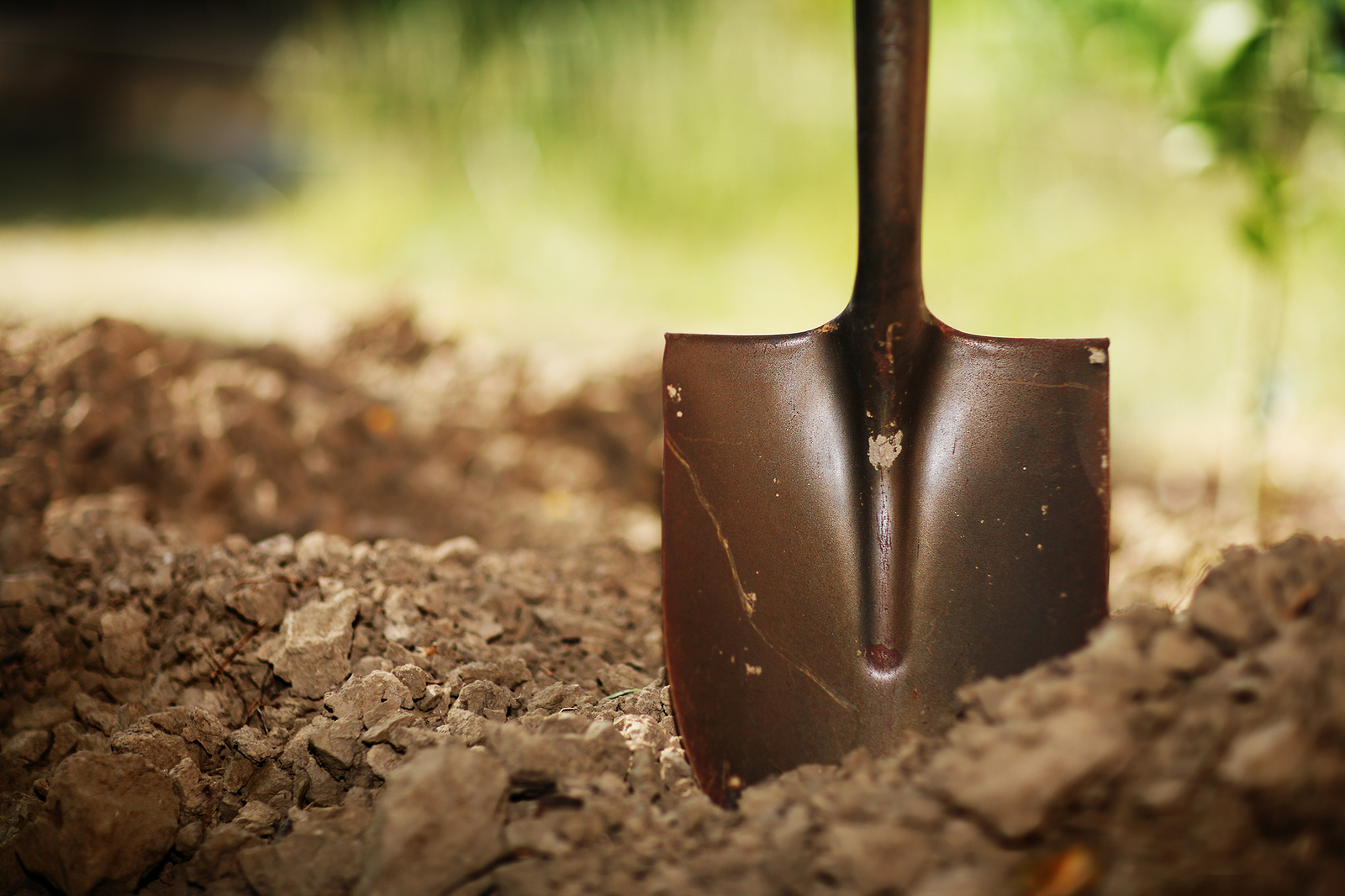
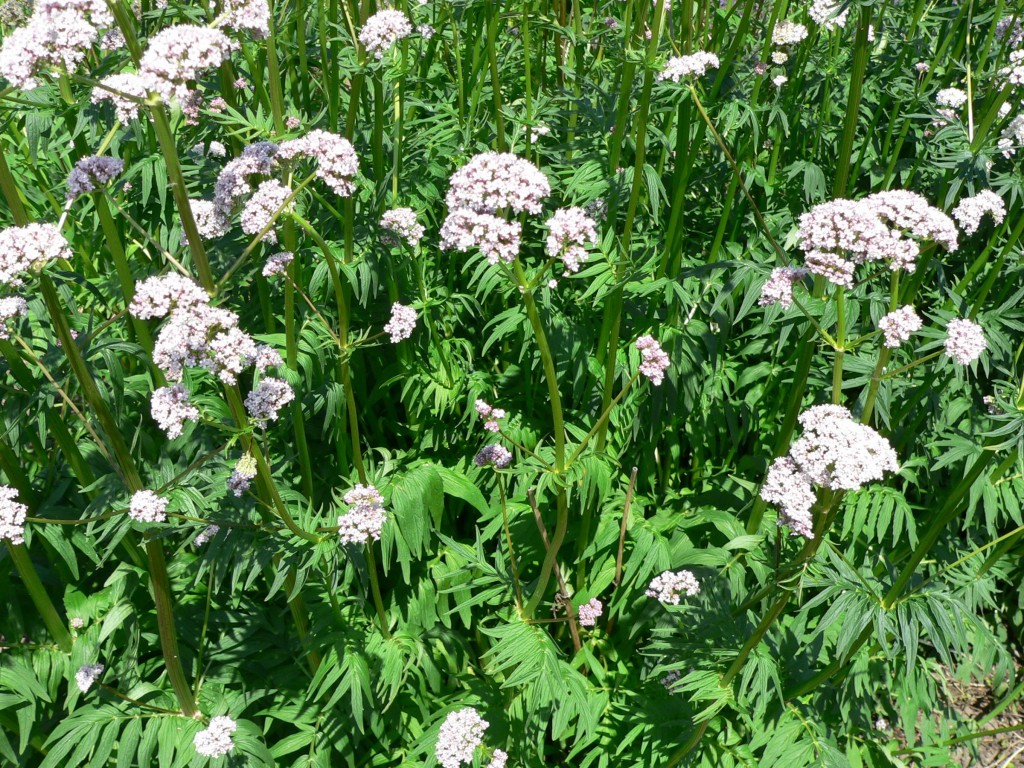
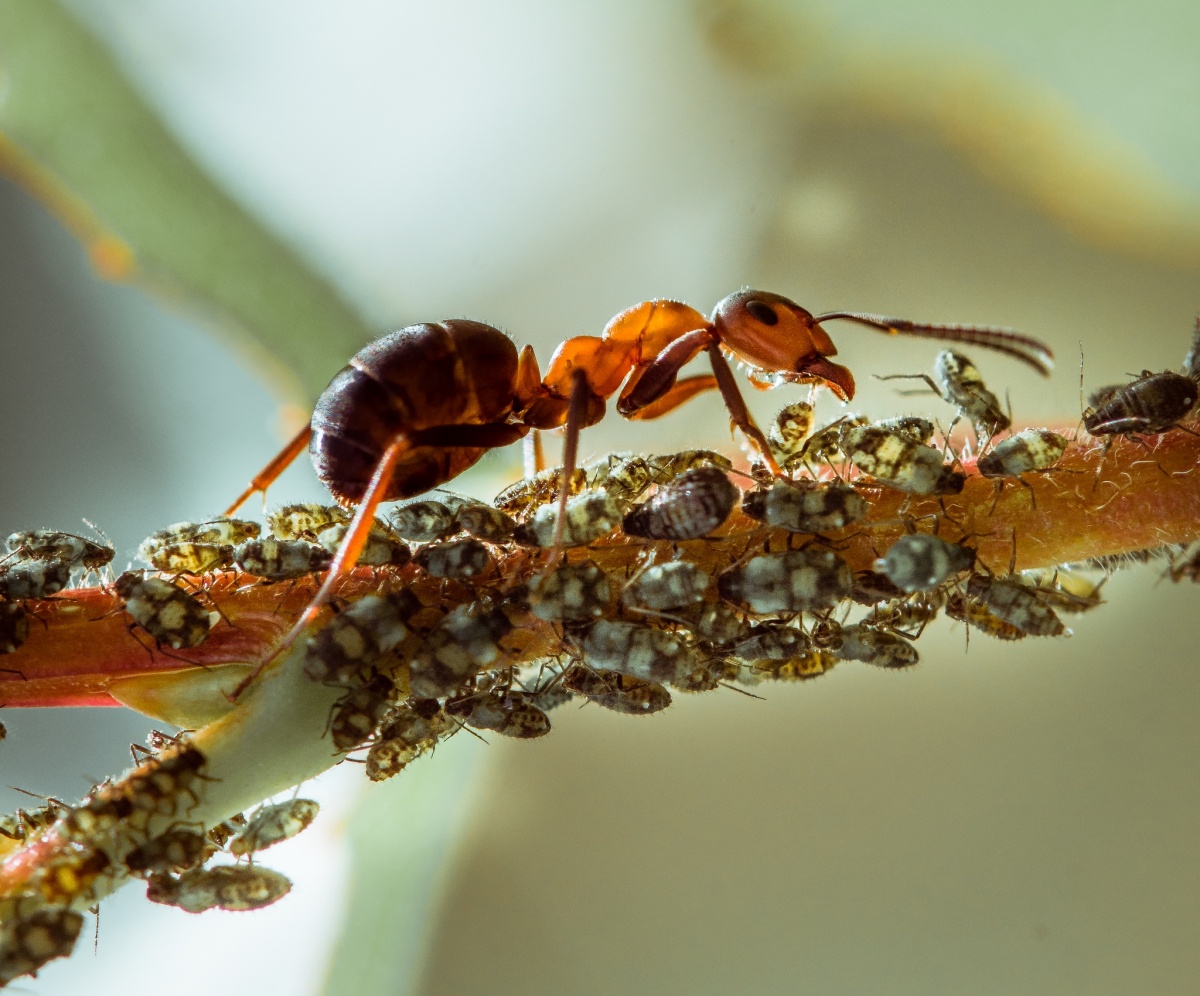
In addition to controlling ants, biological methods are aimed at benefiting the entire garden plot.
Having considered the main methods of fighting ants, we can conclude that when choosing a remedy, the location where the uninvited guests have settled is of primary importance. Getting rid of ants in an apartment and destroying them in a suburban area have a number of significant differences.
Features of ant control in a summer cottage
In open areas - in gardens and vegetable plots - garden ants cause harm to the farm. In our latitudes, the term "garden ant" encompasses several species of insects that can cause significant damage to future crops..
When choosing the right methods for controlling garden ants, there are several factors to consider:
- Completely eradicating ants alone in the open air is impossible. Chemicals also kill other insect species, which can disrupt the ecological balance of the area.
- If preventative measures aren't taken, exposed areas will need to be re-treated after a while. Ants constantly send out scouts, and as soon as conditions become favorable, nests will reappear.
- In small numbers, ants in a garden plot do more good than harm.
- It is important that the remedy chosen to combat ants does not cause more damage to the crop than the pests themselves.
- The methods chosen must be effective outdoors.
Photo gallery: ant species in the garden (garden ants)
-
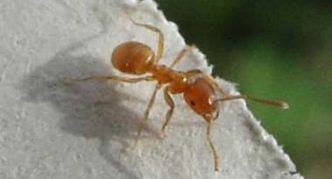
- The yellow garden ant or earthen ant can damage plant roots and feeds on sweet berries and fruits.
-
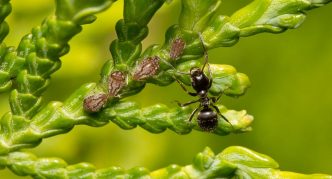
- The black garden ant breeds aphids and worms on the site, and is capable of reaching plant seeds and completely gnawing them.
-
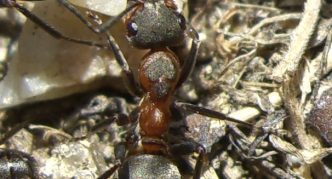
- The meadow ant protects the territory from other ants, preventing them from destroying pests, breeding aphids, and damaging the fruits of plants.
-
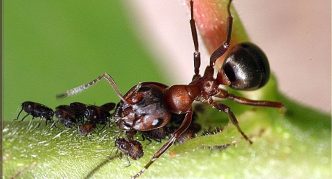
- The red wood ant spreads aphids and eats flowers and ovaries of shrubs and trees.
How to control ants in your home or apartment
Unlike garden plots, where ants can bring some benefit, pests in the house must be destroyed immediately.
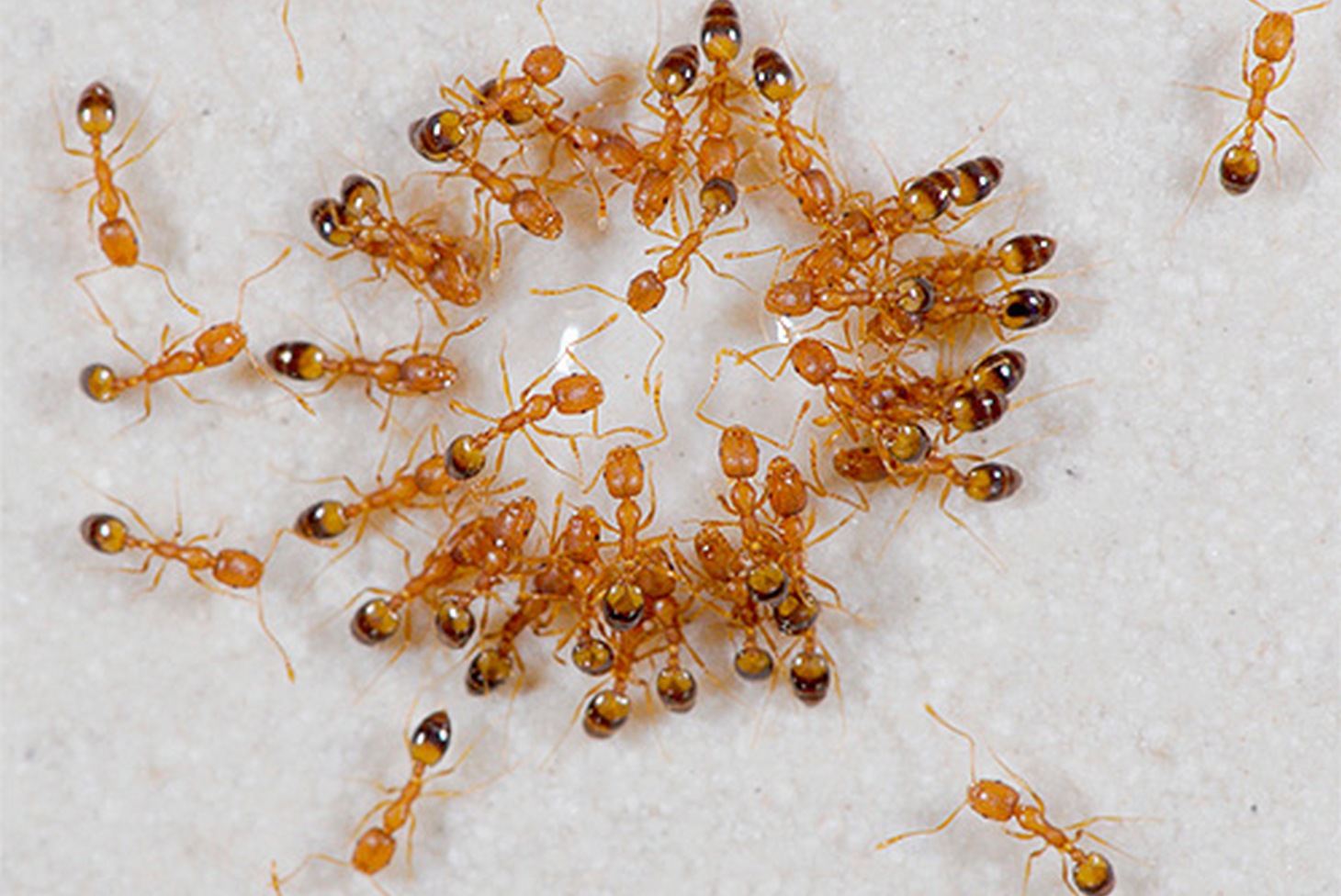
Usually, house ants, also known as pharaoh ants or ship ants, appear in apartments.
Measures must be taken as soon as the first insect is noticed. If you miss the time, the ants will build a nest, and getting rid of them will be much more difficult.
Another difference from garden ants, which attack suburban areas during warmer months, is that house ants are capable of entering homes year-round.
If for some reason time is lost, methods of fighting domestic ants are usually chosen taking into account the following factors:
- The degree of contamination of the premises.
- The presence of children and animals in the house, people prone to allergies.
- The effectiveness of the product.
- Availability.
In confined spaces, not all methods can be combined. For example, bait traps and deterrent traps will be ineffective in the same room.
Before treating your home for ants, experts recommend doing a general cleaning. Once the population has been destroyed, preventative measures should be taken to prevent the pests from reappearing.
Video: How to get rid of ants in your apartment
https://youtube.com/watch?v=lDzv6p3oWzo
User reviews
Green Belt "Muravin" is an effective remedy for fighting black garden ants.
Advantages: effective, inexpensive.
Disadvantages: chemistry.
This year, it's been very dry, and we've been plagued by black garden ants. They're everywhere: in the garden beds, in the flowerbeds, and on the fruit trees. The infestation is truly terrifying, and we're using all the methods we know to fight them. A very inexpensive product called Murav'in works well. It's sold in powder form. Now these sneaky, ubiquitous ants have even gotten to my roses, but we immediately sprinkled some powder on them, and they're no longer so happy. I highly recommend this product for fighting garden ants. It costs only 9 rubles. Thank you all for reading my review. I hope it was helpful. I wish you a peaceful life without these ubiquitous insects, and happy shopping. Sincerely, Elena.
Combat Superattack Ant Traps – It's that simple!
Pros: Inexpensive, helps get rid of ants
Disadvantages: dangerous for animals
I've been fighting ants for about three months now. I've tried ant chalk and gels with an attractive apricot scent, but nothing has worked. Then I came across this product. I'd already prepared myself for the possibility that this product might not work, but it turns out it was actually effective. The package contains four baits, two of which are sealed in a plastic bag. I placed one in each room, including the kitchen (I placed another one between the bathroom and toilet). If the rooms are large, you can place two baits per room. I didn't expect immediate results; I only started paying attention after a week. The ant count actually decreased; I only encountered two or three in the entire week. Two weeks later, I encountered one in the bathroom. Five days have passed, and so far I've only encountered one. The manufacturer promises similar results within three months. I hope they won't bother me anymore.
Combat Superattack Ant Traps Are Useless
Advantages: I didn’t find any
Disadvantages: Wasted money and a problem that remains
I'm plagued by red ants. They can only be eliminated by killing the queen, who could be anywhere along with the nest. Most ant repellents kill them on the spot without harming the queen. Combat Superattack promises to gradually kill worker ants. The box states the following: 1. An ant crawls into a bait disk. 2. The ant carries particles of the bait back to the nest. 3. The ant feeds the bait to the queen and other ants, which leads to an infestation and the death of the colony. I bought traps hoping to get rid of this scourge. I followed the instructions: I placed the traps along the ant trails. The manufacturer claims the bait contains ingredients that are attractive to ants. I don't know who determines the attractiveness of ants' food, but they absolutely refused to crawl into the traps. They changed their route slightly, going around the disk, and continued on with their business.
Combat Superattack Ant Traps - Significantly fewer ants,
Advantages: The effect is achieved quite quickly
Cons: It could be a little cheaper...
Summer has arrived, and ant problems in the garden have returned. Last year, I successfully fought them, as I've written about many times. This year, I decided to try Combat Superattack Ant Traps. I placed them under the plum tree and peppers, the most problematic areas at the moment. Small black ants are prevalent on the plum tree, while red ants are prevalent in the peppers. The result: I haven't seen any red ants yet; it seems they've found the bait in the traps to their liking for a while, having eaten and fed their family. The swarms on the plum tree have significantly diminished, and there are no aphids yet. Based on indirect signs, namely the absence of aphids, which the ants feed on, I also believe the traps are working. I don't expect this effect to last all summer, so I'll set out fresh traps soon. Overall, I'm pleased with the results, as neither I nor the plum tree had any peace from aphids and ants all summer long. The young shoots even became twisted by the end of the summer from their infestation. The only thing I had to do was cover the traps to avoid the rain and press them down a bit to protect them from the wind. And about the price: a pack of 4 traps costs 230 rubles. A bit pricey.
Repelling with oil.
Advantages: Effective repellency, immediate action. Humane method: ants don't die, but leave.
Disadvantages: Perhaps the only possibility is that it might stain your clothes.
Ants are very sensitive to odors. They really dislike the smell of oil. This can be beneficial for both them and us. Sometimes they start to penetrate our homes and climb onto the table. Obviously, the first step is to keep everything clean. Don't allow crumbs to appear on the table and floor. A very effective remedy is to draw with Mashenka chalk in places out of reach of children. Behind the gas stove and behind kitchen cabinets. Children can't reach them there, and that's where the ants hide. This is especially true for those who live in high-rise buildings, as there's nowhere to drive them out.
It takes a few days for all the ants to die off. This is when oil comes in handy. If they continue to crawl even on a perfectly clean table, wiped several times (this is usually the case), apply a couple of drops of oil to a sponge and coat the surface and legs in a thin layer. The ants won't crawl for two or three hours, but you'll still be able to have a normal lunch. Sunflower oil is a good choice here, as everyone has it in their kitchen. Moreover, the less refined it is, the longer it will last. In the 90s, we used mustard oil—it was cheaper and more readily available back then, and it worked great, lasting longer than sunflower oil.
They say ants are beneficial to trees because they keep pests away. Maybe they are, but certainly not at the dacha. Anyone who grows peach trees probably knows what milkweed aphids are. Dwarf trees are especially susceptible to them. The aphids suck the sap from the leaves, causing them to bubble, curl, turn red, and fall off. Without care, dwarf peach trees can lose all their leaves, leaving only the fruit, which can't ripen in such conditions. The trees suffer greatly, their branches drying up. We found ourselves in such conditions at our dacha, and that was 25 years ago. Back then, there weren't enough good books, and there was no internet at all. We simply didn't know where these aphids came from. There was a large anthill near the tree. Even when we got our dacha, we didn't get rid of it; everyone believed that ants were beneficial... that's what they taught us at school.
So we waited for the aphids to be eaten, a long wait. We tried to use aphid poison as a last resort, and even then, it only worked until the first rain, and there were few effective remedies available. Folk remedies, like ash, were a waste of time. In desperation, we tore off the infected leaves. So I tried placing a leaf with aphids in the anthill. To my surprise, they didn't sound the alarm, didn't run around, didn't fuss. Only occasionally did they come up, pick up an aphid, and carry it... but not to their burrows. I started watching—the side of the tree. Aha, I see, that's how it all came to light. In a few minutes, using improvised means, I built what I call a "trap," or more accurately, an ant "repellent" for the tree. All I found was a piece of paper, some old magnetic tape (instead of rope), and a bottle of used motor oil. I cut a long strip of paper, 3 centimeters wide, folded it in half lengthwise, and tied it tightly to the tree trunk at the fold. The bottom of the paper lay flat against the trunk, while the top part came loose. I poured oil onto this top part, wondering if the waste oil was dirty and might somehow affect the trunk, and stain the lime. I sat there, watching to see what would happen. I didn't have to wait long; two ants descended from above.
They ran quickly along their tracks, stopping abruptly before the strip. The oil had soaked into the paper, they couldn't stick; it was clear they were afraid of the smell like fire. They looked around and jumped into the grass. They were running from below: they approached, circled around, and then left, not climbing through the strip. I tore off the leaves with the aphids, but they didn't reappear. I placed a rag soaked in oil on the anthill. The ants moved it outside the plot. Everyone was happy, the trees were saved, and there was no need to kill the ants. Poisoning the plot was useless, ruining the soil, and they wouldn't all die out; the remaining ones would start another anthill. Let them live in the forest; that's their home.
Taiga Ant Gel - It Works
Pros: It helped and it wasn't expensive.
Disadvantages: None found
Recently, ants have been appearing in our apartment building. The most interesting thing is that we've never seen them in the seven years we've lived there. It's also a strange coincidence that they appeared just as a notice was posted all over the building, specifically on every floor, stating that a certain organization is exterminating ants. [The text appears to be incomplete and likely a mistranslation.] I don't think they cause any significant harm, but our cat was afraid of them when they stole her food. We decided to buy this gel and sprinkled it everywhere we'd seen them, including in every corner and throughout the apartment. We left it there for two days. A week later, they were gone, perhaps they'd gone to the neighbors' (they weren't found dead).
Taiga Ant Gel - Dummy Gel.
Advantages: I didn’t find any.
Disadvantages: Does not work.
Hello, today I want to write about the Taiga ant repellent. I bought it to get rid of these insects in the bathhouse, and because I was in a hurry, I grabbed the first product I found. I spread the gel along the paths the ants had taken, in a few other places, and even outside. The next day, I discovered the ants hadn't touched the gel. I waited another three or four days, but there was no result! Meanwhile, the ants themselves had become numerous. I had to urgently search for not just a product, but an effective weapon against these pests. The purchase was not only disappointing but also emotionally damaging. I got rid of the ants two days later by buying a proper product.
The problem can only be solved if the entire building works together to kill the ants. My parents live in a nine-story building (10 entrances), and the problem was solved when everyone in the building was given a special poison! This should be handled by the homeowners' association, or the board chairperson, or the building manager. At the very least, file a complaint with the sanitary and epidemiological service! We haven't had any ants for years, and while we were trying to fight them ourselves, nothing worked!
Universal ultrasonic stationary repeller Electronic labyrinth DX-610 - really repels ants Advantages: no ants
Disadvantages: I didn’t find any
When insects appear in your home, it's a disaster, and a tough battle begins. When ants first appeared in our apartment, I didn't know where they had suddenly appeared, so I started using various remedies and information from various sources (mostly the internet). I also learned about an ultrasonic device that doesn't harm people but is effective against insects (cockroaches, ants), as well as mice and rats. It repels them. And indeed, after using it for the first 1-2 months, the ants no longer appear. The device is plugged into an outlet, turned on, and produces a very subtle ticking sound, but it's not annoying.
The DX-610 Universal Ultrasonic Stationary Repeller is Complete Nonsense
Advantages: none
Disadvantages: Doesn't do its job
Don't fall for this nonsense. I bought it for 1,500 rubles including shipping. It was left plugged in for two months, and the results were zero. The ants are still running around, even all over it. It makes such a loud ticking noise that it makes you want to run away from home. It's not worth buying.
Ant Repellent "Fas-Double" - I thought I was protected from them, but no, THEY showed up...
Pros: It probably helped after all.
Disadvantages: Use with care
On the 13th floor! I waited a long time to move into my long-awaited apartment. Imagine my happiness when I finally got to live separately from my parents with my (still small) family. Everything was going great, nothing foreshadowed trouble. But one day I saw a red ant. I thought I'd simply mistakenly turned into the wrong apartment, patted it on the head, and sent it for a long swim in the toilet. The next day, I saw what seemed to be the red ant's brother or sister. I did the same. But with each passing day, there were more and more of them. I can't even imagine where they could have come from on the thirteenth floor. I first started noticing ants on the balcony.
When we were laying the flooring on the balcony, I decided to sprinkle some poison under it. At a regular gardening store, they gave me a lifesaving ant repellent called "Fas-Double." It cost no more than 50 rubles. These days, poison is cheap, and food prices are even higher (that's the analogy I'm using). For me, the most important thing is: put on gloves and a mask, open the door, cover it, and GOOD-BYE, ants! We followed the instructions, and while we were using this chemical, we sent our daughter out for a walk with me (her mom), of course. And our dad, our savior, exterminated the ants as best he could.
The job was done, the balcony floors were covered. My life returned to normal until a certain day. The ants had moved into the holy of holies—the kitchen! I haven't seen them on the balcony since, which suggests the remedy is working. Generally, you need to take a comprehensive approach to dealing with ants and other such creatures. Hide everything, everything, everything. Spread more poison and go to the Canary Islands, for example. Why don't you let the ants die from the poison while we sunbathe? But I can't do that; I have nowhere to run, so I'll keep fighting. To be continued...
Ant remedy "Fas-Double" - A good remedy.
Advantages: effective.
Disadvantages: very toxic
I've got ants in my kitchen, and I have no idea what to do about them. I read about this product on a website. I bought it at the "Sad-Ogorod" store. I treated everything as instructed. I punched holes in the designated area, which is shown on the package. I put on rubber gloves, covered my face with a cotton-gauze bandage, and put all the food away—cups, spoons, and bowls—as detailed in the instructions on the back of the package. I thoroughly treated every place I could get to. I don't know how long it will take for any survivors to appear. I hope it won't be anytime soon. The chemical has a 24-month warranty. The production date is on the packaging. It's made here in Russia. The manufacturer's address is also listed. If you have a problem like this, which I'd rather not have, try this product.
Protecting your home and property from ants requires time and effort. But by regularly implementing preventative measures and following the suggested methods promptly, you can effectively get rid of these unwanted insects or even prevent their appearance altogether.