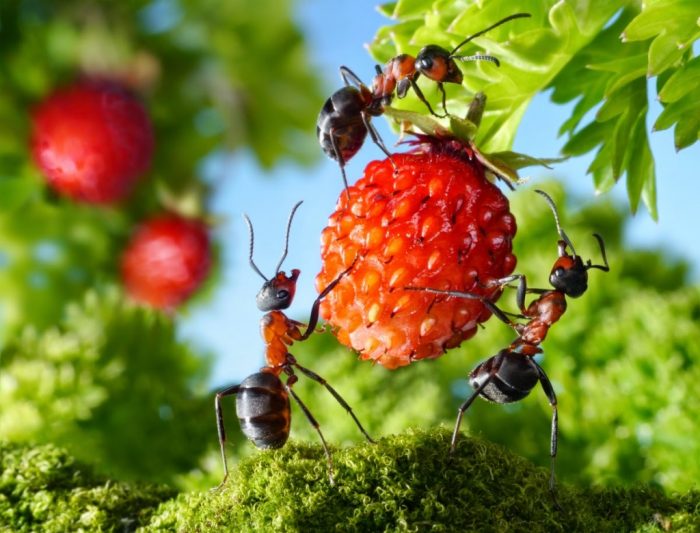
Since childhood, we've known that ants are beneficial insects, hardworking and helping people get rid of pests. But sometimes they destroy food supplies, eat plants, and spoil seeds. In such cases, it's necessary to immediately start saving your living space from garden ants.
Content
What are garden ants?
Entomologists consider these insects to be among the most advanced on the evolutionary ladder. This is evidenced by their lifestyle: they form families in social groups with a division of labor among adults. They "communicate" with each other and transmit complex information, capable of coordinating to complete a single task.
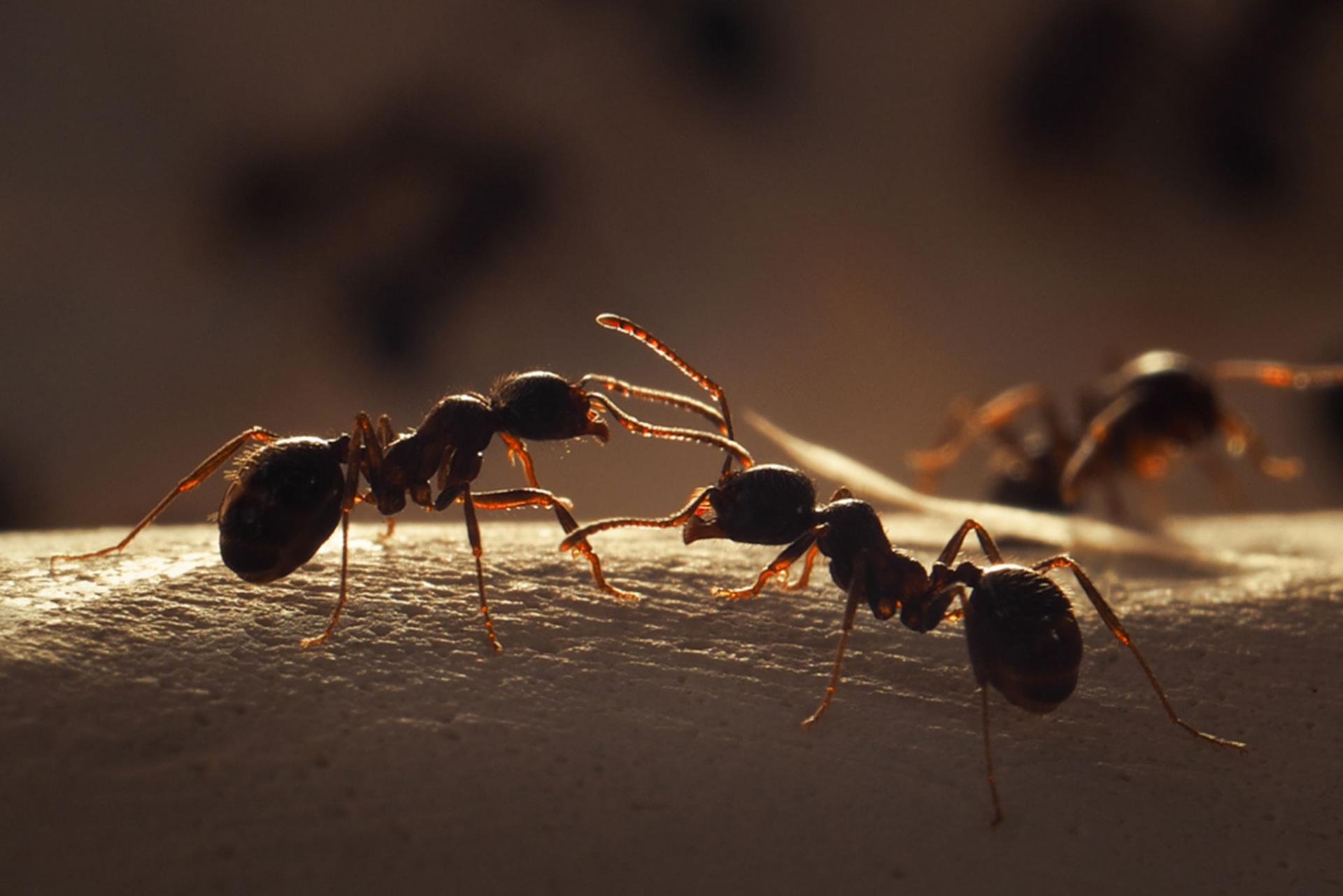
Ants are able to transmit messages to each other using a sophisticated communication system.
What do insects look like?
In our latitudes, the term "garden ant" encompasses several insect species capable of causing significant damage to gardens. They differ in appearance, feeding habits, and severity of damage:
- Red forest ant. This large insect (a worker reaches 0.9 mm in length) builds multi-tiered nests, burrowing deep into the ground and creating impressive above-ground parts of the nest from plant material. The damage to the garden plot consists of the spread and protection of aphids, a garden pest. Large colonies also eat the flowers of fruit bushes and trees, after which the yield is noticeably reduced.
- Meadow ant. Considered a closely related species to the forest ant group, but slightly larger, reaching 1.3 cm in body length. It poses a danger to garden plots due to its predilection for breeding aphids. It causes significant damage to pastures because it participates in the life cycle of a dangerous parasite: the lanceolate liver fluke. In some regions, the meadow ant is listed in the Red Book.
- Black garden ants. Workers of this species are no more than 0.5 cm long. Their black or dark brown bodies are covered with short hairs. In garden plots, these ants breed aphids and earthworms in large numbers. If they breed, they reach the seeds in the soil and devour them completely.
- The yellow garden ant is not the largest of the ants, reaching up to 0.5 cm. It does not breed aphids, but feeds on sweet berries and fruit trees. Ants build their nests underground, damaging the roots of plants.
- The house ant. A pest with many names, including the pharaoh's ant, the ship ant, and others. This species of ant was discovered during the exploration of pharaohs' tombs: the insects were seen crawling on mummies, hence its name. The worker ant's body length does not exceed 2.5 mm. Despite its tiny size, it causes considerable damage. Its diet is wide, ranging from meat and groceries to prepared meals and animal feed. Most dangerous when distributed in large numbers.
Photo Gallery: Types of Garden Ants
-
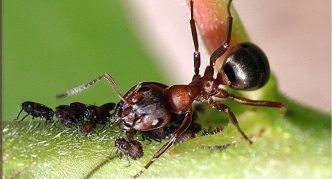
- When the red (common) forest ant reproduces in large numbers, it turns from a gardener's helper into a pest.
-
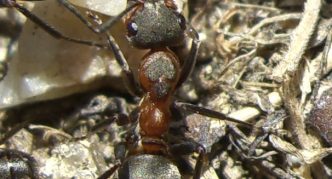
- The meadow ant protects its territory from other species of ants, preventing them from destroying insect pests.
-
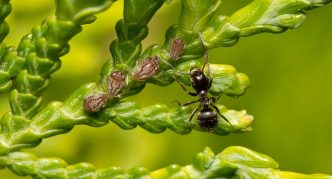
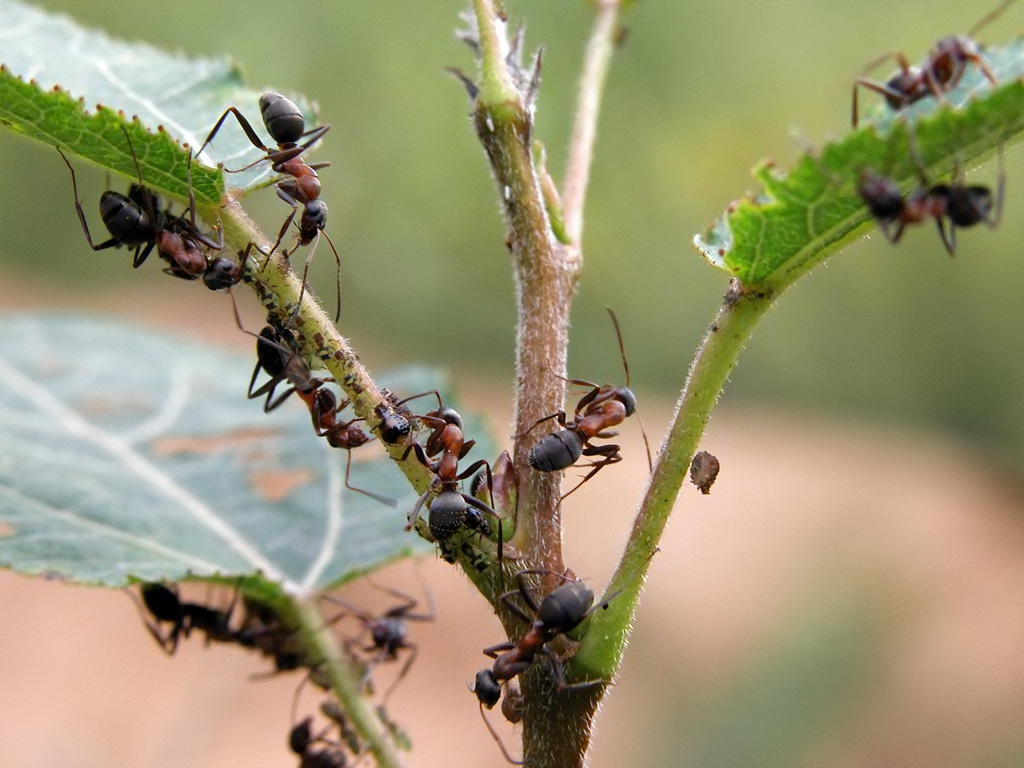
- Black garden ants breed aphids on the leaves and stems of plants, from which they feed
-
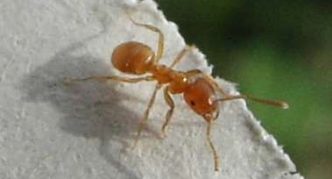
- Yellow garden ants do not breed aphids, but they still cause damage to a vegetable garden or summer cottage by feeding on plant fruits and damaging their root system.
-
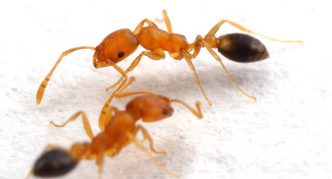
- The pharaoh ant prefers to settle in residential buildings and apartments.
The cycle of life
To manage the harm-to-benefit ratio of ants in your own property, it's important to keep their population under control. To do this, you need to understand their lifespan and how they reproduce. An ant colony consists of three castes—social groups divided by specific characteristics:
- females, whose life expectancy is up to 25 years;
- males that live only a few weeks;
- workers, whose lifespan lasts from 1 to 3 years.
Each individual goes through four stages of development:
- Egg. An ant's clutch consists of several eggs that are attached to each other: fertilized ones develop into females, the rest into males.

Ant eggs are not usually stored individually.
- Larvae. They hatch from an egg, molt 3 to 5 times, and then pupate. Since they are limited in mobility, worker ants care for them.
Ant larvae require constant care and feeding.
- Pupa. This stage is characterized by complete immobility and requires a specific temperature regime. When this regime is disrupted, worker bees drag the pupae and larvae into a more favorable part of the nest. Many species create cocoons. Often, their shells are so strong that the insects are unable to escape on their own.
Ant pupae are sometimes mistaken for ant eggs.
- An adult insect. After emerging from the cocoon, workers take over from their "nannies," beginning to care for the young. They will then begin working within the nest, after which they become foragers or guard the nest. Both males and females emerge from the cocoon with wings. They embark on a mating flight, after which they mate. For the rest of their lives, males only eat and mate, while fertilized females are capable of founding new colonies. Despite the widespread belief that ant colonies are run by a single queen, some colonies include several queens at the same time.
Males and females, which have wings, embark on a mating flight.
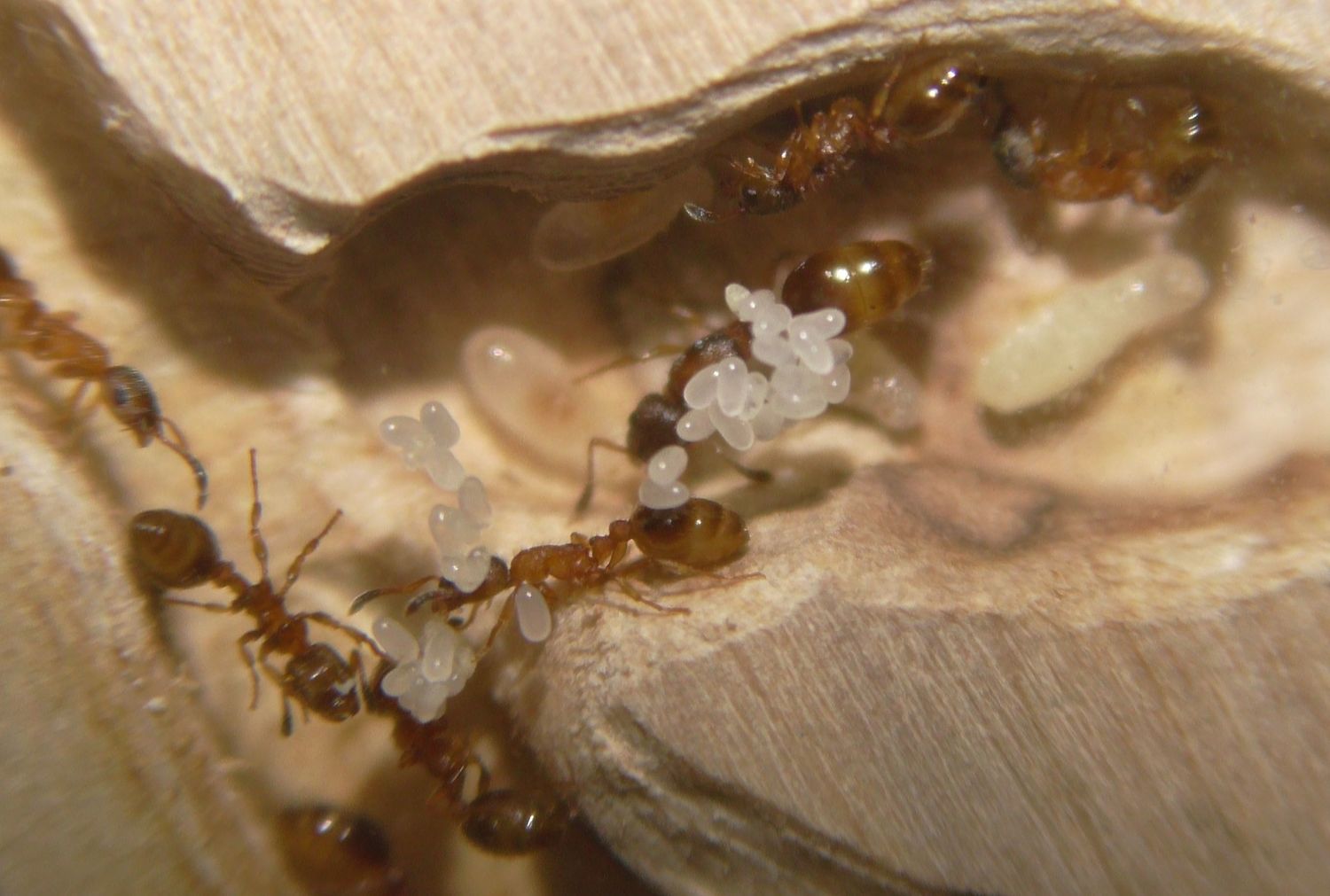
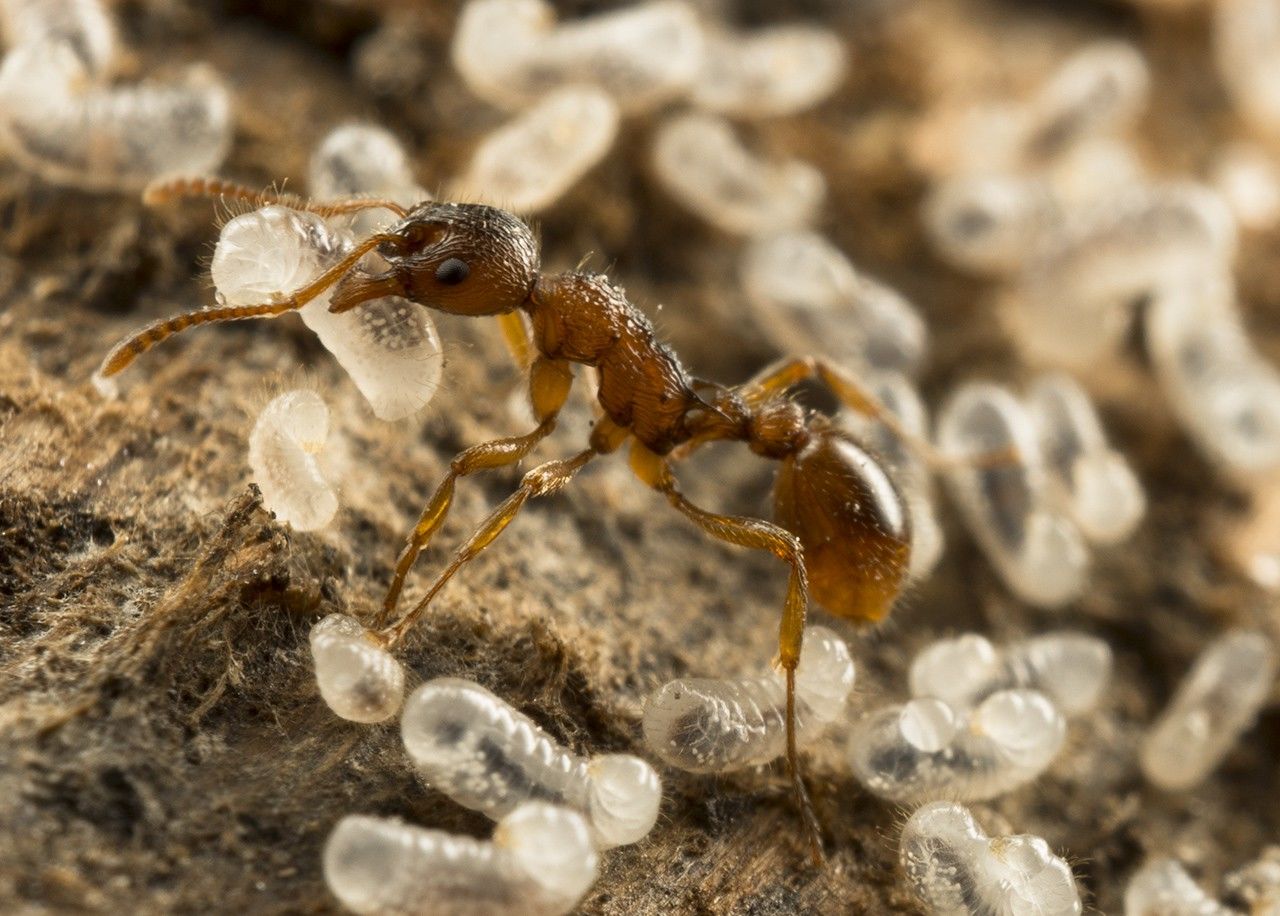
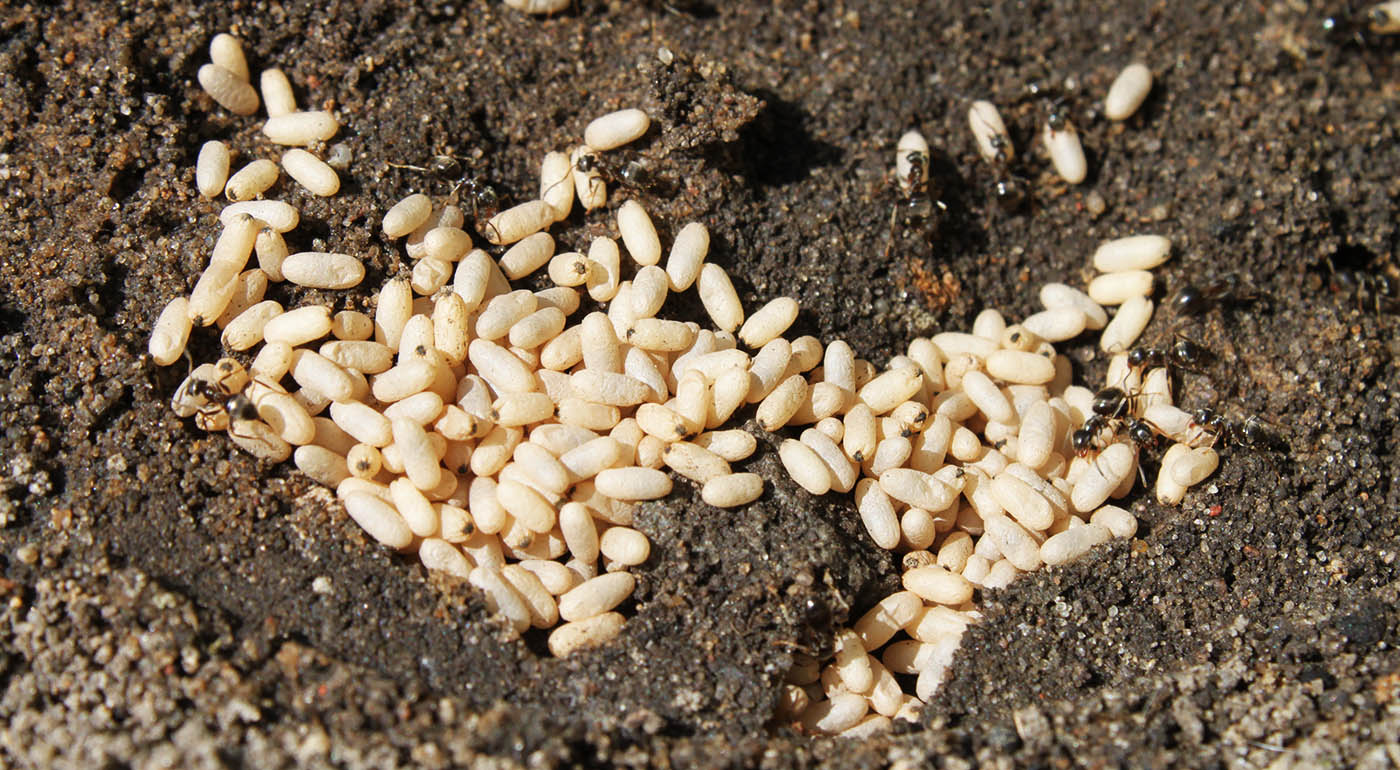
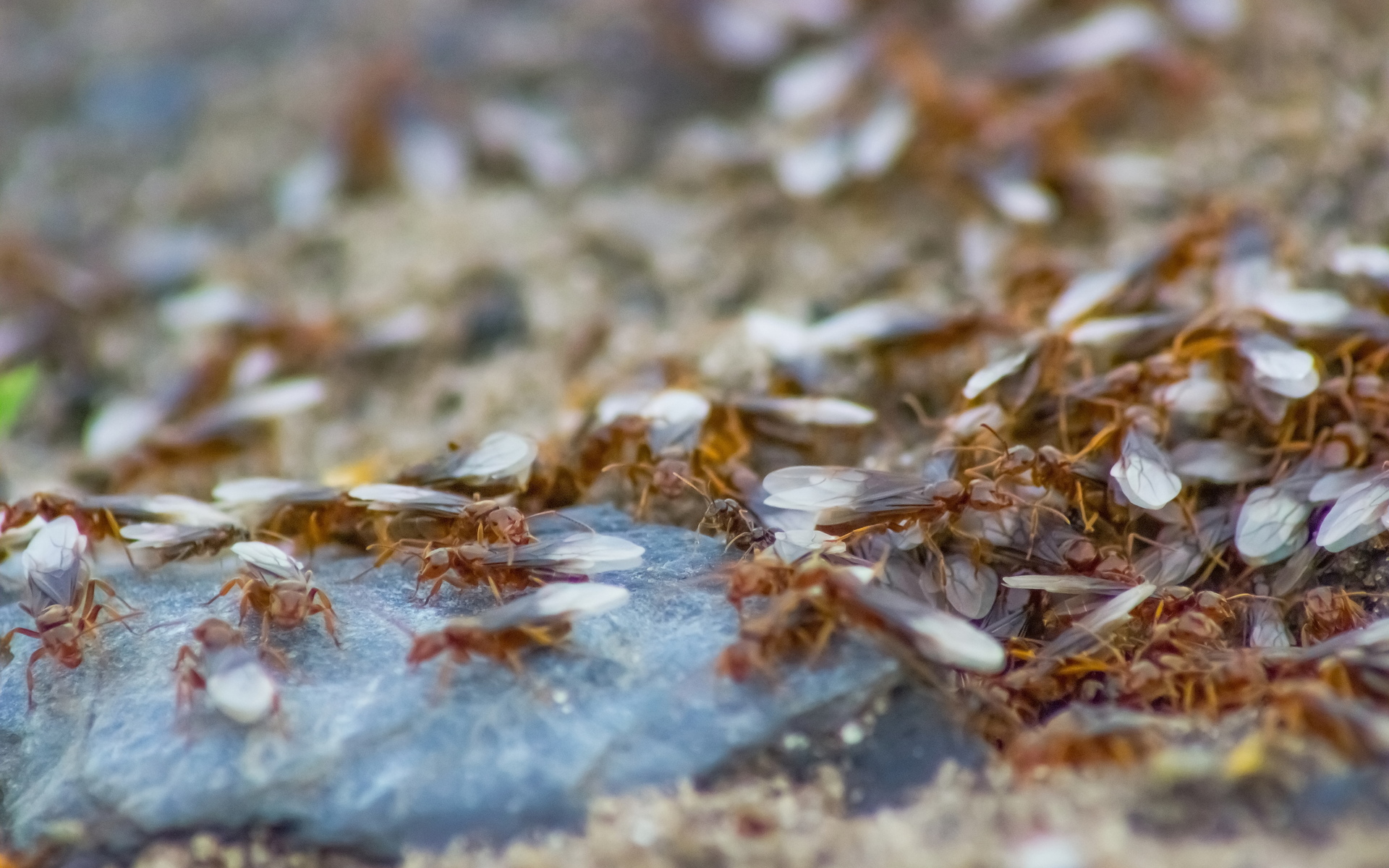
The caste an ant will belong to depends on the larval diet. Females develop into queens or workers.
The damage garden ants cause to plants and the danger they pose to humans
There's no doubt that ants are beneficial. But they also cause damage through their active life.
Damage to the household plot
The negative aspects of having ants on your property include:
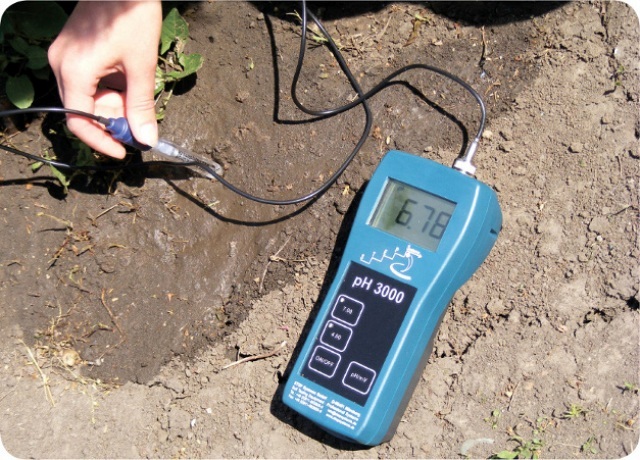
- increased soil acidity: insects secrete a substance that has a negative effect on plants;
You can measure soil acidity using special devices.
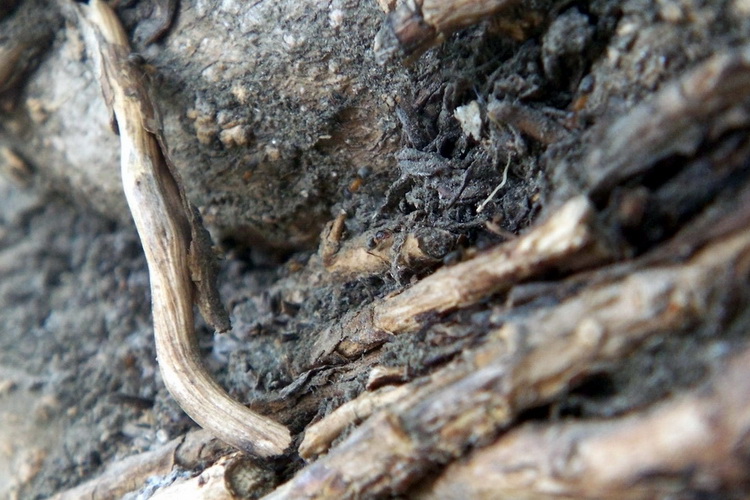
- damage to the root system of crops: ant nests located in areas with raspberries, for example, can seriously affect its development;
An overgrown ant population can even gnaw at the roots of young trees.
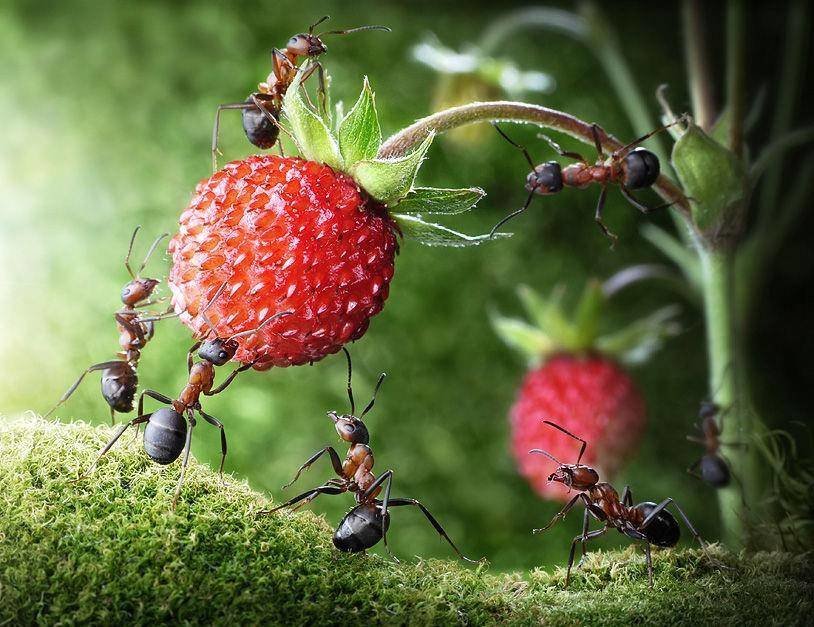
- destruction of fruits and ovaries with a high carbohydrate content: if the population increases, insects begin to feed on berries and vegetables containing a large amount of sugar;
If an ant colony grows, the insects begin to eat berries and vegetables.
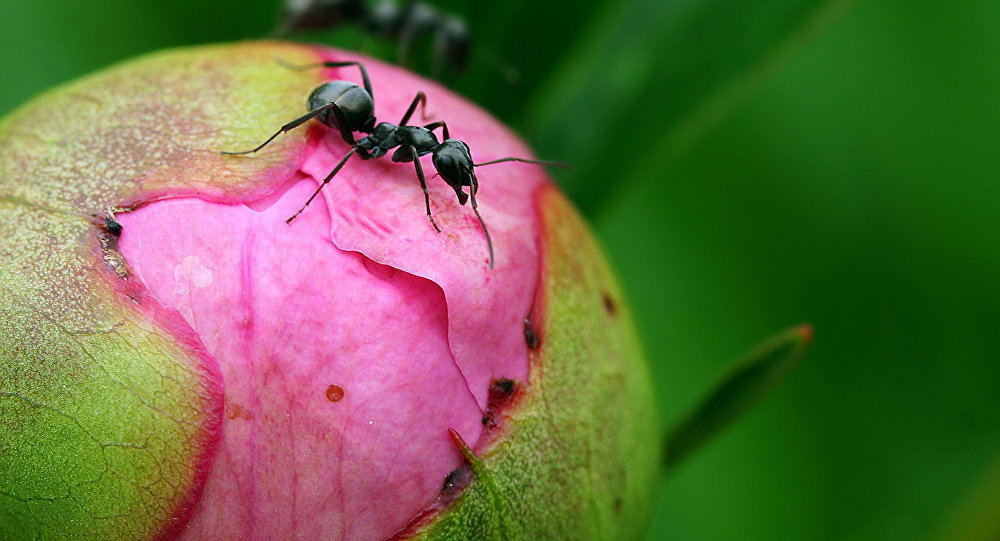
- Some species of ants eat the buds and petals of garden flowers;
There are species of ants that prefer to feed on rose and peony buds.
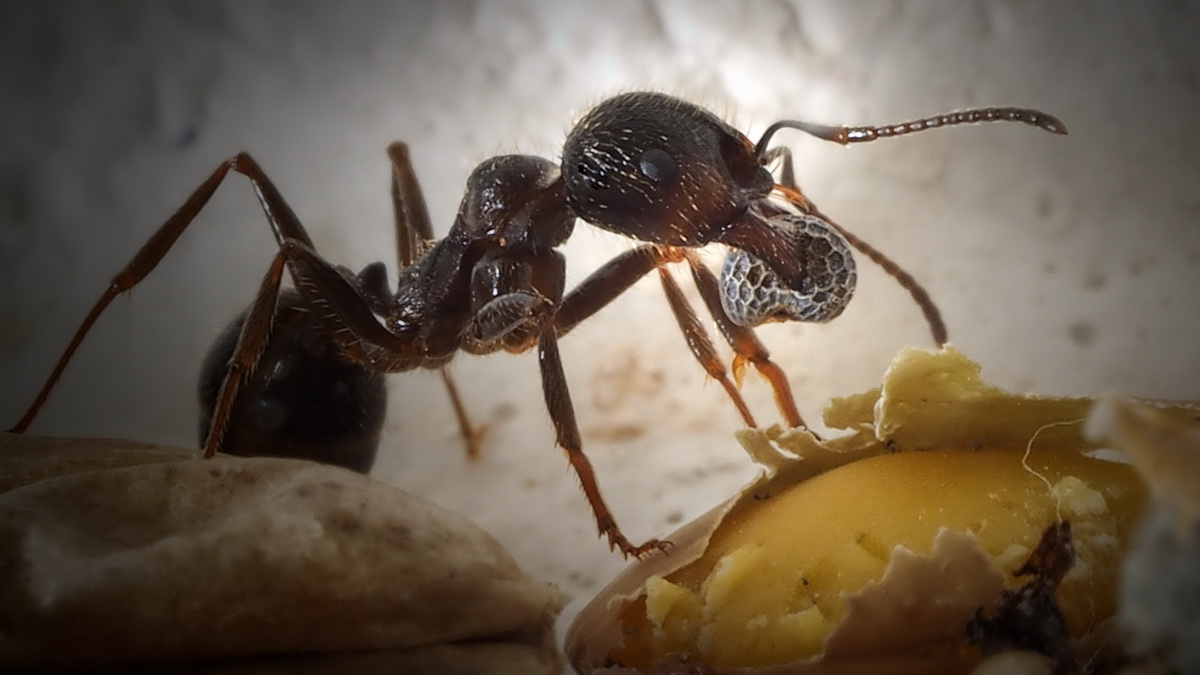
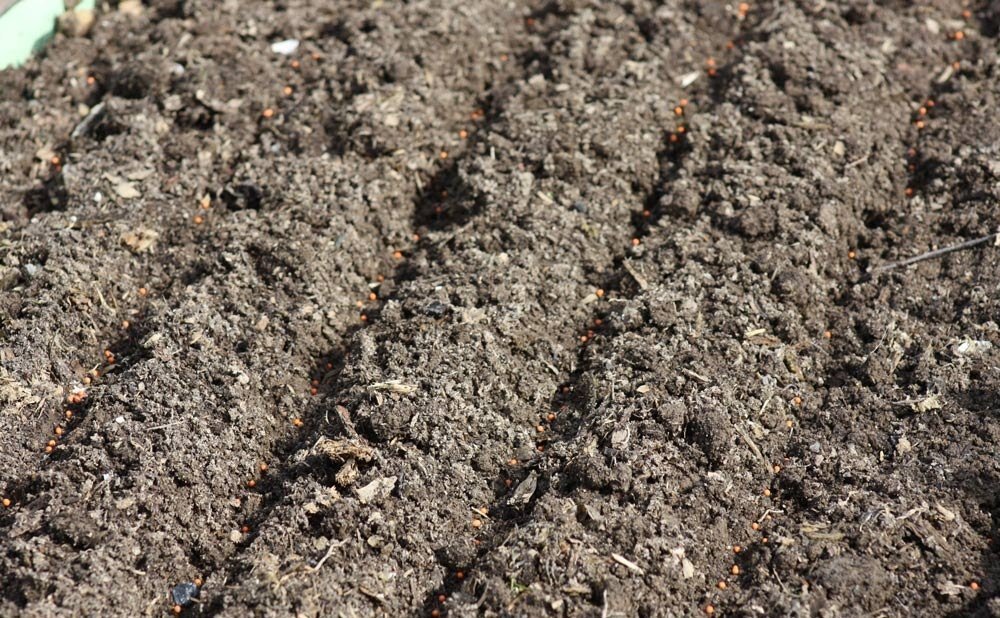
- spoilage of seeds and seedlings: when the underground parts of anthills grow in width and depth, insects begin to feed on seeds and sprouts of plants located near their habitat;
Garden ants are not averse to feasting on plant seeds.
- weed spread: ants feed on seeds and drag them around the area;
The problem of weed infestation in the soil as ants drag them around is often overlooked.
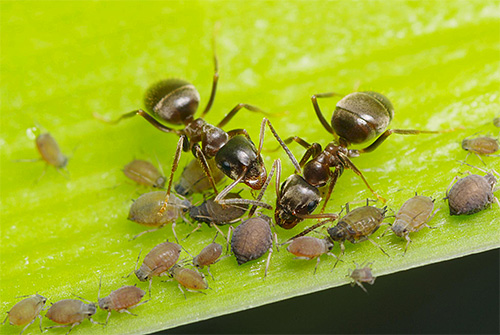
- breeding aphids on the site;
Ants feed on the substance secreted by aphids and therefore contribute to the spread of the pest in every possible way.
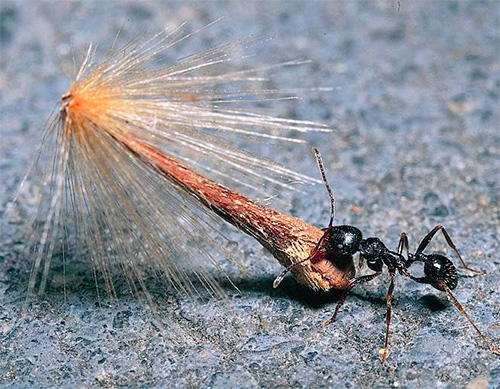
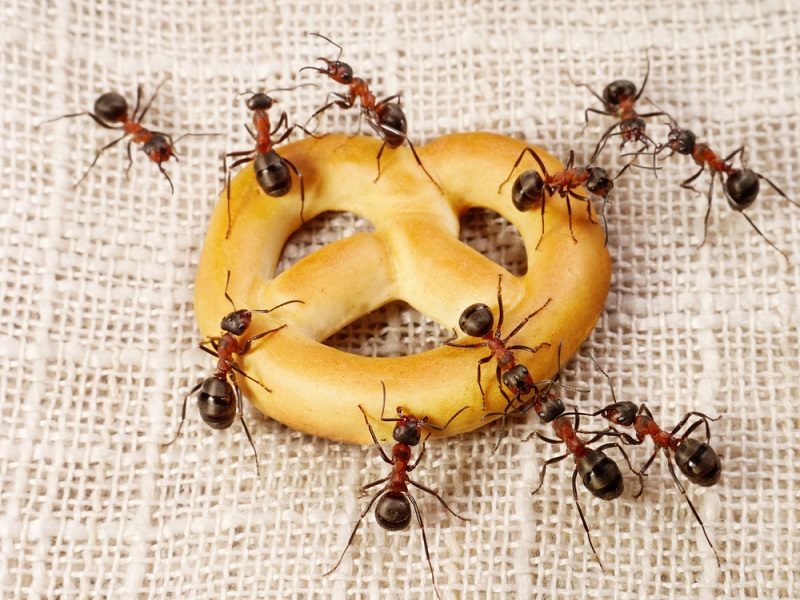
- Damage to people's household supplies: Having found a way to human food products, ants carry them into their home.
Having found a food storage, the ants drag it into their home, making reserves
Danger to humans
Ants living in houses travel vast distances in search of food. Their routes often take them through areas teeming with diseases (such as sewers and garbage chutes), and these uninvited guests bring bacteria that cause typhus, dysentery, cholera, and salmonellosis into the home. House ants can also cause helminthiasis.
Children are most at risk of contracting infections from ants.
Pests can bring into the home the pathogens that cause canine distemper, feline panleukopenia, and parvovirus enteritis. Ants are great hoarders. Hidden in hard-to-reach places, these spoil and become a source of fungi, mold, and the proliferation of harmful microorganisms.
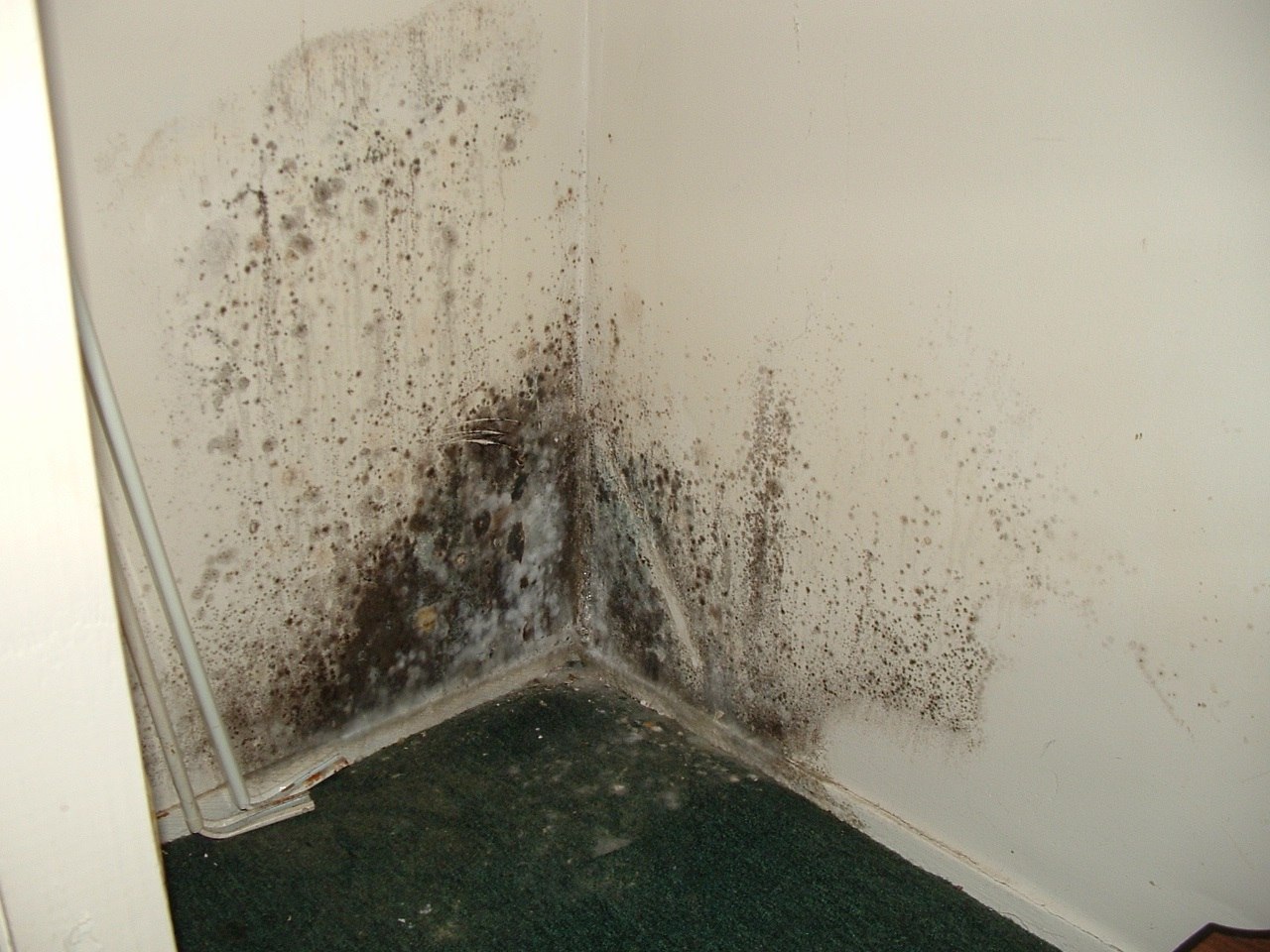
Spoiled ant food can cause mold to develop in your home.
Ant bite
It's important to remember that ants do bite, although rarely. Even if they do, there's no pain. However, multiple bites can cause inflammation, itching, and fever at the affected area. For allergy sufferers, this can lead to:
- increasing itching;
- nausea;
- headache;
- edema;
- interruptions in the work of the heart;
- low blood pressure.
The symptoms described directly depend on the number of bites. In some cases, they cause urticaria, Quincke's edema and anaphylactic shock. These symptoms require special attention in children. If complications are suspected, it is important to consult a doctor immediately.
There are species of ants whose bites cause pain more intense than a sting. They are not found in our latitudes.
Reasons why ants appear on your property
Insects constantly explore areas in search of food. In a garden plot, garden ants are attracted to:
- the presence of unplowed land where it is convenient to build houses;
Ants will not be able to build an anthill on cultivated soil.
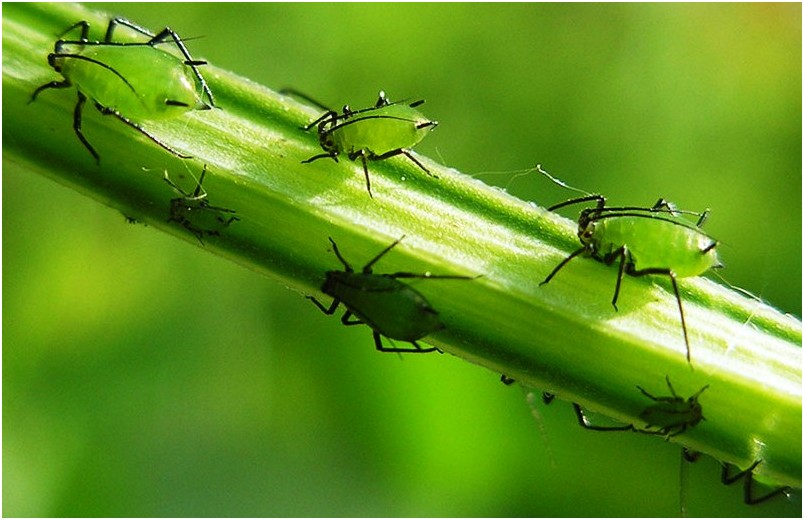
- Aphids: the main reason why ants choose areas.
Aphids secrete a sweet substance that ants really like.
Ant populations usually spread from neighboring areas or nearby forest areas.
For ants, aphids are a source of carbohydrate-rich food. Areas without them are of no interest to the insects.
Fighting garden ants
If the harm caused by insect infestations outweighs the benefits, it's time to consider getting rid of these nimble insects. This can be accomplished using chemicals designed for quick results or traditional methods that involve expelling the population from the area. Nowadays, gardeners also resort to agronomic and biological control methods to maintain a healthy ecological environment on their property.
Chemicals
Since we can only see worker ants in the area, while the female and her offspring remain deep in the soil, most poisoning agents are ineffective. What's needed is a toxin that the ants themselves will spread throughout the nest.
Diazinon
The most effective results are shown by preparations based on diazinon, a powerful insecticide with intestinal and contact action. The product is available as a colorless, oily liquid with a slight odor. The following are most popular among gardeners:
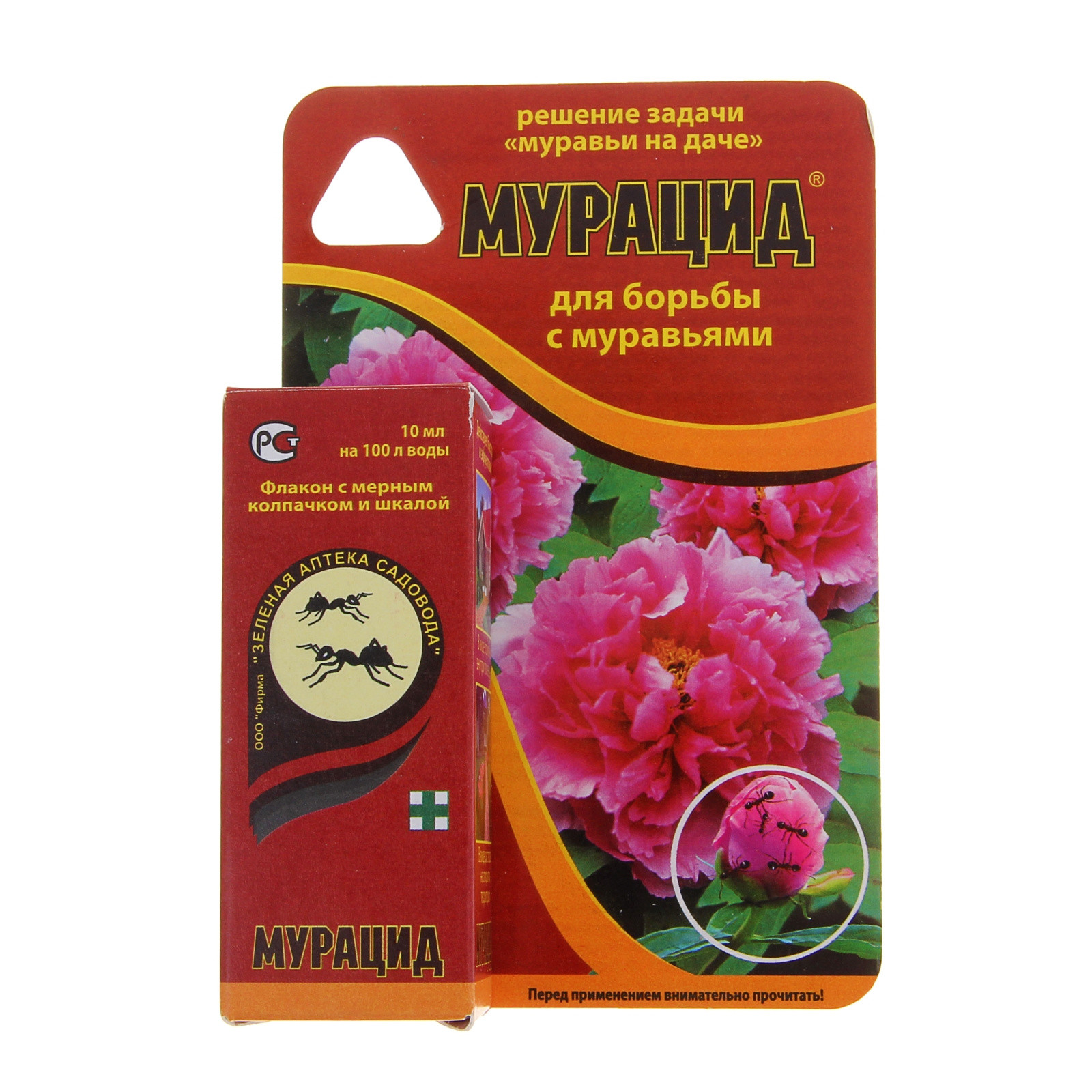
- Muracid. Used to kill pests at all stages of development. Kills insects in several nests in a single application. This affordable product starts at 25 rubles per package.
Muracid causes the death of insects within 24 hours.
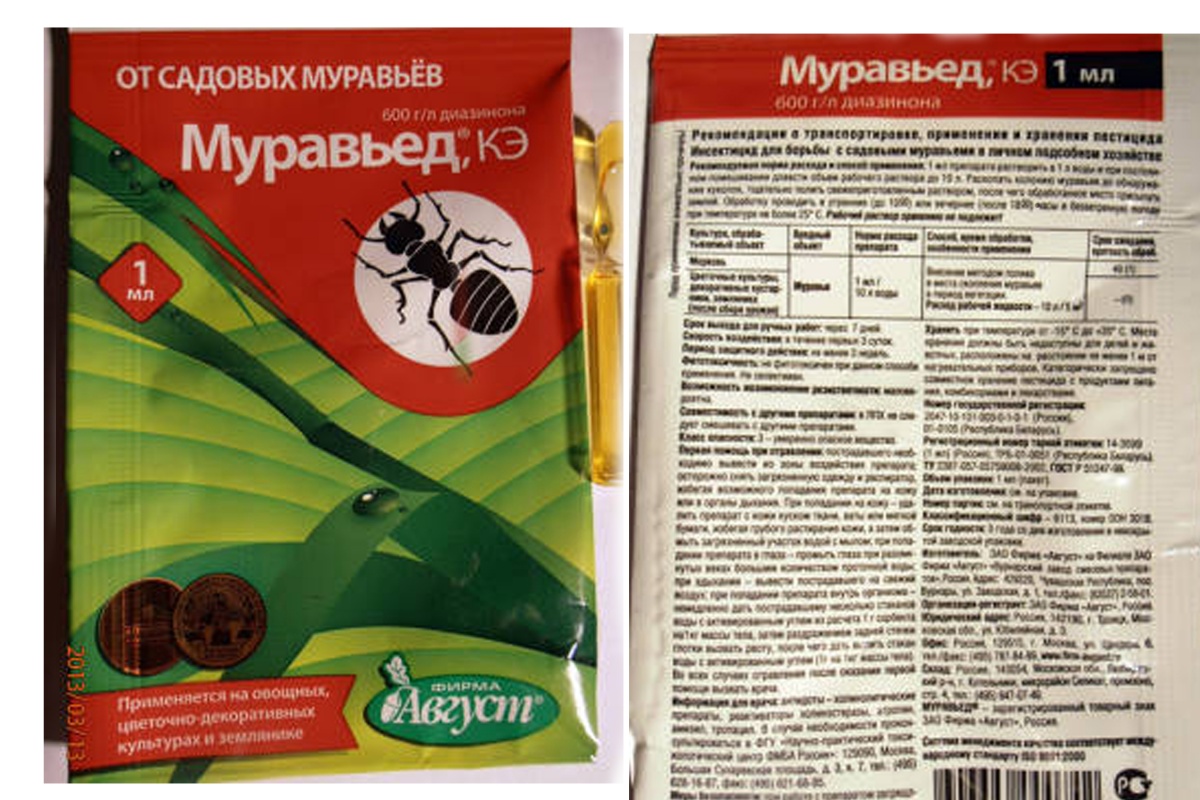
- Anteater. The instructions state that the product does not contaminate the soil and is harmless to bees and pets. The retail price starts at 50 rubles per bottle.
The effect of using Muravied is visible within 2-3 hours.
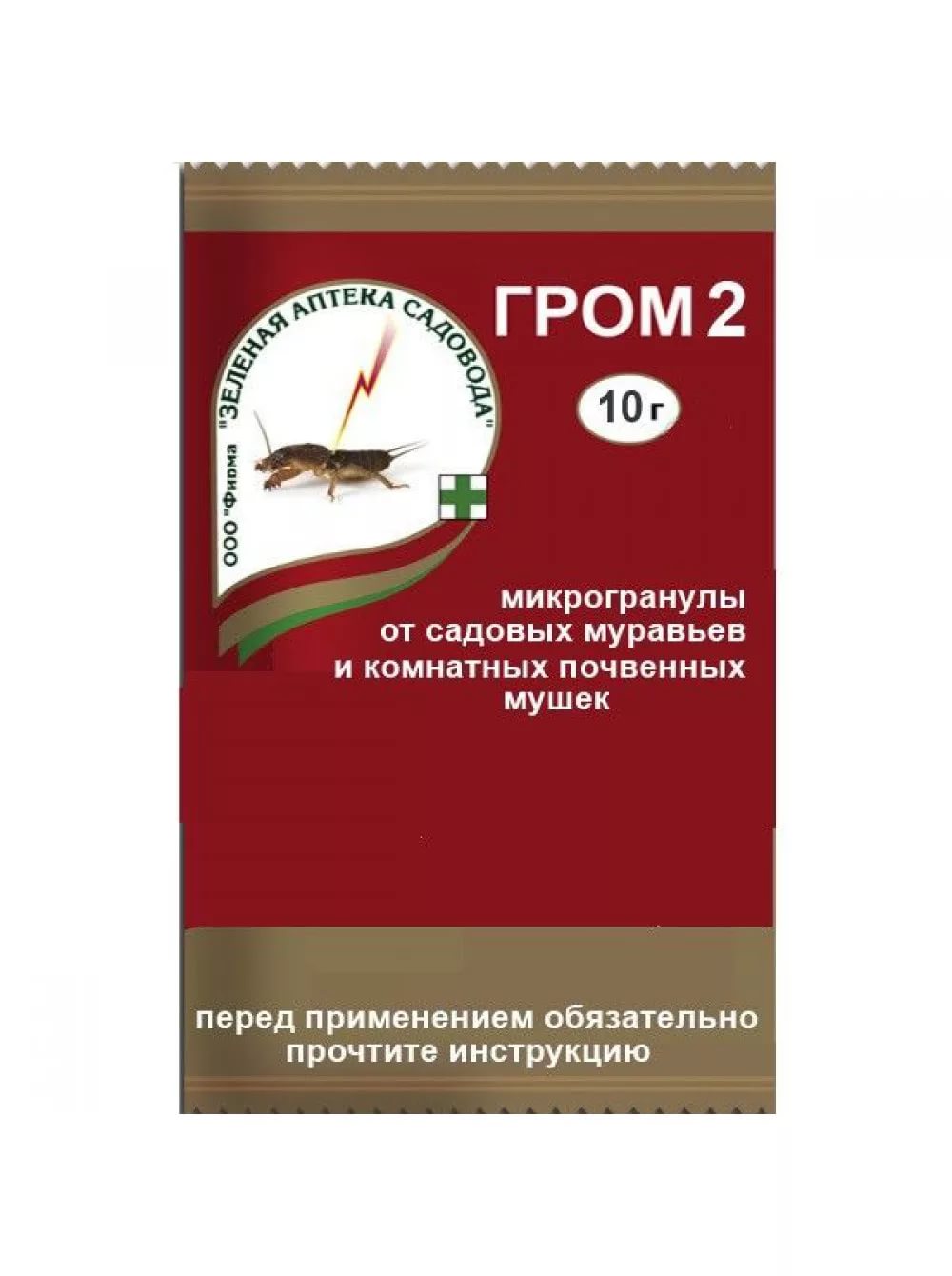
- Grom-2. This product comes in the form of microgranules with a pleasant aroma for ants. The insects consume the poison and feed it to other inhabitants of the nest, including the queen. Surviving ants do not return to the area after treatment. The product costs approximately 40 rubles.
The Grom-2 preparation is safe for the soil and its beneficial inhabitants, but should not be released into water bodies and aquariums to avoid poisoning the fish.
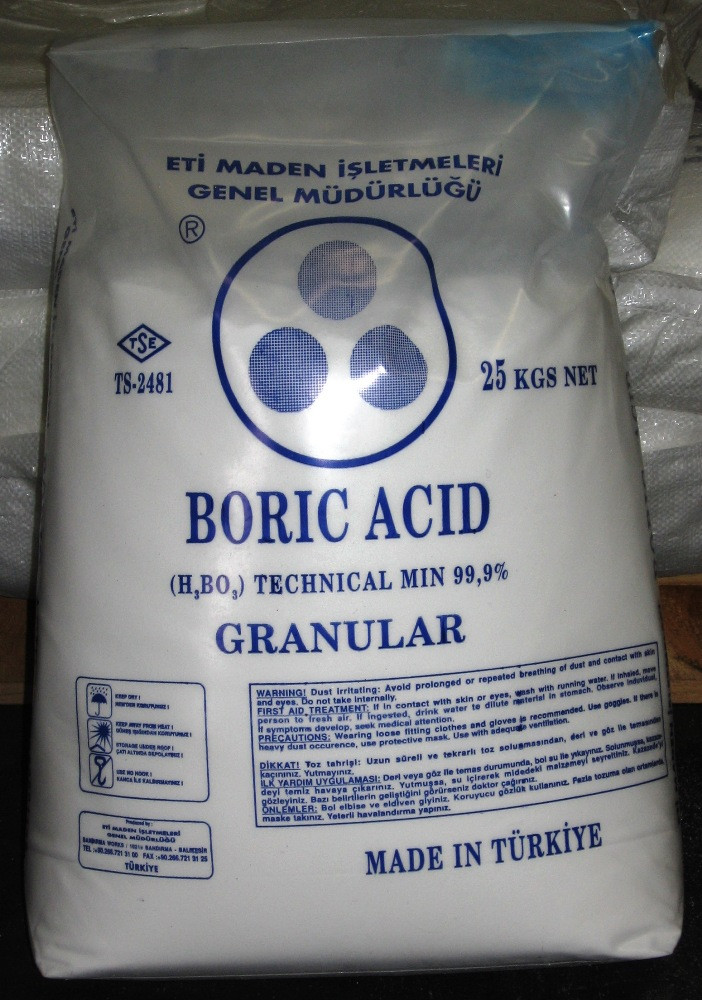
Boric acid
Among experienced gardeners, preparations based on boric acid have proven themselves to be effective:
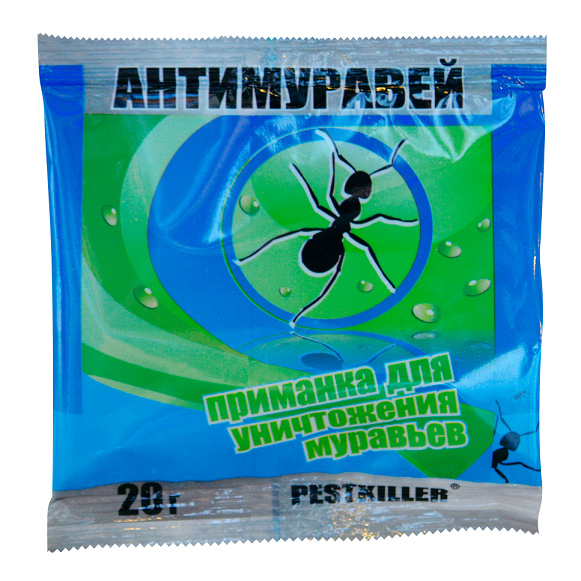
- Antimuravey is a long-acting, odorless drug that is harmless to humans and animals unless it gets into the air (the powder cannot be inhaled). Price: from 20 rubles;
The effect of the Antimuravey preparation also extends to other harmful insects.
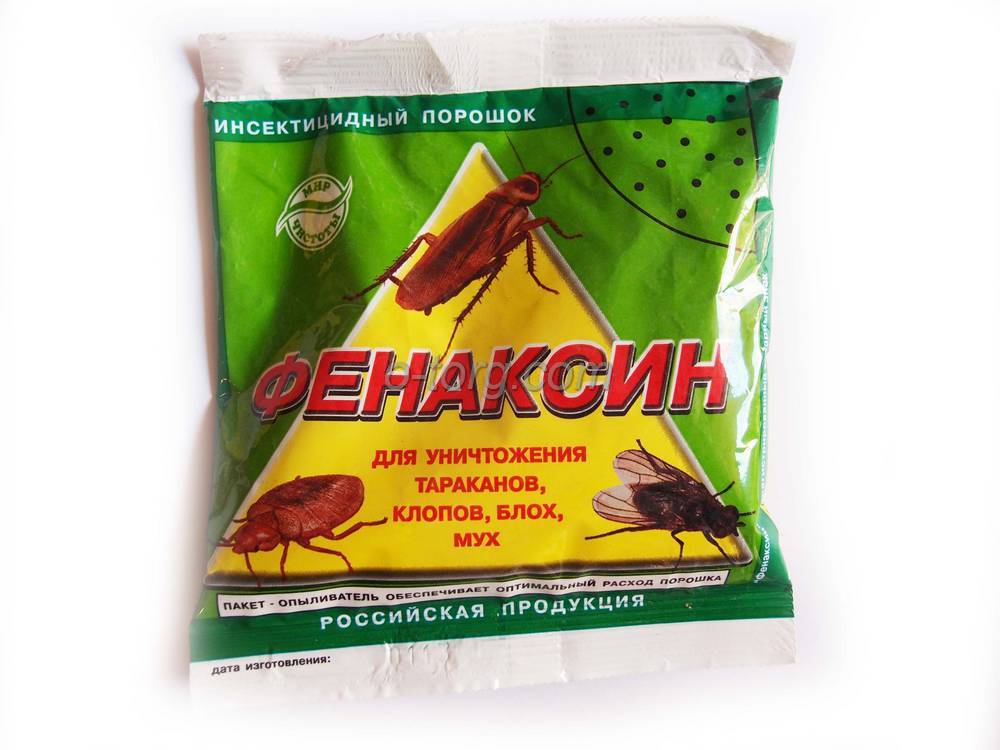
- Fenaxin - boric acid in the preparation is used as an auxiliary agent, enhancing the active substance fenvalerate, the powder is applied to places where insects accumulate and live, is available in various packaging, the cost of a 100 gram sachet is from 70 rubles;
For complete destruction of garden ants, it is recommended to use Fenaxin several times.
- A homemade remedy is to mix a strong solution of boric acid with sweet syrup or honey in a ratio of 1:10 and pour it into the anthill. It is dangerous for pets.
A home remedy made from boric acid is just as deadly to garden ants as store-bought products.
Liquid toxic substances
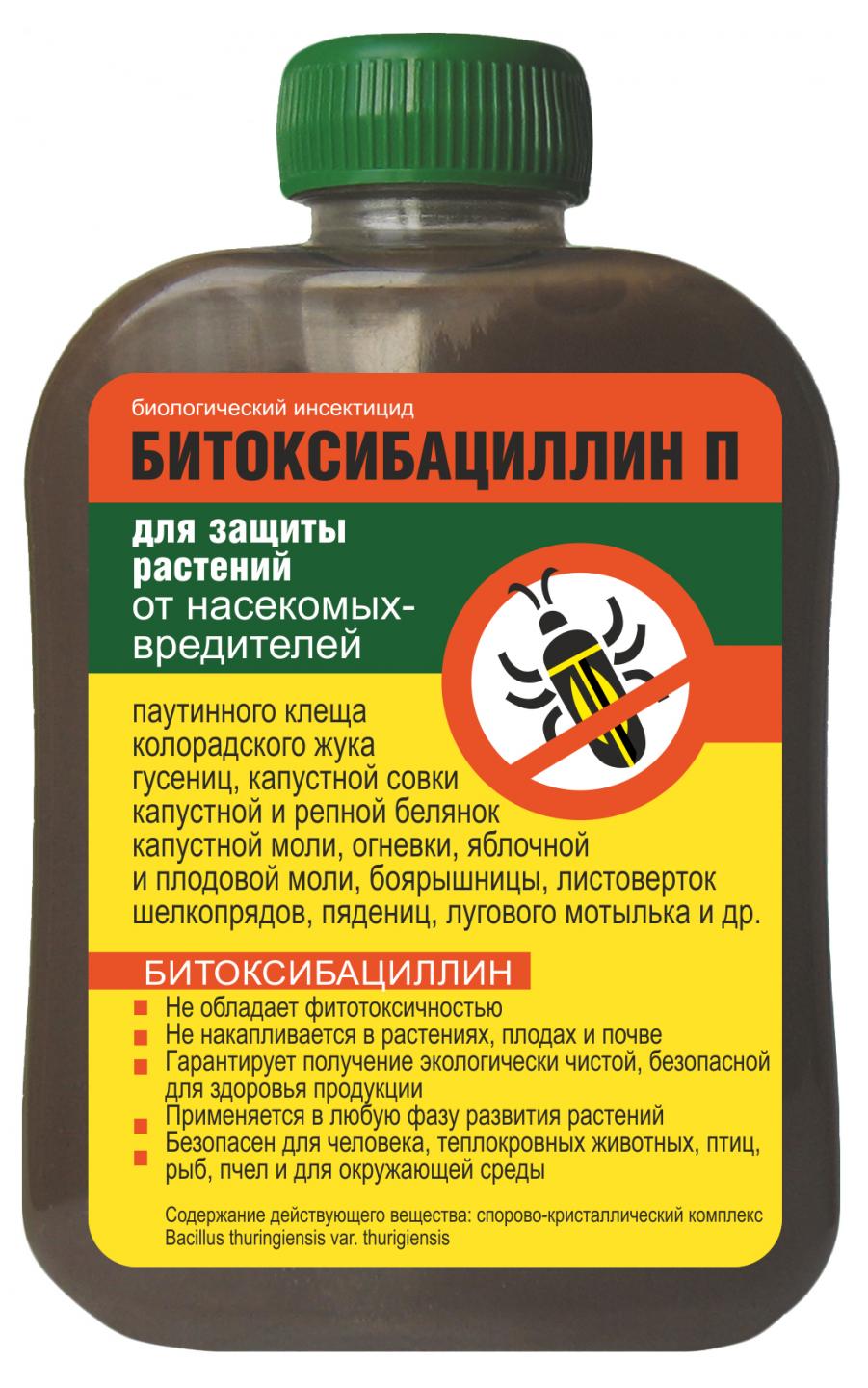
You can make your own poisonous mixture for garden ants. You'll need a chemical designed for killing aphids or Colorado potato beetles:
- The selected product is dissolved in 1 liter of water and poured into the anthill.
To create a remedy for garden ants, any chemical preparation for aphids or Colorado potato beetles will do.
- Cover it tightly with plastic wrap or other impermeable material.
- It is removed after 24 hours. The product works on the principle of a gas chamber, penetrating into all corners of the ant nest and destroying insects along with eggs, larvae, and cocoons.
When using chemicals, it's important to ensure your own safety: wear protective gloves and a respirator when handling. Unless the instructions state that the chosen product is safe for soil and mammals, restrict access to the area for people and pets.
Traditional methods
Time-tested recipes ensure an environmentally friendly harvest, although some of them can damage the soil. To combat garden ants, use:
- Boiling water. One of the simplest and most accessible methods involves pouring boiling water over the entrances to the anthill. This is done after sunset, when all the insects are present, and requires repeated application several times daily.
Using boiling water to fight garden ants will not harm the ecology of the area.
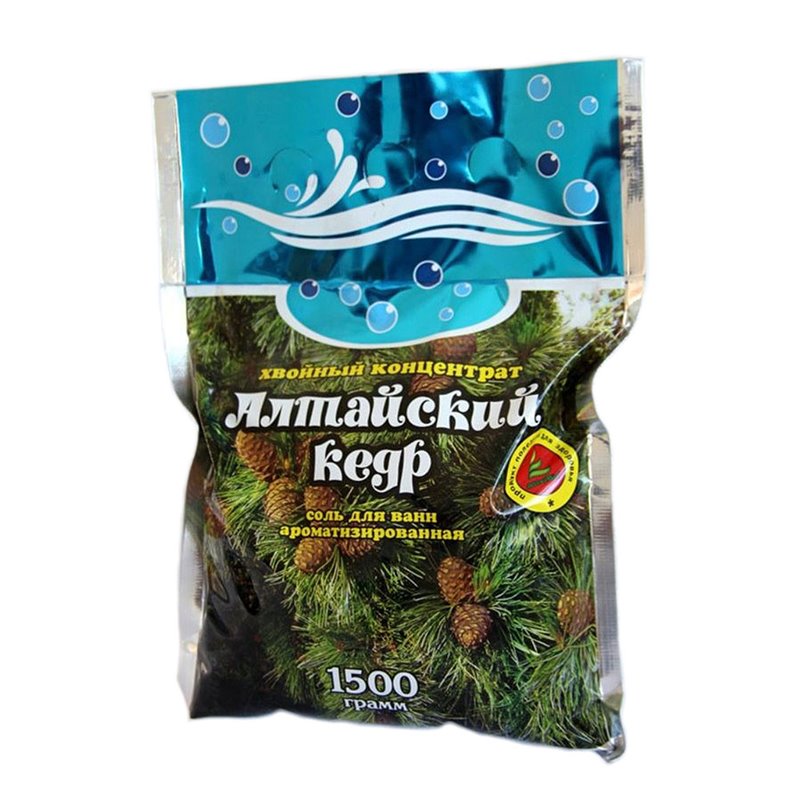
- Coniferous concentrate or herbal infusions with a strong odor. This method is based on ants' intolerance to strong odors. All strong-smelling products should be liquid: if you place a sprig of aromatic grass on an anthill, highly organized insects will simply drag it away.
To enhance the effect, the herbal remedy can be used repeatedly.
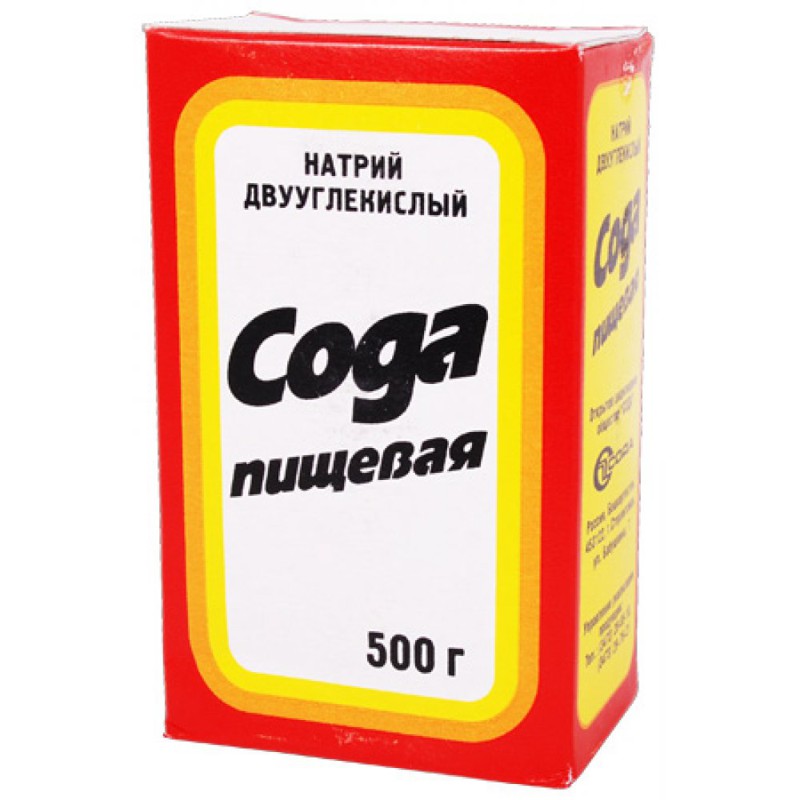
- Baking soda. They sprinkle it on anthills. This method is also good because it reduces soil acidity.
In addition to killing pests, soda will have a beneficial effect on the condition of the soil.
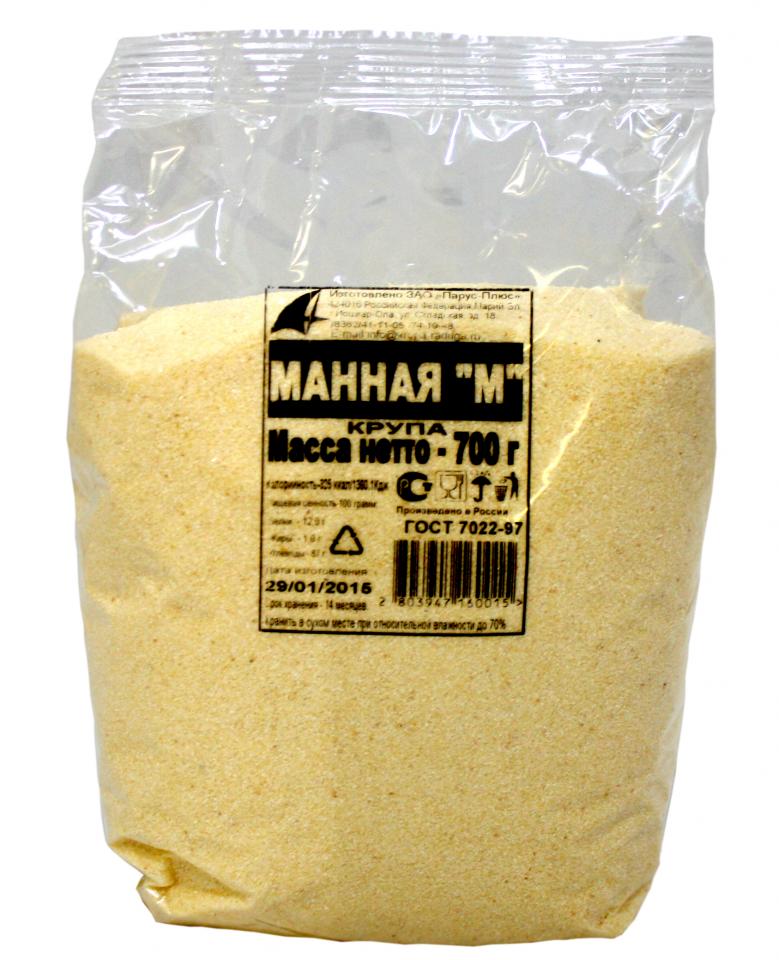
- Millet, cornmeal, or semolina. Insects dislike these types of groceries. You'll need about 3 kg of grain, as you'll need to sprinkle enough to penetrate deep into the ant nest.
Since the product is intended to repel ants, you can take the cheapest cereal, even with an expired date.
- Kerosene or sunflower oil. Both are applied to ant trails and poured into the anthill.
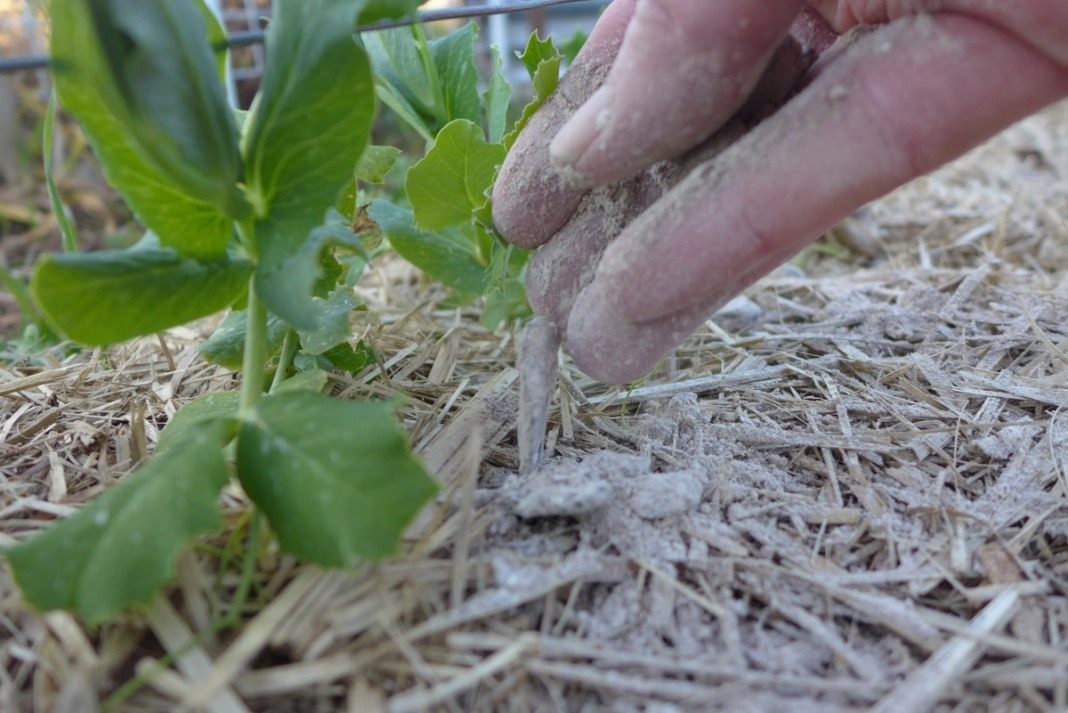
- Ash. It is used to sprinkle insects' homes and paths.
Ash serves as a fertilizer and prevents garden ants from settling in the area.
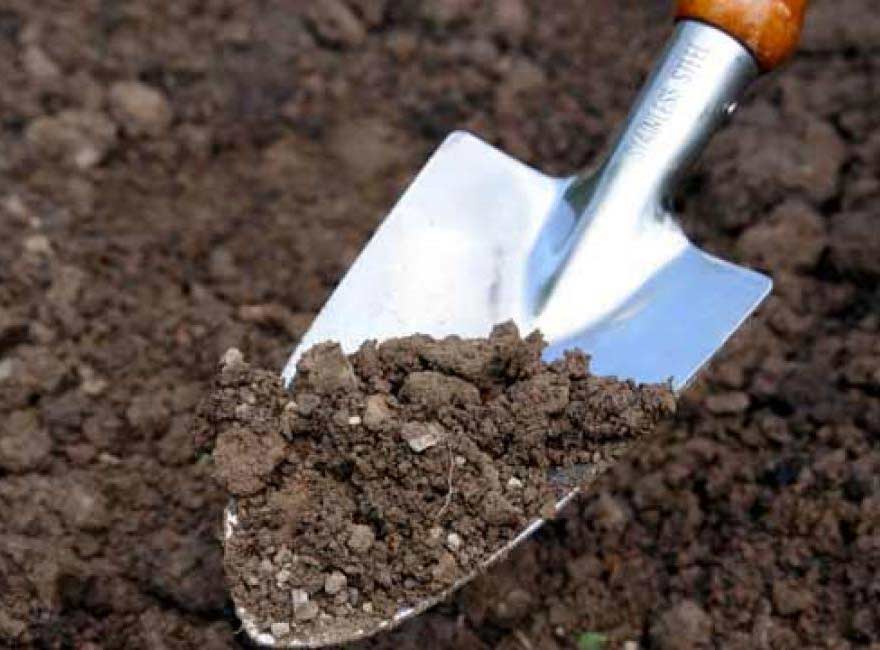
- A shovel for digging the soil. This method is more humane, as all the ants found are collected in a bucket and then taken to a nearby forest.
Ants won't stay where they are constantly disturbed.
- Human urine. One of the oldest methods for repelling insects.
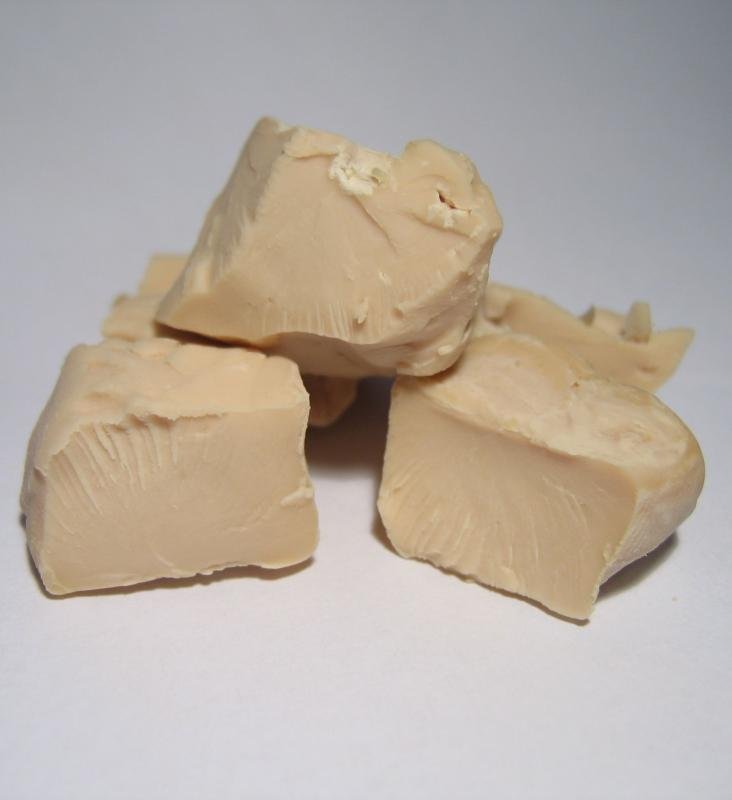
- Jam and yeast. A clever and original method involves getting the pests drunk. The disoriented insects stop bringing food to the queen and larvae, resulting in the anthill dying. It will take a few hours to prepare the mixture for the yeast to ferment, then the bait can be laid out on the trails.
To prepare the ant mixture you need live yeast.
Biological methods
Gardeners attribute this to the removal of garden ants without causing harm to the insects and the ecology of the site:
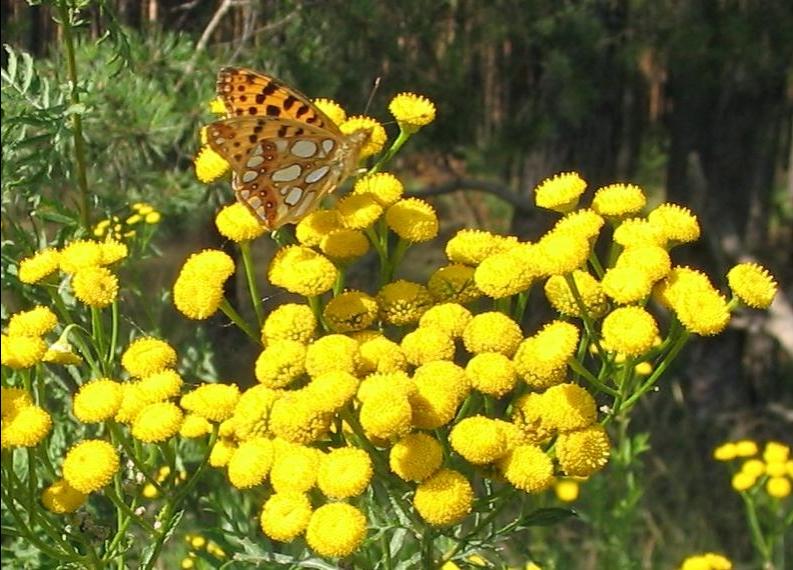
- Cultivation of aromatic plants - tansy, parsley, tomatoes, mint and valerian: planted in places where insects form nests and along their paths, they will repel pests from the vegetable garden, orchard or flower beds;
Hardy plants like tansy will keep garden ants from settling in your area.
- cleaning plants from aphids;
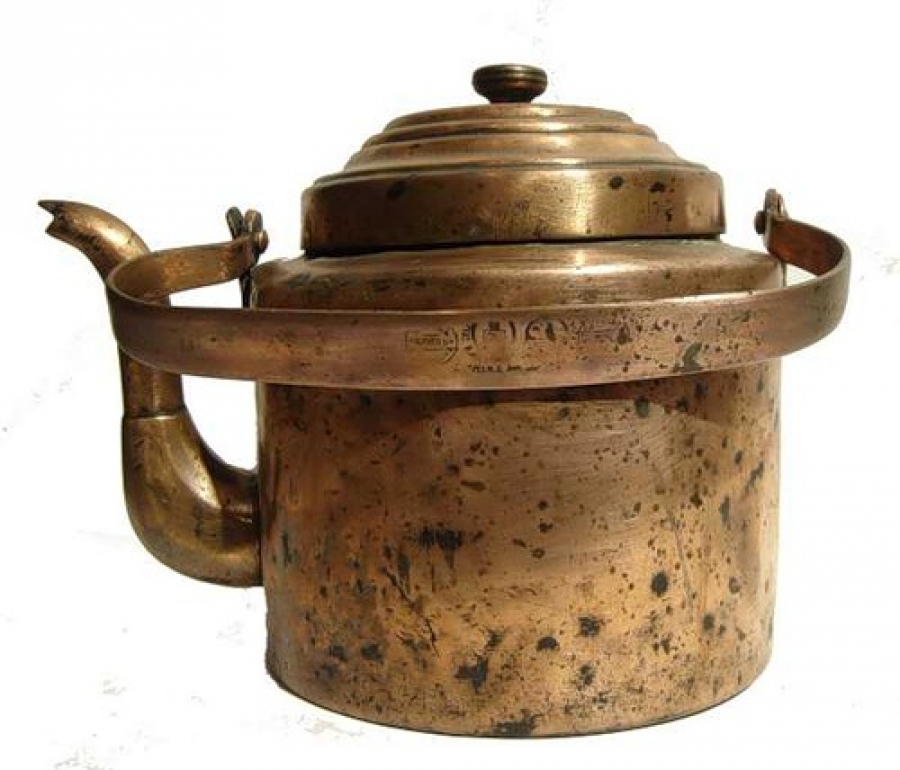
- The old teapot method: several scraps of fabric are placed in a bowl, sprinkled with sugar, and left on the anthill so that the queen will follow the scent and begin building a new nest for herself, after which the rest of the ants will follow, and the teapot will be left to be carried away from the area.
Instead of a teapot, you can use any unnecessary dish with several holes in the lid.
Agrotechnical techniques
In a garden plot, they boil down to the following measures:
- deep digging of the soil in spring and autumn;
- partial replacement before planting;
- removal of garbage from the territory;
- loosening the soil and treating it with lime, soda or ash (substances that reduce acidity).
Methods for preventing the appearance of garden ants
It is always easier to prevent pests from spreading on a site than to deal with an overgrown population later. All biological methods are also suitable for prevention. Experienced gardeners also recommend:
- clear areas of unnecessary rubbish and food leftovers in a timely manner;
Keeping your property free of debris reduces the risk of garden ants appearing.
- destroy weeds not only in the garden or greenhouse, but throughout the entire area;
Weeds and plant debris attract garden ants.
- prevent the appearance of aphids;
- Dig up the soil regularly.
Reviews
Ant control product "Muracid" from the gardener's green pharmacy is a bait
Pros: attracts well
Disadvantages: the writing is small and no one explains it
I was recommended Muracid from this company at a gardening store - they said it was new and everyone was buying it, it only costs 12 rubles, and the manufacturer is very well-known and high-quality, so I bought it.
I didn't like it anymore—the ampoule is small and awkward, and you have to cut it with scissors (I later washed the poison off the scissors with soap and a dishwasher). I didn't dilute it to the recommended 10-liter volume, but a thicker 5-liter volume. I started pouring it on the ant holes, and the ants seemed to be thinking, "Well, that's it, the pests are screwed."
The next day, I saw large piles of earth near the treated burrows—apparently the ants had treated the treatment like an energy drink and were working with renewed vigor. Not a single burrow closed, and in my opinion, after the treatment, the ants in them became significantly more numerous and energetic—apparently, the treatment wasn't working at all.
It's good that I was corrected—it's not an ant killer, but a bait, so I've lured in more ants. They sold it to me at the store without a word, and I'm used to just one ampoule after another. It turns out there are such products, too, but the writing is too small, and the salespeople have become incompetent. It definitely works well as a bait, but now I'm not feeling well.
Muracid, the gardener's green pharmacy's ant control product, saves your garden from ants.
Advantages: effective, ants do not appear in the treated area for a long time
Disadvantages: unpleasant odor, solution cannot be stored
The product is available as a liquid in a 1 ml ampoule. The contents should be diluted in 10 liters of water and then poured over the anthills. You need at least 1 liter of solution per anthill, or more, depending on its size. The prepared solution must be used immediately; it cannot be stored. Therefore, buy Muracid if you have many anthills on your property. When using Muracid, observe safety precautions, wear gloves and protective masks, and try to avoid contact with skin. And, of course, keep children and pets away from it. This product is classified as hazard class 3 and is low-toxic. It begins to work within a few hours, and within 2-3 weeks, ants no longer build anthills in the affected area (based on my observations).
Ant Eater Garden Ant Poison - No Ants Left Behind
Pros: Effective, inexpensive
Disadvantages: None
We live in a private house. One day, we noticed ants running along the foundation of our house. Well, let them run, and let them run. At first, we didn't pay any attention to it. We only noticed them when they got to our child's sandbox and started biting him. That's when we decided we needed to do something about them. I bought several packages of "Muravyed, KE" poison at the store. It costs 100 tenge (20 rubles) per package. You need to dissolve one ampoule of this poison in 10 liters of water, then dig up the anthill until you find the pupae (in our case, we had to break up the foundation a bit with a hammer). Pupae began pouring out of our foundation, as if someone had sprinkled a couple of kilograms of rice there—that's how many ants there were. We started pouring this solution on them from a bucket. The ants started running around like crazy, but after a few seconds they calmed down and basically died. The product was effective. It really helped us; the ants never came back. We used the leftovers to treat our potatoes for Colorado potato beetles as a preventative measure. Overall, I recommend this product to anyone with a house, dacha, or plot of land. It's a great product.
Ant poison for garden ants "Anteater" - Anteater for ants?
Advantages: none
Disadvantages: does not help
I had to buy "Muravid" after ants took over my greenhouse. On the one hand, what's the big deal? They're not cockroaches; they eat the remains of midges, mosquitoes, and so on, just like "cleaners." But! When the entire greenhouse is dug up and you can't even remove the side shoots from your tomatoes (as soon as you lean on anything, ants start crawling into your gloves, shorts, T-shirt, and, pardon me, swimming trunks, and biting), it's time to think about exterminating the ants. I was bitten on the buttocks by an ant, and I nearly fainted. The bite site hurt for almost a month. The manufacturer claims the solution is effective for the first three days. I confirm this. I didn't see any ants for the first day. I felt ashamed that I'd carried out a mass extermination of harmless insects. Three days passed—nothing. It wasn't until five days later, when I entered the greenhouse, that I gasped: I don't know about the extermination, but they've multiplied incredibly quickly. Instead of five nests, there are now twelve nests in the greenhouse!!! "Muravyed" didn't help me. I fought the ants for a long time. Wasted time and energy. I flooded the nests three times, five days apart, with no effect... No result. I'm waiting for spring with a quiet dread. If they bit me once last season, they'll probably "eat me up" next year... I don't recommend it...
Ant poison for garden ants "Anteater" - destroys ants completely.
Advantages: Effective.
Disadvantages: It is poison.
Ants hadn't bothered us before. But this year, we even had to buy Muravyed. What can I say about it? It's truly very effective. It's a liquid contained in a glass ampoule. The ampoule itself is housed in a small bag. The bag is very sturdy, not paper; it's probably thin foil. It's impossible to tear it by hand, or get it wet. To get to the capsule containing the substance, we cut it with scissors. This is very good, as Muravyed is quite toxic and needs to be well protected from accidental damage. Removing the liquid from the ampoule isn't exactly easy either. First, I filed the glass of the ampoule on all sides. Then, I took a rag in each hand and broke the ampoule at its narrow end. If you don't do this, you could cut yourself on the glass. Then, we carefully poured the contents of the ampoule into a bucket of water and stirred. As instructed, we dug up the anthill down to the pupae and watered it with the solution. At first, it didn't seem to have any effect on the ants. They continued to scurry about. But by the evening of the next day, we hadn't seen any. The anteater doesn't seem to work immediately. But eventually, not a single ant remained in the watered area. Although the product is very effective at killing ants, I would only use it in extreme cases. The package contains very detailed information about it, including its toxicity. I don't think it's worth adding such substances to your garden unnecessarily.
Last year, I treated the perimeter of my house. I simply sprayed the foundation and concrete pavement with the Ant Eater solution. I also filled any visible holes near the concrete pavement. Of course, neither the cat nor the children have any place to be during the treatment. I applied it twice in the evening, after the heat had died down. It dried practically in half. The Ant Eater instructions don't mention this method, but I had no ants all summer last year. A week ago, they made a path into the house again, and I treated the foundation again last weekend. I hope I won't encounter any more of these visitors this weekend.
We sprinkle hot ash. We have a ton of it right now. We uproot old bushes and trees around the property and burn everything. The ants leave where we sprinkled it, but they appear elsewhere. We also tried sprinkling cinnamon in a couple of spots. They don't seem to be there anymore.
There's one remedy, if you're not afraid of them all dying... Ants have a terrible sweet tooth. Therefore, this method is 100% effective. Take some jam (for example, half a cup), half a teaspoon of boric acid, and a teaspoon of yeast. Mix the yeast evenly with the jam and acid, spread it over flat dishes (flat plates, saucers), and place them in areas where these insects are most often seen. They will be very happy with the jam, but after eating a little, they will die after a short time, as the yeast and boric acid are very harmful to ants.
This weekend we did an inspection of the property. The result: the ants have significantly decreased. Last year, the entire property was a complete anthill. Since we only bought the property last year, and no one had really taken care of it before, the ants had proliferated. Our neighbors are having the same problem. We cleared the property of old fruit trees and bushes and burned everything. There was a ton of ash, so we covered the ants with the hot ash. This year, we've only found two anthills so far. There's no ash, so we doused them with urine. The ants have already left one. We didn't say where. We just treated the second one today—we'll see what happens later.
I poured boiling water on them, it actually helped me, I got everyone out and no one has shown up yet
I sprinkled millet where ants live, where they have burrows, I sprinkled it raw, they don’t need to cook porridge :) They left for the season.
Good afternoon. Having ants in your dacha is a disaster. No strong-smelling repellents will solve the problem completely. Ants live in colonies, led by a queen ant, who produces more and more offspring. The most important thing is to destroy this queen and all underground ant colonies. I struggled with this infestation at my dacha for a long time, trying many methods, but nothing worked; after a while, the ants would reappear. Then, about two years ago, I found an effective method. The only downside is that it takes time to completely eradicate the ants. I used fine cornmeal, sprinkling it around anthills, bushes, and wherever I saw large concentrations of ants. The idea is that worker ants carry this flour to the queen and other ants in the nest. They eat it, but the flour is completely indigestible, and the entire nest eventually dies. This remedy is safe and inexpensive, and most importantly, it's effective. It took me about two years to completely eliminate them. Good luck to everyone in ridding their areas of ants.
Protecting your crops or flowers from garden ants requires time and effort. Using the methods discussed above, you can get rid of these unwanted insects or prevent their population from increasing by regularly applying preventative measures.