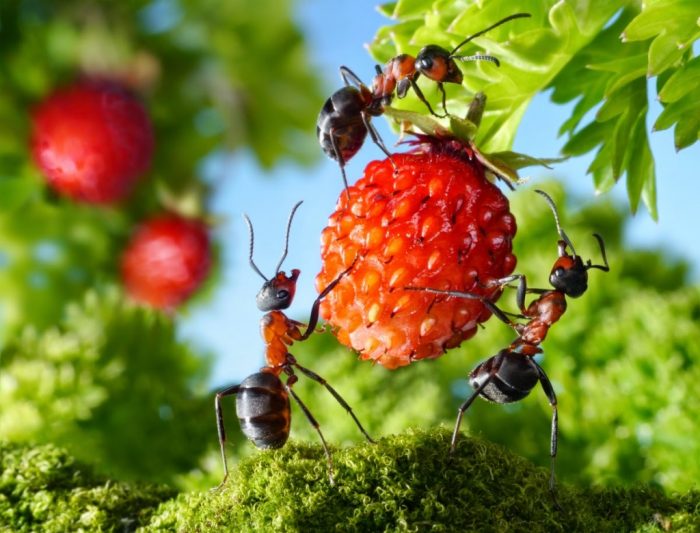
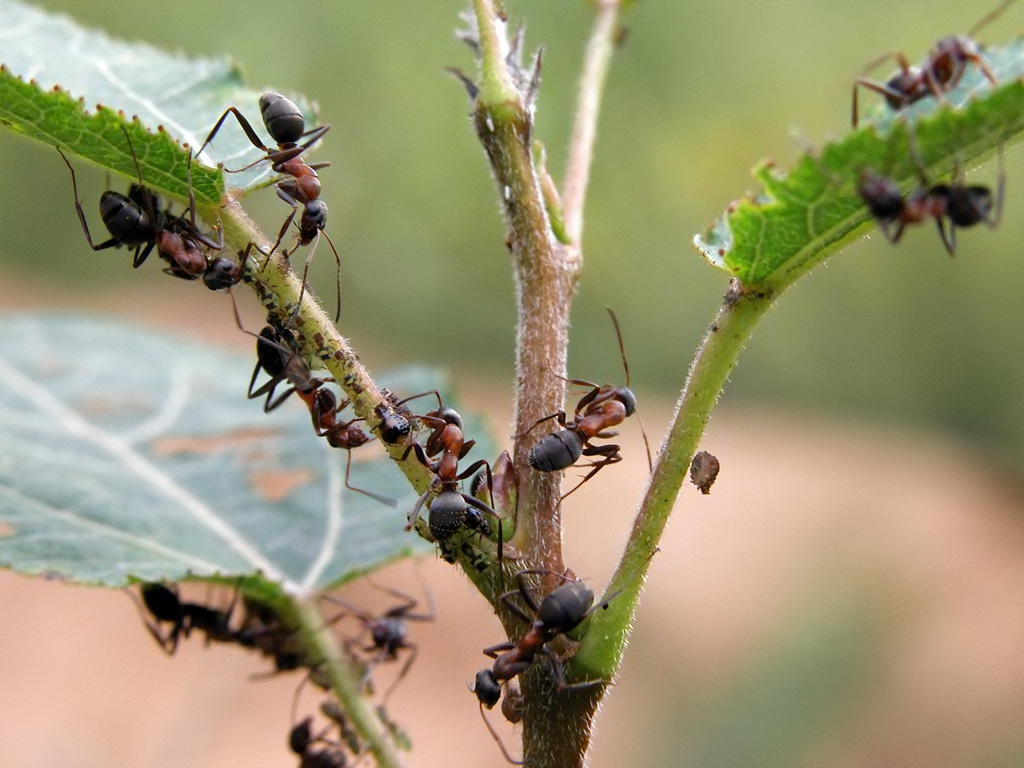
Red ants repeatedly encroach on human habitats, driving people to distraction. A military campaign against these pesky insects should be launched as soon as traces of their presence are noticed in an apartment, house, or garden.
Content
Getting to know the enemy
Red ants are fire-colored wood and house ants. The latter are much smaller, with a body length of about 3 mm. They have three transverse stripes on their back.
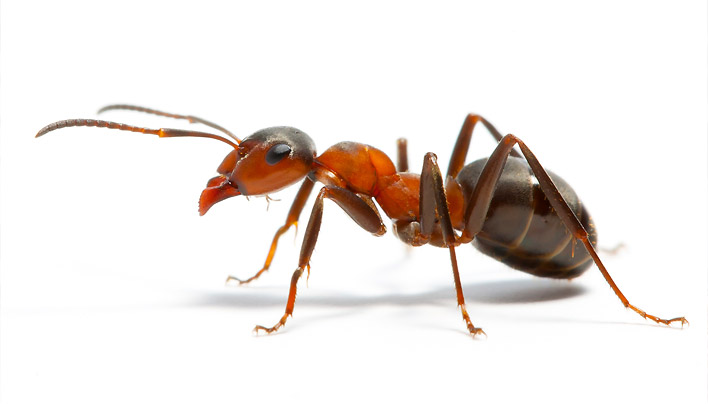
Three transverse stripes on the back are a distinctive feature of the domestic variety of red ants.
These ants also differ in origin: forest ants inhabit the forests of Russia, while domestic ants were brought from India in the 16th century. Nowadays, red house ants inhabit almost the entire globe (it’s no wonder there are about 10 thousand species!), except for Antarctica, Greenland and Iceland. From this we can conclude that insects need warmth to live comfortably.
Red ants are called "pharaohs." This name was given by the Swedish naturalist Carl Linnaeus, who mistakenly believed that the insects' homeland was Egypt. He was misled by the fact that they were discovered during tomb excavations.
Lifestyle Features
Red ants are social insects. They live in large colonies, the number of which can reach up to tens of thousands of individuals. All inhabitants are strictly subordinated to a hierarchy of three castes: females, males, and workers. The latter are the most numerous and provide food for the elite.
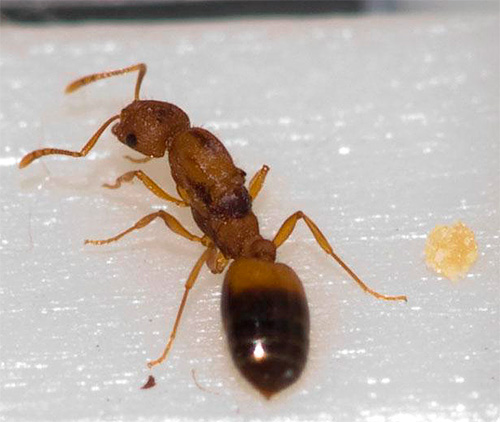
The female red ant is larger than the worker ants and has a more massive rear part of the body.
This social division leads us to the conclusion that killing a few dozen ants that have been munching on kitchen crumbs won't get rid of the insects. It takes just five days for a female to restore her population.
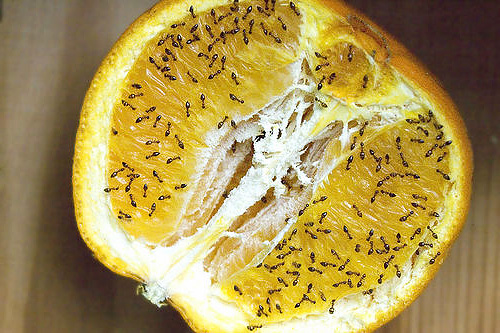
Having discovered and destroyed a couple of dozen individuals, you shouldn’t count on successfully getting rid of the pests.
What do red ants eat?
They love good food and aren't picky about their food choices. They're attracted to:
- food products (that is why insects are also called meat or sugar insects);
- leftover food from a trash can that wasn't taken out on time;
- Pests whose extermination has a beneficial effect on human life include aphids, fleas, moths and other insects.
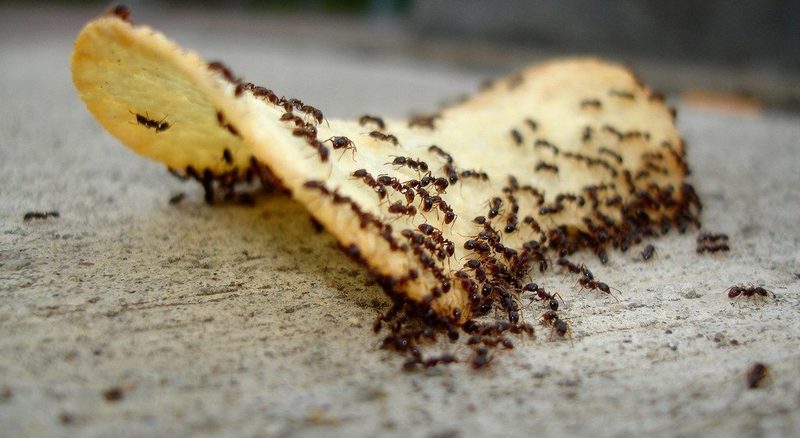
Humans provide a complete diet for ants.
Reasons for the appearance in the human habitat
Red ant infestations are caused by humans' poor hygiene—food scraps piling up in the trash, crumbs on the floor and counter, dust. But they aren't confined to the kitchen. Closets, children's toys, bookshelves—given the right conditions, these pests will be found everywhere. And in multi-story buildings, ants can nest in the spaces between concrete structures, under floor tiles, in ventilation ducts, and other hidden and hard-to-reach places.
If you notice a few ants in the kitchen, it doesn't mean a colony has taken up residence. These are scouts who arrive first, determining whether the home is habitable. Therefore, begin pest control immediately.
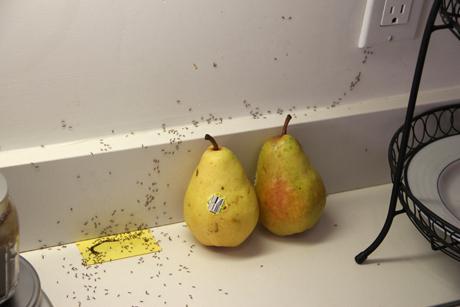
Ants live not only in the kitchen, but in other rooms as well.
How do insects get into the house?
Red ants have several routes into human dwellings:
- through the garbage chute;
- from neighbors;
- from nearby grocery stores;
- from the street on a person’s shoes and clothes;

Insects crawl from one house to another, from one apartment to another
- with food or things brought from contaminated areas.
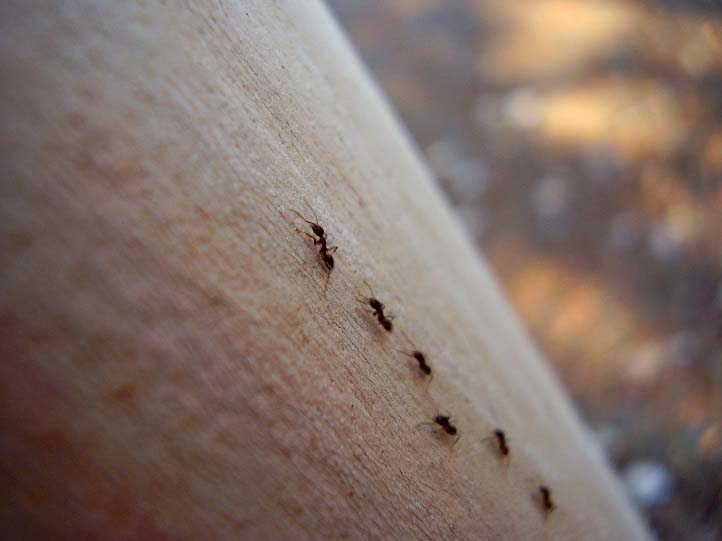
If you accidentally bring red forest ants into your home, there's nothing to worry about: they don't live with humans, so they'll quickly leave the premises or die.
How pests appear in a garden plot
For gardeners, a red ant infestation is also a nuisance. The plot and its crops suffer not so much because the insects feed on the growing fruit, but because they create nests in the root systems of plants and trees. A strong colony of ants can destroy a mature tree in just 2–3 years. If a nest appears in the ground, nothing will grow around that place.
Why are red ants dangerous?
In addition to the described examples of harm caused by the pharaohs, there are other consequences of human proximity to insects:
- Ants carry dangerous microbes on their legs that can cause various diseases—diphtheria, dysentery, typhoid, salmonellosis, cholera.
Ants carry dangerous bacteria on their feet.
- They are also dangerous for pets, as they carry canine distemper. But the list of consequences of living with ants for humans doesn't end there.
- Insects damage wooden furniture by digging tunnels in it to reach their nests.
- They can cause short circuits in household appliances, as they like to inhabit microwave ovens, televisions, and washing machines.
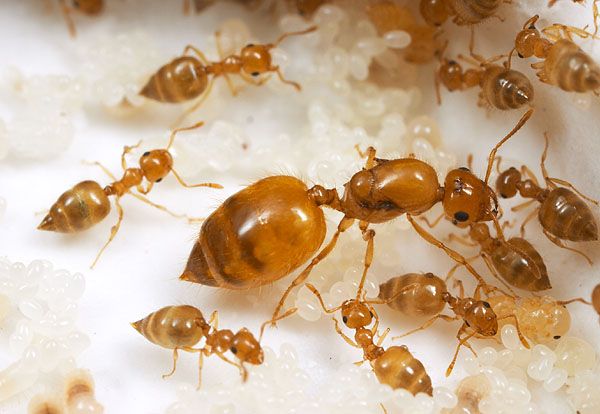
Unlike their forest cousins, house ants, due to their modest size, do not have strong mandibles (jaws) capable of opening large enough to grab a piece of skin. However, there are known cases where they have bitten newborn children, causing itching, pain and allergic reactions.
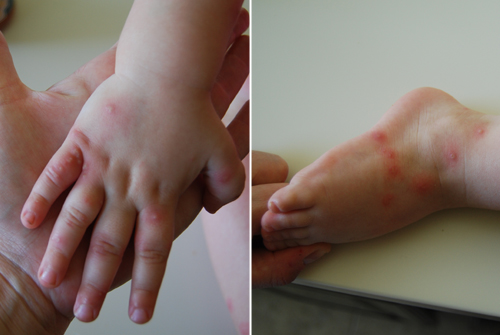
Ants can bite small children, causing allergic reactions and itching.
How to get rid of ants in a house or apartment
The fastest and most effective way to get rid of the insects is to call a team of exterminators who will locate the nests and ensure that no females or males, not just worker ants, have a chance to survive. Homeowners will also receive a guarantee for a certain period of time that there will be no recurrence. If for some reason you prefer to deal with the ants yourself, there are two approaches:
- using chemicals;
- using folk methods.
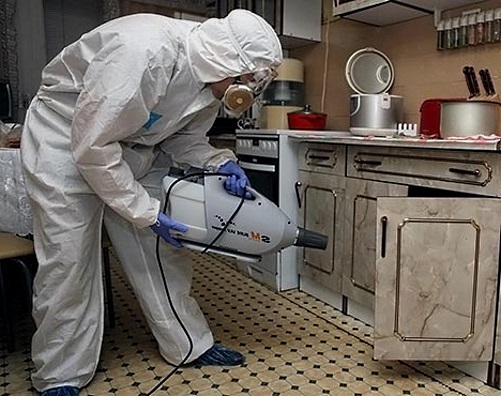
Professional pest control specialists guarantee that ants will not return to your home for a long time.
Chemical weapons against insects
This type of product can be divided into four categories: aerosols, gels, traps, and powders. Before you begin exterminating insects, you must:
- remove people and animals from the premises;
- protect food and utensils from chemicals, for example, by covering them with cellophane;
- put on a mask or respirator, gloves.
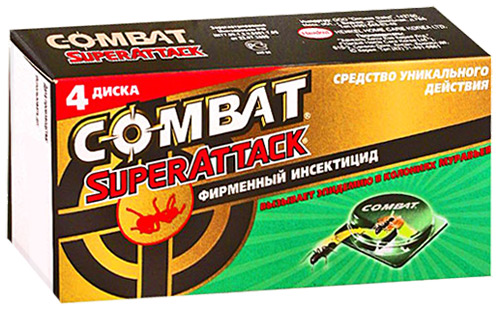
Typically, manufacturers of insect control products offer products in different forms: traps, aerosols, gels
You can try to get rid of insects using a special ultrasonic device. However, its effectiveness against ants has not been proven, as the device's coverage area is limited.
Table: Effective chemicals against red ants
| Type of funds and features of application | Name | Operating principle |
Aerosols:
| Raptor |
|
| Battalion commander |
| |
| Gels: convenient for the kitchen, as they are easy to apply in hard-to-reach places. | Storm | Apply to ant trails and places where they congregate. |
| Face | Due to the intestinal-contact activity of the substance, insects infect the entire colony. | |
| Global |
| |
Traps:
| Raptor |
|
| Battalion commander | ||
Powders (dusts) and pencils:
| Pyrethrum |
|
| Mashenka | The two chalks in the set are enough to cover the entire apartment. |
Video: How to get rid of red ants with professional products (tips from Elena Malysheva)
https://youtube.com/watch?v=lDzv6p3oWzo
Folk remedies
If you've located the nests, vacuum them or pour boiling water over them. This is the most effective way to eliminate an infestation of house ants. If the ants have just appeared in your home, use one of three methods:
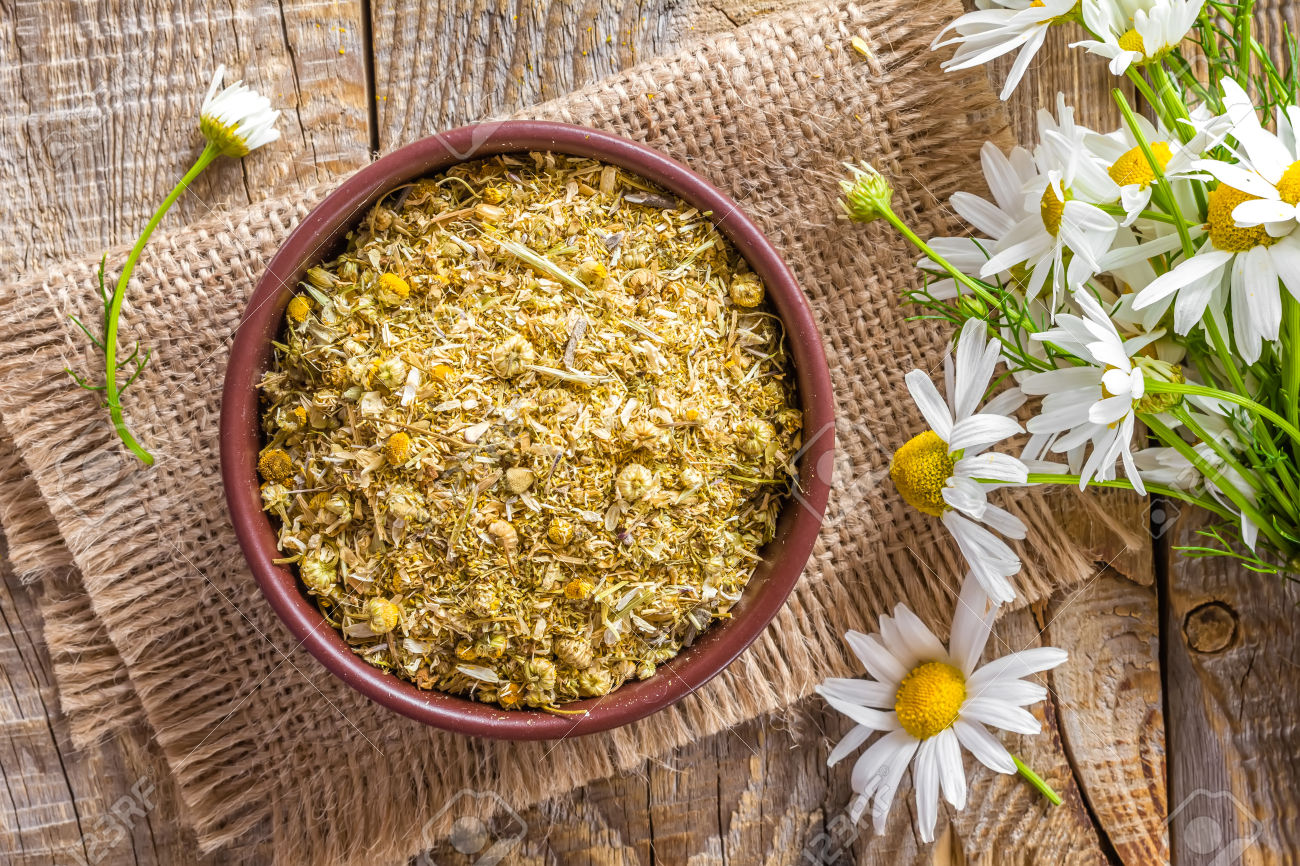
- The scent of some plants repels ants. To signal that a house is uninhabitable, place dried herbs such as wormwood, chamomile, anise, bay leaf, and elderberry around the rooms (near baseboards, under the sink, refrigerator, and toilet, near cereal cabinets, and next to the trash can).
The smell of dried chamomile repels red ants.
- Place garlic or red pepper around the room. Ants also dislike strong odors.
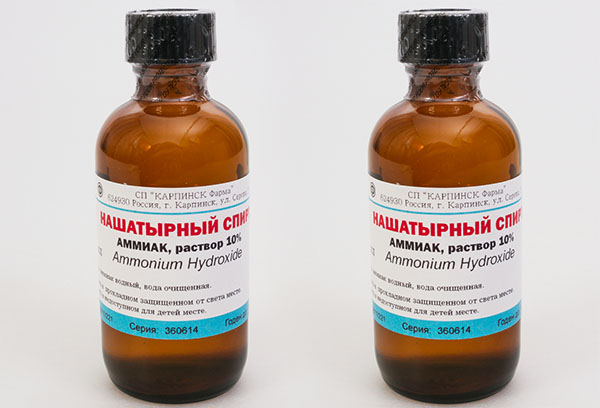
- Dampen a cloth with vinegar or 10% ammonia and wipe all cracks and areas likely to attract insects. The downside of this method is that the unpleasant odor can irritate people around you, leading to headaches and nausea. Pets may lick any residue off the floor.
Be careful: the smell of ammonia is not well tolerated by everyone.
If ants have firmly established themselves in your apartment or house, act more decisively.
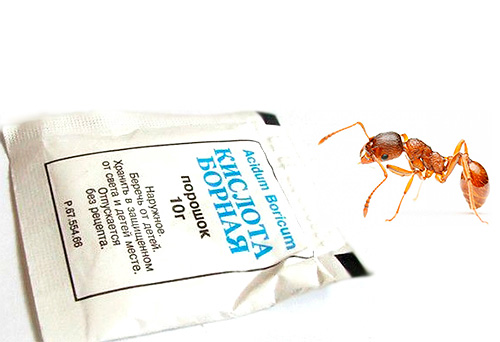
- The most affordable and proven way to get rid of unwanted neighbors is to use boric acid powder: mix it with sugar in any proportions, then add water to form balls. Place them on pieces of paper along the ant trails. You can replace the sugar with ground meat or jam.
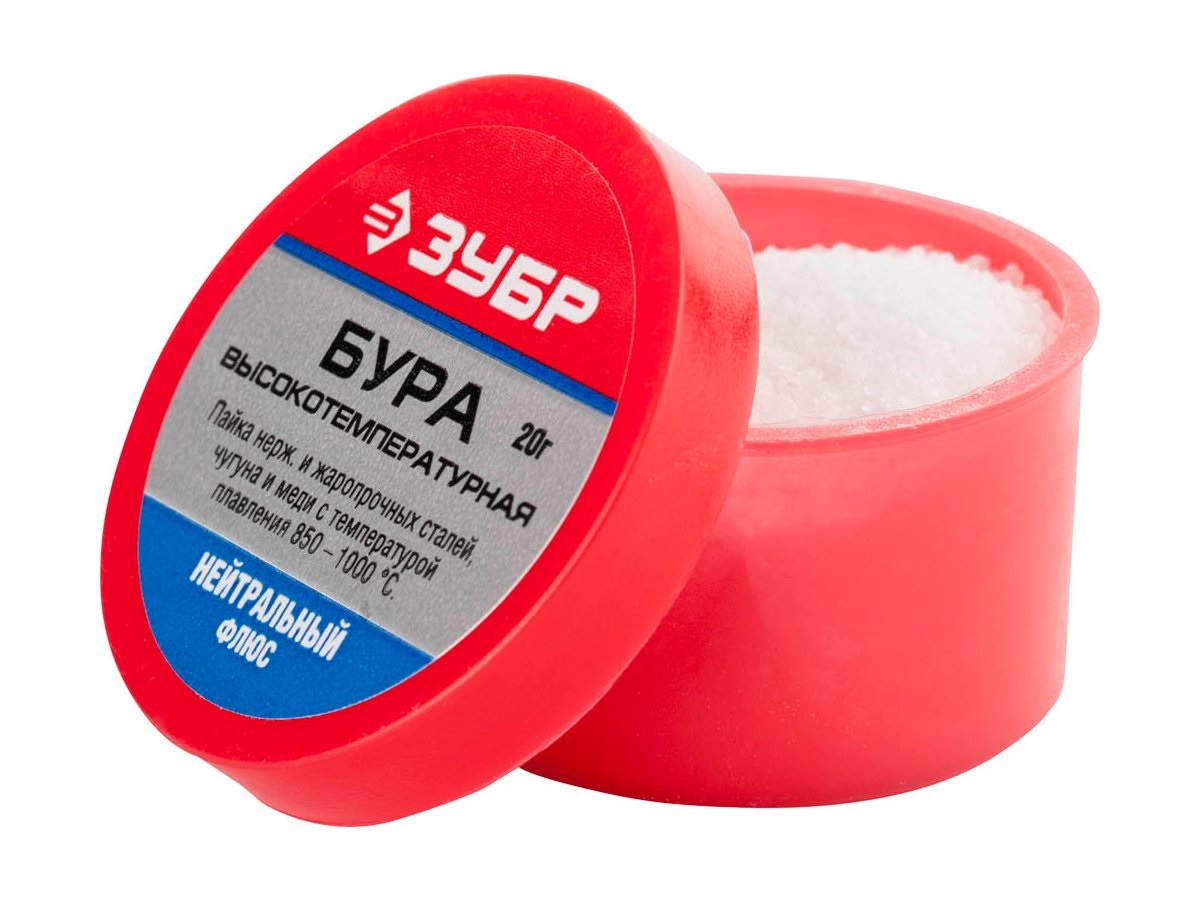
- Mix borax with granulated sugar and sprinkle the mixture on areas where pests congregate. Methods based on boric acid and borax are dangerous for children and pets.
To prepare the poison, use dry borax.
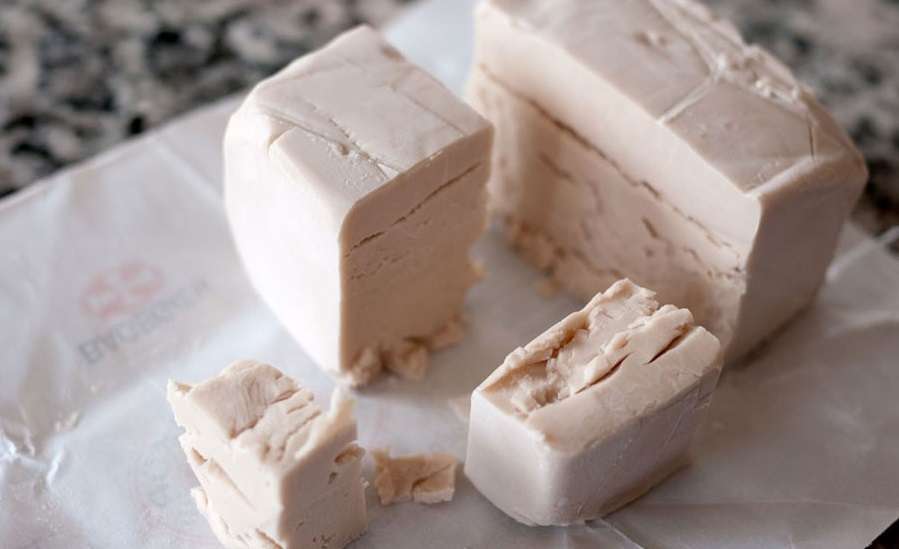
- Use yeast. It swells in the ants' stomachs, killing the insects. Mix it with sugar and water, roll it into balls, and place them on paper mats in ant-friendly areas.
To prepare the poison, it is convenient to use pressed yeast blocks.
- Talc-based baby powder, as well as corn or oatmeal, can enhance the effectiveness of these methods by sprinkling them along the ant trails. Disoriented workers will be unable to carry supplies back to the nest, and both males and females will be left without food.
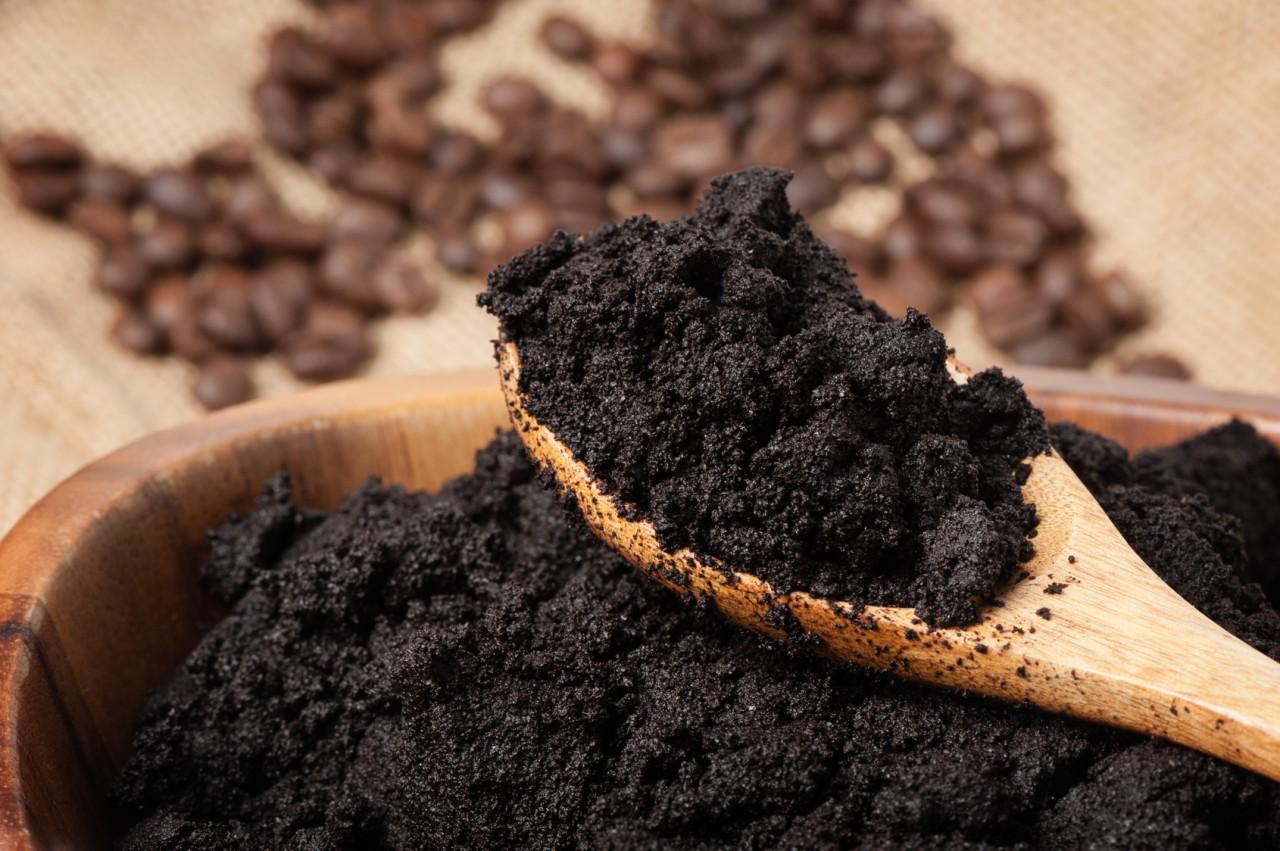
- Spread coffee grounds along ant trails. This will reduce the population but won't eliminate the insects.
Coffee grounds can help reduce ant numbers.
Video: 3 ways to get rid of ants in your home
Prevention
To avoid the problem of red ants in your home or prevent their reappearance, follow these simple rules:
- do not leave food in open containers;
- Wash the dishes after each meal;
- take out the trash every day;
- keep your house clean;
- Seal cracks in walls and floors;
- Do not keep rotting wood in the house.
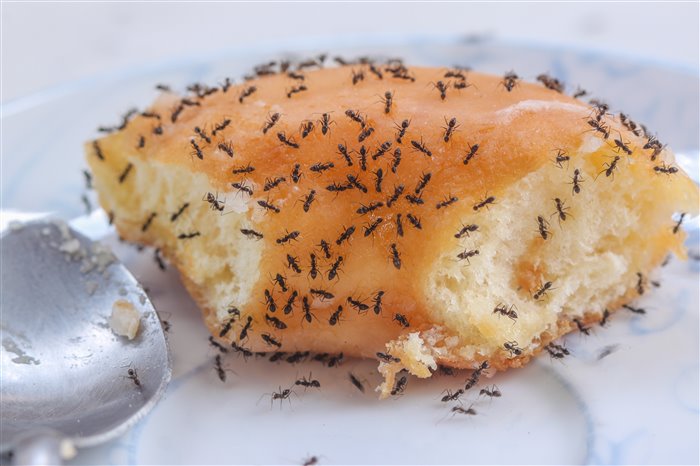
The main principle of fighting ants is cleanliness in the house, especially in the kitchen.
We drive ants out of the garden and vegetable garden
Open space provides more opportunities for treating the area. The main goal is to eliminate the female ants. To do this, find the red ant nest, then dig up the area and fill it with a strong lime solution. All that remains is to get rid of the worker ants.
Ants need to be treated at the same time as aphids, otherwise getting rid of one insect will lead to an increase in the population of others.
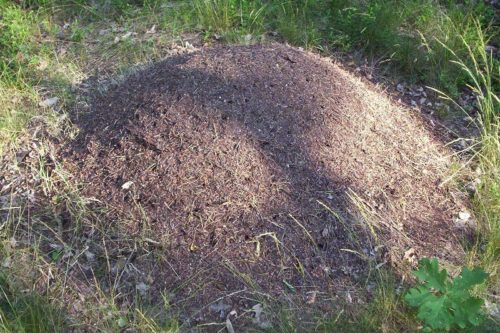
The main task is to find and destroy the anthill
Use of insecticides
Effective preparations for controlling insects in garden plots are based on diazinon (for example, Muratox). When the substance enters the insect's body, it causes paralysis and damage to the nervous system. The intestinal-contact formula guarantees the death of the entire colony within 2-3 days of treatment, making the area completely unattractive to new red-haired visitors for 21 days. The insecticide can also be used in its pure form: 10 ml is enough to treat 50 square meters.
Video: How to get rid of garden ants in your yard
Folk methods
Just as for ant control in homes, strong, unpleasant odors such as parsley, tansy, bay leaf, mustard, and tomato are used in gardens and vegetable patches. Place plant stems or leaves near ant trails and around trees. Plant mint and valerian along garden beds to repel these pesky pests. The following remedies are also effective:
- Mix boric acid and sugar in a 1:4 ratio and fill the paths and piles with this mixture.
Boric acid gets rid of many insects, including ants.
- The safest way to get rid of these red invaders is to use oregano and sulfur powder in a 1:2 ratio. Mix the ingredients and cover the mounds with the mixture. To enhance the effect, dig up the entire area with this mixture. This is also a good preventative against insects.
- The smell of kerosene also repels insects. However, this method is not 100% effective. Dilute 10 tablespoons of the substance in 10 liters of water and pour it over areas where insects are found.
The smell of kerosene will repel ants from the ground, but only for a short time.
- Raspberries suffer from insects more often than others. A method was developed specifically for this bush using sheepskin and carbolic acid (sold in pharmacies), the smell of which will repel not only ants, but also aphids from the raspberry bush. Cut 4-5 cm wide strips of sheepskin and soak them in the solution. Wrap the wool around the raspberries, 15 cm above the ground.
- If you find an anthill, set it on fire by dousing it with carbon sulfide (available at pharmacies or household chemical stores). When using this method, remember that beneficial insects will also die along with the pests.
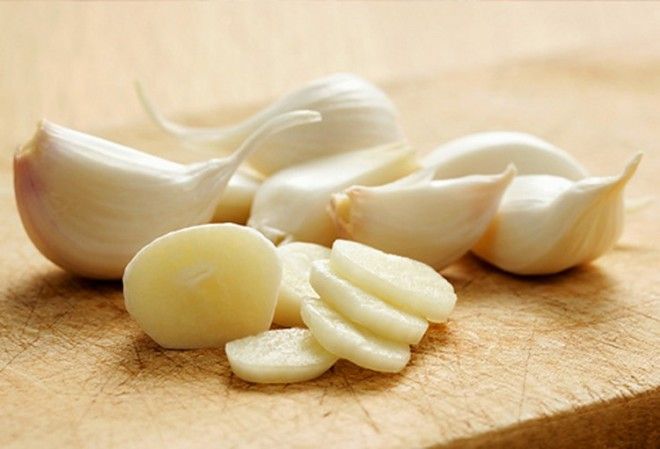
- Use strong odors. Sprinkle the pile with grated onion or garlic.
The smell of garlic repels ants, but you'll have to crush dozens of cloves.
- Prepare solutions from tomato tops or yeast (1 tablespoon per glass of cold water) and spread around the anthill.
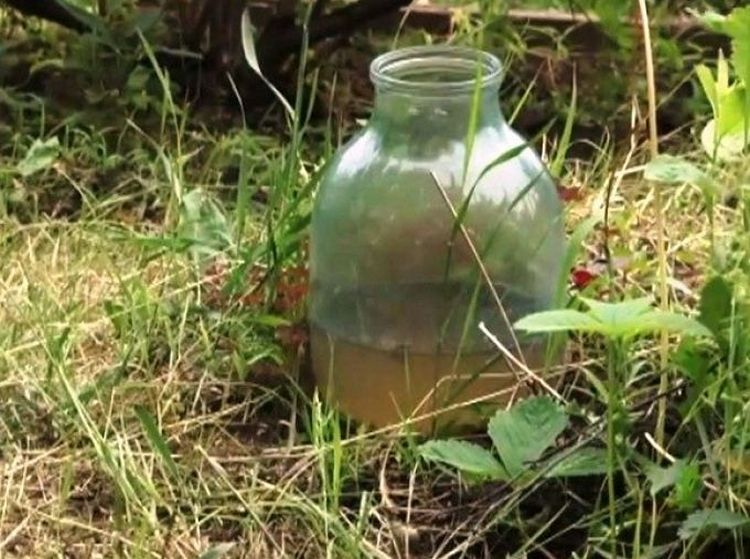
- Make a trap: fill small jars with a mixture of honey and water or sugar syrup, add borax, and leave the bait. Change it periodically. This method is the least effective, as it only kills dozens of insects.
Borax will turn the syrup into poison.
Video: How to get rid of ants in a greenhouse
Preventive measures
To prevent ants from settling on your property, do the following:
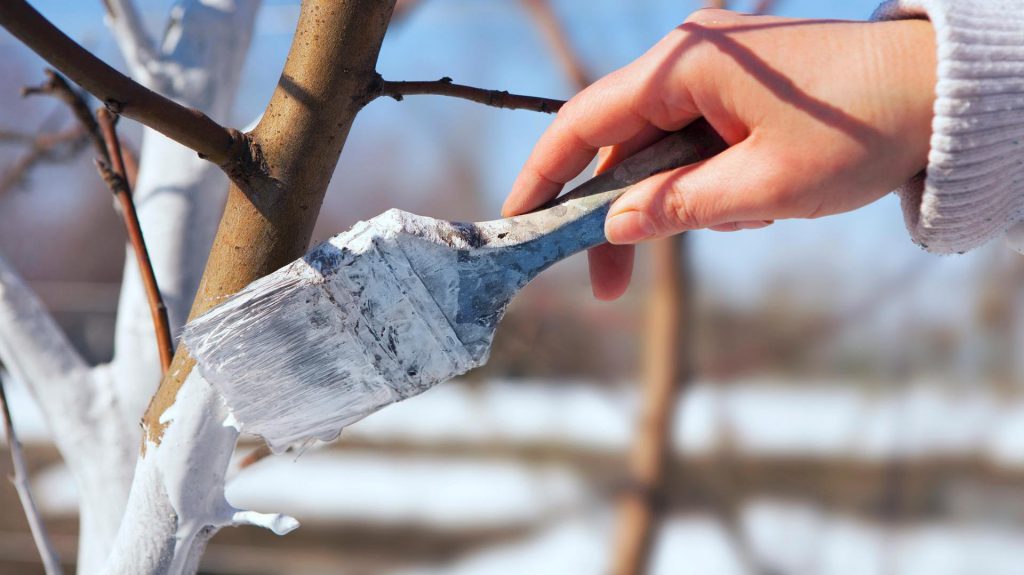
- treat tree trunks with a lime solution (there are many recipes for making it, for example, mix 1 kg of cow dung and slaked lime, 200 g of copper sulfate, 8 liters of water);
Tree trunks are usually painted in the fall to protect them from temperature changes, and in the spring to protect them from insect infestations.
- regularly inspect the area to look for anthills;
- plant mint or valerian around trees or between beds;
- Make sure the area is free of debris and do not allow the aphid population to increase.
Reviews
My favorite ranculus got sick. I took a closer look and saw an anthill in it. The flowers in that flowerbed are very precious to me. The woman selling "chemicals" offered me a can of "Raid." I sprayed it on the soil around the ranculus. The stench near the gazebo was so bad that I had to move it indoors. The ants disappeared. It was the only remedy that worked.
..there were ants in this house (and there are tons of anthills with garden ants around the house (and when the store on the first floor of 300 sq.m. was being renovated, they took out so many anthills, it's just crazy!!! The SES said that the treatment is temporary (I drew Mashenka everywhere, but it's noticeable (and crumbles everywhere when I draw) we bought two gels, in syringes, they cost about 30 rubles - one of them is Great Warrior, the second is called Proshka Domovoy. I applied both according to the instructions and haven't seen them for 2 months. The first day I watched: ants were running towards it in dozens (!!! - yes, we have a lot of them), they were visible))) then dead ones were lying nearby. Now I don't see them at all. But the instructions say that the gel is effective for about 1 month. So I need to repeat it. And, by the way, Great Warrior is not as nuclear yellow as Proshka Domovoy. They are the same in consistency
I added a 50 ml bottle of ammonia to 10 liters of water and sprayed the gnat-infested areas with a garden sprayer. They say the ants move away from the smell; we don't notice it after half an hour, but the ants can smell it for a long time. I'll try spraying the beds in the greenhouse in the spring. This summer, we had a plague of gnats in the greenhouse beds. I used Murav'in, and they left the area and made another nest nearby.
I had this problem. Oh my god, I was shocked when I first saw them. I couldn't figure out where they were coming from. Then I realized it was summer, the window was wide open, and they were crawling through it! I could practically see their path. Someone suggested I get cockroaches, saying that when they appear, the ants go away... I didn't dare try that. I tried wormwood, but it didn't help. Neither did wormwood essential oil. I tried just the oil, but it didn't help. In the end, I bought Raid aerosol (the purple one), against all types of insects. It worked, thank God!!!
I only discover them when I start harvesting certain root vegetables, like the last time I did with the radishes: I started pulling them up, saw that the ants had been at work, dug up the bed, and that's when I discovered them and their eggs. I poured boiling water over them and sprinkled poison on them. They disappeared.
Dissolve approximately 1/4 teaspoon of boric acid, three teaspoons of sugar, and one to two teaspoons of honey in a glass of water. Place the bait in a shallow container not just once or twice, but for a month, and place it in a location accessible to ants but out of reach of other pets. Be careful not to let children play with the ant poison. It's also a good idea to distribute the poison to your neighbors for effective ant control.
Winning the battle against these red-haired pests is possible with a well-developed strategy and well-developed tactics. It's also important to take preventative measures that will not only deter scouts from entering homes and properties but also prevent these uninvited guests from re-infesting the area.