Ants are hardworking and beneficial insects that enrich the soil and rid the garden of other pests. But when these insects begin to build homes in greenhouses and garden beds, the neighborhood becomes a problem. Crops spoil, cucumbers and tomatoes wilt, and a whole host of aphids settles nearby. Today, we'll explain how to deal with these guests using natural remedies, whether it's worth using chemicals to kill the insects, and which method works best.
Content
Reasons why ants appear in greenhouses and hotbeds
The reasons why ants find permanent homes in greenhouses are quite simple: they are attracted by the scent of plants. Since these insects feed on organic food, greenhouses and hotbeds are ideal for them. They are warmer here than outside in both winter and summer. Near the greenhouse, they find sources of water and food, build nests, and create paths.
A small number of ants in a greenhouse is a completely natural phenomenon. They are an integral part of the system. Ants perform their assigned work: they loosen the soil, enrich it with minerals, nitrogen, potassium, and humus, increasing its fertility. They destroy spider mites and other pests. However, even a few ants can multiply so quickly that the entire greenhouse turns into one large, tunnel-ridden anthill.
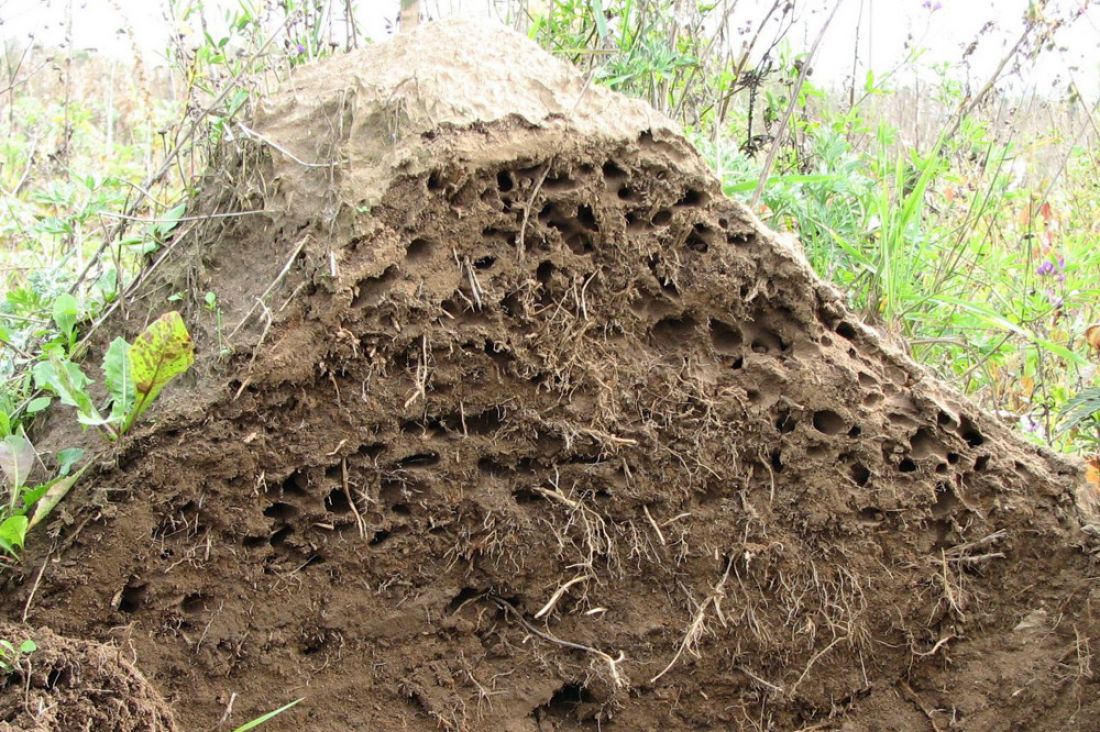
Ant houses can reach one and a half meters in height.
Species of ants found in greenhouses
Red insects often inhabit greenhouses, feeding on the growing materials in the beds. They are harmless to humans, but can ruin crops. These red workers prefer cucumbers and tomatoes. Less commonly, black ants, flying ants, and wood ants can be found in greenhouses and hotbeds.
Forest ants, both black and brown, often settle in summer cottages.
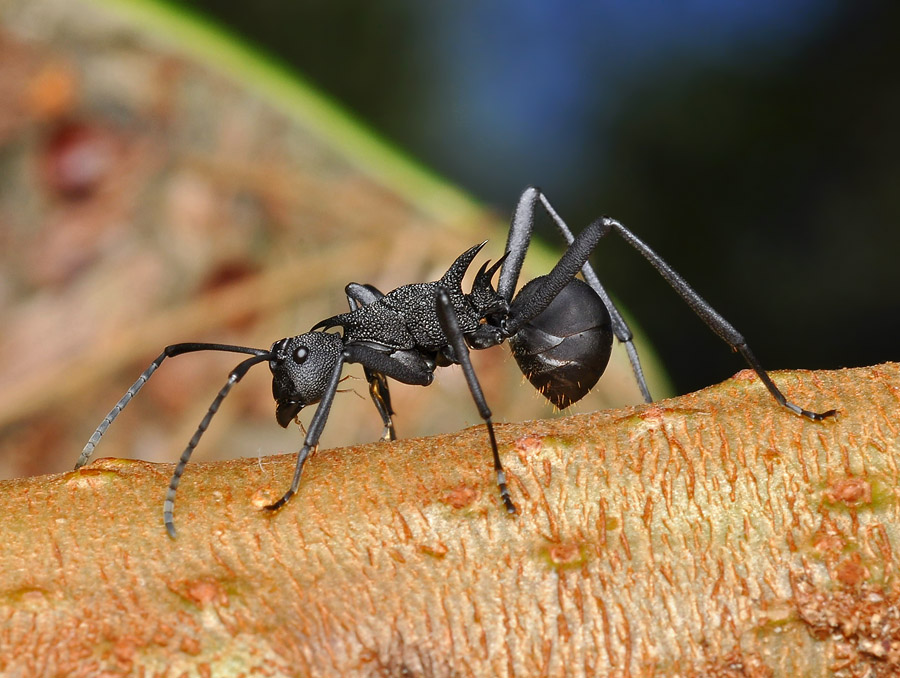
This is what a black ant looks like from close up.
Bright red wood ants often live in summer cottages located near forests.
Black insects love to feast on seeds and young sprouts in greenhouses. They build their homes right in the garden beds. During the construction of a "residential complex," the plant roots suffer: the ants dig long tunnels and damage the still-fragile root system.
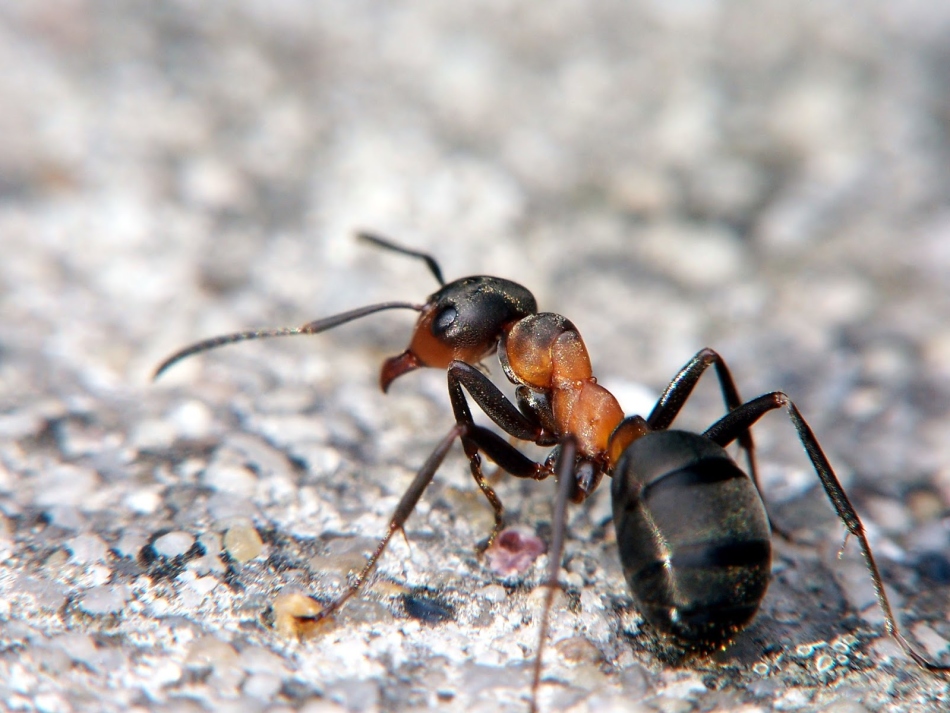
This is what common red ants look like.
Ants damage greenhouse plants
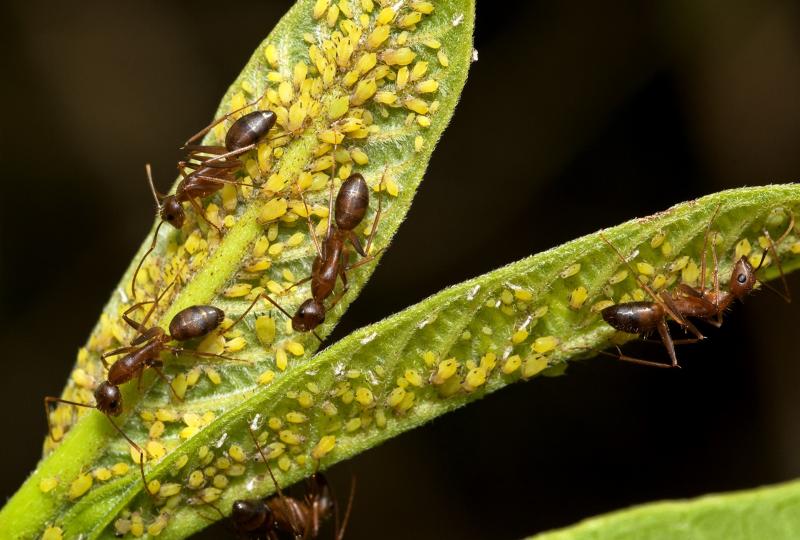
Although ants are beneficial workers, they can cause significant damage to crops and even lead to their death. They damage plant roots, carry weed seeds, and cause aphid infestations. Ants need aphids to obtain sugars, so they create entire "herds" of these pests. Garden ant bites are harmless, but they can sometimes cause allergies.
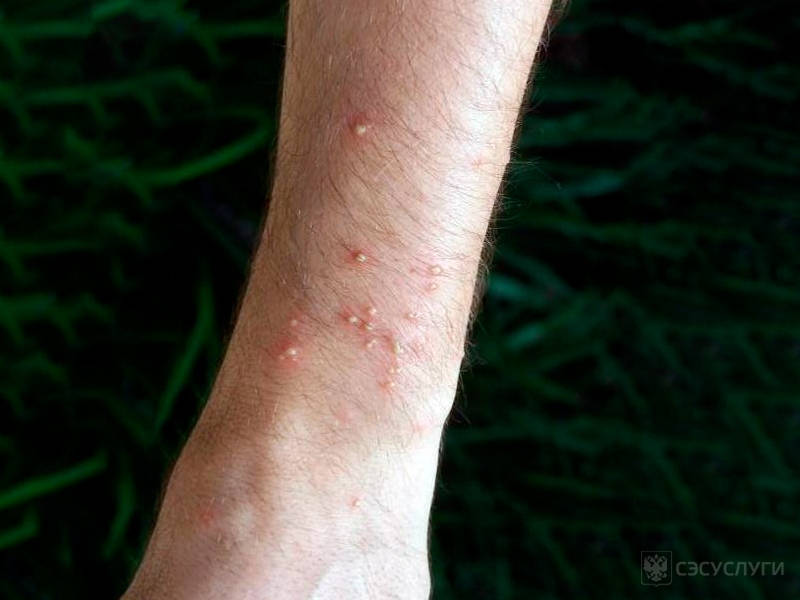
An ant bite can cause redness and severe allergies.
How to control ants in greenhouses and hotbeds
There are three main methods for controlling greenhouse ants: chemicals, physical treatment, and folk remedies. Several methods can also be used simultaneously (a combined method).
The most effective method is to destroy pests with chemicals, followed by folk remedies, and third place in terms of effectiveness belongs to physical methods of exterminating uninvited guests.
Chemicals
Use chemical ant control products indoors, taking precautions. Greenhouse and hothouse crops are very sensitive to chemicals. Harmful microelements can be ingested by people who eat these vegetables.
It is better to treat the greenhouse in the spring, when the sprouts are still small.
The top five chemical ant control products include Raid, Raptor, Karbofos, Chisty Dom, and Dohloks. German products Delicia and Expel are also excellent at killing ants.
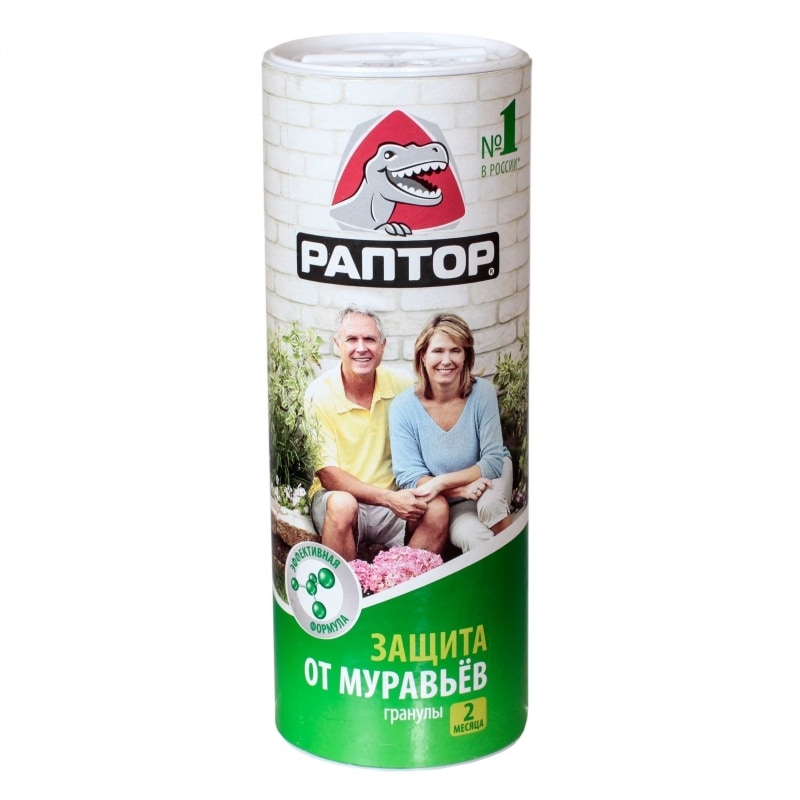
Raptor ant granules provide 60 days of protection against insects.
Preparations based on this have shown high efficiency. diazinon (Muracid, Muravyin, Grom-2).
A GreenSad expert explains whether it's worth using insecticides against ants and how they can harm your property.
Video: An expert's opinion on chemical insect control
Chemical methods They are the most effective and fastest compared to others. When using chemical traps, read the instructions carefully and follow safety precautions. Chemicals are highly toxic poisons that can accumulate in plants and cause poisoning in people, pets, and other insects (such as bees) if ingested or exposed to them for prolonged periods. A safer option is to use chemical poisons in traps, where they are inaccessible to children and pets.
All chemicals are applied only after the plants have flowered to avoid harming pollinating insects. Wear a respirator and protective gloves when applying the chemicals.
Table: Chemicals for ants
| Name | Weight | Volume | Price |
| Expel (for garden ants) | 100 g | — | 203 rubles |
| Dr. Klaus Insect | 1 kg | 750 ml | 374 rubles |
| Get Express | 100 g | — | 870 rubles |
| Medilis-SUPER | 50 g | 50 ml | 265 rubles |
| MaxForce (ant and cockroach control) | 20 g | — | 799 rubles |
| Dr. Klaus | 1 kg | 600 ml | 259 rubles |
| Argus Garden (for garden ants) | — | 250 ml | 122 rubles |
| Deadly Drops #1 for Ants | 2.5 g | — | 130 rubles |
| Dobrokhim-FOS | 1 kg | — | 2270 rubles |
| Alkot (for ants and cockroaches) | 30 g | — | 123 rubles |
| Medilis-Ziper | 510 g | 500 ml | 1,540 rubles |
| Mashenka | 20 g | — | 50 rubles |
| Ecokiller (for garden ants) | 200 g | 500 ml | 349 rubles |
This is by no means a complete list of chemical ant repellents. For information on which product works best and why, see the "Best Way to Get Rid of Ants" section.
Physical methods
Physical methods are those that don't require the use of harmful chemicals. To get rid of ants, it's recommended to dig up the garden beds, move the nest to another location, pour salted boiling water over it, or sprinkle it with fire ash. An infusion of tomato tops is also suitable for "watering."
You can make a "skirt" of cling film around the tomato and cucumber bushes: this will prevent ants from getting along the edge and damaging the plants.
A water barrier is an impassable ocean for insects. This fact is also used to protect crops from them. A car tire is cut lengthwise, turned inside out, buried, and filled with water.
Of course, this will not solve the problem completely, but some of the ants will definitely move to another place of residence.
Among all the methods Physical methods of ant control are the simplest and most accessible. Unfortunately, their effectiveness remains questionable: all these procedures provide only temporary relief; after a while, the insects return or simply move to a location free of obstacles and traps.
Traditional methods
Sometimes old-fashioned methods of pest control are the most reliable and accessible.
All baits They are placed in shallow bowls in places where parasites can easily get to, but pets and children cannot reach.
Traps are prepared daily for 30 days.
Trap recipes
Two teaspoons of minced meat are mixed with half a teaspoon of boric acid.
Mash one medium-sized boiled potato, three egg yolks, mix with a tablespoon of vegetable oil and the same amount of granulated sugar. Add a packet of boric acid to the puree. Break off small clumps of the "dough" and spread them around the greenhouse.
Take 50 grams of granulated sugar and water, stir until dissolved, and add a spoonful of acid. Pour the syrup into small containers and place them near the garden beds.
Mix a packet of boric acid with one boiled egg and a tablespoon of flour. Place the mixture in containers near the parasites' nest.
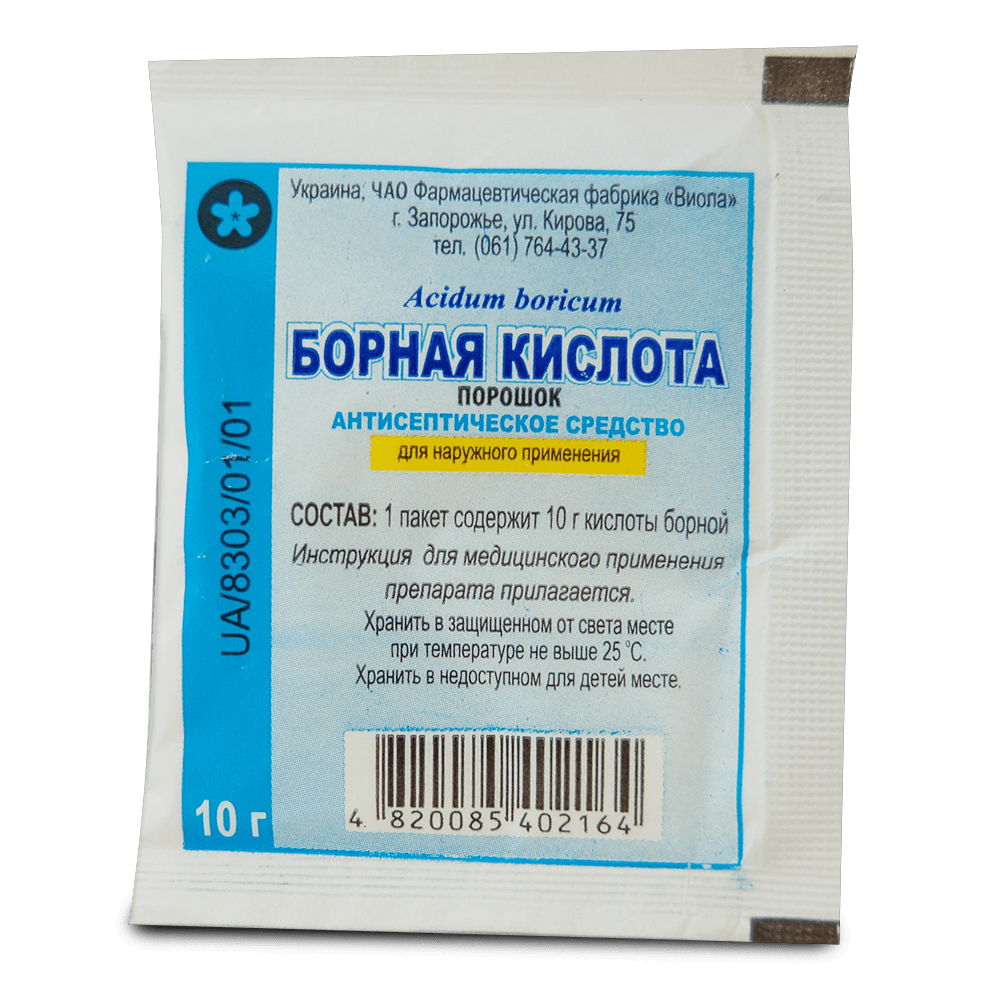
Boric acid is a popular poison added to ant baits.
Boric acid, scattered near the pests' home, poisons insects upon contact with the particles. The acid crystals cling to the insects' bodies, gradually poisoning them.
More effectively The acid mixed with food is effective: the ants deliver tasty morsels to their neighbors and the queen, and the entire colony gradually dies out.
Boric acid is a long-acting, gastrointestinal poison. This means the poisoned "dish" acts slowly and gradually, killing insects upon contact with the poison (dried crystals) and when they ingest the bait. Ants carry the tasty morsels of food throughout the nest, killing their fellow ants.
Dissolve a tablespoon of yeast in two tablespoons of water and add the same amount of sugar. Place the mixture on pieces of cardboard around the beds.
Yeast causes severe gas formation in ants and they die.
There's one remedy, if you're not afraid of them all dying... Ants have a terrible sweet tooth. Therefore, this method is 100% effective. Take a small amount of jam (for example, half a cup), half a teaspoon of boric acid, and a teaspoon of yeast. Mix the yeast evenly with the jam and acid, spread it over flat dishes (plates, saucers), and place them in areas where these insects are most often seen. They will be delighted with the jam, but after eating a little, they will die after a while, as the yeast and boric acid are very harmful to ants.
Experienced gardeners recommend using dry mustard as a poison.
A packet of mustard is sprinkled directly onto the anthill. The powder's scent repels not only ants but also aphids.
Hello! I have a house in the countryside, 10 acres, and the end of the garden runs right into the forest. There was no escape from the ants. I tried sprinkling the soil with Grom and Grom-2, but these granules have a very strong smell, and I'm not a fan of chemicals. Some elders recommended the old-fashioned method. Take 60 grams of mustard powder and 1 liter of hot water, let it steep for 3 days in a tightly sealed container. Dissolve in 3 liters of water and spray the plants. At the same time, dissolve 1 teaspoon of mustard in 1 liter of water and water the soil, or sprinkle the soil with mustard powder to a 1-centimeter layer. Try it; it worked for me.
We present to your attention a few more old-fashioned methods for getting rid of ants.
Sawdust mixed with crushed garlic (one clove of garlic per glass of sawdust) is poured into the ant tunnels.
Grate one head of garlic, add ten liters of water, and let it sit for 24 hours. Pour the resulting infusion onto the insects' nests and passageways in the garden beds.
The anthill is leveled and the ants are allowed to rebuild the paths and tunnels. After this, they are doused with vegetable oil using a syringe. Once the oil has been absorbed, the procedure is repeated.
The ants' habitats are doused with a kerosene solution (2 tablespoons per ten liters of water) or a mixture of vegetable oil and vinegar (9%) in equal quantities.
Dissolve any shampoo (packet), half a liter of table vinegar (9%), and a bottle of vegetable oil in a bucket of water. Mix thoroughly. Spray the resulting solution liberally on the ant infestation area and leave it covered for three days.
VinegarThe solution mentioned in the recipes increases soil acidity, so even if the ants leave, the cucumbers won't survive the test. The effectiveness of oil and shampoo against pests has not been proven.
A jar smeared with jam can help partially get rid of ants. Leave it open in the greenhouse. and after some time There will be quite a few sweet-toothed people there. Afterwards, take the jar to a safe place or pour boiling water over it.
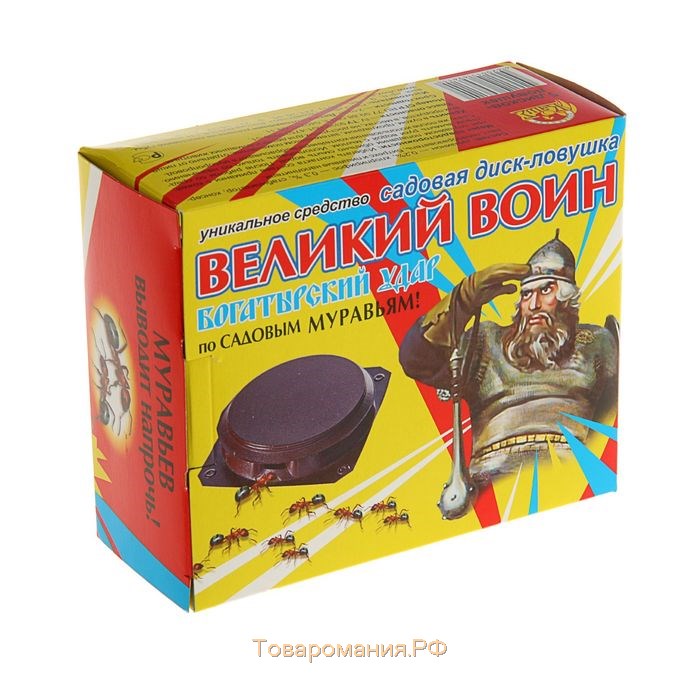
You can try replacing the purchased Great Warrior trap with a homemade one.
Insects don't like strong smells, so some readers suggest garlic, coffee, catnip, cinnamon, and elderberry. Great They do their job. Simply spread them throughout the greenhouse and the ants will flee.
The previous recipes can be combined into one: a dish sponge soaked in honey is placed near an anthill. When a sufficient number of insects have gathered for the feast, the sponge is dropped into boiling water. This procedure is repeated regularly.
It's recommended to coat the trunks of shrubs in the greenhouse with sunflower or hemp oil in several layers, forming "belts." Not every ant would dare crawl through such a barrier.
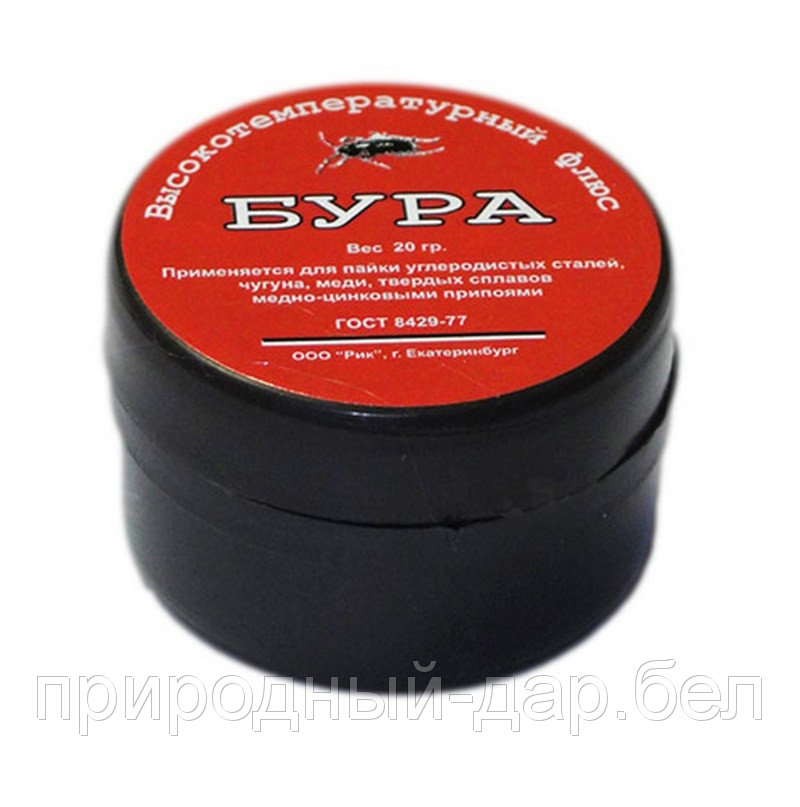
Borax is an effective poisonous base for ant baits.
VideoAndrey Tumanov on ants in a greenhouse
Video: How to repel ants with ammonia
Popular folk remedies for ants use the following ingredients:
- wood ash;
- cinnamon (ground);
- coarse salt;
- tobacco dust;
- soot;
- bone meal;
- red pepper;
- a mixture of ash, bark and lime.
They sprinkle anthills and paths with them.
It's said that ants can't stand the presence of smoked herring, potato peelings, and urine (which is poured onto the anthill). However, these methods haven't stood the test of time.
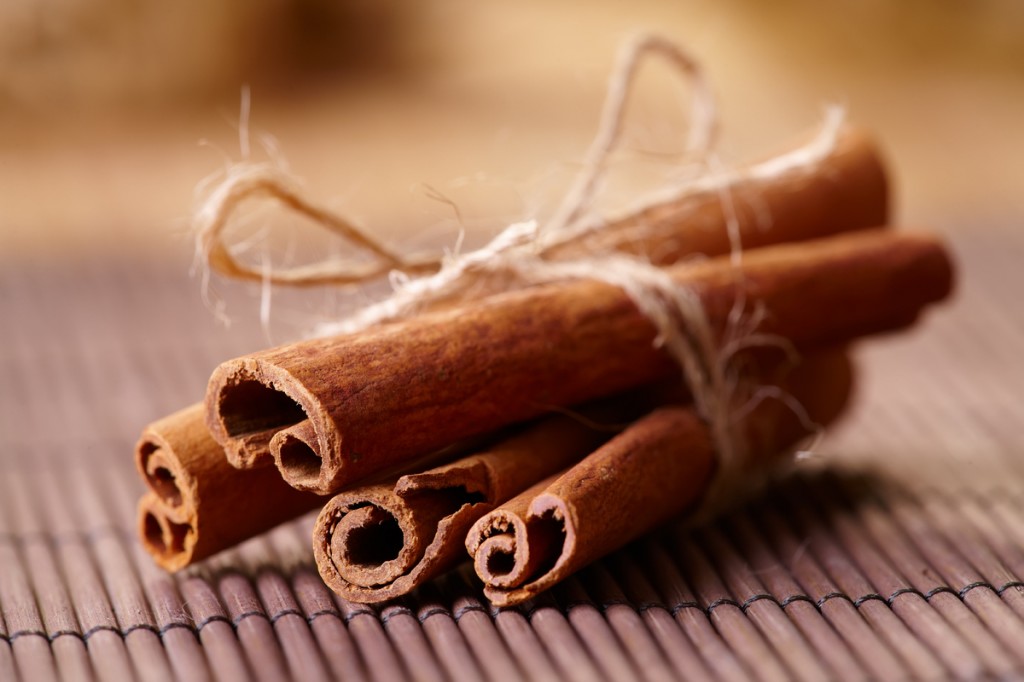
This aromatic spice repels ants quickly and safely for plants and animals.
Plants to repel ants
This method of ant control is one of the most humane, as it does not harm the soil, does not poison plants, and does not harm the insects.
Ants are repelled by plants with a strong odor: tansy, mustard, bay leaf, mint, valerian, onions, and garlic. Ants dislike marigolds, cloves, and parsley. Most ants dislike anise.
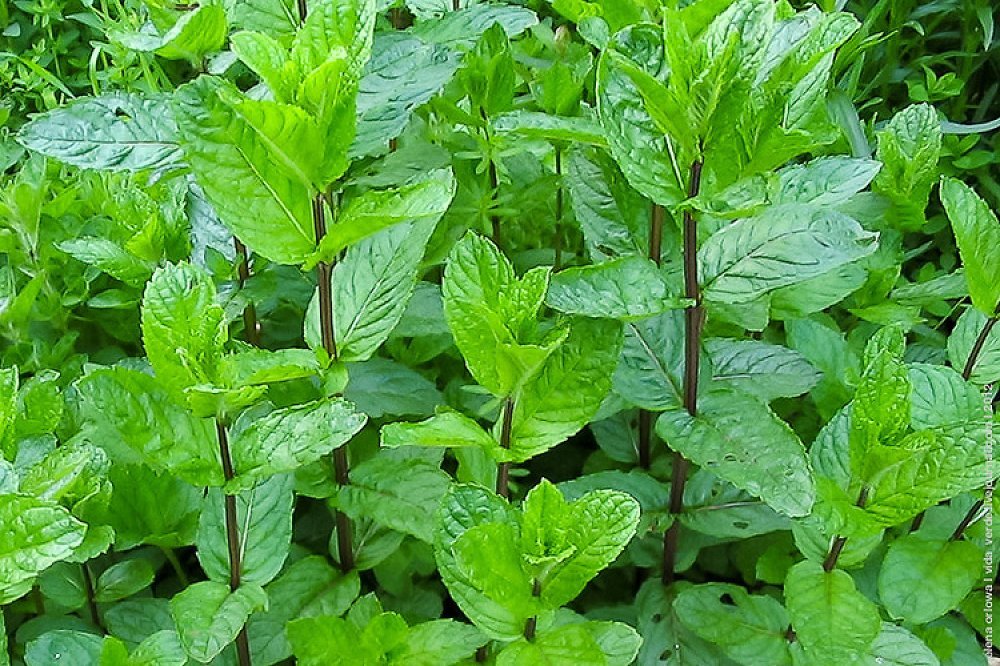
Mint is a fragrant and beneficial plant that also repels ants. MintMint is a fragrant and beneficial plant that also repels ants.
Place the stems and leaves of these plants where ants can't get close. Rub large stems of greenhouse plants with garlic, and plant valerian and mint between the beds in the hotbed.
To protect against forest and meadow (brown) ants, it is recommended to spray plantings with an infusion of mint, lavender, wormwood or onion.
A mixed method of controlling ants in greenhouses
To destroy an ant colony, use a large old saucepan or kettle. Place a dark cloth soaked in syrup, liquid honey, or jam on the bottom. Place the container next to the nest. The queen and her entire family move to a new "anthill," which is discarded or moved to a safer location.
Gardeners and summer residents often use this method in combination with mustard poison. Sixty grams of mustard powder are dissolved in a liter of hot water. The resulting mixture is left to steep for three days.
The solution is mixed with three liters of water. The resulting liquid is sprayed on plants, the soil, and areas where ants are digging tunnels.
An easier way is to sprinkle the ant holes with a one-centimeter layer of mustard powder.
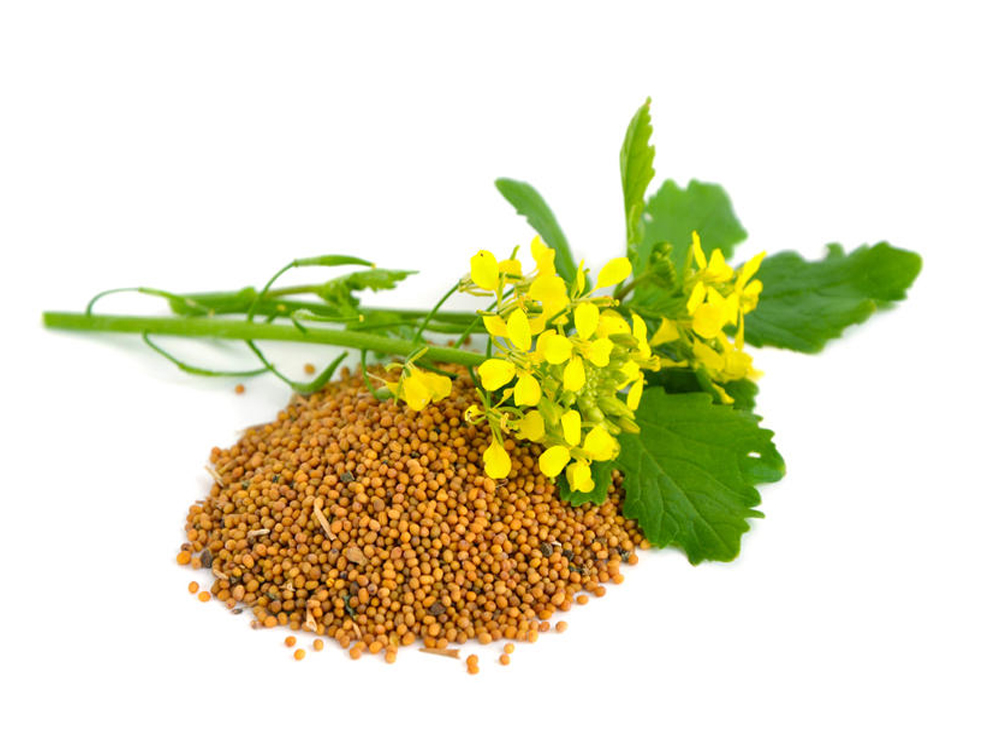
Gardeners have been using mustard powder to combat ant pests since Soviet times.
Do folk remedies for ant control work?
People use a wide variety of substances to combat the pesky attentions of garden insects. They use cereals, yeast, baking soda, petroleum products (kerosene, gasoline, diesel fuel), sawdust, vinegar, garlic, aromatic herbs (tansy, anise, cinnamon), vegetable oil, salt, soot, ash, beer, and even shampoo.
Let's figure out what these methods are based on and whether they really work.
Physical methods (moving the nest, flooding the nests, filling the paths with oil, etc.) provide temporary relief: the ants simply move from an unfavorable location to a more favorable one. The same can be said for pouring boiling water on the nests, covering them with ash, and other substances that many believe ants cannot tolerate.
Ants tolerate soil digging and physical barriers (water, foil, belts, and oil) quite well. They have plenty of food in the greenhouse, even despite these tricks.
Using boric acid as a poison is unsafe: Doctor of Medical Sciences V. Prozorovsky believes that acute poisoning with this substance affects the mucous membranes, skin, and the brain.
The effectiveness of traps based on kerosene, gasoline, and other petroleum derivatives is questionable. While this method can kill ants, it will also kill other soil inhabitants and stunt plant growth.
Products based on garlic, spices, chamomile, ammonia, and aromatic herbs and oils have a purely repellent effect, meaning they repel pests. Ants simply avoid the offending area, re-establishing their paths and building nests away from the source of the odor. These methods are only a temporary solution and can be used for prevention.
Contact poisons (for example, dry boric acid powder) are best replaced with gels or granules:
Firstly, the safety of the acid is still in question,
Secondly, the poison kills insects only upon contact, meaning many individuals remain untouched.
The use of millet, semolina, lemon, smoked fish, beer and other unusual products is not supported by any real facts.
Yeast is believed to be effective against ants. Indeed, it causes swelling, which causes the insect to burst. However, controlling ants individually is ineffective: specialized stomach-and-contact agents are much more effective. They gradually kill the ant itself and any other ants it feeds on. The poison also works when the ant eats its poisoned mates and when it comes into contact with the substance.
Sunflower oil works well in baits as an attractive nutrient, but topical application is ineffective. It destroys paths and passages in nests, but the ants rebuild them elsewhere.
The safest traps for the soil and its inhabitants are those made from sugar and jam: they don't poison other inhabitants and don't harm the environment. The best poisons to add to your bait are discussed in the section below.
I had ants in my barrel of cucumbers last year, and before that. But last season, there were a lot of them in that barrel. The cucumbers were already planted and growing. I don't use chemicals; I tried sprinkling them with millet and semolina. It didn't help; the cucumbers started to wither. I decided to disturb the ants with vinegar, gently, along the side of the barrel. In the end... the cucumbers in the barrel died, and I tried to finish off the ants. I think they won. But I didn't spray the barrel with phytosporin; it wasn't enough, and I didn't have time to breed them again. So, from my experience, ants are very harmful to crops. That barrel didn't affect the harvest; our cucumbers that year were still growing in a large greenhouse and several plants in hothouses.
There are few reviews on the actual effectiveness of borax and glycerin-based recipes. These assessments are generally based solely on advice from other sources and are not supported by real-world experience.
The best way to deal with ants
To understand which method of destroying an enemy will work best, you first need to get to know the enemy better.
Peculiarities of the ants' lifestyle
Ants are highly intelligent and organized insects. Although there's plenty to feed them in the greenhouse, they'll happily travel long distances from their nests to find a meal if necessary.
They locate feeding areas by the scent left by their fellow ants. A single ant colony may live in a single nest, but more often their nests are scattered across the landscape, forming a network of "roads" and "villages."
This is precisely why it makes no sense to poison insects in just one location: upon discovering a dangerous or unpleasant substance, the ants alert their entire family to the need for an urgent "move," and the entire colony immediately moves to a neighboring dwelling in your greenhouse.
What's the best remedy for ants in a greenhouse?
The most effective bait for this task is bait with slow-acting poisons (see below for information on what to make them from and how). Disguised as tasty food, these traps are completely undetectable. Ants happily sample the new food several times, bringing it home to their brood and queen. This method is a weapon of mass destruction against ants: by the time the poison takes effect, as many ants as possible will have consumed it. Most importantly, the poison will reach the queens.
Eliminating the queen is a top priority in ant control. No ant nest can survive without one, as the queen is responsible for the colony's reproduction. Without eliminating the "queen," it's impossible to completely eradicate the ants.
Localized methods (aerosols and sprays) provide only a short-term deterrent, causing the ants to move elsewhere. Furthermore, they have no effect on the nesting ants. As for controlling ants with strong odors, the result is the same: the ants begin to create paths around the source of the odor. This method helps some people get rid of ants, while for others, the insects simply find a more suitable corner of the greenhouse.
To kill parasites, experts recommend using long-acting substances in the form of microcapsules (Grom-2) or gel (Absolut). These are odorless, so they don't repel insects, and they readily accept the bait.
"Grom-2" crystals are sprinkled directly onto the soil at a rate of 2-3 grams per square meter, and the topsoil is lightly mixed. The product is non-toxic to plants and poses a moderate hazard to humans and animals. Repeat treatment after two to three months.
Absolut Gel is applied in a dotted pattern (two centimeters of gel every three to four centimeters) near the anthill and along ant trails. One package (125 ml) is sufficient to treat thirty square meters of area.
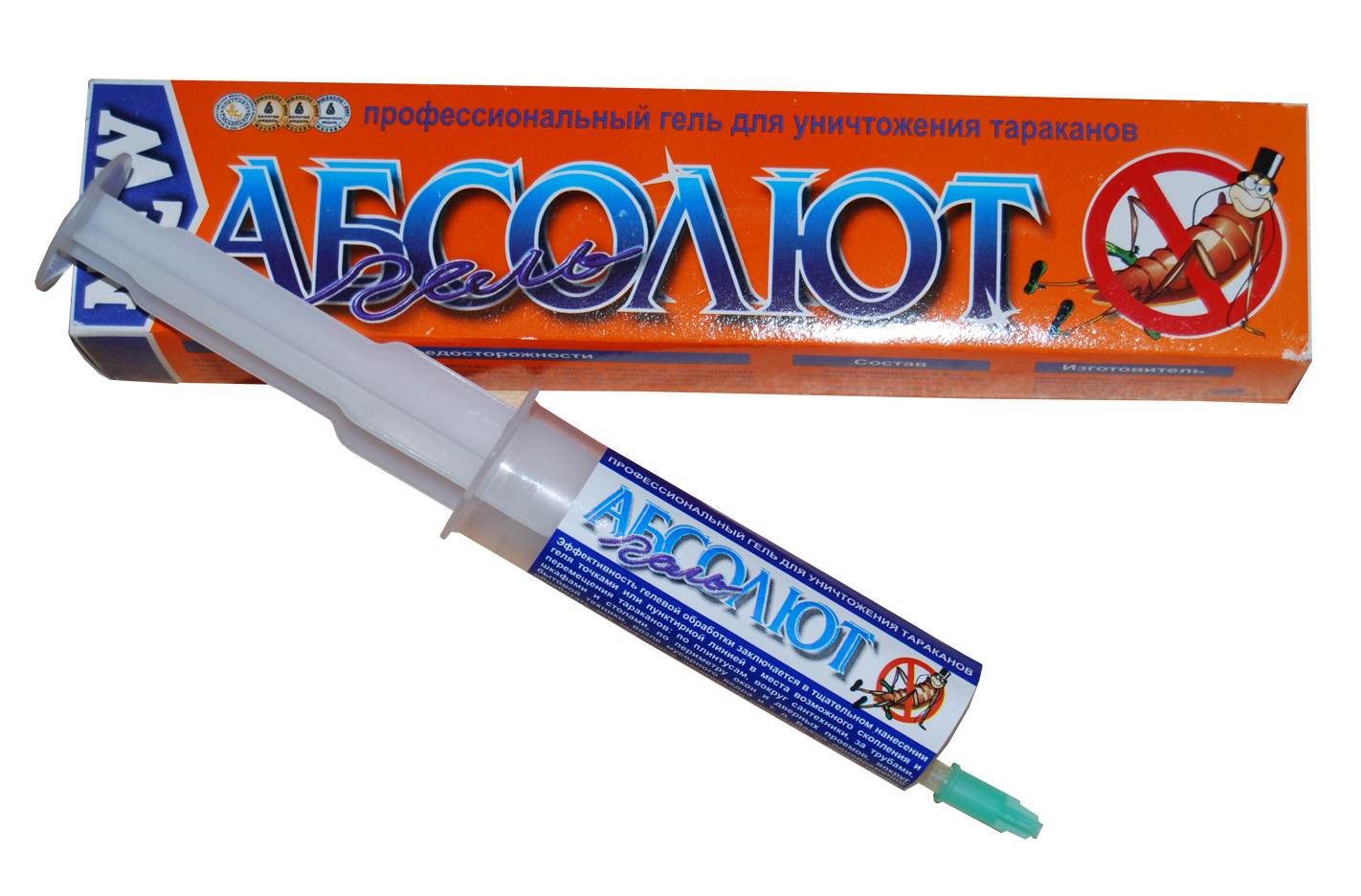
The gel deals not only with cockroaches, but also with ants.
Professionals also recommend products containing hydramethylnon (Combat), fipronil (Dohloks), fenthion (Dobrokhim-FOS), or chlorpyrifos (Velikiy Voin) for adding to baits. These stomach-acting poisons are also considered long-acting. They affect all ant "positions": workers, the queen, and the resident ants.
As for the second component of the bait - the attractant, there are three options: proteins (boiled eggs, minced meat and bone), carbohydrates and fats (baked goods, jam, sugar syrups, nuts).
It's impossible to recommend a single "dish" for ants, as some colonies are attracted to protein, while others crave sweets. Red ants prefer foods that combine carbohydrates and fats (honey, nuts, powdered sugar, potatoes).
The best option is determined through trial and error. For testing purposes, it's best to combine no more than three ingredients in a single bait to determine which ants prefer. The more insects you attract to the trap, the more effective the product. The first results from this tactic appear within a week, and sometimes even a month. Initially, it may seem like the insect population is increasing, but this is completely normal.
Be patient: drugs with long-term systemic and intestinal action take a long time to work, but they destroy the maximum number of individuals.
Complete elimination of insects occurs within 2–3 months.
How to deal with a queen ant
The tastier, sweeter, and fattier the bait, the more likely the queen will come out to sample it. Ants learn their tastes through experimentation (unfortunately, this takes time).
Fatty and sweet baits (baked goods, butter, sugar, nuts, and jams) are effective against red ants. Other species are attracted to proteins (meat, bone fragments, and egg yolks).
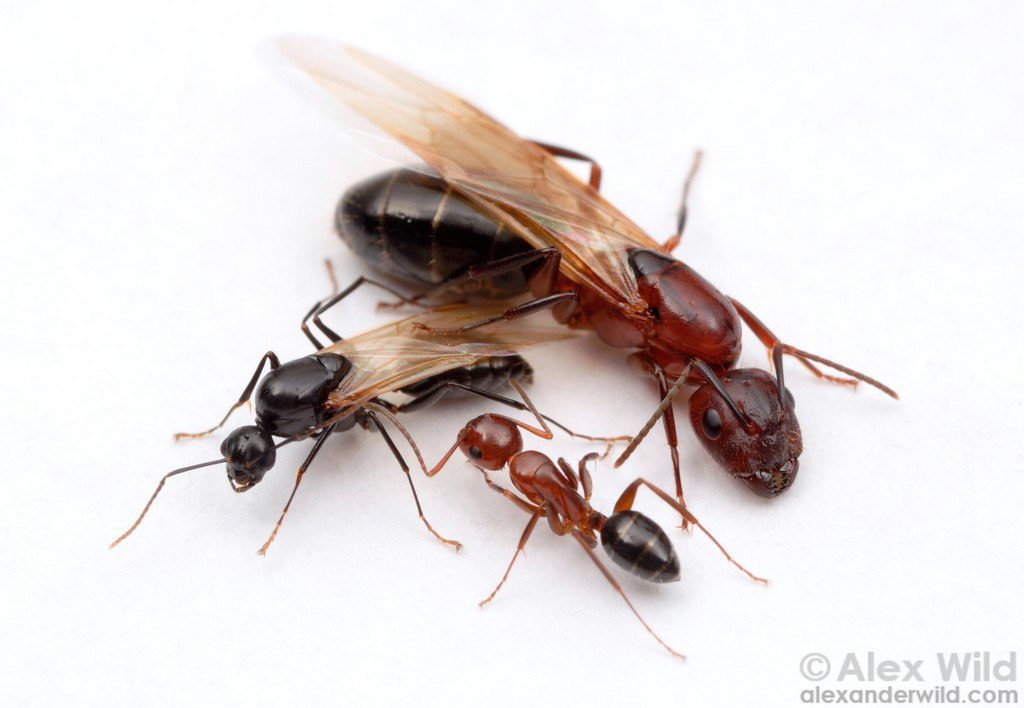
The queen ant is much larger than other ants. Before founding her nest, the queen sheds her wings.
How to tell if the trap has worked
After some time (from a week to a month), you'll see a "trail" of worker ants leading to the trap. This means the insects have already explored the feeder. When the worker ants (the smallest black ones) surround the feeder from all sides and carry the treats back to the nest, you can assume the trap is working effectively.
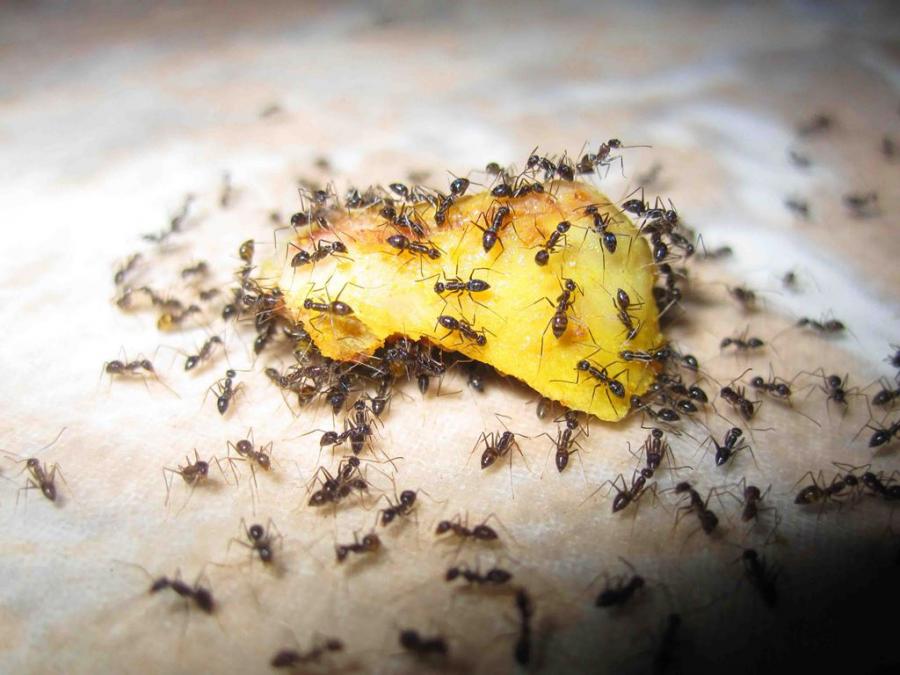
The whole ant family comes running to the most delicious bait
If the bait is not popular, the active ingredient is changed or a new type of treat is tried.
Rules for using baits
Baits should not be combined with repellents (such as DEET). Poisonous traps should not be used with herbal repellents (garlic, mint, anise, tansy, cinnamon, and other aromatic herbs).
Do not move the bait once the ants have found it.
Bait recipes
The proportions and combinations you use don't really matter. It's much more important to test whether the ants like a particular flavor. These recipes are just guidelines and a list of ideas:
- boiled potatoes;
- boiled egg or yolk;
- jam;
- condensed milk;
- sugar syrup;
- sweet pastries;
- leftover fruits or vegetables (apples, pears, cucumbers and tomatoes);
- bread;
- leftover meat products (even bones);
- ground meat.
Preventing ants from appearing in greenhouses and hotbeds
To prevent insect infestations, be sure to remove tree stumps, planks, and logs from your property. These are the places ants often choose as nesting sites. As we've already mentioned, ants live dispersedly across the landscape. A colony may live in one place and feed in another, so even discarded boards at the other end of the garden can encourage ants to appear in greenhouses.
Be sure to loosen the soil and regularly destroy anthills in the spring and fall by digging deeply.
One way to prevent ants from appearing is to control aphids. Once the aphids are gone from the area, the ants will move on to another location.
Before planting seeds in the greenhouse, water the soil with a special solution: add 30 grams of linseed oil and a teaspoon of soda to one liter of water. For one square meter of greenhouse area, 4–5 liters of liquid are needed.
The ants will scatter and look for another place. If they've already appeared, the most effective way to get rid of the uninvited guests is to find the queen and destroy her. As a preventative measure, it's recommended to sprinkle ant tunnels and houses with ash, baking soda, or lime. Let's look at the advice Oktyabrina Ganichkina gives in her "Skilled Gardener's Handbook." The book has a separate section devoted to pest control of strawberries and other garden and greenhouse plants.

Oktyabrina Ganichkina is a recognized expert in gardening.
Treatment is only possible after the last harvest. Forty grams of Malathion and two tablespoons of liquid green soap are diluted in 10 liters of water and this solution is sprayed not only on the bushes but also on the soil. Then, cover the area with white plastic film for 24 hours, during which time all pests (nematodes, slugs, snails, and red ants) will die.
What experienced gardeners say
I was looking for a good ant repellent and one day came across Delicia ant powder. Ants are the bane of every gardener's life. These ubiquitous bastards are always trying to ruin the well-being of any garden, lovingly crafted. So, I'm fighting ants. No old-fashioned methods work for me. I need it fast and reliable. Quite by chance, I discovered a wonderful product that effectively fights ants. It's Delicia ant powder.
The product comes in a tube with holes. By rotating the cap, you can adjust the flow rate of the powder. There are two ways to use it: sprinkle it dry or pour it diluted with water. I only use the powder dry and am very satisfied. Finally, I've found a product with a 100% guaranteed result. The product works in such a way that if you notice a cluster of ants, you don't have to search for the anthill itself, although it's certainly advisable.
The ants themselves will carry particles of the powder to the nest, causing mass deaths, including of the queen. And if you find a nest and sprinkle this miracle product on it, the surrounding area will be littered with dead insects, and within 20 minutes or less, the nest will cease to function. Sometimes, when there are especially many ants on a plant, I sprinkle it around the plant. The product looks like cleaning powder. It has a distinctive odor, which, if used outdoors, is only noticeable during application. It's not overpowering, but I simply find the smell unpleasant. It's precisely because of this odor that I wouldn't use this powder indoors, even though the box says it's safe to use.
It's summer, and many gardeners are facing a problem: ants! It seems they're everywhere, in houses, greenhouses, and bathhouses. I've found Grom-2, an ant and midge repellent, to be helpful. It's an excellent powder that's super easy to use—just unzip the package and sprinkle it on the ant cluster. The ants disappear within a day, and for a long time. Grom-2 has been a lifesaver not only in the greenhouse but also at home. Simply sprinkling the powder along the walls has been enough to keep me sane for two years now. True, they reappear in the greenhouse every year with enviable persistence, but now I always have the powder on hand, and as soon as I plant cucumbers—for some reason, ants really love them—I immediately sprinkle the powder on them, and my cucumbers remain safe and sound, which I wish for you too!
Luckily, I've already gotten rid of the ants, and it's very easy. Don't take this as advertising, but three years ago someone recommended "ABSOLUTE Gel" to me. I live near a forest, and ants of all colors and sizes wander around, creating entire nests, especially around boards and stones. Everything would be fine, but they'd settle in the clumps of plants in the rock garden, and I couldn't forgive them for that. The clumps would turn yellow and die from the center. And in the greenhouse, there were anthills everywhere, and that's where Absolut came in handy. It comes in a syringe with gel in it. You drop a few drops onto a stone, board, or any other object near an ant trail or cluster, and that's it. Within a few days, the nest is gone. The thing is, the gel (it smells pleasantly of honey) is a delicacy for ants, but it's poisonous. They first take this gel to the "queen," and she, naturally, dies. Without a queen, there's no nest. The colony either dies, or something else happens. Anyway, I succeeded. Anyone who needs it, take note.
You should get rid of ants as soon as you notice the first insects in your garden. Whatever method you choose, the key is to take action immediately, otherwise your greenhouse will turn into an anthill, and aphids will follow. Wishing you a bountiful harvest! Don't forget about preventative measures, and you'll see results in no time.