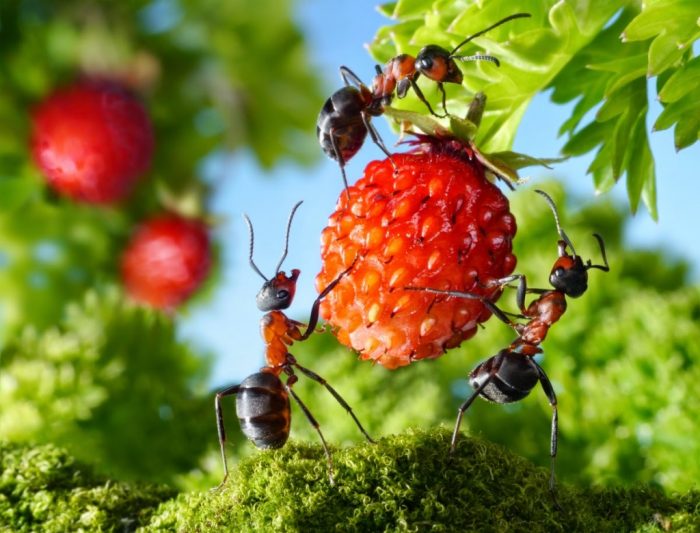
Not all ants are harmless insects that help gardeners and vegetable growers eliminate pests. Sometimes, these hard-working pests can themselves cause numerous problems in their gardens. They destroy seedlings and seeds, spoil sweet root vegetables and berries, damage flower buds, and infest fruit trees and shrubs with aphid larvae. For these reasons, many gardeners are interested in how to get rid of ants in their gardens and what products are suitable for this difficult task.
Content
Ants in the garden: is it necessary to fight them?
The benefits and harms of allowing ants to live in your garden is one of the most contentious issues among gardeners. It's important to understand that not all ants are alike. It's well known that red wood ants (Formica ants) do fight harmful insects.
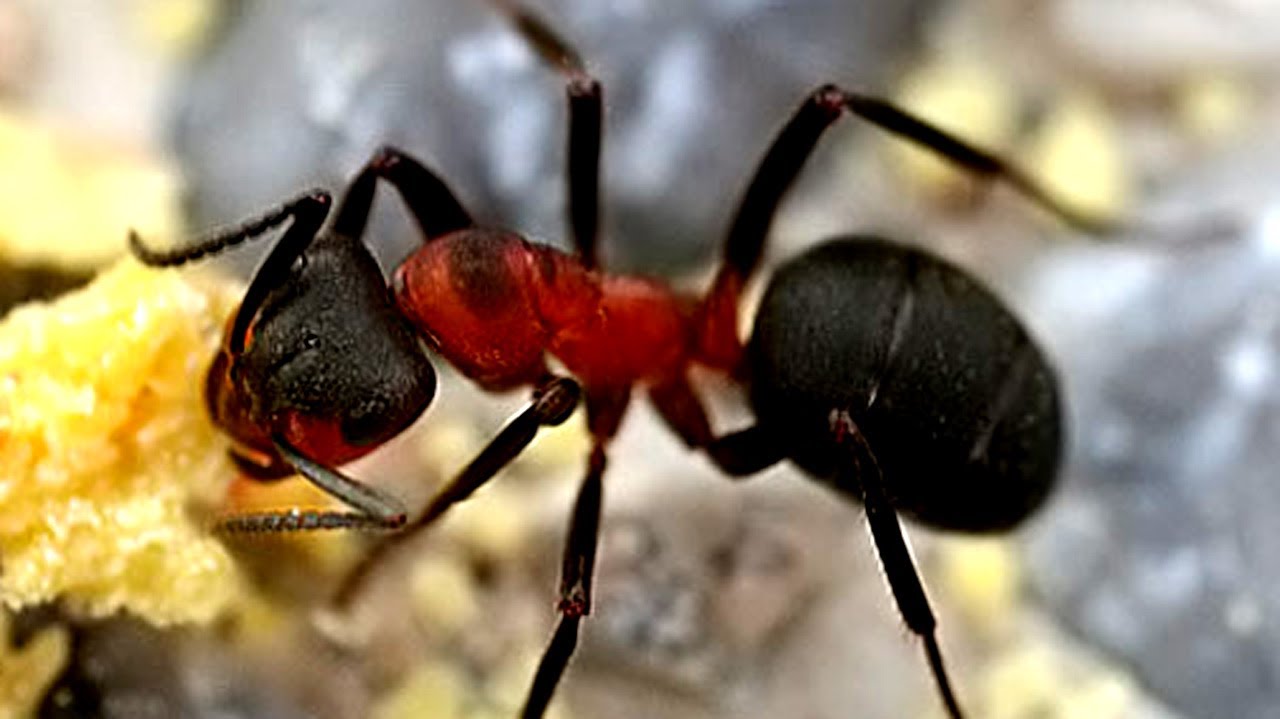
The red wood ant does not thrive in vegetable gardens and garden plots.
However, it's unlikely that they will be introduced to a garden plot. Such experiments are doomed to failure—the ants return to the forest. However, these "cleaners" only have a beneficial effect on the health of old forests. For young trees, ants are nothing less than pests. They damage the so-called growth points, meaning the trees will no longer be beautiful and slender, but will immediately acquire a gnarled shape. This subsequently causes considerable problems for the forestry industry.
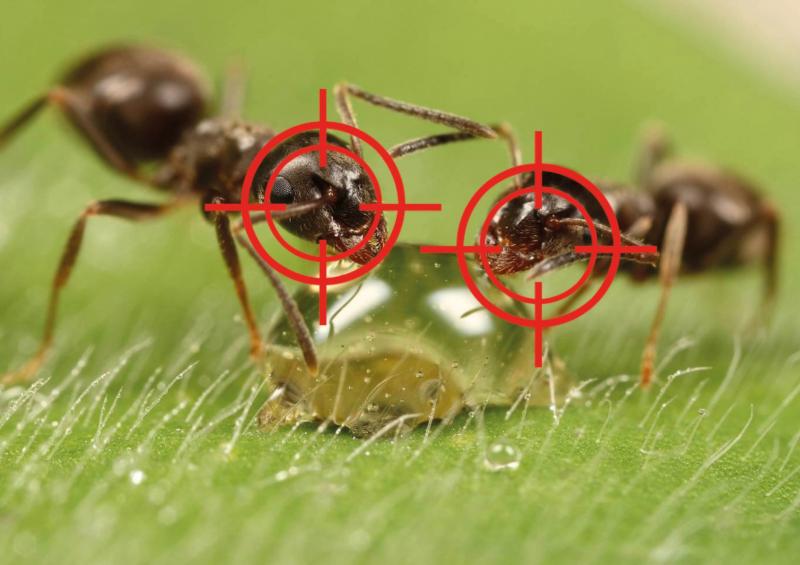
Black and red ground ants are common in gardens and summer cottages. They are significantly smaller than their forest relatives. These "orderlies" are capable of practically devouring the fruit ovaries. The insects lay their eggs in the rhizomes of perennial plants, and the formic acid causes the plants to become diseased. But the main problem posed by these hardy forest orderlies is the aphids they attract to berry and fruit plantings. The fact is that ants depend on aphids, as they feed on the product of their vital activity - sticky liquid.
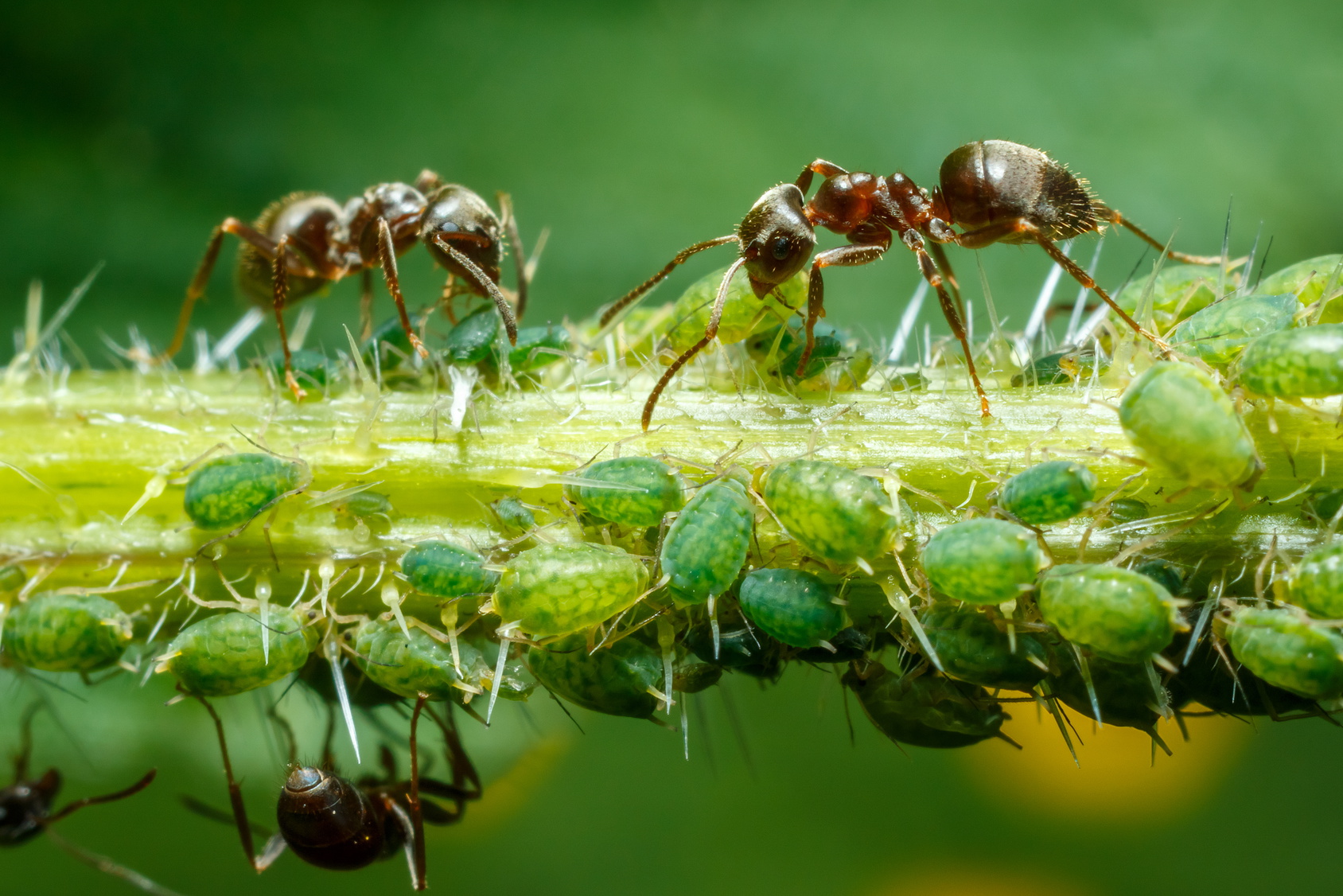
If a sticky coating appears on the plants, then you should start fighting not only aphids, but also ants.
How to get rid of ants in your garden and dacha
Dirt ants are difficult to control. They build their nests deep in the ground, making them difficult to penetrate. Therefore, chemical treatments are the most effective way to get rid of these pests. A wide variety of products are available on the market today. Let's look at how to use some of them.
Chemicals
Chemical treatments can quickly and effectively solve the problem of ant control in the garden. The most commonly used insecticides are those based on diazinon or chlorpyrifos, which are nerve agents. The results of treatment with these products are usually noticeable within a few days.
Table: Overview of chemicals for ant control
| Name | Active ingredient | Release form | Hazard class | Consumption rate | Time to achieve the effect |
| Absolute | Chlor-pyrifos | Gel, plastic containers | Class IV (low-hazard drugs) | 125 ml per 30 sq. m or 2–3 containers per 10 sq. m | 10–14 days |
| Anti-ant | Bura | Powder in blisters and sachets | IV | 1 container per 1–2 sq. m | 5-6 days |
| Great warrior | Diazinon, chlorpyrifos | Gel | IV | 30 mg per 1 sq. m - droplets on pieces of cardboard and place next to the anthill | 1–1.5 days |
| Thunder-2 | Diazinon | Granules | Class III (moderately dangerous for humans and animals) | 1–3 g per anthill | 2-4 days |
| Delicia | Chlor-pyrifos | Powder | IV | 10 g per 1 sq. m | 10–14 days |
| Medvetoks | Diazinon | Granules | III | 20 g per 10 sq. m | 3-5 days |
| Ant-eater | Diazinon | Emulsion concentrate | III | 1 ml/10 l of water per 5 sq. m | 1–2 days |
| Murav'in | Diazinon | Granules | III | 20 g per 10 sq. m | 3-5 days |
| Muratox | Diazinon | Emulsion concentrate | III | 1 ml/10 l of water per 5 sq. m | 3 days |
| Muratsid | Diazinon | Water emulsion | III | 1 ml/10 l of water per 5 sq. m | Day 1 |
Folk methods of struggle
If the use of chemicals is unacceptable for any reason, you can always resort to folk remedies.
- Treat aphid-infested plants with a soapy solution. Aphids breathe through their skin, and this solution will cut off their oxygen supply. Once the aphids are gone, the ants will leave too.
- Repel ants with strong odors. For example, prepare a garlic infusion. Grind 5-7 heads of garlic and add warm water (about five liters). Let the mixture steep overnight. Strain in the morning. Spray the plants with this infusion at a rate of 1 liter per bush and 2 liters per tree. Experience shows that two applications (five days apart) are sufficient to repel the pests. Subsequently, preventative spraying is recommended (1-2 times per month). Other "aromatic" infusion ingredients, such as orange and lemon peels, are also suitable.
- To protect trees and shrubs, whitewash their trunks. The whitewashing process is quite simple. First, inspect the tree trunk and clean it. Then, seal the cracks with a special putty or garden pitch. Only then do you whitewash the trees. You can buy a ready-made product or make your own. The simplest recipe is to dissolve 2.5 kg of lime and 0.5 liters of copper sulfate in a bucket of water, then add 200 g of wood glue. Spray or brush the mixture to a height of about a meter. It's best to perform the procedure twice a year—in spring and fall.
- Tree legs can be protected with sticky trapping belts. Some gardeners recommend wrapping the base of the tree with foil, folding back the edges. Ants simply won't be able to crawl up the trunk with such a protective "skirt."
Photo gallery: folk remedies for ant control in your yard
-
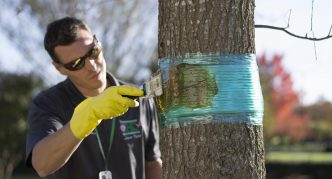
- Sticky trapping belt - an effective and harmless remedy against ants
-

- Spraying trees and shrubs with soap helps control aphids.
-

- The smell of garlic repels ants for a long time.
-
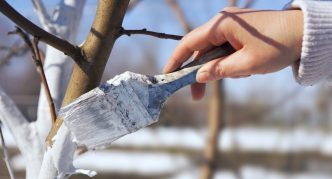
- It is better to whitewash garden trees twice a year - in spring and autumn
During the currant blossom season, it's recommended to spread kerosene-soaked cloths around the bushes. Ants can't stand the smell.
The radical solution to the fight against ants is the destruction of the anthill. Biologists recommend first carefully collecting the anthill in a bucket and taking it outside the garden. Then, dig up the destroyed anthill, sprinkle it with baking soda, or soak it in a solution of boiled water and ammonia. If you do this regularly, the ants will leave.
Preventive measures in the fight against ants
Before insects invade your garden, simple preventative measures can save you significant time and effort. First, don't forget about regular soil tillage (deep digging in spring and fall, and loosening the soil in summer) and annual spring treatment of tree trunks with chemicals. These are standard measures that also help against many other insect pests. Second, preventing ants from infesting your garden is crucial.
Video: How to control ants and aphids on fruit trees
A humane way to prevent ants from appearing in your garden is to plant "ant-repelling" plants. Planting mint or lemon balm near fruit trees and berry bushes may be sufficient. Ants also dislike the scent of lavender, onions, and garlic. Even ornamental marigolds can help.
Photo Gallery: Garden Plants That Repel Ants with Their Scent
-

- A nearby flower bed of decorative marigolds will help repel ants from the tree.
-
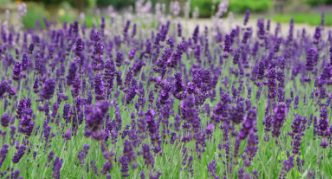
- Ants don't tolerate the smell of lavender well.
-
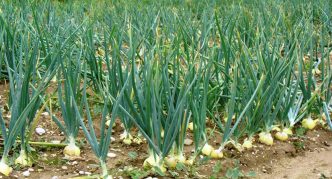
- Ants never settle near beds with onions, garlic and other plants with a strong smell.
-
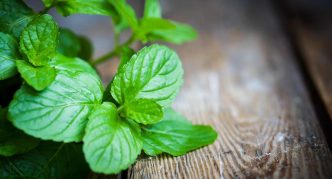
- Mint thickets are an excellent barrier against ants.
Reviews
Yesterday I found an ant nest under a board near the grapevine. I doused a rag with gasoline and placed it on the nest, covering it with a board. I checked today and they were all dead. They must have sniffed too much.
Perennial rubber is the only thing that helps protect trees and bushes from aphids. Great Warrior Gel will at least somehow reduce the pest population. The rubber needs to be renewed periodically. And with the gel, you need to look for new settlements and new paths, because after a month or two, they breed in a different place.
Under cover of darkness, we removed three anthills deep into the forest. One was almost half a meter high and about a meter and a half wide… The stench was incredible when we dug it up… There were still two untouched anthills left… we couldn't handle them anymore. We discovered that each anthill had a stump inside. Conclusion: no stumps, no anthills :aga:. All the stumps on the site were destroyed, root and branch.
Protecting your garden from ants is a challenging task. Particular attention should be paid to preventing aphid infestations. Gentle folk remedies are suitable for the initial stage. In particularly severe cases, modern chemical treatments should not be neglected. However, overdoing these treatments is also important, as they can cause harm to garden plants and crops.