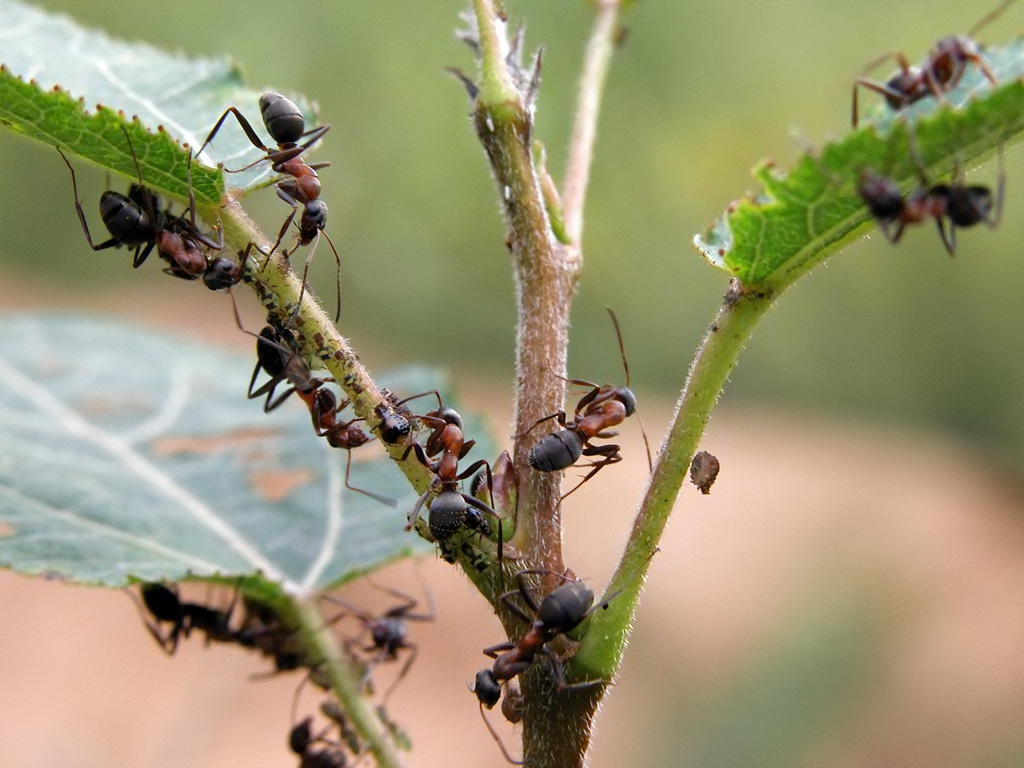
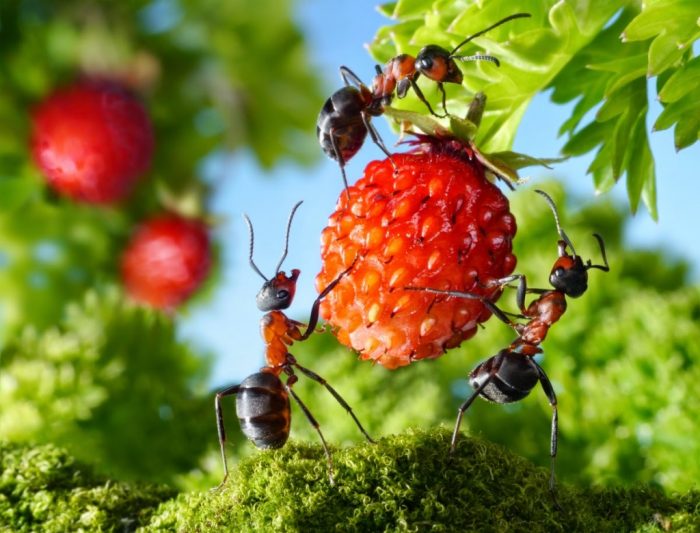
House and garden ants are far from harmless insects. They can cause a multitude of problems for apartment and garden owners. Ants reproduce very quickly, are omnivorous, and have complex hierarchical nest structures. Control should begin immediately, as soon as the first scouts (also known as foragers) appear. Boric acid has proven effective in killing house and garden ants. Its advantages include low cost, availability, and ease of use.
Content
The problem of ants appearing in the home
Ants are insects that live according to a strict hierarchical structure. Their colonies are extremely numerous and are governed by a queen ant, whose primary function is to hatch new larvae.
Note: If you find a clear ant trail, multiply the number of insects moving along it by eight or ten. This will give you an approximate estimate of the number of inhabitants in a hidden nest.
The worst part is that there can be anywhere from three to ten such nests near the average apartment. But if we're talking about a garden, the number of anthills there is even harder to estimate.
Domestic ants living in apartments and heated residential buildings reproduce very quickly. In one month, the number of inhabitants of one anthill can increase by several hundred.
What is boric acid?
Large manufacturers of chemical pest control products offer a variety of gels, sprays, and traps that specifically target ants. However, in homes and apartments with small children, the use of powerful insecticides is not recommended. Chemical pesticides are also not recommended in gardens where edible crops are grown. In such cases, boric acid-based solutions are an excellent alternative for ant control.
This product is sold through pharmacies either as a crystalline powder or as a solution. It was widely used in medicine in the mid-twentieth century, as it was considered the best antimicrobial agent.
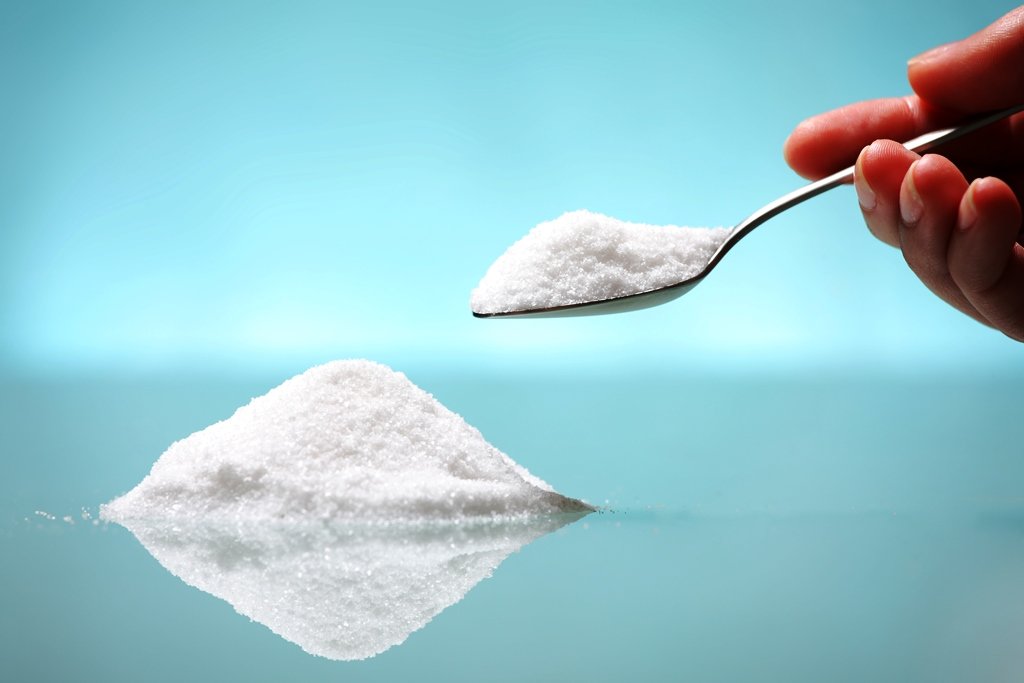
A weak solution of boric acid is also used as a foliar fertilizer for plants, which allows you to use this remedy to kill ants in your garden without worrying about your crops.
Boric acid is odorless and dissolves well in water, ethanol and glycerin.
How does the product affect ants?
Boric acid has a devastating effect on ants. After an insect has consumed a certain amount of bait mixed with this compound, irreversible changes occur in its body.
The acid corrodes the intestinal walls, quickly leading to severe intoxication and dehydration, which directly affects the functioning of the central nervous system. Soon the ant begins to go blind, lose its orientation in space, and necrotic ulcers form on its chitinous shell.
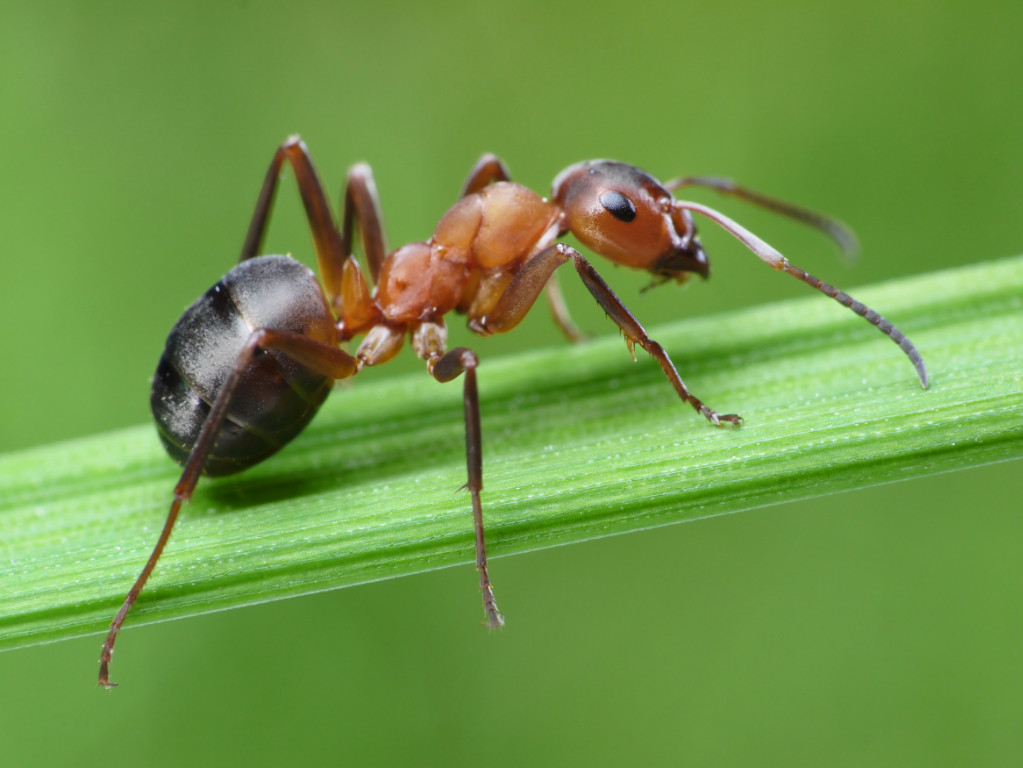
The ant's body is protected by an exoskeleton (a tough chitinous shell), but boric acid can penetrate it and kill the insect.
If an ant consumes a sufficient amount of poisoned bait, it quickly becomes paralyzed. A sufficient amount is considered to be 1 mg of boric acid.
Boric acid is a contact and intestinal poison for ants, so if even one inhabitant of the anthill has tried the bait, it will certainly bring at least a small amount of the poisonous substance back to the nest on its legs and shell. In addition, foraging ants often leave behind a tasty-smelling substance as a trophy, which contributes to the immediate infestation of the entire ant community.
Note: If an ant consumes even a small amount of the toxic acid, it will be sterilized. This applies equally to both females and males.
If an ant that has consumed the boric acid-laced bait becomes incapacitated and dies in the nest, its fellow ants will consume its body, become infected with the poison, and eventually die as well. Thanks to the high effectiveness of this ant control product, controlling ants in a home or garden won't take long.
Proven recipes with boric acid for getting rid of insects in an apartment or private home
There are two types of baits containing boric acid:
- dry;
- liquid.
Place the poisoned bait in areas where ants congregate most. Typically, these areas include the area around the garbage can, the kitchen sink, and the counter. But the most effective way is to place the poison near the ants' usual paths, which they most often use to move to the nest.
Egg yolk based recipe
To prepare a classic ant control bait, you should purchase boric acid powder from a pharmacy.
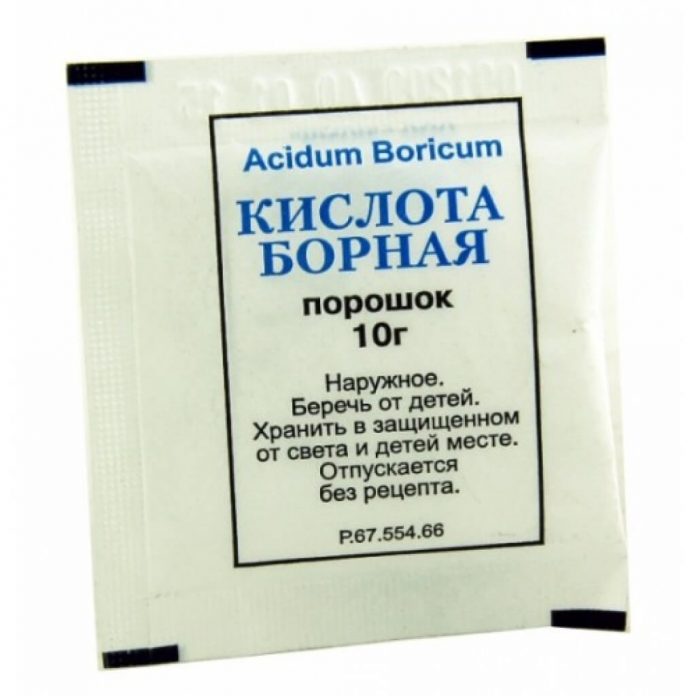
Boric acid is sold through pharmacies in 10g packages; no prescription is required to purchase it.
After this, mix the boric acid powder, boiled egg yolk, and regular sugar in a clean plastic container, which can be discarded after preparing the poisonous bait. The ratio should be 1:2:2.
Mix the mixture thoroughly and form small balls from it, which should be placed along the baseboards and near the trash can.
Foraging ants will certainly deliver such a tempting treat to the anthill, where a large number of their fellow ants can feast on it. This method of insect control is usually sufficient to eradicate the pests. The process takes two to four weeks.
An ancient poison bait composition
There's an extremely effective way to rid your home of ants using yeast. This mixture is incredibly attractive to the insects, causing them to consume the poisoned bait in huge quantities.
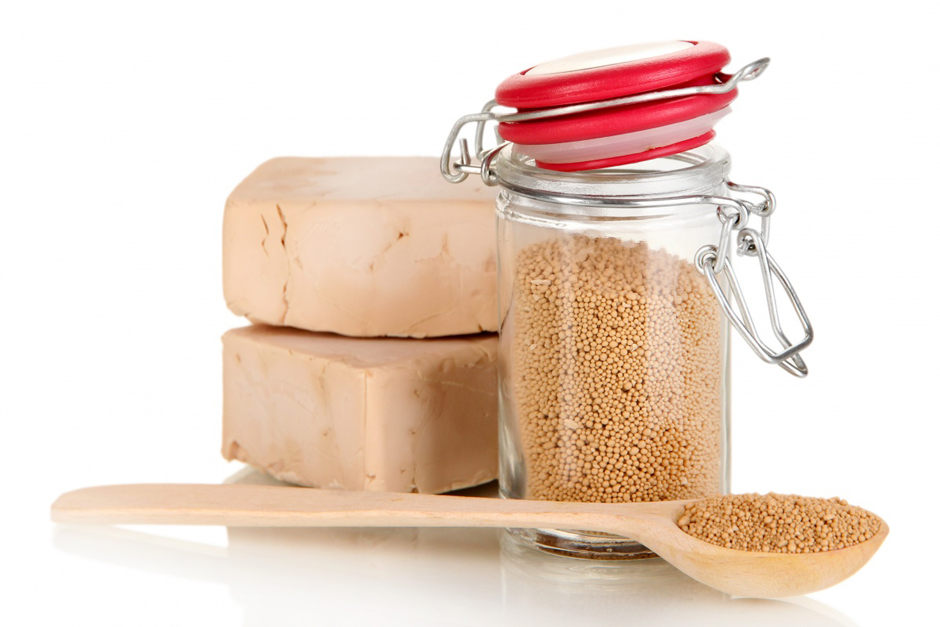
Yeast for the preparation of the poisonous composition can be taken either pressed or granulated
To make the bait, take a small container and mix together honey (3 tablespoons), yeast (1 tablespoon), and one packet of boric acid. The mixture will be extremely thick, but it must be thoroughly mixed until the boric acid granules are completely dissolved.
Next, spread the resulting bait over small pieces cut out of thick cardboard. It's best to make the trap pieces in the shape of long strips, as this makes it easier to place them along the baseboards.
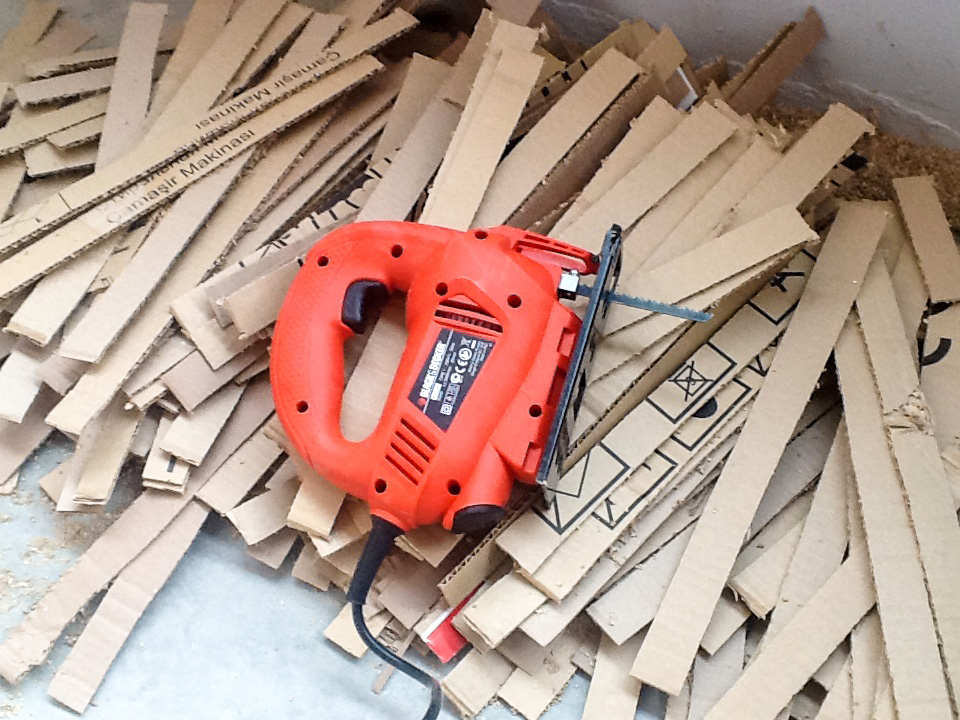
Blanks for baits can be made using a special cutter or garden shears.
Place strips coated with a poisonous solution in areas where ants are most prevalent. These typically include:
- baseboards in the kitchen;
- space behind the gas stove;
- kitchen cabinets with supplies;
- container for garbage and food waste;
- kitchen sink.
It's important to remember: If you don't clean your kitchen thoroughly enough and leave food particles or unwashed dishes on the countertops, ants may not touch the bait. This recipe is most effective if you thoroughly clean the kitchen and surrounding areas daily.
Sugar solution
A simple and common remedy for fighting house ants is a sweet solution. To prepare it, take one standard packet of boric acid (10 g), 100 ml of water, and sugar (2 tablespoons). After mixing and completely dissolving the ingredients, you should have a clear liquid.
The poisonous solution should be applied liberally to the doors of kitchen cabinets, inside and outside (after removing any dishes or food from them). It is also necessary to apply the resulting composition to the baseboards in the kitchen, hallway and bathroom.
This method works by attracting ants with its scent, which prompts them to search for a food source. After an insect finds a trail coated with a sweet, poisonous solution, it follows it for a while, coming into contact with the poison, and then carries it back to the ant nest on its chitinous shell.
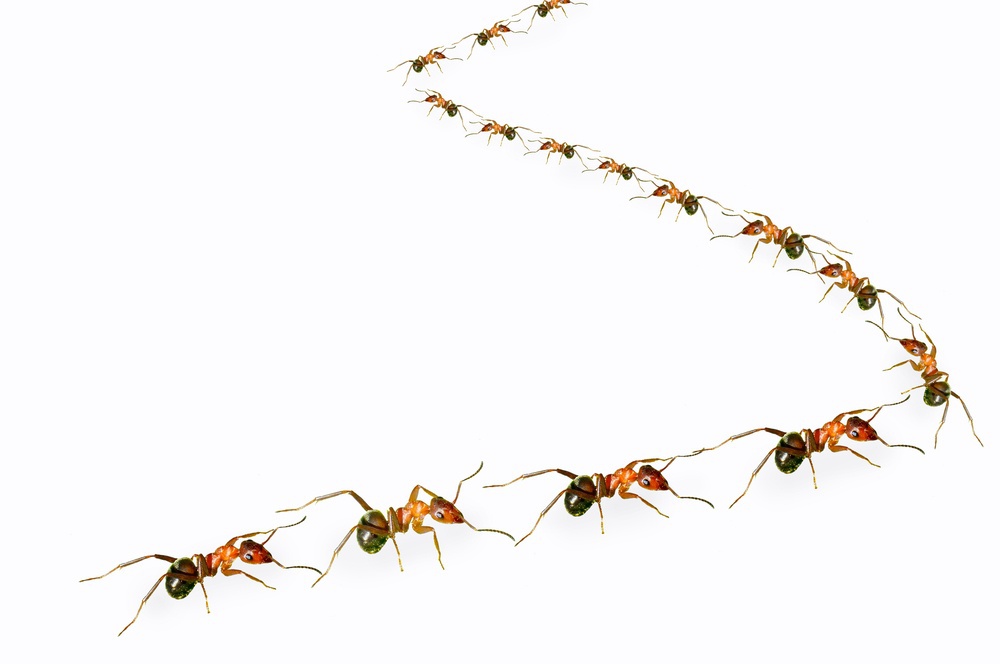
It is very effective to coat existing paths favored by foraging ants with a poisoned solution (this way the poison will get into the anthill faster)
The anthill becomes infested within three or four weeks, after which the number of insects decreases significantly. Sugar trails need to be renewed every other day, making sure that they do not lose their attractiveness to ants.
Poisoned ant treat with minced meat
Meat, ground meat, and juice are extremely attractive to house insects. The type of meat doesn't matter; ants are equally fond of ground chicken, pork, or beef.
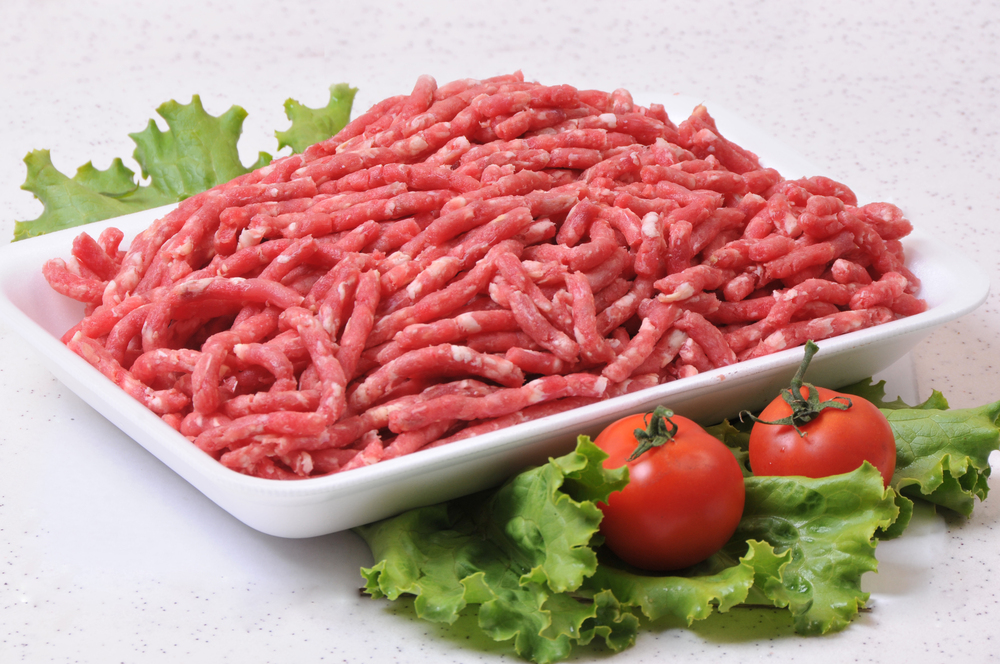
The main thing is that the minced meat for the bait does not contain salt or strong-smelling spices.
To prepare poisoned ant bait, mix 100 g of juicy ground meat with two packets of boric acid (10 g each). Stir the mixture thoroughly, ensuring the boric acid crystals completely dissolve in the minced meat, permeating every microscopic piece.
Now comes the hardest part. You need to roll the resulting bait into tiny balls, trying to make them as small as possible.
When ants encounter nutritious food such as meat, they will certainly want to take it to the queen ant to support her strength and ensure reproductive capacity. If she tries the poisoned minced meat with a large dose of boric acid, the anthill and its inhabitants will be doomed. Therefore, you need to make many small meatballs and then place them in places where the insects most often appear.
This method is incredibly effective against house ants, as they prefer to settle not in apartments, but between the ceilings of panel and block houses, in ventilation shafts and under floors.
Insect repellent with glycerin
In addition to poisoned baits, spraying a toxic solution on kitchen surfaces has proven effective in controlling house ants. This requires a small household spray bottle, which can be purchased in the hardware section of large stores.
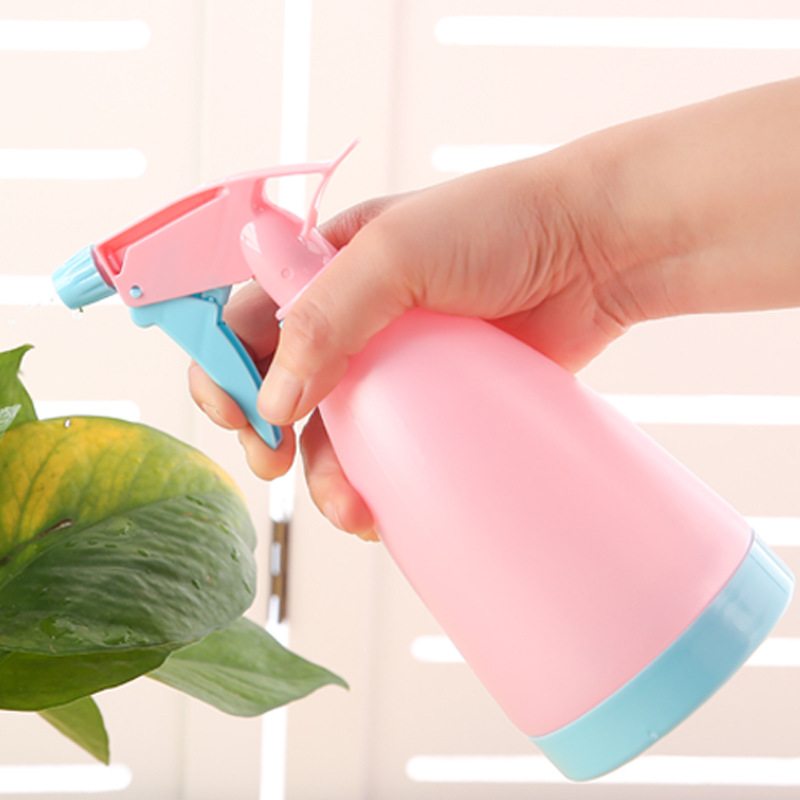
Sprinklers are typically used to mist houseplants and can also be found in stores that supply gardening supplies.
The poisonous solution is prepared as follows:
- Pour 200 ml of water into the spray bottle.
- Add sugar (2 tbsp), glycerin (2 tbsp) and boric acid powder (2 packets of 10 g each).
- Close the spray bottle and shake vigorously to mix the ingredients of the poisonous mixture.
Next, remove all food and utensils from kitchen work surfaces and cabinets. The poisonous mixture is sprayed on all places where ants gather, cabinet doors inside and outside, baseboards in the kitchen, hallway and bathroom. It is also necessary to treat the space behind the stove, refrigerator, under the dining table and near the ventilation shaft.
This treatment should be done two or three times a week for a month.
Killing ants with boric acid in your garden
While house ants in an apartment carry infectious diseases and pathogenic microorganisms, in a garden plot these insects can destroy an entire harvest of fruit and berry crops.
Hobby gardeners should also be extremely careful, as the inhabitants of one or two anthills can grow such a huge colony of aphids that they will destroy all ornamental plants.
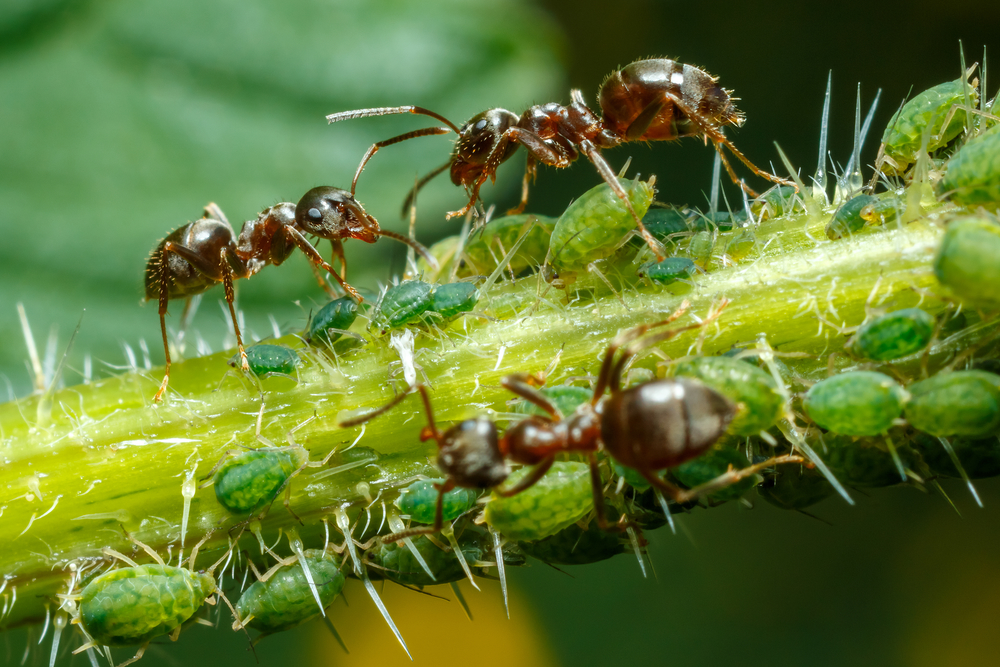
Garden ants breed entire colonies of aphids, which secrete a specific sugar solution that is a delicacy for the queen ant.
Aphids feed on young shoots of fruit trees and some flower crops. Every gardener knows: as long as garden ants live in the garden, there can be no talk of a good harvest. Moreover, these insects happily devour berries.
Corn mixture
Ants are very fond of cornmeal. They transport grains of it to the nest and feed it to both the queen and the workers. Corn grits particles grow significantly in the ant's digestive tract, causing the insect to suffer injuries incompatible with life.
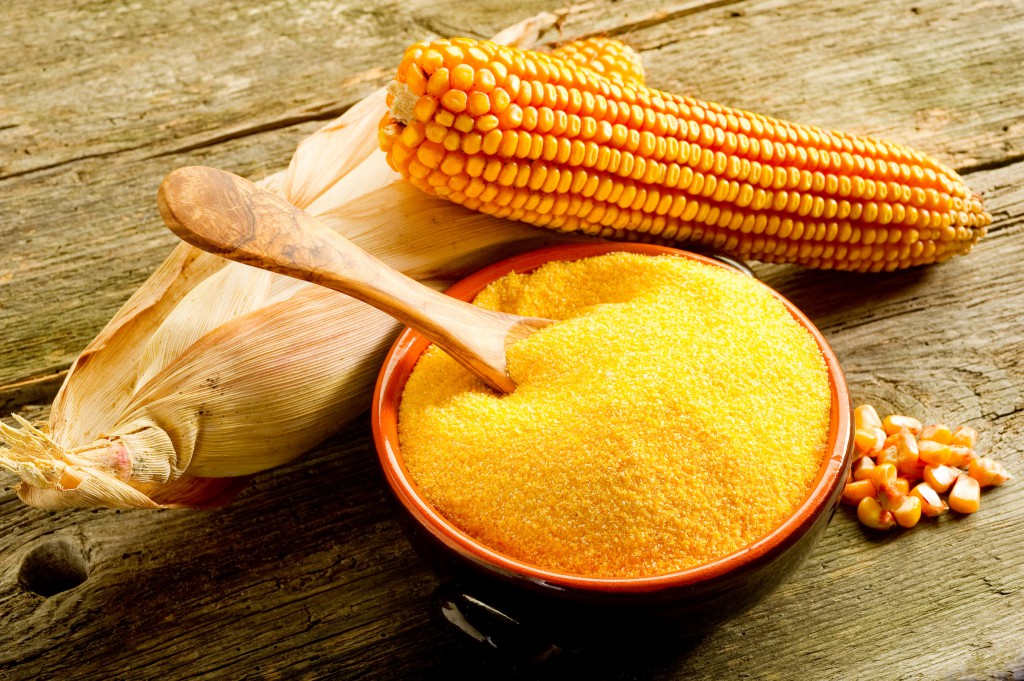
Corn flour can be easily made from grains using a blender or coffee grinder (this grind will be more suitable for making poisoned bait)
To enhance the effect, boric acid is added to the cornmeal. This increases the damage caused by using the bait severalfold, significantly reducing the time it takes to control pests.
This trap for garden ants is made as follows:
- Mix corn flour (300 g) with boric acid powder (3 packets of 10 g each).
- Mix the dry mixture thoroughly and distribute it around the anthill.
- Make sure that the bait does not get wet prematurely.
Garden ant nests can be located on the surface of the ground or hidden in the root system of fruit bushes and trees.
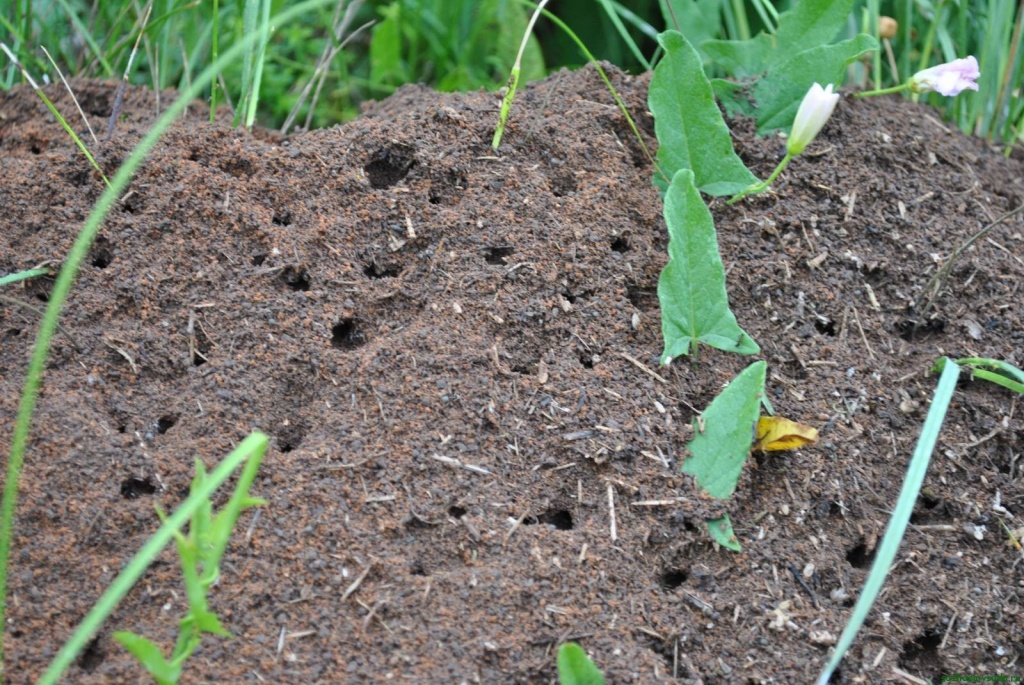
Sometimes the anthill grows so large that it completely hides the plant underneath it.
This treatment of the area around the ant nest should be carried out every other day, since in garden conditions the bait quickly loses its properties due to humidity or mechanical factors.
Potato and egg bait
Even though there's always something to eat in the garden, insects still pay attention to additional food. Egg yolks and boiled potatoes are just as attractive to garden ants as they are to house ants.
To prepare poisoned bait you need:
- Boil two large potatoes in their skins.
- Cool them, peel and mash.
- Add two hard-boiled chicken egg yolks, sugar (2 tbsp) and two packets of boric acid (10 g each) to the mashed potatoes.
- Mix the mixture thoroughly and form small balls or flat cakes from it.
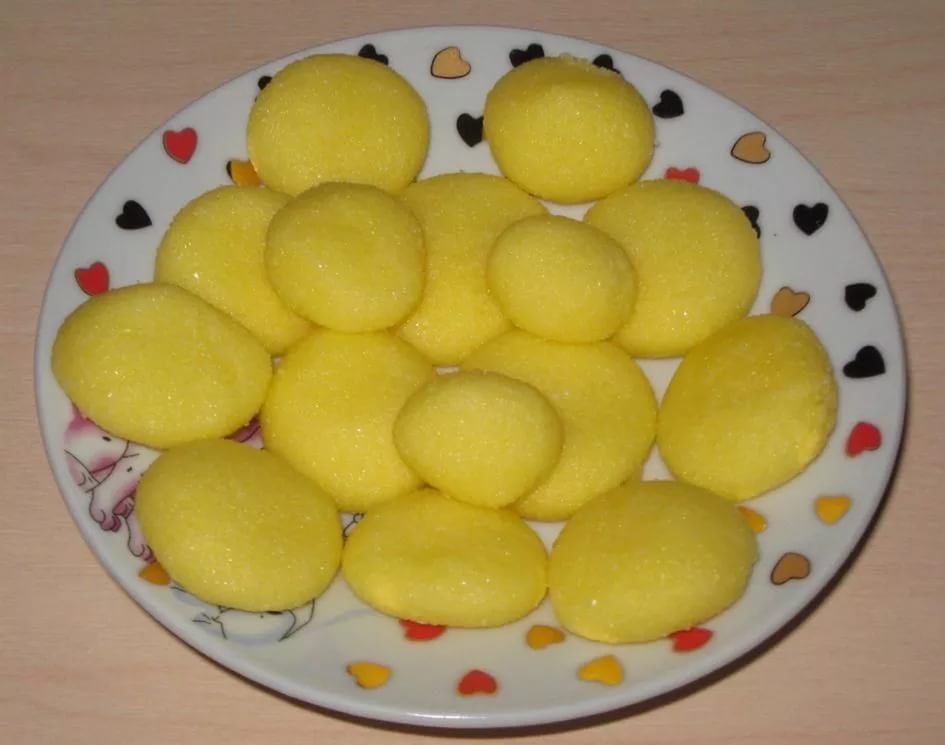
The egg-potato bait does not need to be stored for a long time; after preparation, it must be immediately placed in areas where ants congregate.
After inspecting your garden plot and identifying all the ant nests, you need to place potato and egg balls near each of them. The bait should be renewed several times a week.
Within a month, the number of ants in the area will be significantly reduced, which will be especially noticeable in the condition of fruit and berry crops.
It's important to remember. When making baits, follow the exact recipe and don't exceed the recommended boric acid content. If the insects die before they reach the ant nest, the effectiveness of the poison will be significantly reduced.
Mixture with wood ash
This method has been used for a long time and consistently demonstrates high efficiency. To use it, you need to prepare 1 kg of sifted wood ash.
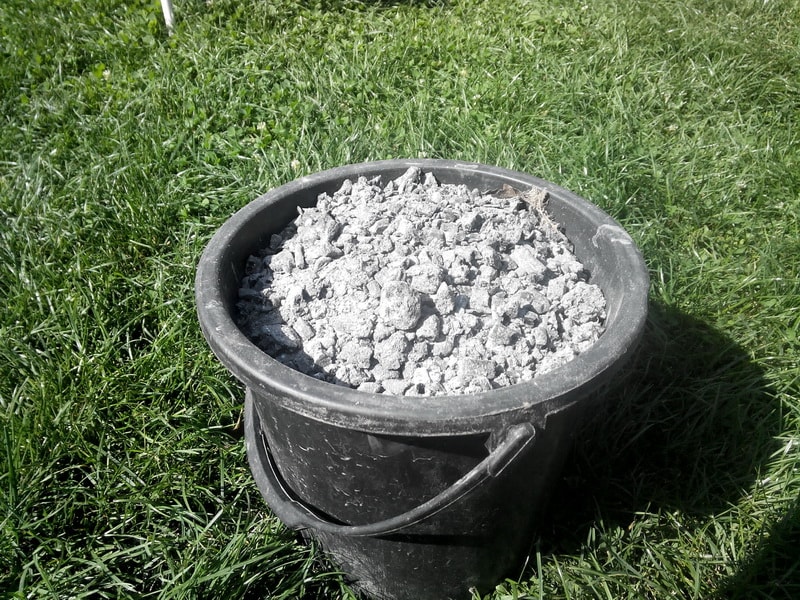
Ash for killing garden ants can be purchased ready-made, or it can be made from charcoal that remains after grilling kebabs or cleaning the stove.
Wood ash is mixed with boric acid (3 sachets of 10 g each) and distributed directly over the anthill. It usually takes two or three treatments of one ant nest for the majority of the insects to die and for the survivors to leave the garden plot.
It's best to perform this procedure in the evening, as light rain is common at night in summer, and heavy dew falls in the early morning. The moisture helps the poison penetrate deeper into the ant nest.
Sweet, highly effective bait
Sometimes gardeners notice that ants seem to become accustomed to boric acid-based baits. In this case, they can be offered something special.
To make a special sweet mixture, mix equal parts baking soda, powdered sugar, rice flour, and boric acid in a plastic bucket. Stir the dry mixture and sprinkle it near the anthills.
This product allows you to quickly get rid of a significant portion of the garden ant population, as the powdered sugar in the bait is a special delicacy for them. Its grains are significantly smaller in size than sugar grains, so foraging ants can more quickly provide the inhabitants of their anthill with nutritious food.
Rice flour is also incredibly attractive to these insects, but they are unable to digest it due to the structure of their digestive tract. The swollen grain bursts the ant from the inside, and when its body is consumed by its fellow ants, they die from the toxic effects of the soda and boric acid.
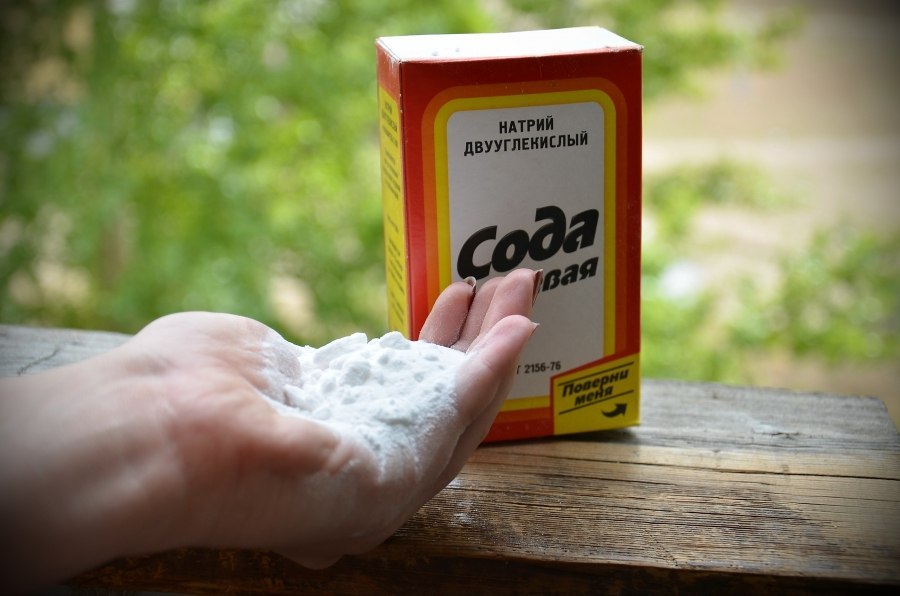
When mixed, baking soda and boric acid enhance each other's effects and allow you to get rid of garden ants in the shortest possible time.
It is necessary to treat anthills with this composition two or three times a week. Typically the results can be seen after two weeks.
Video: Boric acid-based solution for killing garden ants
Precautions when interacting with the product
Boric acid is not listed as a hazardous substance that is toxic to humans, but if ingested in large quantities, it can cause poisoning. In the twentieth century, it was considered an effective antiseptic for the skin, but it was later proven that its disinfectant properties were not so great.
The main rules for using boric acid as an insecticide:
- After handling this product, you must thoroughly wash your hands and all surfaces on which it may have come into contact;
- Care must be taken to ensure that the food trap containing boric acid does not fall into the hands of small children;
- Pets should be prevented from eating poisoned bait;
- utensils in which the toxic mixture containing boric acid was prepared cannot be used for cooking;
- All surfaces treated with this product must be regularly washed with a soap and soda solution.
Cases of boric acid poisoning are very rare, usually resulting from substitution of one substance for another. To prevent a tragedy, store this substance separately from medications.
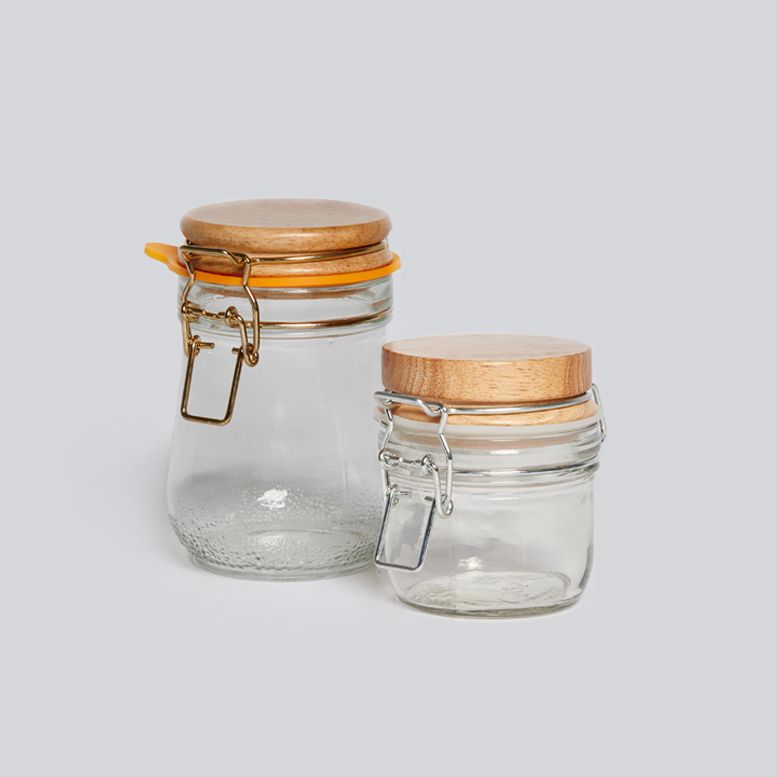
It is best to store boric acid in a transparent jar with a tight lid.
It's important to remember that boric acid accumulates in the human body gradually. When its concentration reaches a certain level, uncontrollable epileptic seizures can occur, leading to coma and rapid death.
Pregnancy is an absolute contraindication for manipulation with boric acid, since the use of this agent carries the risk of developing irreversible fetal pathology.
Reviews
This year, I tried this miracle powder on my garden plot. After planting the seeds, ants began actively filling up more and more nests in the garden beds. I sprinkled boric acid directly into the nests, and two weeks later, there were no more ants.
Instead of sweets, I mixed boric acid with a small piece of chicken liver (I think other meats would work too). I left the piece near the garbage can. The ant attack continued for about three days, and then they disappeared. They haven't appeared for a week now.
I can confirm that boric acid mixed with ground meat is particularly effective against ants. We had a pharaoh ant infestation in our five-story apartment. They were living in the ceilings between floors, and there was no escape until I fed them balls of ground meat mixed with boric acid. The ants carried the poisoned meat back to their nest, and the infestation was eradicated.
Boil the potatoes in their skins for 3 hours and a few eggs for 3 hours. Then mash the boiled potatoes, adding only the hard-boiled egg yolk. Mix everything together. Add a packet of boric acid and mix again. Form the mixture into mini balls. Scatter them in dark corners and places where ants run. I promise, they'll be gone for years. If there are cockroaches, they'll go away too. This is the most effective method, dating back to Soviet times.
With the correct dosage of boric acid, timely treatment helps eliminate annoying and harmful insects in a short time. Importantly, the low toxicity of this ant control method makes it suitable for use in apartments and houses inhabited by small children or people with allergies.