Other useful information
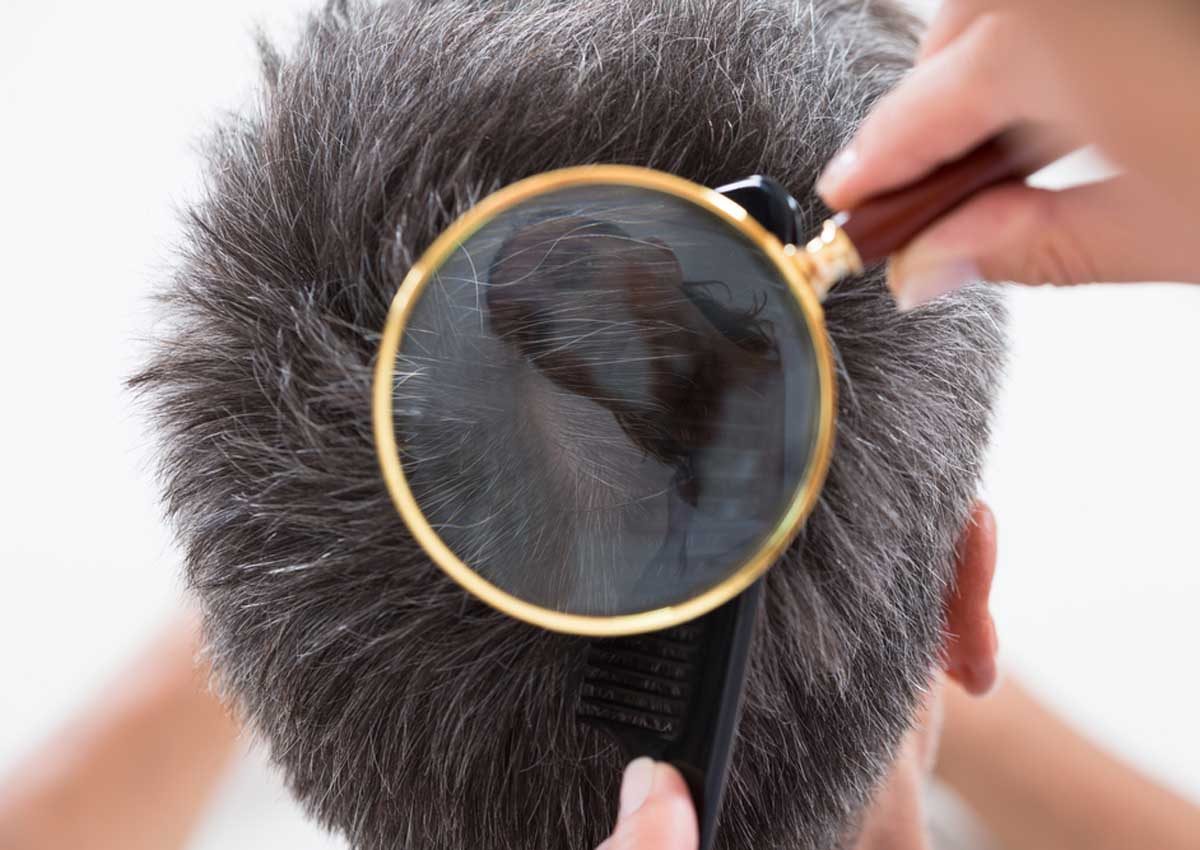
Anyone who has ever encountered lice knows firsthand how unpleasant this problem can be. Severe, unbearable itching and scratching lead to the formation of pustules and abscesses on the scalp. The skin thickens and cracks, and boils develop. Severe skin and infectious diseases are also possible. Let's look at how to avoid lice infestation, discuss the causes, and discuss prevention measures.
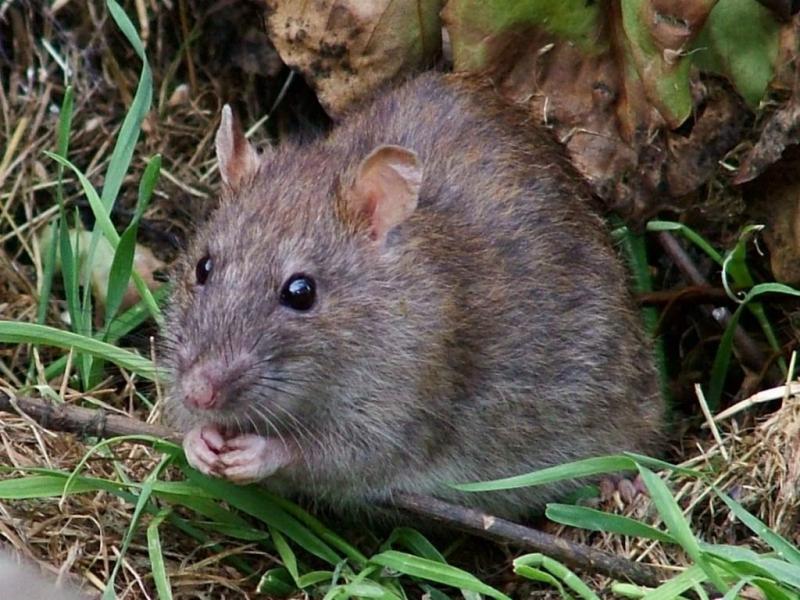
Rats and mice are frequent visitors to the chicken coop. While mice aren't particularly harmful, rats are a concern. These rodents eat eggs and young chickens and also carry worms, fleas, and various diseases. To prevent these unwanted guests from causing significant damage, poultry farmers must ensure the safety of their hens. There are various ways to protect laying hens from rats, including poisons, chemicals, and traps. When choosing a method, remember that it must be safe for birds and animals, yet effective against rodents.

Some of us have experienced firsthand the reality of lice and nits. Children usually bring them home from preschool, where practically everything is shared, including combs, with the eggs of these parasitic insects. As a result, you find these disgusting bloodsuckers in your or your child's hair, and your scalp is mercilessly itchy.
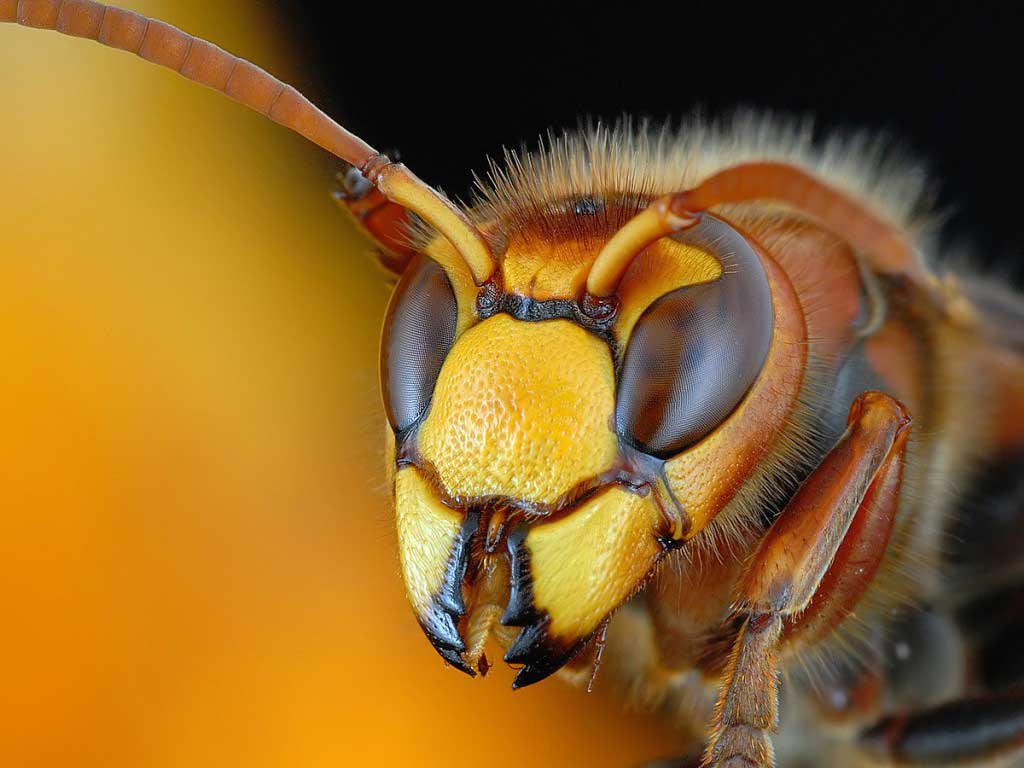
The hornet (Latin: Vespa, meaning wasp) is a social, annual insect. The discipline and caste system that reign within the hive subordinates its short life to a single rule: to do everything necessary to procreate. It is commonly believed that giant wasps are spontaneous in their aggression, but this is not the case, and for the hornet, attacking is a way to protect the nest. Often, guarding territory whose proximity a person may not even suspect, these insects attack the offender. In such situations, no matter how much one wishes to peacefully coexist, one must choose the safety of one's own family. There are several methods for hornet control suitable for both home and garden.