Anyone who has ever encountered lice knows firsthand how unpleasant this problem can be. Severe, unbearable itching and scratching lead to the formation of pustules and abscesses on the scalp. The skin thickens and cracks, and boils develop. Severe skin and infectious diseases are also possible. Let's look at how to avoid lice infestation, discuss the causes, and discuss prevention measures.
Content
The Main Causes of Lice: Myths and Reality
Since the typhus epidemics, lice have been considered a shameful synonym for filth, poverty, and social disadvantage. The reality is quite different. Anyone, including quite respectable and successful people, can contract this unpleasant insect. It's important to understand that lice don't appear out of nowhere, but are transmitted from a specific infested individual. Moreover, both the primary host and the recipient are responsible for the transmission process. There are certain rules that, if followed, significantly reduce the risk of infection, and sometimes simply make it impossible. To understand how to protect yourself from lice, let's try to understand the most common causes and migration routes of the parasites, as well as distinguish fact from fiction.
Visiting public places
Lice are often transmitted in crowded places. This could be on public transportation during rush hour, in a supermarket line, at a concert of your favorite band, at a football match, at a city festival in the central square, or at a public gathering in a park. Infection can occur in any situation where people are in close proximity to each other and their hair touches.

In large crowds of people, lice easily move from one head to another.
There's a belief that lice jump from one head to another. This is a myth. Lice can neither fly nor jump. However, they can crawl very quickly and swing from hair like a bungee cord, clinging to nearby hair with their legs.
Items of common use
Hairdressers, beauty salons, cosmetic and massage parlors are particularly at risk. After all, you never know who cut and combed your hair before you, who laid on the treatment table in the beauty parlor, or what surprises might await you after the procedure.
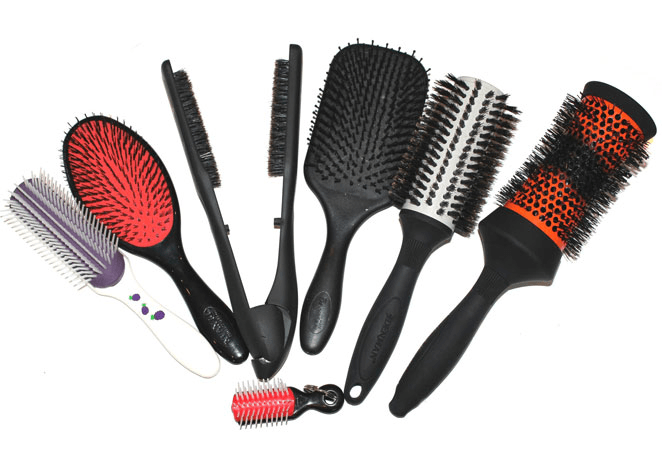
Someone else's comb is a very common cause of lice transmission.
When visiting a hair salon, make sure the stylist disinfects all tools after the previous client. Check whether the tools were taken from an individual craft bag or simply from the table. If the first option is available, the tools have been disinfected and you don't have to worry. If the second option is available, it's best to avoid the procedure. Tools, in addition to skin and hair particles from other people, can harbor parasites, their eggs, and a host of dangerous microbes. Beauty salons should use disposable wipes and towels. Otherwise, bring your own.
Close contact
It's possible that a familiar person is carrying lice. In such cases, even a simple friendly kiss can spread the infestation. Naturally, if the problem is known, contact will be limited. But this isn't always the case. Sometimes the carrier isn't aware of their newfound "happiness," much less their friends. Any close relationship can facilitate lice migration: hugs, whispered secrets, taking photos with heads and hair touching, and so on.

Close contact between hairs is the main cause of lice transmission.
Shared use of personal belongings
Sharing items is another common cause, especially prevalent in children's and youth groups. It's worth noting that lice are small insects, 3–4 mm long and light brown in color. After feeding on blood, they darken slightly and grow to 5 mm, but remain inconspicuous. They feed frequently, so they spend most of their time on their victim's head. However, they can also migrate to, for example, their host's clothing. It's not hard to guess whose head they'll dine on next time a jacket or baseball cap is exchanged.
Lice eggs, or nits, are even harder to spot. They look like milky droplets and are no more than one millimeter in size.
Long-term move
Long-distance trains are often a risk zone. And various scenarios are possible. Lice can crawl from one person to another on sheets during the journey. Second-class carriages are especially dangerous in this regard. They can also wait for a new owner on a pillow or mattress, left over from a previous passenger. Traveling by other modes of transport, whether a ship cabin or an airplane seat, also doesn't guarantee safety. Everything depends on the situation.

In a compartment carriage, lice can crawl across sheets from one person to another.
To avoid blaming your fellow traveler, it's best to take care of your own protection in advance. For example, with repellents like Lysgard or Paranit. They contain essential oils and special active additives that repel insects.
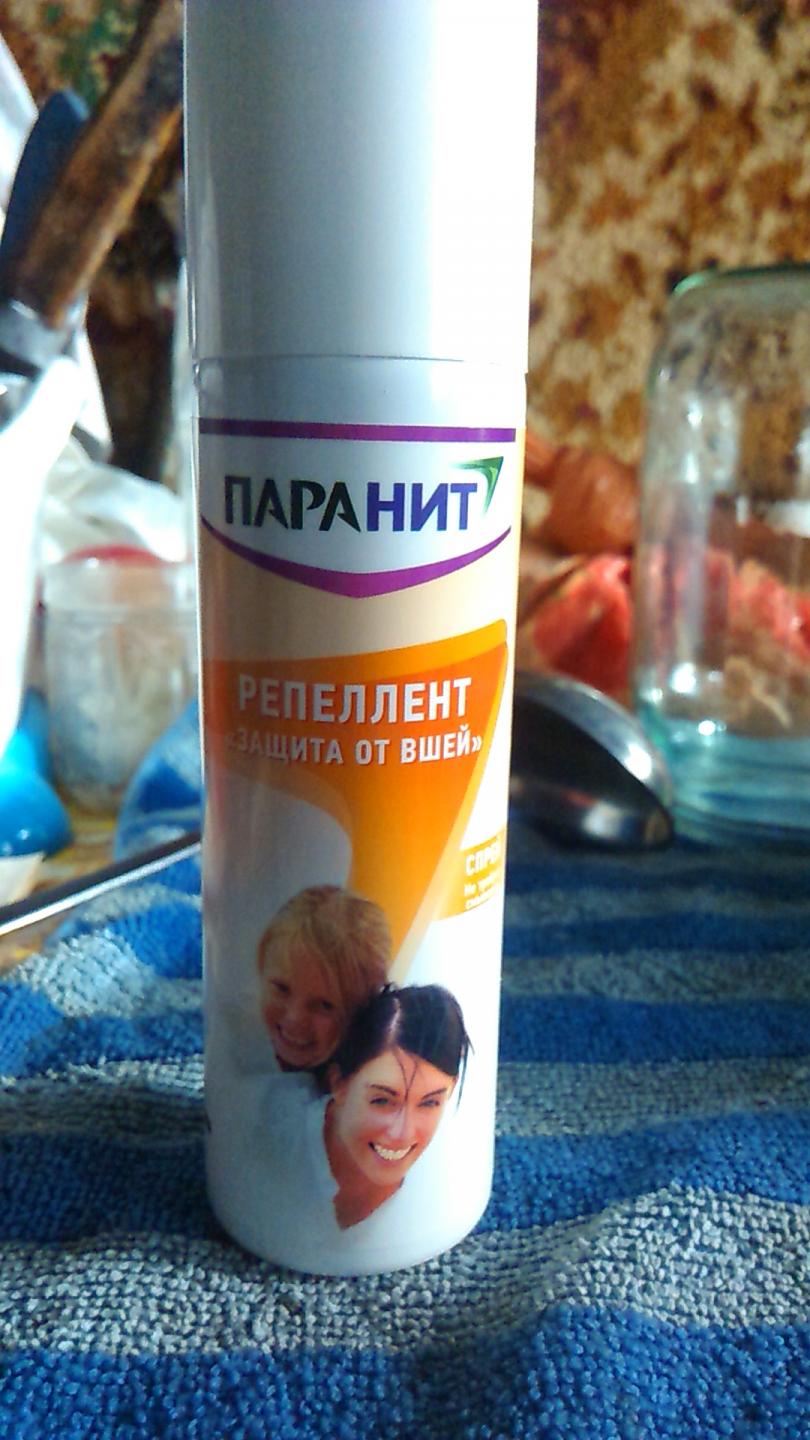
With the help of a repellent you can reliably protect yourself from lice.
Violation of personal hygiene rules
It has been observed that populations with low standards of living and leading an asocial lifestyle are more susceptible to parasites than others. However, it should be noted that cleanliness is not a 100% protection or guarantee against lice. Socially adapted people who observe sanitary and hygienic standards can also become infected, but the risk is significantly lower.
In large crowds, lice that accidentally land on a clean head of hair don't linger, but move on to another, more comfortable spot. This is biologically sound. Clean hair is smooth and flexible, making it harder for lice to attach to it and lay eggs. This is why they prefer more favorable conditions—dirty, greasy hair with a greasy film.
Waterborne contamination
Lice can survive in fresh water without food for no more than a day, just as they can on land. Therefore, the risk of infection exists in bodies of water, especially stagnant water. However, you can't catch lice in the sea. They don't survive in salt water. There's no need to worry about lice infestation in a swimming pool either. The water is regularly chlorinated and treated with antibacterial agents. However, there are showers used by all visitors, and lice can appear there if someone brings them in. However, pool memberships are issued only upon presentation of a medical certificate confirming good health and the absence of skin diseases. Therefore, the risk is minimal. Public baths and saunas, as well as other hot areas, are not suitable for lice. Precautions should be taken in the changing rooms, where the temperature is significantly lower.
Photo Gallery: Public Places with the Lowest Risk of Head Lice
-

- Lice don't live in salt water, so you can't get them at sea.
-

- The risk of infection in the pool is minimal, as the water there is regularly chlorinated.
-

- The sauna is not suitable for lice to live in due to the high temperature.
Pets and other animals
You sometimes hear the phrase, "You'll catch lice from a stray dog." This is a myth. Lice are among the most ancient inhabitants of the planet, and their current population numbers approximately 5,000 species and subspecies. And they do parasitize all warm-blooded animals, with the possible exception of bats. But their biological peculiarity is such that each species can only inhabit a specific type of fur or hair. Lice or fleas that live on a dog, cat or other animal do not pose a threat to humans. They simply won't take root there.
Only three types of lice are dangerous to humans: head, pubic, and body lice. Each type has its own specific area on the human body. Pubic lice inhabit the genital area and pubic hair and can spread to the chest and back, but never the scalp. They are transmitted through sexual contact. Body lice spend most of their time in clothing and feed only when they come into contact with their victim's body. Both types are rare. Head lice inhabit the scalp, not other parts of the body. They are the most common parasite.
Photo gallery: types of lice that infest humans
-
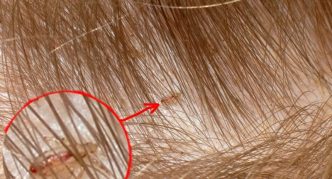
- Head lice are the most common type of parasite that infests humans.
-

- Pubic lice live in the human groin area and are transmitted through sexual contact.
-
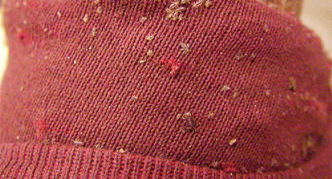
- Fortunately, body lice are rare in the modern world.
Stress
Emotions, depression, anxiety, life's challenges, and similar factors have no effect on the appearance of lice. Lice are only interested in blood as a source of nutrition. They are indifferent to people's emotional experiences.
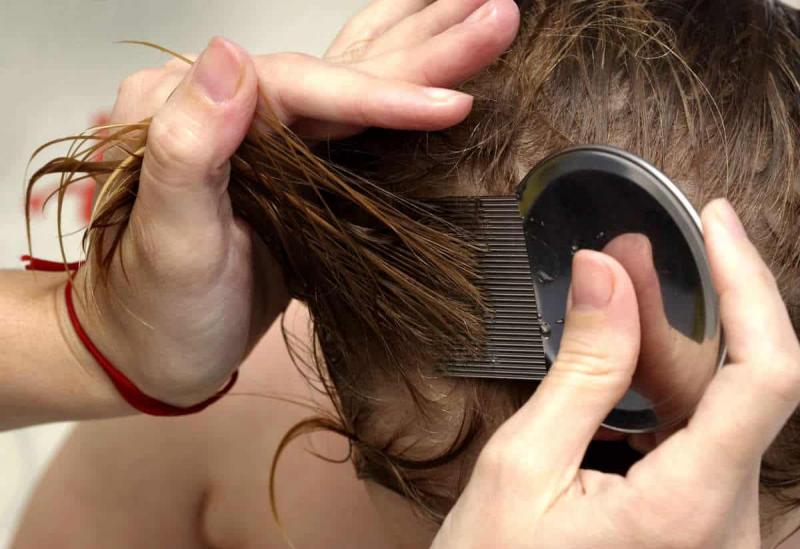
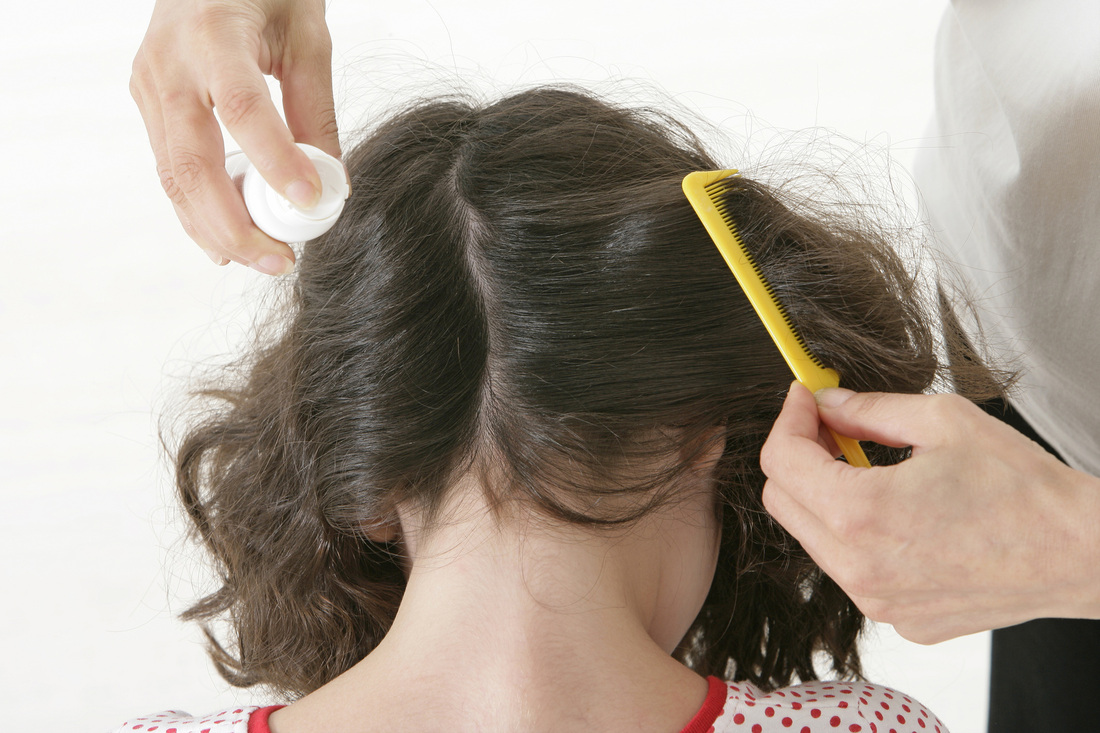
Sometimes the presence of lice is confused with dandruff, which also causes intense itching, or other skin conditions. It's important to understand that lice are insects that suck blood by biting the scalp. They are diamond-shaped with three pairs of short but thick legs. They can be detected by carefully examining the scalp and hair follicles with a magnifying glass. This requires an assistant. Another method is to comb the hair from roots to ends with a fine-tooth comb. Do this over a white sheet of paper to spot the insects.
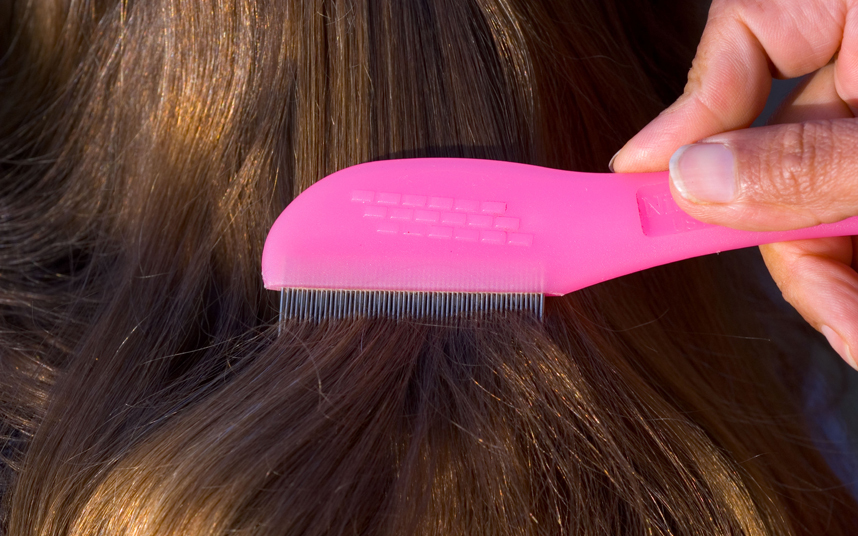
The teeth of a special comb are located so close to each other that not a single louse will crawl past.
Causes of relapse and how to prevent it
Removing lice is both easy and difficult. The ease lies in the fact that you can do it yourself, without the help of specialists. The difficulty lies in the lengthy and repeated procedures required. And if you miss something, the lice can return. To successfully combat these parasites, it's important to understand how they reproduce.
The life cycle of lice
Adults live for about 30 days. After mating, the female lays eggs, attaching them with a special enzyme at the hair root or 3–4 cm away. She can lay up to 12 nits in a single day.
About a week later, the eggs hatch into larvae, also called nymphs. Like adults, they cling to hair and suck blood. Without feeding, they can survive no more than 4–6 hours. The egg shell remains attached to the hair. Maturation lasts another 2 weeks.
A live nit can be identified by squeezing it with your fingernails—it will make a distinctive clicking sound. An empty nit, from which a larva has already emerged, will not make any sound.
After about 2 weeks, the larva turns into an adult, whose purpose in life is to produce offspring. And to do this, you need to fully feed on the blood of the host.
How to get rid of lice
You can use folk methods:
- Vinegar. Combine 2 parts vinegar and 1 part water and mix well. Apply the solution to your hair and scalp, put on a plastic cap, and wait 30 minutes. Then rinse with water and comb out the dead parasites.

Table vinegar is an affordable remedy for fighting lice.
- Tea tree oil. Dilute 5 drops in 1 cup of water. Apply to hair and leave for 40 minutes. Rinse thoroughly. For best results, repeat the procedure 2-3 times daily for 5 days.
Tea tree oil is an effective lice remedy with a pleasant smell.
- Cranberry juice or fruit drink. Add honey to the natural ingredient to create a thick consistency. Massage into the roots only, avoiding the strands. Leave on for 30 minutes. Rinse thoroughly.
Mors or juice made from cranberries is an effective remedy for lice, proven for decades.


Among medical products, the Pedikulen Ultra series has proven itself to be very effective, according to numerous reviews. The active ingredient is anise oil, which parasites fear. This component also destroys the enzymes that help nits adhere to the hair. This makes combing out the insect eggs significantly easier. In addition to repelling them, the products have a nerve-paralytic effect on lice, penetrating their chitinous covering and respiratory tract. This action kills the parasites. The product is suitable for both children and adults.
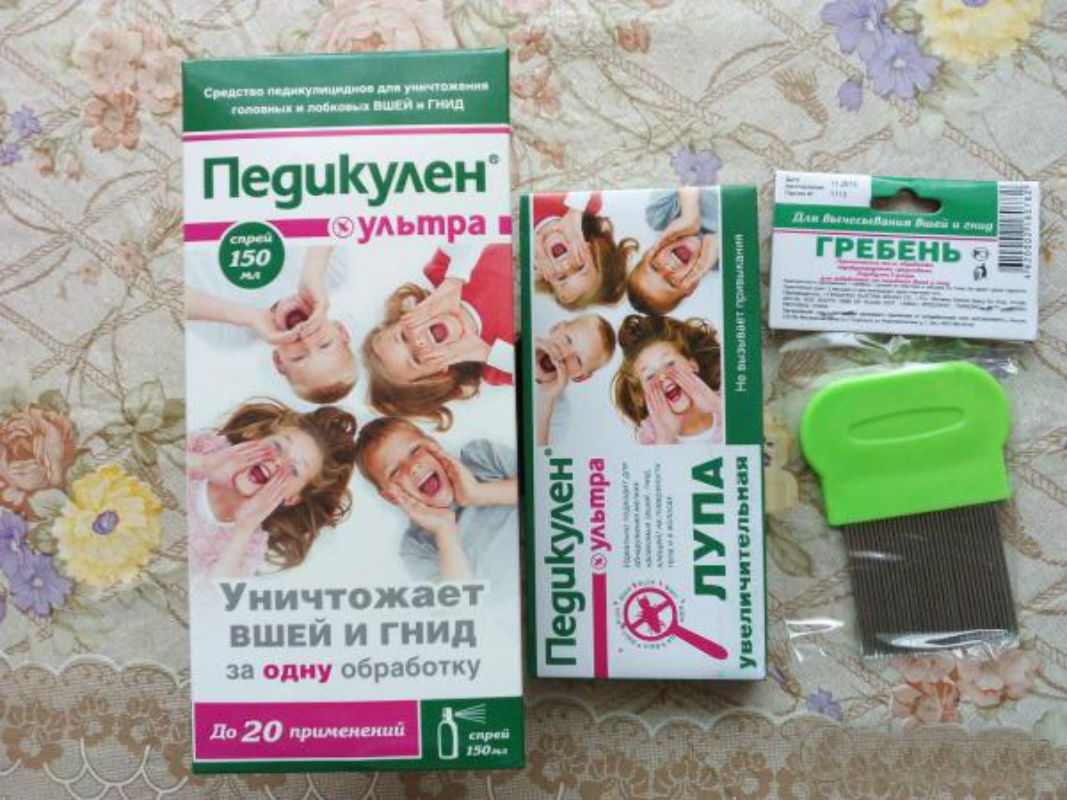
Pedikulen Ultra is an effective remedy for fighting lice and nits.
If none of these methods work, you can take a more radical approach: shave your head completely. This will leave the lice with nowhere to hide, and they'll leave.
Video: How to remove lice and nits
Reasons for recurrence
- The most common case is incomplete treatment. It often happens that adult lice disappear, and the person relaxes and stops the treatment, completely ignoring the fact that nits remain, which don't bite or cause any discomfort. But a few days pass, and the process starts all over again. It's important to complete the entire treatment course. Comb out not only the adult lice, but also their eggs.
- The apartment and belongings were not disinfected. All bedding, hats, and clothing should be washed for a long time at high temperatures or boiled. Items that cannot be washed should be sealed in airtight bags and left for two weeks. During this time, all generations of lice inside the bag will die. Thoroughly clean the apartment, paying special attention to beds, upholstered furniture, and carpets.
- Sometimes relapses are caused by continued close contact with a parasite carrier. All interactions, even between family members, should be minimized. Everyone should have their own hygiene items: combs, washcloths, towels.
Why are children most often infected with lice?
There's another myth: lice are a childhood disease. In fact, lice don't care whose blood they feed on: children's or adults'. But this misconception isn't without reason. It's all about the highly communicative nature of children. They don't keep their distance, often huddling close together. They share everything: combs, clothes, cribs, toys, pillows. And, as a result, they share lice, too.
It is important to tell your child about the rules of behavior in society, the need to keep personal space at arm's length and to use only their own things.

A child needs to be taught from an early age about the need to keep a distance.
If an infestation does occur, it's important to find out which social group it occurred in: school, kindergarten, sports club, children's art group, or friends in the neighborhood. Talk to other parents and teachers and report the infestation. After all, if the infestation isn't stopped in its early stages, the entire group will become infected, and your child may become reinfected.
Video: Causes of infection in children's groups
Now you know where lice come from and how to avoid them. Practice good personal hygiene and take precautions. These dangerous insects won't ruin your life.