If you have a garden, you've probably encountered pests. The first of these are various kinds of rodents. Mice, moles, gophers... Who doesn't ravage our gardens? One of the most common pests is the water vole, also known as the water rat. What are these animals and what danger do they pose?
Content
Water voles: appearance and distribution
Water voles are sometimes called water rats or mice, but strictly speaking, they are only loosely related to these rodents, despite their superficial resemblance. These animals actually belong to the hamster family, although they bear little resemblance to the domestic hamsters we are familiar with. Water voles look about the same as common voles, but they are noticeably larger. An adult can reach 15–25 cm, with the tail making up most of its length.
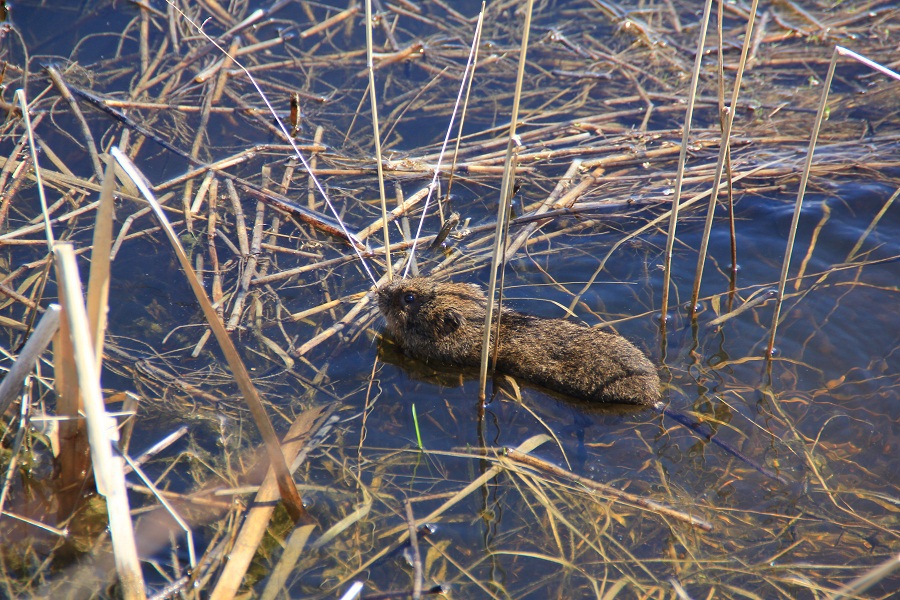
Water voles prefer to live in marshy areas.
This animal has thick, fluffy dark gray fur from the beginning of its short muzzle to the base of its tail, which is covered with hair and has a small tuft at the end.
Voles can be found throughout almost all of Eurasia, even reaching Siberia and the North Caucasus. They prefer marshy areas and the banks of bodies of water, but fields, meadows, and even vegetable gardens are also ideal habitats. These animals are extremely resilient and prolific, so there's no threat to their distribution.
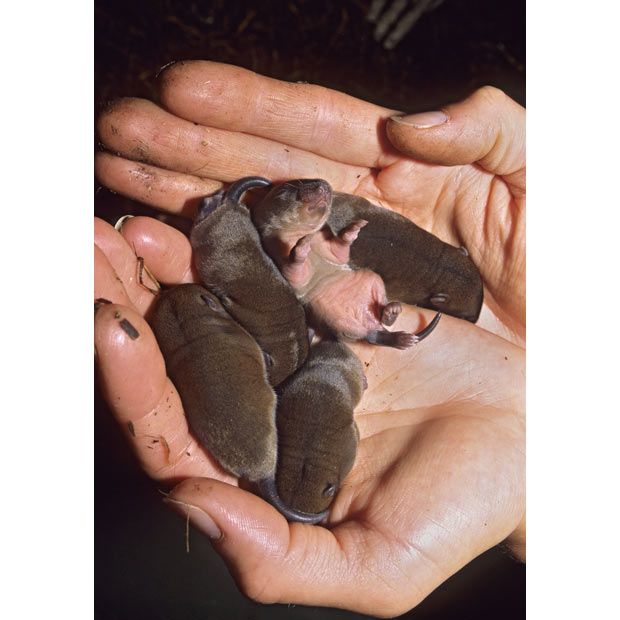
The water vole can produce offspring up to eight times in one year.
However, the latter is hardly good news - people involved in agriculture know voles firsthand and are not in vain trying to exterminate them. These rodents spoil grain crops and gnaw at trees, causing considerable damage. Voles don't attack people and will likely try to escape if encountered. However, if you catch one with your bare hands, it may bite you. It's best to avoid such an experience: rodents carry leptospirosis, tularemia, Omsk hemorrhagic fever, and other dangerous diseases.
Damage caused by voles
If your summer cottage is located in a rural area, especially near rivers, lakes and swamps, be prepared for uninvited guests. Water voles, despite their name, thrive in drier areas, including farms, vegetable warehouses, grain storage facilities, and home gardens.
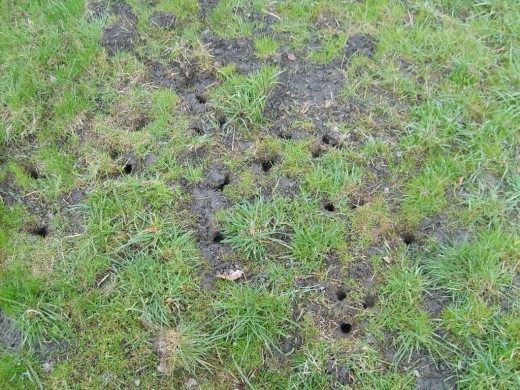
Small depressions (holes) will appear on your site if water voles start to infest it.
With the onset of cold weather, these rodents inevitably migrate away from frozen bodies of water. Your plot is perfect for vole burrows, and your crops are perfect for their food supply. The pest will happily devour your harvest and ask for more. At the same time, it will also gnaw at the stems and roots in your flowerbed. Moreover, fruit trees will also be in danger: voles' teeth grow very quickly, and in order to wear them down in a timely manner, they are forced to constantly gnaw on something hard. Tree bark seems like the most suitable dental material for them. Naturally, trees stripped of their bark eventually die. This is precisely the fate that could befall your apple and cherry trees.
Video: Rodent Nutrition
https://youtube.com/watch?v=WBg2X4qvIEI
Methods of controlling water voles
Few villagers or summer residents are willing to share their harvest with rodents. Therefore, people try to get rid of them as quickly as possible. It's a good idea to have a trained mouser cat or ferret in your home. These predators can catch any pests that manage to invade your property and discourage others from using your garden.
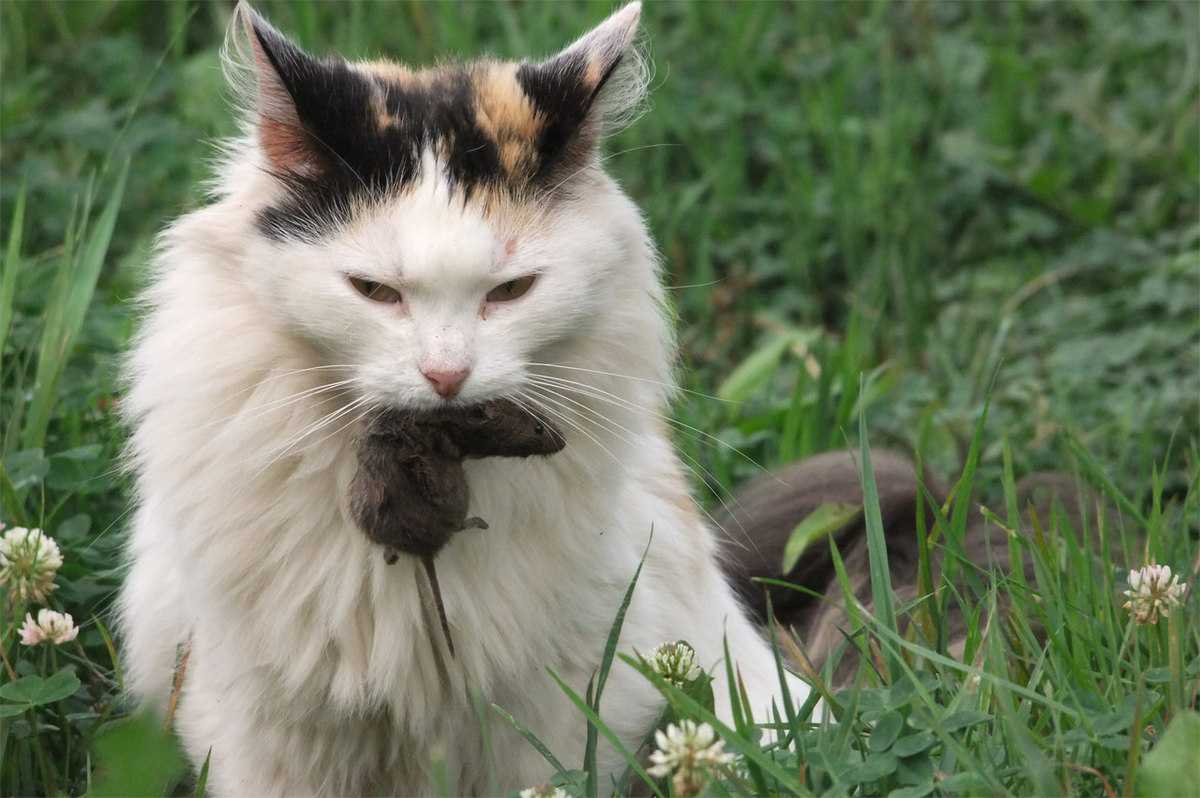
Mouser cats (especially calico cats) are considered the best vole hunters.
But what if your pet isn't interested in hunting or you don't have one at all?
Chemicals against voles
One of the most popular and affordable options is to use pesticides against voles, and to poison other rodents along with these. Manufacturers typically produce universal rodenticides. They're very easy to use: just buy them at the store and follow the instructions exactly. Typically, it's recommended to place this rat poison near rodent burrows. They're easy to spot: the animals' exit sites look like mounds of earth rising up in the grass or garden beds. The poison is usually mixed into the bait. The vole eats it and then dies from the poisoning.
There's another option for using chemicals. In the spring, poison-treated cotton wool or dry grass can be placed near burrows. Voles will drag this into their nests to decorate their interiors, while the poisoned dust will fall on the pests' fur, where it is then licked off.
Photo Gallery: Popular Rodenticides
-

- Mouse poison is a poisonous rodent control product that guarantees 100% mortality of water voles.
-

- Rat Crash is an original, highly effective rodenticide.
-

- Help Boyscout is a product for indoor use, but is also suitable for outdoor use.
-

- Efa is a poisonous bait for rodents.
-

- The Gryzunoff product can also be produced in the form of ready-made houses with poison
There are two serious arguments against using rodenticides in your garden. First, this method is unacceptable if you or your neighbors keep pets. Your pet can either get caught on poisonous bait or be poisoned by catching and eating a vole that has tasted the chemical. Secondly, poisoning animals is, after all, incredibly cruel. Just think about it: wouldn't you feel sorry for a small, furry creature writhing in horrific pain? However, if your answer is no, it's certainly worth a try.
Folk remedies to get rid of the problem
Folk remedies for voles can be divided into two broad groups based on their mode of action. The first involves poisoning the animals using household chemicals. The gardener makes the bait from ingredients such as bread, vegetable puree, and cheese. A toxic component, such as zinc phosphide or calcium and sodium arsenite, is then added. Wood ash is most often used in its pure form, while mixtures of flour and gypsum or sugar and quicklime are used. Mixing finely chopped wine corks with vegetable oil and bread crumbs is also suggested. All of these methods lead to poisoning or indigestion in the rodent, and ultimately, its death.
The second group of folk remedies is aimed at repelling animals. Here, the following options are possible:
- Chemical smell. Many recommend soaking pieces of rags or cotton wool in strong-smelling household liquids and plugging vole passages with them. Gasoline, kerosene, turpentine, and Vishnevsky ointment are commonly used for this purpose. The strong smell repels rodents.
Singed fur. It's believed that garden pests, including voles, can't stand the smell. Some gardeners burn the carcasses of captured rodents and place the charred remains in the burrows of those still alive. But it is enough to simply singe pieces of some unnecessary, old fur and put them under - the effect will be the same.
Fresh manure. Another option for eliminating unpleasant odors. It's recommended to place this product in rodent burrows, sealing off any exits found on the property.
Unpleasant sounds. Near vole burrows, hollow reed stems 1.5–2 meters long or ordinary glass bottles are buried deep in the ground. In windy weather, these improvised "tubes" begin to vibrate and emit sounds that frighten the animals.
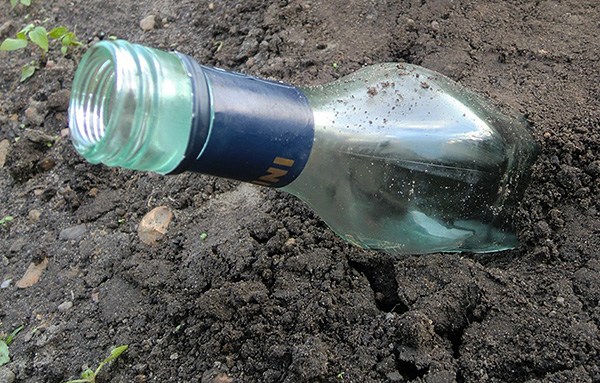
The bottles are buried in the ground with the neck up so that the wind can easily penetrate inside.
Plant barrier
An excellent way to scare away water voles and prevent new ones from appearing is to properly plant your garden crops and plant special rodent-resistant plants. To do this, various types of legumes (beans, peas), sweet peppers, onions and garlic should be planted around the vegetable beds that you want to protect from pests.
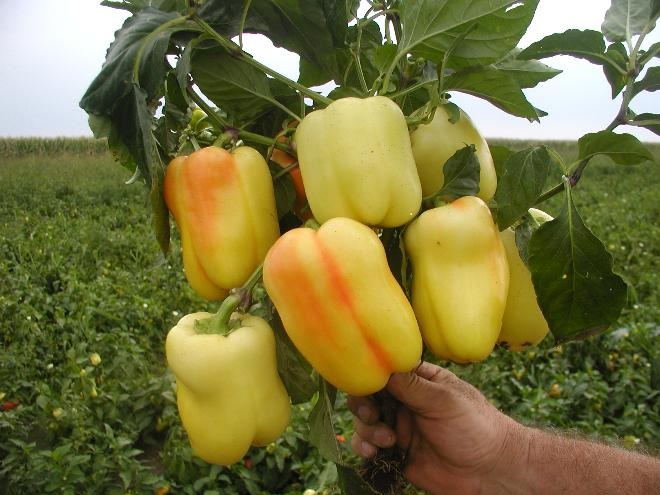
Some vegetable crops are real enemies of water voles
Plant fragrant herbs under trees, around shrubs, and in flower beds. Wormwood, mint, celandine, elderberry, and comfrey (commonly known as "rat-killer") are the best at repelling voles. Coriander, chamomile, wild rosemary, and lovage are also good choices.
Photo gallery: herbs against voles
-
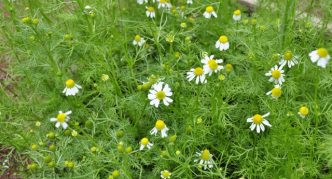
- Chamomile is a classic pest control remedy.
-
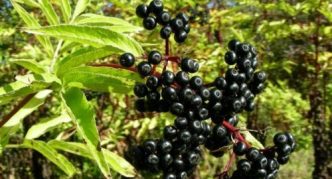
- The roots of black elderberry produce hydrocyanic acid, which repels mammals, so water voles will not settle near the plant.
-
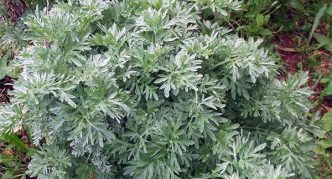
- Wormwood is a versatile plant that repels both insects and some animals.
-
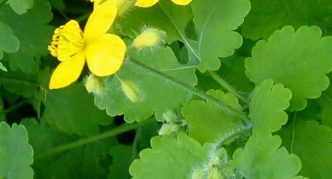
- Celandine is able to combat numerous garden and vegetable garden pests.
-
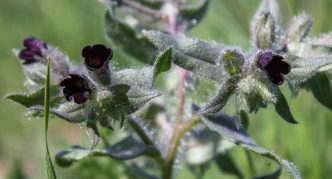
- To repel water voles, it is recommended to plant black root, one of the popular names of which is “mouse-eater”
Prevention of occurrence
Now you know a multitude of ways to control voles, but the best thing would be to prevent them from appearing in your garden in the first place, wouldn't it? There are a number of specific preventative measures you can take to ensure this:
- Harvesting. This should be done promptly and thoroughly: the beds should be clear of any vegetable or root crop remains, spoiled fruit, or tops. All of these should be either thrown away or composted.
- Plant treatment. To protect the trunks of garden trees, coat them with a solution of lime and copper sulfate. You can also create a protective "belt" for them using roofing felt, plastic, or branches of thorny plants.
- Digging. In the fall, when you close out the garden season, be sure to dig up the beds deeply. This will help the soil to rest, destroy rodent burrows, and kill some insect pests.
- Cleanliness and order. Take care of your garden plot. Make sure weeds, fallen leaves, fallen fruit, and other organic waste don't accumulate in the beds and under the trees. Compost all of this, and be sure to set aside a fenced-off area somewhere in the far corner for it. Additionally, grass residue and tops shouldn't accumulate in the garden beds, and don't allow water to stagnate.
- Cats. Even if your cat is a lazy, fat creature who doesn't care about mice, its scent can repel voles. Let it roam around the garden. If you don't have a cat, you can simulate its presence by scattering cat litter around the area. This product has a subtle scent that rodents will also detect as an alarm signal.
Reviews of pest control methods
The first, in my opinion, is one of the most effective: cut up rabbit skins, set them on fire, and stuff them into rat holes. This will repel them from the area.
Hedgehogs really do help. Ever since they started appearing in the bushes behind the garden, there haven't been any voles. Granted, there weren't many of them, but traces of their activity were still noticeable in the garden.
We used to have mice with black stripes at our dacha, too—those are voles, and the pure gray ones are burglars. Ultrasound doesn't help (I've proven this from personal experience)—rodents never abandon their young to their fate. The most reliable solution is special glue on 50x50 plywood, spread around the circumference, and put some seeds in the middle.
Water voles continue to cause significant damage to agriculture every year. They are dangerous pests, and if you encounter them, you should take control seriously. But it's even better if you protect your plot in a way that discourages voles from even entering. As we can see, this is quite feasible for any gardener.