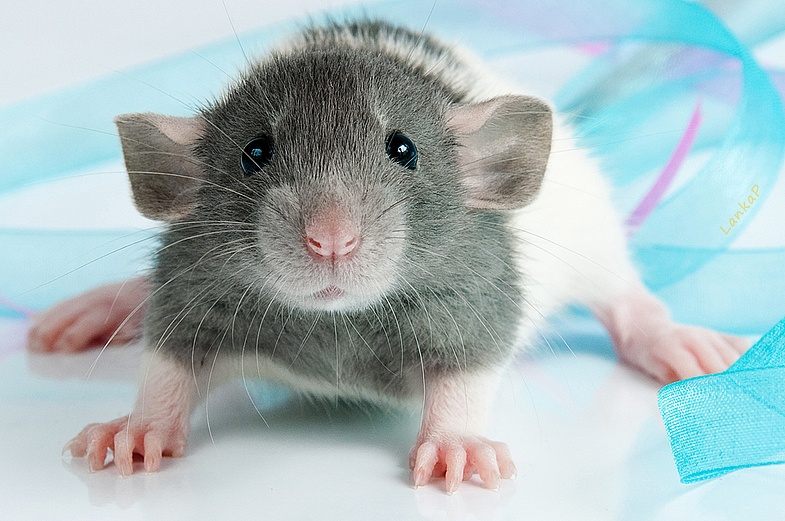
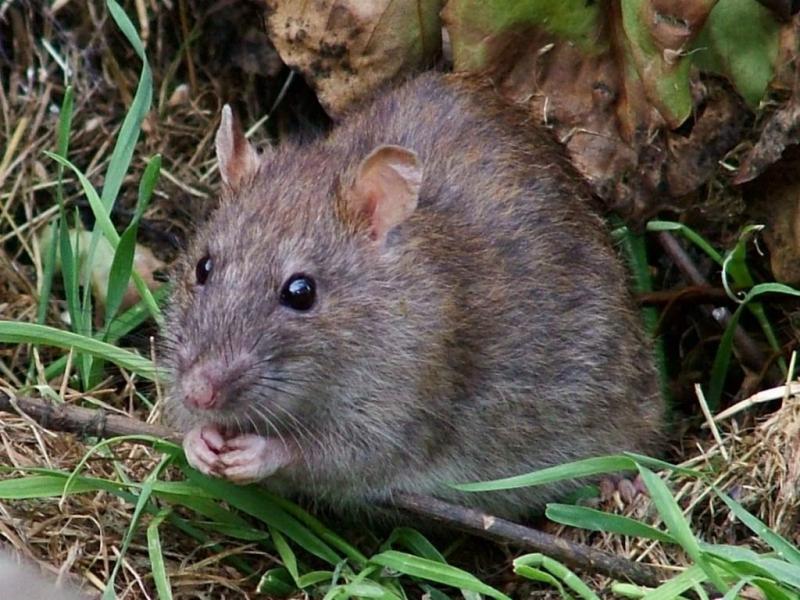
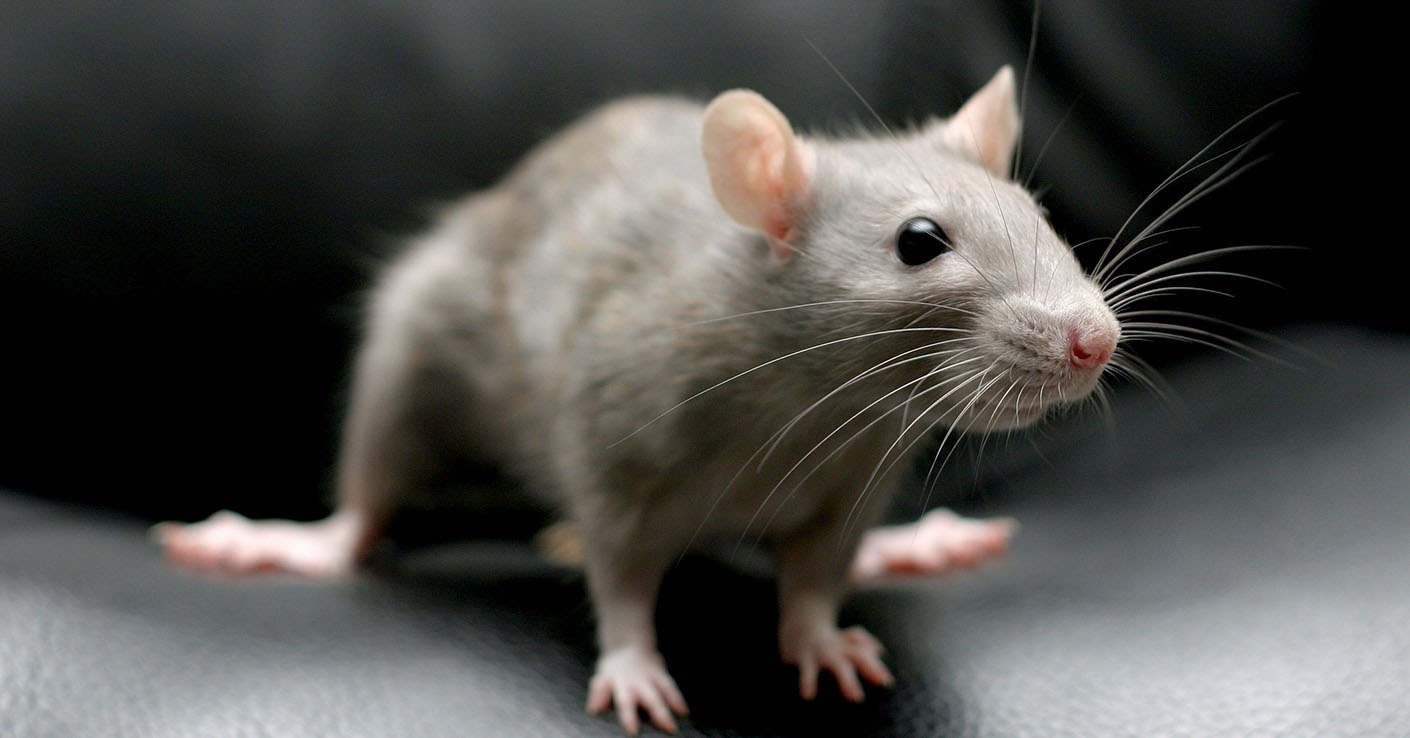
For modern humans, a rat crawling out of a toilet bowl is like something out of a Fantastic Beasts movie. Unfortunately, however, the sad facts suggest otherwise—rodents remain human companions even in the 21st century. Rat raids in warehouses and vegetable storage facilities don't frighten people as much as encountering even a single rat in their own apartment. It's important to know that no matter where these animals settle, they won't leave voluntarily, so control must begin immediately.
Content
Where do rats come from in an apartment?
No one is immune from rat infestations in their apartment or house. The animals' favorite habitats are damp rooms filled with something.
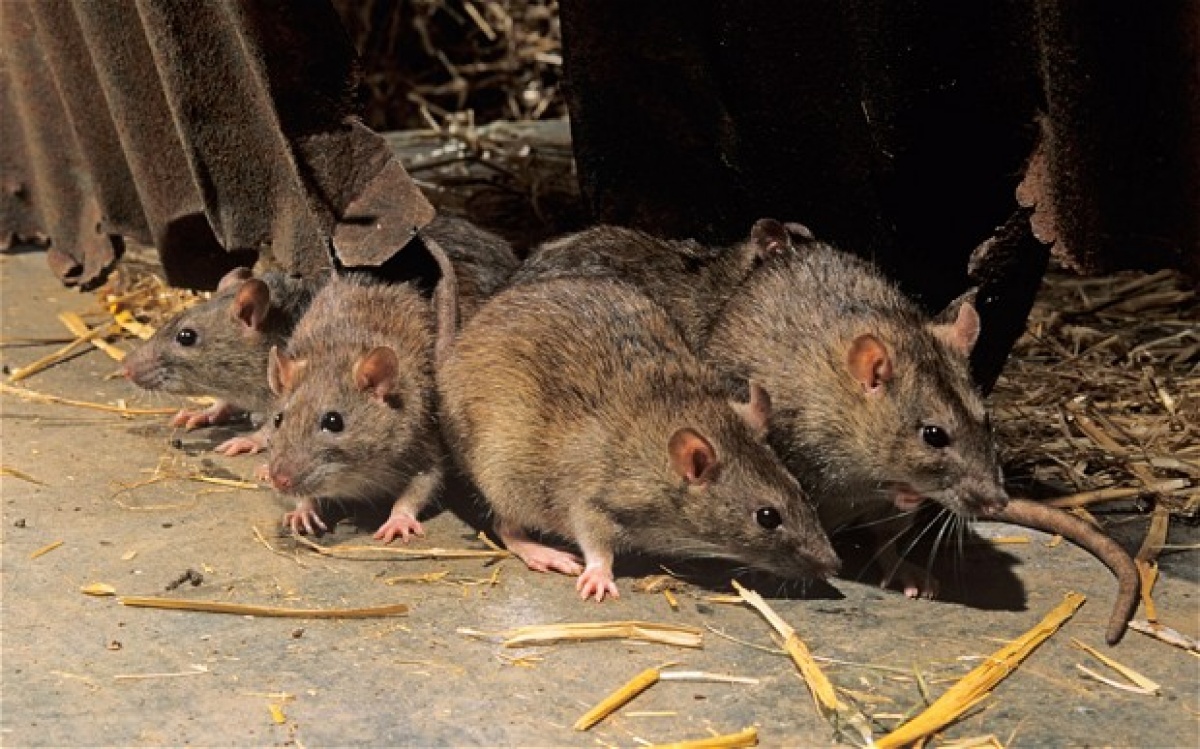
Brown rats are the most numerous species of rodents.
Having entered the basement of an apartment building through low-lying windows or vents, rats, in search of food, begin to scurry along the plumbing, heating, and sewer pipes that they use to enter apartments. For example, through the toilet or kitchen vent.
The presence of rodents in the home does not go unnoticed. Rats are prolific and aggressive, and are omnivorous. Besides food, they damage and stain clothing, shoes, books, and furs with their waste products; in private homes, they even gnaw at the bark of trees. Along with material "losses," rats can cause harm to health: they are carriers of pathogens of dangerous infectious diseases and infect with rabies.
How to fight rats
Rodent control is a long-term process, consisting of a system of extermination measures, necessarily reinforced by preventive measures.
To destroy rats, it is necessary to create conditions in the room that make it impossible for them to exist and reproduce in the apartment.
Prevention includes:
- maintaining absolute cleanliness;
- storing food products in places inaccessible to rodents - tightly closed containers, cabinets;
- daily disposal of food waste and garbage.
Methods of rat extermination:
- The biological option is to get a couple of cats or rat-catching dogs. At this point, your role in the extermination mission is complete; the problem is "handed over" to the furry paws of our smaller brothers. This method is suitable for a private home with a small pest population.
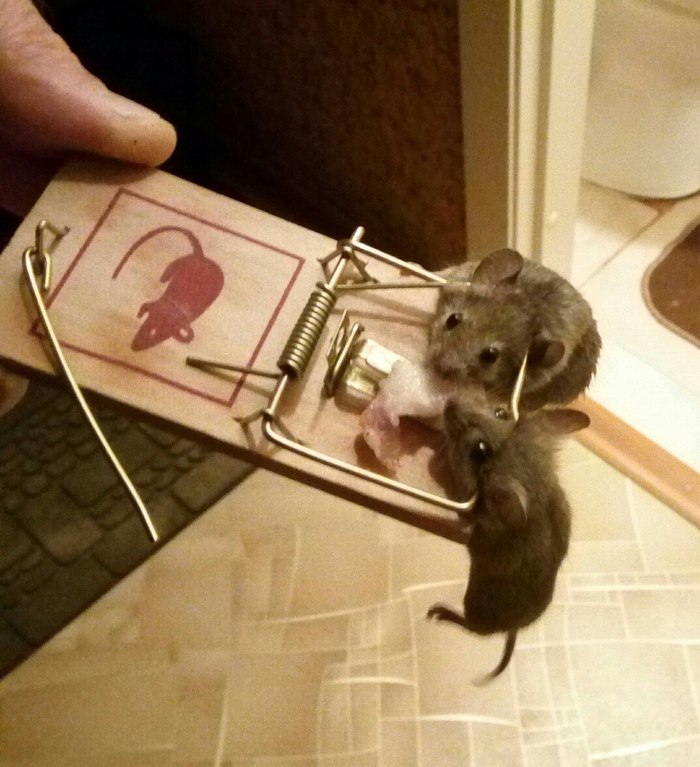
- Mechanical traps are placed around the entire perimeter of the room, baited with pieces of cheese, and then hidden and wait. This method is dangerous, so it's crucial not to fall victim to this simple device. It's doubly dangerous if, in addition to rats, other animals and small children live in the house.

The traditional way to control rodents is with rat traps, special traps and snares.
- Chemical: Buy pesticides from a specialist store and sprinkle them in the corners. This method has its pitfalls, pros, and cons.
Eliminating rats from your home using chemicals
The abundance of chemicals often confuses people who have never encountered the problem of exterminating pests before.
Rat poisons are produced in the following forms:
- powders;
- gels;
- baits;
- adhesives;
- checkers;
- solutions.
To make the right choice, you should clarify several important points:
- where we carry out destruction (apartment, house, garage, cellar);
- what is the number of rodents (1–5, 10–20, 20+);
- Do people and animals live in the premises?
Rodent glue
It's important to understand that if you spread poison around your apartment, not only rodents, but also pets and children could become victims of the toxicity. From this perspective, glue is the safest option.
Any handling of rodent control products must be done with gloves.
The glue belongs to hazard class 4 substances and does not contain toxic substances. The product does not cause irritation or allergies when it comes into contact with skin. A viscous, colorless, and odorless substance, it works like traditional glue: when a rodent runs past, it becomes attached, preventing it from escaping. The glue is applied to pads placed near rats' habitats.
It is easy to determine where in the house rodents like to be the most by the traces of their activity and chewed furniture.
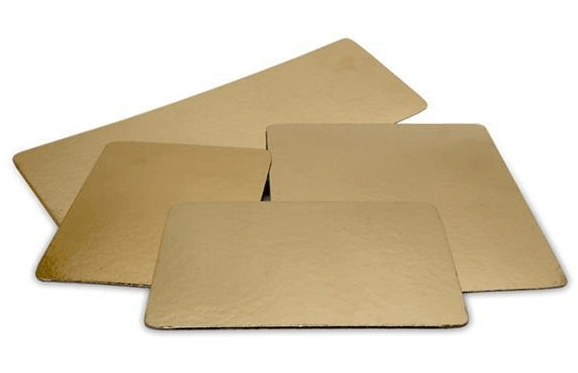
You can make the substrates yourself from cardboard, plastic or wood, or buy ready-made ones in the store.
For rat hunting, the substrate must be as stable as possible and at least 30 x 20 cm in size. It is recommended to apply the glue in strips. For successful rat hunting, each strip should be 3–5 cm in size, with a width of 5–10 cm between them. A treat—a few seeds or grains—can be placed in the center. This creates a rodent trap.
Be mentally prepared for the fact that, once trapped, the rodent will try to escape—it may squeal loudly and make noises. The rat may still be alive when you check the trap.
Manufacturers recommend removing the dead animal from the backing after gluing, applying a fresh coat of glue, and burying the rodent. However, not everyone is capable of this—you can dispose of the rat along with the backing, then use new devices.
Pets may become attached to the adhesive backing, in which case the stuck fur will need to be trimmed off. This can be avoided by placing traps under furniture.
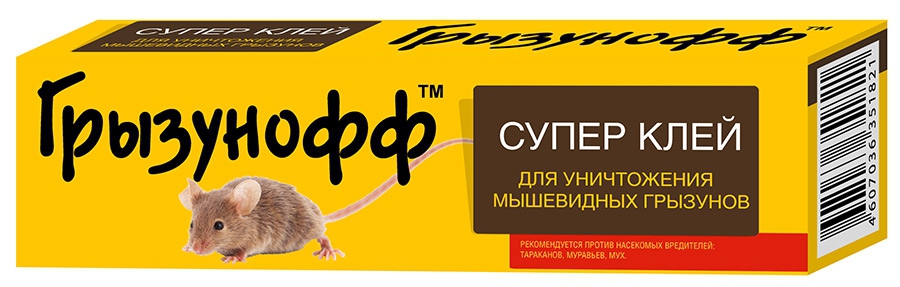
Gryzunoff glue is designed for making traps to kill rodents.
Gryzunoff glue has proven itself effective. It consists of synthetic rubber, mineral oils, and vegetable oils. It contains no toxic substances, and rodents die from immobilization and dehydration.
A 135g tube costs 170–200 rubles; the number of packages required is calculated individually, based on the area of the room being treated and the rat population.
This year we've had a mouse infestation, the first in three years. I can't use poison because I have a cat and the basement. Naturally, I feel sorry for the cat. And if a mouse dies under the basement, I'm guaranteed a month of incredible odors. We used mechanical snap-on mousetraps, caught all the big ones, and then: the bait disappears, the traps don't work. The mice are too small. We tried mouse glue. It's applied to thick cardboard about 25 cm in diameter. I squeezed out 7 cm of glue and spread it evenly with a piece of cardboard, leaving the edges clean, as instructed. I put any bait in the middle. We caught a mouse the very first night. The mouse was completely "stuck," covered in glue, stuck sideways. BUT, it takes someone with strong nerves to kill this mouse. My husband took on this difficult mission. Overall, we're happy with the result.
ALT adhesive contains less familiar ingredients—polybutylene and polyisobutylene—but the manufacturer immediately clarifies that these chemicals are non-toxic. The principle of action and packaging are identical to those of Gryzunoff, and the price range is between 170 and 200 rubles.
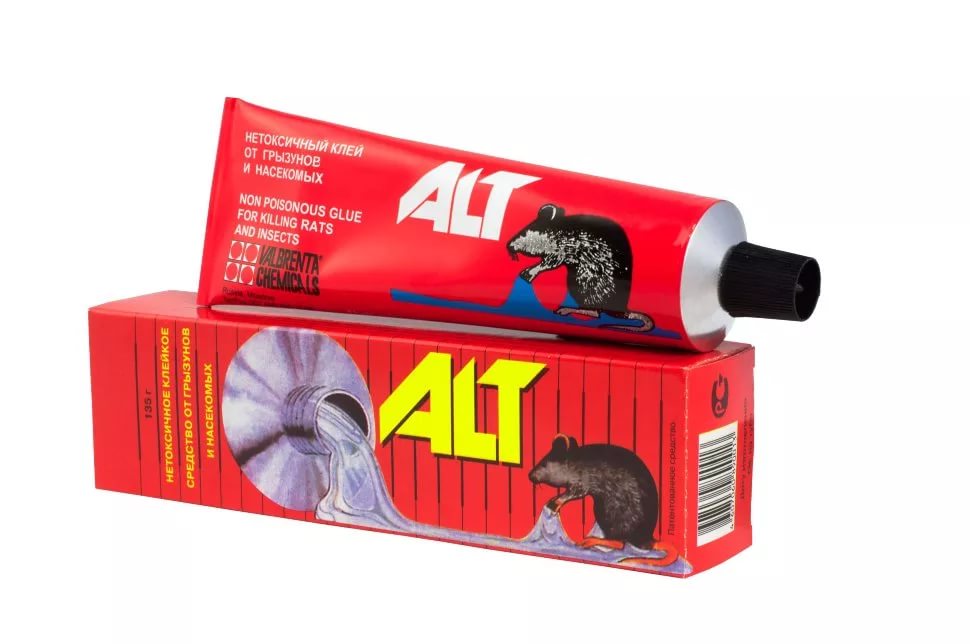
ALT glue is a mechanical means of catching rodents
How rodent glue works – video
Lures
The bait is a poisoned treat. The principle of operation of the bait is that a lethal dose of poison is added to the food component that is attractive to the rodent.
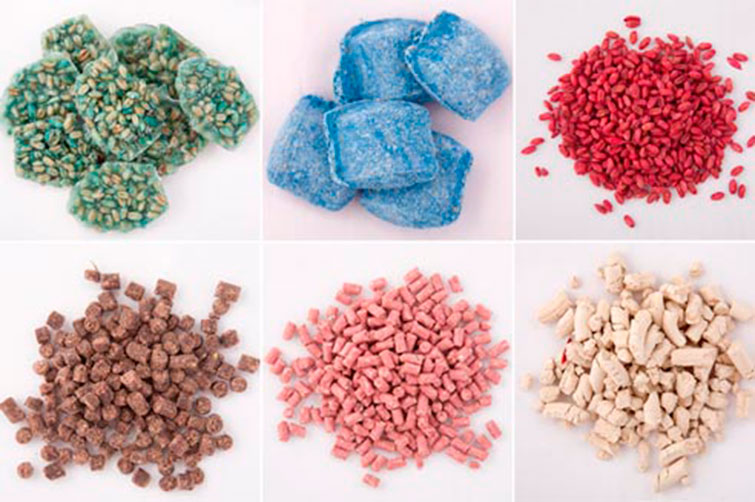
Lures are often brightly colored to make them easily noticeable, but be careful - fancy shapes and bright colors can also attract children's attention.
Most baits have a delayed effect - the poisonous substance "works" not immediately after the meal, but after some time, usually 3-4 days. The poison in this group of drugs is toxic and dangerous to humans and pets.
Baits come in the form of tablets, granules, and poison-impregnated grains. They are placed along rat paths, along walls, near burrows, in dry, dark areas of buildings, and near sewer pipes. It is dangerous to use baits in an apartment; they are intended for private homes and garden plots.
Quiet Time baits for home use are available in the form of granules and briquettes.
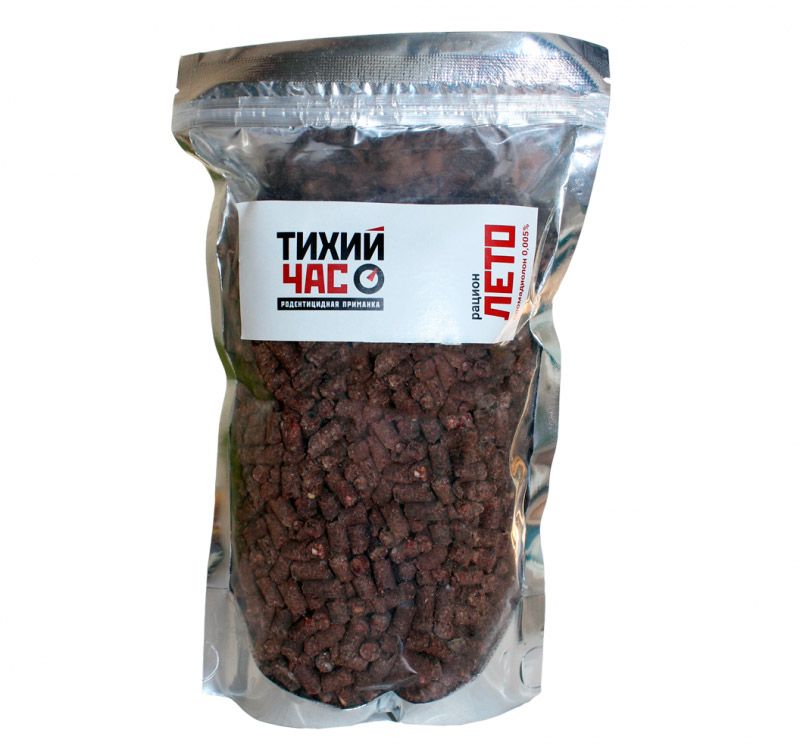
Quiet time is an effective bait for rats, mice and other rodents.
Quiet Time granules are designed for four seasons—summer, fall, winter, and spring. This is due to rodents' preference for certain foods depending on the season, increasing their appetite for the poison. The death of animals is achieved due to the action of the bromadiolone poison, which occurs within 4-14 days after rats consume the drug.
The granules are suitable for controlling rodents in private homes and surrounding areas; a 500-gram package is sufficient for a plot of several hundred square meters. The bait is placed in containers or bowls spaced 1–5 meters apart and checked weekly—add more poison as the rodents consume it. If the bait remains untouched, move it to another location.
Quiet Time granules are capable of eliminating large rat populations and have proven themselves to be effective and affordable—a 0.5 kg package costs 350 rubles.
Pros: This product works! The instructions are also really cool with pictures, so everything is really clear. Cons: The pack is a bit big for just one mouse, but we'll use it at the dacha this summer. We ordered Get to kill bedbugs and saw this product in the store. We asked the salesperson about it and decided to get it. We have one mouse in our house that's been bothering us. What can I say? THE MOUSE DIED! This product works!
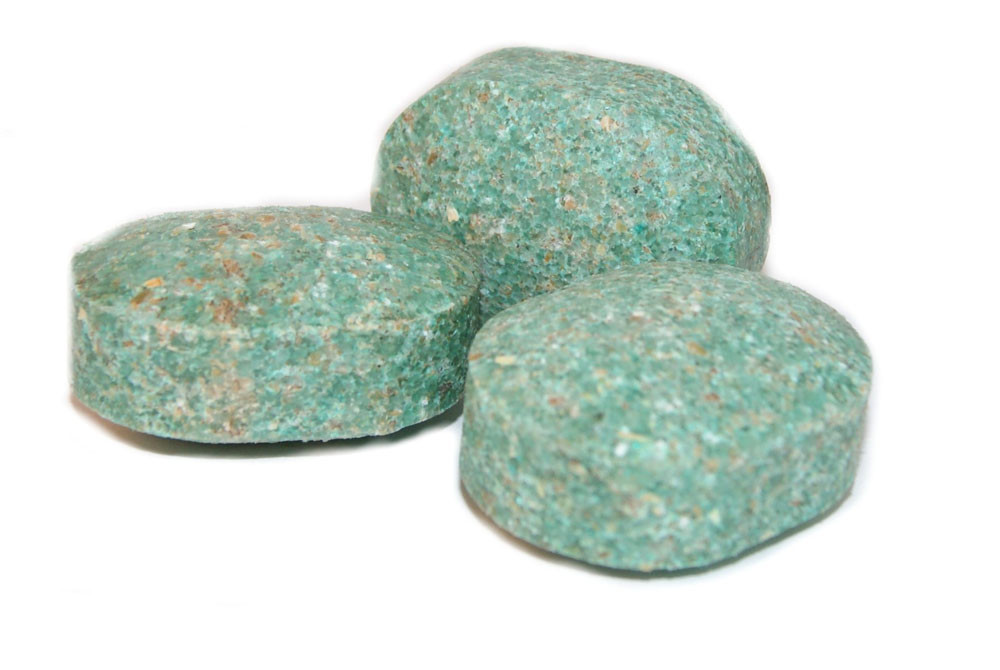
Quiet Time rat briquettes contain rat poison with flavors of baked goods, cheese, chicken, nuts, sausage, fish, and chocolate.
Quiet Time paraffin-based briquettes are water-resistant. They can hold their shape for up to 10 hours in inclement weather without spreading.
One package contains seven paraffin briquettes, each with a different flavor. The manufacturer has taken into account rats' daily protein, fat, and carbohydrate requirements, ensuring that even the most discerning rodent cannot resist the briquettes. This is directly reflected in the price: a 65-gram package, capable of killing three rats, costs 190 rubles. Therefore, with a large rat population, purchasing bait can be quite expensive.
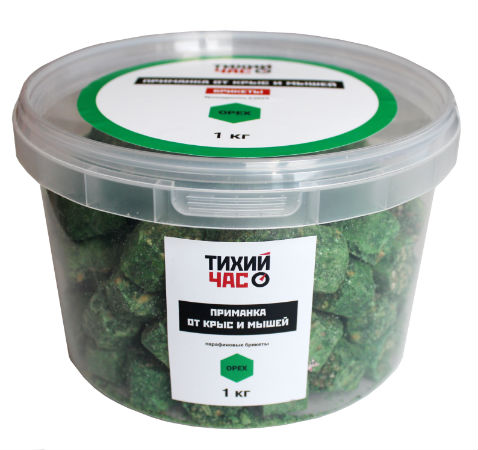
It is advisable to purchase briquettes in large packages if there is a large population of rodents and/or a large processing area.
Ratobor bait is a ready-made red briquettes, the active ingredient is diphenacin. It belongs to the category of extremely dangerous poisons (hazard class 1). To kill rats, you'll need 4-8 briquettes per substrate. A 200-gram package contains 20 briquettes, each 10 grams, and costs 85-100 rubles.
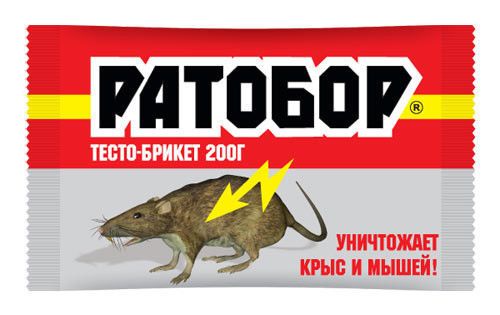
Ratobor dough briquettes are an affordable and effective bait
I haven't encountered such an effective product in a long time. It kills instantly, the price is slightly higher than similar products, but the active ingredient is different, so if your pests are accustomed to other products, I recommend Ratobor. It's worth noting its toxicity.
Efa, Clean House, Nutcracker and numerous other lures work on the same principles.
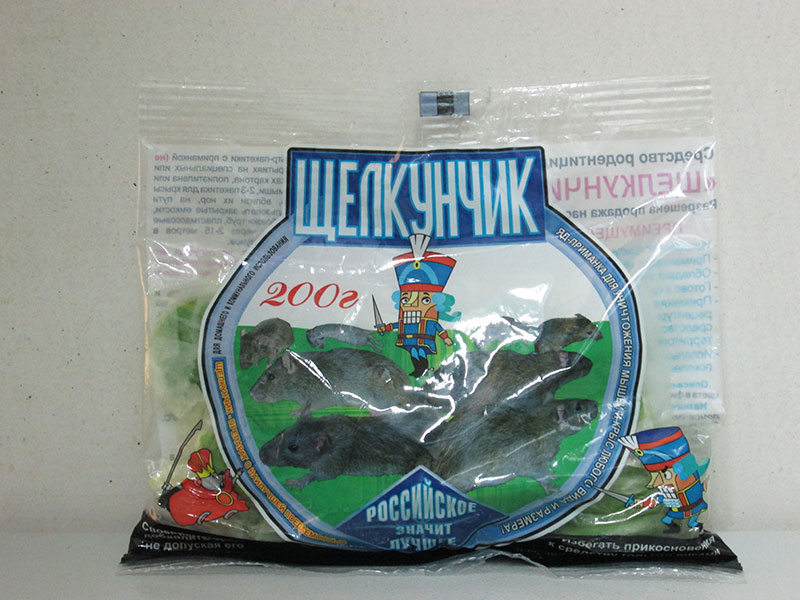
Nutcracker bait is an effective and inexpensive product
The manufacturer promises good results for the Nutcracker in damp conditions, such as cellars and sewers. In addition to the poison and food components, the bait contains antimicrobial and antifungal agents.
I live in my own house. As soon as autumn arrives after summer, bringing mice from the fields with it, mice begin to infest our attic. Well, homeowners will understand—these gnawing companions leave me no sleep, no peace. Frankly, over the years of living in our house, we've tried many remedies, but the most effective has been the "Nutcracker" mouse and rat repellent. I don't want to over-promote it, but I can say one thing: it's very effective. After using the product, the mice disappeared very quickly, and they simply vanished. I hope we'll see more of them this year.
The Clean House grain bait is made of poison-soaked grain, most of which are brightly colored - blue, red.
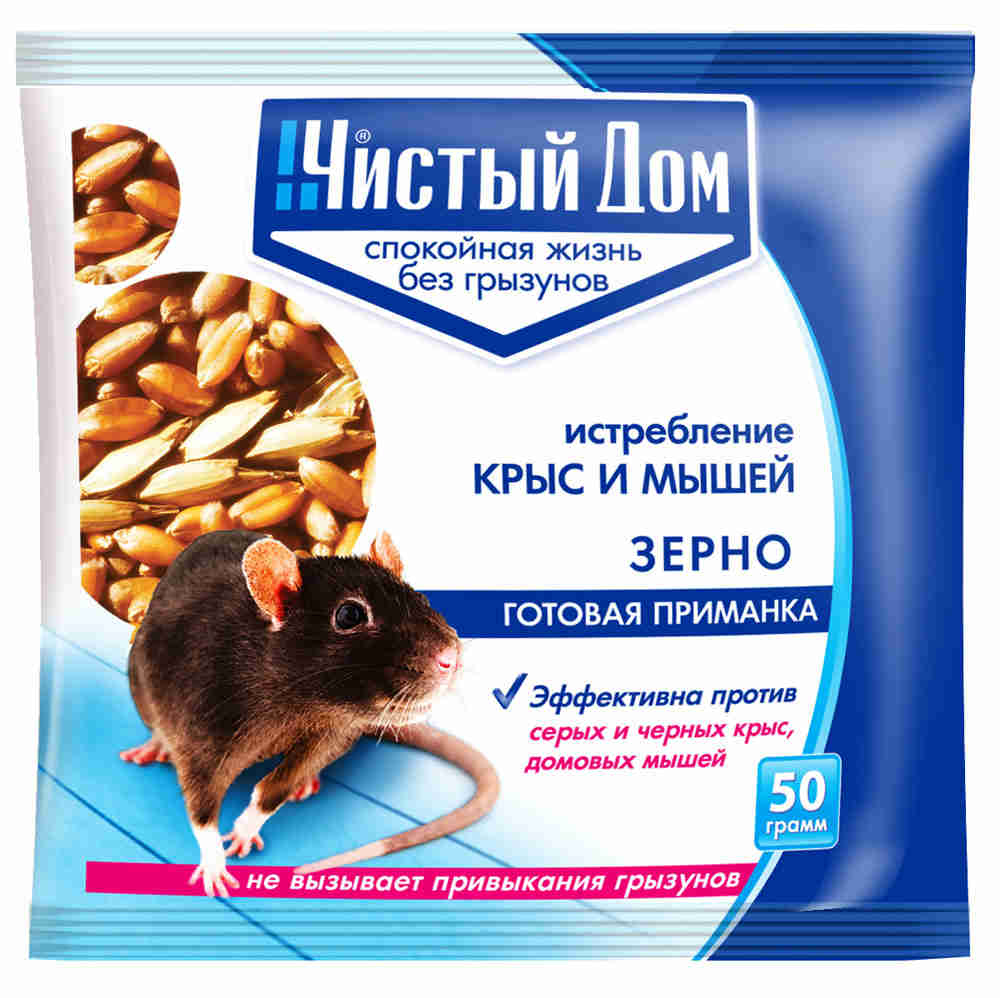
Clean House grain bait kills rodents very quickly
When choosing bait, give preference to poisons with a mummifying effect - they will eliminate the foul odor if the rodent dies in an inaccessible place.
Gels and solutions with poison
Gels and solutions are concentrated poisons, such as brodifacoum or difenacin. You must mix the poison with food and make bait yourself.
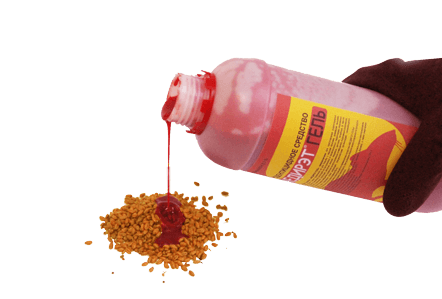
Mediret gel is produced for use by specialized services
These substances belong to the first hazard category—they are considered extremely dangerous. For obvious reasons, you won't find them readily available or on display at a hardware store. Sold for pest control services.
Smoke bombs
Smoke bombs are inexpensive and effective; in one go, they can get rid of not only rodents, but also ticks, insect pests, fungus, mold, and rot. The preparation cannot be used in apartments and houses; the checkers are intended for basements, cellars, greenhouses, and hotbeds.
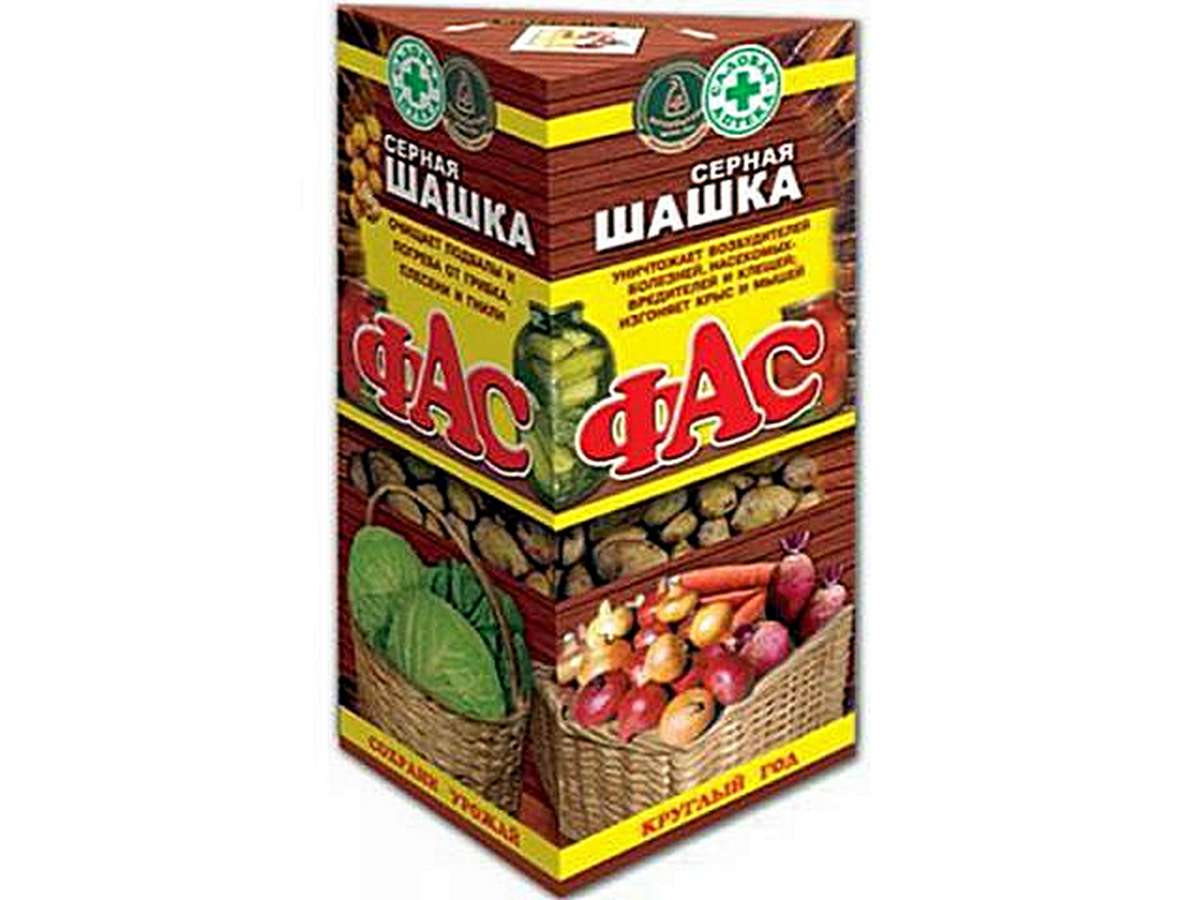
The FAS checker consists of sulfur
The treatment is carried out strictly according to the instructions. Food and plants are removed well in advance, and the cellar is treated before harvesting. The smoke bomb is lit in the room being treated, releasing a pungent, toxic smoke that fills every corner, literally "smoking out" the pests. When the preparation is burning, there should be no people or animals in the room being treated.
FAS sulfur block is effective and inexpensive; its active ingredient, sulfur, is the only active ingredient. Parasites escape after one treatment, and the treatment effect lasts for three months. A 300-gram package costs 70–100 rubles.
I really liked the sulfur candle. It's a very effective remedy for fighting mold, insects, and other things. Now that I know the whole process, I'll be taking care of the greenhouse treatment both in the fall and in the spring.
It's possible and necessary to successfully combat rats at home. Remember: rats will invade any area, so it's best to begin the "war" as soon as even one rodent appears within sight.