Wood is an environmentally friendly and relatively easy-to-process material. This is precisely why it is so popular in construction: it is used to build houses, saunas, and interior and exterior finishes. Wood is also used to create all kinds of furniture and interior items. Wood could be an ideal building material if not for two significant drawbacks: its susceptibility to rot and its poor resistance to high humidity. A damp and warm environment promotes wood rot, mold, and, consequently, damage and loss of its properties. For this reason, the protection and preventative maintenance of wooden structures are of paramount importance.
Content
Why does mold appear on wood?
Among the many building materials, wood is the most susceptible to rot and mold. Wood is a living, natural, semi-finished building material rich in nutrients. Like most natural materials, it absorbs moisture and breathes well, and even dry boards or timber contain up to 20 percent moisture. The main causes of mold on wood include the following factors:
- improper storage and processing conditions;
- installation of wooden structures in contact with the ground;
- use in rooms with high humidity and lack of ventilation;
- lack of high-quality internal and external waterproofing and insulation;
- sudden temperature changes and the presence of condensation;
- in winter - freezing of wooden structures.
What types of mold and mildew affect wood?
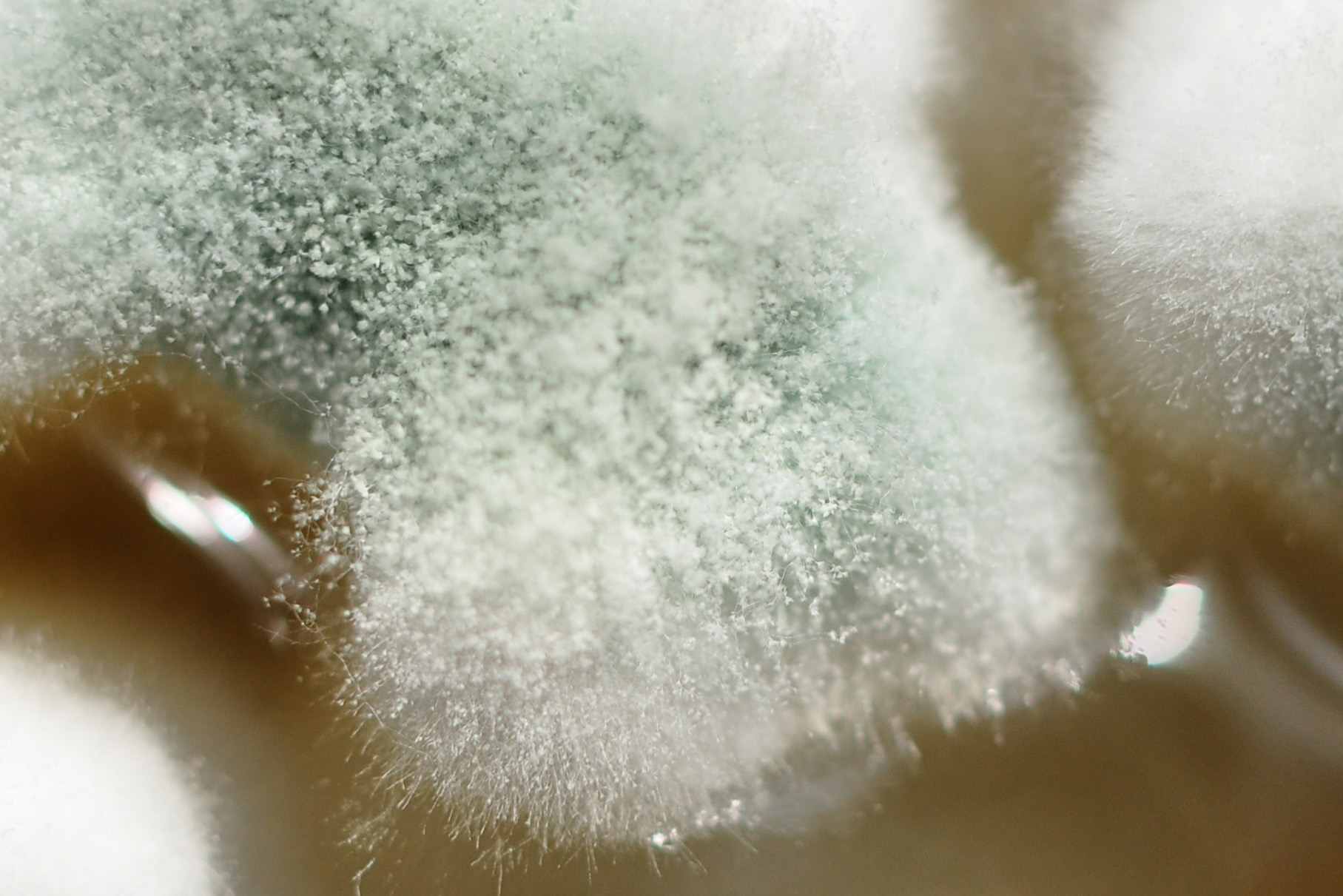
Wood mold comes in a variety of shapes and colors.
Mold and mildew are similar parasitic microfungi that colonize the surfaces of wooden structures, dry or living trees. Woodworking experts distinguish several types of mold (by color):
- black,
- red,
- white,
- gray,
- yellow,
- blue,
- green,
- brown.
The impact of rot and mold on tree species is distributed as follows:
| Red rot | It mainly affects coniferous trees. |
| White mold | Affects oak and birch. |
| Yellow mold | Spreads to birch and oak. |
| Green rot | Oak is the tree he “loves” the most, often covering the ceilings and beams of basements and cellars. |
| Black mold. | It settles on almost any wooden surface. |
| Blue rot | Affects many types of wood. |
The dangers of mold and mildew
Black mold is divided into a large number of strains, which only a trained specialist can classify and distinguish. In general, black mold is very active and can potentially destroy affected wood very quickly.
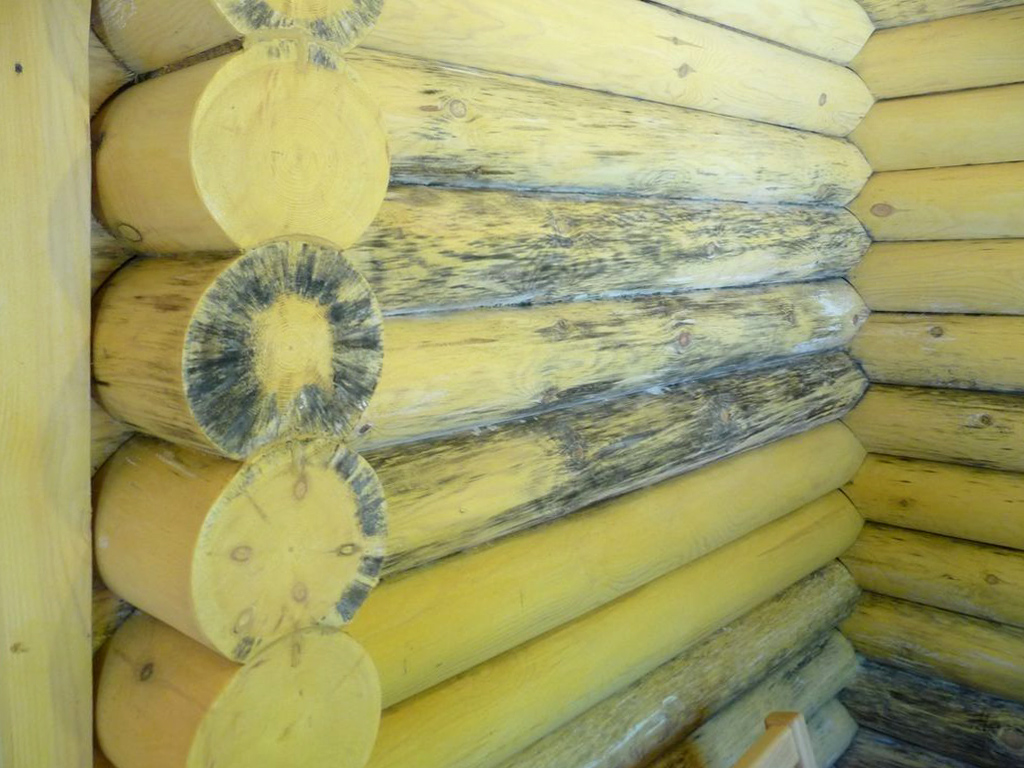
Black rot can penetrate very deeply into wood.
This type of mold poses a serious threat to human health and, when inhaled, can cause:
- allergies,
- irritation,
- toxicosis,
- decreased immunity.
In addition to dark stains on the surface, black rot emits a very unpleasant (and unhealthy) odor. Getting rid of black mold is very difficult, as it is very resistant to various types of influences.
White rot is much easier to combat; it doesn't tolerate chemicals or aggressive environments. White mold affects not only wood but also food products. Furthermore, it poses no serious health risks, with the exception of the risk of allergies in those with hypersensitivities.
Blue stain fungus causes deep wood rot. Blue stain negatively impacts the strength and durability of wooden structures, and is especially dangerous when it affects load-bearing elements of a house, sauna, or basement.
At very high humidity, the mycelium of certain types of fungi can soften the structure of wood, making it porous and fragile. As mold colonies grow, they can spread to virtually every surface, infecting the maximum possible area in a relatively short period of time.
Preventive treatment of wood against rot and mold
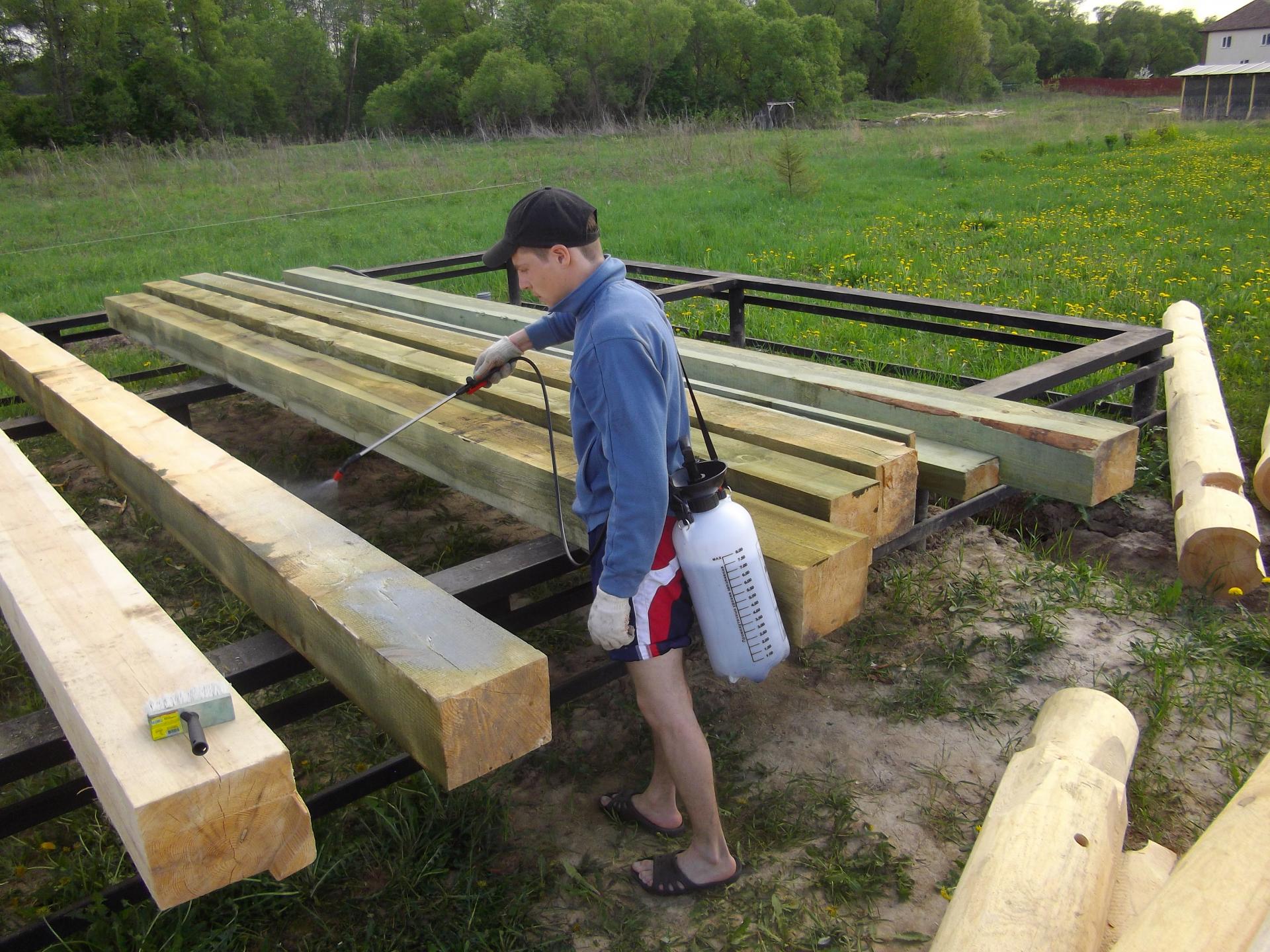
Wood processing is carried out after the wood has dried.
Preventative maintenance of wood should be carried out during the manufacturing stage. Treatment methods related to preventing the occurrence of fungus and mold include the following:
| Drying | Lasts about a year (depending on the wood type). The moisture content of freshly cut wood changes over time. |
| Waterproofing | It will help to avoid the presence of high humidity, which is so dangerous for wood. |
| Impregnation | Provides protection from dampness and moisture in the atmosphere. |
| Varnishes and paints | Just like impregnations, they protect wood from atmospheric moisture. |
| Thermal insulation | Protects wood from temperature changes and the harmful effects of condensation. |
| Vapor barrier | Necessary to prevent the formation of condensation moisture. |
How to get rid of mold if it has already appeared
You can test the wood for the extent of mold damage by inserting a long nail into the surface. If there's strong resistance, there's hope that the damaged element can be saved without replacement. If the nail goes in very easily, it means only one thing: the wood has rotted, and no treatment can help it; it must be replaced.
Mold and mildew removal should begin with thoroughly drying the damaged surface. The drying process takes two to three days, depending on the conditions. Once completely dry, remove the mold with a suitable tool, such as a scraper, putty knife, or other similar tool. If the wood is dense (oak, beech, ash), you can try cleaning it with laundry detergent and water, then dry it again. If the wood is soft (pine, spruce), it is advisable to replace the structural element.
Surface rot can also be removed using disinfectants. When using chemical mixtures, exercise caution and remember to ventilate the room. If the product contains an active ingredient such as chlorine, it should never be mixed with ammonia-based products. A mixture of ammonia and chlorine produces toxic fumes that can cause health problems.
In case of minor (superficial) damage to wood, soapy water will help remove traces of mold after cleaning it mechanically.
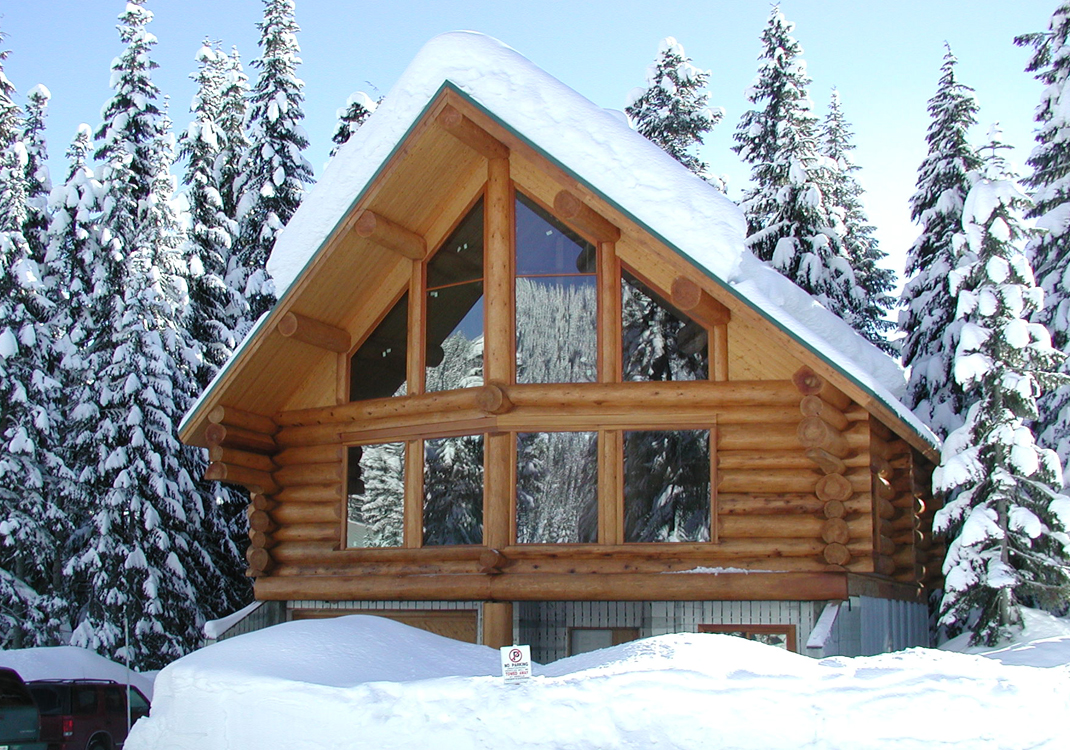
House treatment can be carried out using both industrial and folk remedies.
Folk remedies
Among the many folk recipes for preventing and removing fungus and mold from wood, the following are the most popular:
- Silicate glue is mixed with water to form a slightly thick solution. The mixture is then carefully applied to the wooden structural elements.
- A 5% solution of potassium dichromate is mixed with a sulfuric acid solution in equal proportions. It is used primarily to treat wooden walls to protect them from moisture.
- Potentially problematic areas are sprinkled with baking soda, after which the surfaces are treated by spraying with a vinegar solution.
- Dissolve one hundred grams of copper sulfate in ten liters of water and stir. Apply to problem areas with a brush.
- The exterior wood elements of the house can be treated with preheated resin.
- Dissolve 100 grams of boric acid and 1 kilogram of salt in a bucket of boiling water. Apply the solution to the wood several times.
Antiseptics, impregnations and other chemicals
Treating wood with preservatives and impregnations at home is done by applying the composition to the surface with a roller or brush. To combat rot, mold, and mildew, use:
- antiseptic compounds,
- varnishes,
- paints.
Antiseptic solutions provide powerful protection for wood, protecting it not only from fungi and mold but also preventing insect infestations and the risk of microcracks. Treatment with an antiseptic significantly increases the service life of wooden structures and components.
Preservatives contain specialized ingredients that inhibit the growth of biological forms and kill them, even in areas with high humidity. Preservatives can be applied to wood at various stages of construction and renovation, and can be added to other compounds, such as chalk or cement solutions, water-based paints, and so on.
These mold removers have the following properties:
- excellent degree of adhesion,
- increased weather resistance,
- no peeling,
- easy application,
- simple surface treatment.
Antifungal treatments are typically applied with a brush, roller, or spray onto clean and, preferably, dry wood. Preventing the growth of pathogens is accomplished by treating the surface with an antiseptic diluted in water. In other cases, a concentrated antifungal treatment is used.
Oily antiseptics can generally be used for wooden structures exposed to particularly harsh operating conditions. Including in soil, water, and outdoors; exposed to temperature fluctuations, high humidity, etc. The disadvantages of oil-based antiseptics include toxicity and a rather pungent and unpleasant odor, so they are best used for treating exterior building elements.
Water-soluble antiseptics are the opposite of oil-based ones. They are non-flammable and odorless. They are primarily used in building construction where the leaching effects of water are absent.
Video: Treating wood with an antiseptic
Impregnating varnishes effectively protect wood surfaces from precipitation and sunlight without impeding air circulation. Special additives protect treated wood from rot, fungus, and mold. The wood also breathes well, retains its texture, and simply looks beautiful.
Impregnations are very effective in removing fungus from affected wood surfaces. They can also be used for preventative purposes. Anti-mold impregnations are used in varying concentrations to prevent rot and fungus, as well as to treat wood with varying degrees of penetration (including high levels) of these and other biological agents. Impregnations are suitable for both exterior and interior use, including areas with high humidity.
What to consider before purchasing mold repellent:
- The penetration rate into the wood structure.
- Time of active action (the longer the better).
- Interaction with wood with high humidity.
- Comprehensive protection (including against other types of bioparasites, as well as insects).
- Warranty period for the treated surface.
- Composition of the preparation (it is better to choose one that is resistant to washing out).
- The absence of the effect of reducing the strength of the wood, the absence or presence of coloring of the latter.
- Maintaining contact of wood with air after treatment.
- Wood paints not only highlight the wood's structure, but also successfully protect the surface from fungal and mold colonies when properly cared for.
Among the manufacturers of impregnations, varnishes and antiseptics on the domestic market, the following can be noted:
- Belinka,
- Neomid,
- Pinotex,
- Tikkurila,
- Aquatex,
- Boritex,
- Healthy home,
- Lakra,
- Texturol.
How to combat mold in wooden saunas
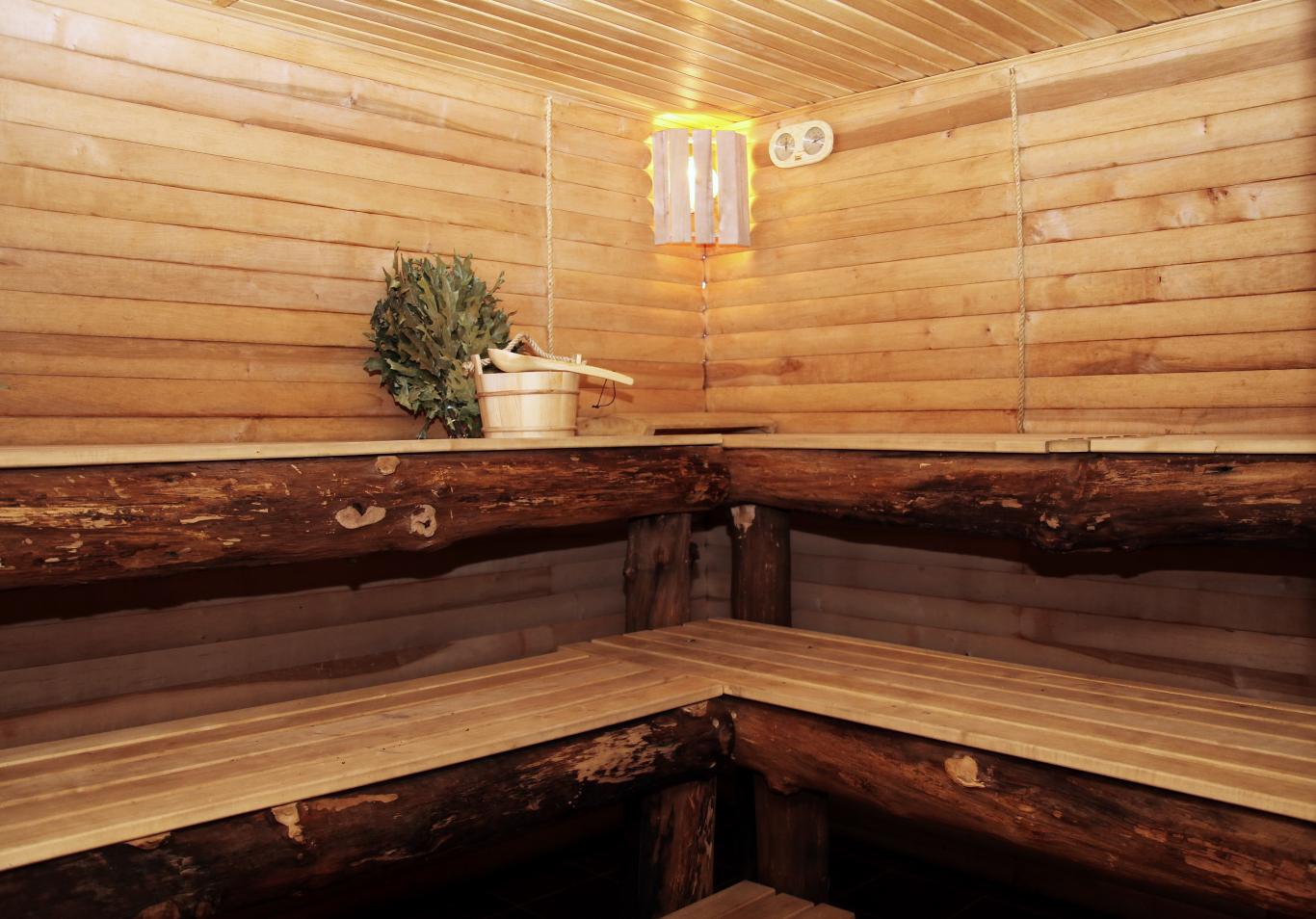
There are many methods to combat fungus and rot in a bathhouse.
The main conditions for mold growth are dampness and warmth. Wooden saunas, in this context, are ideal for fungal growth and rot. If a sauna is affected by mold, experts recommend the following methods:
| Mechanical cleaning. | This is done with a spatula, sandpaper, a wire brush, or a drill with a special attachment. It is recommended to burn the removed elements. |
| Industrially produced antiseptics | Recommended for first-line use. Apply by spraying or brushing (roller). |
| Bleach | Dried and pre-cleaned wood is treated with a solution of quicklime and water. Formaldehyde is sometimes added. |
| Copper sulfate | Copper sulfate can be found in gardening stores. Fifty grams of copper sulfate and one hundred grams of potassium aluminum alum (available at pharmacies), along with thirty grams of regular rock salt, are diluted in a liter of water. Surfaces are treated by applying with a brush or roller, or by spraying with a spray bottle. |
| Sulfur checker | A very unsafe method! A sulfur smoke bomb (available at gardening stores) is lit in a sealed room in a fireproof container. Therefore, the sauna should not be used. After a few hours, the building should be thoroughly ventilated. |
| Hydrogen peroxide | Treat the affected area with hydrogen peroxide. After two to three hours, wipe the treated areas with a damp cloth. |
Antiseptics and impregnations for baths
Impregnations and antiseptic solutions for saunas differ in their properties. Some formulations for outdoor use include moisture protection, a UV filter, and protection from dust and wind. Antiseptics for indoor use are designed to withstand constant exposure to high temperatures and humidity. Additionally, anti-mold antiseptics offer fire protection, meaning they contain components that reduce the risk of wood fires.
Sauna impregnations are also designed for use in rooms with high humidity and high temperatures. Furthermore, these compounds protect wood from darkening due to exposure to extreme temperatures. By impregnating the wood, these solutions create a water-repellent film on its surface, preventing contamination while allowing air to pass through.
Before use, mix the solution thoroughly. Apply the mixture to the pre-cleaned surface using a brush, roller, or sprayer. Apply the mixture evenly, typically in two coats, one after the other, separated by an hour.
It's important to remember that it's much easier to prevent mold and mildew in a sauna by carrying out the usual preventative maintenance for wooden structures than to deal with existing rot, which can eventually completely destroy the structure.
Reviews of various methods and means
The easiest way to remove blue stains is to treat the wood with "Whiteness" for washing. It removes any stains, and the wood becomes lighter. It's proven!
Mold is harmful to humans due to the toxic compounds produced by some species and its spores. Consider this: 1 m2 of mold produces billions of spores per day, which are spread around. But what if the walls are infested with mold for a month? Mold spores can be inhaled, deposited in the lungs, absorbed through the skin, and ingested. Skin contact can also cause fungus growth, which is why people check under fingernails for mold at swimming pools. If you experience a moldy taste in your mouth after brushing your teeth, your toothbrush is a breeding ground for fungus; don't delay replacing it. Since everyone's immunity and susceptibility to mold varies, the severity of the consequences of being in an infested area also varies. Children, the elderly, and people with weakened immune systems due to illness, chemotherapy, antibiotics, etc., are particularly susceptible to severe illness after exposure to fungal contamination.
I treated it with neomid red—a fire-bioprotectant, and I used it liberally (around 1000 rubles for a 10-liter canister). It doesn't burn, but black and green mold is sprouting. That's it.
Wood mushrooms grow even at sub-zero temperatures, at least that's what reference books say.
Leave the sauna ventilated all the time!
After every sauna session, treat the underside of the benches and all hidden wooden parts with a thick solution of table salt. Pour the solution into a spray bottle and thoroughly douse everything you want with it. It won't grow or rot, and it's completely harmless.
Mold causes colossal damage to wooden buildings, structures, and interior items. In ancient Rus', wooden bathhouses, barns, and huts infected with mold were simply burned to prevent the spread of rot. Today, a wide range of antiseptic impregnations, primarily intended for preventative measures, make it possible to avoid such drastic measures, but they don't always solve the problem, especially if mold has already invaded the structure.