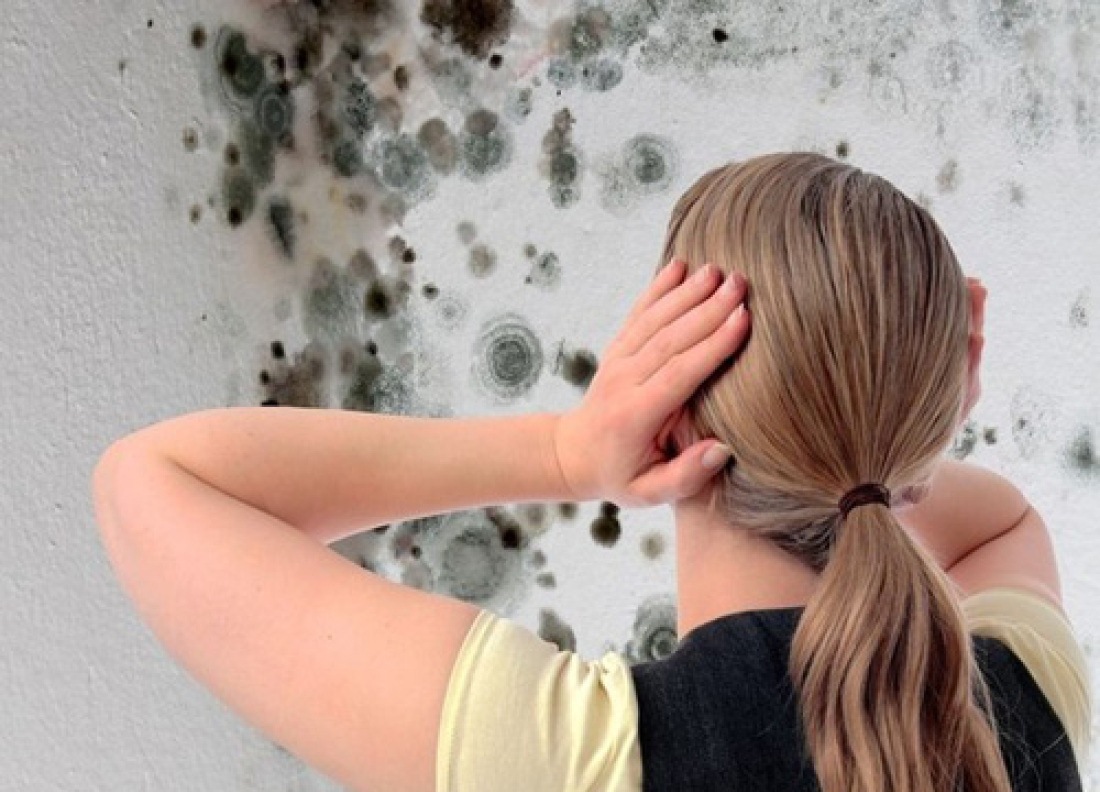
Everyone has seen mold at least once in their life—in damp areas or on old, spoiled food. It has a distinctive odor, which some people nevertheless find appealing. As does its appearance: mold comes in a wide variety of colors, sizes, and textures, but almost all types pose a health hazard to humans and any other living creature. Mold reproduces by spores, which settle and quickly thrive in a humid environment. And the human body, from this perspective, is an ideal place for spores to live and reproduce. Mold is a parasite that, while living in the body, depletes it. To avoid putting yourself at risk, at the first sign of mold in your apartment, you need to begin combating it, choosing the most effective remedy from a range of folk remedies or household chemicals.
Content
Types of mold
Microscopic mold fungi thrive in areas with high humidity and reproduce through spores that travel vast distances with air currents and penetrate deep into the body, material, or surface where they settle.
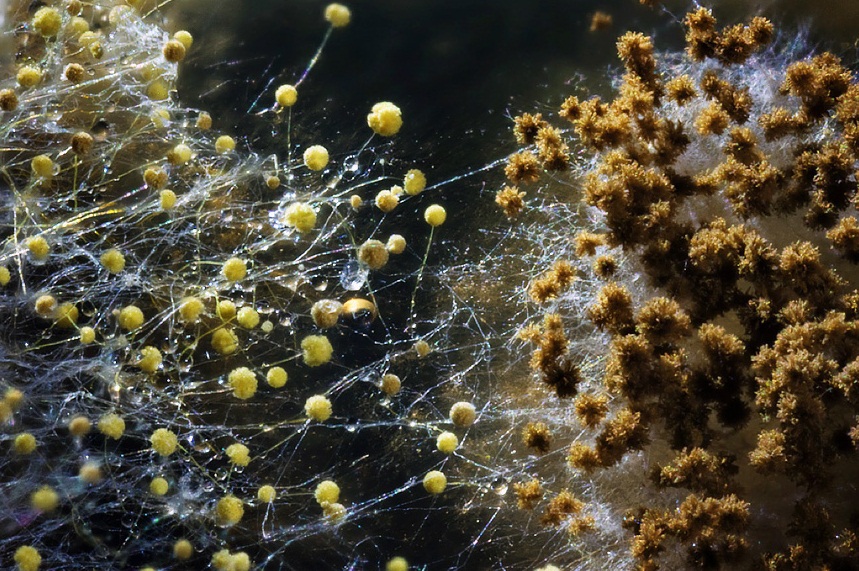
Mold looks beautiful under a magnifying glass, but its appearance is deceiving: it is very dangerous to the health of humans and animals.
Mold spores are so small that they can easily enter the human body and cause a host of problems, from skin infections to kidney damage and internal bleeding. Therefore, it's essential to avoid areas where mold is present. If mold has appeared in your home, call a mycologist to identify the type of fungus and provide a report, then contact the nearest extermination station. Unfortunately, there's often no time to wait for an inspection, so you need to act quickly and try to remove the mold yourself. It's important to understand that there are many types of mold, and each is susceptible to attack in its own way.
Black mold
Black mold strains differ in color (despite the name, it is not always black), stage of development, and habitat, i.e., the material on which a particular species settles:
- Ulocladium is very sensitive to moisture and, in addition to walls and ceilings, attacks food products.

Ulocladium thrives in humid environments.
- Cladosporium. In its initial stage, it is completely colorless, but can later take on absolutely any shade. It survives and reproduces even at low temperatures, does not require moisture, and is particularly dangerous to plants. It attacks various surfaces and feeds on fuels and lubricants.
Cladosporium feeds on fuels and lubricants
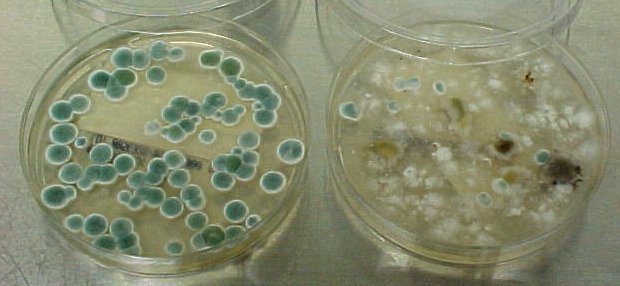
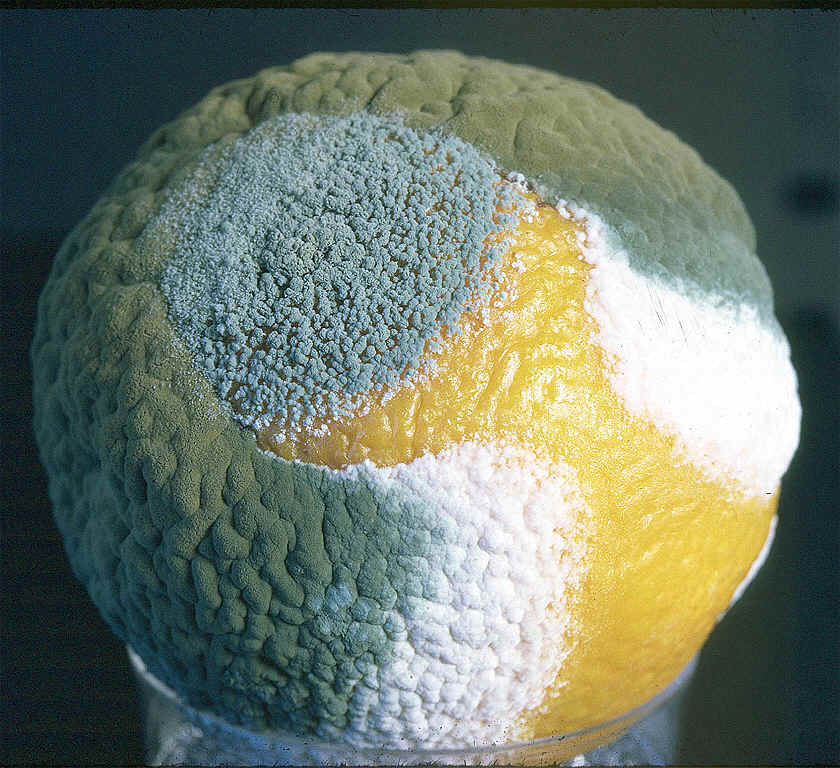
- Pencillium. Used for aging fine white mold cheese, but more commonly found on apartment walls and food products. Very dangerous for humans.
Pencillium comes in a wide variety of colors.
- Alternaria. Predominantly black, although various shades of gray are also found. It grows on plants, fruits and vegetables and can also affect the skin and respiratory tract of humans.
Alternaria lives on plants, but can affect the respiratory tract and skin of humans.
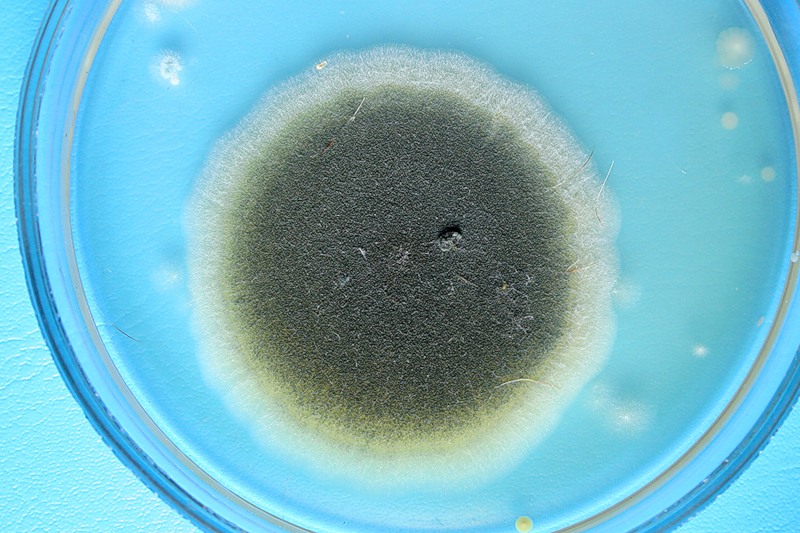
- Aspergillus. A white mold with distinctive black spores. It causes aspergillosis, an allergic reaction of various types. It grows on walls and ceilings.
Aspergillus fungus can cause an allergic reaction.
- Chaetomium. Black mold that grows on walls and food products. It causes allergies, but is especially dangerous when it enters the digestive tract.Fatalities have been reported from poisoning by this mushroom.
Chaetomium can cause fatal poisoning if ingested.
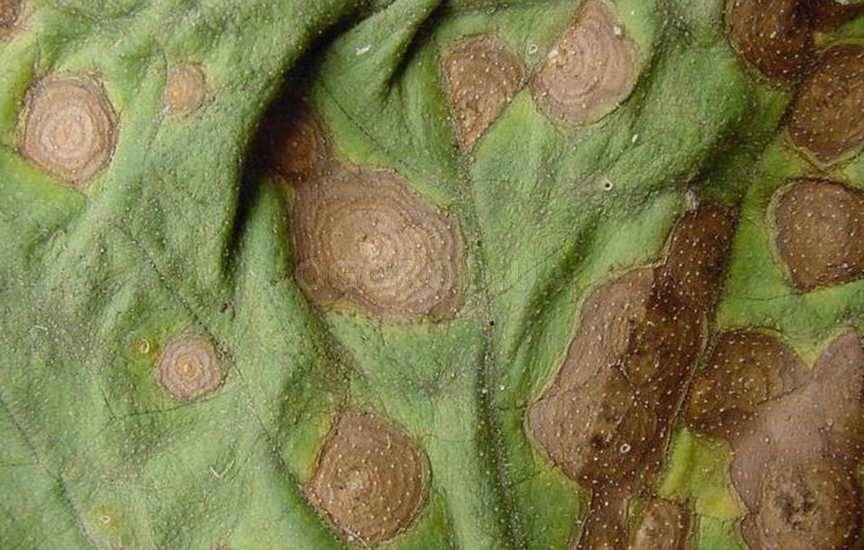
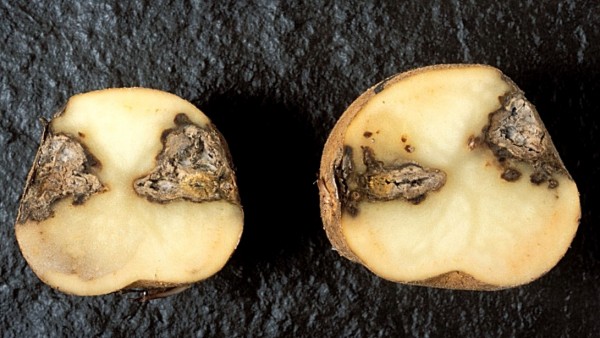
- Phoma. A black or brown fungus with colorless spores. It attacks plant leaves and fruits.
Phoma fungus attacks potato tubers and causes dry rot.
- Wallemia. This type of mold thrives in high humidity and high temperatures, grows on walls and partitions, and is difficult to remove. It does not cause harm to humans.
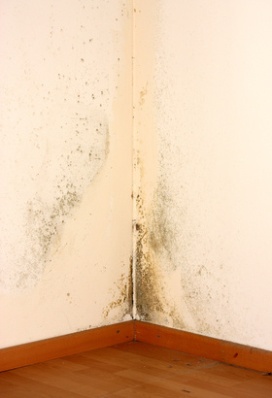
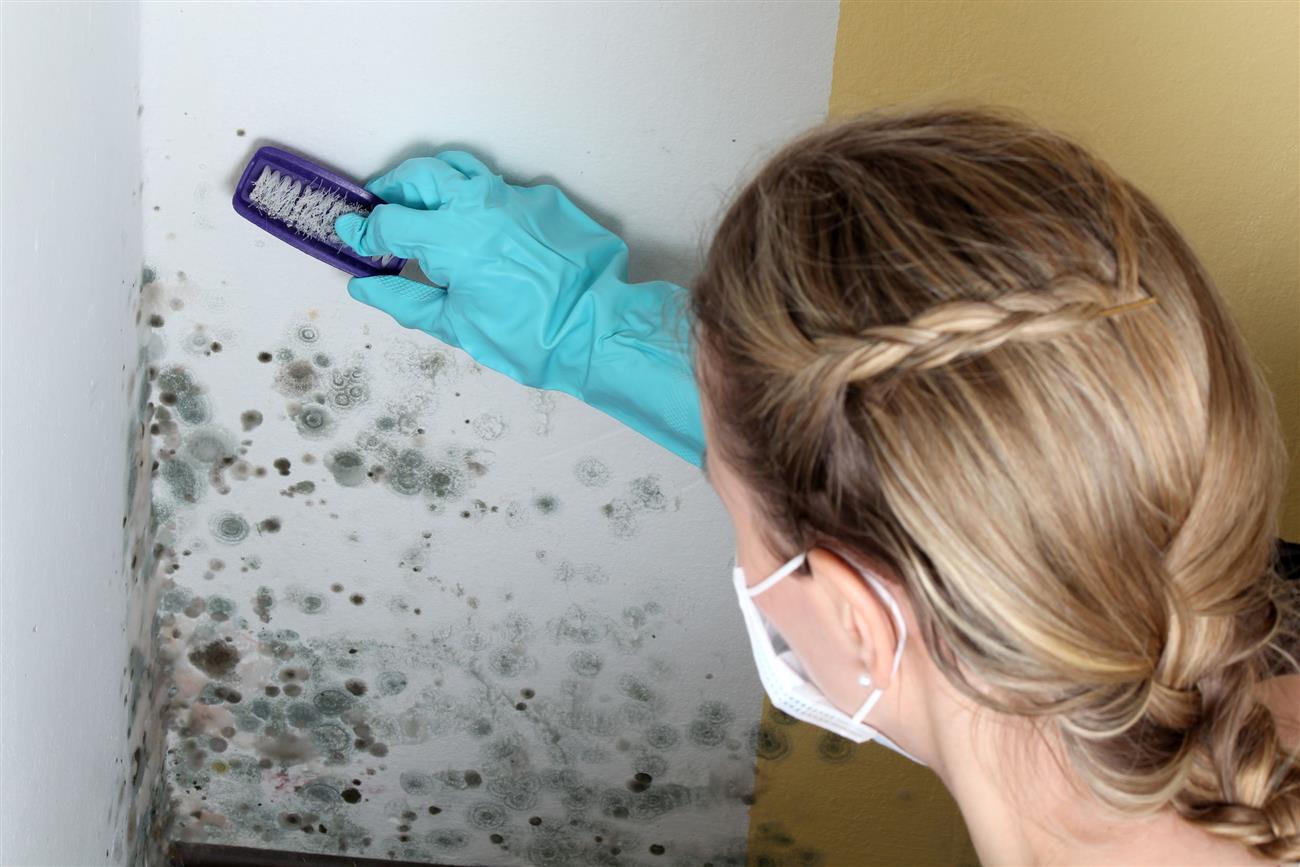
Black mold should be removed as soon as it's noticed on walls, ceilings, floors, or other surfaces in the home. Follow these steps when removing mold:
- Put on gloves, a mask, protective glasses, and close the doors and windows in the room being treated to prevent the fungus from spreading throughout the apartment. Place an impermeable mat on the floor.
- First, perform mechanical treatment. Remove any moldy wallpaper and use a spatula to remove any moldy plaster.
- Thoroughly wash the area where the fungus used to be using chemicals or folk remedies.
- Dry the room. Mold thrives in damp places, so the treated area must be thoroughly dried to prevent new colonies from forming. A fan isn't suitable for this purpose—it will only spread the spores throughout the room or apartment.
- Treat the walls with antiseptics. Mold can spread throughout the room, but only develop a pronounced color in one area (depending on its stage of development). Therefore, eliminating the mold in one spot doesn't guarantee that the room is free of its spores. If you plan to renovate the room (since you've removed the wallpaper and plaster), apply a coat of primer containing an antiseptic to the walls.
White mold
White mold is of little concern to humans, as it is not as common as black mold and lives primarily on walls, plants, soil, and food products (bread, fruits, berries, and others).
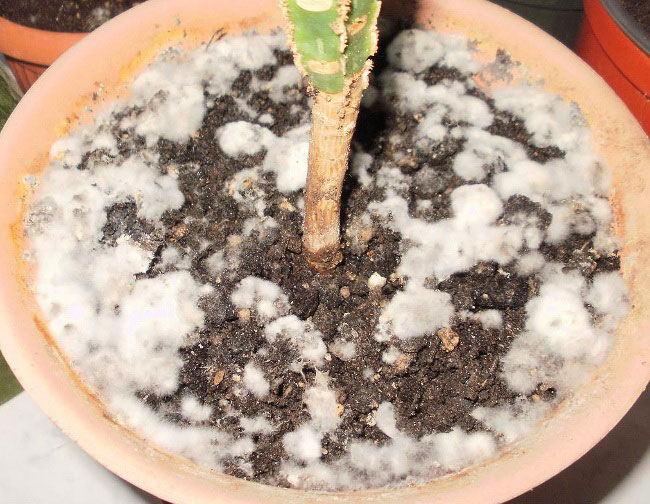
White mold on the soil can be destroyed with a solution of citric acid without damaging the plant.
White mold is often confused with efflorescence, which is completely harmless to humans. To find out what exactly is growing on your wall, put on gloves and remove the "something" from the wall. If it crumbles like salt crystals, it's efflorescence. If it dents in your hands, it's mold, and it needs to be addressed.
To get rid of mold on plants, soil, and walls, simply water the affected area with diluted citric acid (1–1.5 teaspoons of acid per cup of warm water) every two to three days. Many strains of this mold are killed, while antiseptics are effective against others.
White mold is harmless to humans and is even specially grown on Camembert and Brie cheeses.
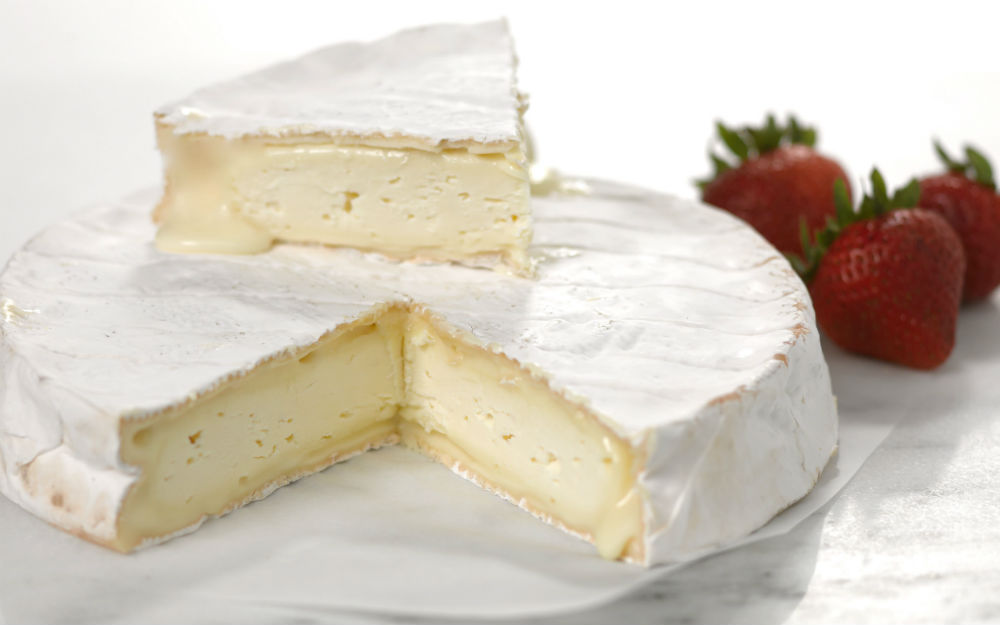
Brie is considered the king of cheeses because of the amazing flavor that white mold gives it.
Blue
Blue stain fungus attacks the structure of wood, giving it an unattractive blue-gray color. It is often found on wooden surfaces and easily penetrates the paint film, creating passages through which water can seep. It leads to the destruction of the wood structure, reduces the safety of the building, and also leads to the appearance of other types of mold.
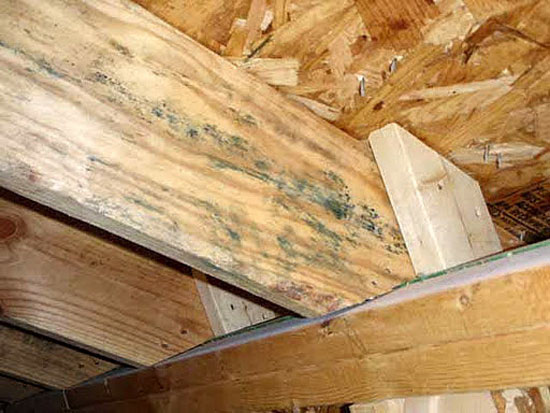
Blue stain fungus makes wooden buildings unsafe and easily susceptible to other types of mold.
To eliminate blue stain fungus, you can use special wood bleaches, which effectively remove this type of mold from wooden surfaces and elements.
Mold Remedies
Mold appeared on the planet long before animals and humans. It has countless species, each with its own weaknesses. Many different anti-mold products have been developed. Some are "universal," meaning they are destructive to many (but not all) types of fungi, while others are designed to kill a specific type of mold.
Chemicals
Chemical agents are the most effective against mold that has already appeared in a home, as their components are able to penetrate deep into the materials where the spores settle, corroding the mold, while causing virtually no damage to the surface structure of the fungus.
Domestos
Domestos contains bleach, the worst enemy of black mold. Just think of the feeling your hands get after just a few minutes of using bleach while cleaning without gloves. This substance acts in exactly the same way on mold, leaving it virtually no chance of survival. Simply apply the product to the surface and leave it on for 30-40 minutes, then rinse with warm water.
Be sure to use gloves when working! The result may be barely noticeable the first time, so the procedure should be repeated after a week.
Domestos is primarily used to remove mold between tiles in bathrooms and kitchens, as well as around sinks and shower stalls. It is not recommended for use on ceilings.
I was looking for something deadly against black mold and gentle on the enamel of my bathtub. I found Domestos. And I'm incredibly happy! No other product has worked as well. I don't even think about the mold for two or three months. I highly recommend it! The bathroom is sparkling white, and the grout and seams are spotless. The smell of bleach is strong, but milder than Smile White. So what if it's toxic? It's cheap, thick, and effective as a tornado! You shouldn't spend too much time with it; it's really hard to breathe, and you need to wear gloves. It's corrosive to skin and nails like any chlorine-based cleaner. But if you need a more drastic solution to remove mold, dirt, rust, plaque, and other beauty stains, Domestos is the way to go.
Pufas
The Pufas company produces various anti-mold products:
- with and without chlorine,
- against moss,
- from green plaque and other fungi,
- means for preventing the development of mold,
- means for direct removal.
Each substance is quite effective in its own area (paints and putties prevent the appearance of fungus, liquidators remove it), so it is necessary to choose the right product based on its effect on microorganisms.
When working with products from the Pufas line, it is necessary to wear gloves, especially when working with chlorine-containing products. These products are suitable for removing mold from a wide variety of surfaces in the home. If mold has appeared on wallpaper, remove it first and then treat the walls.
A funny incident happened thanks to the mold repellent "Kometa" from PUFAS. My children attend a very old school (I won't name it to avoid confusion), and a moldy smell appeared in my daughter's elementary school classroom. The teacher asked the parents for help getting rid of the smell and the source of the problem. At the time, I was working as a senior sales consultant at a home improvement store, and they had just delivered "Kometa" (I try to test these products personally before selling them; I can't sell them to people, I don't know what they're selling). So I had the chance to both test the product and help the school. Here's a brief description of my steps: 1. Scrape off the mold; 2. Apply the product twice, as directed; 3. Paint the wall with water-based paint. A year later, the school principal accused me and the elementary school teacher of removing the mold from the classroom, causing it to spread to the hallway. We laughed about this accusation for a long time. But there has been no sign of mold in the classroom for 3 years now.
Ceresit
Ceresit is an antifungal agent that effectively combats mold, lichen, moss, and other microorganisms. It is designed for mineral surfaces (brick, stone, concrete, plaster). It not only kills existing mold but also prevents the development of new colonies.
Ceresit is an environmentally friendly substance that penetrates deeply into the material, where it kills fungus. The product must be diluted with water (in a ratio of 1:2). The surface treated with Ceresit has the property of being painted in a different color.
I thoroughly cleaned the wall. I sprayed it generously, as instructed, once. One bottle covered two square meters. Indeed, after it dried, there were no stains or streaks. A smooth, white wall. Nothing to even photograph. Then I took a break from the renovation, and the wall stood unpainted for about a month. Three weeks later, some mold appeared. I suspected I had a leaky pipe somewhere inside the wall and invited a specialist from a company that specializes in removing mold from walls in apartments and offices for a consultation. He told me the pipes were fine, and the much-hyped Ceresit CT99 was a very weak mold remover.
Mellerud
Mellerud products remove mold from surfaces such as plastic, tiles, and plaster. These products cleanse the surface of mold and destroy its spores within the material. This company's products are primarily used against black mold, which is notoriously difficult to remove. Mellerud has developed a special additive that prevents mold from reappearing on various surfaces.
Six years ago, we bought an apartment and did a major renovation. After four years, mold started appearing in some spots in the bathroom, and no matter what we tried, it kept coming back. One day, my cousin recommended Mellerud mold cleaner. I bought it and treated the bathroom tiles that same day. The mold disappeared within minutes, but I still had to wait the required time and rinse thoroughly with water. The mold didn't show up for two and a half years, and today I noticed a small patch. I treated it with Mellerud mold cleaner and forgot about it again. This product doesn't damage the tiles; the paint and gloss remain intact (previous products made the tiles porous and the gloss disappeared in some places; I wish I'd discovered it sooner). I also had dark spots forming between the countertop and the sink in the kitchen, and this product helped me with that too.
Savo
Savo comes in a spray bottle, making it much easier to eliminate harmful microorganisms. It can also be used to prevent mold growth, which is especially important for kitchens and bathrooms.
Despite its ease of use, Savo is a very powerful product that often kills mold and spores within the first application. If the mold is extensive, repeat the treatment after a few days, after which the mold will disappear completely.
Savo is a very effective product, but it is very dangerous for the human body, so the rooms where the treatment is carried out must be thoroughly ventilated, and there should be no open food products in them.
The spray dissolves mold in minutes! It disappears right before your eyes, as if it were dissolving. The photo clearly shows that even ingrained mold disappears quickly, and within half an hour, there's no trace left! Then I wiped the tiles and grout with any remaining spray, left it for a day, and opened the bathroom for ventilation. When I washed the tiles with a special cleaner the next day, they sparkled clean and became significantly whiter, especially noticeable in the grout:
Senezh
Senezh is a domestically produced wood preservative designed to protect wood from blue stain and other types of mold, as well as rot and various wood-feeding insects. This environmentally friendly product's main advantage is that it is extremely difficult to wash out—the substance penetrates the wood and bonds with the wood fibers.
Senezh improves the strength of the wood, but slightly alters its color to a light green. Despite the product's strong bond to the wood structure, this does not interfere with the overall structure's ability to breathe.
We used this product to treat planed floorboards. Our house is old, and when we renovated the façade and insulated the underfloor, we decided to replace the flooring. For this, we planed the boards as required and laid them out to dry for six months. Immediately before laying the new floorboards, I treated each board with Senezh preservative. Although the label states that the product is designed for "severe" conditions, fortunately, our conditions were far from those. The boards and joists were pre-treated, our crawlspace is always dry, and we've never experienced any temperature fluctuations. Therefore, the only job the preservative does in our case is to protect against wood-boring insects, and Senezh seems to be doing this job so far. At least the floor is still in place and hasn't sunk in. However, what Senezh absolutely can't handle is moisture, which has been confirmed repeatedly through experience. We have metal shelving in our cellar, topped with wooden boards measuring 40 x 15 cm each. Everything is pre-treated with an antiseptic. This treatment lasts for two seasons. After that, everything falls apart. It's good that this problem is detected early in the spring. Even with good ventilation, you can't get rid of the dampness, and we had hoped for "Senezh," but alas... Although, I repeat, the label claims absolute protection.
Snowball
Snezhka is used to combat mold and prevent its occurrence. It is primarily used on mineral surfaces, where the substance penetrates deeply and remains there, without interfering with the application of other building materials. Snezhka destroys existing mold and prevents new growth.
The product is absolutely safe for human health and is used exclusively during repairs before applying primer and paints and varnishes.
The thing is, I've been preparing for a major bathroom renovation for several months now. I haven't given the mildew in the bathroom a chance to take hold. So, to get started, I had to launch a full-scale attack on the mildew. We tried various methods. And now, after two months, I've finally seen results. We used this product strictly according to the instructions. The bathroom walls have held up for two months after we treated them. I think now we can definitely start the renovation! In my opinion, this product was able to combat the mildew, so I'm happy to recommend it to you!
Neomid
Neomid is used to kill existing mold and prevent new infestations. The manufacturer guarantees the product's protective properties for 25 years.
It is recommended to use the product immediately before applying paint, wallpaper, tiles and other types of coatings to walls, floors and ceilings.
We purchased the "NEOMID Mold Protection" product. We bought several bottles and started treating all surfaces affected by mold and mildew. We applied it to literally everything: walls under wallpaper, walls under tiles, walls under paint, and floors. I also treated all the closets because the mold was already on my clothes and shoes. We applied it as recommended on the back of the bottle: from a distance of 10-20 cm, sprayed it on all surfaces, then brushed it off after two hours, removing the mold and mildew, and reapplied. We wore gloves. Then we left the house because the smell was pungent and unpleasant. We used several 0.5-liter bottles, and we didn't skimp, applying it generously. What can I say: at least in visible areas—closets, window sills, and the bathroom ceiling—the mold didn't reappear. The manufacturer guarantees protection for up to 12 years. As they say, time will tell!
Xiolate
The composition penetrates deeply into materials (wood, brick, stone surfaces), destroying mold spores. It is not used as a preventative measure against fungal growth. Xiolate should be applied during construction or renovation work before applying various types of coatings.
Photo gallery: household chemicals against fungi
-
- Domestos can be used to remove mold even in the washing machine.
-
- Comet, a product from the manufacturer Pufas, perfectly removes mold the first time.
-
- Ceresit should always be diluted with water.
-
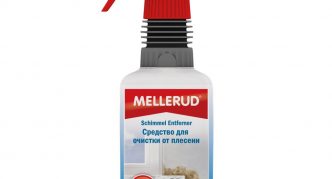
- Mellerud is a safe mold remover
-
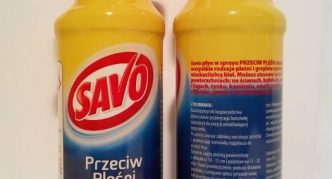
- The Savo sprayer is very easy to use.
-
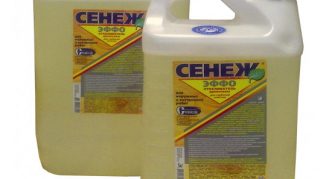
- Senezh is sold in large canisters for ease of use.
-
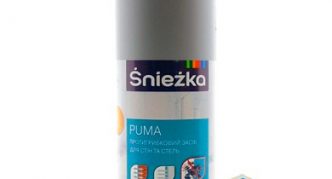
- The Ukrainian antifungal agent Snezhka copes well with various types of mold.
-
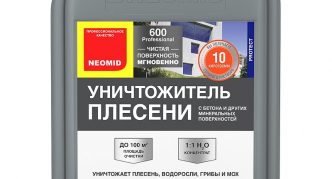
- Neomid is sold in both large canisters and small containers.
Alpha Technology
The Alpha-Xenon company has developed a special pulsed system that uses ultraviolet light to affect microorganisms present in a room at the molecular level.
The equipment is individually configured for each room, ensuring complete sterility. The system emits short, high-power ultraviolet waves that kill microorganisms. The device works very quickly: for a room of 100 m2 It is enough to turn on the unit for 3 minutes. There should be no people or animals in the room while the device is operating.
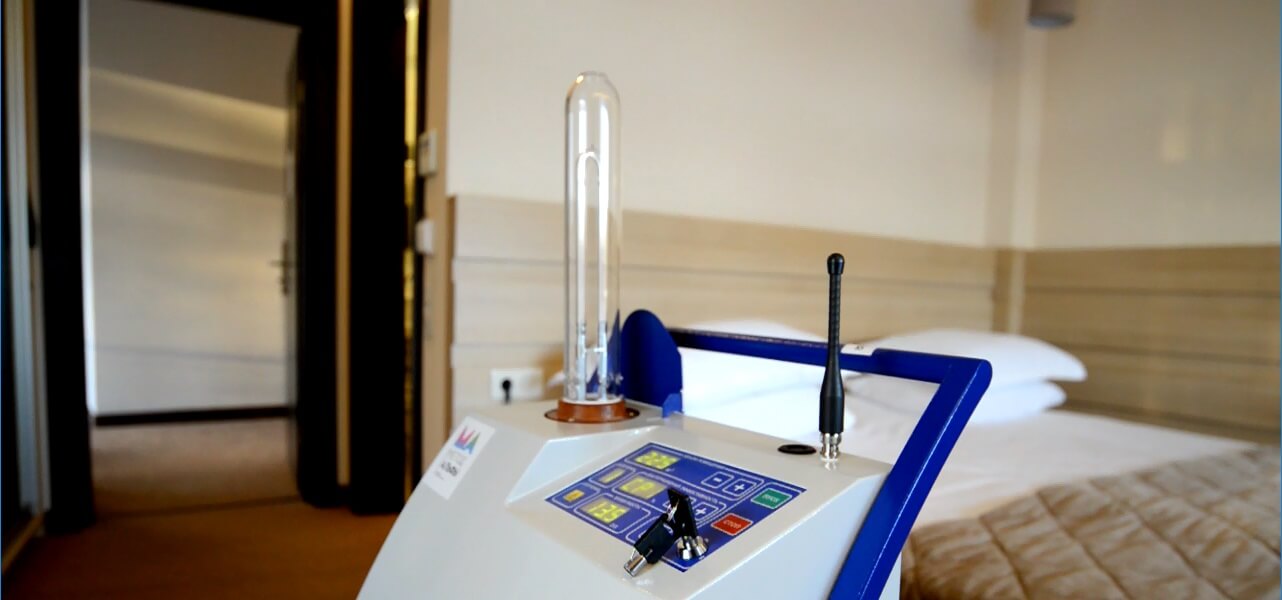
The device emits ultraviolet light, which kills microorganisms at the molecular level.
Alpha is a very expensive and highly effective technology, as it kills even HIV strains and also eliminates lingering odors of smoke and smoke. It is used primarily in industrial settings. However, choosing a company that can disinfect premises using Alpha technology in your area should be done carefully, relying on reviews and recommendations from friends. Fraud and poor service are sometimes common.
My parents' apartment was flooded by the neighbors upstairs, so my mother hired a company called Method Alpha for mold and mildew removal. The crew arrived late, and they were all in a flurry of activity, telling us it was nothing special and that we weren't the first to suffer this fate. They made it look like they were doing a good job, and it was just a learning experience. We didn't even really see what they were doing, as they told us to go into the kitchen because it was dangerous to be in the areas being treated (I have a small child). After the crew's first visit, our family had a positive impression of the company, but as it later turned out, this was deceptive. After all the treatments provided by this company, we did a second renovation, but just a month and a half later, the mold returned. We still haven't been able to get any clear explanations from the management of this company. They haven't refunded us for the service they provided, and they haven't attempted to correct the shortcomings in their work, even though we have a one-year warranty under the contract.
Traditional methods
In addition to chemical treatments, folk remedies, which are significantly safer for the human body, are also effective in combating mold. These include the following methods:
- Alcohol - effectively removes mold from a small area, even black mold, but in small quantities, kills spores at a shallow depth;
- Vinegar - destroys about 80% of mold species found in homes, but it must be used undiluted: spray on the contaminated area and leave for 10-12 hours, then wipe the surface with a wet cloth;
- Hydrogen peroxide is an antibacterial agent that can be used against fungi: it removes dark mold stains well due to its bleaching effect;
- Baking soda is one of the best household cleaners: thanks to its texture, it quickly absorbs excess moisture, does not penetrate into the material, therefore does not kill spores;
- Chlorine bleach - used on fairly large contaminated areas, penetrates deep into the material, destroying spores inside, cleans the surface from the outside and whitens dark spots from the fungus, but is only effective on smooth surfaces;
- Aromatic oils (rose, tea tree, juniper and others) are some of the most environmentally friendly and quite effective anti-mold agents: they kill fungus and can whiten the surface after it;
- laundry soap (72%) - it contains a large amount of alkali, which destroys the structure of the fungus: wipe the infected surface with a soapy sponge and leave for an hour or two, then rinse with warm water;
- primer - does not kill existing mold, but prevents the appearance of new microorganisms, so it should only be used on clean surfaces where there is no fungus;
- paint - like primer, it does not kill mold, but only prevents its appearance: it must be applied to a surface that has been previously cleaned of mold;
- Furacilin is a good antifungal agent that will destroy even spores at depth: thoroughly grind 10 tablets into powder and dissolve in water at room temperature, wipe the affected surfaces with this liquid, using gloves, no need to rinse it off after;
- Chlorhexidine is a controversial product: despite the fact that it contains chlorine, which is terribly afraid of fungi, it can cause the growth of colonies of some types of mold, so its use is not recommended;
- potassium permanganate solution - destroys mold and deep-seated spores: dissolve a teaspoon of potassium permanganate in one liter of water and spray the entire damaged surface with this solution;
- Lemon - the acid contained in this fruit destroys fungus, penetrates deep into the material and eliminates spores, and whitens surfaces well: to get rid of mold, simply spray lemon juice on the damaged surface.
Photo Gallery: Folk Remedies for Mold Control
-
- The primer does not kill existing mold, but it does prevent it from reappearing.
-

- Lemon juice is good for fighting mold and whitening surfaces.
-
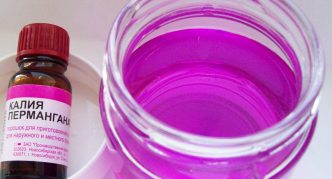
- A solution of potassium permanganate destroys mold and deep-seated spores
-
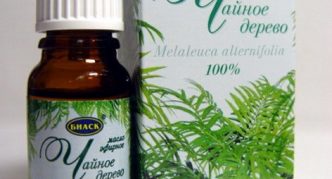
- Tea tree oil is an environmentally friendly remedy against mold.
-
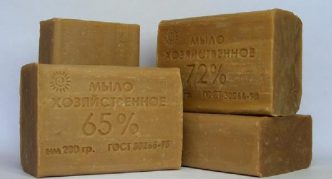
- Laundry soap contains alkali, which destroys the structure of the fungus.
-
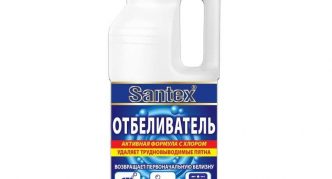
- Chlorine bleach is only effective on smooth surfaces.
-
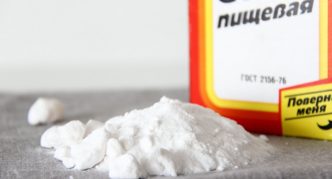
- Baking soda is good at removing stains and fighting germs.
-
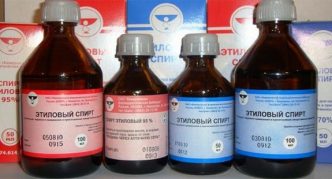
- Ethyl alcohol can even kill black mold.
-

- Vinegar kills about 80% of mold species.
-
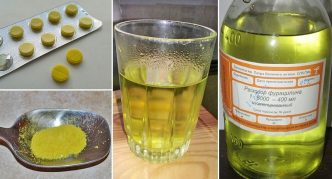
- Furacilin is a pharmaceutical antifungal agent
There was a mold stain on the ceiling after a leak. I added copper sulfate to the whitewash. They also said you can wash it with hydrogen peroxide or baking soda. Basically, mold is afraid of alkaline environments.
Ultraviolet lamp
Ultraviolet light destroys a large number of fungi and bacteria. Mold is a fairly resilient microorganism, so it requires prolonged exposure to ultraviolet light.
For home use, mercury-based germicidal lamps are best. Mercury glows under the influence of electricity in the ultraviolet range, providing the most effective disinfection effect. This radiation destroys all bacteria and fungi, including mold spores, even those deep within the wall. Additionally, ozone is produced, which also destroys fungi that ultraviolet light doesn't kill.
For home use, the lamp needs to be turned on for several hours. There should be no one in the room, as ultraviolet radiation can damage cells in the bodies of people and animals. After this, the room will be perfectly sterile, but it needs to be ventilated to remove any unpleasant odors. Use the ultraviolet lamp only when mold appears; there's no need to use it unnecessarily.
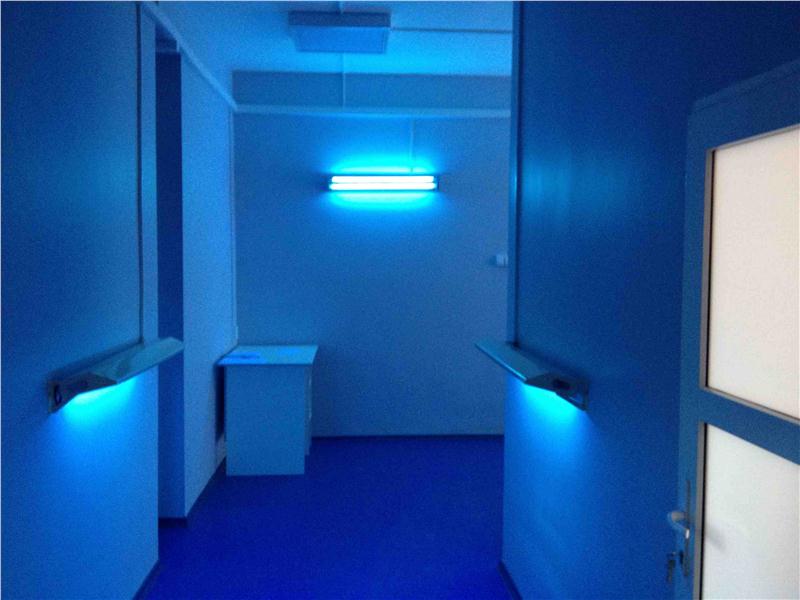
Quartzization is used mainly in hospitals, but is also suitable for home use.
I'd always dreamed of getting an ultraviolet lamp. It's great at disinfecting the air. This problem became especially acute when we had a baby. We also rarely ventilated the room, afraid the baby would catch a cold in the winter. Poor ventilation caused the windows to fog up, leading to mold growth. The wallpaper also started to grow mold, which is a very strong allergen. I read online about numerous chemical anti-mold products for apartments, but they were all toxic and smelled bad. I settled on regular "Belizna" and a UV lamp. First, we tore down the moldy wallpaper, treated it with "Belizna" (bleach), and then turned on the UV lamp when we went for walks. The instructions say to leave the lamp on for nine hours to kill the mold. We didn't have that luxury. But two to three hours of daily exposure got rid of the mold in our apartment.
Mold is a dangerous cohabitant that must be eliminated. It's very easy to develop asthma, and that's not the worst thing fungus can do to a homeowner. At the first sign of mold, don't delay treating the area and use various products. If one doesn't work, immediately purchase another and try again. It's best to try folk remedies first—they're effective, safe for humans, and relatively inexpensive. If they don't work, use any of the chemicals mentioned above, but remember to protect your hands, respiratory tract, and eyes.