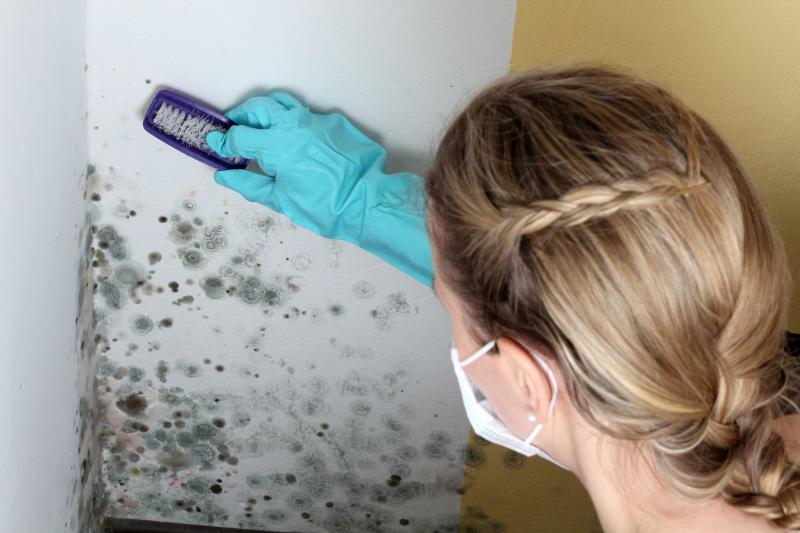
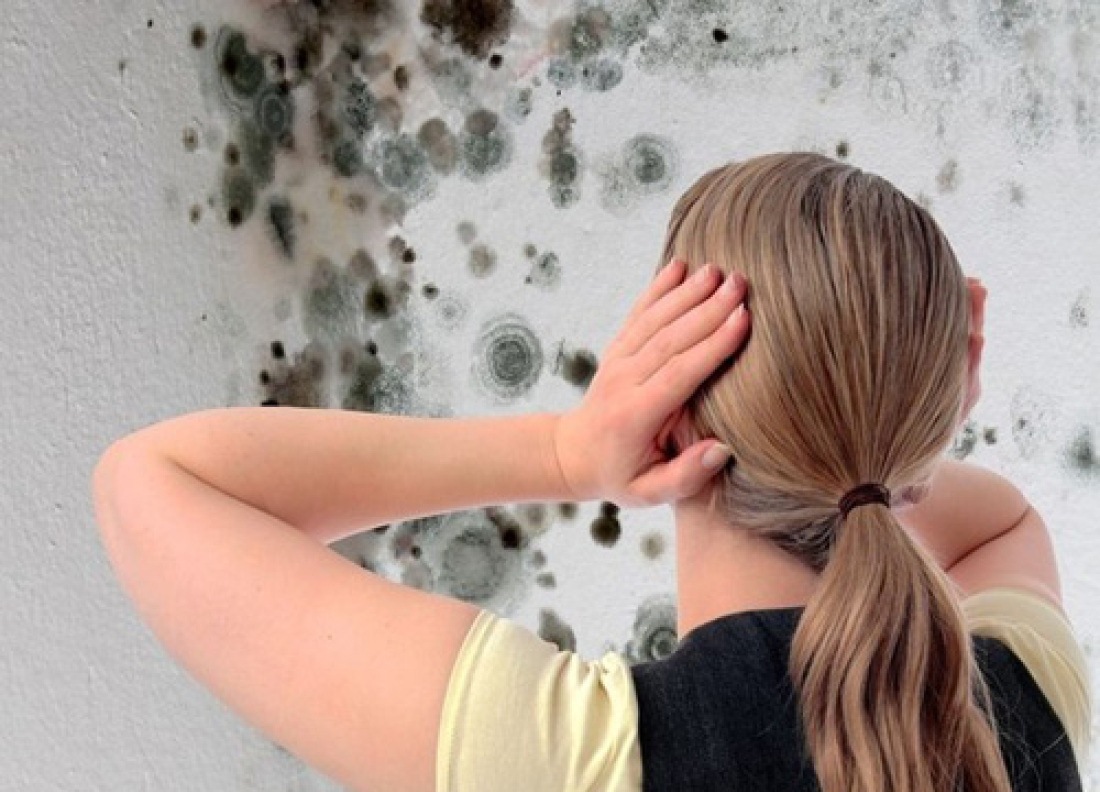
One day, you notice damp spots with a gray or black film appearing in the corners of your apartment. Upon closer inspection, you discover them in many other places as well. And the worst part is, over time, these spots become more numerous, growing in size and emitting an extremely unpleasant odor. Unfortunately, your home has been attacked by mold. But why did this happen, and what are the risks? And how can we get rid of this scourge without harming our home and health?
Content
What is mold and how to spot it in your home
Mold (also known as fungi) is one of the oldest organisms on our planet. Even cockroaches would envy its resilience, as mold spores are known to withstand the lowest temperatures and can travel through space without losing their basic functions. However, they require warmth and high humidity to thrive. Once established in such conditions, mold thrives in cold temperatures as well.
The basis of the mold fungus is mycelium (or mycelium), which attaches to the surface and penetrates deep into its structure. Therefore, organic matter, such as wood, becomes the most fertile ground for mold. But fungus also thrives on stone surfaces, penetrating microcracks. What you see on the outside—a slippery dark film, growths, and fluff—is just the tip of the iceberg. Even after wiping these growths off with the utmost care, you'll soon see them again.
Upon close inspection, for example under a microscope, you can see what mold actually looks like. It's made up of numerous long, thin threads, each with tiny balls at the end. These balls are where spores—the mold seeds—mature, and are extremely dangerous to humans and animals. They are released during bloom, when the balls burst.
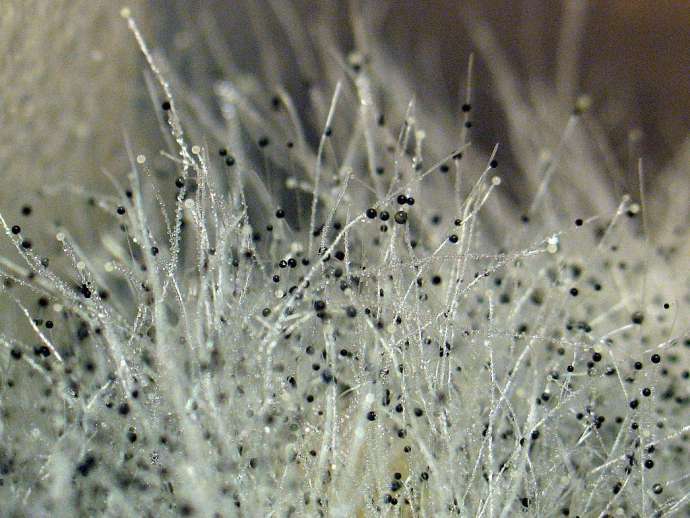
When magnified significantly, the mold appears as a multitude of thin threads with balls at the ends.
You can tell if mold has already penetrated your home by a few external signs:
- Food products begin to spoil very quickly. This is especially noticeable on baked goods due to a distinctive coating and odor. Dairy products quickly turn sour or spoil for no apparent reason.
- The air in the rooms becomes stale, heavy, and difficult to breathe. It feels as if the house hasn't been aired for a long time.
- Humidity is noticeably high. This is clearly noticeable in the condition of linens, towels, and other textiles: they seem to not dry completely, remaining damp and cold.
- Residents' condition worsens for no apparent reason. Sneezing, runny nose, and intense coughing appear; eyes often water. The skin becomes red or inflamed, accompanied by itching. Hair loss may even occur.
- A distinctive odor. It occurs when mold spores are released into the air during growth. You simply inhale them.

Mold most often appears on baked goods.
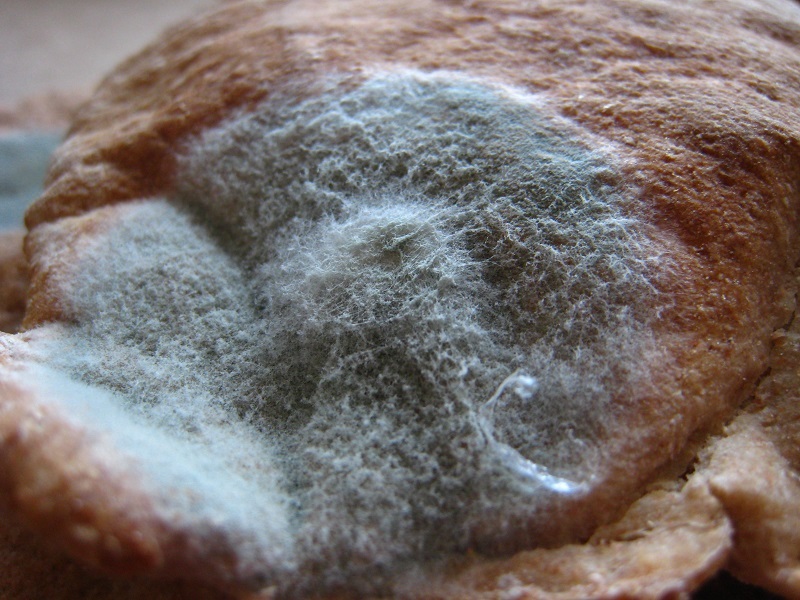
Well, if you find visible signs of mold—that very plaque—it means the fungus has already settled in your home, and it’s time to take decisive action.
Types of mold that can appear in the home
You've probably noticed that mold varies quite a bit in its appearance. At first glance, this is evident in the color of the mold. Differences in shape may also be noticeable. This is because mold comes in several varieties. Each has its own characteristics of reproduction, manifestation, and development. Therefore, the methods for combating them can be quite different. We'll look at the most common types of mold that can appear in your home.
Black mold
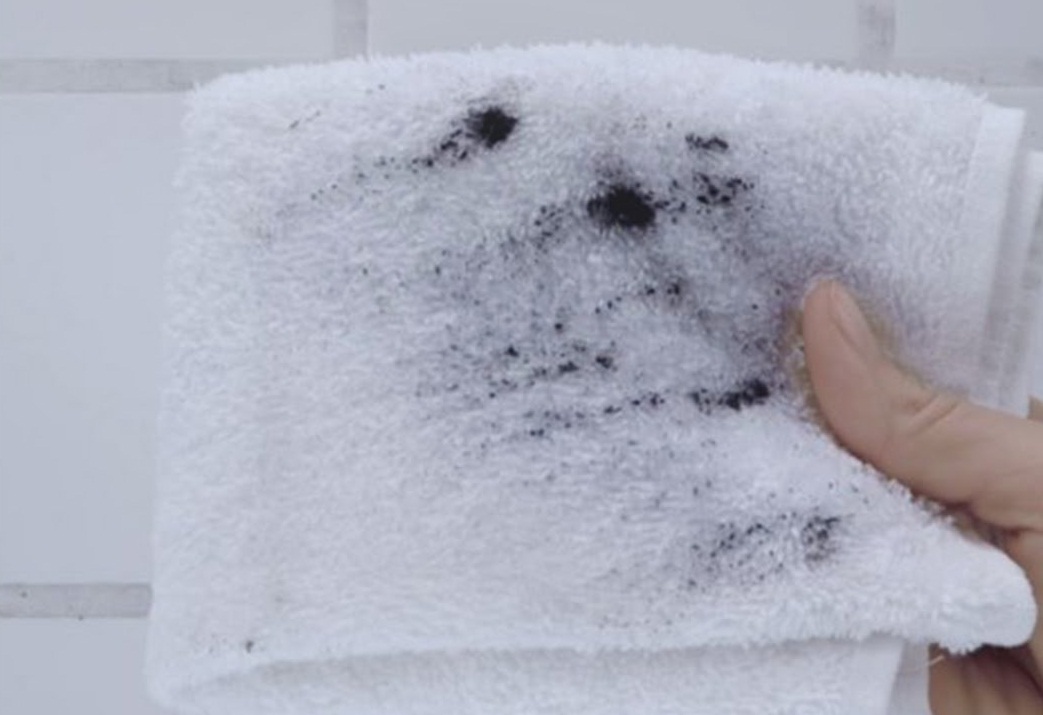
Black mold is the most common type found in residential buildings. However, even black mold has several subtypes. They all share a common color, but each acquires its color at a specific stage of growth and development. The type of material the mold grows on also plays a role. Several strains are classified as black mold:
- The mycelium is white with black spores. This subspecies can infect any surface. Prolonged exposure to this strain leads to aspergillosis, a disease dangerous to humans and animals.
- The Phoma strain has the opposite coloration—black mycelium and white spores. This subspecies is assigned pathogenicity group IV. It settles and develops on any surface.
- A strain of black mold most often found in older homes with damp-soaked walls. It primarily grows on wood surfaces, but also frequently infects stone and brick surfaces. When spores enter the body, they cause digestive disorders, which can develop into serious diseases of the gastrointestinal tract and respiratory organs.
- There's another subspecies of black mold that's virtually harmless to humans, despite being very similar in appearance. However, its removal is essential, as its spores spread very quickly. Low indoor humidity isn't even essential for this strain to thrive.
- Black mold varieties also include fungi that were once used to produce antibiotics. Many of these fungi are now used in cheese production.
- Another subspecies of mold is distinguished by the appearance of its spores: initially, they are light-colored, but over time, they become black. These fungi pose no particular danger to humans. They are very common, resilient, prefer open areas, and can feed on flammable substances such as diesel fuel and kerosene.
- Food-grade black mold is also common. It forms as a dark coating on fruits and vegetables due to prolonged storage. Affected products should be discarded.
Black mold can be of several types.
Green mold
Microscopic fungi called ascomycetes (the scientific name for green mold) can also cause quite a few problems. Their spores primarily colonize and develop in organic matter, often found in soil and compost. However, stones are also frequently affected by this fungus. Green mold resembles moss in appearance, with an uneven surface and a rich green hue.
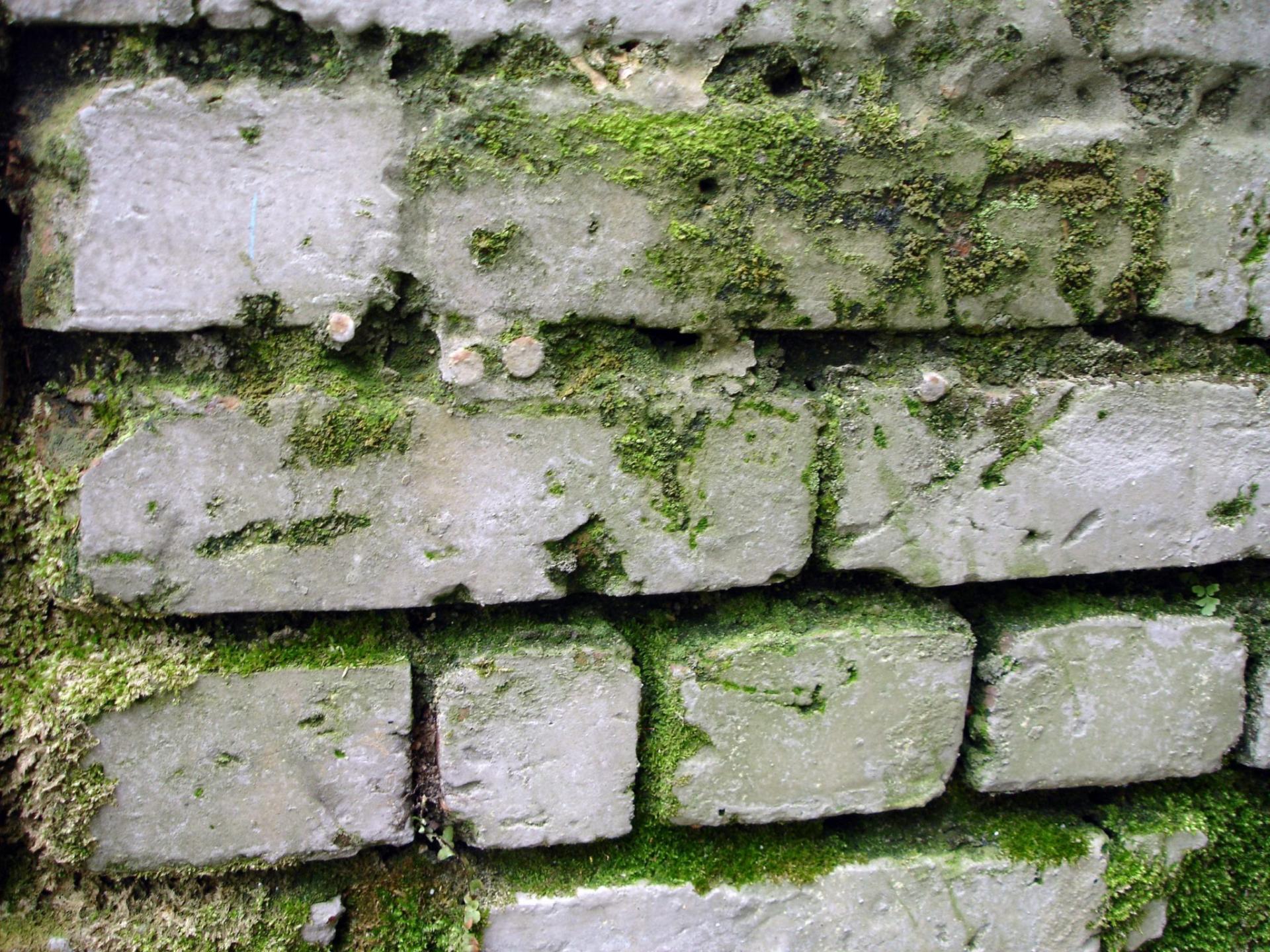
The main habitat of green mold is organic materials, but it can also take root on stone surfaces.
The danger of green mold is that it attacks food products, especially vegetables, fruits and dairy products. The mycelium of this fungus penetrates deep into the fabric and only then appears on the outer surface. Therefore, if you discover green mold on a food item, do not rush to eat it without first removing the infected outer layer. This can lead to food poisoning. Such food should be discarded.
Pink mold
A unique feature of pink mold is that its mycelium does not adhere to the surface of walls and ceilings. It typically settles on improperly stored foods: vegetables, fruits, cereals, and grains. However, from these foods, it easily migrates to hard surfaces, simply developing on them without the mycelium penetrating the structure of the material.
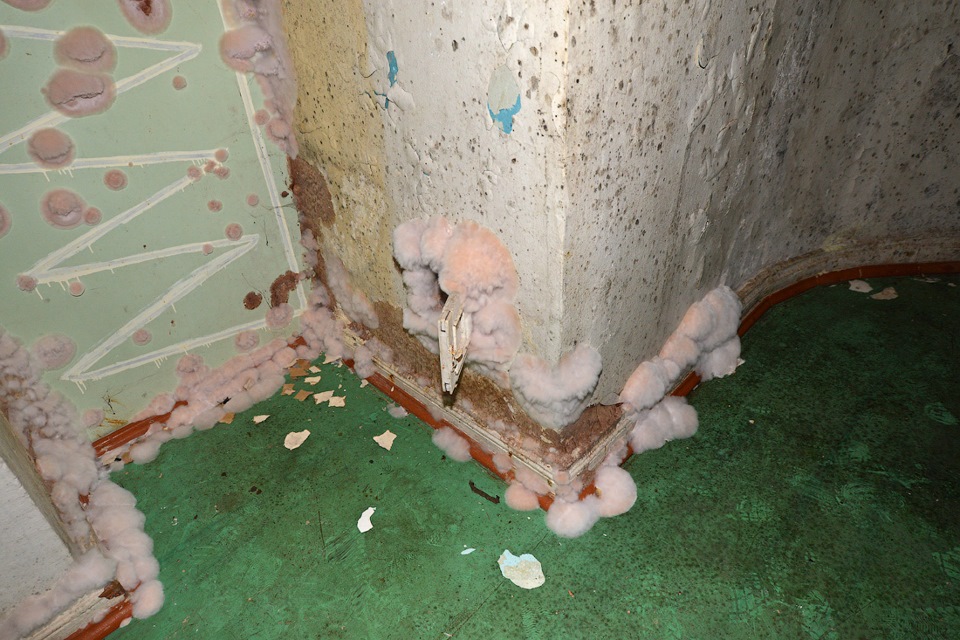
Pink mold primarily affects food products, but can spread from food to floors and walls.
Pink mold itself does not pose any harm to the body, but it is not recommended to consume food contaminated with it.
White mold
Mucor is the scientific name for white mold. Its primary habitat is soil, from which spores quickly spread to plants planted in the soil. White mold often affects cheeses and bakery products. Mucor does not pose a particular danger to the health of humans and animals, but in rare cases, with prolonged exposure, it can cause damage to internal organs.
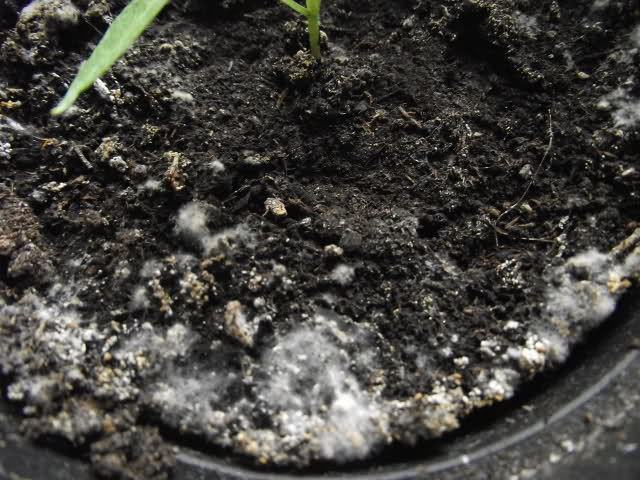
White mold usually grows on soil, but in rare cases it can be harmful to your health.
Infection occurs through the inhalation of spores or direct ingestion of the bloodstream. There, they multiply and spread through the bloodstream, a microclimate ideal for them. A weakened immune system can also contribute to infection.
Blue mold
Living spaces are rarely affected by blue mold. This fungus typically inhabits trees. It can be identified by the bluish coating on the surface. Since blue mold is harmless to humans, its spores are used in the production of premium cheeses.
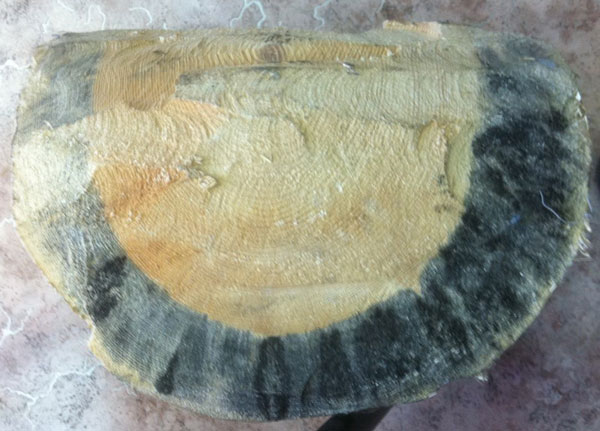
Blue mold usually attacks wood.
Gray mold
Saprophytic microfungi, also known as gray mold, pose a particular health hazard. Their spores penetrate virtually any surface, growing inward. The visible manifestation is a thin gray coating. Food and plant seeds (especially those of houseplants) also serve as a breeding ground for saprophytes.
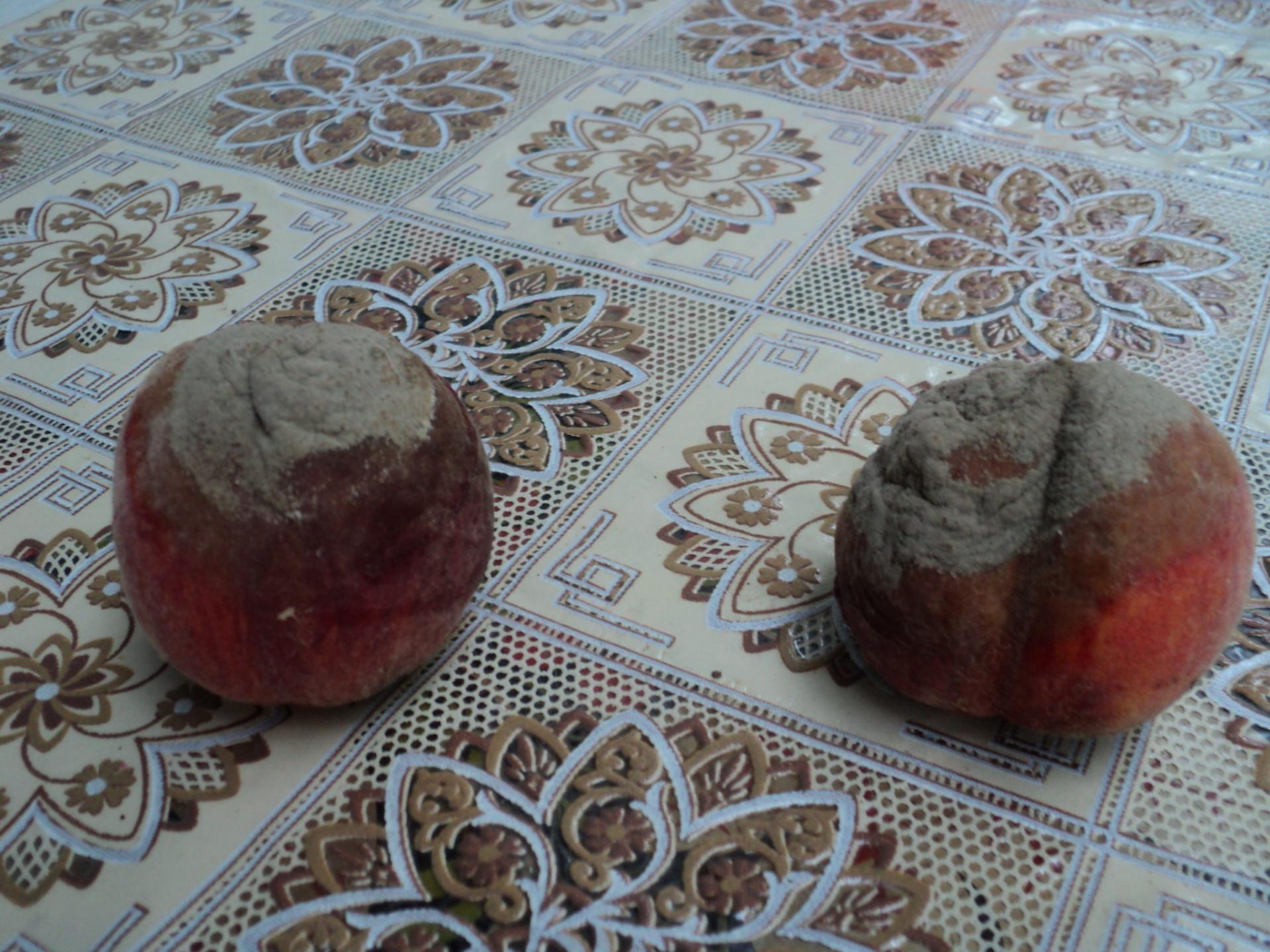
Food products are particularly susceptible to damage from dangerous grey mould.
Gray mold is primarily caused by high humidity. This fungus is very difficult to eradicate, as its mycelium penetrates deeply and takes root well.
Causes of mold in residential premises
Since mold is nothing more than a fungus, it thrives on any surface: wood, stone, brick. It can develop for a number of reasons:
- The exterior walls have begun to freeze because the plaster doesn't adhere well to the surface. This leads to dampness in the frozen areas. Mold, a black coating, forms in the corners and joints.
- The house has poor ventilation. This particularly affects rooms with high humidity—the kitchen and bathroom. The situation is exacerbated by the installation of thick plastic windows. Combined with the lack of air conditioning and infrequent ventilation, this leads to the development of mold in corners and on the walls.
High humidity and irregular ventilation of premises are the most common cause of mold formation.
- The dampness of the soil on which the house is built. To prevent this from causing damage later, it's important to ensure that horizontal waterproofing is properly installed. Otherwise, mold will quickly begin to develop in the lower corners of rooms and at the joints between walls and floors.
- Damaged plumbing. Leaky pipes significantly increase indoor humidity, creating a favorable environment for mold growth. It's crucial to promptly detect and fix the leak and its consequences, otherwise much more serious repairs will be required.
- A leak in the roof. While the weather is dry, you might not notice the consequences. But as soon as it rains, the ceilings will become covered in wide, gradually blackening streaks. As winter approaches, frozen water will remain in the plaster in these areas.
A leak in the roof causes increased humidity levels in the home.
- Lack of heating or inadequate heating. All surfaces in an unheated room quickly become damp and moldy.
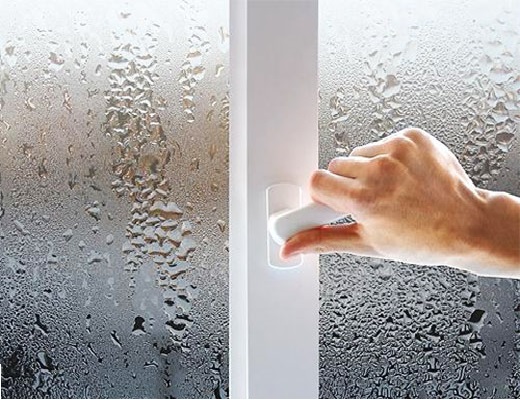
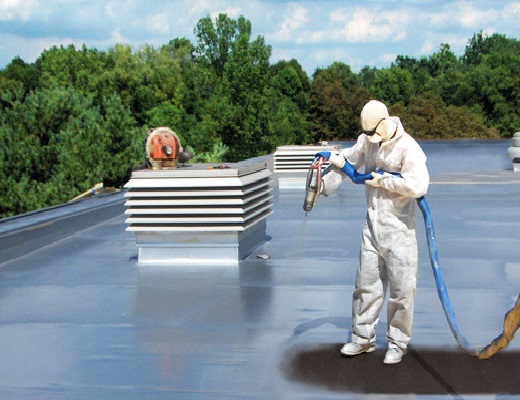
As you can see, the main cause of mold in the home is high humidity and prolonged exposure to it (85% humidity at temperatures above 20°C). This is the first problem to address.
The harm of mold to our health
Although mold itself resides on surfaces, its spores move freely through the air along with dust. They are, so to speak, in constant flight. They remain dormant under unfavorable conditions. However, when dampness and warmth reach a minimum level of mold viability, the spores immediately become active, like tiny plant seeds. This results in rapid growth on any surface.
Black, gray, or dirty yellow deposits on walls and furniture are unsightly. But the aesthetic aspect isn't the most dangerous aspect of mold. Mold constantly releases new spores into the air, which contain chemical compounds that are harmful to the body. The result of the activity of microorganisms that spread these volatile substances is the smell of mold.
All these substances, penetrating the human body, over time provoke many diseases, such as:
- laryngitis;
- allergy;
- pneumonia;
- tracheitis;
- bronchitis;
- bronchial asthma;
- stomatitis;
- dermatitis;
- conjunctivitis;
- thrush;
- eczema;
- diseases of the musculoskeletal system.
Mold in your home can cause allergies, headaches, and many serious illnesses.

Furthermore, exposure to mold causes frequent headaches, nausea, dizziness, and upset stomach and intestinal problems. All of this leads to general debilitation. The longer the exposure, the higher the risk of pulmonary emphysema, internal bleeding, and abdominal damage.
Children, the elderly, and people with weakened immune systems following severe treatment are particularly susceptible to the effects of fungal spore infection.
Video: Reasons for the appearance of a tribe in the house and its harm
Methods for getting rid of mold in a residential area
Once you have identified the cause of mold in your home, it's time to get started on its removal.
How to remove the first signs of mold
If you notice a small amount of mold on your wallpaper in one or two spots, you can treat the affected areas with folk remedies that you probably have on hand:
- table vinegar;
- any chlorine-containing household product;
- ethyl alcohol or ammonia;
- weak solution of potassium permanganate;
- 3% hydrogen peroxide solution;
- borax;
- soda solution;
- lavender or rosemary essential oil.
Simple and affordable remedies will help you remove visible signs of mold.
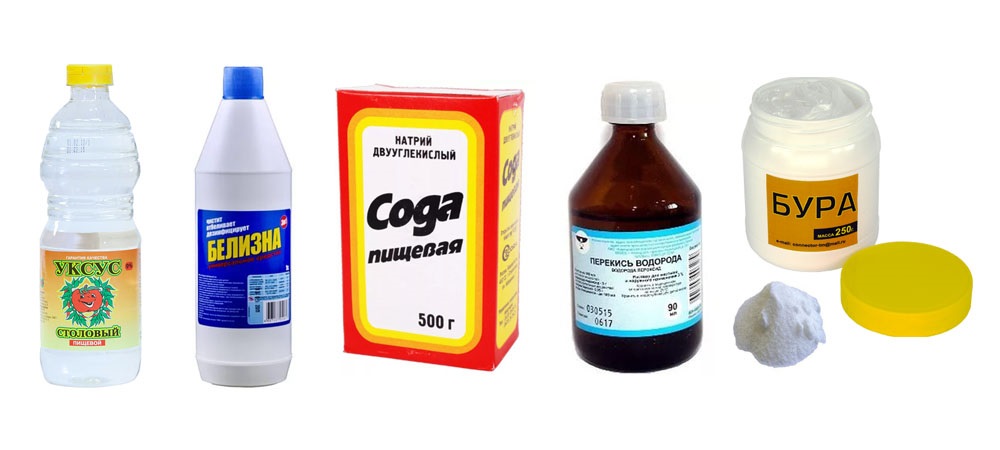
Keep in mind that any of these products may discolor the wallpaper. Furthermore, the mold may soon return: colonies of fungi have likely already taken root deep in the walls, requiring more drastic measures.
Removing mold from walls
Even if you completely rewallpaper your home, you won't get rid of mold. Visible mold growth indicates the need for thorough treatment of the walls with antiseptics and waterproofing. The following steps are optimal.
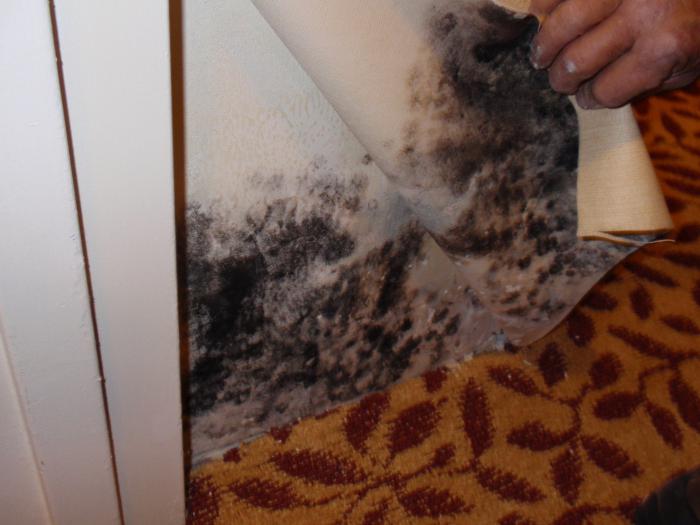
- Remove all wallpaper with visible signs of mold and sheets close to it.
First of all, you need to tear off the wallpaper on which mold has appeared.
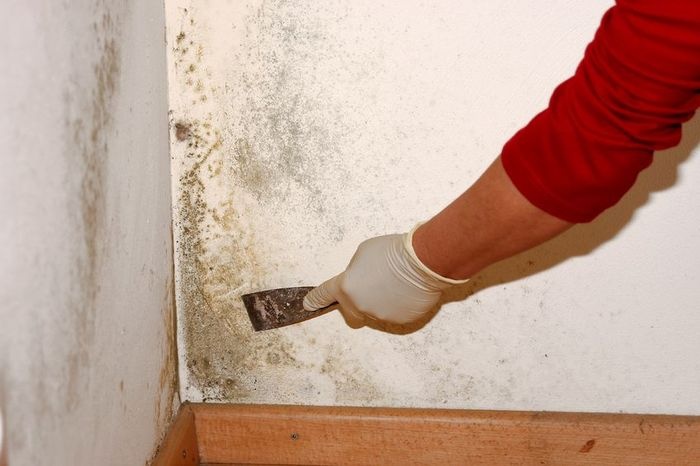
- All loose surfaces must be thoroughly cleaned with a spatula.
- Wet the walls with water: it will block the path of new spores into the surface.
- Remove the plaster layer. Use a scraper or wire brush to remove any residue.
Carefully clean the wall from plaque with a spatula
- Sweep the entire room. It's best to dispose of the swept debris, such as by burning it, to ensure the removal of any remaining mold.
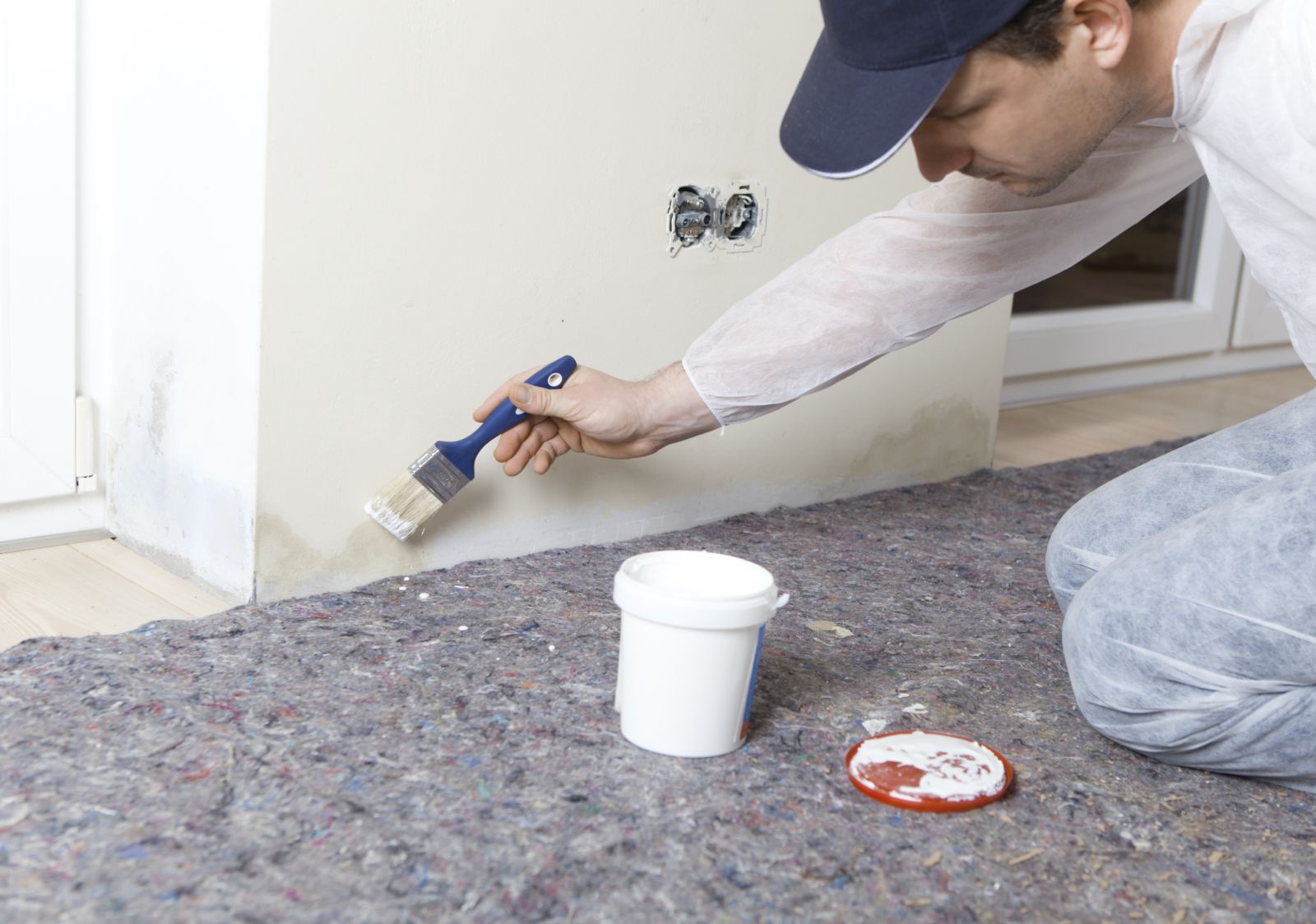
- Wait until the walls are thoroughly dry and treat them with an antifungal agent according to the instructions.
Treat the cleaned and dried wall with an antiseptic agent.
Many recommend using office glue diluted with water at a 1:1 ratio as a fungus treatment. However, it's much more convenient to use special products:
- Fungicidal solution Fongifluid Alpha, odorless;
- Dali universal antiseptic, well absorbed, used for preventive purposes;
- Olympus Stop-mold product, suitable for rooms with high humidity - basements, bathrooms;
- Biotol spray is used in kitchens, laundries, and balconies.
These products are chlorine-free, making them safe for humans and animals. It's important to calculate the amount of product you need. Typically, 200 ml is required per square meter.
The most convenient products to use are those in spray cans. They are ideal for small areas of fungal infestation. Apply solution-based products with rollers or brushes. Apply three coats, allowing each coat to dry completely.
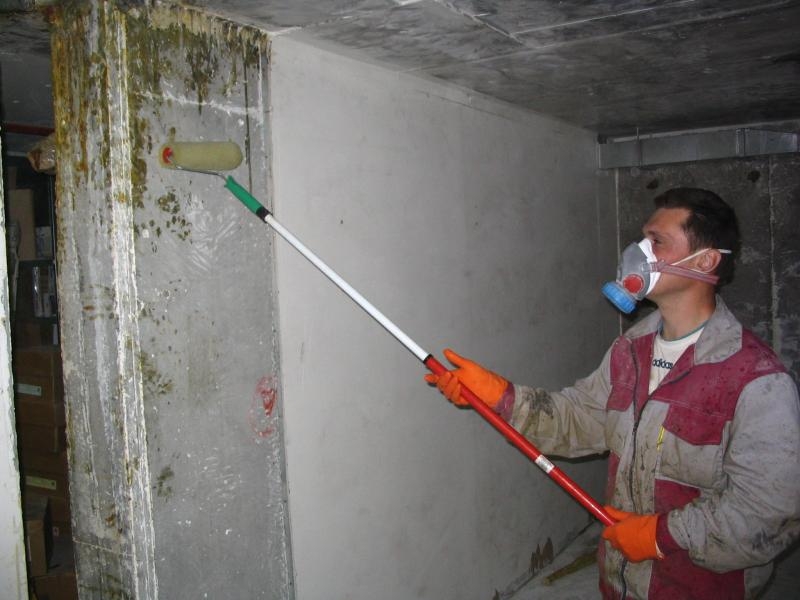
It is more convenient to use a roller to apply antiseptic solutions to walls infected with fungus.
Please note! Be sure to follow safety precautions when working: wear gloves, a mask, and protective clothing; ventilate the room during treatment. Before starting work, move furniture and houseplants to another room. If removing any items is not possible, cover them with a thick cloth.
After finishing the treatment, wait at least 24 hours before plastering. It is recommended to use a gypsum plaster mix containing an antiseptic.
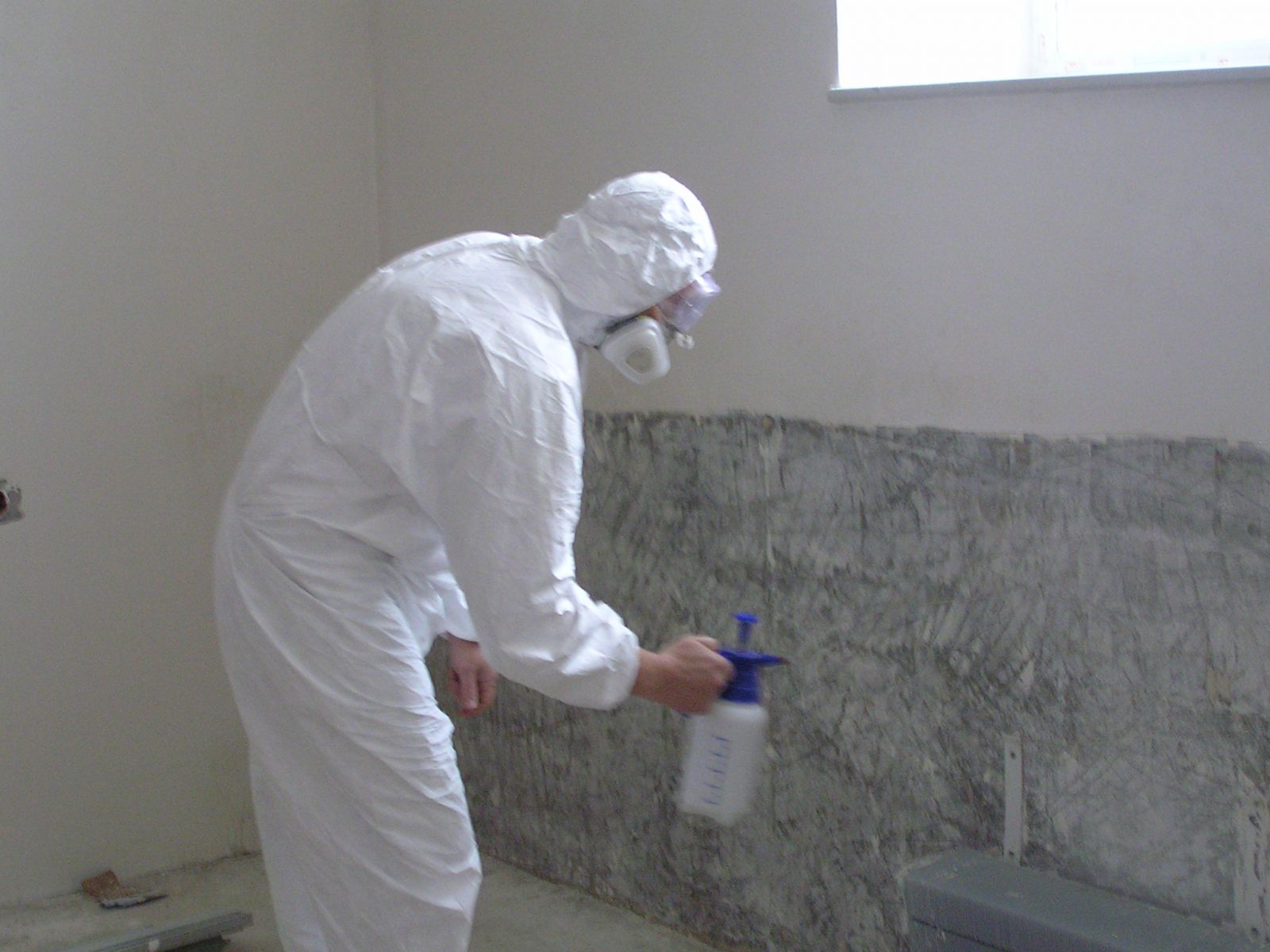
When working with chemicals to kill mold and mildew, follow safety precautions.
Video: Fighting Mold in Your Home
Mold on the ceiling
If mold has formed on the ceiling, there are several ways to get rid of it. It could also be caused by neighbors above who have a water leak in their apartment. Moisture accumulates in the ceilings and becomes a breeding ground for mold. In this case, the best option would be a complete ceiling overhaul, but this isn't always possible in apartment buildings.
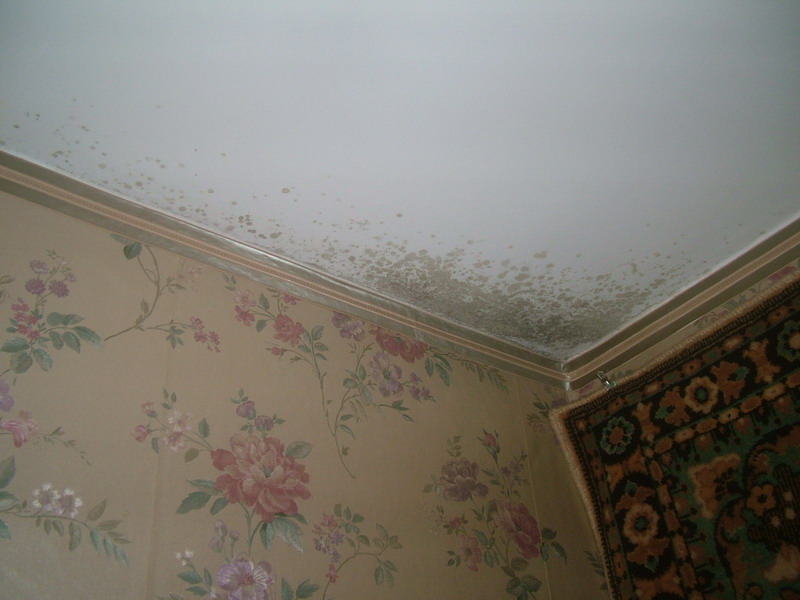
The most common cause of mold on the ceiling is stagnant moisture in the ceilings between floors.
But you can get by with a very affordable product: bleach. Thoroughly saturate the ceiling with it, always wearing gloves. Thanks to its chlorine content, bleach has strong antiseptic properties; it will kill mold and leave no streaks. Be sure to ventilate the area being treated during and after the process.
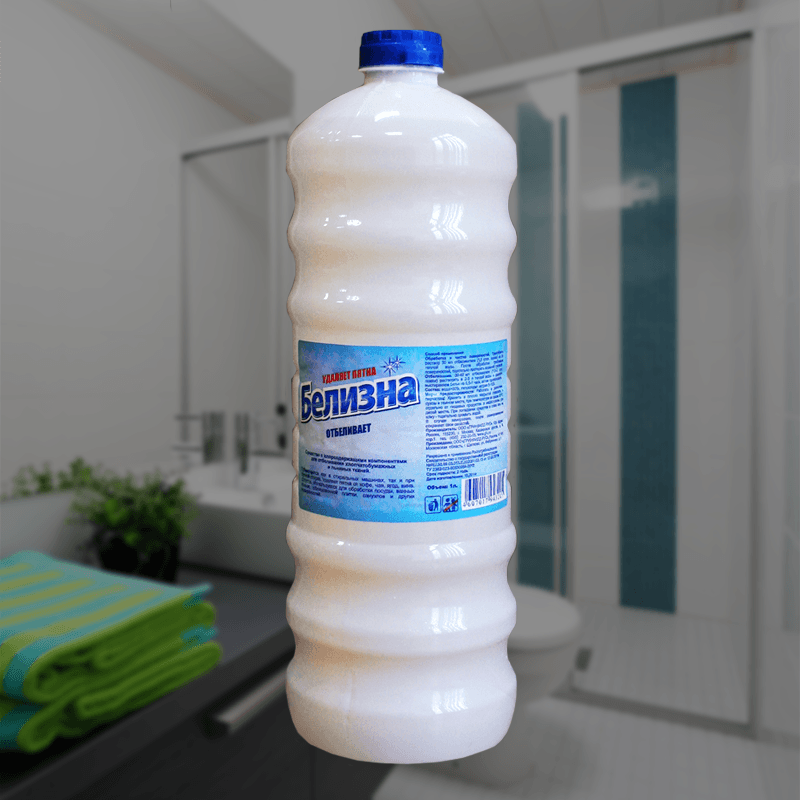
The familiar Bleach will do a great job of removing mold from ceilings.
The bleach treatment is quick and effective, but its results are unfortunately short-lived. Mildew stains can reappear on the ceiling over time. Therefore, more radical methods are needed to combat mold.
- Remove all whitewash and plaster from the ceiling. This will be easier if you wet the ceiling with water to prevent dust from forming.
- Apply an antiseptic primer to all the floors to ensure it penetrates the surface. Apply the primer to the seams with a brush.
- Once the primer is completely dry, apply another coat. This will seal the surface and protect it from further mold growth.
- Now you can plaster or fill the ceiling. Apply another coat of antiseptic primer on top.
Fungus in the bathroom
In bathrooms, mold thrives in the grout between tiles and the joints between the bathtub and the wall, which are sealed with caulk. This black residue cannot be washed off with water; another method is required to remove it. The contaminated caulk must be completely scraped off, and the area treated with a fungicide. Then, reapply the caulk. Choose a product containing an antiseptic.
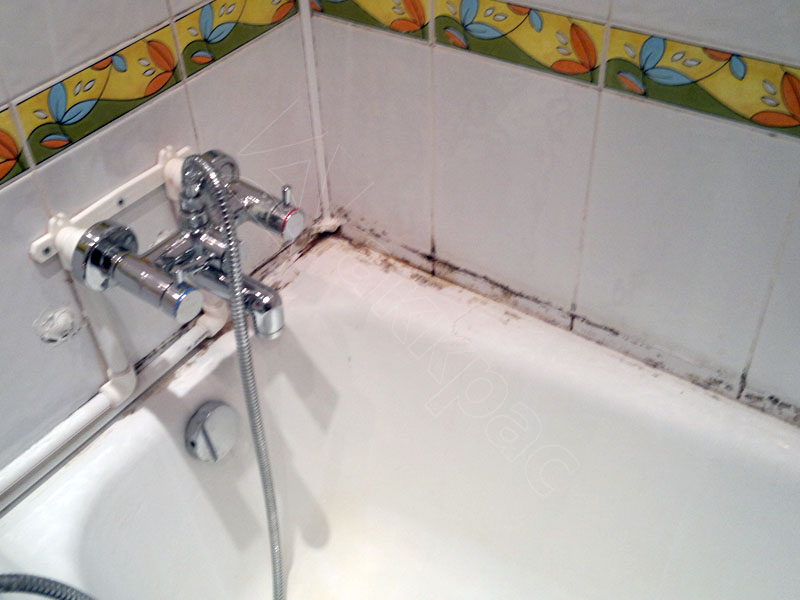
In the bathroom, mold most often appears on the seams between tiles and joints sealed with sealant.
As for the gaps between the tiles, they need to be scraped with a metal scraper, and then sealed with a special grout with an antiseptic.
Folk remedies for mold control
Getting rid of mold in your home can be done with readily available products you likely already have on hand. Several solution combinations are possible, for example:
- for 10 liters of water 1 kg of sodium fluoride or copper sulfate;
- for 10 liters of water 0.5 kg of copper sulfate and 0.5 kg of iron sulfate;
- for 10 liters of water, 2 liters of acetic acid and 0.5 kg of copper sulfate;
- for 10 liters of water 1 kg of borax, 0.5 kg of boric acid and 1.5 liters of acetic acid.
Copper and iron sulfate, along with other available products, will help you eliminate mold in your home.
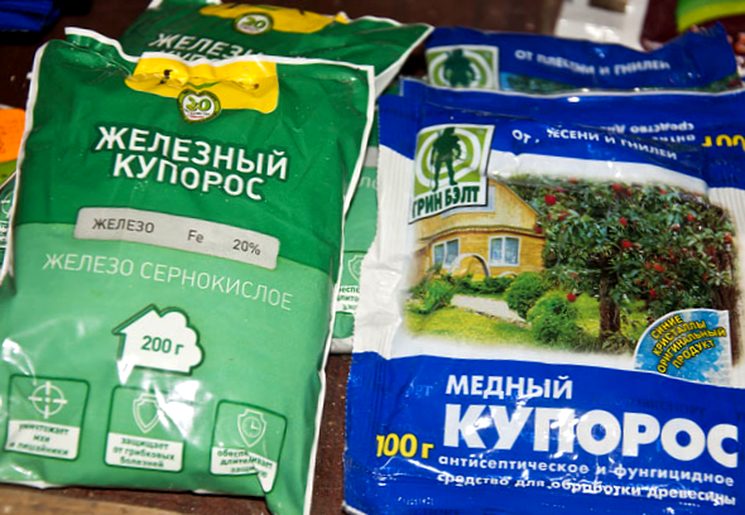
The solution should be heated to 70°C and applied to the mold-affected areas. Wooden surfaces should be re-treated after a month.
Preventing mold
Fighting mold is no easy task, so it's best to prevent it from growing in your home in the first place. As a preventative measure, always follow these guidelines:
- Ventilate the rooms as often as possible, paying special attention to the kitchen and bathroom;
- do not dry washed laundry in the bathroom;
- Repair all plumbing problems promptly and ensure that the water supply and sewerage systems are in good working order;
- install a ventilation system;
- Heat your house or apartment so that the walls do not get too cold;
- leave the bathroom doors open;
- When arranging furniture, leave gaps between it and the walls;
- Wipe down surfaces that may be most susceptible to mold growth monthly;
- When carrying out repair work in your home, be sure to use moisture-resistant materials and antiseptics.
If you like to grow indoor flowers, try to avoid violets and geraniums. These plants are a perfect breeding ground for fungus. While it may be completely unnoticeable on the leaves and flowers, you'll quickly see white mold in the soil where these flowers are planted. Believe me, it won't stay in the pot for long, but will quickly spread to new areas.
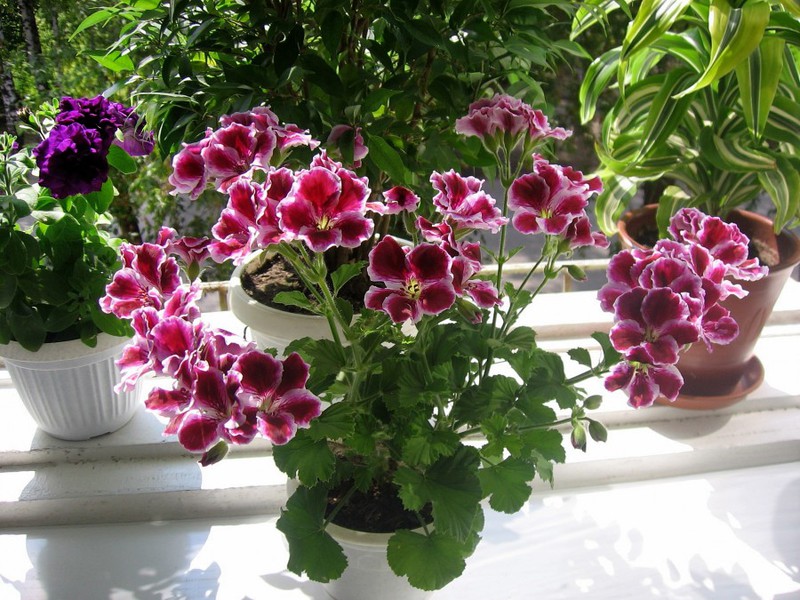
Such a beautiful and easy-to-care-for geranium can become a source of mold in your home.
Internet user reviews on mold control
Mold is nothing more than a living organism belonging to the Phylum "Fungi," Class "Molds," and there are countless genera and species. But you've grasped the essence correctly, in practice. It's MOISTURE. The fact is that all fungi reproduce only in the presence of moisture. These organisms are so unpretentious that even humid air is sufficient for them. If your friends have dried out the wall and the mold has disappeared, it's too early to relax. The fungi, sensing worsening environmental conditions (dryness), form microscopic spores (the rudiments of future fungi). Spores can regenerate even after decades (before the first drop appears), and therefore repeated treatment with antifungal agents (mycoseptics) is essential. They disrupt the integrity of cell membranes (shells) and lead to the death of the organism. As for the names of such substances used in construction, I would gladly write down the names of them myself. In my bathroom, I fight this with Domestos.
I used to work in the paint and varnish industry. There are a lot of products, but only a few that actually work!!! Try looking for Fongifluid (if I'm not mistaken about the name)—it's made in France. They also have waterproofing products with bioprotection. These are real products—they've been tested on facades. I use their paint at my dacha—I painted it over a moldy facade—and it's still perfect! Also, keep an eye on your neighbors (maybe they have constant dampness, which is causing the odor).
There was a mold stain on the ceiling after a leak. I added copper sulfate to the whitewash. They also said you can wash it with hydrogen peroxide or baking soda. Basically, mold is afraid of alkaline environments.
As for moving, when I was living in a moldy rented apartment, I had frequent headaches, sneezing, hair loss, dandruff, and skin irritation (I have sensitive skin). I moved. It all went away in about a month. I didn't take any medications.
I can recommend a tried-and-true method. Buy a wood bleach (Snegurochka is available in St. Petersburg). It's also good for concrete. It kills all mold and fungi.
Next, treat it with an impregnation. There are antiseptics for concrete, brick, etc.
And then you mix the plaster yourself using this same solution.
Only this method requires a water-based antiseptic, or better yet, a microemulsion.
…The fungus persisted for about ten years. Attempts to remove it with copper sulfate and special liquids only resulted in short-term improvement. A year or two later, the wallpaper would again be covered in a "black rash."
The husband solved the problem.
He took all the furniture out of the room, stripped off the wallpaper, and started going into the corners with a drill. And he didn't stand on ceremony.
As a result, there were two huge cracks in the corners, into which my husband pumped three cans of foam.
Two years have passed, and there's not even a hint that there was fungus in that spot. There!
The easiest way to remove mold that I encountered myself.
In the bathroom, the walls and ceiling were completely black due to mold. I bought a regular five-liter spray bottle. I filled it with bleach and water at a ratio of 10 to 1. Then I thoroughly sprayed all the walls and ceiling, then let it dry. After 12 hours, I rinsed everything off with a jet of water. Since then, the walls and ceiling are snow-white, as if they were just painted, and there's no mold. This method is only suitable for water-based paints and ceramic coatings.
P.S.
Anyone who decides to try this again should ensure adequate ventilation, as you could easily get chlorine poisoning. I did all of this in a closed-circuit breathing system.
Anyone can face the problem of mold in their home. Unfortunately, not everything depends on our actions, capabilities, and desires. But even in such an unpleasant situation, you can cope if you follow these recommendations and get rid of the fungus on your walls, ceiling, and other areas. Perhaps you've already had to deal with mold? Share your experience with us in the comments. Good luck and may your home be cozy!