The canary is a vibrant, undemanding, and vocal bird. In captivity, it will delight you with more than just its melodic song. The rich plumage of the female domesticated Canary Canary is as impressive as the voice of the male. Keeping this nimble, yellow-winged bird in an apartment is no problem, even for beginners. The canary's diverse forms, unusual plumage colors, and incredibly memorable voice are its calling cards. This inimitable singer is unrivaled in soloing.
The beauty and vocal quality of canaries depend on the bird's gender. If you're considering keeping a feathered friend for its voice, choose a male—they are much more vocal and melodic than females. However, it's important to understand the specifics of keeping this simple bird at home, including its behavioral characteristics at different ages and its feeding requirements.
Content
Keeping a Canary at Home: Pros and Cons
With their attractive appearance and gentle, captivating voice, how can you not fall in love with a canary? These birds are artificially bred descendants of the Canary finch. However, domestic canaries are much larger and come in a variety of colors, from gray, yellow, and mosaic to orange and salmon red. Flame orange and bright yellow with whitish markings are most commonly found in pet stores. Their body length reaches up to 15 cm, and these delicate creatures weigh no more than 12-16 grams. Their lifespan is 5 to 12 years, depending on the conditions and how well they are cared for.
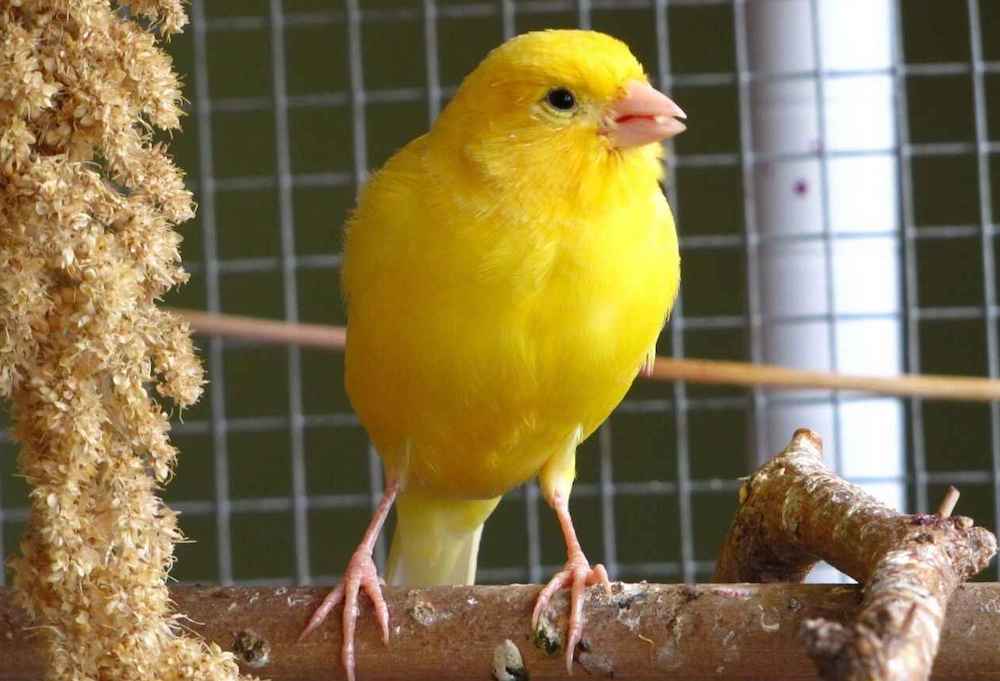
Canaries have many benefits, especially if a singing bird is your dream:
- This is a completely trouble-free feathered pet. She produces minimal feathers, fluff, and debris, and doesn't make much noise.
- Enchanting singing – in 9 cases out of 10 will be the deciding factor when choosing this particular bird.
- Very little food – the small and agile canary weighs less than 20 grams. Consequently, it eats little and doesn't require a huge variety of food.
- Canaries are loyal to their fellow birds, rarely fight or quarrel without reason, and get along easily in company.
- The simplest content in a cage.
A unique aspect is the cost of a domestic canary: females range from 500 to 1,200 rubles. Singing males are more expensive, costing 2,000 to 3,000 rubles. It's reasonable to assume that keeping a bird in the cage will result in feathers, debris, and dust accumulation due to the bird's high activity level, as well as its chatter and chirping. But this is a characteristic of the winged bird's lifestyle.
The bird will not cause any problems if you feed it properly and provide it with the right conditions for a comfortable life at home.
Read also about common greenfinch.
Nutrition and care
For a complete diet, a canary will need a grain mix of rapeseed, flax, wheat, buckwheat, and canary seed. Also, add vegetables and fruits to the menu—peppers, beets, cucumbers, carrots, apples, pears, as well as eggs and cottage cheese—all are suitable. For greens, regular outdoor grass, washed to remove dust, is suitable: dandelion, sow thistle, plantain, or any type of lettuce from your own garden.
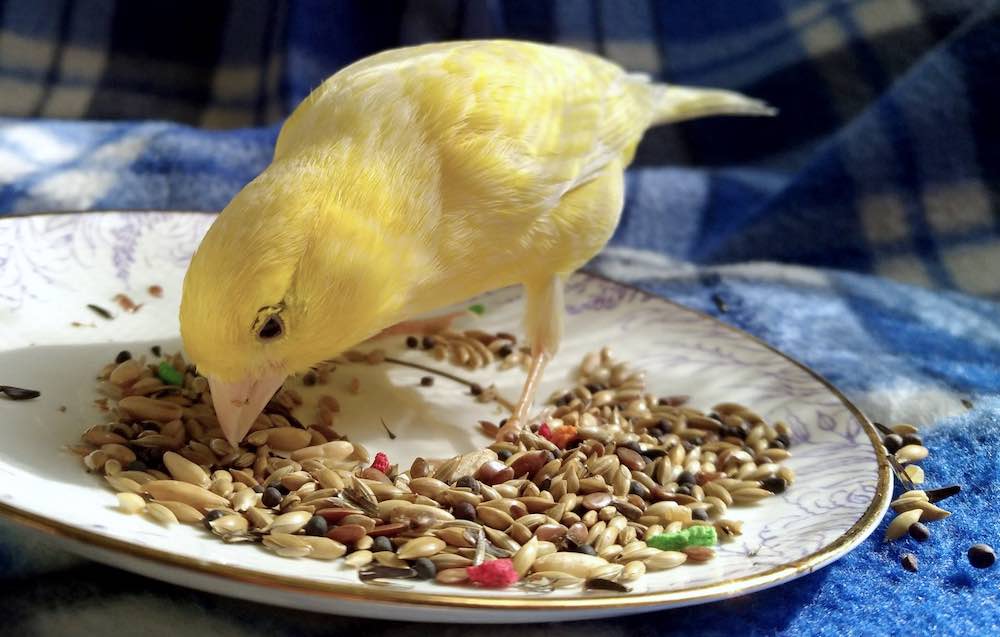
The main nuances of canary nutrition:
- A balanced diet is the key to the birds' health, so feed your canary family sprouted grains and add sunflower seeds (vitamin E).
- As recommended by a specialist, include vitamin mixtures in the bird's diet, put pieces of chalk and coal, branches of fruit trees, poplar, and birch in the feeder.
- There should always be fresh and clean water in the bird feeder (the water should be changed at least every other day).
- Periodically introduce protein supplements (only from a pet store and on the advice of a veterinarian).
Rectangular cages are preferred for canaries. A thorough cleaning is performed weekly, including the bottom and tray, and the walls. Daily cleaning is only necessary, as is emptying the tray and removing large debris (twigs, leaves).
Key points for keeping canaries:
- You cannot place the bird's cage in direct sunlight, or near a wide-open window or on a balcony (veranda) for a long time.
- The bird will need a short daily walk: allow the canary to stretch its wings for at least 10-15 minutes a day and fly freely around the room.
- The most favorable temperature range for these yellow-winged birds is 22-25 degrees.
Place several feeding bowls in the corners of the cage: one containing food, one containing vitamin supplements, and one containing "live nutrients" such as eggs, greens, sprouted wheat, pumpkin, and apple. Inside the cage, there should be two or three perches at different heights. Place a bathing bowl (a regular shallow saucer) there.
Diseases
The most common diseases in canaries are most often associated with poor nutrition.
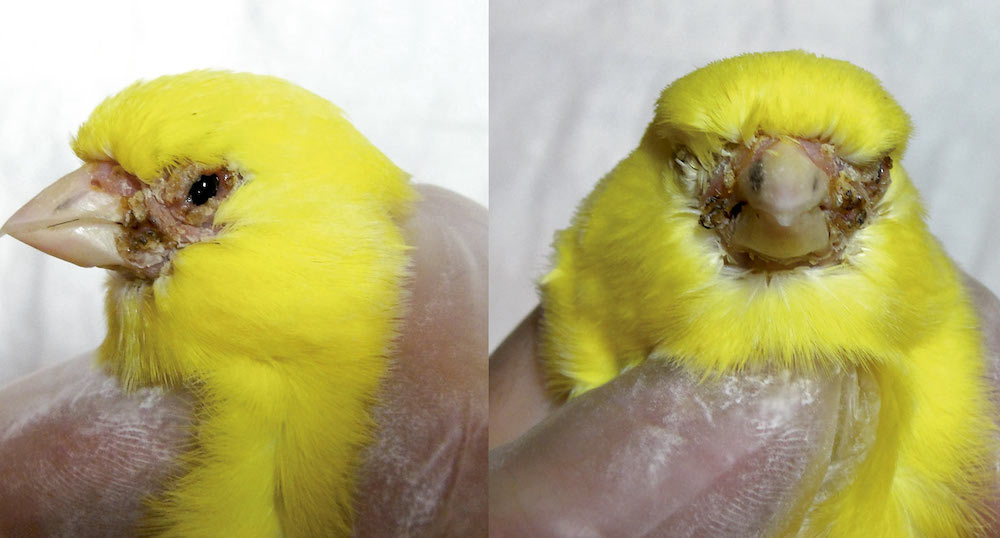
Also, some diseases are caused by improper maintenance of poultry:
- Hair loss and skin growths on the paws as a result of vitamin deficiency.
- Digestive disorders (diarrhea, goiter, constipation).
- Parasitic infections.
- Colds.
- Eye diseases.
- Wing injuries.
With proper care and adherence to all nutritional nuances, canaries rarely get sick.
Molting
The period when a bird sheds its plumage is comparable to a mild illness. At this time, its body is especially vulnerable. To support its immune system, supplement its diet with vitamins. The cage should be stocked with twigs, salt, lime, sand, rotten wood from forest and garden trees, and ash. All of these can be kept in a single feeder—your pet will choose what it most needs.
To ensure that your canary's molt goes smoothly, keep it away from drafts and don't disturb it for trivial reasons.
What to feed a canary at home
The basic principles of a canary's varied daily diet are virtually identical to those of a canary. However, a male's diet should be more complete and rich, especially in winter. Most often, they are fed grain mixtures, eggs, and cottage cheese, which are rich in calcium, as well as greens (even store-bought), apples, carrots, and cabbage.
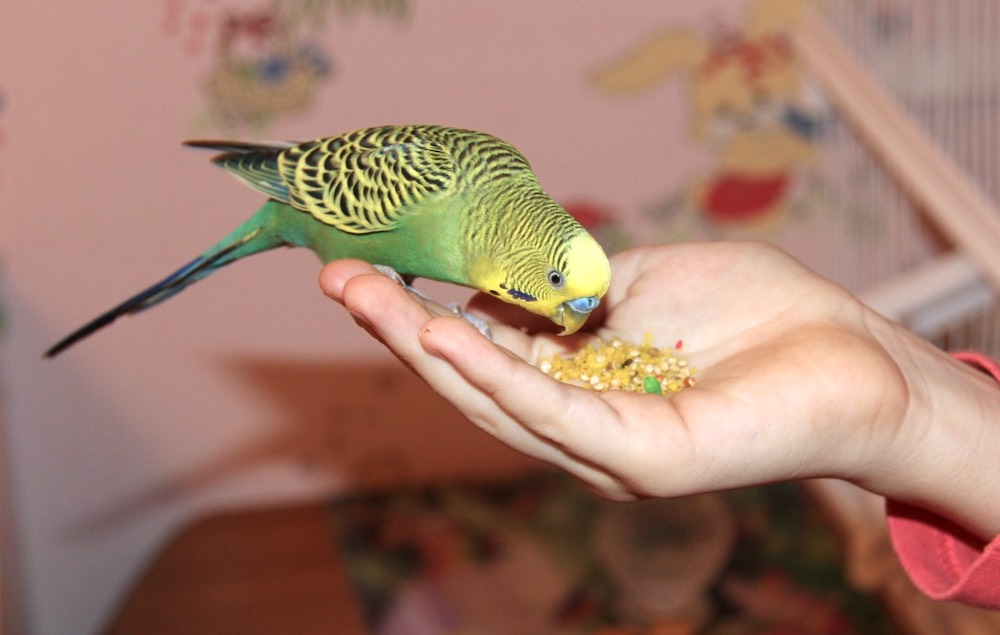
Not only the pet's activity, but even the color and brightness of its plumage depend on the richness of its nutrition.
It is believed that, in addition to grains, canary will need:
- fish oil;
- protein supplements - especially during the nesting period,
- sprouted grain, even if the canary family had no access to sprouted grains before,
- a variety of fresh herbs.
Read also about 5 of the most unpretentious pets.
How long does a canary live at home?
A pet bird's lifespan is influenced by many factors. First and foremost, the conditions you create: cage size and location, hygiene, a properly selected diet, the presence of other canaries in the cage, and the species and gender of the canary. Frequent egg laying, a solitary and monotonous lifestyle, and an improperly managed living space can shorten a bird's lifespan.
As is well known, sudden illness or claw damage in felines can also shorten the lifespan of domestic birds. In particular, common canaries, under normal conditions, live for at least 5-6 years and can reach 12-17 years.
Tips and nuances
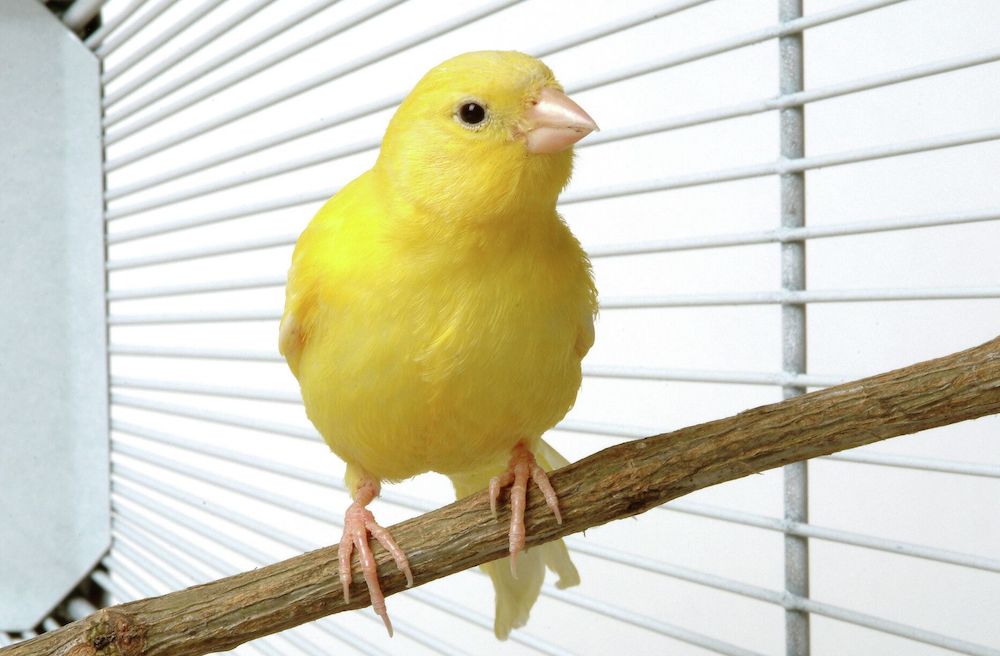
There are some nuances that will help you avoid mistakes when choosing and subsequently keeping your feathered pet:
- The canary always has an incredibly melodic and enchanting trill, and the female canary has bright and beautiful plumage.
- A clear and beautiful solo isn't just a natural gift for canaries: these birds must learn to sing from their parents. Don't buy a young chick and expect it to perform solo – it's best to buy a canary at 7-8 months of age, not earlier. Experts recommend buying yellow-winged birds from this year's litter only in November or December. Otherwise, you risk getting a young, voiceless chick.
- Canaries sing most often from the end of November to June – during the mating season and a time of increased vital activity, like their relatives, the Canary Island loaches.
- You can get either a single bird or a pair. Canaries are sociable birds and enjoy social interaction. Regular exposure to human companionship will prevent loneliness. Canaries don't have the herding instinct of budgies. However, if you wish, you can create a family—in this case, you'll need to get a pair.
- The process of selecting a "mate" begins at 11-12 months—this is the age when birds are most suitable for nesting. Once they reach 5-6 years of age, they are considered old and are not paired because they are no longer starting families.
- To build a nest, you need to provide the canary with small twigs, moss, and small dry grass.
- If either the male or female does not want to be together, and a pairing does not work out, it is better to immediately abandon this idea or choose another bird for your pet.
- Canaries are sociable, active, and quite vocal birds. Avoid keeping them on a mezzanine or in a closed room—a solitary bird will make them unhappy and lead to illness. Canaries won't sing when confined or alone.
- Remember that in a canary pair, the male is the more talented—it's the "male" who is taught to sing. To do this, place the bird on an elevated surface (a table or window), exclude all auditory and visual stimuli, and leave a similarly singing male in the room, or play a recording of a canary singing. Training takes place in the morning for 20-30 minutes a day. "Music lessons" can be arranged 2 to 4 times a day.
- These birds dislike open windows and direct sunlight. The heat can easily kill a canary. Drafts and cold are uncharacteristic conditions for this exotic bird. Therefore, these yellow-bellied birds absolutely cannot tolerate low temperatures, fluctuations in temperature, drafts, or scorching heat without shade.
- Canaries ignore toys and don't need ladders or mirrors like budgies. Therefore, it's best to remove all unnecessary items from the cage.
- Newly acquired pets are required to undergo a two-week quarantine. This makes it much easier to avoid unexpected illnesses, especially infectious ones.
- These small birds enjoy feeding on fruit tree branches. However, using branches of resinous trees, especially conifers, as food is prohibited.
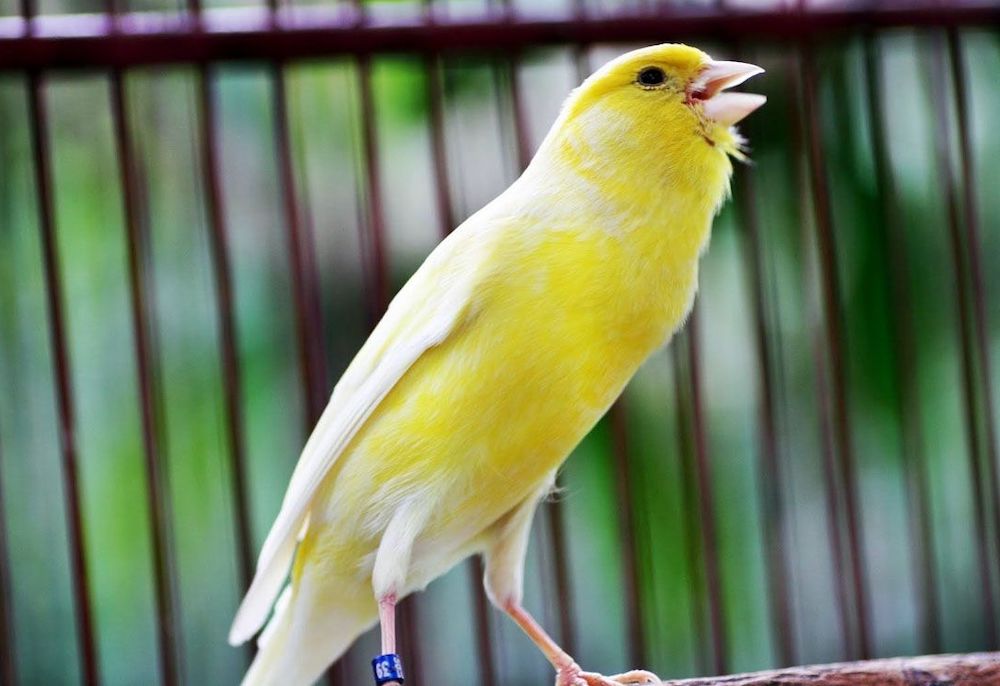
For a canary to delight you with its melodic song, it requires care and attention. This unpretentious bird isn't particularly difficult to care for. A cozy home, a bright corner of the apartment, a nutritious diet, walks around the room, and fresh air—that's all it takes. And most importantly, love and care for your bird. Then, the canary's magical voice will ring in your home from dawn to dusk.
Read also about birds of prey.