 Many bird species inhabit northern regions. These areas typically have sparse vegetation, raging storms, and strong winds. These conditions don't faze seabirds. The Atlantic puffin ranks among the brave and hardy birds, accustomed to extreme conditions. In this article, we'll find out how this bird with such an unusual name fares.
Atlantic puffin description and photo
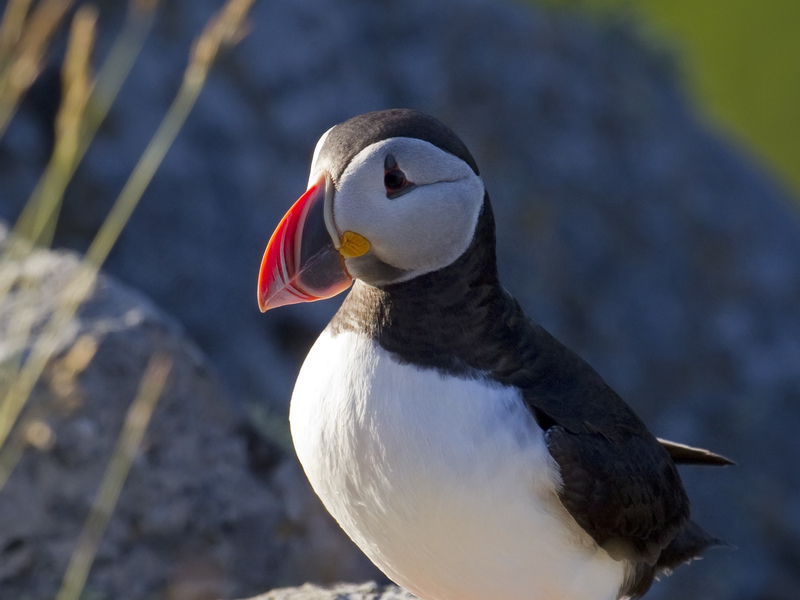
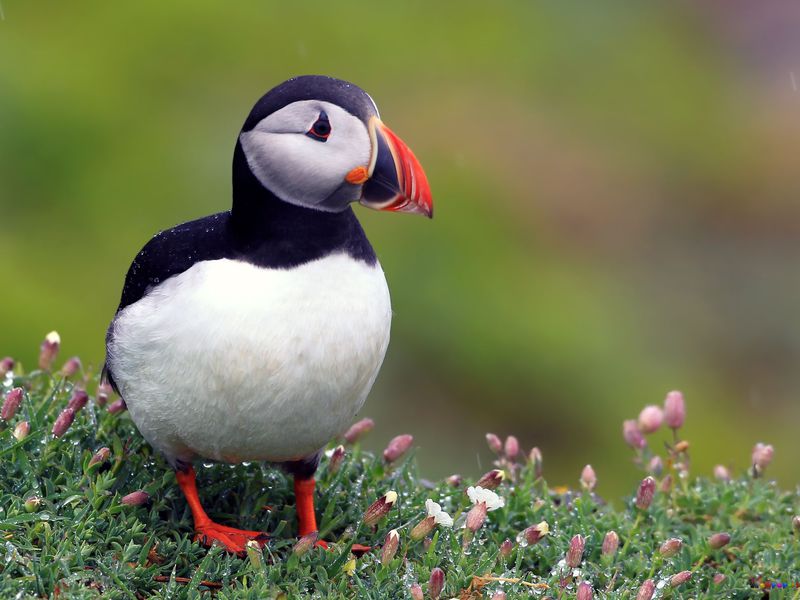
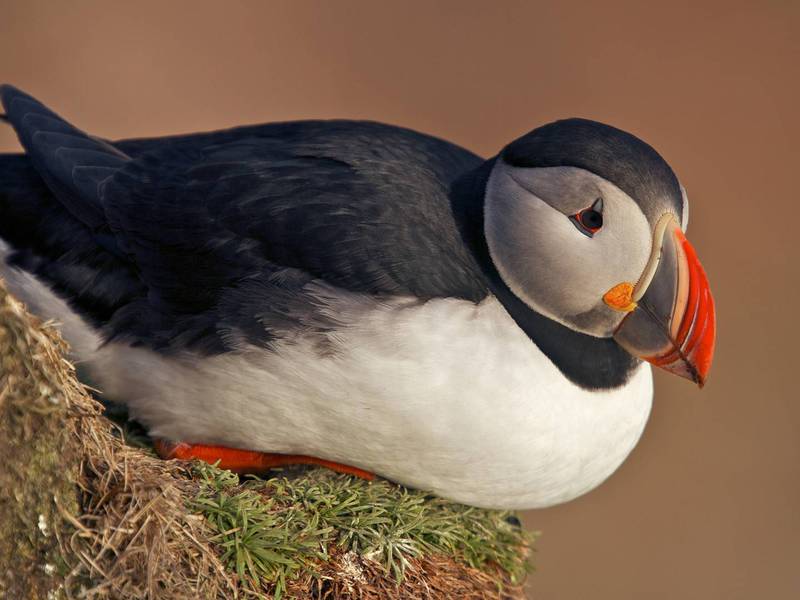
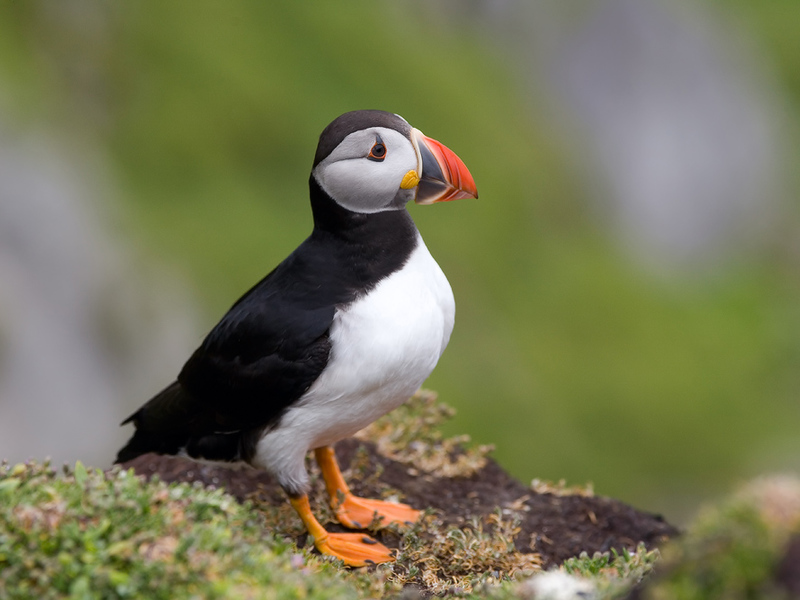
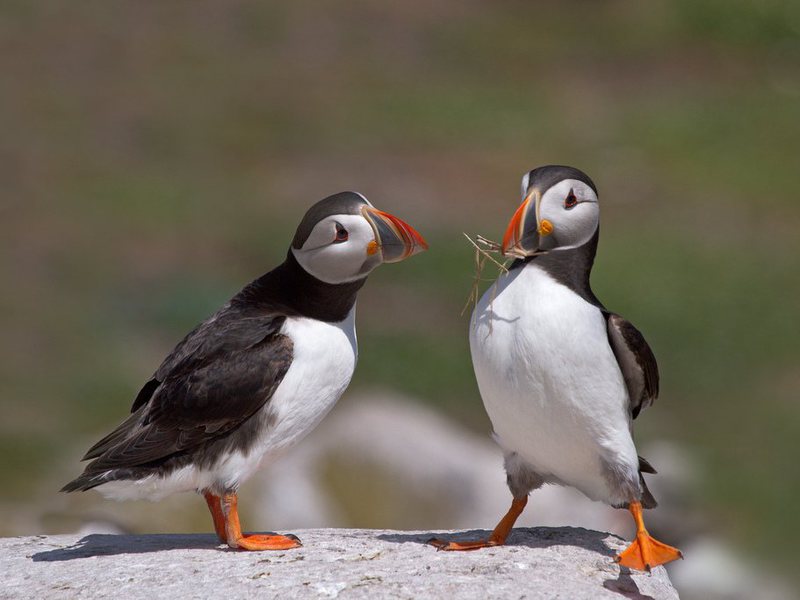
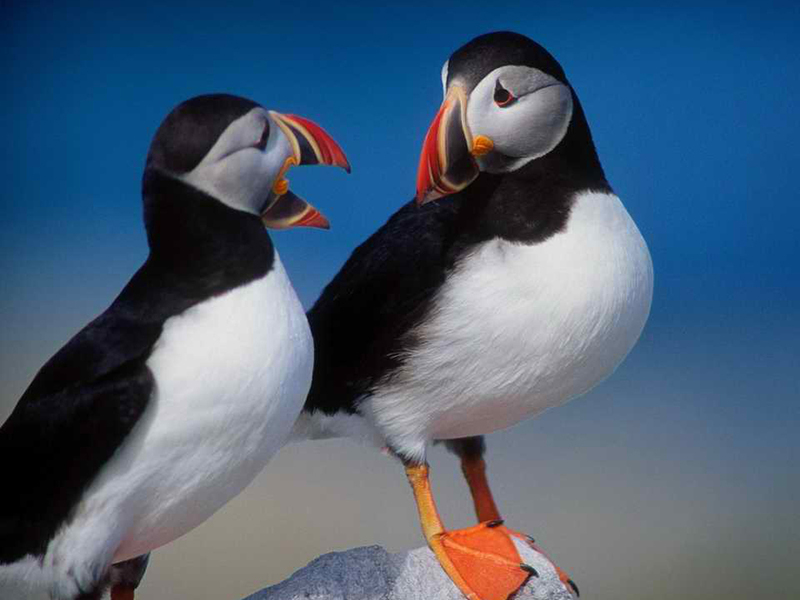
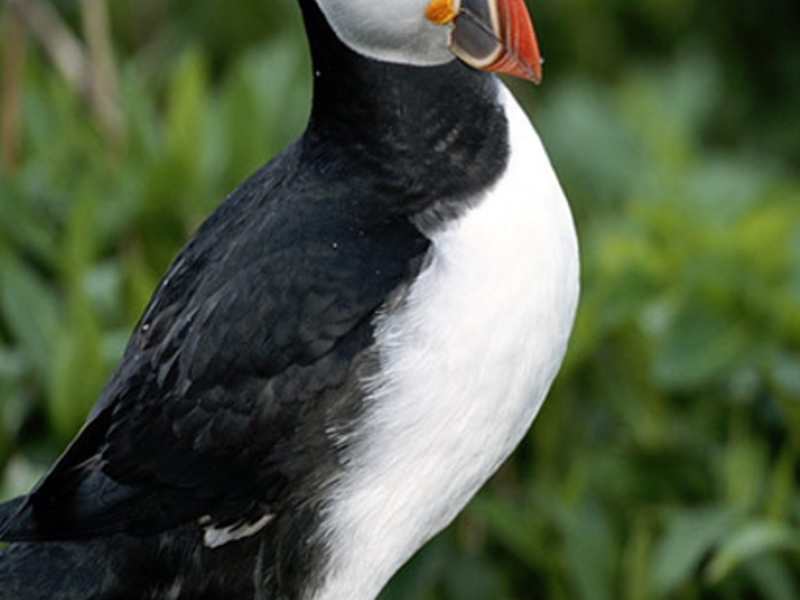
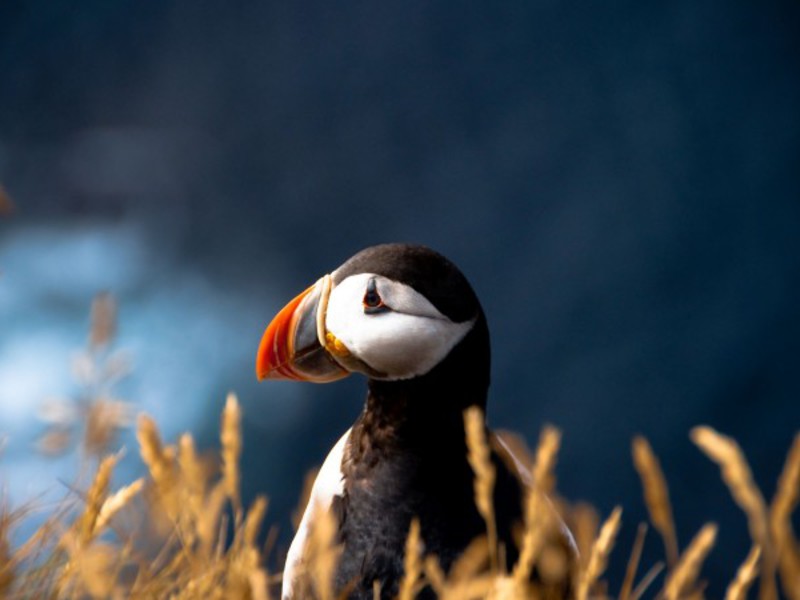
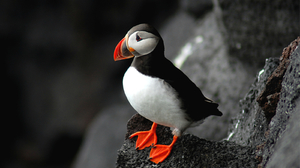
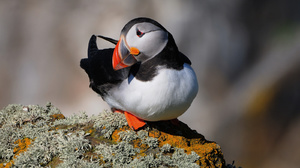
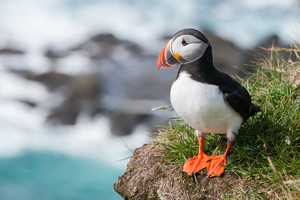
The Atlantic puffin is a small bird. belongs to the auk family, a member of the Charadriiformes order. It belongs to the genus Puffins. Puffins are very similar in body shape to penguins, only much smaller. A distinctive feature of their appearance is their beak. It is an unusual triangular shape, flattened on the sides, and resembles a blunt instrument like an axe. For this reason, these birds are called puffins. During the mating season, the beak changes color and becomes bright orange.
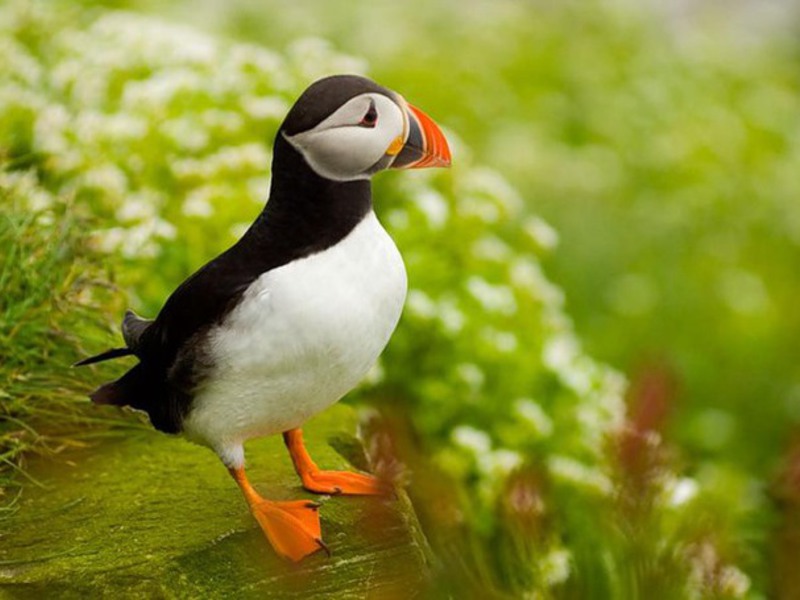
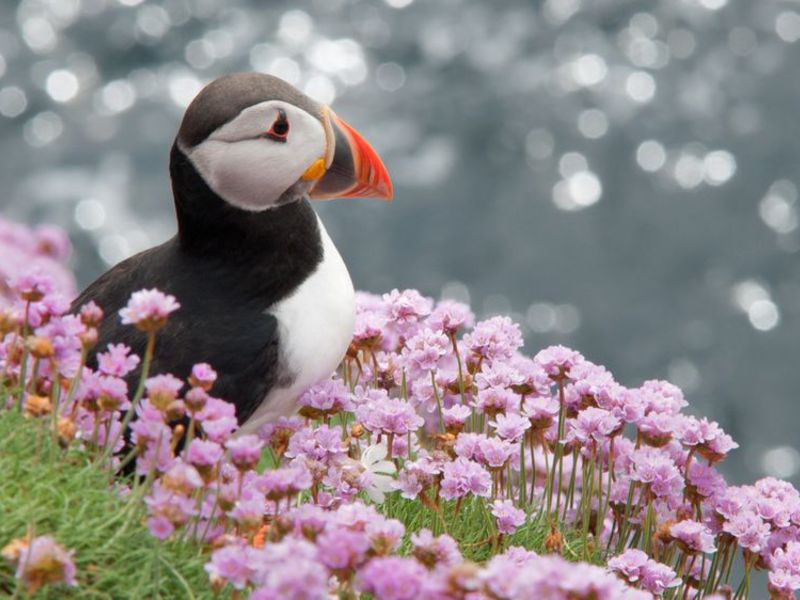
The bird's head is dark with grayish flecks. Spots are located on the cheeks. The bird's eyes are small, surrounded by red and gray leathery structures, giving them a nearly triangular shape. The bird's feet are bright orange, as is the beak, and the underparts are white.
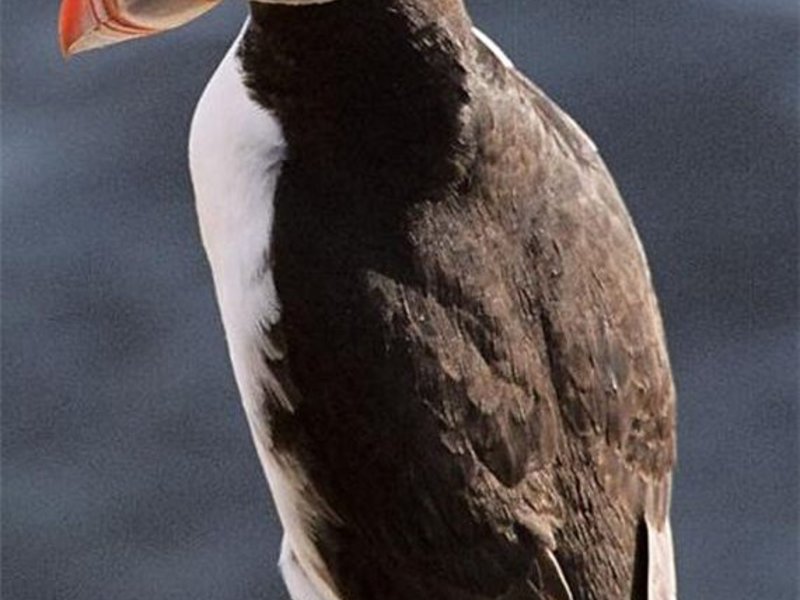
For its unusual, bright appearance the bird is called the "sea parrot"An adult grows up to 30 cm in length and weighs up to 500 grams. The wingspan is 50-60 cm. The plumage of males and females differs little, being virtually identical, but males are slightly larger, making them difficult to distinguish. It's safe to say that this bird is not only unusual but also one of the most beautiful on our planet. Their feathers are protected by a special oily secretion, giving the plumage a water-repellent effect.
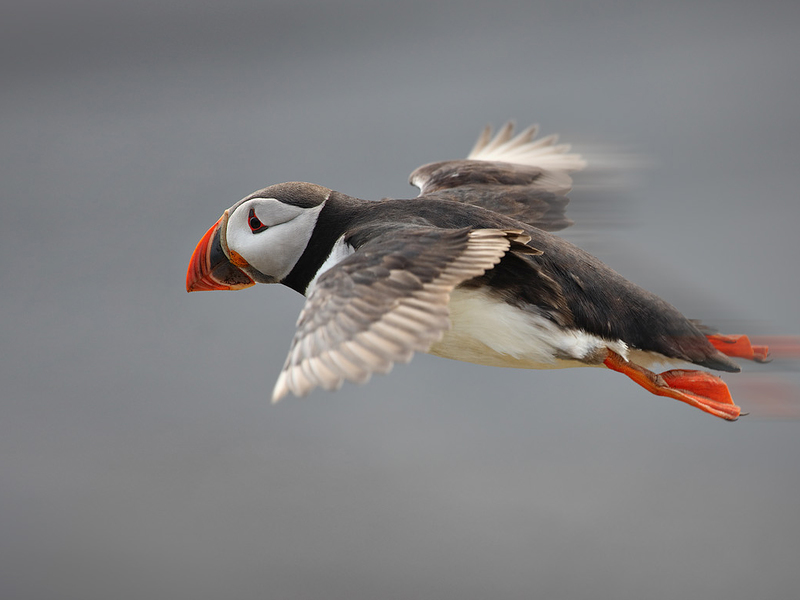
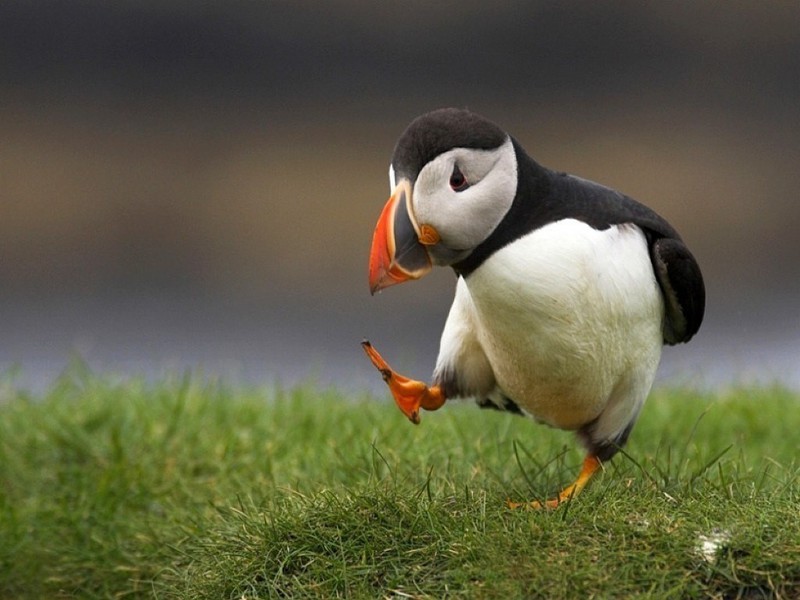
Puffins move very quickly and can even run on flat surfaces. This looks a bit comical, as they scoot along with a waddling gait, like penguins. These birds are excellent swimmers, diving well and able to hold their breath underwater for almost a minute. In the water, they rely on their webbed feet and wings, which they use to paddle. To take off, these birds must flap their wings repeatedly, initially appearing to run on water and only then taking off. They usually fly low over the surface. no more than 10 meters in heightPuffins have a fairly high flight speed, reaching speeds of up to 80 km/h. Puffins land awkwardly on the surface of the water, sometimes landing on their bellies or crashing into the water.
Lifestyle and habitat
 Puffins inhabit the Atlantic and Arctic Oceans, as well as northwestern Europe and the Arctic, and off the coast of northeastern North America. This part of North America is home to the largest puffin colony, with a total population of over 250,000 pairs. The largest colony of Atlantic puffins lives off the coast of Iceland, they make up 60% of the total population of the species.
These birds are marine birds, spending most of their lives at sea. When they grow up, they can fly as far as 100 km from their permanent nesting sites. These birds are usually solitary, so pairing is rare. Remarkably, it's almost always older pairs that form for mating. When they return for the mating season, they find each other again.
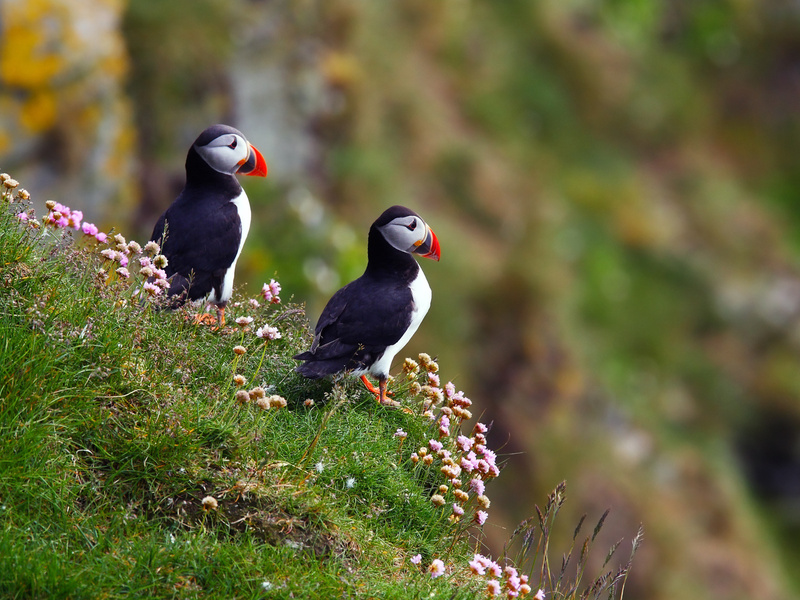
The birds spend almost all their time in the water, bobbing in the waves far from shore. In the spring, puffins gather on the shore to raise their young. For shelter, they dig burrows about two meters long with a nesting chamber on steep, grassy hillsides. They also build nests among the rocks at the foot of cliffs.
Nutrition
Birds are excellent swimmers and divers. They can swim at speeds of up to 20 meters and dive to depths of up to 70 meters. Because they are marine birds, their the diet consists of fish:
- herring;
- capelin;
- sand eels;
- gerbils.
Puffins also sometimes feed on shrimp and small mollusks. Their swimming prowess greatly aids their hunting, using their feet as rudders. Their prey is usually small, rarely exceeding 8 cm, but they occasionally catch fish up to 18 cm long. They eat smaller fish without leaving the water, and carry larger ones ashore. Adult birds can consume up to 40 fish per day. The approximate daily food intake of their prey ranges from 100 to 300 grams.
Reproduction
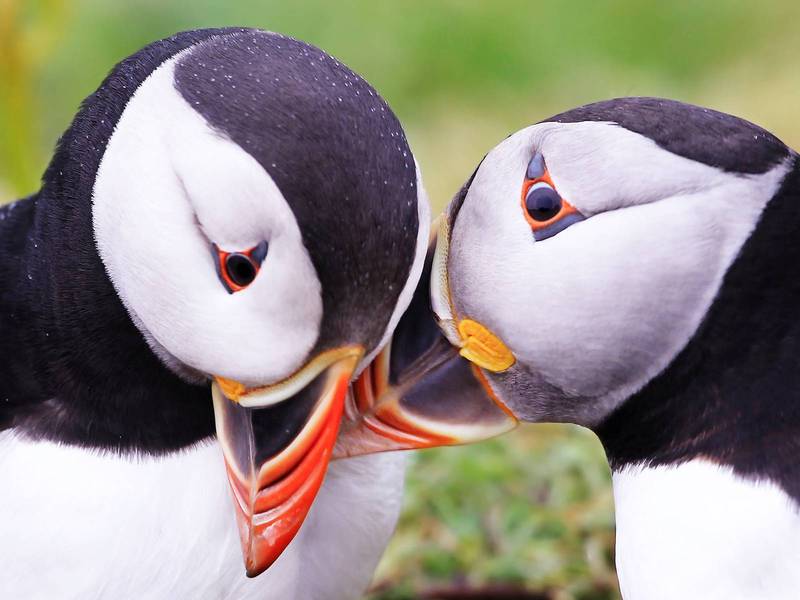
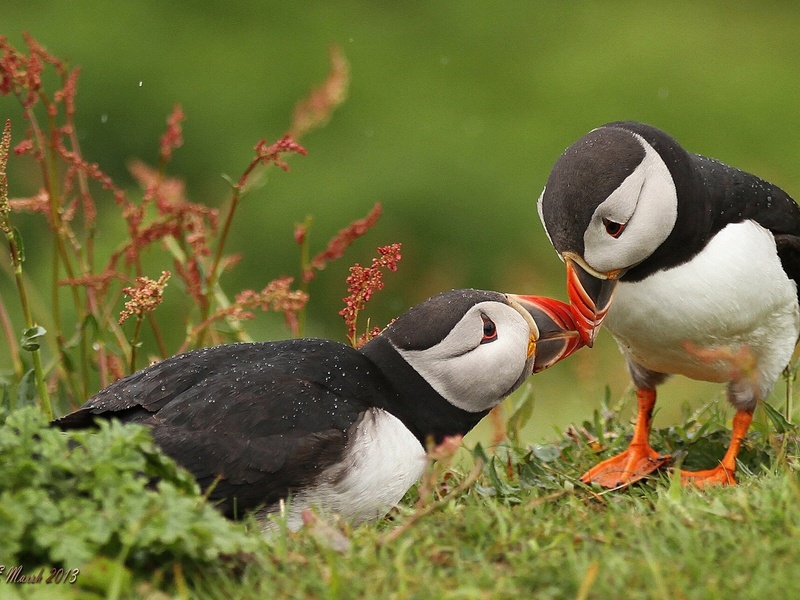
 After returning to nesting grounds in March-April, puffins they are building a shelter for hatching chicksThe mating season begins with a wave-tossing, where all the birds flock. Two individuals begin mating, rubbing their beaks together. After this, the pair flies ashore to establish a shared nesting burrow. This all takes place in the previous year's nesting site.
Pairs often restore old nests, but if there's none, they build a new one or find an abandoned burrow and settle there to raise their young. Once the female has laid eggs, the parents take turns incubating them. They also share in feeding the chicks after they hatch.
Puffins are wary of predators, so they try to keep their young confined to their nesting burrows during the day. Their offspring begin their exploration of the outside world primarily at night. Until they can fly, they swim in the water near the shore. They spend time here until almost dawn, when they return to their burrows. Young animals are ready for independent life when they can:
- swim;
- fly;
- to catch fish.
With the arrival of spring, the offspring also return to their old nesting site, but at this age they do not pair off. When they are 3-4 years old, they are ready to pair off and raise young.