 The Urals' natural environments are extremely diverse: tundra stretches to the north, while the steppes of Kazakhstan are found in the south. A wide variety of bird species can be found in diverse climates and remote areas far from human habitation. Many of them are listed in the Red Data Books.
Forest birds
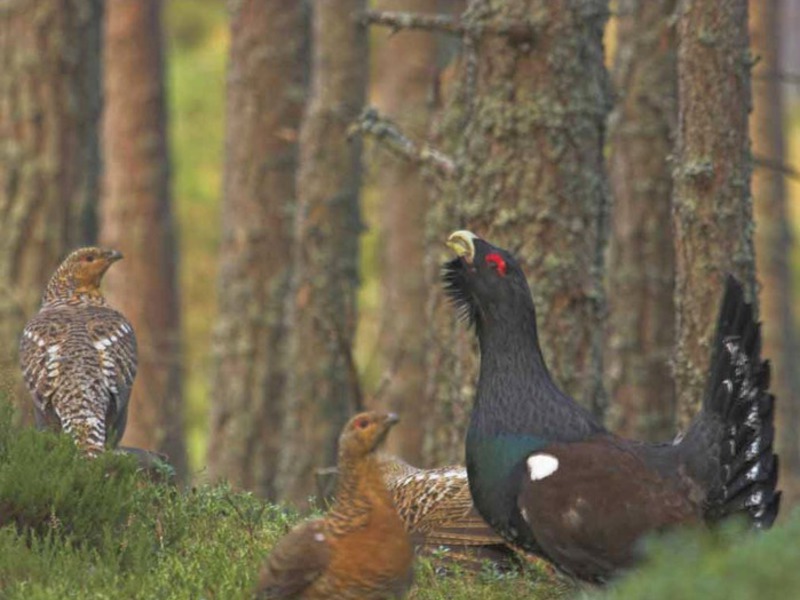
In the forest zone, birds of the order of gallinaceae settle – wood grouse and black grouse.
The wood grouse inhabits the taiga zone of the Southern Urals. It is a large bird, weighing up to 6 kg and measuring 80-70 cm in length. It is found primarily in old forests. Wood grouse are sedentary, migrating from deciduous to pine forests only in winter.
Its main winter diet consists of cedar and pine needles and twigs, which it "clipped" with its powerful beak. In summer and fall, it feeds on a variety of berries and aspen leaves. Birds pair up during the nesting season; at other times, they remain solitary.
Black grouse prefer forest-steppe zones deciduous and mixed forests.
 This is a relatively small bird, standing 50-58 cm tall and weighing between 800 g and 1 kg. Males and females differ in appearance. The male has black plumage with white underwings and tail, and fleshy red eyebrows. The female is brownish with brown and yellow spots.
During the nesting season, black grouse do not form pairs, and the male does not participate in caring for the chicks. In winter, the birds gather in large flocks. Their diet consists of berries, birch buds, and young conifer cones. Their numbers have been gradually declining since the early 20th century.
Night hunters live in the forest:
- tawny owl, owls
- snowy owls
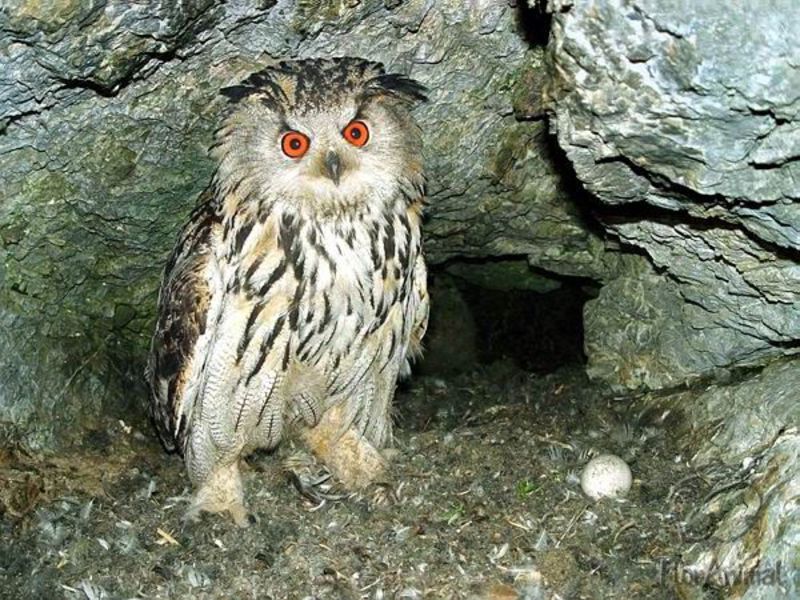
- eagle owls
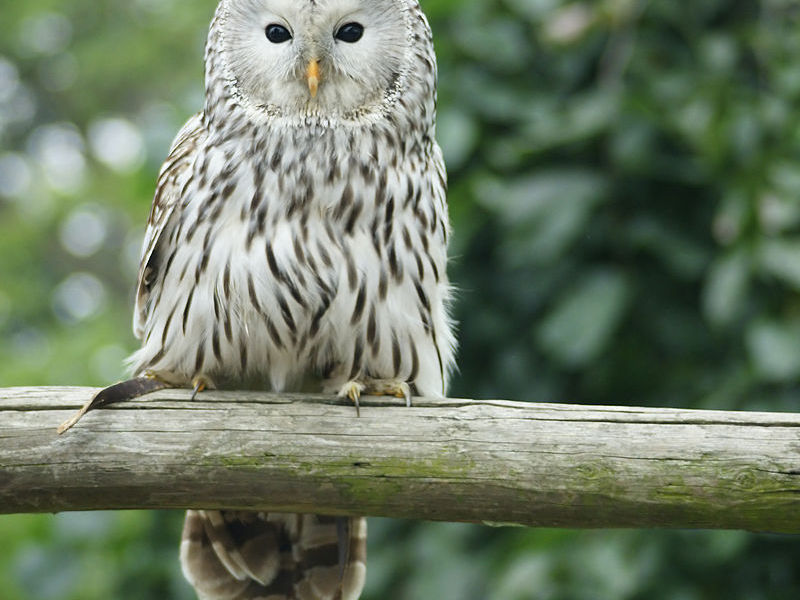
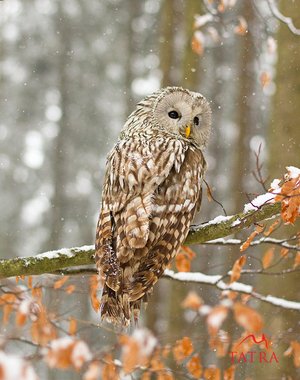
The eagle owl and the eagle owl are members of the order Strigiformes and share some common appearances, including a similar silhouette and large, round eyes. They are primarily nocturnal. The eagle owl is significantly larger than the owl, reaching 70 cm in length and weighing 4 kg. The owl rarely weighs more than 2 kg.
The eagle owl is both nocturnal and diurnal. It can hunt both small rodents and larger animals. It hunts only small animals at night. The exception is the snowy owl, which migrates from more northern regions to the forests of the Subpolar Urals for the winter. The smallest owl is the little owl, measuring just 30 cm long and weighing 200 g.
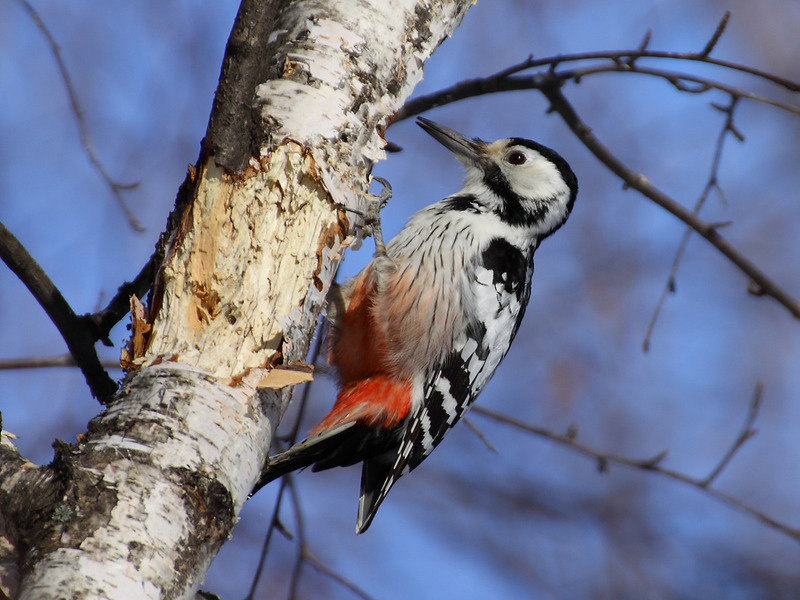
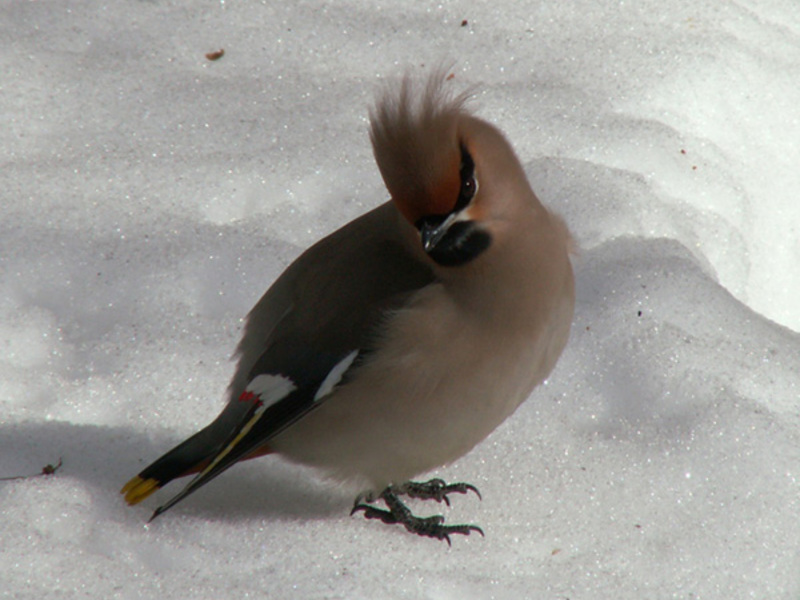
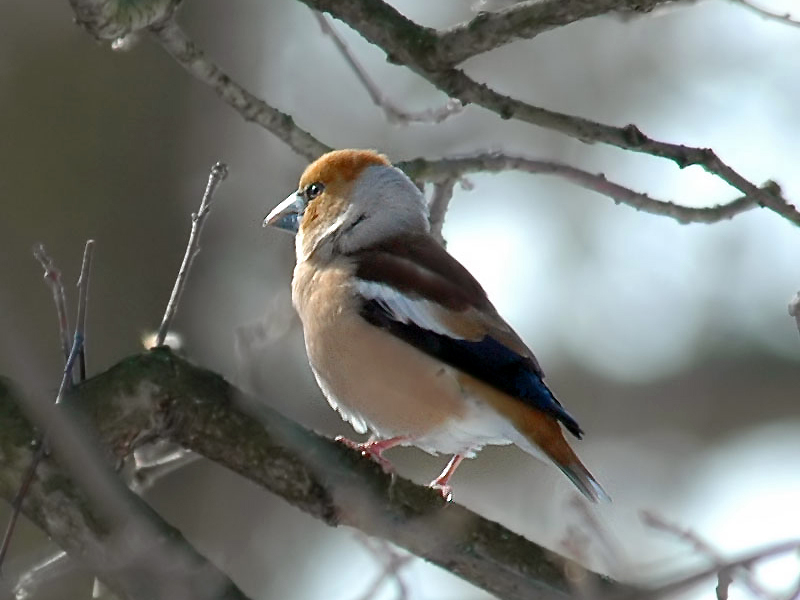
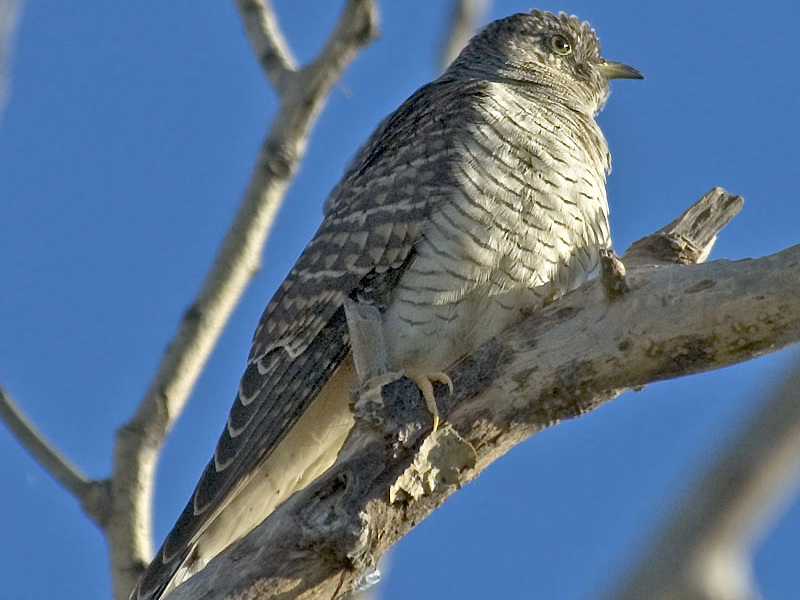
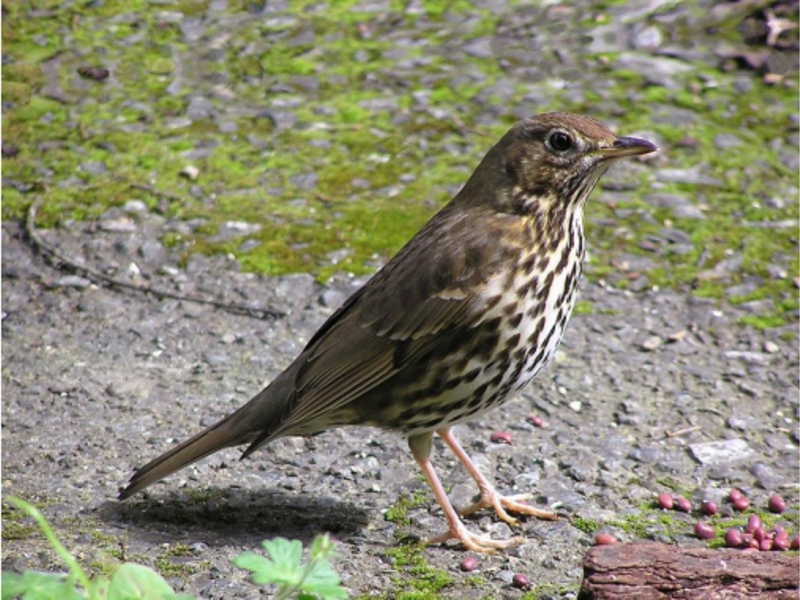
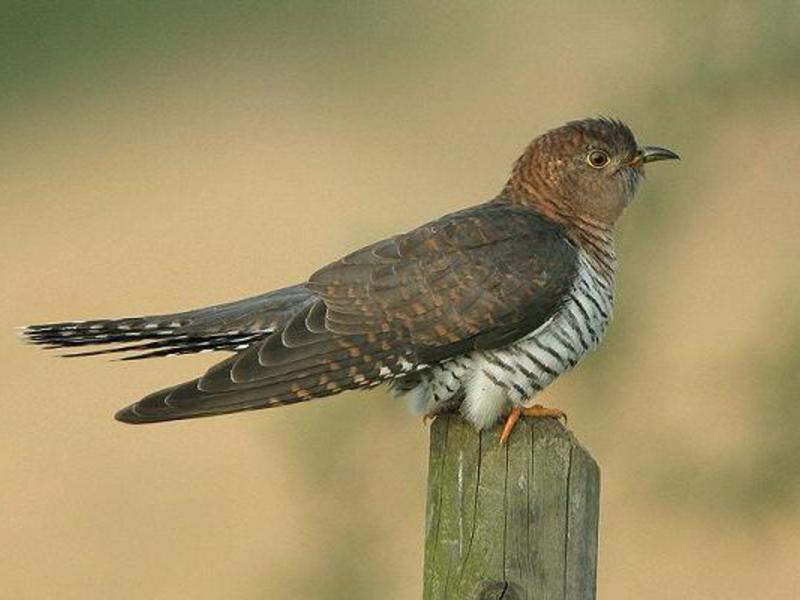
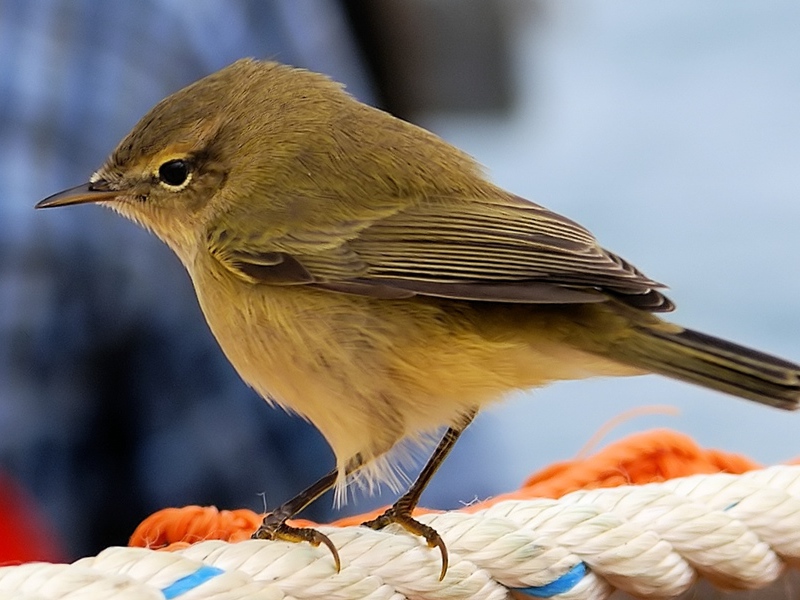
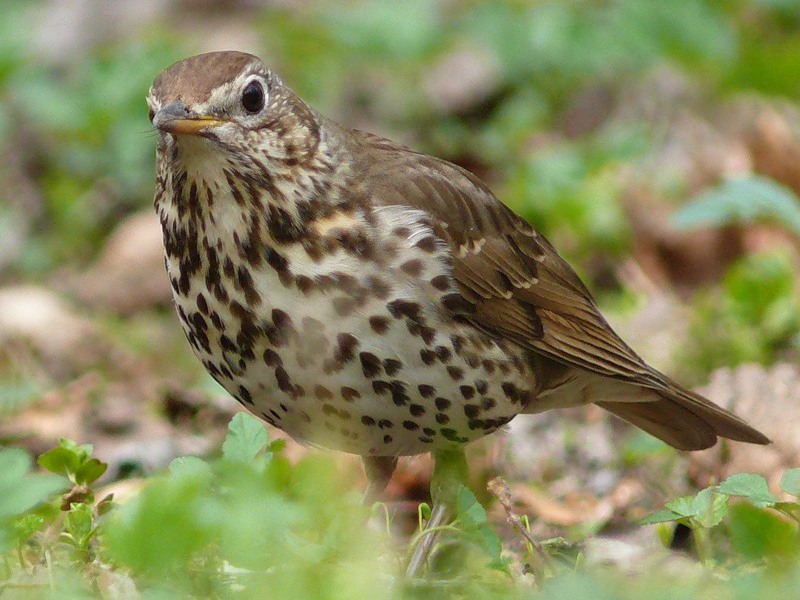
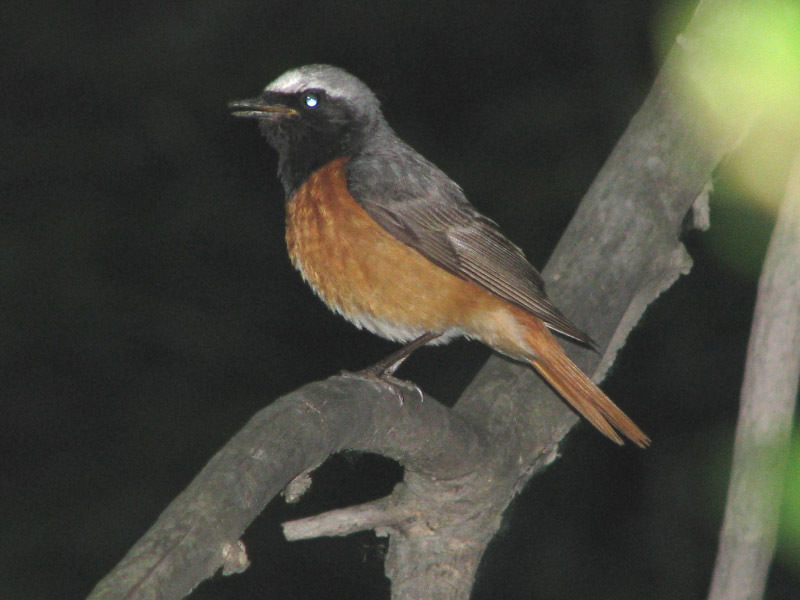
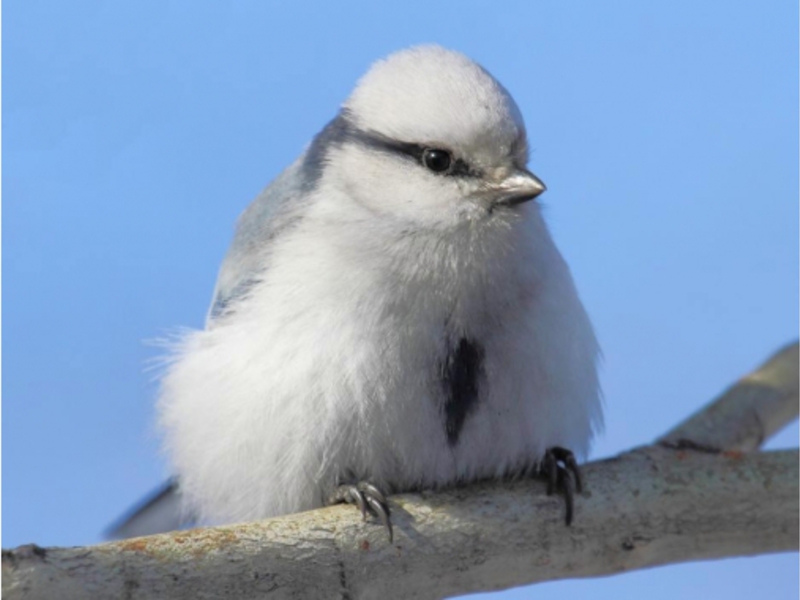
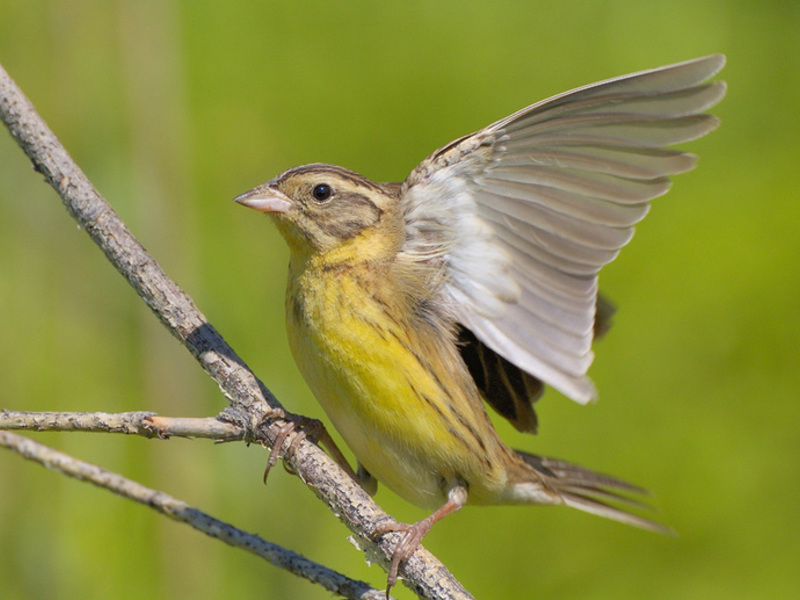
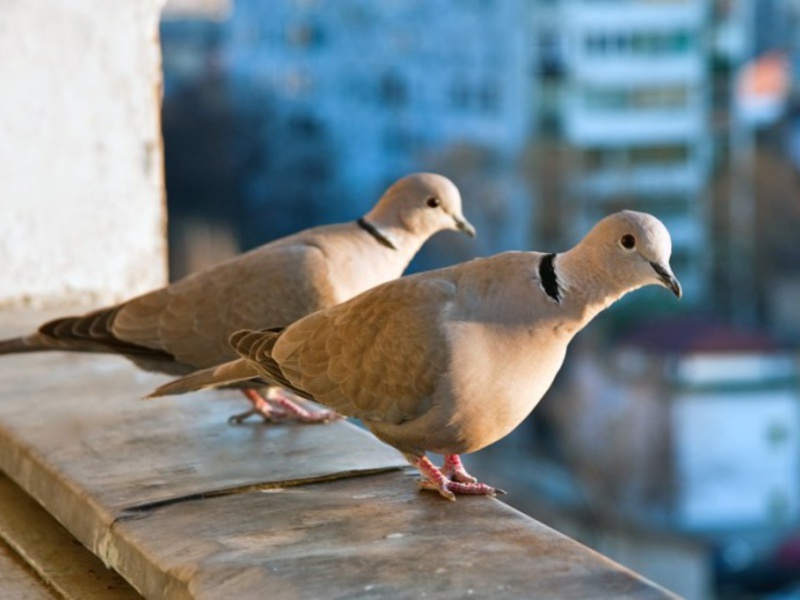
It is found in the forest-steppe regions of the Trans-Urals up to 120 different species of birdsThe most common are the raven, hooded crow, rook, starling, lark, thrush, and many others. Photos and names of the birds are provided.
Steppe Birds of the Urals: Photos and Names
 Small flocks of gray partridges, ranging from 5 to 15 individuals, are found in the steppe and forest-steppe zones. They are of great importance to agriculture, as they successfully control the dangerous pest Colorado potato beetle. In a single day, a single partridge can consume up to several dozen insects (approximately 30 g). The steppe zone is home to a huge diversity of birds—up to 50-60 species.
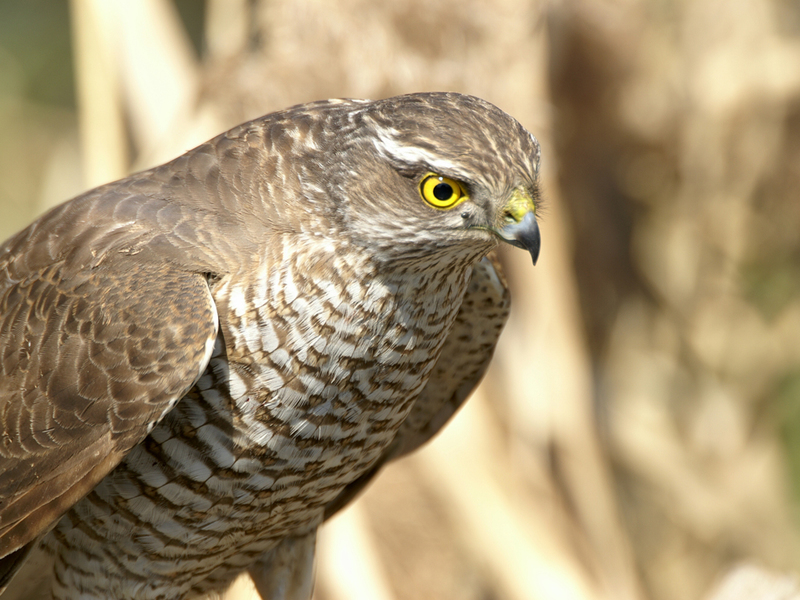
Among them are presented large diurnal predators:
- gyrfalcon, golden eagle
- imperial eagle
- peregrine falcon
Some birds are quite rare and are listed in the Red Book. The imperial eagle is one such species. It hunts primarily small rodents. It can often be seen perched on burial mounds, which are scattered throughout the steppes, giving the bird its name.
White-tailed eagles are settling in the area of the Pechora and Vychegda riversThese are large birds with a wingspan of 2.5 meters. A married pair's hunting territory covers 300 square kilometers, and they feed on fish and the remains of other predators. They build nests in tall trees growing near rivers. The female lays 2-3 eggs, which she incubates for approximately 40 days.
 The steppe zone is home to species of birds that do not fly, but primarily run or walk on the ground. The largest individuals are the great bustard, weighing up to 16 kg. While their numbers reached hundreds of thousands at the beginning of the 20th century, the development of virgin lands led to their near extinction. Currently, a small number of them remain in the steppe regions of the southern Urals.
It resembles a bustard in its appearance the closest relative is the little bustardIt is significantly smaller in size, reaching up to 50 cm in length and weighing approximately 1 kg. The bird inhabits open areas far from humans. Its diet consists of plant matter and insects.
Waterfowl
The valleys of the Ural, Ob, Tobol and other rivers are home to many species of waterfowl:
- greylag goose
- red-headed pochard
- mallard
- gray duck and other species
The Southern Urals are home to one of the largest populations of greylag geese in Russia. This is a fairly large bird, reaching 1 meter in length and 5 kg in weightIt has gray-brown plumage with black and white stripes, and a pink beak and feet. Its loud calls are very similar to those of the domestic goose.
The greylag goose arrives to nest in early spring, settling in inaccessible, marshy areas (lakes, river deltas). Its diet consists of plant matter: aquatic plant shoots, winter crop shoots, corn, wheat, and oats.
Birds nest in small flocks or pairs on hummocks or reed beds after the snow melts. The female usually incubates the eggs, while the male stays nearby. The chicks hatch by the end of May. Geese form permanent pairs throughout life.
The water bodies in the taiga regions of the Cis-Urals attract more than 30 species of ducks, including the red-necked grebe, ruddy shelduck, common teal, mallard, gadwall, and others. These birds inhabit overgrown lakes, marshes, and river channels. They nest primarily on the ground, sometimes in tree cavities or burrows.
The red-necked grebe is a small bird with reddish plumage and a yellow crest. It appears in its nesting areas in river backwaters or stagnant bodies of water in the Pechora and Shchuger river basins only in May. It builds nests of mud and plants in the water or on the shore. Both parents incubate the clutch, which lasts up to 25 days.
Swans, which nest on lakes and other bodies of water, always attract attention. Two species migrate to the region: the whooper swan and the mute swan.
The swan is one of the largest birds, with a wingspan of up to 220-250 cm. All of the bird's plumage is white except for the yellow-black beak and black legs.
Swans emerge in March-April, and usually only one pair lives in the nesting area, driving away other competitors. The female nests in a large nest. lays up to 5-7 eggsThe male bravely guards his mate during incubation and the birth of the young. In October, with the onset of frost, the birds fly away for the winter. Their numbers have currently declined significantly due to predation.