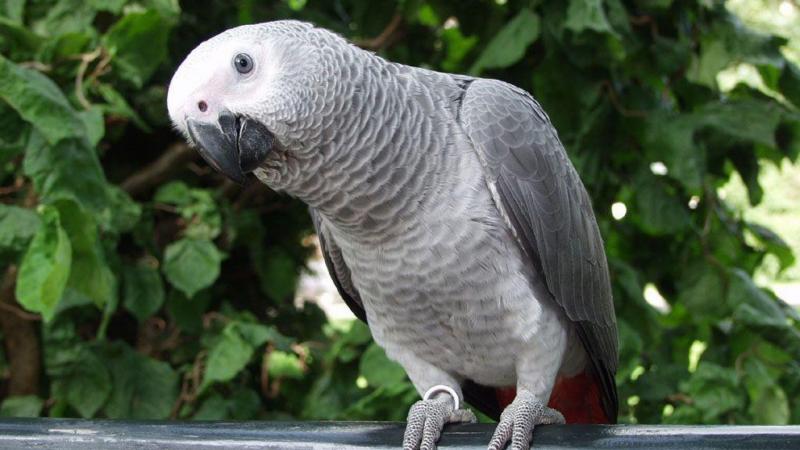
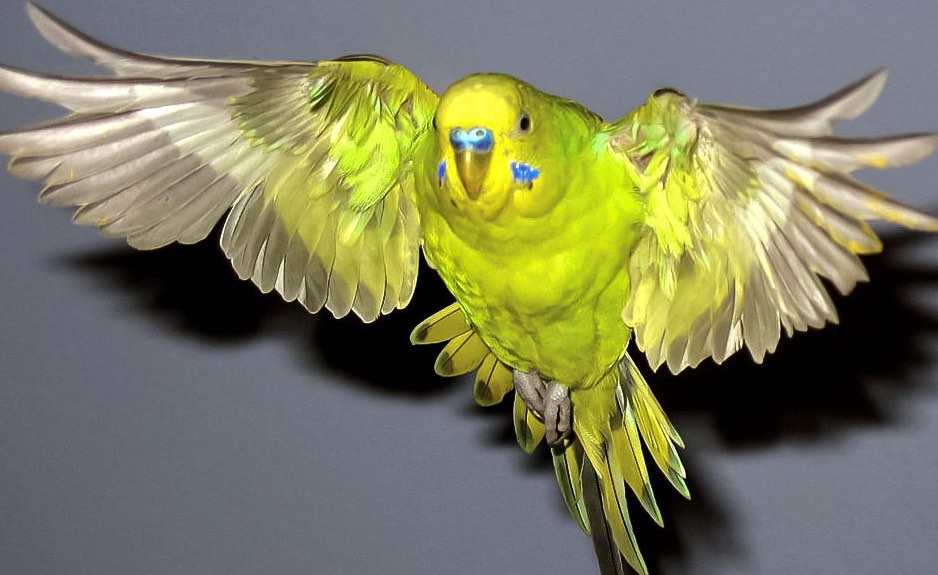
Kakariki (also known as New Zealand parrots or jumping parrots) are small, brightly colored birds known for their lively nature. Their plumage is vibrant and colorful, featuring green, blue, yellow, orange, and red. They also often have a brightly colored cap on their head. These birds can be very sociable and enjoy the attention of their owners. Despite their small size, they are intelligent and easily trained.
Kakarikis can make excellent pets for those willing to devote time, attention, and care to them. Let's look at how to care for them at home.
Content
Characteristics of the Kakariki breed
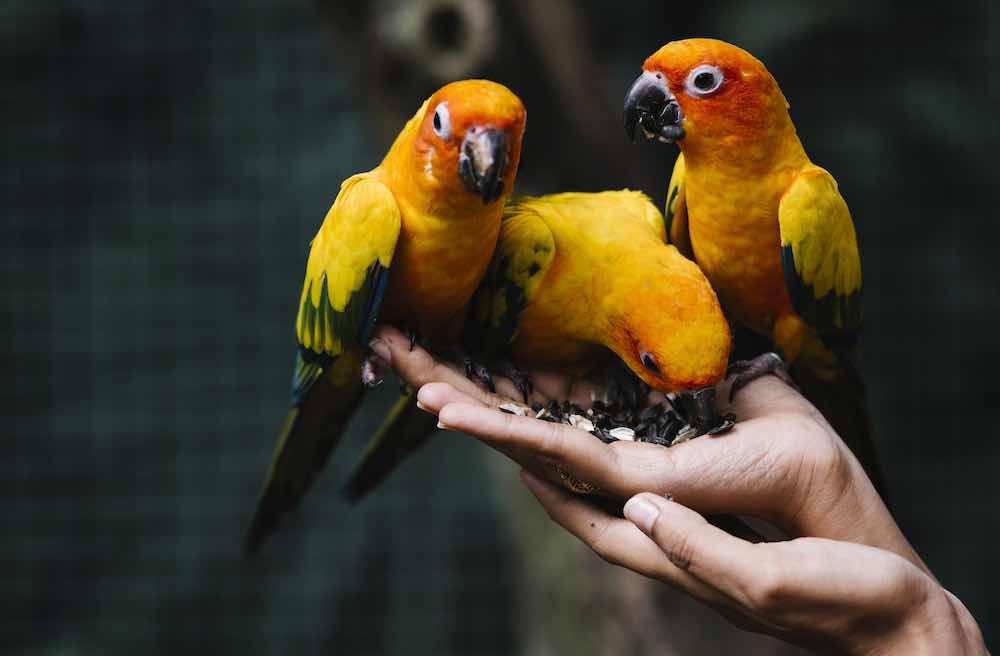
Kakariki parrots are small birds from the parrot family that have several characteristic features:
- Size. Kakariki are relatively small parrots, typically reaching around 20 cm in length.
- Coloring. One of the kakariki's most distinctive features is their vibrant coloration. They typically have bright green plumage with various shades of blue and yellow on the chest, head, and wings.
- TailKakariki have a long, pointed tail, which they use for balance while flying.
- VoiceThese birds are known for their loud and varied songs. They can produce a wide range of sounds, including whistles, chirps, and imitations of other sounds.
- IntelligenceKakarikis are highly intelligent and quick-witted. They can quickly learn various tricks and commands, as well as imitate voices and sounds from their surroundings.
- SociabilityThese parrots are sociable and social creatures. They often form strong bonds with people and other birds, and they require ample time outside their cage for interaction and physical activity.
- CareKakarikis are very active and lively birds, so they require a fair amount of care and attention from their owners. They require regular exercise and play to maintain their physical and mental health.
Read also about keeping canaries
Kakariki - maintenance features
To ensure the health and well-being of your kakariki in your home, there are several key aspects to consider.
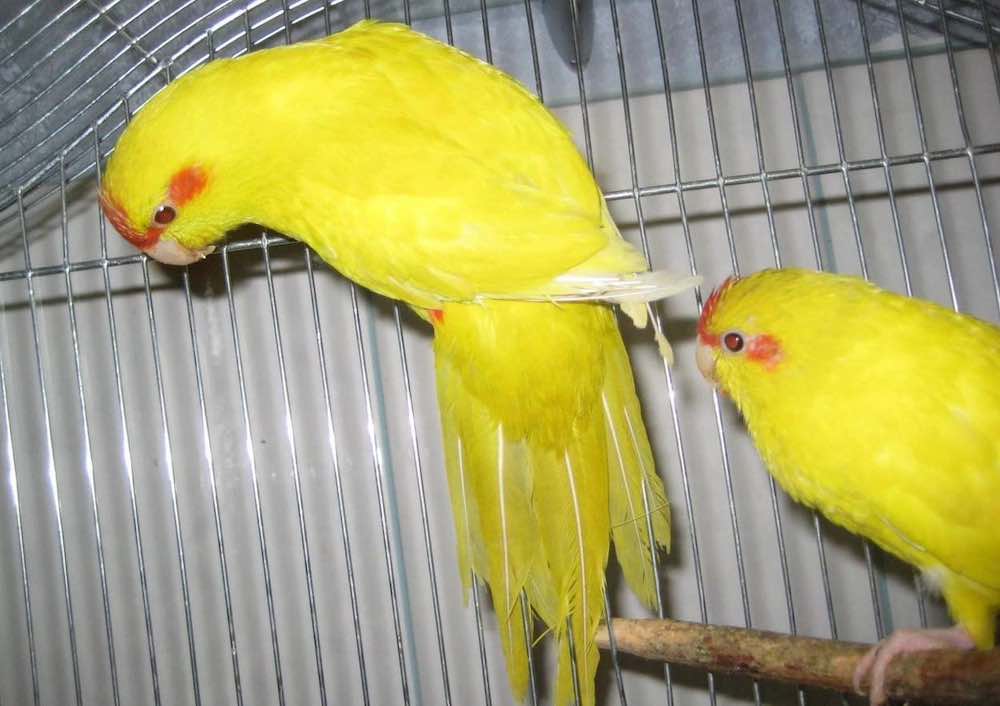
Here are some things to consider when caring for kakariki:
- Kakariki require a spacious cage or enclosure., where they can move freely and fly. Birds need enough space for physical activity and exercise.
- NutritionCockatiels' diets should include a mixture of prepared parrot food, fresh fruits, vegetables, greens, seeds, berries, and nuts. It's important to provide the birds with a varied and balanced diet.
- Water. Kakarikis should always have access to fresh, clean water. Place a drinking bowl in the cage and change the water regularly.
- Purity. Remove debris from your cockatiel's cage daily, and clean the water bottle and sand tray. Perform a thorough cleaning and disinfection of the cage once a month.
- Plumage care. Provide your cockatiels with access to a sand bath for preening their feathers. Help them maintain their plumage by providing them with opportunities for natural grooming.
- Toys and entertainmentProvide your birds with a variety of toys, chewing twigs, swings, ladders, and other entertainment items. This will help keep them active and mentally healthy.
- Socialization. Kakarikis are sociable birds and thrive on contact with other birds and their owners. Give them time and attention, play with them, interact with them, and teach them new tricks.
- Veterinary careTake your cockatiels to the veterinarian for regular checkups. It's important to monitor their health and prevent illness.
By caring for your kakariki with love and attention, you will ensure they have a long and happy life in your home.
Remember that every bird is unique, so it's important to observe them, adapt to their needs, and enjoy the interaction.
Parrot care
Caring for kakariki parrots includes a number of measures aimed at providing the birds with comfortable living conditions.
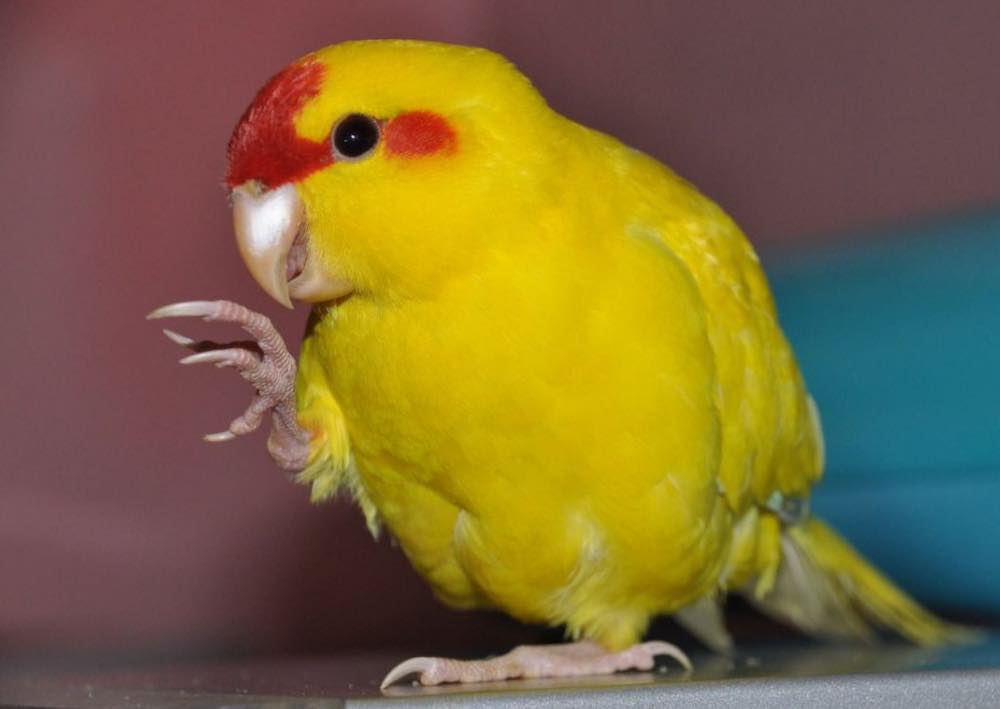
- Cell: It's important to provide the birds with a cage that's spacious enough to allow them to move freely and develop their muscles. The cage should be equipped with live branches for snacking, toys for entertainment, and a drinking bowl with clean water.
- Nutrition: Kakariki parrots require a varied and balanced diet. They can be fed a mixture of various seeds, fruits, and vegetables. It's also important to ensure they have access to calcium and vitamins.
- Hygiene: Clean your parrot's cage regularly and replace the bedding. Also, keep the water bottle and feeders clean. Birds can be bathed using specially designed water containers.
- Health: Regularly monitor your birds' behavior and appearance. If signs of illness appear, consult a veterinarian for professional advice and treatment.
- Communication: Kakariki parrots are sociable birds and need human contact. Spend time with them, interact with them, play with them, and teach them new commands.
By following these guidelines, you can ensure that your kakariki parrots are well cared for and cared for responsibly.
Read also about a cage for a budgie
Diseases of the New Zealand parrot
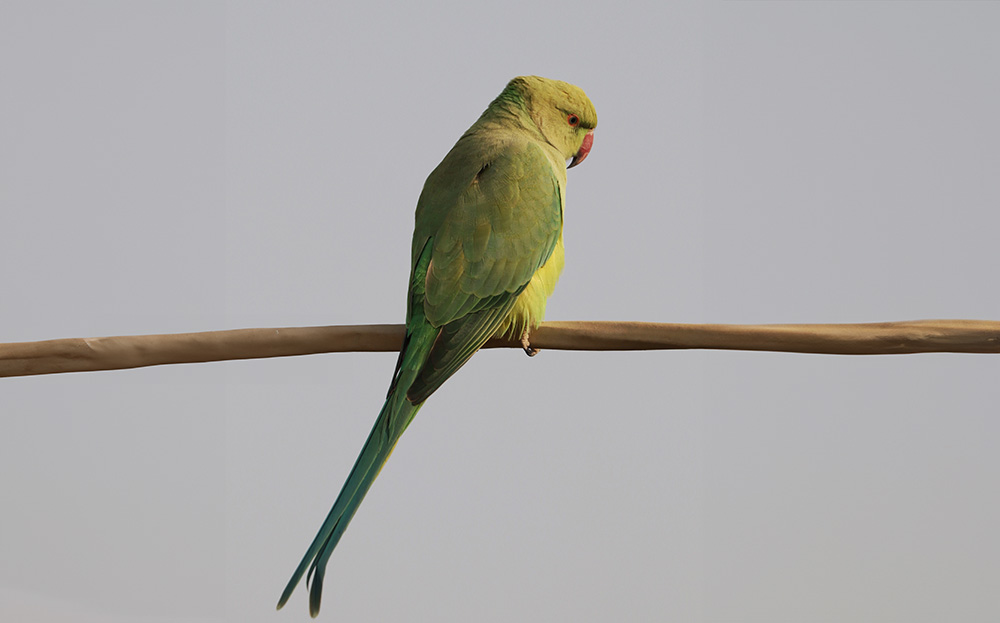
New Zealand parrots are very lively birds. However, when ill, they often become lethargic and inactive, may have a poor appetite, and may have difficulty breathing. Other signs include a dull gaze and ruffled feathers. Sick kakarikis often bow their heads or tuck their wings. Any of these symptoms is cause for concern.
Main diseases:
- PneumoniaBirds, including cockatiels, can develop pneumonia, often caused by a bacterial or viral infection. Symptoms include coughing, shortness of breath, digestive upset, and changes in activity. If pneumonia is suspected in a bird, consult a veterinarian.
- AvitaminosisKakarikis can suffer from vitamin deficiencies, especially if their diet lacks nutrients. Symptoms may include lethargy, weight loss, and digestive issues. It's important to provide your bird with a balanced diet and consult a veterinarian promptly if necessary.
- ParasitesLike other birds, kakarikis can become infected with parasites, such as mites and internal parasites. Symptoms include itching, feather loss, weakness, and behavioral changes. Treatment for parasites should be performed by a veterinarian.
- Skin infections. Kakariki can develop skin infections caused by bacteria, fungi, or viruses. Symptoms include itching, skin inflammation, hair loss, and behavioral changes. Consult a veterinarian for diagnosis and treatment.
- Respiratory diseasesKakarikis can suffer from respiratory conditions such as asthma or bronchitis. Symptoms include coughing, shortness of breath, and loss of appetite. Treatment of these conditions requires veterinary intervention.
To prevent illness, provide your cockatiel with a balanced diet, clean water, good living conditions, and regular veterinary visits for preventative checkups. If any signs of illness or changes in behavior appear, it's important to consult a veterinarian immediately.
What to feed a parrot at home
Kakariki's diet must be balanced to provide them with all the necessary nutrients.
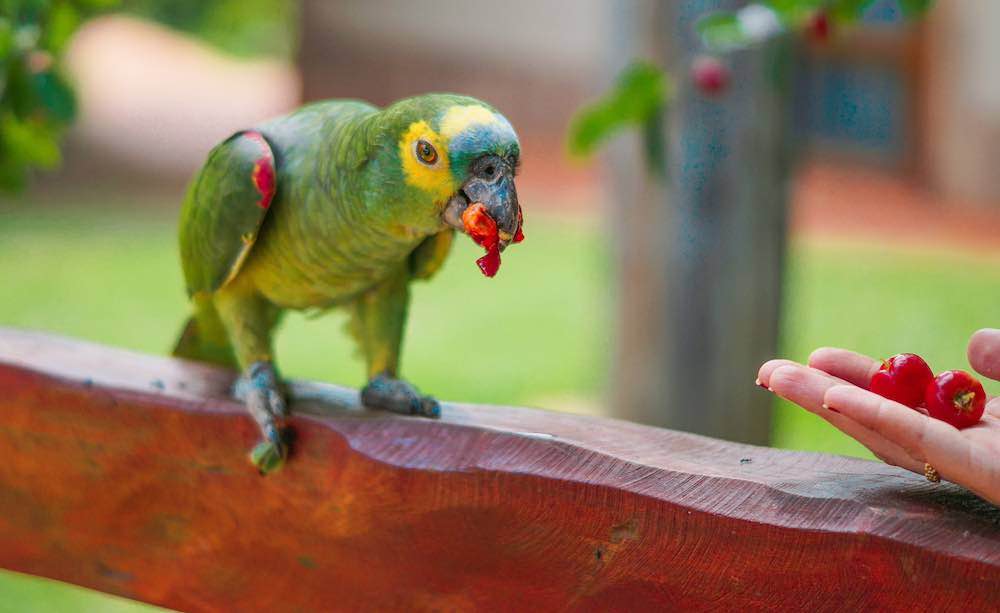
Here are the main types of food for kakariki:
- Specialized compound feed. Buy special food for cockatiels at a pet store. It contains essential vitamins, minerals, and nutrients.
- Fresh fruits and vegetables. Offer your kakariki a variety of fresh fruits and vegetables, such as apples, pears, carrots, cucumbers, etc.
- Seeds and grains. Kakariki love seeds and grains such as sunflower, sesame, flax, etc. Provide them with access to a seed mix.
- Eggshells and bone meal. Add eggshells or bone meal to your kakariki's diet to provide them with calcium.
- Drinking water. It is important to provide kakariki with clean, fresh water to drink.
Supplemental vitamins and minerals. Depending on your cockatiel's needs, supplemental vitamins and minerals may be necessary. Consult your veterinarian.
It's important to provide a varied diet and ensure your kakariki receives all the necessary nutrients. It's also recommended to consult a veterinarian about the optimal diet for your birds.
Tips and nuances
Kakariki parrots can be great companions and friends.
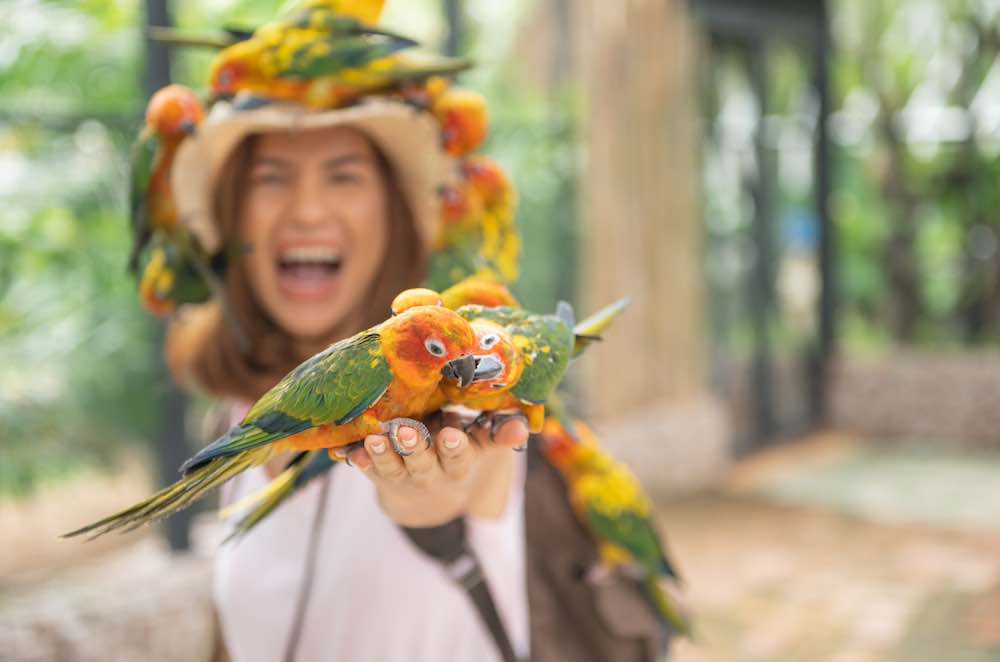
Here are some useful tips and nuances regarding their content:
- Choose a spacious and comfortable bird cageIt should be large enough for the birds to move around freely and be equipped with living branches, toys, a drinking bowl with clean water, and feeders.
- The diet of cockatiels should be balanced and varied.They can be offered a mixture of various seeds, fruits, vegetables, greens, and special vitamin supplements. Be sure to provide access to fresh water.
- Clean the cage regularly from dirt and waste. Change the bedding, clean the waterer and feeders. Also, don't forget to provide the birds with opportunities to bathe in water to keep their feathers clean.
- Kakariki parrots are easily trained to obey various commands. Try to devote time to them every day.
- Birds need human interaction and attention.Spend time with them, talk, play, and be involved in their lives. Kakariki parrots love interaction and attention from their owners.
Remember that each bird is unique and may have its own individual characteristics.
Monitor the behavior and health of your cockatiels, love and care for them, and they will reciprocate with devotion and love.
Read also, How to stop a parrot from biting