The African Grey parrot is a rather unremarkable bird, unlike other members of its species. But as if to compensate for its dull coloring, nature has endowed it with incredible intelligence, comparable to that of a three-year-old child, and a phenomenal ability to reproduce various sounds and intonations.
Content
What does a grey parrot look like?
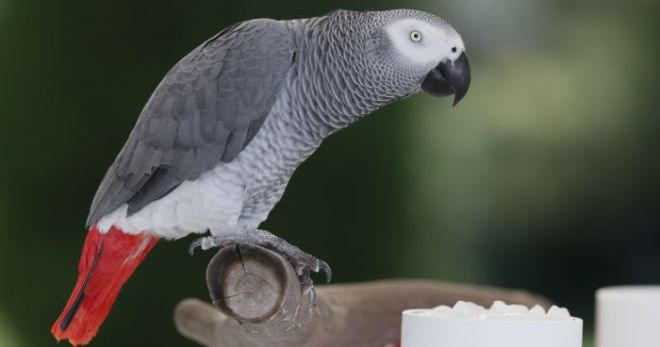
The African grey parrot is one of the largest parrots kept as pets.
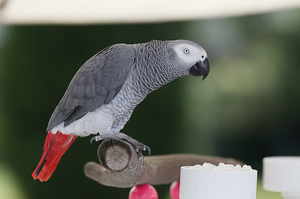
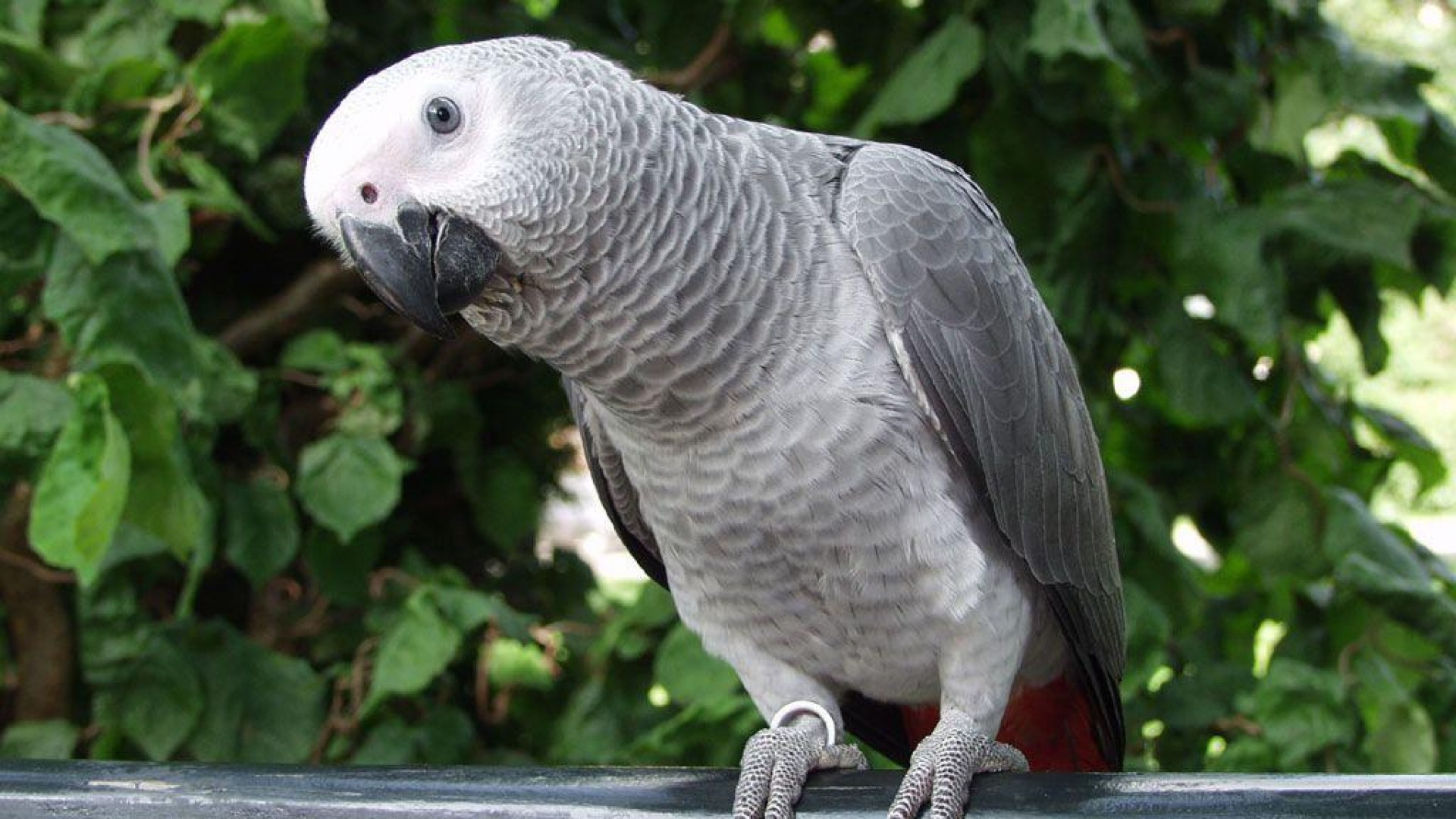
Grey parrots are quite large in size: the length of an adult can reach 35 cm, the wingspan is 65 cm, and the tail length is about 8. The plumage has a noble gray hue with a velvety texture, highlighted by the purple-red tail. The yellow irises of the bird's curious eyes and the hooked black bill stand out especially against this background.
The varieties of these parrots are the grey parrot and the king parrot.
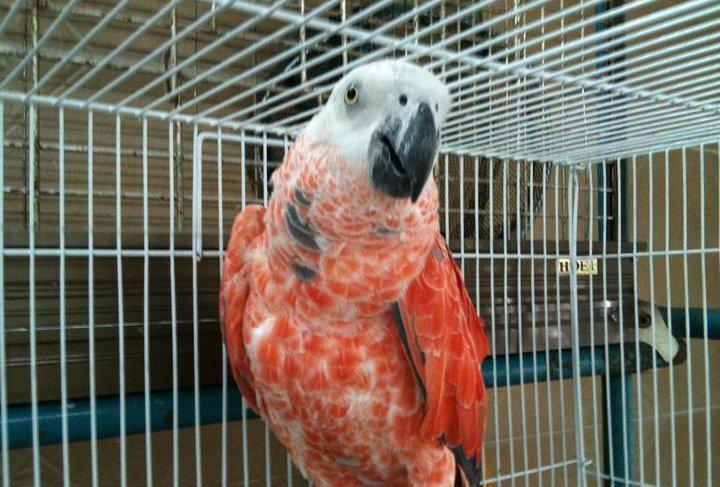
The Royal Grey is the rarest variety of this parrot.
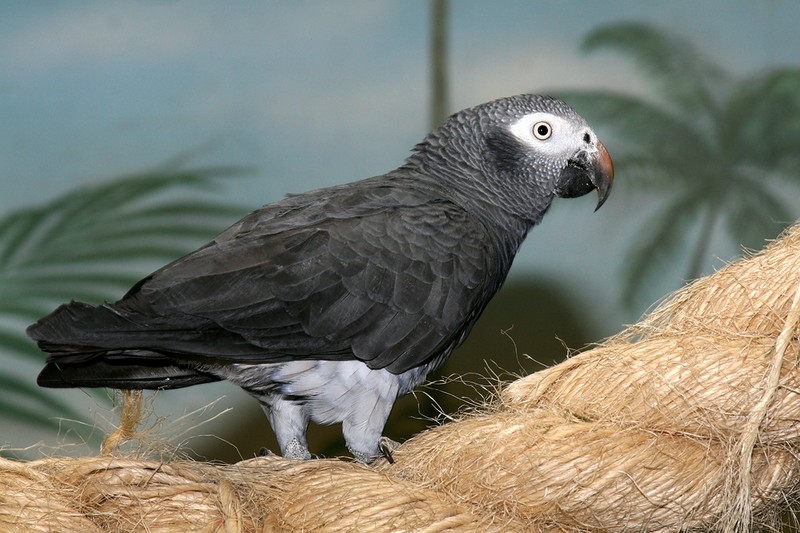
The brown-tailed grey differs from the common grey not only in color, but also in its smaller size.
How to choose the right one
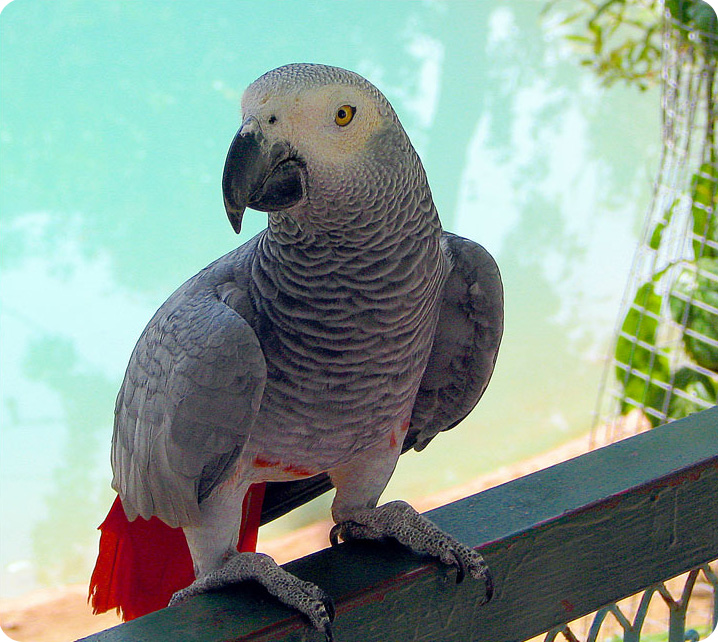
When choosing a parrot, it is important to ensure that there are no fat deposits on the body in the chest area (checked by careful palpation)
It is best to purchase grey parrots from pet stores or specialized nurseries, where the buyer will be able to provide all the necessary documents.
It is strongly recommended not to use the services of private sellers: for a very tempting price, you can become the owner of an old, wild, and sick bird that will be impossible to tame.
Grey African grey chicks raised in hatcheries are especially kind, affectionate, and friendly. They become true friends and favorites of all family members. They adapt to new conditions with extreme ease and speed, and young birds begin to talk before they are five months old.
There are some important details you should definitely pay attention to before purchasing a healthy young parrot:
- active and cheerful behavior of the bird;
- integrity and natural cleanliness of feathers;
- absence of any remaining droppings or dirt in the area around the cloaca;
- no deposits in the nostrils;
- clear eyes of a dark gray shade (in birds older than a year, the iris begins to gradually lighten), a “lively” look;
- smooth scales on the paws;
- smooth beak.
Pros and cons
The main advantages of the grey parrot are considered to be:
- extraordinary intelligence and quick wit, allowing you to play with the bird, solve puzzles and riddles;
- a cheerful disposition and a perky mood that can instantly dispel boredom;
- the ability to perform funny acrobatic tricks;
- excellent learning ability, with the right approach the bird not only learns to reproduce speech and various sounds, but also does it on topic, causing incredible delight in the listeners;
- manifestation of feelings of affection and love for the owners;
- the noble beauty of the plumage, which calms and adds zest to the interior of the room where the bird is located.
There are also disadvantages:
- abundance of debris (feathers, fluff, food particles, droppings);
- damage to various objects with a powerful beak;
- the possibility of accidental injury to a person;
- rather complex character and aggressive response to the owner’s discontent and aggression;
- considerable financial costs (cage, toys, food, visits to the vet).
Care and maintenance
What to feed
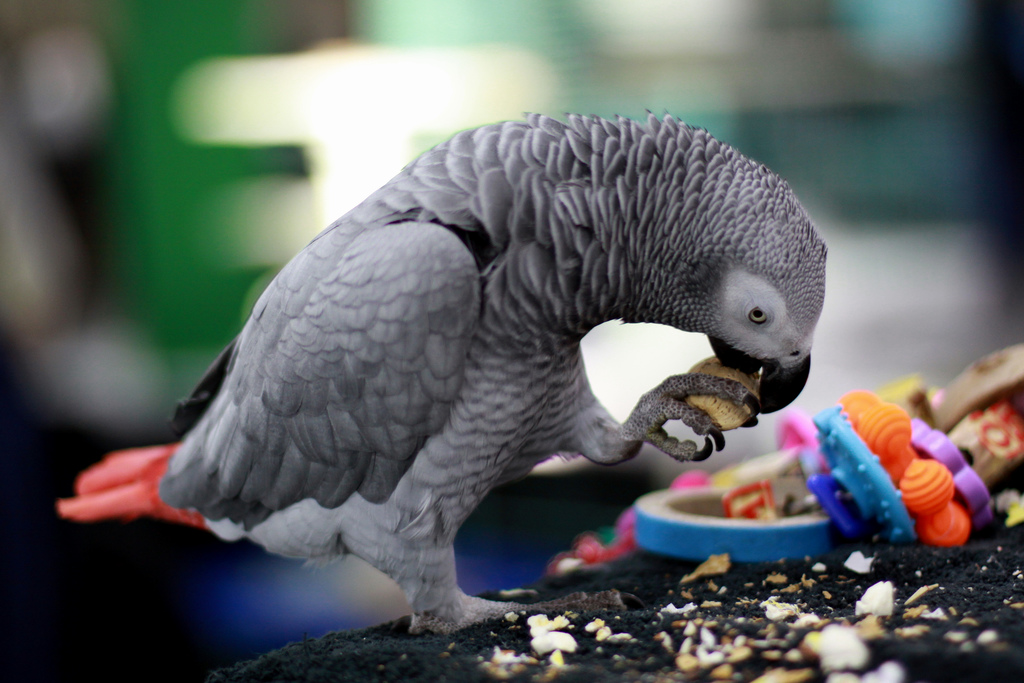
The parrot is able to peel nuts on its own
To keep your parrot healthy, happy and talkative, its diet should be nutritious and balanced. It must include:
- Almost all fruits and berries, vegetables (except avocado). These must be thoroughly washed and pitted, as well as grains and cereals. Dry grains should not be fed. They should be soaked first, allowed to swell, or even better, allowed to sprout slightly. This is easy to do: rinse the grains, cover with water, and leave in a warm place for 24 hours to swell. After this, rinse again, transfer to a flat container, cover with a lid to prevent moisture from evaporating, and leave for another 24 hours, after which the grains will sprout. Porridge is prepared the same way as for humans: the grains are rinsed and cooked in water without salt, sugar, or other additives until tender. Legumes (including lentils) are served in the same way.
- nuts (no more than 3-6 kernels depending on size, as they are very fatty).
It is very important that all products are of high quality, fresh and without any additives.
As for ready-made store-bought food, experts advise treating it with extreme caution: if a parrot is accustomed to natural food, the bird's body may not accept the artificial additives of imported (usually) food, reacting to the unfamiliar food with an upset stomach.
The parrot should have free access to filtered water or water that has been left to stand for 24 hours at room temperature, which should be changed daily.
Hygiene and bathing
An important hygiene procedure is cleaning the cage.This should be done at least once a week. During cleaning, absolutely everything should be washed: feeders, water dishes, toys, perches, and the entire cage. Chemical or toxic cleaning agents should never be used for this purpose.
To maintain the ideal condition of the skin and feathers, the bird needs to be bathed.It can be carried out in various ways:
- Place a container with warm water (bath, bowl) into which you can throw pieces of nuts or toys to interest the parrot.
- Spray the bird in its cage with warm water from a spray bottle. Giving it a treat after each spray will help train it to accept this method.
- A shower in the bathroom, bathing under warm streams of which occurs according to the spray pattern from a spray bottle.
- Place wet lettuce leaves in the cage, secured to the cage. Grey parrots often "take a bath" by rubbing themselves against them.
It's important to remember that forcing a bird to bathe is absolutely unacceptable. If the parrot resists, it's best to postpone the procedure for a while.
Diseases and treatment
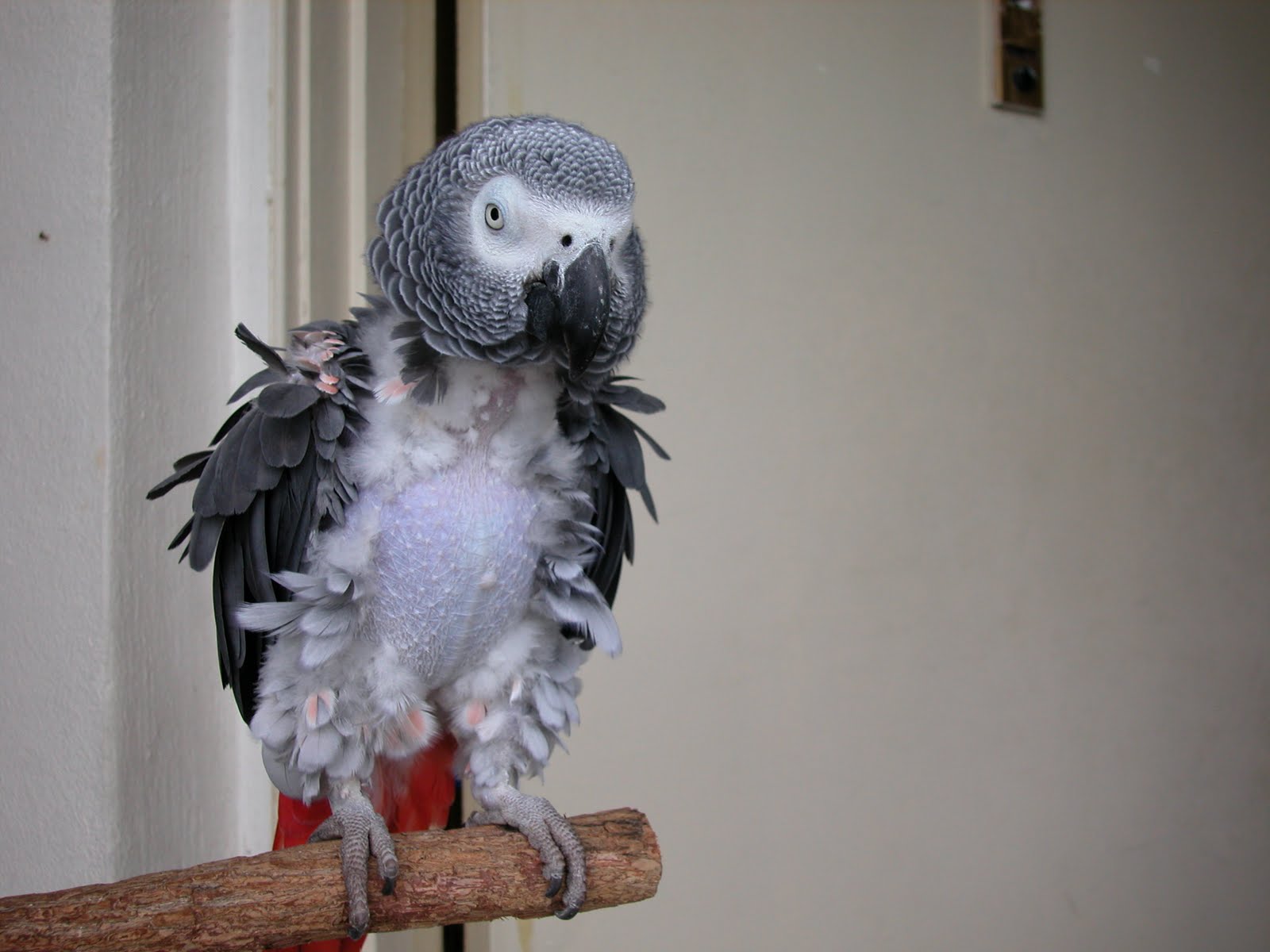
Feather plucking is one of the most common ailments that birds suffer from.
- Self-plucking of feathers. This is a complex disease that can be caused by improper housing conditions, nutrition, parasites, and psychological trauma. It can only be cured by identifying the underlying cause. To do this, consult an experienced ornithologist and only then a veterinarian, who will prescribe the necessary medications.
- Digestive system diseases and poisoningThese are caused by improper feeding or eating poor-quality, toxic, or inappropriate food. This is especially common when a parrot is allowed to roam freely around a room without supervision. The main symptom of digestive upset is runny, foamy droppings with discoloration. Poisoning can also be accompanied by vomiting, intense thirst, loss of coordination, tremors, seizures, and coma. The appearance of any of these symptoms requires immediate veterinary consultation. Treatment most often involves antibiotics, astringents, and disinfectants, as well as a strict diet and plenty of fluids (chamomile tea, pomegranate peel infusion).
- ParasitesThey can be feather, skin, or internal. Their presence in a bird can be determined by the following symptoms: exhaustion, lethargy, sometimes excessive appetite, loose, watery droppings, and ruffled and faded plumage. Only a veterinarian can make an accurate diagnosis. Treatment involves eliminating the parasites by treating their habitats with special medications prescribed by a veterinarian, as well as disinfecting the cage and the bird's personal belongings.
- Defects in the structure of the beak. If the bird is not fed properly, unsightly growths and cracks in the beak can develop. This often occurs if the bird's diet consists solely of soft food. To prevent beak enlargement, be sure to place a "bird rock" and tree branches (birch, apple, linden, rowan, or maple) in the cage so the parrot can sharpen its beak. If the beak has become excessively overgrown, it can be trimmed, but this procedure is quite dangerous for the bird, so it's best to entrust this to an experienced veterinarian.
Many owners are concerned about their African Grey parrot's beak periodically clicking (squeaking). These sounds typically occur after feeding. Ornithologists claim that this sound is purely a sign of the bird's happiness and well-being, indicating that it is being well cared for.
Vaccination
For grey parrots, as for other bird species, there are special vaccinations. Typically, these procedures are performed on chicks while they're still in the breeding colony, providing future owners with all the necessary information about the procedures performed. This not only allows for the acquisition of healthy birds but also minimizes the costs of disease prevention measures.
Some vaccinations will need to be repeated after a certain period of time, but this is still much easier than starting preventative measures (and especially treatment) all over again. For complete information on vaccination schedules for your specific parrot, consult your veterinarian.
Choosing a cage and accessories for your parrot
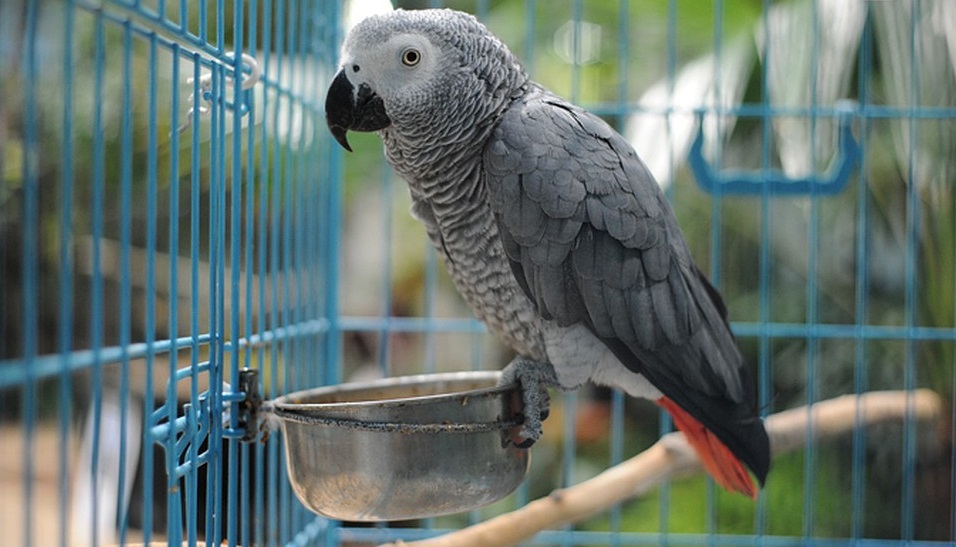
All parrot accessories must be washed regularly.
A properly selected cage, in which the bird will spend most of its time, will help ensure maximum comfort for your parrot at home. When choosing a cage, you should focus on the following parameters:
- Size. The minimum acceptable living space dimensions are considered to be 65 x 45 x 80 cm. However, if possible, it's worth purchasing a cage larger (one and a half to twice the size), especially if the bird will be sharing the space with others. It's also important to ensure your African Grey parrot has access to daily "walks" outside its enclosure.
- Strength. With their high intelligence and powerful beak, African Grey parrots can easily escape their cages at inappropriate times, chewing through the bars and opening simple doors. Therefore, it's important to select cages with bars at least 2–3 mm in diameter and to equip them with additional locks.
- Protection from debrisThis can be done using various panels made of plexiglass or plastic, which will act as a barrier to debris flying in all directions.
In addition, the cage must contain:
- feeders and a water bowl (preferably several, for different types of food), which must be securely fixed so that the bird cannot tip them over;
- special swing;
- various toys (educational, musical, for paws and beak);
- perches, sticks and twigs.
The cage can be purchased at a specialty store or made yourself using durable galvanized mesh, which must be thoroughly cleaned, as well as a piece of plywood of the required size and pallet slats.
The African Grey parrot dislikes change, so moving its "home" from one location to another is highly discouraged. It's best to immediately place the cage in an area with diffused light (away from a window) and away from drafts.
Breeding
In captivity, grey parrots reach sexual maturity at the age of three, but only if the male and female live together. That's why, for breeding purposes, it's recommended to acquire a pair of parrots right away, as they will eventually develop a liking for each other. Mating often occurs from late spring to mid-autumn.
How to determine gender
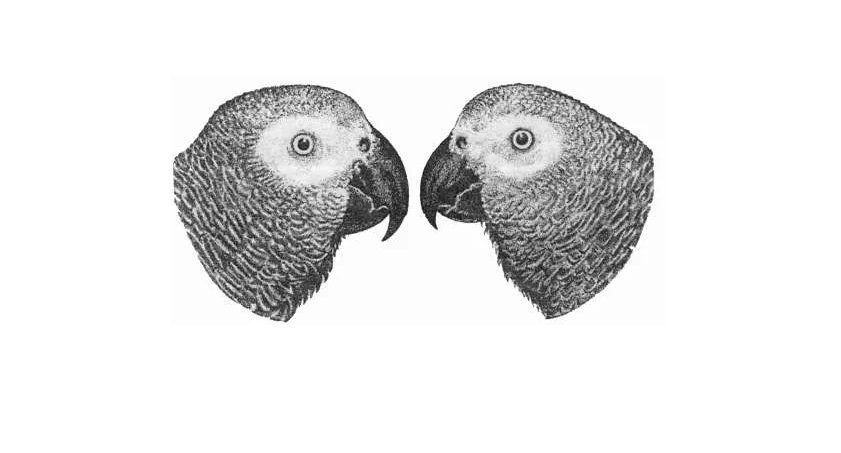
To accurately determine the sex of a parrot, it is better to consult a specialist.
Because the external differences between males and females are very subtle, determining sex is quite difficult. Visual characteristics are key:
- The male's head is broader than the female's, and the crown is slightly flattened. The hook of the massive bill is also larger. The bare area around the eyes is wider.
- Females have a narrower, rounder, and smaller skull. The pelvis is wider, noticeable by the greater distance between the tops of the femurs and legs. The feathers on the abdomen are generally lighter than those of the male.
Knitting
It's best to introduce parrots to each other in a neutral area, without introducing them to each other. An aviary is ideal for this purpose, where the male will perform a "mating dance" after exploring the area.
Pregnancy
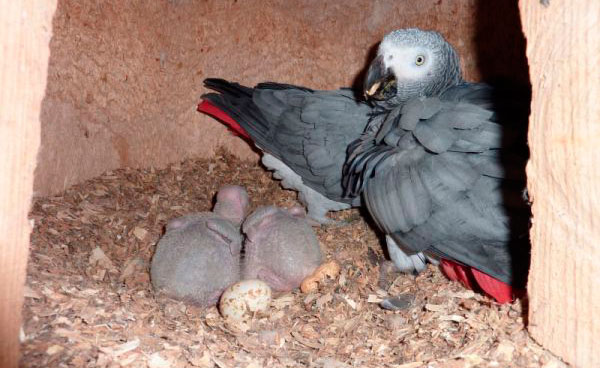
Female grey parrots are responsible and caring mothers.
After some time, the female lays a clutch of 3–5 eggs the size of pigeon eggs. This process can take up to a week, with intervals of several days between clutches. For laying and incubating eggs, a nesting box (at least 30x30x30 cm) must be installed in the cage.
The female sits on the eggs for about a month, practically never leaving the nest. During this entire period, the responsible and devoted "future father" carefully feeds and guards her, continuing to do so even after the chicks are born, as long as the female remains with them.
How to care for chicks
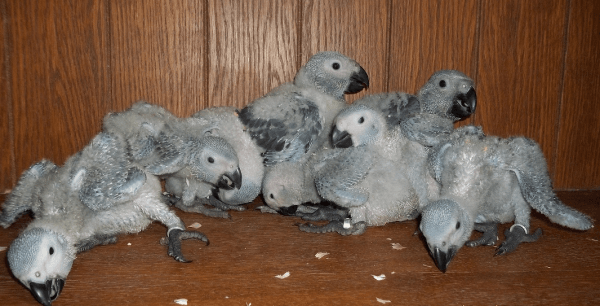
It is necessary to inspect the chicks daily: healthy birds look round, and their skin is well taut
The chicks are born with their eyes closed (they open only in the third week) and covered with grey fluff. The female remains in the nest for a month, caring for the chicks (feeding and keeping them warm) until they begin to fly out for food on their own. At three months of age, the chicks leave the nest but remain under their parents' care. During this time, feeders with soft food should be provided for the chicks at perch level.
If any of the chicks develop wrinkles, it is necessary to immediately either feed the baby or remove it from the nest and feed it artificially.
Chicks destined to be pets are also taken from the nest at the age of one and a half months and hand-fed, which allows them to establish contact with people and make them docile and sociable.
Training and playing with your pet
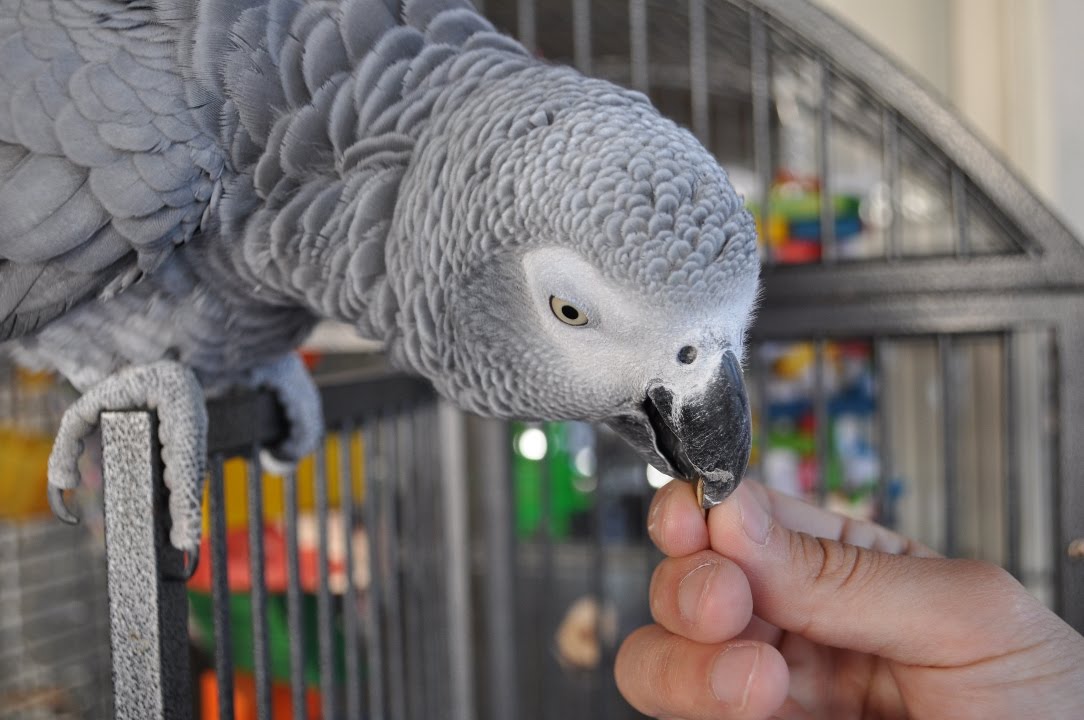
Sometimes it takes a long time to tame a grey parrot.
Owners of grey parrots raised in nurseries do not need to worry about how to tame them, since such birds are fully prepared for interaction with people.
Things are a bit different with savages, whose trust still needs to be earned. The following recommendations will help speed up and successfully organize this process:
- After acquiring a bird, you should minimize interaction, completely eliminate loud sounds and sudden movements, and only observe the pet's behavior and preferences from a distance.
- After a month, you can try offering the parrot its favorite treat through the bars of the cage, without putting your hand inside.
- The next step is to offer treats from your hand outside the cage. It's important to remember that the bird should approach you, not the other way around.
A sign that a parrot's fear of humans has completely disappeared and a bond has been established is when it climbs onto its owner's hand to accept a treat. This exciting moment can take a long time, and the main task is not to insist, but to wait patiently, providing the most comfortable living conditions and proper care for your pet.
Once you have established a friendly relationship with your African Grey parrot, you can confidently begin a variety of games together (tug of war, building pyramids, throwing a ball, football) and educational activities.
Teaching speech imitation requires following certain rules:
- You can start training when the bird is three months old;
- a prerequisite is the parrot's good mood and health;
- classes should not last longer than 15 minutes;
- You should start learning with short words and phrases, pronouncing them in a singsong voice with a certain intonation;
- Important words and expressions must be given an emotional coloring;
- words and phrases should be selected taking into account the content of the easiest to reproduce sounds (k, s, t, r, ch, sh).
On average, a grey parrot can remember and pronounce about a hundred words.
Life expectancy
Proper provision of necessary assistance in case of illnesses and possible injuries plays a significant role in the life expectancy of a parrot.
It depends on proper care and safety outside the cage.
In comfortable conditions, the average lifespan of a grey parrot is about 25 years. The maximum age of parrots of this species is about 50 years.
What to name a parrot
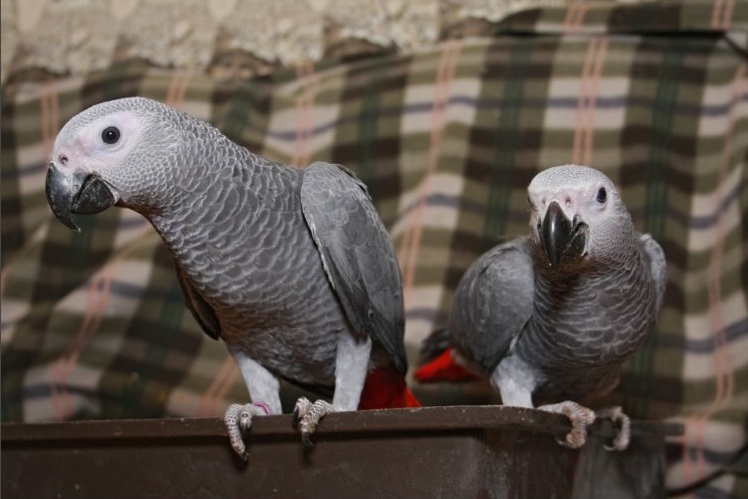
Choosing a name for your future pet should always be approached responsibly.
Names for boys
There are many nickname options for male parrots. You can use your imagination or choose from the following:
- Alex.
- Diamond
- Alf.
- Amur.
- Archik.
- Bert.
- Fight.
- Boss.
- Bruce.
- Zipper.
- Winnie.
- Gosha.
- Grandee.
- Danko.
- Dandy.
- Joe.
- Yerosha.
- Jacques.
- Zenith.
- Marshmallow.
- Jiri.
- Charles.
- Kane.
- Makar.
- Nick.
- Okar.
- Patrick.
- Roger.
- Typhoon.
- Felix.
- Charlie.
- Elon.
- Yasha.
Names for girls
When choosing a nickname for a girl, you can focus on her appearance and character, or use the list of suggested ones:
- Adele.
- Assol.
- Beauty.
- Venus.
- Vita
- Wally.
- Gressy.
- Jerry.
- Dune.
- Zheri.
- Zara.
- Inza.
- Kiwi.
- Knopa.
- Lada.
- Lika.
- Monica.
- Nancy.
- Ollie.
- Peak.
- Roni.
- Sandra.
- Ulli.
- Flory.
- Holly.
- Changa.
- Chucha.
- Sheri.
Owner reviews
The African Grey is a long-lived bird, so you'll have a loyal companion for life. African Greys can be mischievous and jealous, but they're also very affectionate and kind. And when they talk, hearing their voice will definitely put you in a good mood for the rest of the day. It's best to get them from a breeder, and to acquire them as chicks, as it can be difficult to retrain an adult bird and break its bad habits.
If you suddenly have the desire and opportunity to acquire a Grey Parrot, don't hesitate for a minute! This is a true feathered wonder that will delight you with its behavior and lift your spirits!
Grey parrots aren't fussy birds, and I don't spoil them, but I do adhere to strict feeding guidelines to prevent illness. I feed them nuts and seeds (preferably white ones, as they're lower in fat), fruit, and a small piece of cheese or cottage cheese to maintain calcium levels, but I never feed them food from my table.
I wish those who dare to buy a grey parrot to find a true friend in it.
The African Grey parrot is an incredibly intelligent bird that can become a great companion and companion, filling your home with joy and happiness. It's important to provide it with optimal living conditions, proper care, and affection, as well as regular exercise.