 Proper care and feeding of budgies is essential to maintaining their health. Proper care also means promptly responding to any signs of illness. How can you tell if your budgie is feeling unwell? It's quite challenging, especially for a beginner.
Content
What is the difference between healthy and sick parrots?
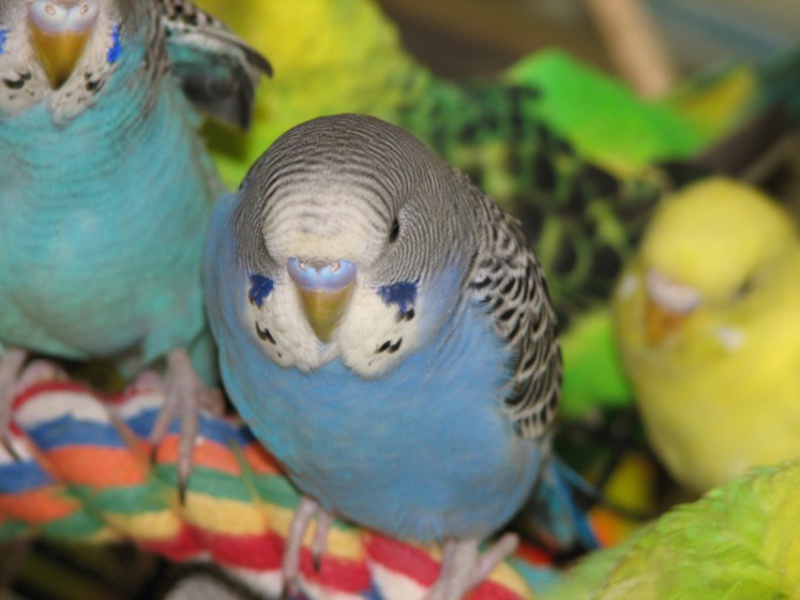
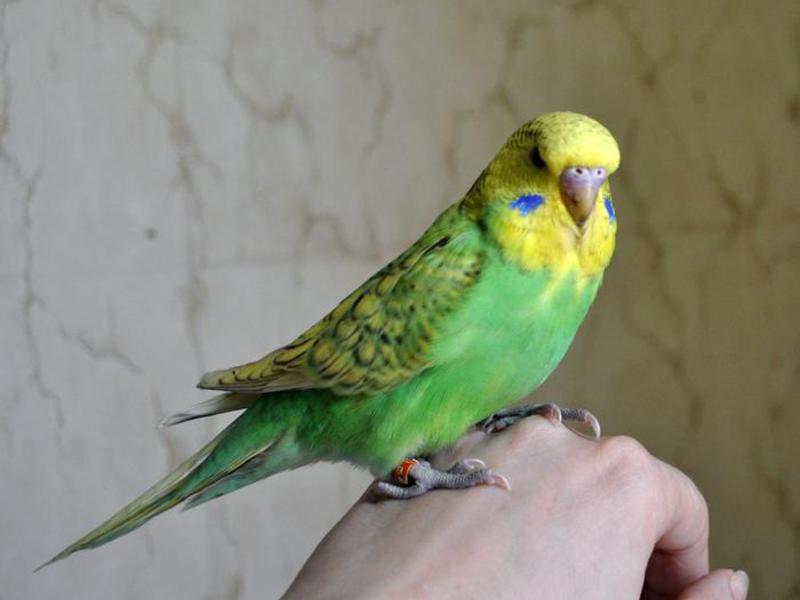
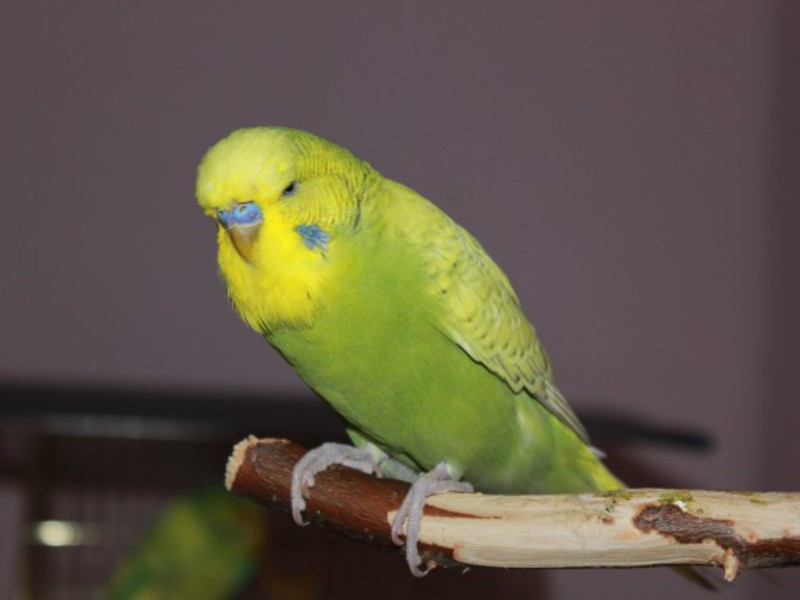
In a healthy budgie bright plumage, very shiny and beautifulTheir eyes are wide open, very expressive, and sparkle mischievously. They react cheerfully to their surroundings, playing and singing. They love to rest, standing on one leg. With love and proper care, a parrot can live up to 16 years or even longer. Unfortunately, this rarely happens. Even if owners neglect their bird's health, they often realize too late that something is wrong.
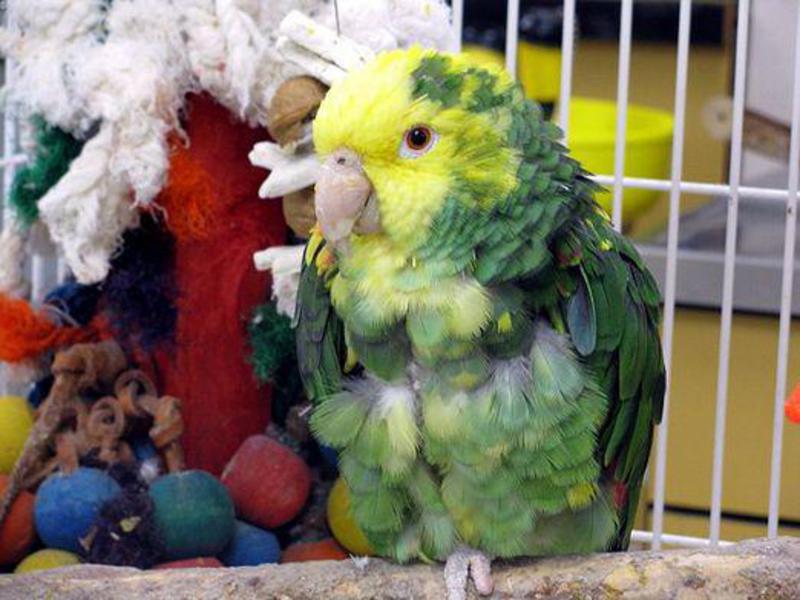
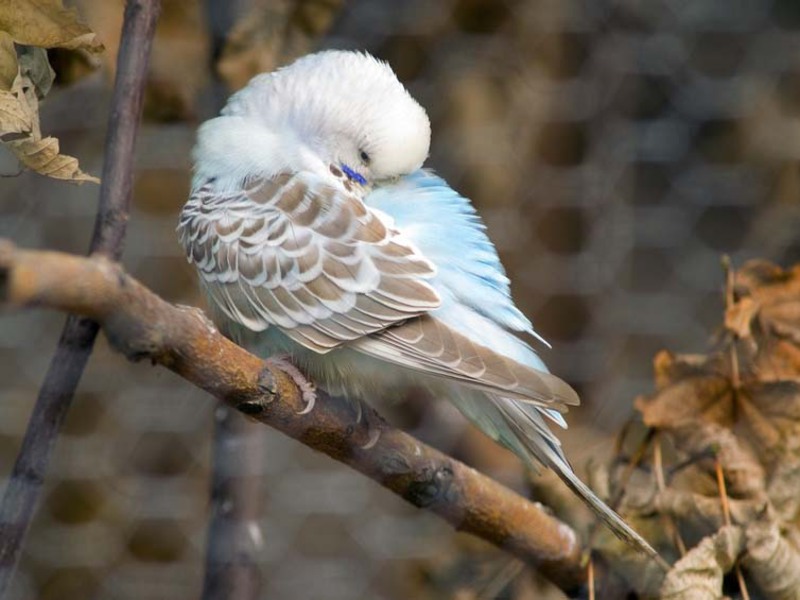
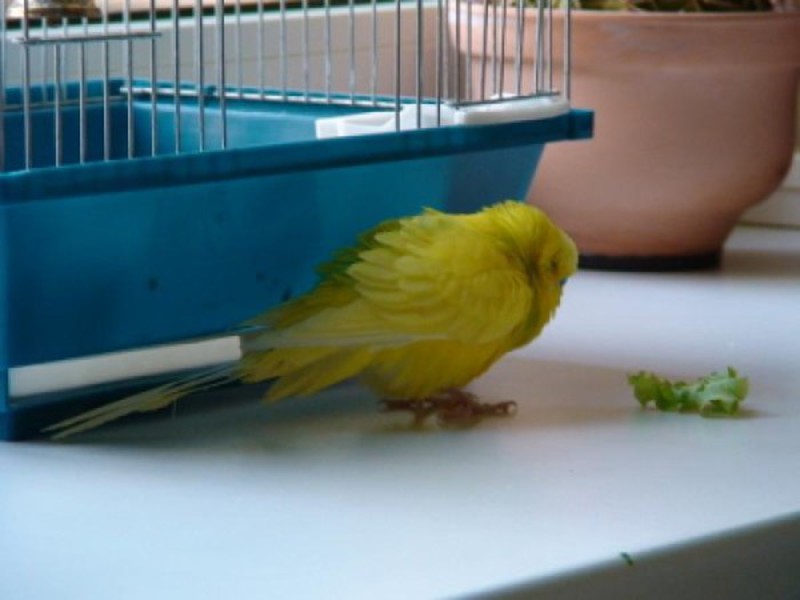
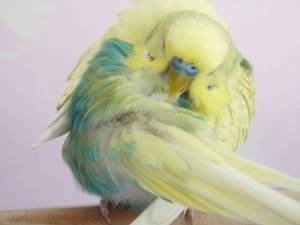
And this is easy to spot. Symptoms are visible within one day. A sick budgie shivers, constantly fluffs up its feathers, sleeps a lot, and mostly rests on a perch, sitting on two legs. It refuses to bathe or groom itself. There are other symptoms that can help you determine that something is wrong with your bird, but these are sufficient.
What else could mean that a parrot is sick?
We emphasize that appearance and behavior — the most important indicators of a parrot's health. The most common signs that your bird is ill include the following.
 The parrot spends most of its day sleeping. It doesn't even play or care for its plumage.
- Malnutrition is indicated by a protruding keel. If the parrot is severely malnourished, it should be allowed to eat and remain warm until the veterinarian arrives.
- Heavy breathing or snorting is also a cause for concern, although the bird may appear perfectly healthy.
- When a bird sits on a perch with its tail pointed perpendicularly, this is a symptom that should raise concern. It may indicate more serious lung problems.
- If a bird drinks a lot of water, this is also a bad symptom.
 The parrot spends most of its day sleeping. It doesn't even play or care for its plumage.
And these are just a few signs that indicate that your parrot is not in good health.
Typical diseases of budgerigars of various nature
Diseases caused by improper feeding and maintenance. One such disease is inflammation of the goiterThis disease is most likely to occur if birds are fed low-quality or easily fermented feed. It can also be caused by poisoning with toxic substances (such as poisonous plants), inhalation of toxic substances (such as dam and paint), contaminated drinking water, and many other causes.
The most typical symptoms of this disease are regurgitation of food from the crop sac. This symptom should not be confused with mating regurgitation. In parrots, this process is noticeably more difficult. Other typical symptoms include lethargy and refusal to eat, especially if the bird is hungry. An attentive owner will notice an enlarged crop. There are many other symptoms. Be careful! Crop inflammation is very serious. quickly leads to death Your feathered friend will be in danger if you don't take action promptly. Just as self-medication can be fatal. Only a specialist should treat your pet.
How to treat this disease?
 It's important to remember that budgies are quite delicate birds, and poor-quality food can have a negative impact on them. How does this factor affect parrots? A cyst appears in the crop. a number of harmful microorganisms, which cause many dangerous diseases. For this reason, it's essential to monitor the quality of feed as closely as possible and never allow mold or spoiled food to form.
Algorithm of necessary actions
- As soon as possible after you notice that your parrot is feeling unwell, take it to the veterinarian.
- The doctor will conduct an examination and identify the causative agent. This is crucial, as without a correct diagnosis, it is impossible to prescribe the appropriate treatment.
- In particularly severe cases, a veterinarian may prescribe a crop lavage to remove any remaining bad food or foreign objects.
- Following these manipulations, a special solution is injected into the crop. This solution is designed to help the bird overcome the disease permanently.
How to prevent this disease?
It's always easier to prevent a disease than to treat its symptoms. First of all, you should furnish your pet's cage in such a way that it small objects did not fall inThe second condition: carefully monitor the food you feed your parrot. Don't give it any spoiled fruit! This should be a priority!
Furthermore, the cage must always be clean. Always! The tray must be cleaned daily! The same goes for the food and drink dishes. They must be washed with hot water! Toys must be cleaned of droppings periodically. At least once a week, the entire cage contents must be washed with a special disinfectant. Failure to follow these simple safety precautions can lead to illnesses in your parrot, such as a crop infection.
Families with children deserve special mention. It's often for children that a parrot is acquired. It's important to warn the child in advance that if they want a parrot, they'll have to... clean the cage, and not just play with the bird. It's important to explain that without proper cleaning of the cage, the bird will likely become ill and become impossible to play with. It's even possible that it will die. This would be devastating for any child. Therefore, responsibility from a very early age is crucial. Cleanliness is one of the most important aspects of caring for a pet.
Traumatic diseases of budgerigars
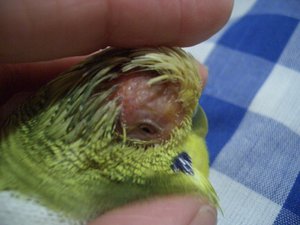 This type of injury includes bruises, fractures, paralysis, and other traumatic injuries. They are very common. Birds are easily injured, and they themselves can be accidentally injured, for example, during flight or play.
First of all, you need to carefully examine the parrot. This is necessary to understand the extent and severity of the injury. If bleeding is occurring, it needs to be stopped quickly. As quickly as possible. Ideally, for this purpose use hydrogen peroxide or betadineUnder no circumstances should you use regular iodine, let alone brilliant green. This is only first aid. It's best not to self-medicate; consult a veterinarian. This disease, and more specifically its treatment, requires the experience and knowledge of a specialist.
Learn more about budgie injuries
Paw injuries are common in budgies during molting. This is most often caused by a low calcium level in the body. Illness in the parrot can also cause injuries. Injuries are also common if the bird's claws get caught in a curtain or if the owner is inattentive. They pinched the bird in the room door.
If the fracture or dislocation is serious, especially if the parrot's limb is in an abnormal position, the first step is to properly immobilize the limb. Otherwise, at best, the parrot will be crippled. Tissue swelling may occur, causing pain in the bird. In this case, the most common symptom is apathy. In any case, even if the injury doesn't seem serious, the parrot should be taken to a specialist. They will examine it and prescribe treatment.
Can a parrot catch a cold?
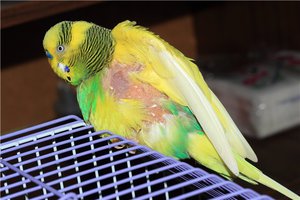 It's quite possible, and even viral diseases are much more dangerous than all others. Therefore, if they recur much more serious treatment is required.
This is because such diseases spread very quickly and mutate rapidly. Their main characteristic is a very high mortality rate. Parrots kept near other birds, for example, are particularly at risk of contracting such diseases. In any case, they are at high risk of contracting avian influenza.
A little about the symptoms and treatment of this disease
- Sudden and severe loss of appetite
- Lethargy
- Feathers may break or even fall out.
- Loss of interest in the surroundings
Bird flu is a deadly disease for parrots. The only way to avoid it is isolate the bird in a timely mannerThis is exactly what should be done first. And, of course, provide her with the treatment prescribed by the veterinarian.
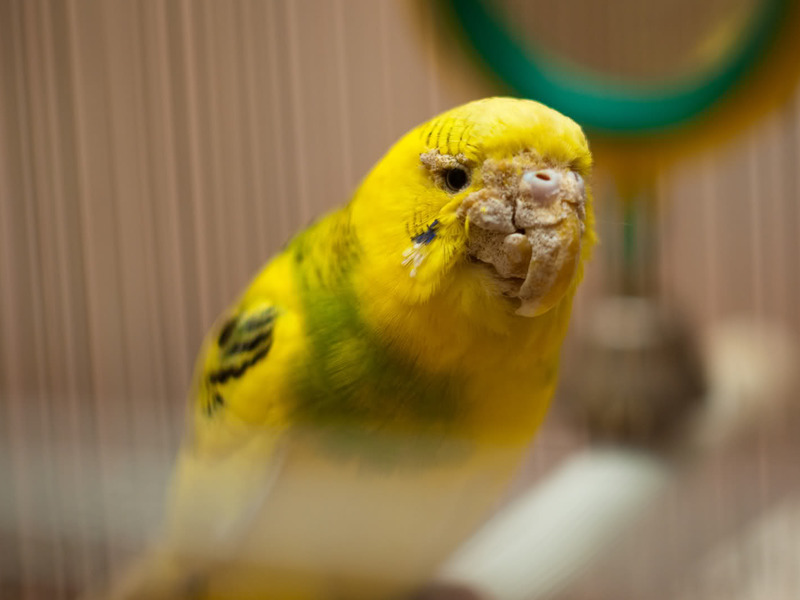
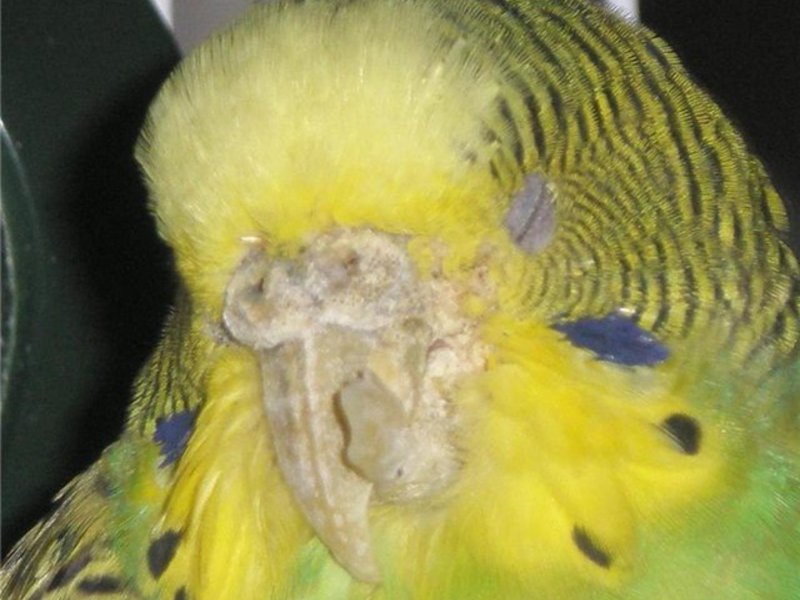
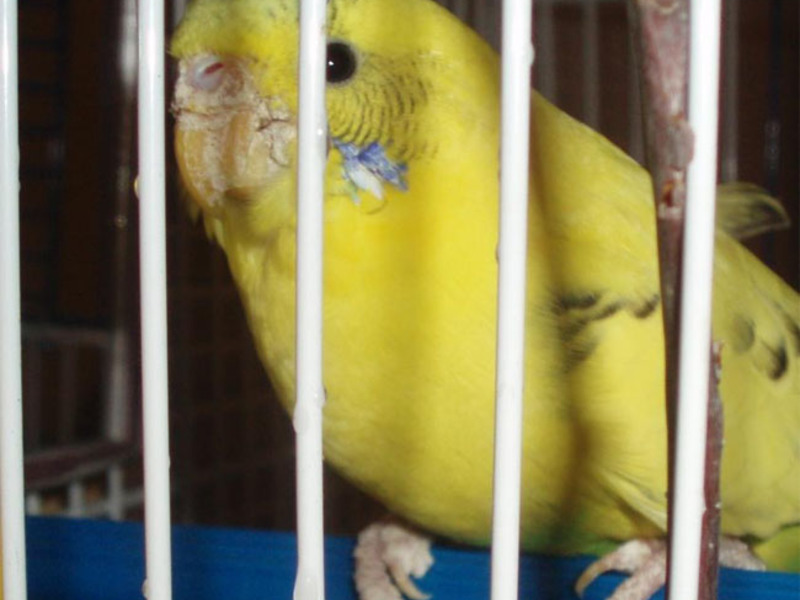
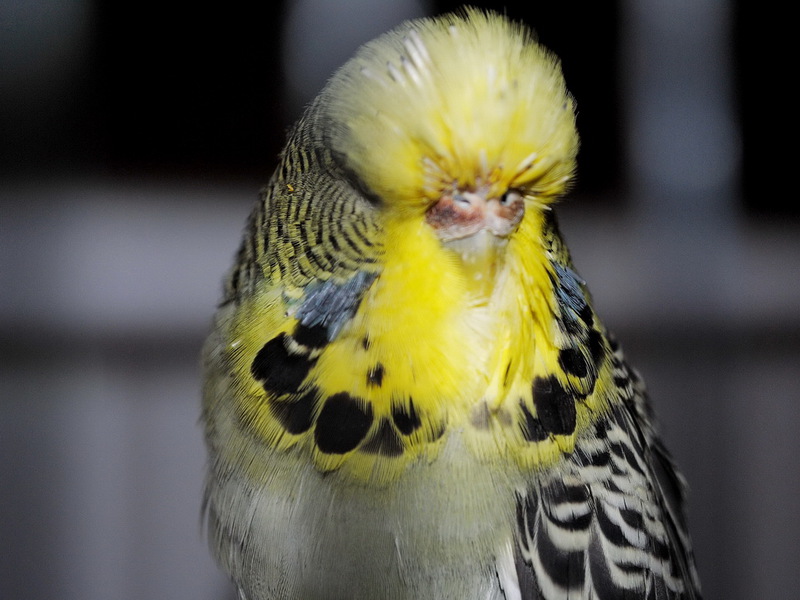
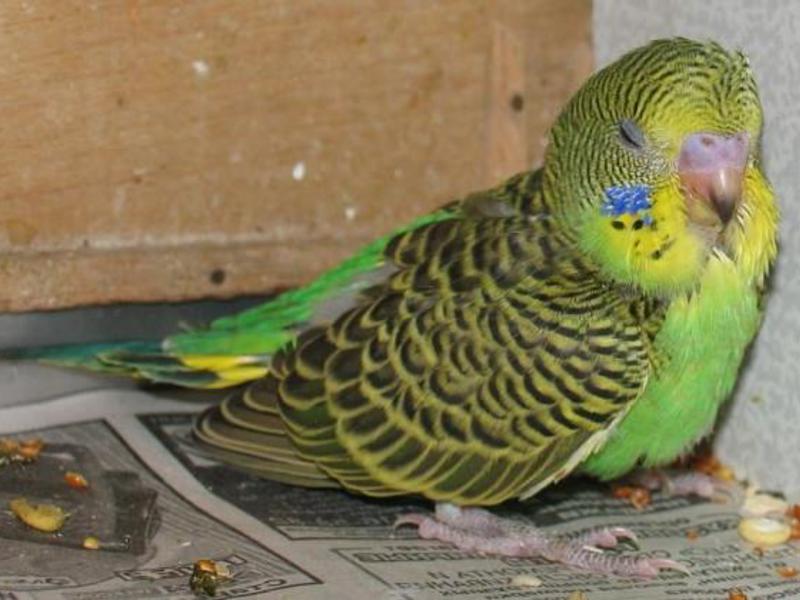
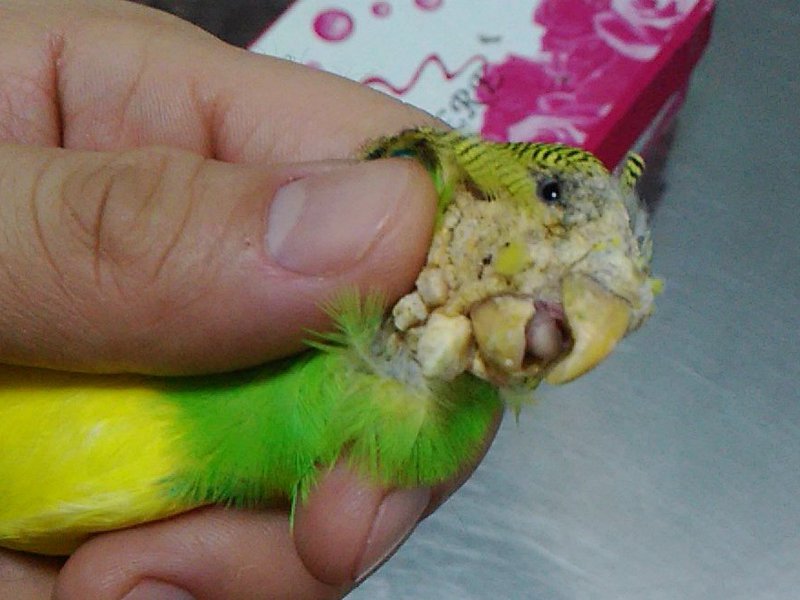
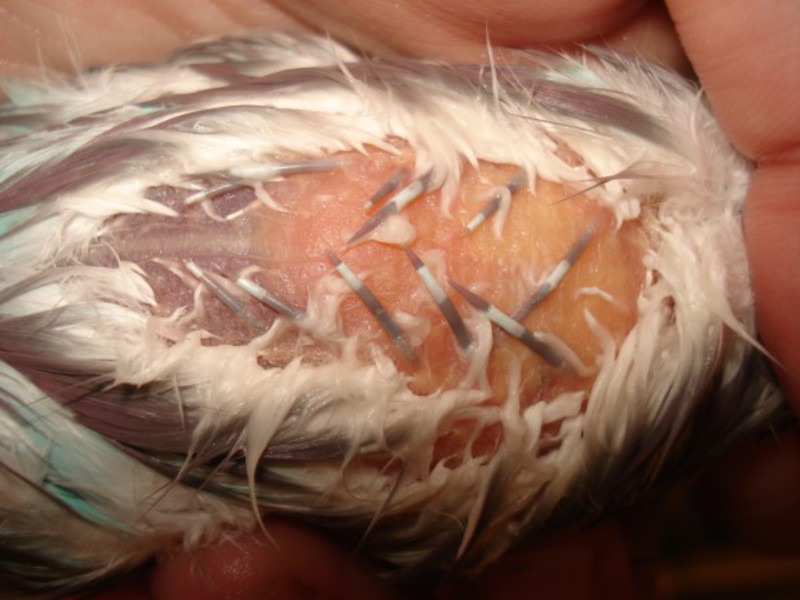
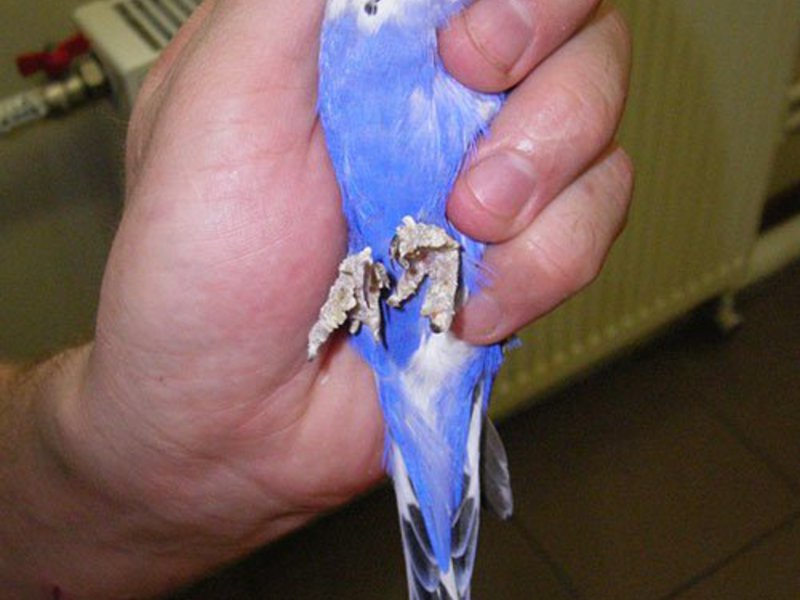
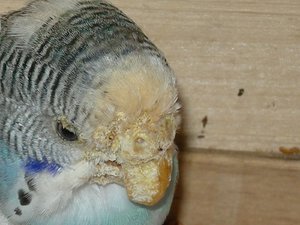
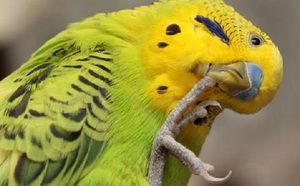
Above are just a few of the most common diagnoses a bird can have. The photos show birds with these illnesses.