 Budgerigars have long been a favorite among city dwellers. These unpretentious pets thrive in apartments and homes. Even a child can care for them. They have beautiful colors, are very sociable and friendly, and are easy to teach to talk. Furthermore, following simple rules makes it possible to keep them with other pets: there are frequent cases of budgies not only getting along, but even becoming friends with cats—their implacable enemies in the wild.
Most budgies sold on the market are born and raised in captivity. Separated from the wild, they reproduce well and thrive, allowing them to be raised generation after generation without much effort. This explains the low prices these pets command: they are often the least expensive birds sold in pet stores.
What you need to know when buying a parrot
To ensure your bird lives with its owners for many happy years, there are a few simple rules. First and foremost, you need to make sure it's healthy and free of congenital defects when you buy it. To do this, you need to: pay attention to the following nuances.
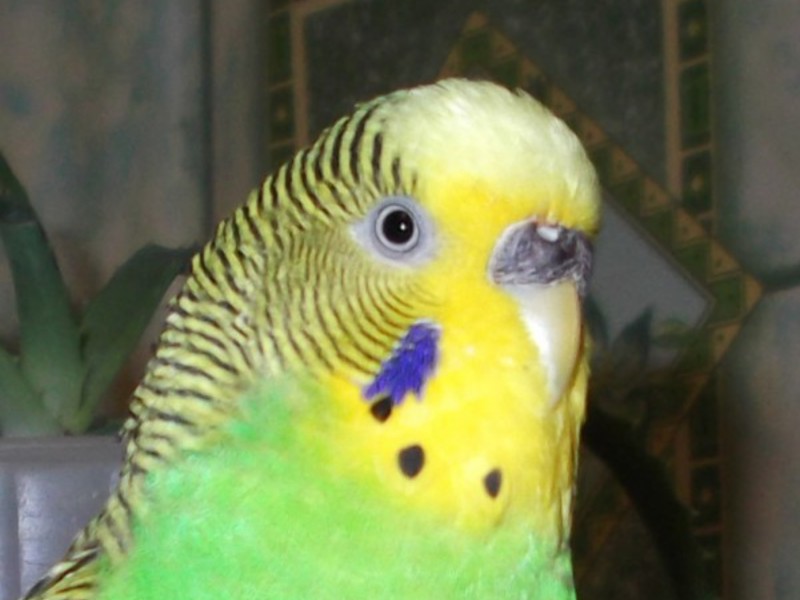
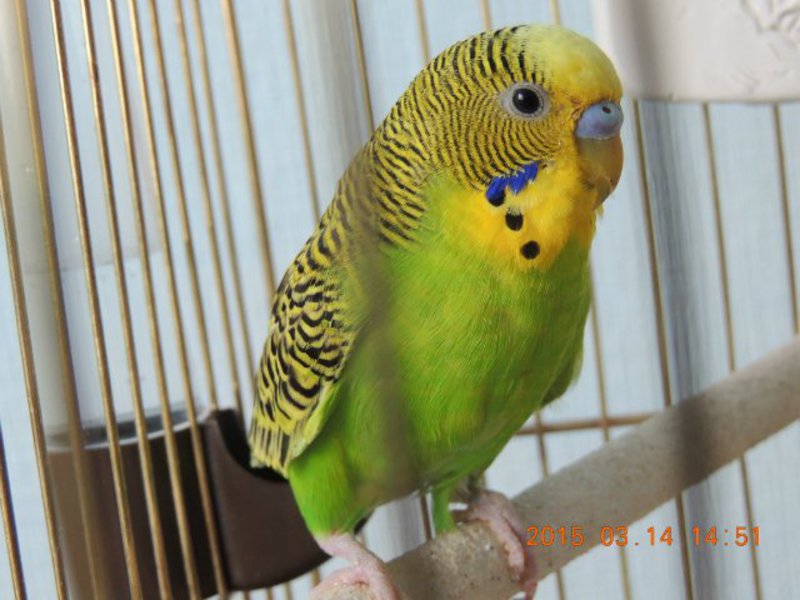
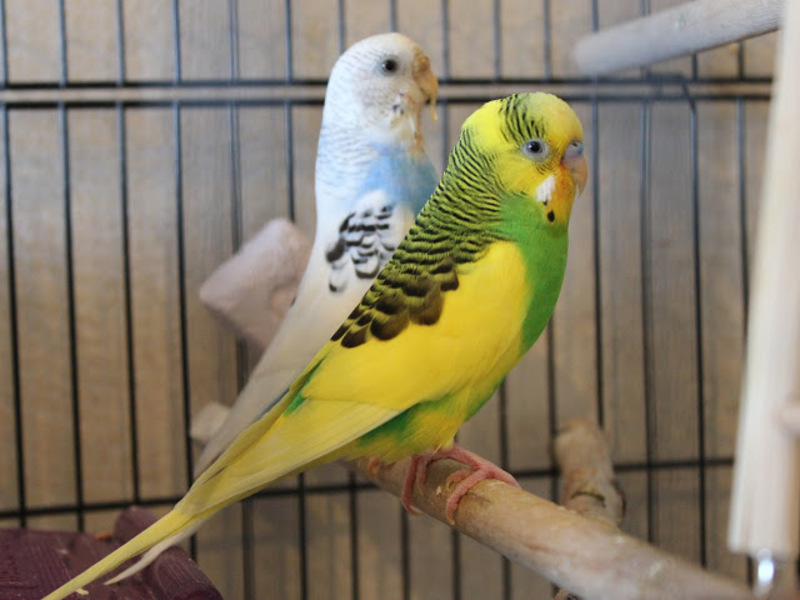
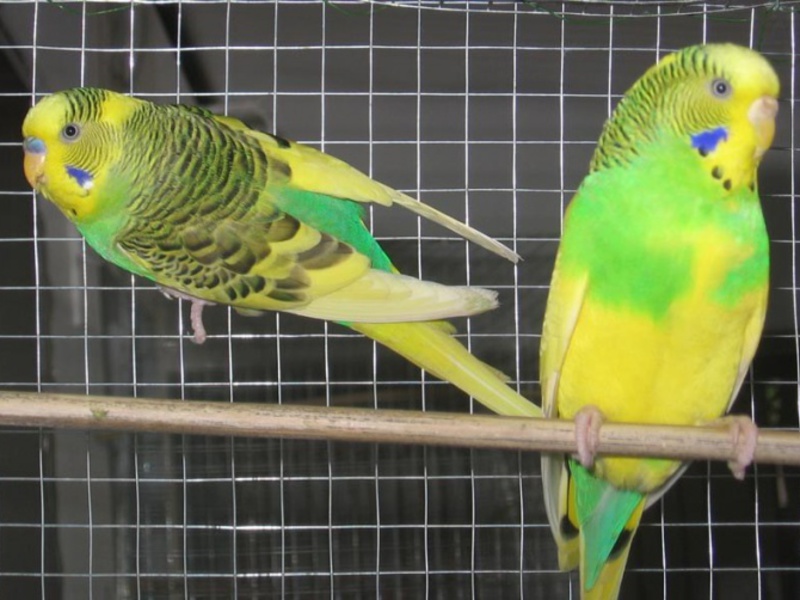
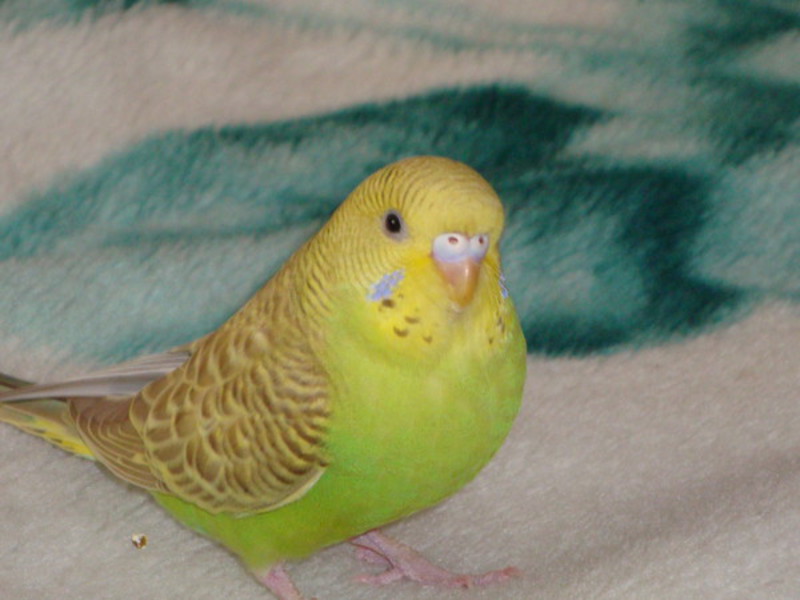
 Feathers. They should be smooth and vibrantly colored. There should be no gaps in the plumage on the tail and wings, and the wavy pattern should be distinct. It's especially important to avoid bare patches on the chest. Such spots usually indicate that the bird has been subjected to constant stress, causing it to pluck its own feathers. Breaking this bad habit is nearly impossible, as budgies have a very fragile nervous system.
- The area under the parrot's tail should be clean. A healthy bird should have no streaks or dried feces there. Their presence indicates digestive problems.
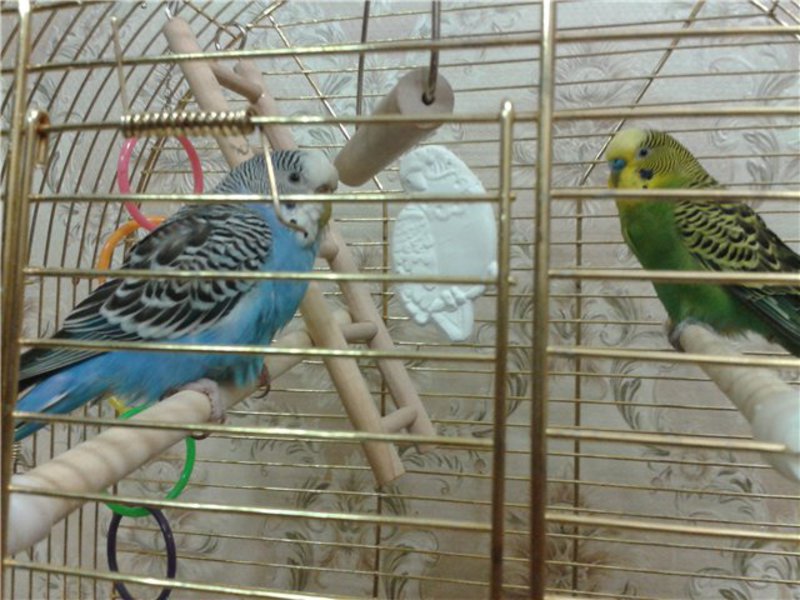
- A budgie's mood. It should be active, moving around the cage, and interacting with its fellows. If there are many budgies around, but a few birds are sitting in a corner, hunched over, this is a sign of illness or stress. It's not worth buying such a bird.
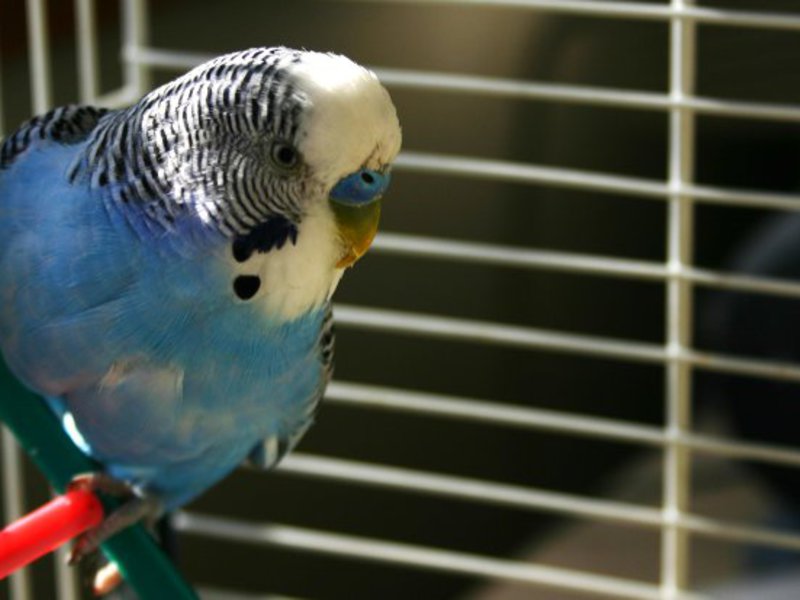
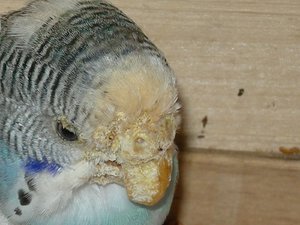
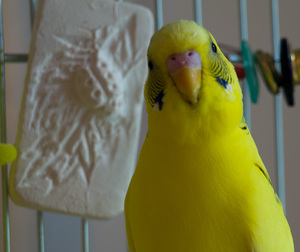
- Cere. This is the area of dense tissue at the base of the beak where the nostrils are located in birds. This area should be smooth, free of growths, and especially free of flaky areas. There should be no discharge from the nostrils.
 Feathers. They should be smooth and vibrantly colored. There should be no gaps in the plumage on the tail and wings, and the wavy pattern should be distinct. It's especially important to avoid bare patches on the chest. Such spots usually indicate that the bird has been subjected to constant stress, causing it to pluck its own feathers. Breaking this bad habit is nearly impossible, as budgies have a very fragile nervous system.
Age of a budgerigar
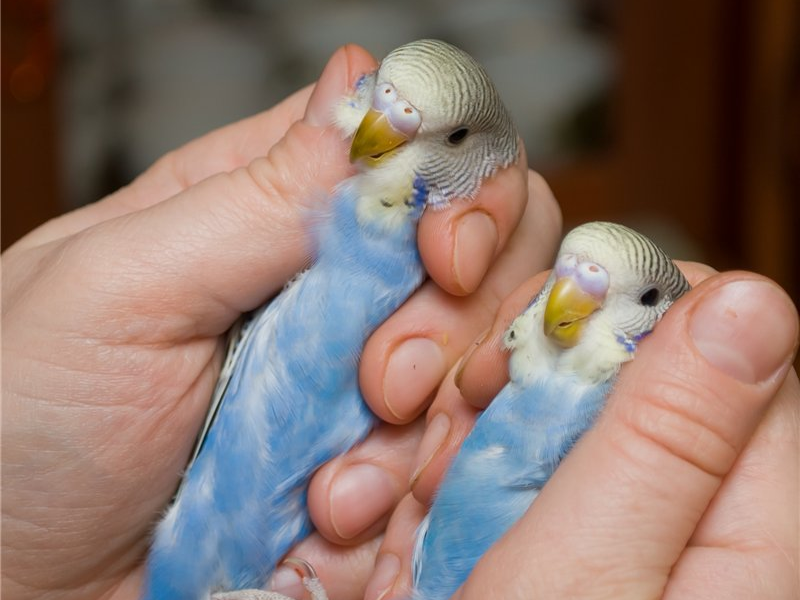
Like any animal kept in captivity, it's best to acquire a budgie when it's young. Breeders begin selling budgies from one to two months of ageBy this time, their plumage is almost fully developed, the parrot is ready to fly, and will easily tolerate the change of environment. It's best to determine a budgerigar's age by a few simple signs:
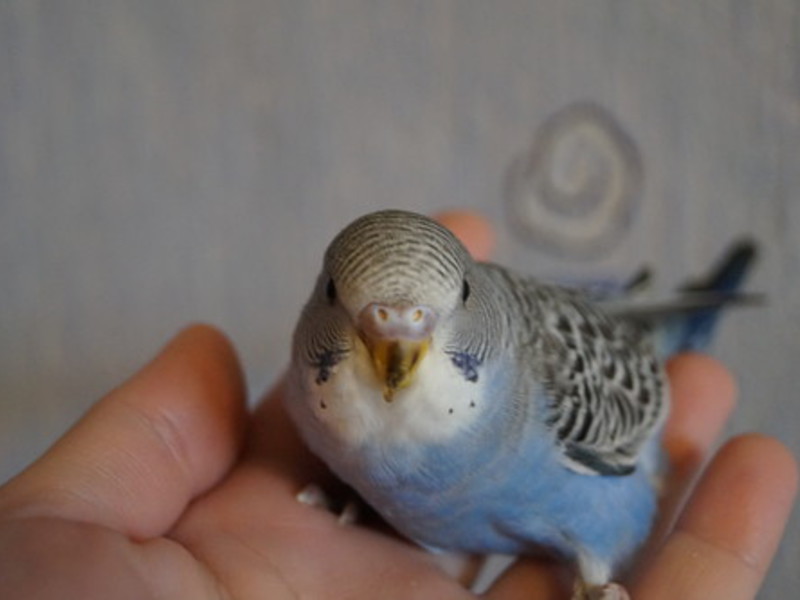
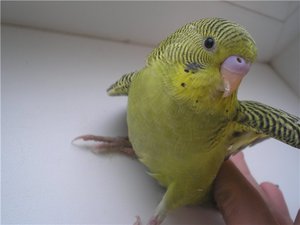
- The eyes of a young bird are completely black. If there is a light or featherless area around the pupil, then the bird is an adult.
- The variegated pattern on the budgie's head indicates that it is less than four months old;
- If the beak is dark, the parrot is still almost a chick. It acquires a lighter color at about 6 weeks of age.
To avoid making a mistake when choosing a new friend, it's best to bring photos of both young and old parrots. Having a clear example will make communicating with the seller and determining the bird's age much easier.
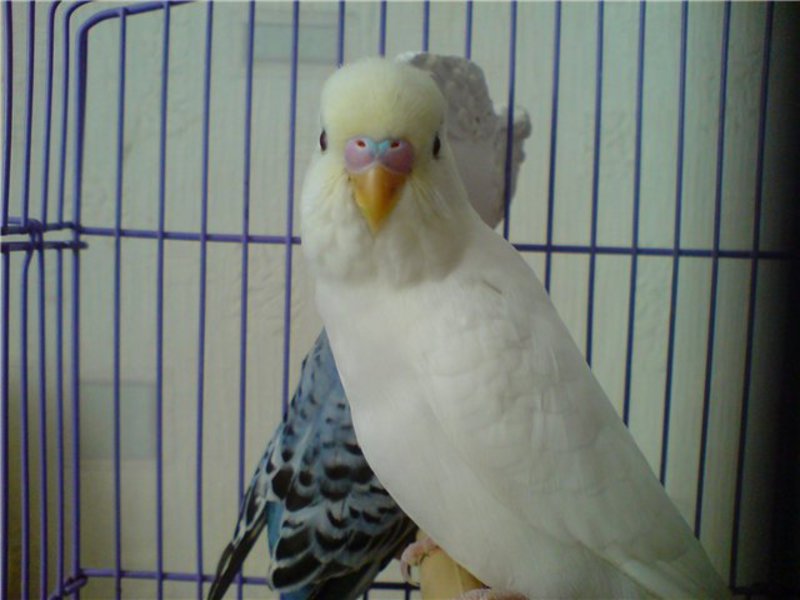
It should be remembered that these rules do not apply for white (albino) or yellow (lutino) coloring Budgerigars. If you're looking to buy these particular parrots, it's best to contact the breeder directly.
Gender of a budgerigar
Male and female budgies differ slightly in their needs for keeping at home. The main difference lies in how easily they learn to mimic sounds. Simply put, males learn to talk more easily and quickly than females. Therefore, if you're buying a budgie with the goal of teaching it to talk, it's best to choose a male.
To determine whether a given parrot is male or female, you need to pay attention to:
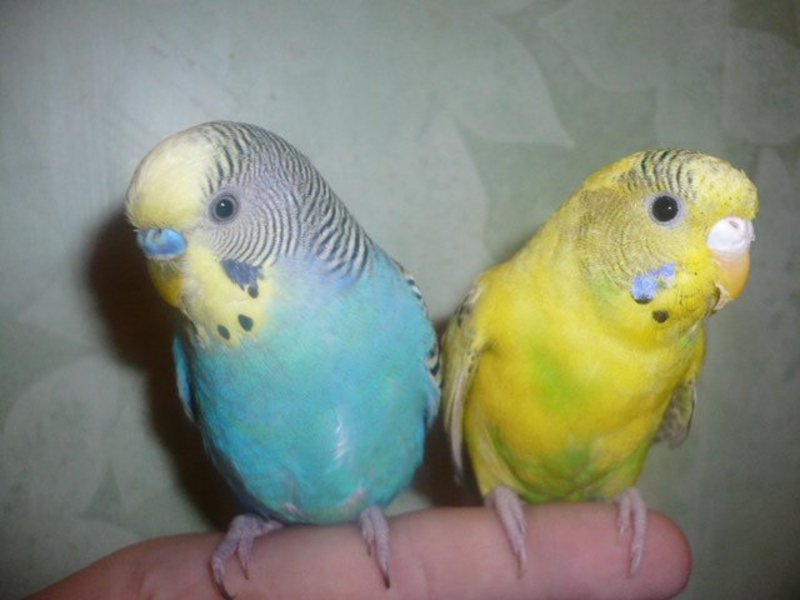
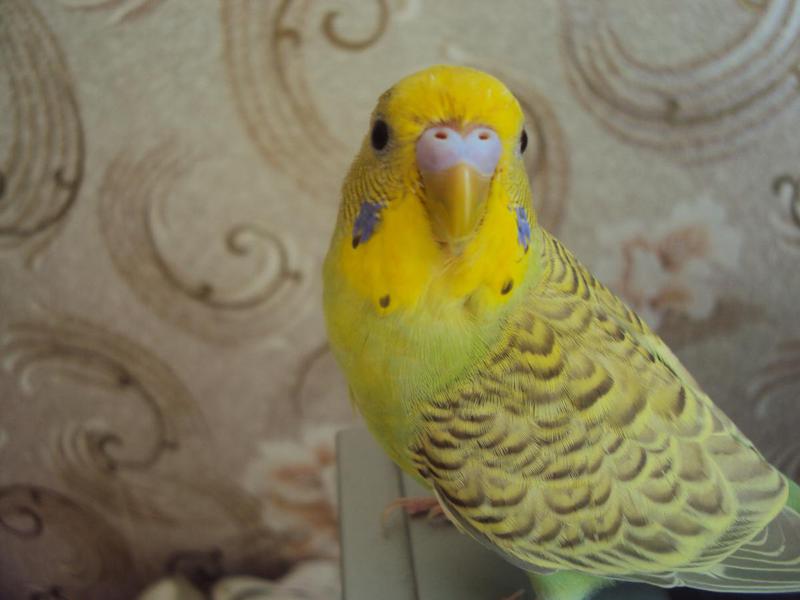
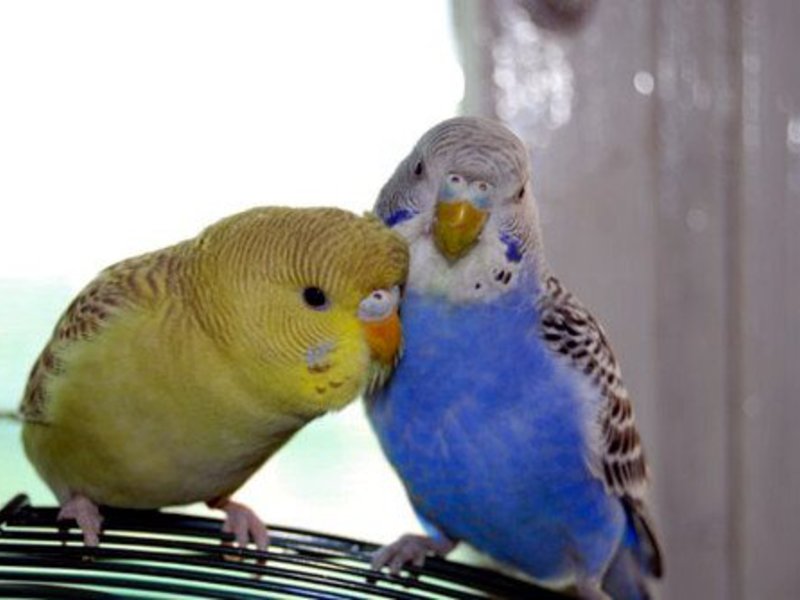
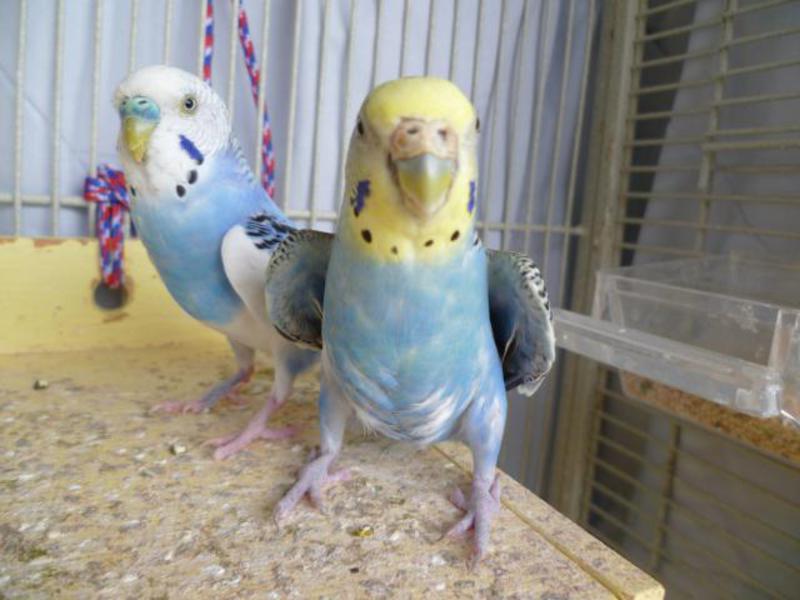
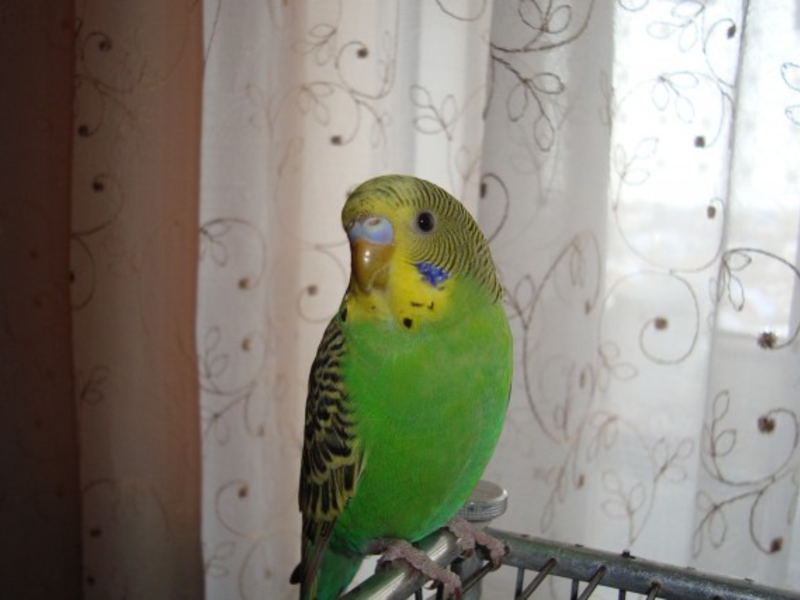
- Cere. In males up to six months old, it can be pink, lilac, or pale violet. In females, it's bright violet, pink, or blue. Female budgies always have white circles around their nostrils, making them easy to recognize. In birds over six months old, sexing is much easier: the male's cere is bright blue, while the female's is brown or beige. Albino or lutino males may have a permanent pink cere.
- Bird activity. Male budgies are usually more vocal and active. They move around the cage a lot and chirp constantly. Females are calmer and more even-tempered.
- The color of the budgie's legs. In males, they are usually blue.
- Bird size. Male budgerigars, like most birds, are larger than females.
- Brightness of plumage. It just so happens that in nature, males are meant to attract the attention of females, not vice versa. Therefore, their feathers are brighter, with a distinct wavy pattern on their backs, while the females' coloring is less flashy.
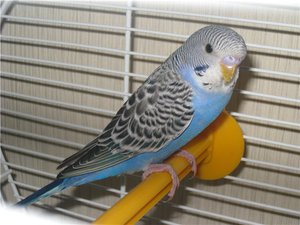 Cere. In males up to six months old, it can be pink, lilac, or pale violet. In females, it's bright violet, pink, or blue. Female budgies always have white circles around their nostrils, making them easy to recognize. In birds over six months old, sexing is much easier: the male's cere is bright blue, while the female's is brown or beige. Albino or lutino males may have a permanent pink cere.
Once the bird of the right age and sex has been selected, it is best to transport it in an opaque container with holes for breathingThis could be a cardboard box or a special bird carrier. It's important to ensure that the bird doesn't get injured during transport due to noise and vibration.
Upon arrival home, the first step is to create a calm and quiet environment to allow your budgie to adjust to its new home. This adjustment period can take a while. from several hours to several daysOnce the bird has settled in, you can begin socializing and training. It's important to remember that a properly managed adaptation period will ensure a long and comfortable life for your pet in its new home.