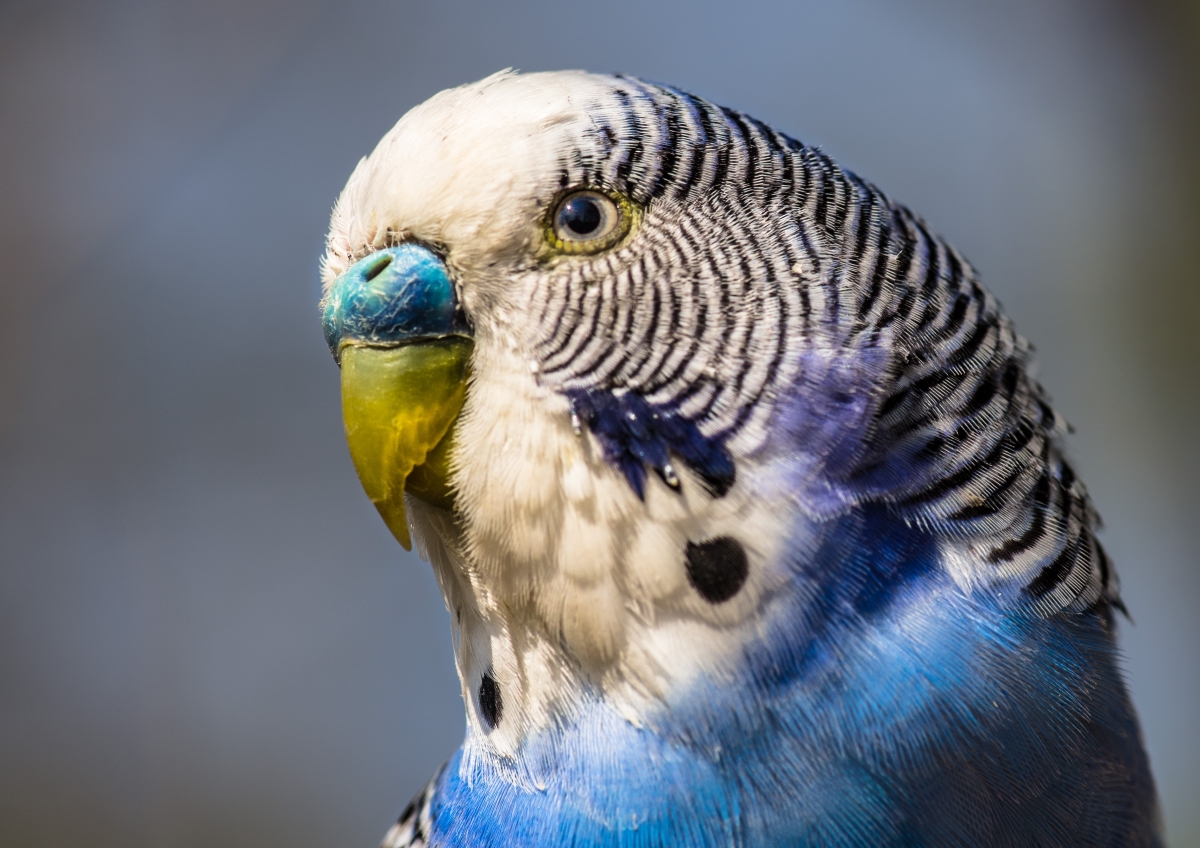
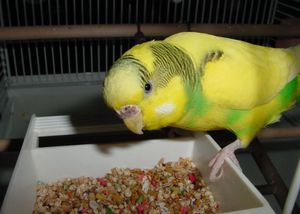
 The charming little bird, the budgerigar, is native to Australia. To ensure this fluffy little creature remains healthy in captivity, it's important to choose the right food.
Birds' main diet consists of seeds and grains. It's even better to feed them a seed mixture of flax, sunflower, and oats. However, roasted seeds should not be given, as they are deadly to pets.
Content
Mixtures
If you don't have time to prepare your own food and don't know the ratios, you can buy a ready-made formula. It already contains everything your pet needs to stay healthy.
However, it is necessary check the integrity of the packaging and the quality of the product inside. If there's mold or an unpleasant odor, don't buy it. It's parrot poison, not food!
You can give your pet no more than a couple of teaspoons of food per day.
- Budgerigars are prone to overeating, so once a week they are given a fasting day.
- You shouldn't feed birds a variety of delicacies either: they'll start to be picky.
Vegetables
Don't limit your parrot's diet to just formula. Fresh vegetables are also essential. Before feeding your bird this food, it's important to thoroughly wash the fruit.
Not all vegetables can be fed to fluffballs. Carrots are a valuable food. They are very beneficial for budgies. Mix them with their food. raw root vegetables, finely gratedCarrots are mixed with breadcrumbs or a boiled egg.
- You can finely crush raw pumpkin seeds.
- Birds love melon and pumpkin pulp.
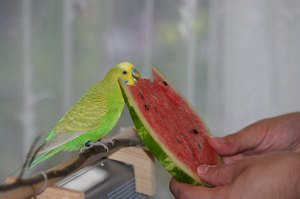 Parrots should be cautious when feeding watermelon. Cleaning it won't hurt, but don't overindulge in such foods.
If your fluffball leads a sedentary life and has noticeably gained weight from a rich diet, cucumbers are a good choice. Feed your budgie plenty of them, but make sure they're fresh, from the garden, not store-bought.
Parrots need tomatoes only fully ripenedUnripe fruits are unsafe due to the alkaloid they contain. And there are no recommendations for beets. This root vegetable is rich in vitamins, microelements, and fiber. And beets are easy to store. You can stock up on this food for future use.
Corn should be selected at the milk stage of ripeness, with tender and soft kernels. It's important to choose beans and green peas for feeding only with kernels that are at the milk stage of ripeness and very soft.
Cabbage is a great addition to a bird's diet. Small leaves can be left uncut, but the stalk should be chopped as finely as possible.
Small amounts of lettuce and spinach are added to the food to avoid upset stomachs. Bell peppers, cut into small pieces with seeds, are fed to the budgies.
There are fruits and vegetables that are contraindicated for pets. Experts do not recommend feeding them to pet parrots. radishes, celery, garlic, onions and aromatic herbsThey contain too many essential oils. And the taste of such food is too strong. Eggplants are also not given to budgies because of the alkaloid they contain.
Fruits
These cute pet birds love fresh fruit in their food. Be sure to rinse it under running water.
- Select fruits that are well ripened and have no signs of spoilage.
- Apples should be included in your diet year-round. There's no need to worry about overdoing it; it's difficult to achieve.
But before feeding your budgie an apple, peel it. However, overly generous portions of pears won't be beneficial.
Oranges with tangerines – for parrots, this is a healthy and tasty treat. It's good to feed them grapes, providing 5-7 berries a day. For a small bird, a single grape with food feels like a whole watermelon.
Pets will also love bananas. Just be sure to peel them. Peaches and apricots are very tasty and healthy. Birds love cherries, sour cherries, rose hips, and currants. Budgerigars eat raspberries, blueberries, and honeysuckle, both dried and fresh.
Before adding kiwi to the feed, peel the fruit. Pineapples should be fed sparingly and only fresh. Canned fruit is not suitable for birds.
Avocados, persimmons, and mangoes are strictly contraindicated for parrots. These "treats" can cause poisoning. Nuts should also be avoided due to their high fat content. The recommended daily allowance is two pieces of walnuts per month.
Greenery and branches
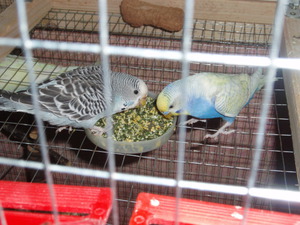 You can enrich your budgie's diet with greens daily. Outside the city, you can collect the grass yourself, away from roads. Suitable for feeding clover, scalded young nettles, grape leaves, carrot and beet tops, plantain, young tree shoots, green buds and leaves.
Parrots love to chew on things. To prevent them from having to settle for wallpaper or baseboards, it's important to offer them finely chopped twigs. Before feeding them, soak the twigs in cold water for five hours, then scald them with boiling water to remove any dangerous insects from the homemade food.
Budgerigars will love pear, currant, and cherry branches. It's important to ensure there are no remaining pieces of tree resin. Linden, rowan, chestnut, viburnum, and hawthorn branches are also suitable.
But to give poplar, lilac, oak branchesAcacia, or conifers should not be fed as food. Even some houseplants are dangerous for budgies. So, dieffenbachia, chlorophytum, and azalea should be kept out of reach. Ferns, arum, heather, foxglove, and tobacco are also dangerous.
It won't do any harm if a bird tries to taste spiderwort, crassula, or roses. It won't hurt if it pecks a little aloe or chrysanthemum with bamboo.
Mineral supplements
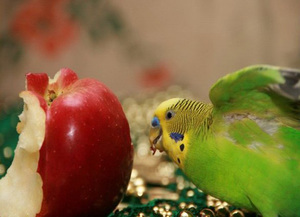 It's beneficial to enrich your budgie's food with mineral supplements. Small stones and sand will aid digestion. However, it's best to feed them special sand, rather than adding street sand to their food, to prevent it from containing parasites and harmful bacteria.
In crushed form add chalk to parrots' foodYou can attach small pebbles of special chalk to the cage bars. Construction chalk is not suitable.
Boil the eggshells thoroughly, dry them, and grind them into a powder. This makes an excellent homemade mineral supplement. It's a good idea to add charcoal or bone meal to the eggshells and sand to help remove toxins from the bird's system.
Water
There are also requirements for water. A budgie's fluids should always be fresh. Ideally, give the bird small amounts of water, changing it regularly. The temperature of the fluid will need to be measured. The ideal temperature is 15 degrees..
It's recommended to clean the automatic waterer daily. Don't give your birds tap water, but bottled baby water or filtered water. You can offer your parrots a mixture of 100 ml of water and a few drops of lemon juice or apple cider vinegar to prevent megabacteriosis.
Honey is also helpful for cleansing a parrot's stomach. A few drops clears the bird's stomach. Enrich the food with protein feed and sprouted grains. Fish oil and low-fat, fresh, crumbly cottage cheese are also recommended.
Porridge
Feeding birds boiled porridge daily is beneficial. Although buckwheat, soy, corn grits, pearl barley, millet, and rice are acceptable, porridge should be cooked only in water, without sugar, oil, salt, or other seasonings.
Newborn budgies need: liquid porridges, wheat and semolina, provided that a minimum amount of sugar, a little crushed shell and a drop of fish oil are added to a teaspoon of food.
The babies will need to be fed with a syringe. Each bird requires 3-5 ml per feeding. The liquid porridge contains a sufficient amount of water.
Recommendations for feeding birds
Salt is contraindicated for budgies. Even small amounts can be harmful. And a diet of bread alone is not suitable for budgies. Only crushed white breadcrumbs, added to finely grated vegetables, are acceptable. Milk, however, will harm a budgie's delicate stomach. Fruit and vegetable juices with food are beneficial.
 Chocolate is poison for birds.
- You can't give them fried or smoked foods.
- Drastic changes in diet – and the bird gets sick.
- Budgerigars are conservative in their diet, and it is important to gradually diversify their food.
- Autumn and spring are molting seasons. Vitamin supplements are essential during these periods. Fruit intake can be increased.
- Birds are fed several times a day. Their appetite increases with cool temperatures and long days. The more active the bird, the more food it needs.
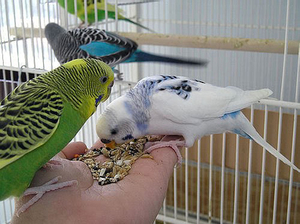 Chocolate is poison for birds.
If you approach the preparation of your budgie's diet wisely, it will remain cheerful, alert, and grateful for your care for a long time.