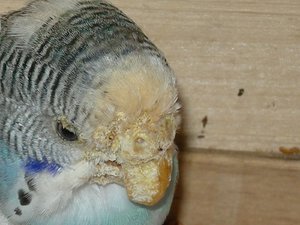
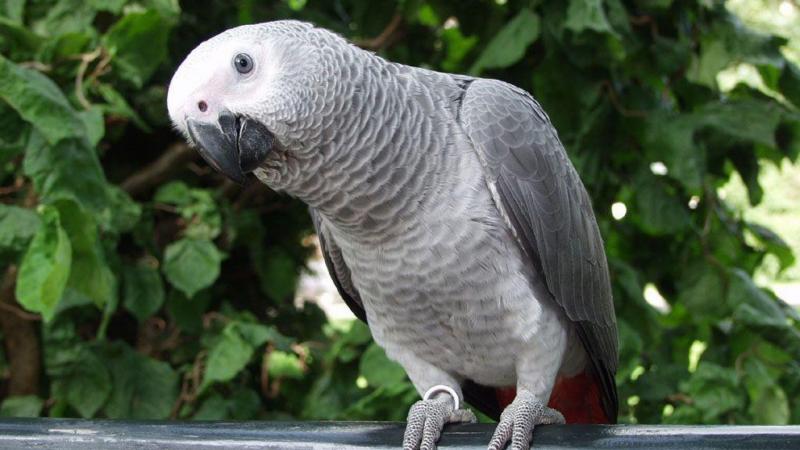
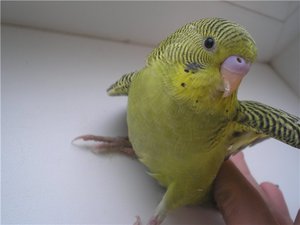
A parrot that has lost its feathers becomes less attractive, but that's not the worst thing. Daily feather loss can indicate illness; the owner likely needs to take action. Vitamin and mineral deficiencies, certain illnesses, and a less-than-favorable psychological environment (like a change of residence or the loss of an owner) can all affect a bird's appearance.
Let's figure out together how to help your beloved bird preserve its feathers, how to diagnose illness, and how to properly treat and rehabilitate it.
Content
The main reasons for feather loss from wings and other things
A parrot may lose feathers from its wings, tail, or entire body. Whether it's a shock molt, a hormonal imbalance, or psychological issues, whatever is causing your feathered pet's deterioration, it's crucial to address the situation and help your bird as quickly as possible.
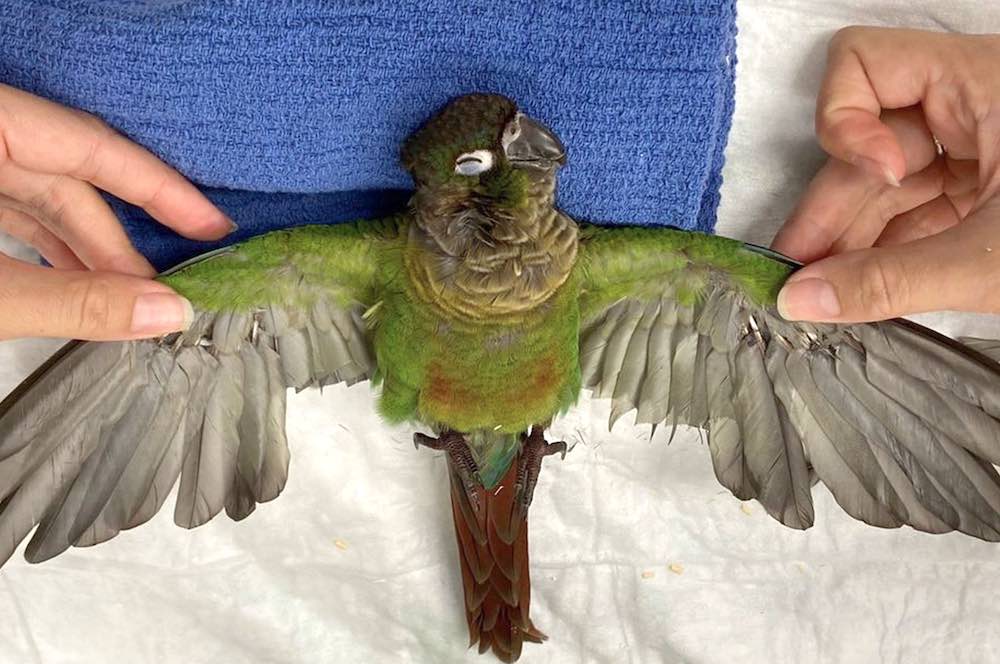
A variety of factors can trigger baldness in a pet parrot, some of which are completely beyond our control, such as environmental factors or natural molting. A budgerigar's feathers are an indicator of its health. Seasonal molting or infection, an unbalanced diet, and a lack of vitamins in the bird's diet all negatively impact its development and appearance.
What causes the loss of bright feathers in budgerigars are most likely to cause such health problems?
- Low-quality feed or an insufficiently balanced diet, especially in winter, always has a negative impact on the general well-being of birds.
- Infectious diseases, parasites, feather eaters and ectoparasites also affect the beauty of a parrot's plumage.
- Metabolic and hormonal imbalances in pet birds. Strange as it may sound, birds also experience physiological imbalances in the gastrointestinal tract. Hormonal changes (juvenile molting) are possible in parrots.
- Incorrect conditions for keeping budgies: in dirty, cramped cages, with insufficient space (overcrowding) and insufficient light. The living conditions of your feathered pet directly impact their overall well-being.
It cannot be said that a parrot's molt is a large-scale tragedy, but it is still necessary pay attention to the condition of the birdOtherwise, correcting the situation will take a long time and require expensive medications.
The psychological factor, or why parrots lose tail feathers
If your parrot is losing tail feathers, it could be a shock molt. This most often occurs as a result of stress: any fright, failure to adapt due to a change of residence or owner, excessive noise, chatter, or excessive attention (most often caused by children). Let's look at what to do and how to improve the situation.
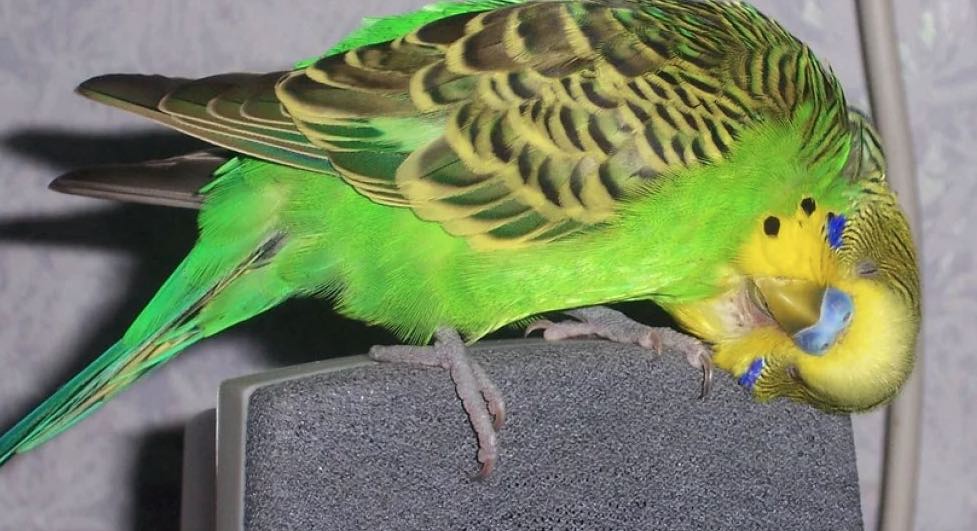
During the first few days of a change in environment and surroundings, birds especially need a calm environment and a stable psychological background. Shock molt is the name given to the sudden loss of feathers in birds as a result of negative psychological factors.
Avitaminosis
A diet deficient in vitamins, trace elements, and essential amino acids can lead to partial hair loss in poultry. In this case, parrots often begin plucking their own wing feathers. Always pay attention not only to feather loss but also to your bird's overall behavior.
Natural shedding
At five months of age, young parrots begin their juvenile molt. Subsequently, the bird's plumage changes twice a year—in the fall and spring. This is a natural process of feather shedding, and nutrition and environmental factors have little effect on the changes occurring in the bird's appearance.
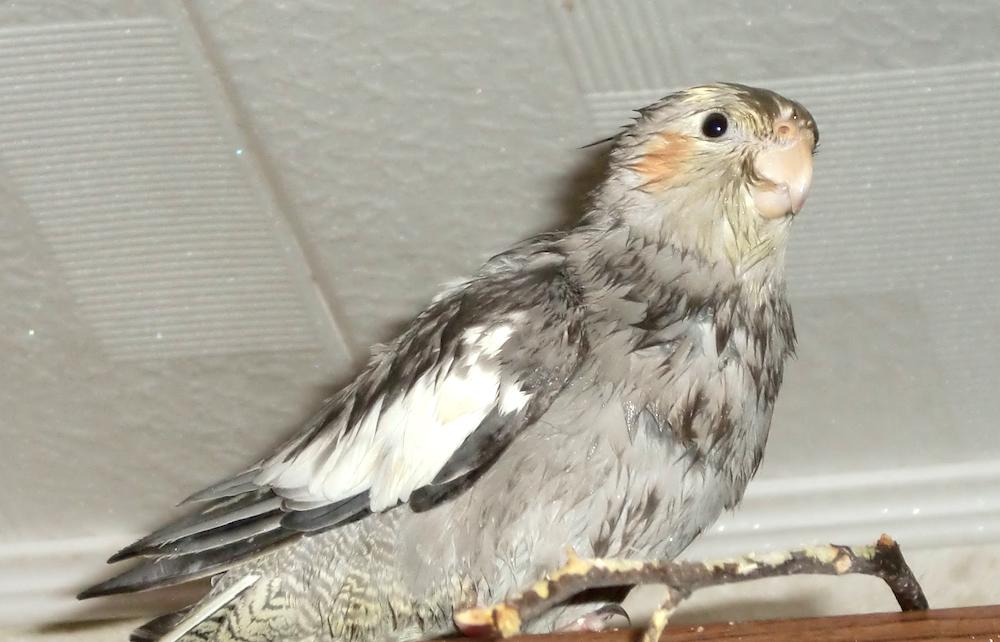
Regarding French molt, in most cases, the disease is caused by genetic defects and remains incurable. The bird's general health can be maintained with immunomodulators. With regular, comprehensive immune support and a maintained quality of life, feather loss will be minimal.
Parasites and fungi
Only a specialist can determine the underlying cause of a parasitic infection causing feather loss in a budgie. Infestations with mites, feather eaters, and lice require immediate medical intervention. The bird must be isolated from other birds and placed on a special diet.
How do parrots become infected with parasites and fungi?
- Failure to comply with quarantine when infected individuals have already been identified among poultry.
- A cage containing a budgerigar that is left outdoors, exposed to external sources, is also susceptible to the development of fungal and infectious diseases in the bird.
- Street twigs, grass, and untreated, unwashed objects can also become a source of parasite infestation in a pet parrot's feathers.
The bird begins to scratch, bloody plaques appear at the scratched areas, and down and small feathers fall out in clumps. After a while, large parasitic insects can sometimes be detected with the naked eye. In this case, the bird's plumage must be treated with specialized insecticides. A veterinarian can best determine the most effective treatment.
Infections
Infectious diseases that cause baldness in birds are most often caused by unwashed items—feeders, toys, loose feed, and other accessories—that end up in the parrot's cage. When purchasing a new feathered pet, it must be temporarily quarantined in a separate cage.
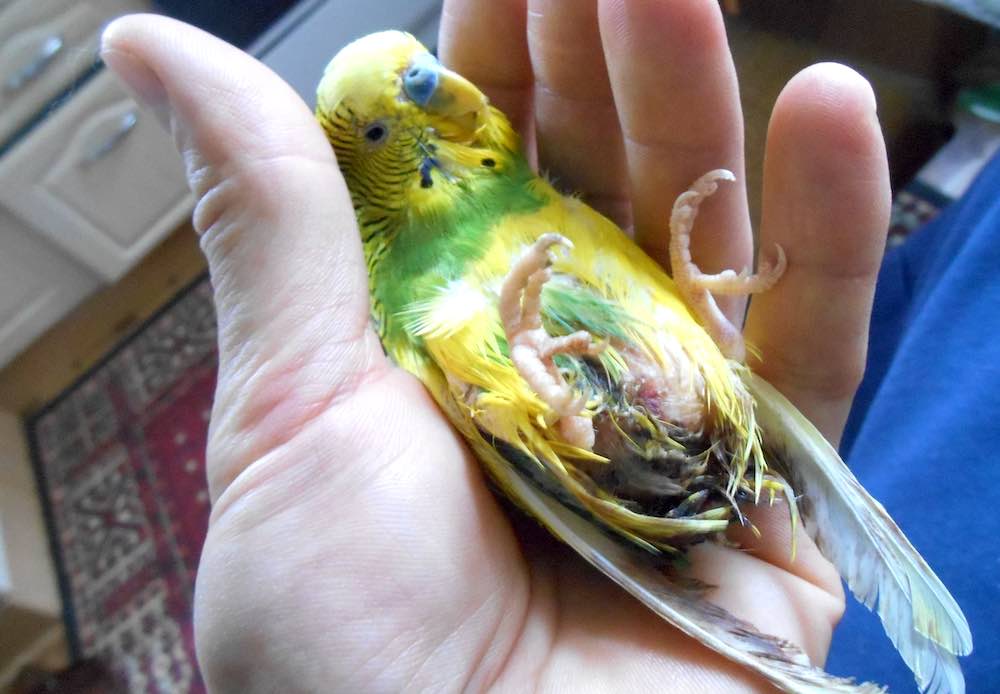
Salmonellosis and worms are a huge problem for pet birds. As a result of infection, parrots not only lose their charming plumage but also suffer severely from the disease, sometimes even fatally. Infection can occur from dirty eggshells and rodent droppings. Initial symptoms include lethargy, apathy, and loose stools, followed by feather loss. Without prompt medical treatment, the bird inevitably dies.
One of the incurable diseases that causes feather loss in parrots is circovirus. The feathers become deformed, the shafts thicken and change shape, causing significant discomfort to the bird. Treatment involves avian interferon.
Hormonal imbalance
Thyroid dysfunction in budgies also manifests itself through feather loss. No matter how hard an owner tries to improve their bird's overall well-being through nutrition and proper care, thyroid dysfunction most often requires special nutritional supplements, as well as increased attention and stress relief.
Read also, How to give a parrot medicine in its beak.
Brief conclusions about why parrots lose large and small feathers
Ornithological veterinarians recommend, first and foremost, reviewing the diet of a molting bird. If several birds are housed in the same cage, the sick parrot should be isolated from its peers. To determine the cause of large feather loss, monitor the bird's condition and behavior.
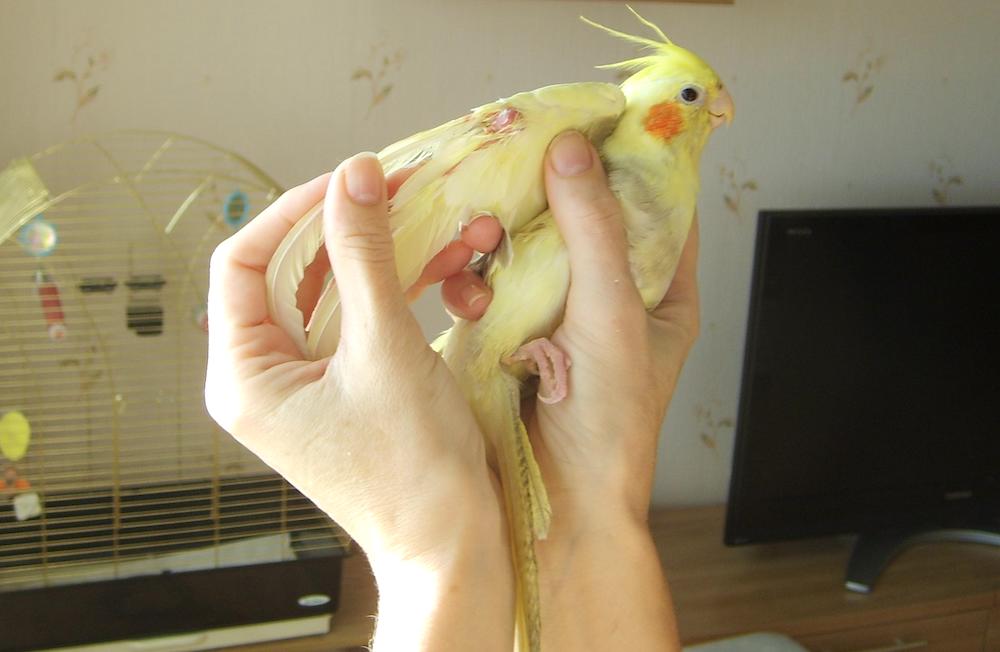
The following recommendations will help you deal with the problem as quickly as possible and reduce the negative consequences of shedding, regardless of its cause:
- Even after changing the diet and introducing vitamin complexes into the menu, it is a good idea to add as a supplement (if the time of year allows) egg yolk, fruit tree branches treated with boiling water, dandelion leaves and stems, carrots and lettuce leaves.
- Birds often react strongly to negative factors such as cigarette smoke, the smell of household chemicals, and drafts. Any toxic exposure to birds can cause adverse reactions, including plumage effects.
- A clean feeder, fresh water in the drinking bowl, a fairly open cage, and daily ventilation—any feathered pet really does react very sharply to unnatural conditions.
Remember that any ailment, including feather loss, is easier to prevent than to cure. Budgies don't require much attention, but a balanced diet, comfortable, natural living conditions, and, most importantly, love and attention, can work wonders. A budgie, once adopted by loving and caring hands, rarely suffers from feather loss.
Read also about others diseases of budgerigars.