Treating a parrot can be a complex undertaking. First, you need to accurately measure the required dose, and second, you need to be able to administer it. Giving a parrot an injection is easier: in this case, you just need to catch the bird, hold it steady, and insert the needle correctly. However, if you're using liquid medications (drops, mixtures, etc.), you'll need patience and a syringe or dropper. Veterinarians recommend using a syringe. Read this article to learn how to administer medication correctly and safely to your pet.
How to properly give a parrot medicine in its beak
Keep in mind that a parrot is unlikely to take the medication voluntarily: it will actively resist, scream, and bite. And if you administer the mixture incorrectly, it could enter the bird's bronchi or trachea and then the lungs, causing aspiration. While it may appear as if the bird is choking, this is a very dangerous situation that can even result in death.
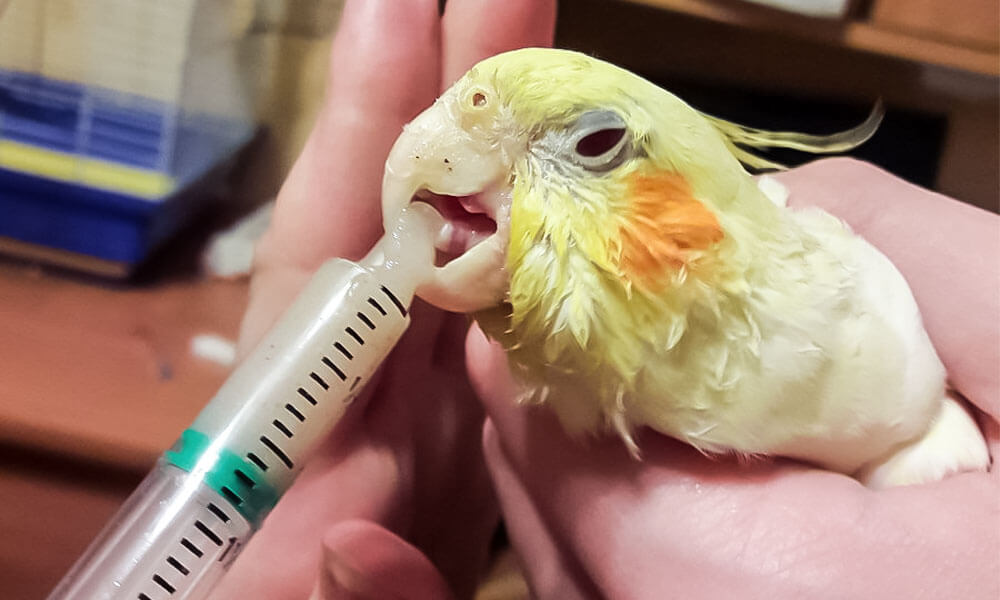
In less severe cases, medication inhalation into the lungs can lead to inflammation, which can also result in the bird's death within weeks or months from pneumonia. Therefore, it is crucial to handle everything correctly and avoid harming the parrot.
How to restrain a parrot
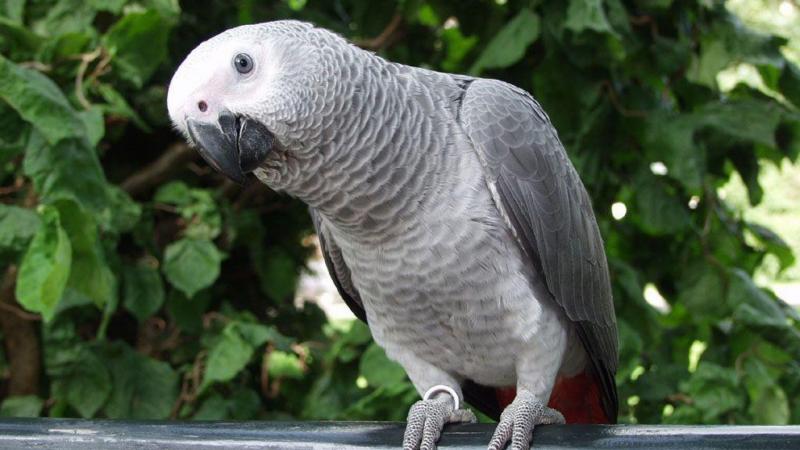
The first step is to catch the bird. For small parrots (cockatiels, budgies, etc.), it's quite possible to catch them with your hand, even with a leather glove. For slightly larger birds (cockatoos, African grey parrots, Amazon parrots, etc.), use a terrycloth towel. For macaws, a blanket or jacket is more suitable. The key is to do everything as quickly as possible so the bird doesn't become too frightened. The calmer the parrot, the easier it will be to administer the medication.
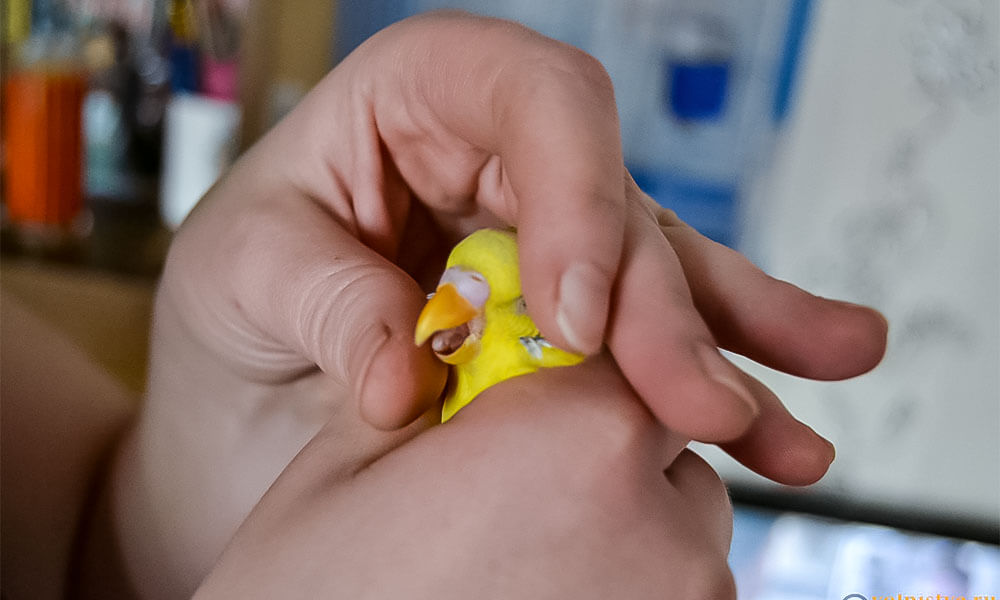
The next step is to secure the bird. First, secure its head. It's crucial that the bird has no way to move it, otherwise it will bite your hand and the syringe, spit out the medication, and there's also a high risk of choking.
When doing this, use the three-finger rule. Your index finger should be above the parrot's head, almost touching the cere. Your middle finger and thumb should grasp the bird's head under the cheeks and rest against the corner of its lower jaw. It's important that the head be held firmly in place.
It is impossible to harm the parrot this way, so don’t be afraid to press too hard.
The animal's body should be held in your hand (whether it's in a towel or not). If it's a small parrot, it's a good idea to secure its wings and feet with your little finger.
Before administering the medication, make sure your pet can't escape your grasp. This is essential to prevent your parrot from choking, biting you, choking, or gagging. If the bird does slip away, take a break and repeat the procedure from the beginning.
How to administer medication
Finally, the crucial step is administering the medication. If you're offering your pet a syringe for the first time, they'll likely grab the end of it and start fiddling with it. It's important to remain calm and inject the mixture into their beak. The key is to do this slowly and steadily, allowing the bird to swallow the mixture. This method allows you to administer even bitter medications multiple times.
It's possible that the parrot will keep its beak tightly clenched and categorically refuse to open it. In this case, the mixture should be carefully injected from a syringe into the corner of the beak—due to the beak's structure, the medication will be absorbed even against the bird's will. The key, again, is to do everything slowly and calmly.
But don't think the procedure is complete when the syringe is empty—unfortunately, this isn't the case. Often, a parrot will simply spit out the liquid when you release it or simply loosen your grip. This clever bird can hold the mixture in its lower jaw, allowing it to be discarded at the first opportunity.
If you're injecting the liquid into the corner of the beak, it's important to take breaks and be sure to scratch your bird under the lower jaw. Even if the bird is categorically reluctant to swallow the liquid, it will reflexively move its tongue and swallow. All you have to do is continue injecting the mixture until the syringe is empty. It's best to avoid allowing the bird to draw too much liquid into the lower jaw, as this can cause choking. It's best to administer the mixture regularly, in small amounts, and then scratch under the beak.
How to give medicine with food or water
A logical question is whether it's possible to administer medication without such complications and without the bird's resistance—for example, by mixing it into water or food. Adding the mixture to drinking water is generally not possible—very few medications are approved for administration this way. Most often, the problem is that it's extremely difficult to calculate the dosage—you don't know exactly how much water the bird will drink or what dose it will receive. It's much easier to control this issue when the medication is added to food.
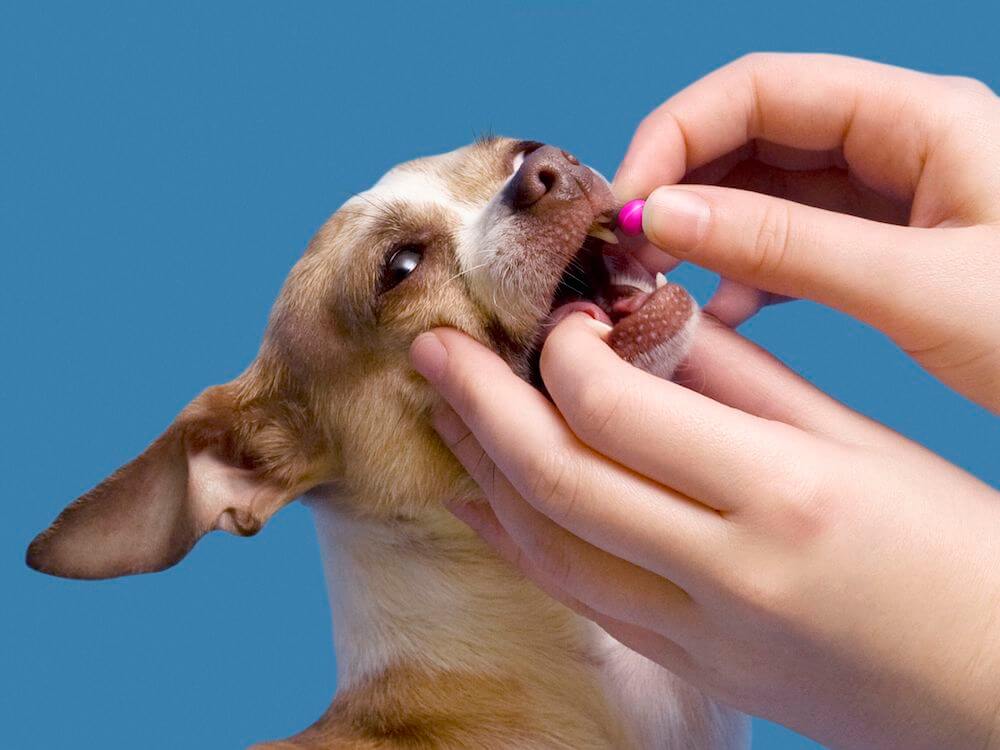
If a parrot needs to be given a pill, it is usually crushed and added to its food first. A small amount of grain is taken and lightly moistened with water. When administering strong medications, it is common to start with half the prescribed dose. To measure this dose, use either a kitchen scale or a regular teaspoon.
Another option is to inject the solution into berries and fruits (a piece of apple, grapes, peach, etc.). This seems like a great technique, but most birds lose their appetite when sick, and they certainly won't eat unfamiliar foods.
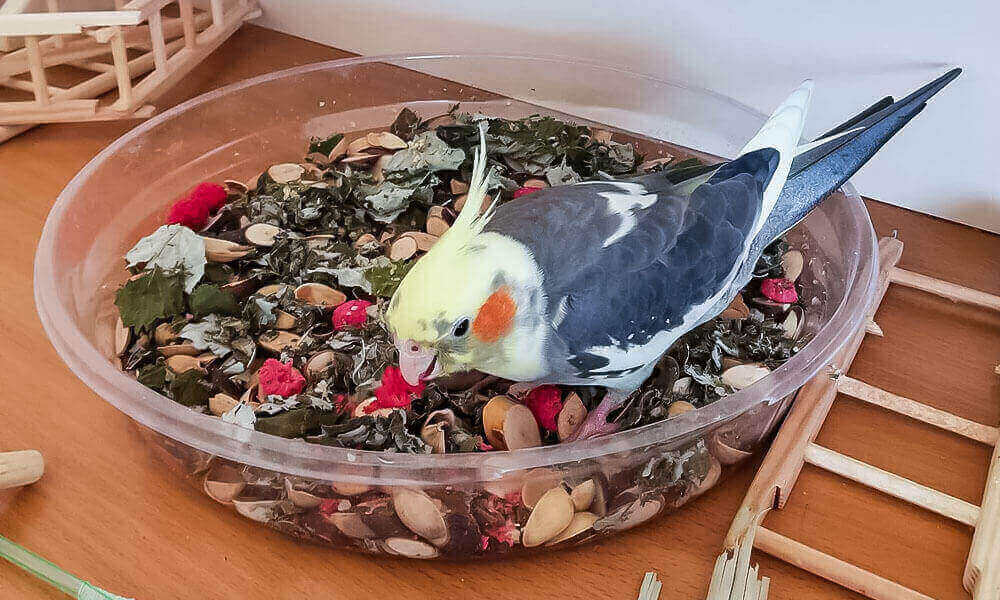
Sometimes the medication is added to mashed potatoes (without milk) or simply boiled potatoes, cottage cheese or yogurt, mixed feed, porridge, honey, and other foods and dishes. It all depends on the pet's taste preferences. It's best to choose a food it's known and liked, especially if it's previously spoon-trained. However, even in this case, it's possible the bird will sense a trick and refuse the treat. In this case, the only option is to administer the mixture directly, by inserting it into its beak.
Parrot Treatment: What You Should Never Do
When treating a parrot, it is important to know what you should absolutely not do:
- Open the beak with one or both hands to insert a pipette or syringe (or ask someone to do this for you).
- Use the syringe as a lever, inserting it between the upper and lower beak from the side.
- Try to blow in the medicinal powder without diluting it with water.
- Squeeze the beak or cheeks at the sides, provoking the bird to open its beak.
- Use loops that are placed on both sides of the beak in an attempt to open it.
- Use glass pipettes if you are dealing with medium and large birds.
Read also about toys for parrots.
Conclusion
Remember that treating a bird is a complex process that begins even before the parrot becomes ill. It's important to provide your pet with good living conditions (cage, proper humidity, and environment). It's also important to improve the diet, making it varied, healthy, and nutritious. Medications should only be administered after a veterinarian has examined the bird and prescribed treatment. However, some medications (such as dewormers) should be administered as a preventative measure.
If you've been handling your bird before it became ill, teaching it commands, and if it's accustomed to being handled and trusts you, the process will be much quicker and easier. It's crucial that both you and your parrot remain calm during the medication administration. This will ensure a calm and proper dose.