Other representatives of the fauna
Keeping leopard geckos at home 
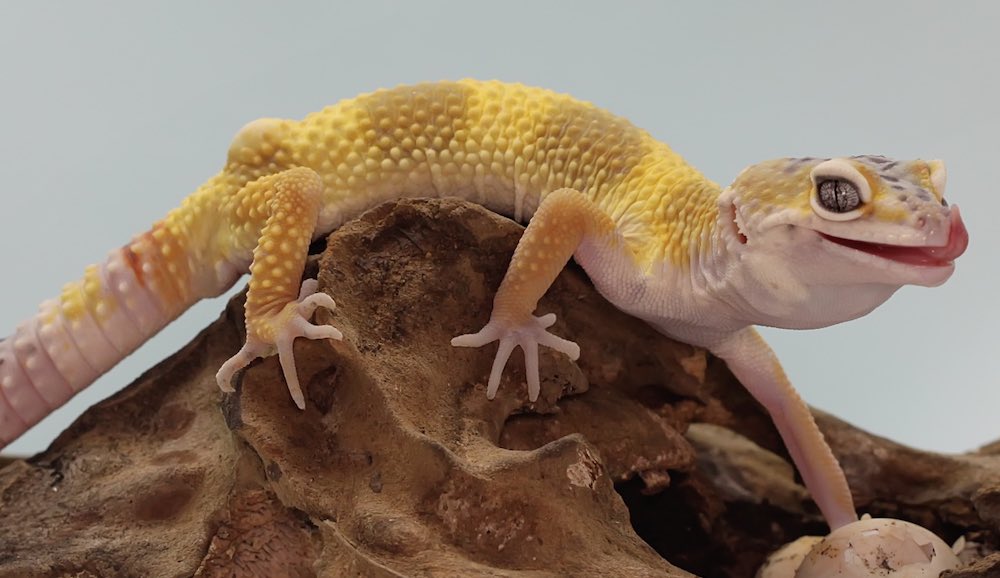
The leopard gecko is an unusual genus of lizards, growing up to 30 cm (including tail) and weighing no more than 75 grams. This exotic reptile can be kept as a pet, especially since it is hypoallergenic. Although reptiles rarely show affection towards their owners, leopard geckos become accustomed to humans quite easily. Over time, they may even happily sit in a person's hand or shoulder (and sometimes even sleep on them). The spotted leopard gecko is the most common pet. It is an artificially bred species that comes in dozens of different color patterns (morphs), but most commonly has a leopard pattern. Also popular are the Afghan, Turkmen (listed in the Red Book), Iranian (larger) leopard geckos, and Hardwick's (with brown-red stripes on the back). Although caring for a leopard gecko is not particularly difficult, there are some care considerations worth considering. In this article, we'll explore all the nuances of caring for this lizard, including its nutrition and the specifics of choosing a terrarium. Keeping a Leopard Gecko at Home: The Pros and Cons of Keeping Lizards. Leopard geckos are not aggressive: they have a docile, calm nature. These animals readily interact with children and can become attached to their owner. However, keeping them does have its challenges. Keep in mind that they won't be as friendly during the first few days, while they're getting used to their new home and owners. During the adaptation period, your leopard gecko may even seem aggressive; give it time to adjust.Read more
Keeping and caring for a lizard at home
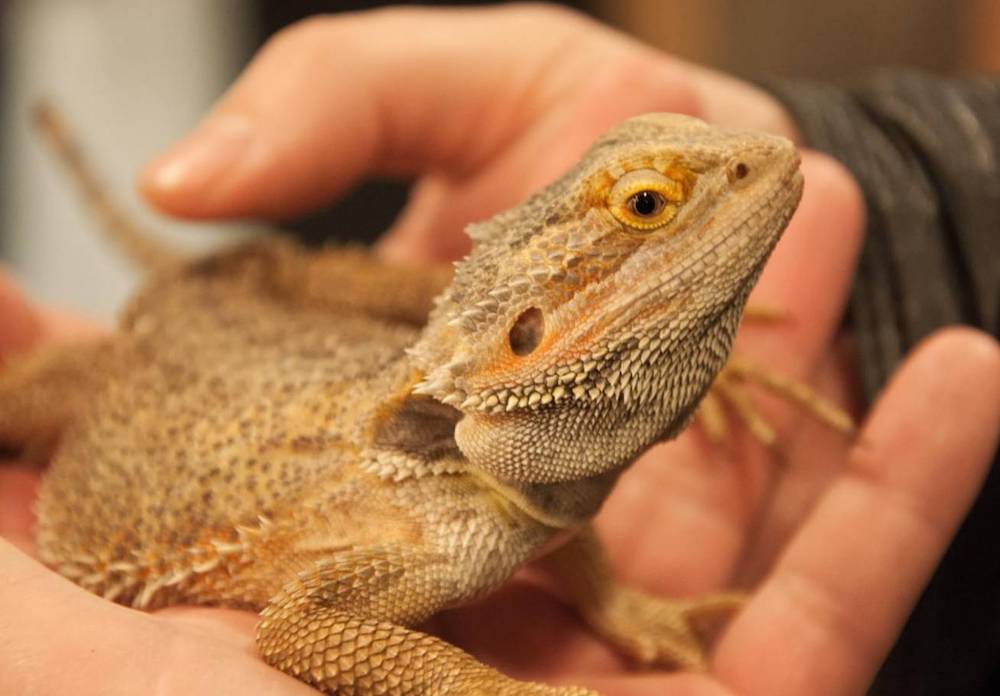
Getting a lizard means becoming the owner of an unusual and wonderful friend. As with any pet, this is a serious and responsible step. If you've ever had a pet, you understand what I mean. And although keeping a lizard is slightly easier than keeping a dog, cat, or rabbit, this doesn't relieve the owner of their responsibilities. A lizard requires little attention, space, and time for care; it eats less than four-legged pets, and it requires specific living conditions. Creating a comfortable environment similar to the reptile's native habitat requires effort. But other difficulties in keeping a reptile are very few. You're also guaranteed the absence of hair, fluff, and feathers, which means there's no risk of allergies. Furthermore, lizards are quiet creatures, leading a completely monotonous and measured life.Read more
Flying squirrel at home
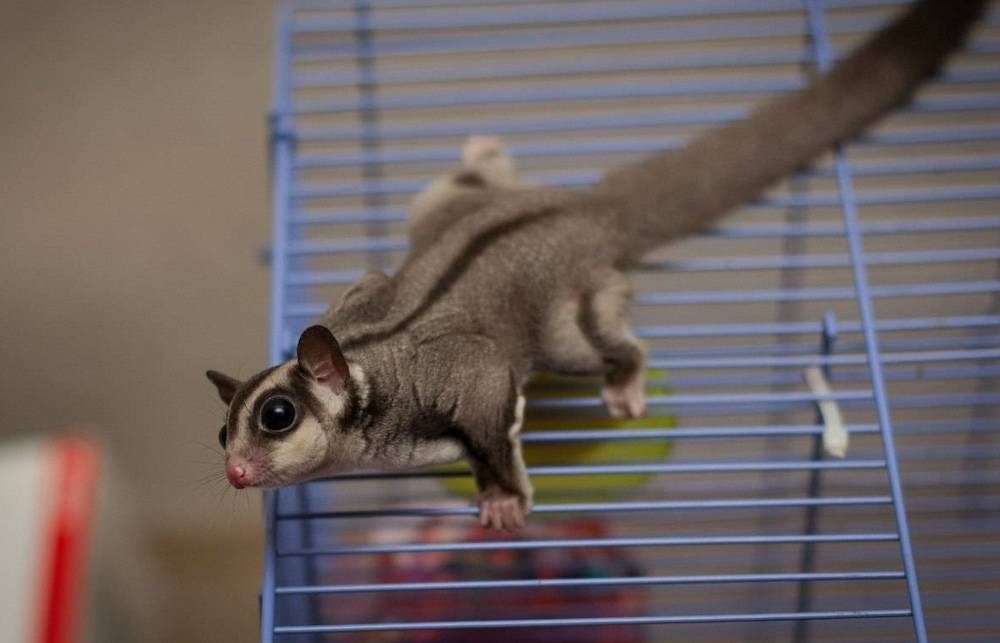
The flying squirrel is a small and very cute creature with huge round eyes and a long, fluffy tail. With an average body length of 13 cm (although some species can reach up to 40 cm), the tail is usually at least 10 cm long. In the wild, these funny little animals live in North America, as well as in Asia and European forests; they usually live in pairs. Although this squirrel is called a "flying squirrel," strictly speaking, it does not fly; rather, it simply leaps long distances – about 50 cm. During the jump, the animal spreads a fold of skin (a large, fur-covered membrane between the front and hind limbs) and dives, as if on a parachute. The tail is used as a rudder.Read more
Scorpio at home
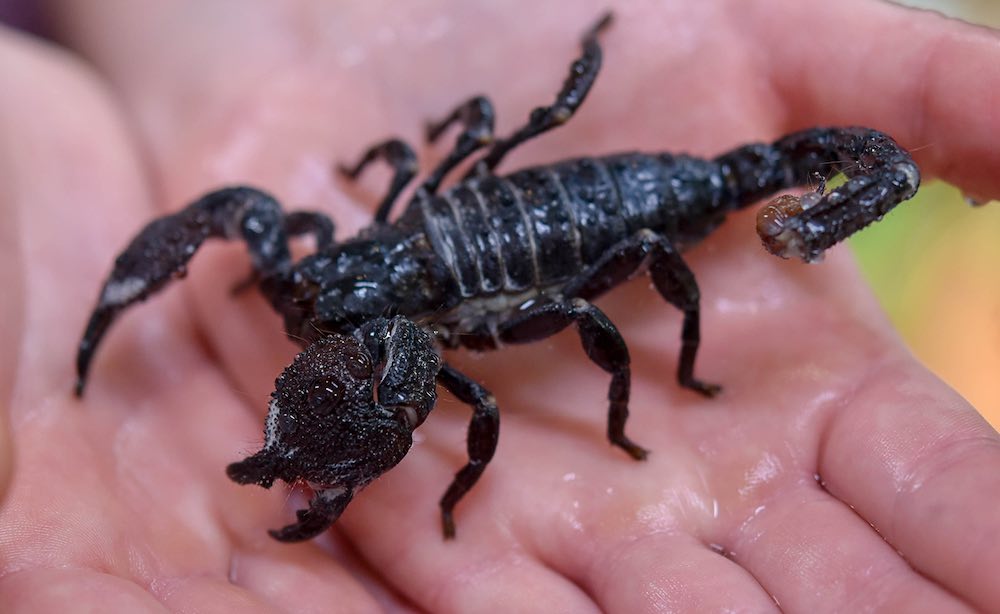
Scorpions are ancient venomous insects that often inspire fear. However, many species are quite feasible to keep at home, and the popularity of these unusual pets is only growing each year. You can keep one of the following species at home:Read more
The killer whale from the film "Free Willy" was finally released into the wild, but it ended badly.

After the release of the film "Free Willy," the charming killer whale Keiko became a star. Her incredible talent and intelligence captivated audiences. Caring people wanted the film's script to be brought to life and the dolphin-actor to find freedom. And this is what came of it.Read more