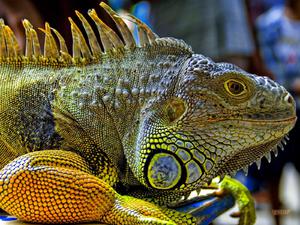
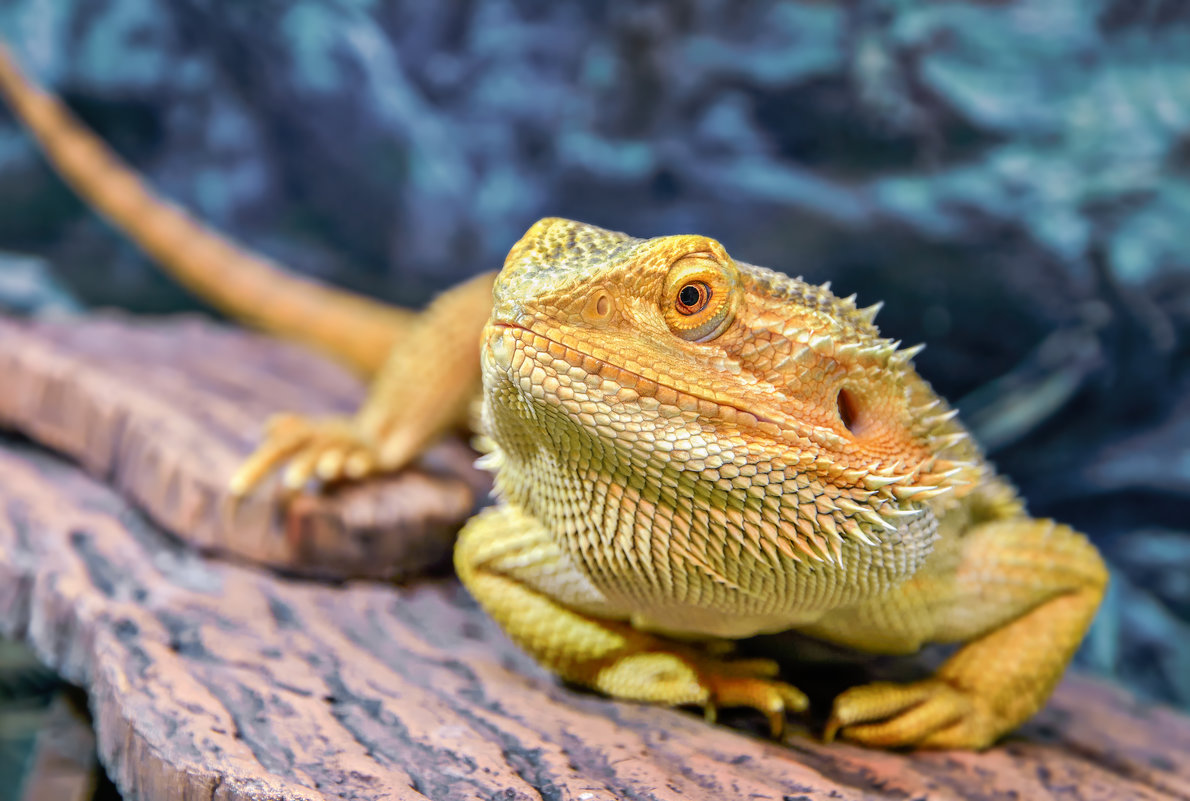
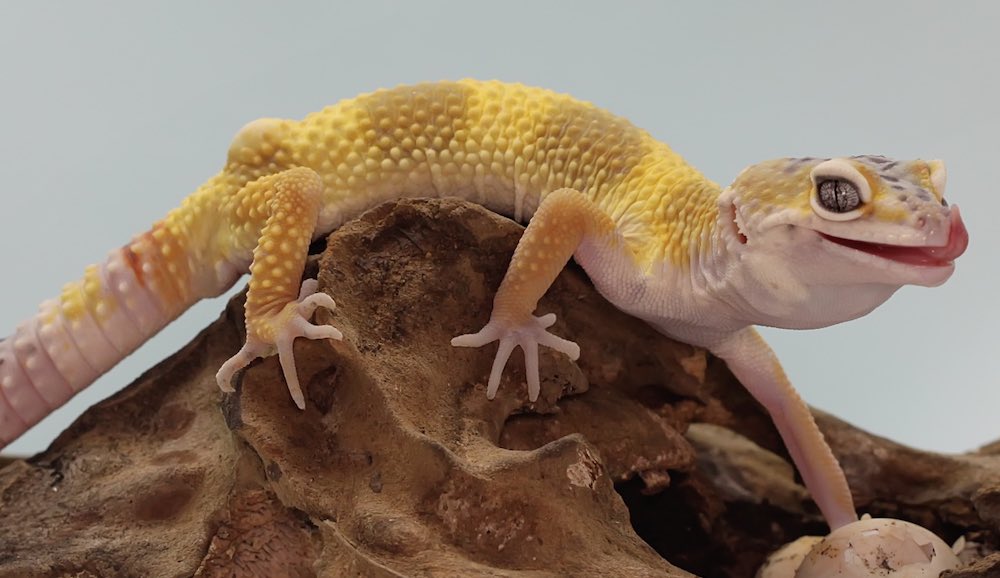
Getting a lizard means becoming the owner of an unusual and wonderful friend in every way. As with any pet, this is a serious and responsible step. If you've had any pets before, you understand what I mean. And while keeping a lizard is slightly easier than keeping a dog, cat, or rabbit, that doesn't relieve the owner of the responsibility.
A lizard requires little attention, space, and time for care; it eats less than four-legged pets and requires specific living conditions. Creating a comfortable environment similar to the reptile's native habitat requires effort. However, other difficulties in keeping a reptile are very few. You are also guaranteed an absence of hair, down, and feathers, which means no risk of allergies. Furthermore, lizards are quiet creatures, leading a completely monotonous and measured life.
In this article, we'll take a detailed look at all the nuances of caring for this unusual pet.
Content
Keeping a lizard at home: pros and cons, difficulties of keeping
What is the appeal of keeping lizards at home and what are the difficulties?
These pets aren't always attractive in appearance, don't show affection, and, even more so, don't respond to voices or calls, and are completely untrainable. They can't be taken for walks or brought along on visits as a companion or mascot. Furthermore, acquiring this nimble, unique little creature requires significant financial investment. However, keeping a lizard in your home doesn't require a huge amount of time or effort: you'll need a terrarium, basic reptile care skills, special food, and a love for these unusual and extraordinary creatures.
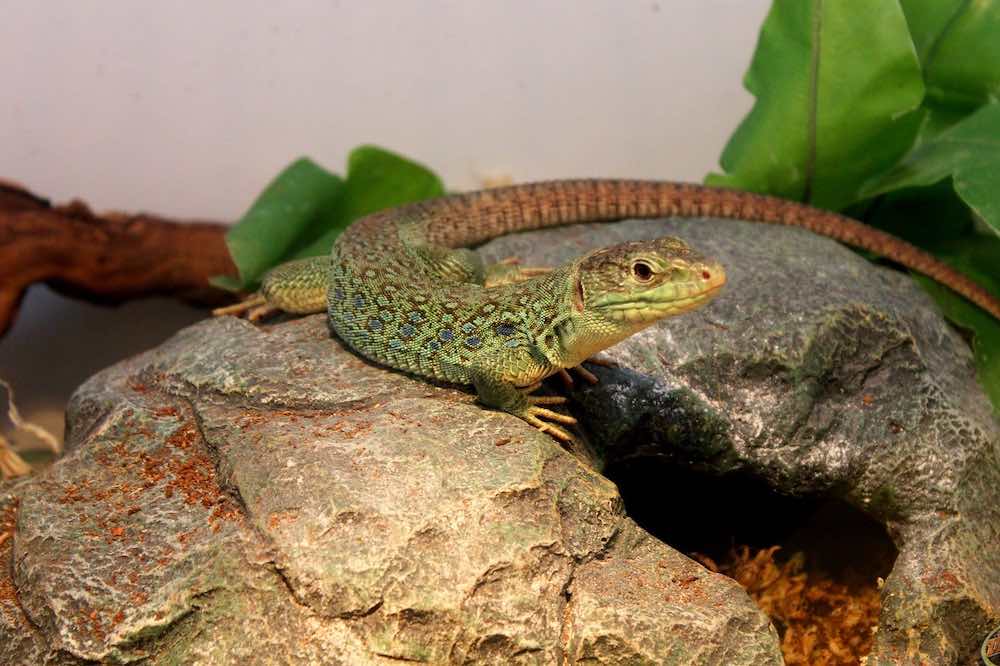
Here are the main physical parameters of lizards:
- The body length is no more than 30 cm (almost half of the body is the tail).
- Females are light brown with spots.
- Males are green, and mottled spots also predominate on their backs.
- The peculiarity of lizards is that the pursuit ends with the shedding of part of the tail, which grows back in the future.
- You can tell a "boy" from a "girl" by the throat pouches on their heads and the spurs on their paws, but only a professional can do this.
Most often, common street lizards fall victim to inexperienced breeders and their inexperienced handling. Nimble, brightly colored, and lightning-fast, they are often encountered on walks in the forest or grove, in a sunny clearing, under a berry bush, or among garden beds at home. Besides these specimens, at home withwill possess chameleons, bearded dragons, geckos.
Here are the main benefits of keeping lizards at home:
- One advantage of lizards is that they are relatively quiet, sedentary, and practically unnoticeable pets in everyday life.
- They very rarely try to escape from their own home - you can leave the house open and even walk on the floor.
- Lizards are unpretentious (you don’t have to cut them, wash them, or buy toys).
- Their diet is fairly monotonous, but is only available in specialized stores. The advantage is that during the warmer months, it's acceptable to feed them insects they catch themselves.
- The lizard simply won't notice the owner's vacation or short-term absence from home—you can leave the house even for a few days without entrusting your pet to strangers.
Here are some nuances that could be considered disadvantages: the lizard's low sociability and attachment to its owner, the need for specific skills and equipment to care for this miniature reptile. And one more thing: aggressive individuals are also common among reptiles. It's possible that a true friendship will not develop.
Should you keep a lizard at home and what do you need for this?
- To keep a lizard at home, purchase a terrarium. It should be properly equipped: with ventilation grilles on the top and front walls, spacious, and with a side door. A large aquarium without a lid, but not too tall, is also an option.
- A mixture of pebbles and peat, with a little sand, makes the ideal bedding for a reptile house. However, experts do not recommend using fine sand, let alone wood shavings.
- Experts also advise against placing sharp objects, dishes, or water coolers with sharp edges in the terrarium, as the lizard can easily injure itself. Large, sharp branches can also injure the pet, so be careful with these.
- Water should always be readily available in the reptile's enclosure: a container, a pond—any option is acceptable. In fact, lizards are excellent swimmers and love water.
- The primary goal of a terrarium keeper is to create conditions for their pet that are as close to natural as possible. Therefore, temperature control is a crucial factor (26-30 degrees Celsius is appropriate for comfortable conditions). This is easily accomplished by monitoring the temperature with a thermometer. Heating can be provided by a lamp (incandescent, fluorescent, halogen, mercury, or reflector), special small terrarium heaters, heating mats, and heating cords.
- Thermal stones are also recommended for such purposes – they are both a decorative element, unlike other thermal elements, and a “heater” (the temperature of the stones must be regulated by a thermostat).
- All lizards require ultraviolet light to produce vitamin D and absorb calcium. Lamps rated 5% are required, and the lamps must be on for 12 hours. Regular sunlight is not a suitable substitute, as the glass in the room does not transmit ultraviolet light.
- Humidity is maintained using a spray bottle (since an artificial pond is not always available, and is often a luxury in a small terrarium).
Read also about bearded dragon lizard.
Nutrition and care
The only difficulty in keeping a lizard may be in organizing feeding, since this is an insectivorous reptile: it is unlikely that you will be able to feed such a pet with ordinary forage.
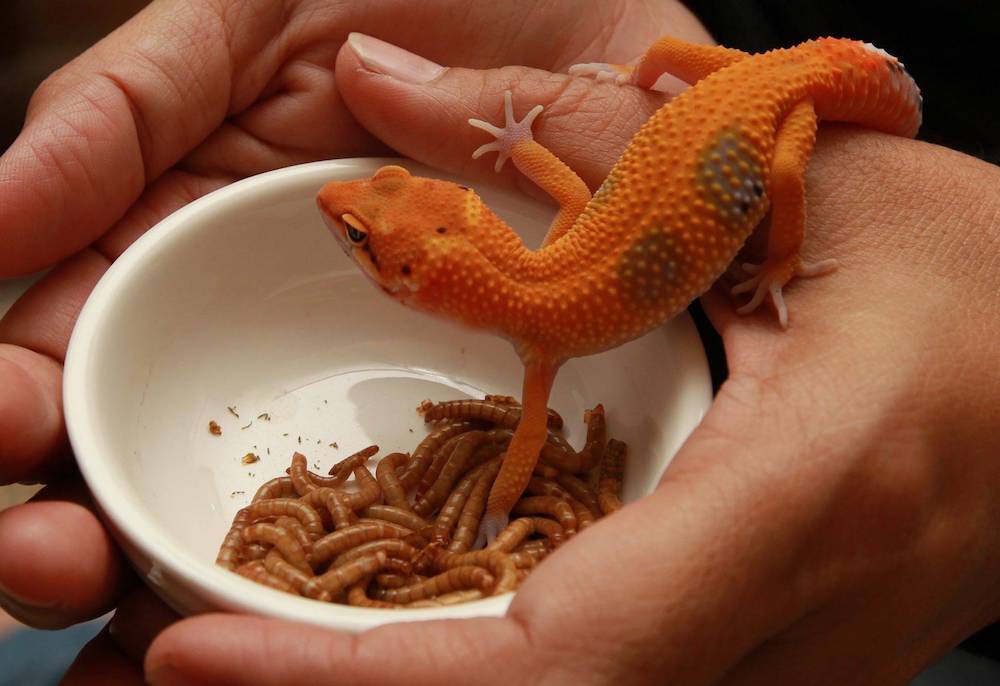
What will we treat the lizard with:
- crickets (they can be bred at home);
- grasshoppers, locusts, insect larvae, small bugs bought at a pet store;
- insects and their larvae caught in the wild.
A pet lizard's menu should be varied and not too high in calories, as monotony leads to a lack of vitamins, while overly nutritious food can lead to fatty liver disease.
Lizards are fed daily – 5-7 insects per meal.
A weekly ritual is a thorough cleaning of the reptile's habitat. The cage is cleaned and wiped down, uneaten food and debris are removed, and the dish, water bottle, and other items used in the terrarium are disinfected. During this procedure, the pet is placed in a separate cage.
Some reptiles drink water from a saucer, but chameleons most often use a drip bottle.
And one more thing: all lizards love secluded places, so their home should be organized in such a way that the pet can easily find a cozy, cherished corner.
In winter, the reptile hibernates – be prepared for this.
How long does an outdoor lizard live at home?
The lifespan depends on the lizard species. If you buy an iguana, you can enjoy its company for over 10 years. However, most pet reptiles—common outdoor lizards—live no more than 3-4 years in captivity.
Tips and nuances
The most common mistake people make when deciding to get a common lizard is a misunderstanding of the specifics of keeping a pet. For some reason, it's generally assumed that common lizards, which are abundant on sandstone and in the woods, can easily live in an apartment, without a terrarium or their usual food. In fact, this isn't true.
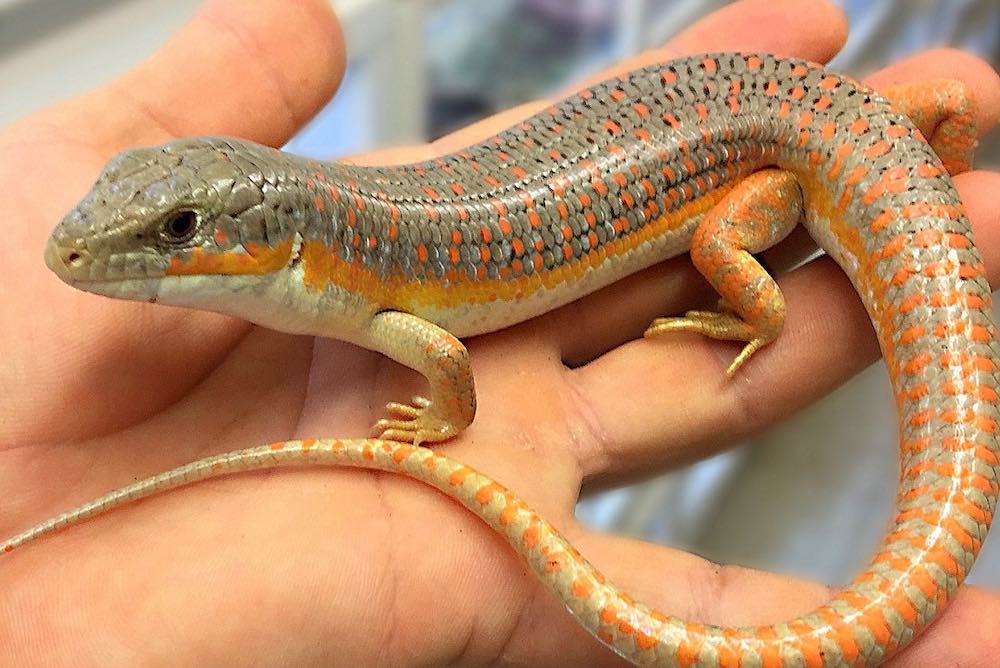
- Agile lizards caught in the wild are often infested with ticks. The parasite is not dangerous to humans, but before bringing a reptile into your home, be sure to inspect your future pet. Ticks are brightly colored and easily visible. Remove them to prevent the tick from causing a nuisance in the terrarium (this is easy, as the reptile's skin is hairless).
- If your outdoor lizard plans to live with others, quarantine your new friend in a separate enclosure beforehand. After 2-3 weeks, move your pet to the main terrarium.
- The captured lizard is treated for worms. Reptile medications can be found at any veterinary pharmacy. They are used strictly as directed and according to the recommendations.
- The lamps in the terrarium need to be changed once every 6 months.
- Pet stores offer a wide variety of vitamin-enriched supplements in powder form for reptiles—simply dust your lizard's food with one daily.
- Swollen joints or skin discoloration are reasons to consult a veterinarian. Pay close attention to your pet's general condition and behavior.
- Don't keep or give a lizard to children. Buying a reptile is a serious and responsible step, despite its apparent simplicity.
It's important to approach the purchase of a reptile with great care. Be sure to purchase a terrarium, a lamp, and other accessories to ensure a comfortable life for your lizard.
Unpretentious, calm, self-sufficient, and quite unique, these pets lead a leisurely life and almost never pose any maintenance problems to their owners. The only thing they need to worry about is a nutritious diet.
Don't get a lizard spontaneously, on a momentary impulse. Remember that we are responsible for those we tame.
Read more about all types of domestic lizards.