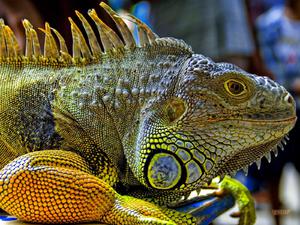
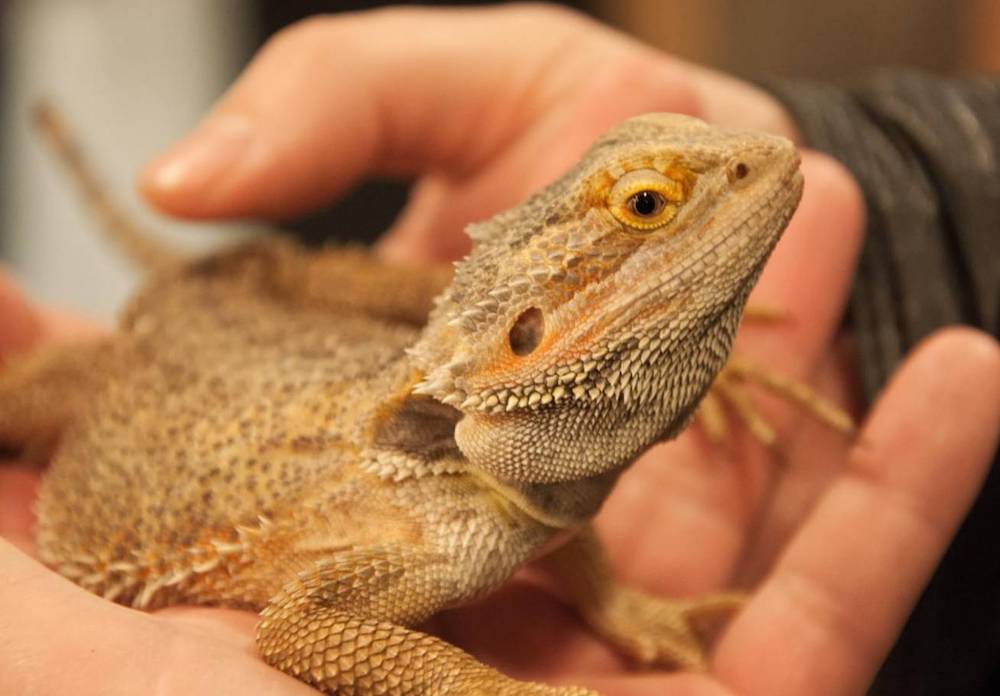
Although the Australian bearded dragon is an exotic pet that has only recently become a popular pet, it is becoming increasingly popular among reptile enthusiasts due to its adaptability to captivity, easy care, docile nature, and moderate size, coupled with its striking appearance. Of course, before acquiring such a unique pet, it's important to research its care requirements.
Content
Bearded dragon habitat and natural lifestyle
The place where exotic lizards live freely in the wild is the central and southern regions of Australia; agamas are never found near the sea coast. Natural habitat: arid rocky desert and semi-desert areas, dry forests, thickets of bushes.
These reptiles are active during the day, traveling and hunting both on the ground and in trees, hiding in burrows, rocks, and bushes. Bearded dragons limit their territory and do not leave it. They wait out the heat in shelters or well-ventilated areas of trees.
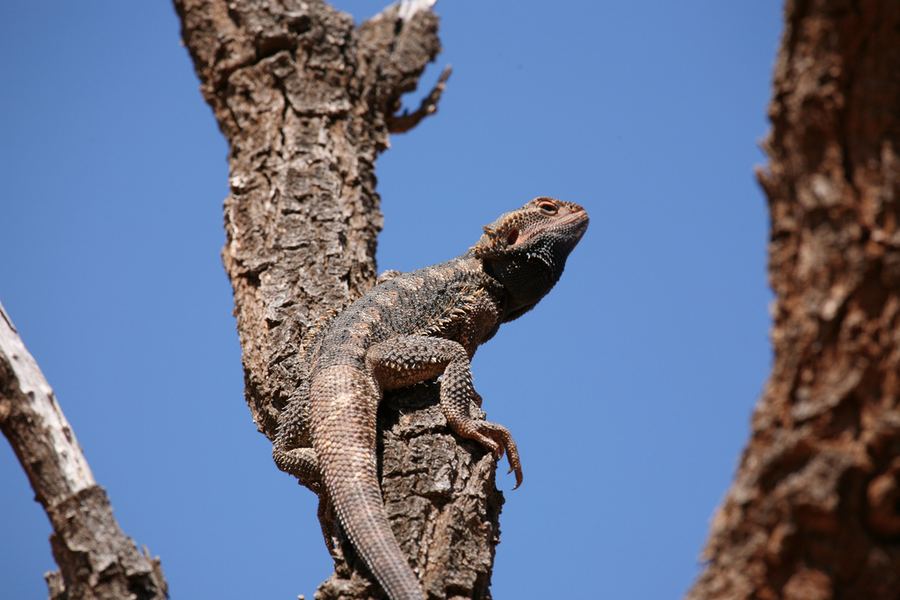
Agamas can live both on the ground and in trees.
Appearance and lifespan
These reptiles were classified in the early 20th century. The bearded dragon belongs to the genus Pogona, which includes several species:
- Pogon barbata;
- Pogon henrylawsoni;
- Pogona microlepidota;
- Pogon minima;
- Pogon minor;
- Pogona nullarbor;
- Pogona vitticeps.
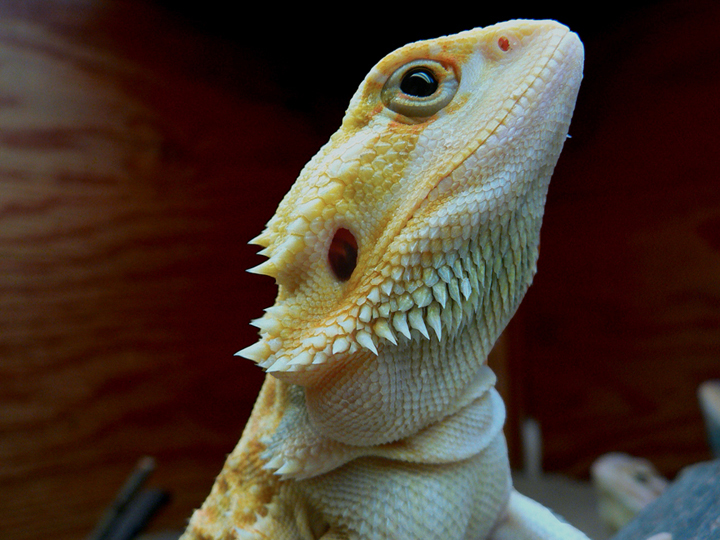
The most common is Pogona vitticeps, which in Latin means "bearded with a bulbous headband." The reptiles were given this name because of the spines around the ears and throat, resembling a beard, and the pouch under the neck, which can swell and darken when the agama is in danger or during the mating season.
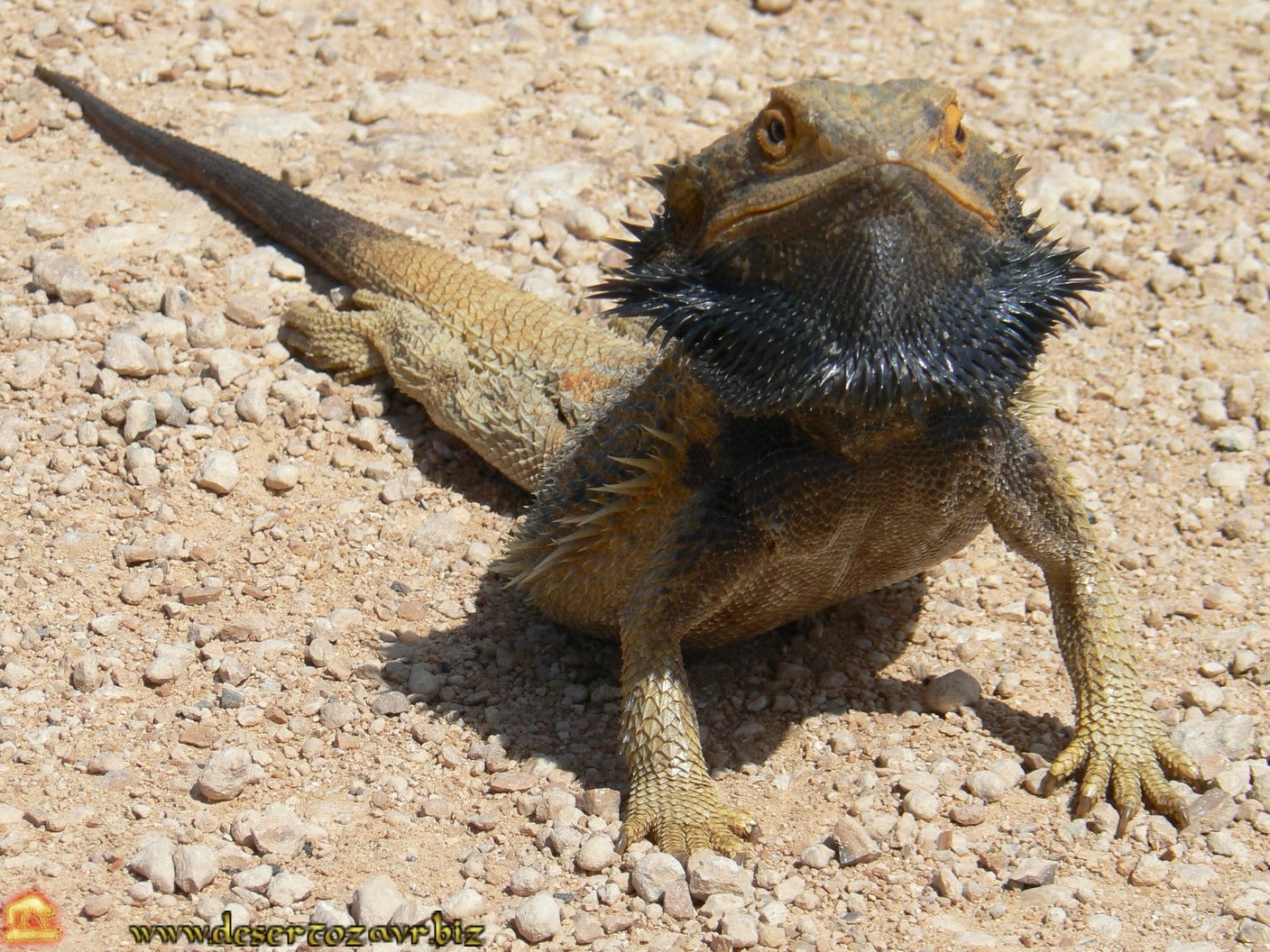
A sharp increase in the neck pouch can deter predators.
An adult animal measures 35–60 cm in length, including the tail, and weighs approximately 300 g. The tail is 1.5–2 times longer than the body. The triangular head is equipped with lateral auditory openings, and the body is flat with two rows of spines.
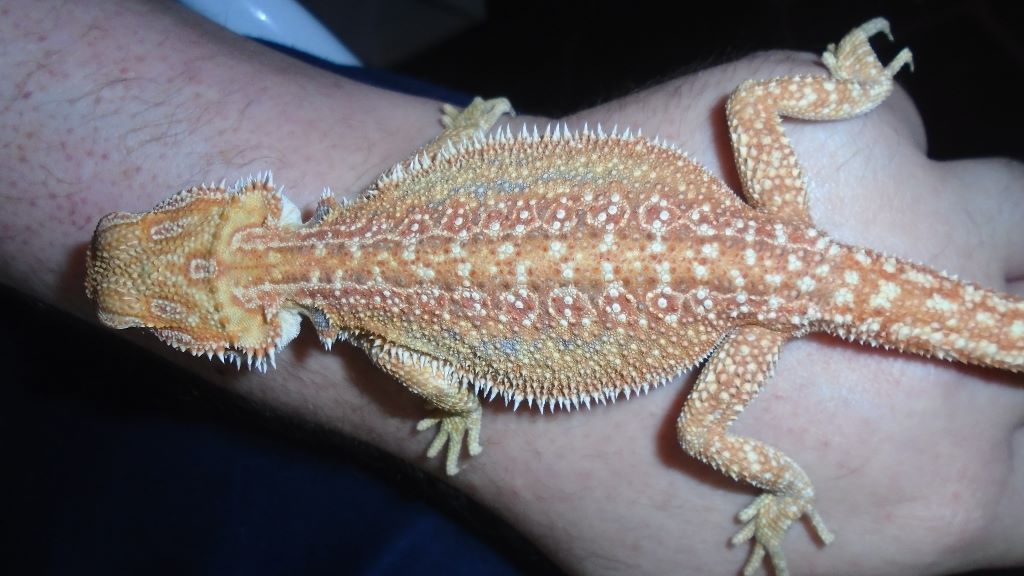
Despite their menacing appearance, the spines and scales are quite soft to the touch and have a pleasant texture, unlike the harder and more scaly iguana.
The agama is distinguished by its toes with long claws, a wide mouth, and sharp teeth: it uses its front teeth to grasp food and its back teeth to chew it. It can catch insects with the sticky tip of its tongue.
Coloration and sexual differences
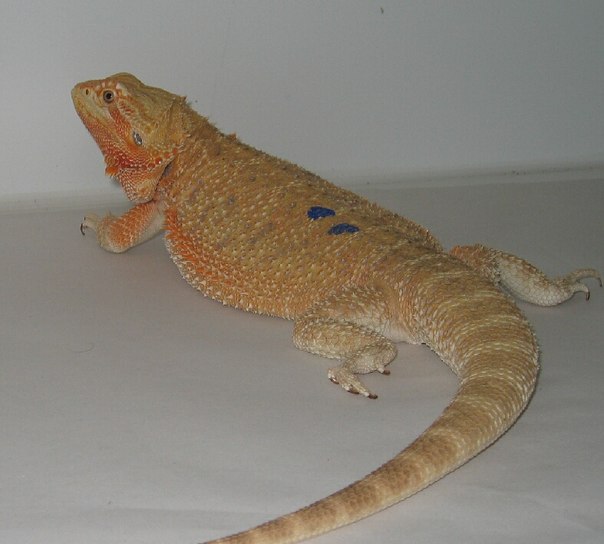
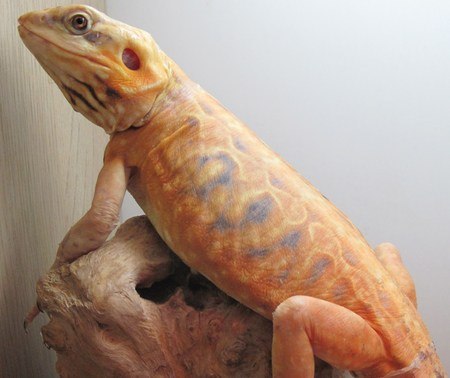
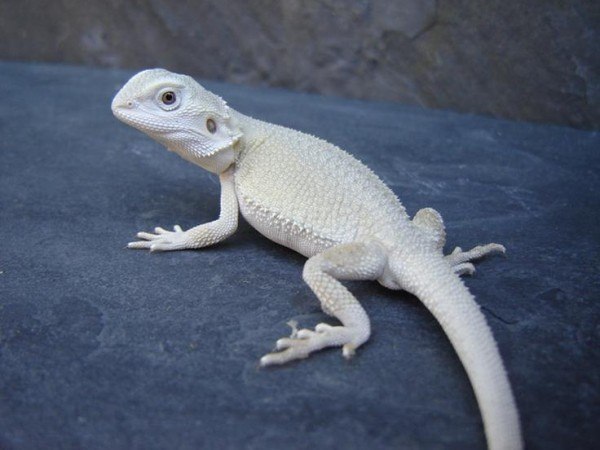
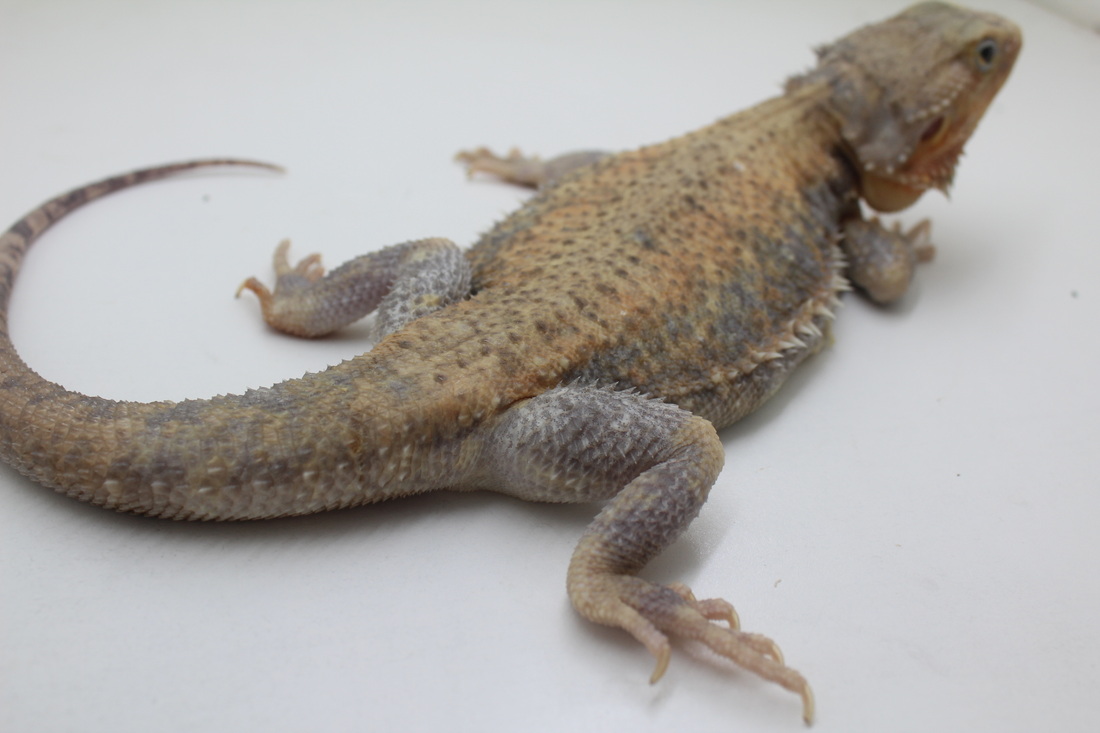
The most common skin color is gray or brown, with scales often forming a pattern resembling spots or stripes, which is more pronounced in young agamas and virtually invisible in adults. The belly is lighter. The skin may change color slightly depending on the conditions of keeping, the ambient temperature, and the general condition of the animal. There are specimens with different shades, from red to almost white.
The main difference between males and females is that their tail is significantly thicker at the base, and the neck pouch becomes black or dark blue during the mating season, while in females it is beige or orange.
Based on skin color, bearded dragons are divided into the following types:
- White Morphs (white morph);
- Yellow Morphs (yellow morph);
- Orange Morphs
- Tiger Pattern Morphs (tiger pattern);
- Black Morphs (black morph);
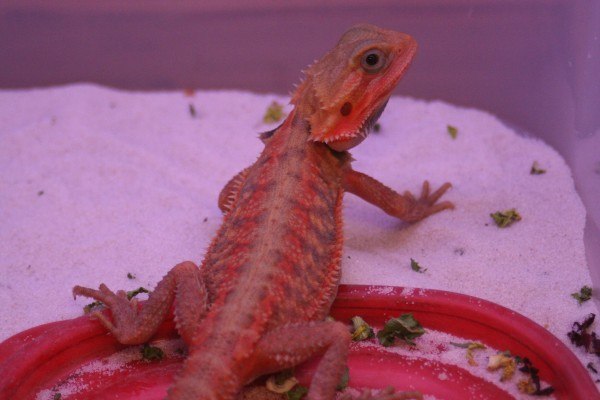
- Red Morphs (red morph).

The color of agamas can vary from red to almost white.
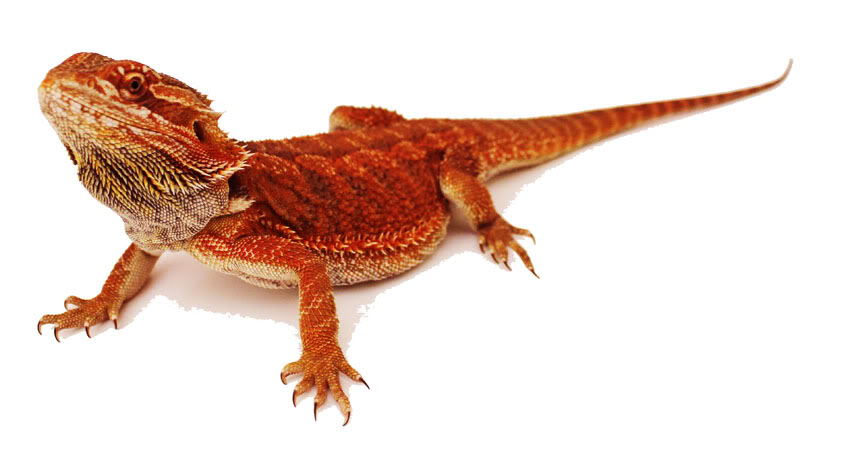
Morphs developed by breeders:
- German Giant Bearded Dragons — "German Giant." Developed by German breeders, this morph is freely interbred with any other breed and is large in size.
The "German Giant" is distinguished by its particularly large dimensions.
- Italian Leatherback Morphs are "leatherback agamas." Bred in Italy, they have less spiny scales. Some specimens may be virtually devoid of lateral spines.
Lateral spines are absent in some leatherback morphs.
- Silkback Morphs are a cross between leatherback morphs. They have almost hairless skin, which is very pleasant, soft, and silky to the touch. However, they are overly sensitive to UV rays and are prone to dryness. They require more careful grooming than the standard bearded dragon.
The silk morph is sensitive to ultraviolet light.
- Dunner Dragons - distinguished by spikes growing up their beards and white vertical stripes on their tails.
Instead of the usual horizontal pattern on the tail, Dunner Dragons have vertical stripes.
- Translucent Morphs are a translucent morph. This trait is most pronounced in young reptiles.
Translucency of the skin is a genetic disorder.
- Leucistic Morphs are light-colored; their skin does not produce dark pigments. True leucistic morphs should not even have black nails.
If at least one nail is black, then you are not looking at a leucist.
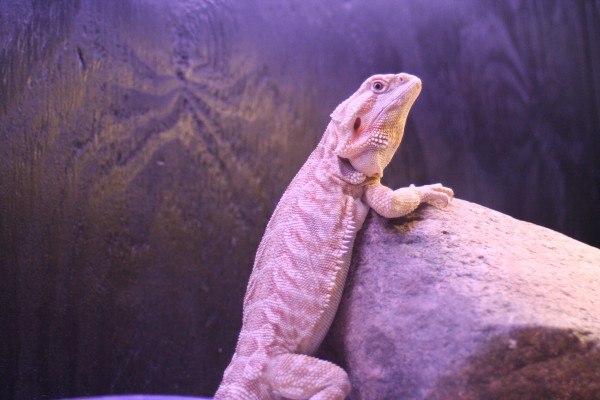
- Witblits Dragons are pure white agamas with no markings whatsoever. They are born darker, but as they mature, their coloring should become pure white.
The Witblits Dragons morph is completely white, with no pattern.
- Japanese Silverback Dragons are born with the same coloring as regular agamas, but become lighter with age, with a silvery tint appearing on their backs.
Japanese Silverback Dragons are distinguished by their silver color.
Lifespan of bearded dragons in captivity
The lifespan of a pet lizard depends on proper care, lighting, and nutrition. In a zoo, a bearded dragon can live up to 10–12 years, but in an apartment, it usually lives less, 6–7 years. Some breeders claim that such reptiles live up to 40 years in captivity, but this is a myth.
The Hydrosaurus sailfin agama can live in captivity for up to 24–26 years, provided it is not allowed to become obese, a rhythm is maintained, and the terrarium is much larger than the reptile's size, so that it can move freely.
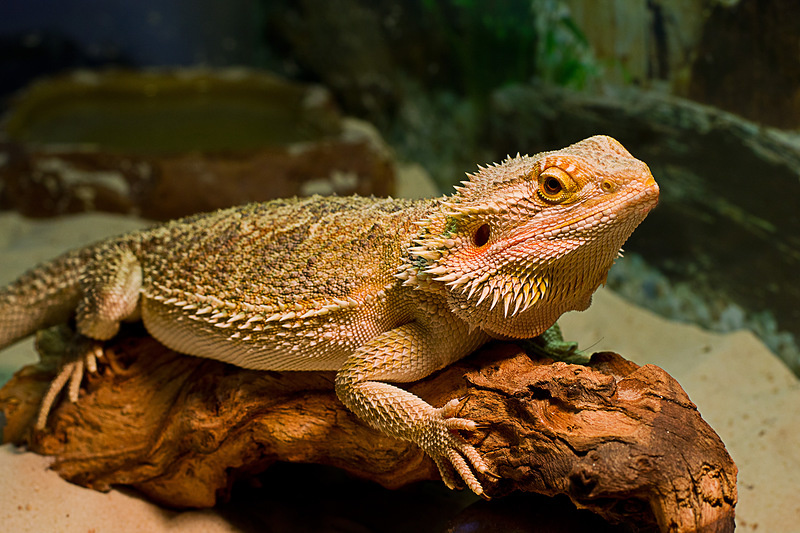
The lifespan of bearded dragons depends on the correct living conditions.
How to choose a bearded dragon
Before acquiring a pet reptile, you should ensure it is completely healthy. Young dragons can often bite off each other's fingers or tail tips, so this defect is quite common and is considered practically normal and harmless. However, other signs should be examined more closely:
- Presence of wounds or injuries. A lizard should be thoroughly inspected before purchase: there should be no fresh wounds, scars (even healed ones), ulcers, or other defects on its body.
- Body integrity. Bearded dragons, like other lizards, are unable to regenerate body parts. Therefore, if a dragon loses its tail, it will definitely not grow back.
- The eyes and nostrils should be clean - there should be no discharge around them, and no liquid or foam near the mouth.
- Activity. It's best to observe your chosen reptile for a while, as it can't maintain 24/7 activity. However, if your agama is constantly lethargic and inactive, this is a warning sign, as these animals are quite active in the wild.
Video: How to Choose a Healthy Lizard
Features of maintenance and care
Keeping bearded dragons in an apartment is not particularly difficult, but to ensure their well-being and longevity, it is necessary to maintain climatic conditions that are close to their natural environment.
Terrarium design
A terrarium is required for keeping agamas; a cage can only be used temporarily, as a carrier. The terrarium should be designed for reptiles, horizontal, and sufficiently long. Young specimens can be housed in a container of at least 100 liters, but their growth rate should be taken into account; this means they will soon need a larger container. The optimal size of a terrarium for one adult lizard is 80x45x45 cm, with a volume of 200 liters, but the longer the container, the better. For two or three individuals, a terrarium with minimum dimensions of 100 x 50 x 50 cm is required. The container can be made of glass or plastic, but it should be free of sharp edges and burrs.
It's best to cover the terrarium with a grate at the top to ensure ventilation and prevent condensation. Access the terrarium from the side, as a lowered hand may be perceived as dangerous by the lizard.
It's recommended to place the container higher off the floor, as this will provide the reptiles with greater security. Bearded dragons are very active, so it's best to keep them in a free-range terrarium. Allowing them to run around the apartment, especially on the floor, is not recommended.
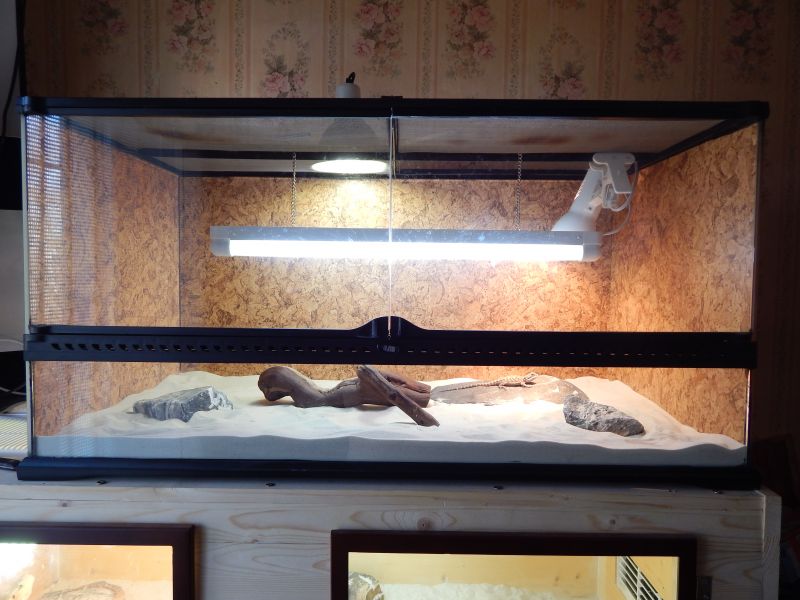
The terrarium for a bearded dragon should be horizontal, with an entrance on the side.
My opinion is that it's best to raise these animals individually. They often fight and simply experience "psychological" pressure, which can result in the weaker lizard, constantly stressed, becoming lethargic, weakening, losing its appetite, becoming ill, and possibly even dying.
Video: Preparing a Terrarium
Daylight and irradiation
Agamas typically require 12-14 hours of daylight. During winter, a UV lamp should be on continuously for 13-14 hours daily. It is recommended that lighting fixtures be placed inside the terrarium to prevent light loss; the distance from the bottom should be 25-30 cm.
It's best to use lamps labeled with UVB 7–8%, which are suitable not only for illumination but also for irradiation. Erythema lamps are also used for this purpose—for 5 minutes, 3 times a day.
You can replace the special lamps with UV heaters, using them for 1-2 minutes at a distance of at least 50 cm from above for a week—no more than once a month. When using erythema lamps and UV heaters, the inside of the terrarium must be dry.
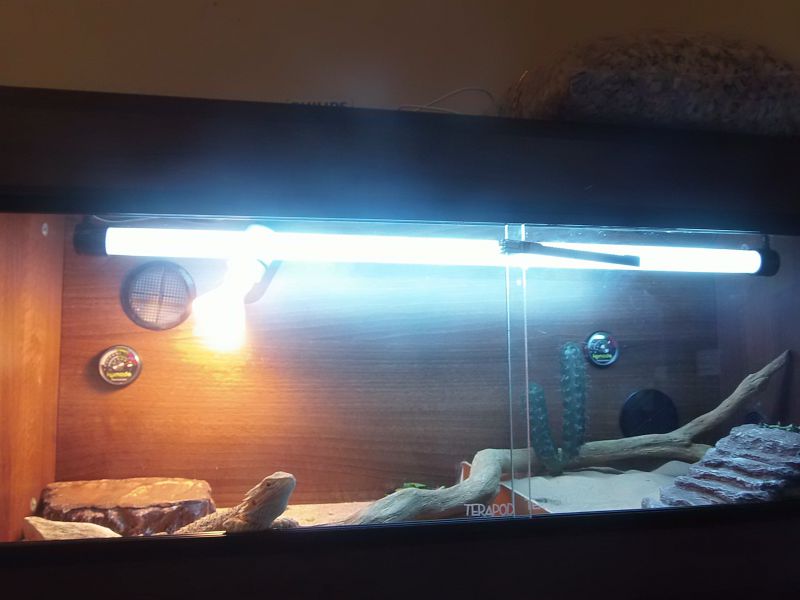
Ultraviolet lamps are used for illumination and irradiation.
Wintering
In the Southern Hemisphere, where bearded dragons naturally live, winter occurs between June and August. During this period, it is recommended that these reptiles hibernate according to certain guidelines.
- Over the course of 14 days, the duration of lighting and heating is gradually shortened.
- When daylight hours reach 6 hours, the heating is turned off and the lizards stop being fed.
- After another 7 days, they are moved to a separate container with good ventilation and a temperature of 15–18 °C.
- Once a week, the soil, consisting of damp sawdust or sphagnum moss, is sprayed with water, and a water bottle should be placed in the container periodically. If the animal is doing well, hibernation lasts about two months.
To bring the birds out of hibernation, increase lighting and heating in the same sequence. When daylight reaches 6 hours, begin feeding. Young agamas do not require wintering as much as mature lizards, but it is still advisable to do so. Many reptile owners practice hibernation during the winter months, but this is only possible for individuals born and raised in a terrarium or who have lived in captivity for several years.
Heating
Since bearded dragons are accustomed to hot, arid climates, their temperature should be high, between 30 and 40°C. It's best not to exceed this temperature to prevent burns. Overheating is especially dangerous for young dragons. Using rocks with internal heating is not recommended. Young dragons can be provided with a downward-facing basking spot (a low-wattage incandescent lamp or a reflector) with a daytime temperature of 32–33°C and a nighttime temperature of 22–24°C. In the place of local heating tThe temperature should be measured with a good, accurate thermometer directly at the point under the lamp. It is essential to also create a “cold” corner where the reptile can cool down – 22–24 °C (at night 18–20 °C).
A piece of driftwood, a wooden block, a branch, a shelf, or a small bridge can be placed under the basking area for the agama to climb to achieve the desired temperature. In the cooler zone, branches or driftwood can be placed for shelter, or a burrow can be made from a container with a lid, with a hole cut in the side for entry and damp sand poured into the bottom.
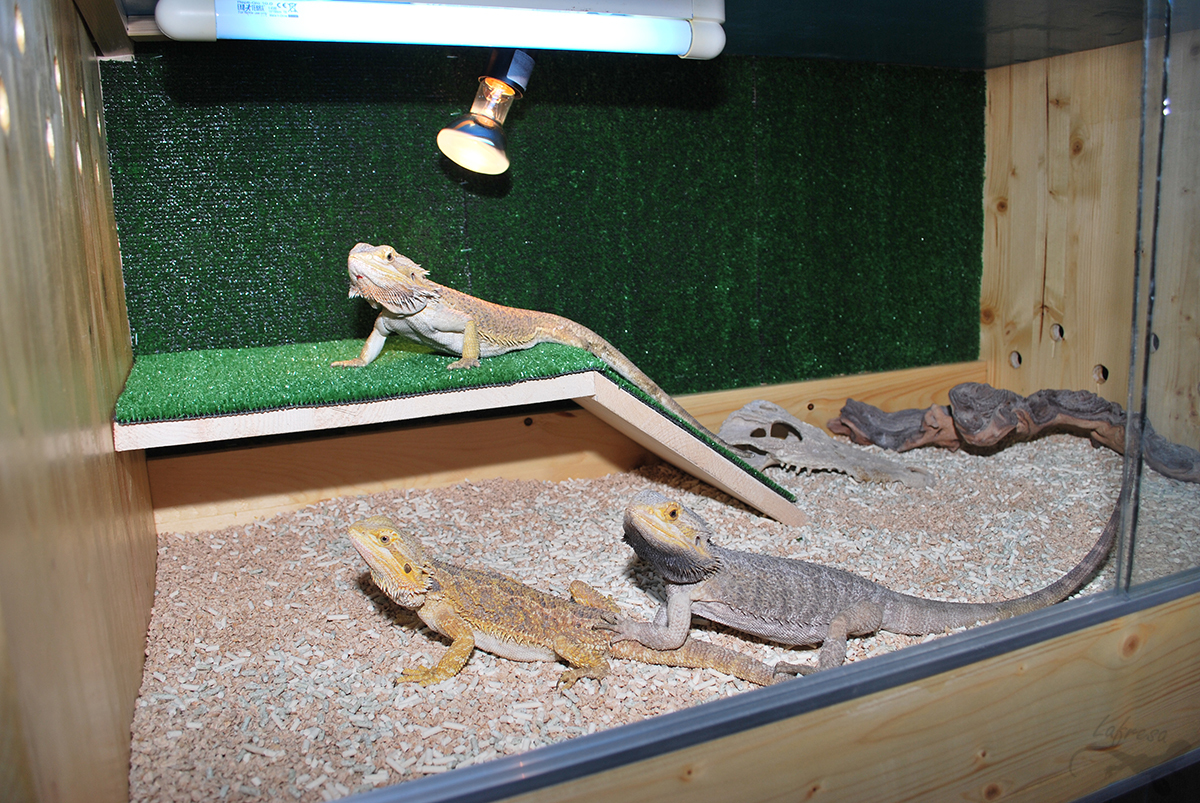
The terrarium should have a warm and a cold corner.
It is important to ensure that there are no drafts in the terrarium, otherwise the lizard may become ill.
Temperature and humidity levels must be monitored regularly, ensuring they don't exceed the recommended limits. It's best to use two thermometers (one for each cool and one for each hot zone) and one hygrometer. A combination thermometer and hygrometer designed for reptiles can also be used.
Water
Many agamas barely drink, relying mostly on succulent vegetables and greens for moisture. However, it's essential to regularly change the water in their water bowl with clean, fresh water to maintain humidity, especially during shedding season. The terrarium shouldn't be too humid. Once a day, in the morning or evening, the walls of the terrarium can be sprayed with clean water (for young animals - 2-3 times a day). This imitates dew, and reptiles will also happily lick the moisture off the walls or decorations.
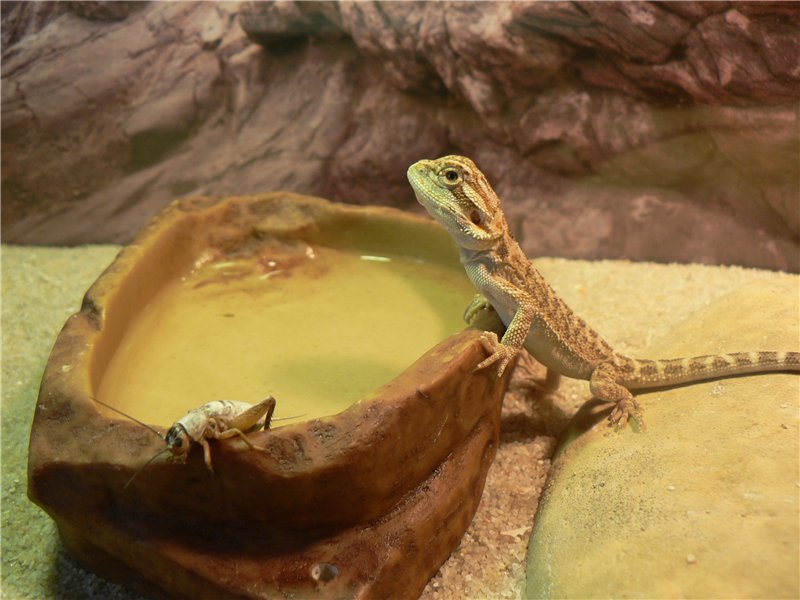
Water should always be fresh to prevent bacteria from growing in it.
Bathing
Bearded dragons don't require regular bathing; they only require bathing in certain situations: if they become dehydrated (for example, after hibernation), to prevent illness during the warmer months, during shedding, or if the dragon becomes very dirty. In such cases, the reptile is immersed in a container with a small amount of warm water (about 35°C), with its head always facing upward.
Video: How to properly bathe a dragon
What kind of soil is suitable for agamas?
Agamas love to burrow into the substrate, so it should be at least 10 cm thick. It's best to use special substrates for reptiles, choosing ones that imitate vegetation. For juveniles, paper or thick fabric napkins, toilet paper, or compressed cellulose mats are suitable. Adults' tanks can be filled with sand or pebbles at least 10 mm in diameter. Do not use gravel, sawdust, rocks or sand in a juvenile terrarium. Reptiles often eat soil, which poses a health risk—particles clog their intestines and can cause death.
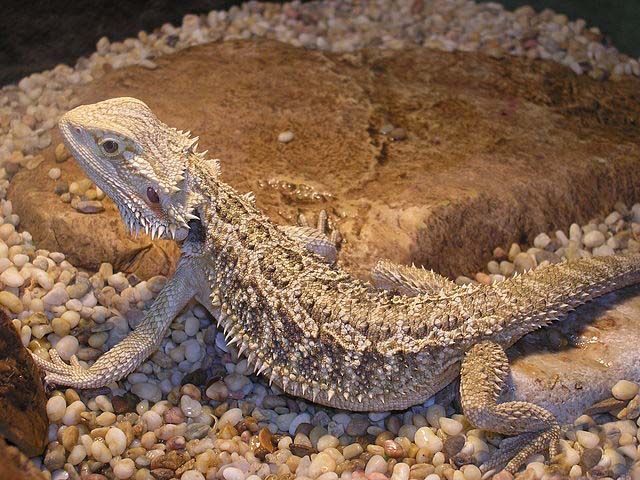
The soil should be such that the agama cannot swallow it.
Shelters and decor
Bearded dragons need a place to hide. Hiding places come in various shapes: houses, shelves, rocks. You can buy them at a pet store or make your own. The main condition is that there should be enough space in the shelter for the lizard to turn around freely. There is no need to touch the shelter or remove it during the day.
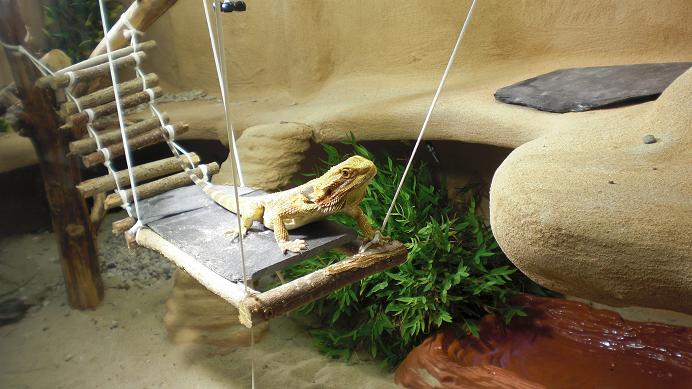
Any bridges or shelves on which the lizard can sit are suitable for decoration.
The terrarium walls can be decorated with decorative material, shaping it into rocks for the reptile to climb. Flat, dark stones, which absorb heat well, can be placed under the basking point.
When choosing branches for decoration, it's best to remove any bark or insects beforehand to prevent your agama from ingesting them. Soaking the branch can help solve these problems. Simply submerge the prepared branch in water and hold it there for a while: some of the bark will fall off on its own.
Video: How to care for bearded dragons
Basics of Nutrition
In the wild, bearded dragons are omnivores, meaning they can consume both plant and animal matter. However, their diet depends on the lizard's age and size. Young dragons are actively growing, requiring a lot of protein to achieve this, so they eat virtually no fiber during this period. The ratio of food for young individuals: 80% - insects and small animals, 20% - vegetables, fruits, greens. For mature adults, the ratio is reversed (80% plant food, 20% animal food). If young agamas do not consume the plant food immediately, they are left in a flat, low-sided feeder for a day. Young animals are given protein-rich food three times a day, in an amount they can consume in 10–15 minutes. Any leftover food is removed.
Adult dragons are prone to obesity when kept at home, so they should not be overfed. Food pieces should be no larger than the distance between the dragon's eyes to prevent choking.
Animal food
Bearded dragons eat all kinds of insects, but it's best to feed them beetles purchased from a pet store, as those caught outdoors may carry parasites or be contaminated with insecticides. In extreme cases, they can be fed wild insects (crickets, grasshoppers, woodlice, etc.), but only if they are non-venomous and caught away from cities and fields.
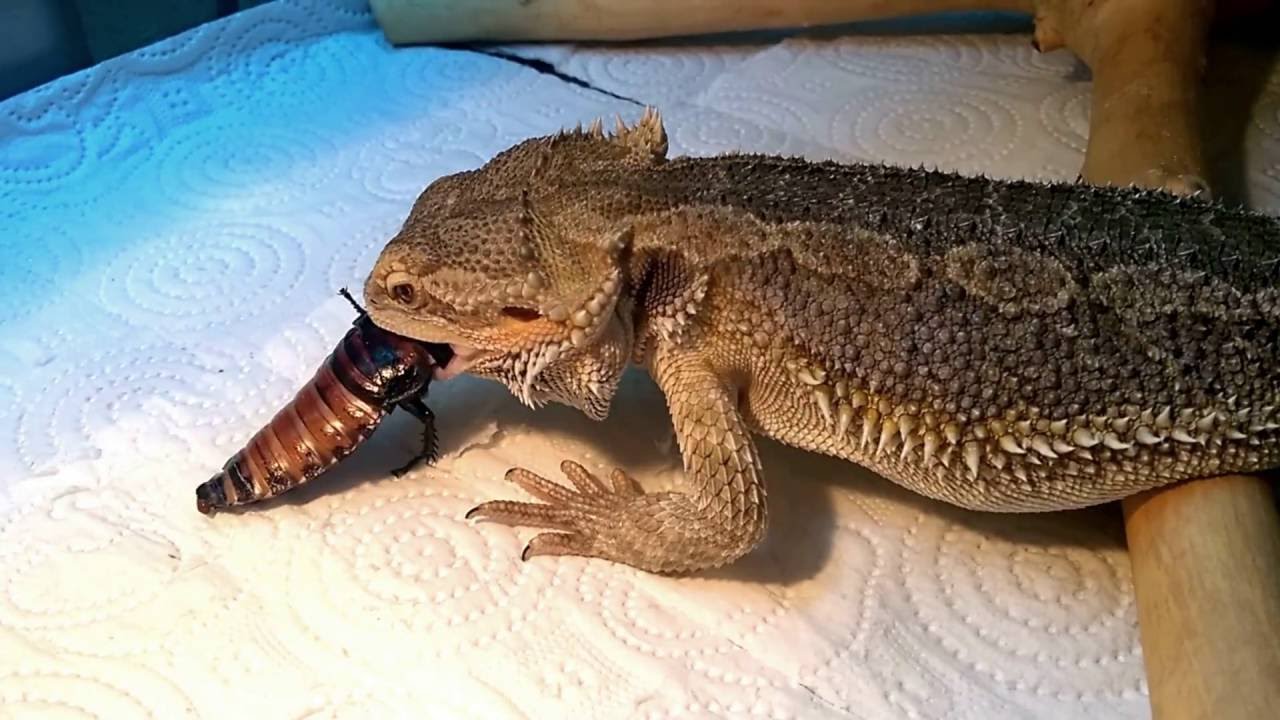
The ratio of food for young individuals should be 80% protein and 20% plant food, and vice versa for adults
Insects suitable for feeding bearded dragons:
- crickets (house, banana, etc.);
- cockroaches (not domestic);
- flour beetles;
- Zophobas.
Agamas also eat snails, earthworms, eggs, and can be given newborn rodents and lean meat about once a month.
Video: Feeding a Lizard Crickets
Plant foods
Vegetables and plant leaves are the basis of adult agamas' diet and a source of essential vitamins and minerals. Before feeding, they should be grated or finely chopped. Lizards can be fed:
- carrot;
- cabbage;
- rutabaga;
- pumpkin;
- lettuce, tradescantia and dandelion leaves;
- carrot tops;
- parsley, alfalfa, etc.
Agamas thrive on a diet similar to green iguanas or tortoises. Like iguanas, agamas have excellent color vision, so they are attracted to foods with vibrant hues (red, yellow, green). Reptiles can eat apples, pears, and bananas, but it is still not recommended to give them fruits.
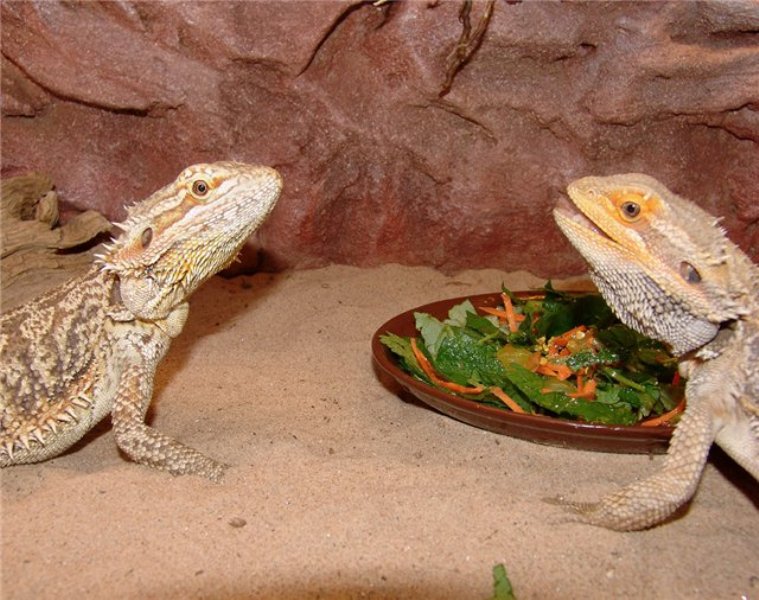
Agamas enjoy eating vegetables and fresh herbs.
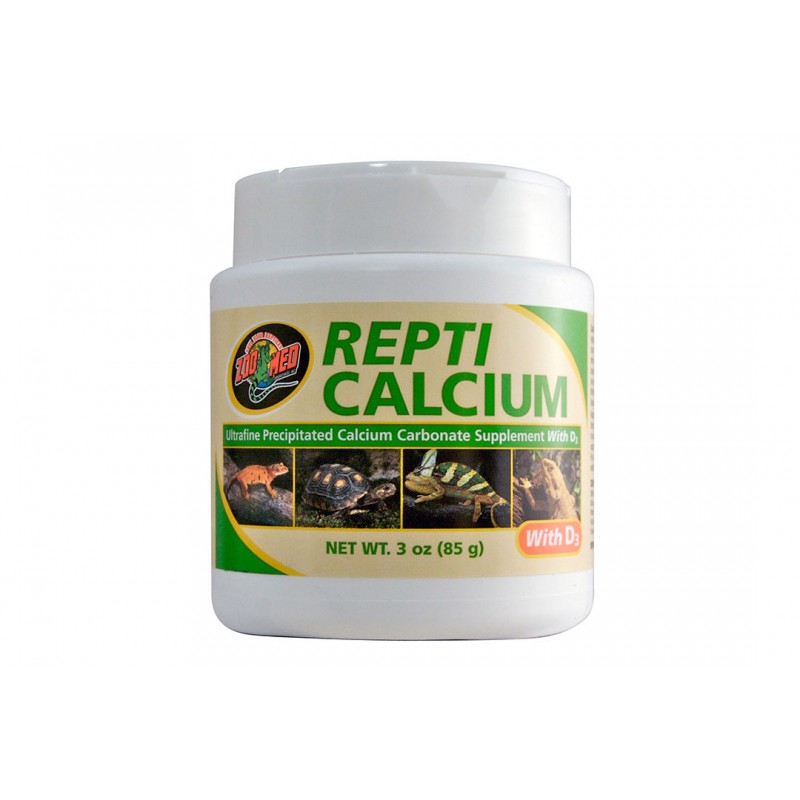
It's important for lizards to get calcium, so they're given various mineral supplements, rolled into protein feed, and crushed eggshells can be sprinkled in their feeder. Multivitamins and reptile supplements are added monthly. Administer according to the instructions.
Video: How to properly feed a bearded dragon leafy food
Reproduction and breeding
Agamas are an oviparous species. They reach sexual maturity at about two years of age. Breeding occurs after hibernation. To achieve this, the reptiles are gradually exposed to radiation and given vitamin E supplements in their food. When the males acquire the bright "breeding" coloration of their throats, they are introduced to the females (between breeding sessions, it is best to keep them separately). The female's behavior is observed: if she shows no interest and remains motionless, she is removed, as she is not ready to breed. The attempt is repeated after 2-3 days. Females indicate readiness for mating by nodding their heads, moving their tails, and raising their paws. Males rise on their forepaws and puff out their throats. The mating process lasts 3-5 minutes.
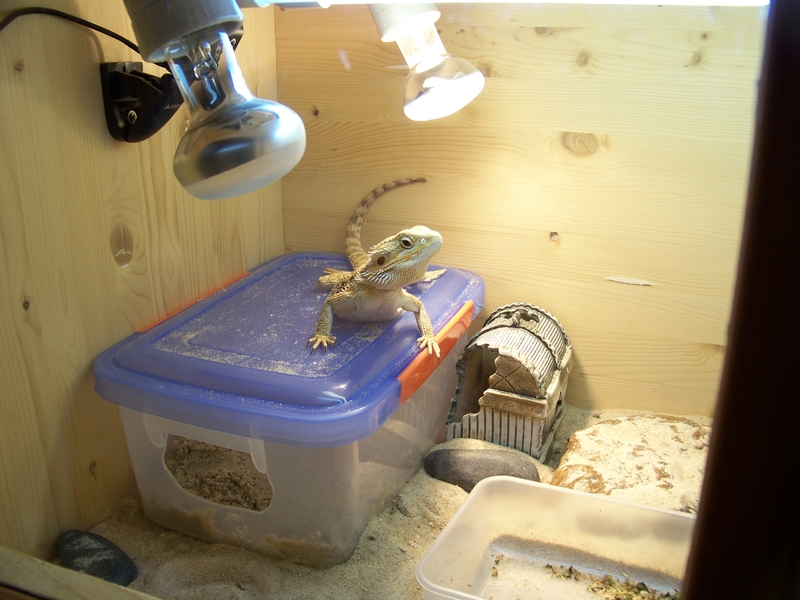
To prepare the place for laying the bricks, you can place a container with wet sand
Egg laying occurs after 45–65 days. To do this, the female must dig a burrow at least 40 cm deep. Therefore, she is either placed in a separate terrarium with a sufficiently deep layer of sand, moistened underneath, or an additional container is provided. There, the lizard lays her eggs and buries them.
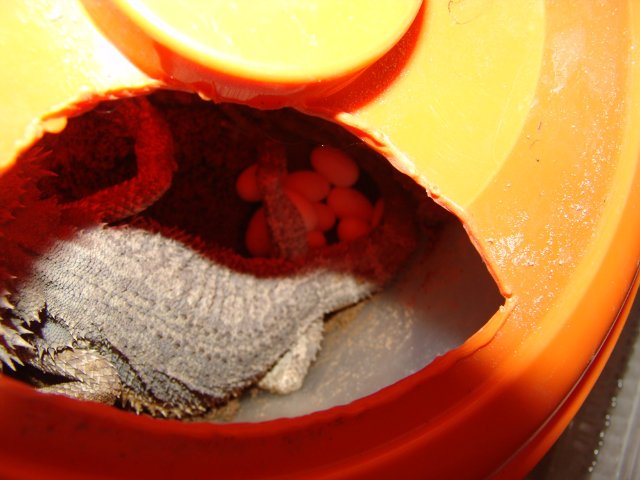
The laying process takes about three hours.
The clutch consists of 9–25 eggs, but some may be unfertilized. The eggs are placed in an incubator at a temperature of 27–31°C (the higher the temperature, the faster hatching will occur). The temperature can be lowered to 24°C at night. The incubation period is 50 to 90 days. Young agamas begin feeding approximately two days after hatching. A female can lay two clutches per season.
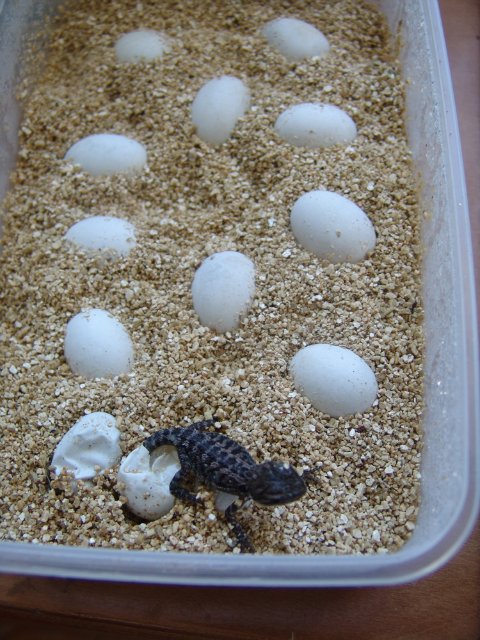
During the season, the female lays two approximately equal clutches.
Diseases and treatments for bearded dragons
The most common diseases seen in captive bearded dragons are:
- Pneumonia can occur due to low temperatures or drafts in the terrarium. Signs include a runny nose and mouth breathing. Treatment is with the antibiotic ampicillin for 7 days if the reptile has mucus in the mouth, and 9-15 days if the illness is characterized by wheezing. The interval between doses is 72 hours.
- Mites can occur if there's excess food left over. In this case, the terrarium needs to be disinfected.
- Calcium deficiency is very common in agamas. It causes unsteadiness, painful paws, and swelling. Treatment consists of administering a calcium supplement with vitamins A, B, and D3 for a week. Any symptoms of calcium deficiency, such as loss of appetite, decreased mobility, bone deformities, or swelling in the larynx, require immediate consultation with a herpetologist.
To prevent calcium deficiency, it is necessary to add a special vitamin complex to the food of reptiles.
- Tissue necrosis. Due to poor diet, infection, or a general weakening of the immune system, a reptile's tail may dry out and fall off. However, this is only dangerous for young animals.
- Salmonellosis is a bacterial infection of the intestines that can cause death in lizards. Symptoms include refusal to eat, diarrhea, regurgitation, and weight loss. Treatment is with the antibiotic Chloramphenicol, administered through a tube into the stomach 2-3 times. Bactrim is also administered for 7 days.
- Cloacitis is an inflammation of the cloaca. It is characterized by purulent discharge during defecation, followed by difficulty defecating. Treatment involves dissolving Tetravil in warm water and injecting it into the agama's intestines using a catheter. The amount of fluid required depends on the reptile's weight.
- Stomatitis is an inflammation of the oral mucosa. It occurs as a result of vitamin A and C deficiency or mechanical damage. A pale, bluish tint to the oral cavity with visible blood vessels indicates the condition. In this case, the agama's mouth is treated with a 1% solution of Dioxidin, Iodinol, or Ectericide. The affected areas are lubricated with Neosporin or Polysporin ointment twice daily for a week. Vitamin C is also administered.
- Intestinal obstruction – this can occur due to ingestion of bedding particles and can cause the death of the lizard. In this case, surgery is required.
Refusal to eat is the first sign of most illnesses, but it is often caused by overfeeding. If the agama does not eat for 2 days, but drinks water in normal quantities, this is normal. On the third day, you need to force-feed, give a warm bath and look closely at other symptoms.
Video: Bearded Dragon Case History and Treatment
Taming and behavior
Bearded dragons don't need any special training; they easily adapt to humans. However, it's best not to handle them frequently unless absolutely necessary. Once acquired, the process of acclimating them to their owner should be gradual. You can gently stroke the lizard's chin daily, without being aggressive. There is no need to try to immediately grab it in your hands or take it out of hiding.
Many lizards, including iguanas, are often trained to be walked on a harness. This isn't suitable for agamas: they have a unique body structure and a very fragile spine, which can be damaged by a jerk from a harness. Agamas should be transported in a special, closed container.
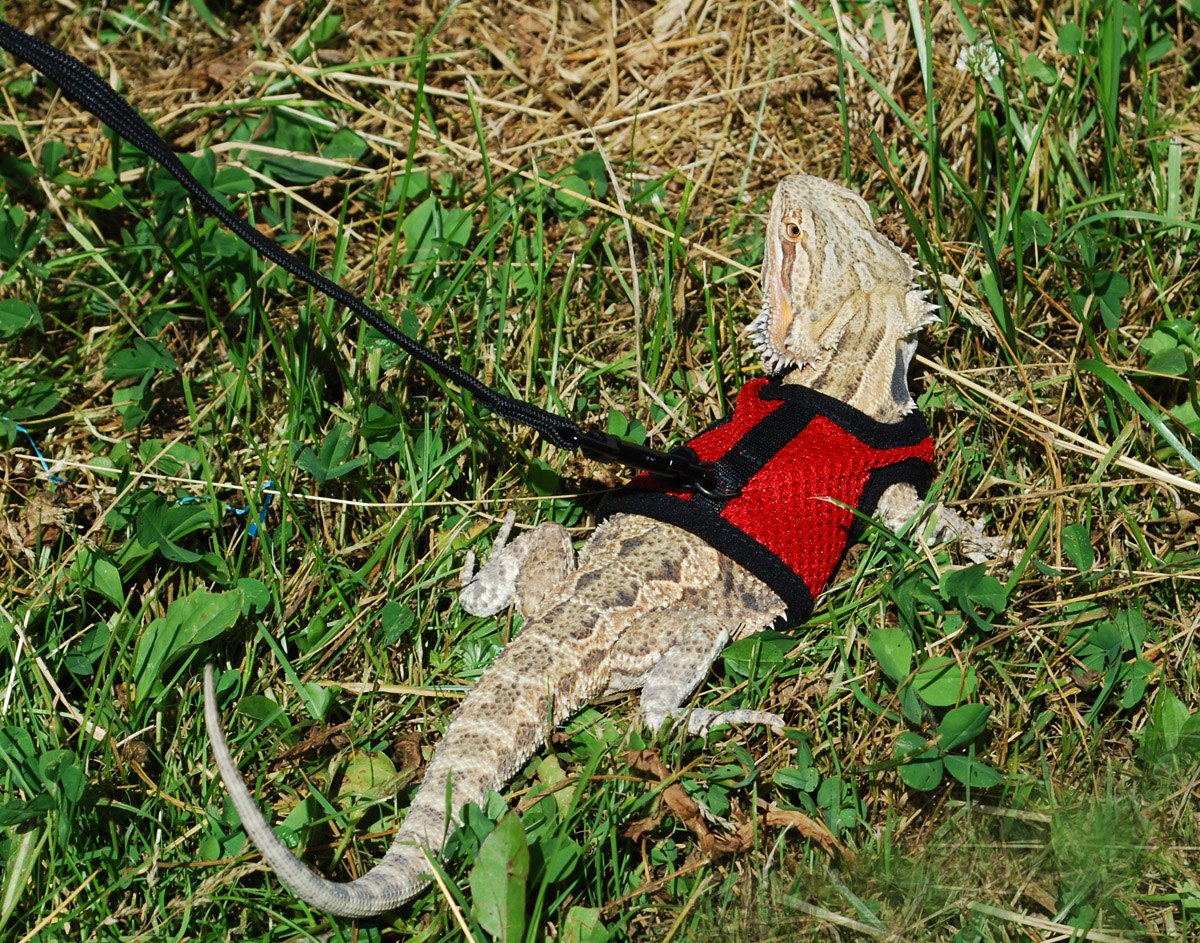
It is better not to use a harness for bearded dragons.
Bearded dragon molt
The frequency of agama shedding depends on age, growth rate and care. With proper care and feeding, this happens quite often, especially in young, actively growing agamas. The skin doesn't peel off completely, but in sections. Shedding often begins with the head, followed by the body, and lastly, the tail. If shedding is difficult (part of the skin is taking a long time to come off), try to gently remove the remaining skin, wetting it with warm water.
It's important to ensure that any remaining skin doesn't accumulate on the tail or compress it, as this can lead to tissue necrosis and subsequent tail loss. Old skin should not be left on the body to prevent fungus from developing underneath.
Video: How molting occurs
Bearded dragons are well-suited for apartment living, don't require expensive equipment or exotic food, and quickly become accustomed to humans. However, to ensure your pet's good health and longevity, it's important to carefully follow feeding guidelines, terrarium setup, and care recommendations.