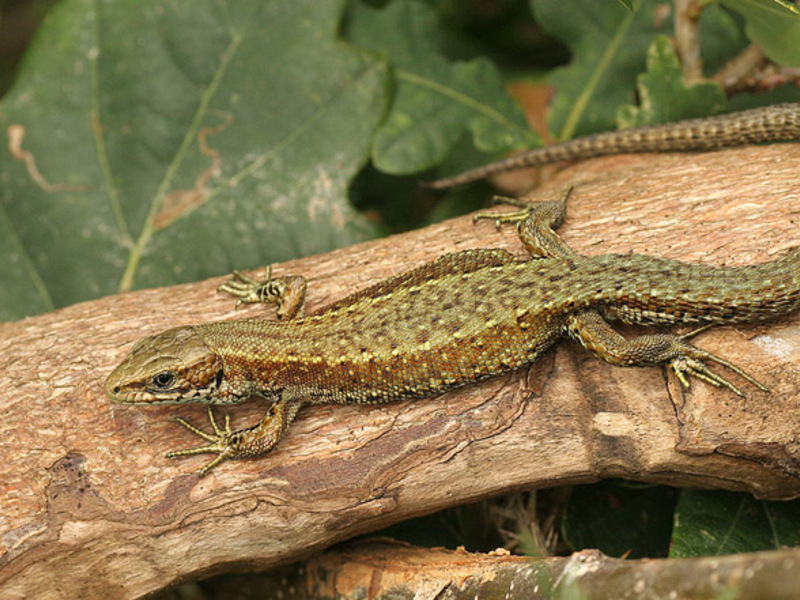
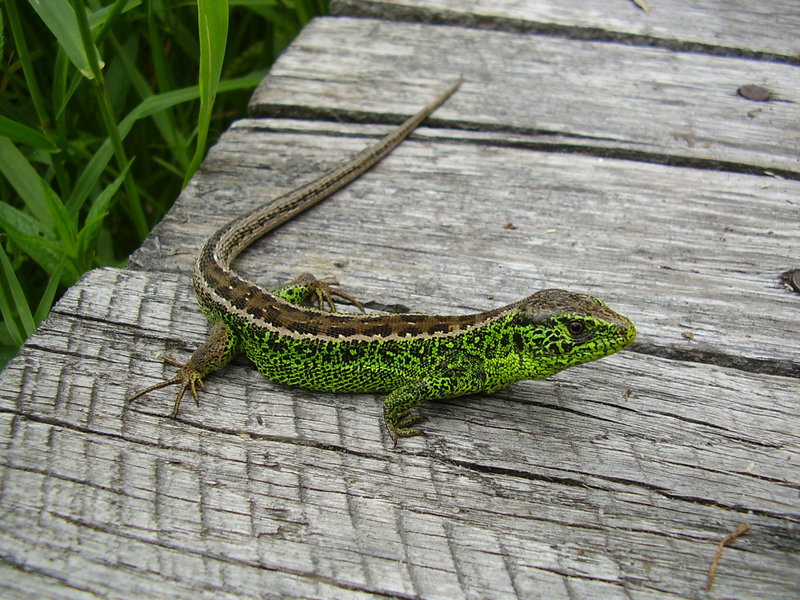
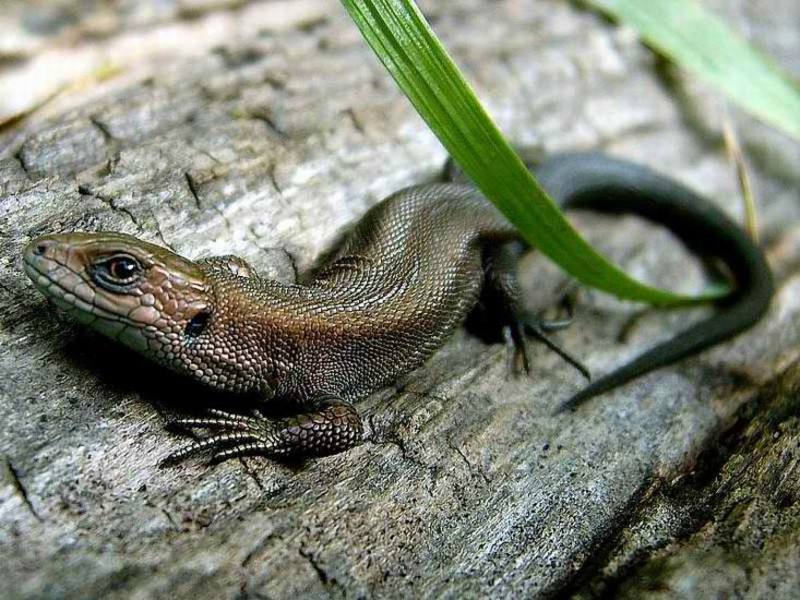
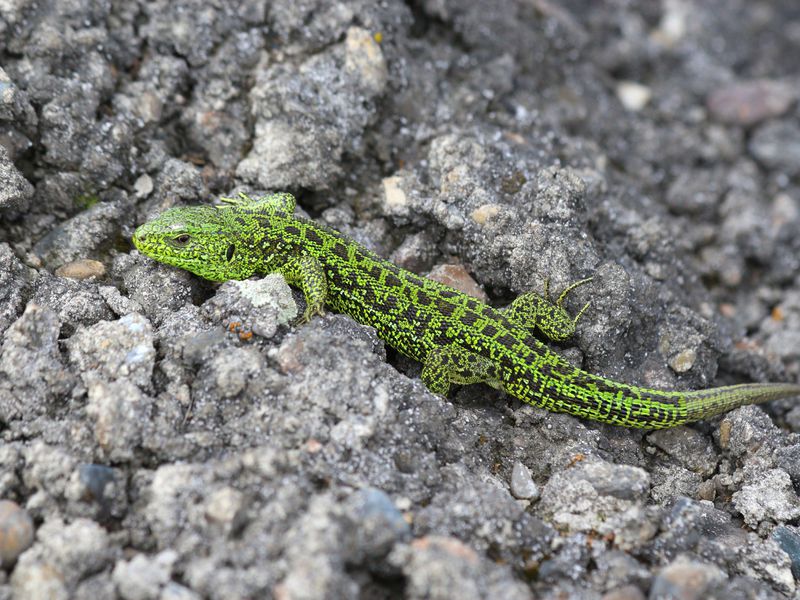
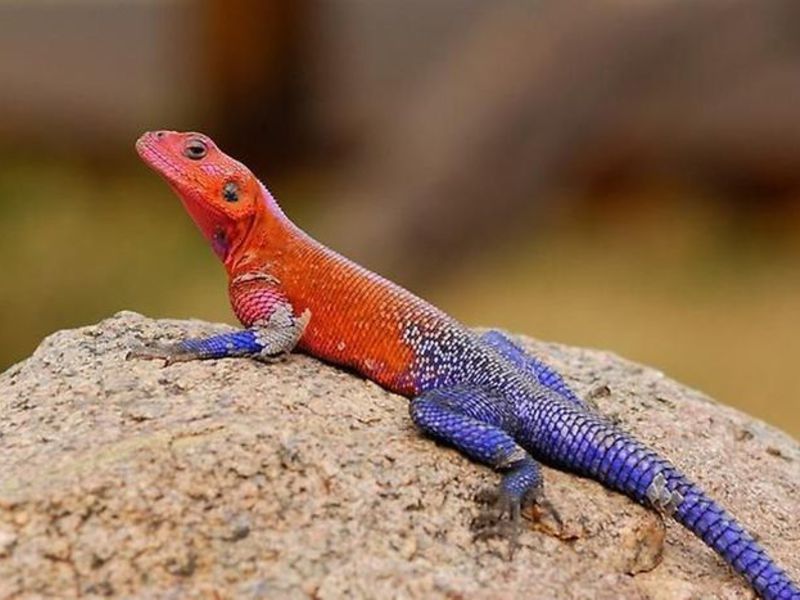
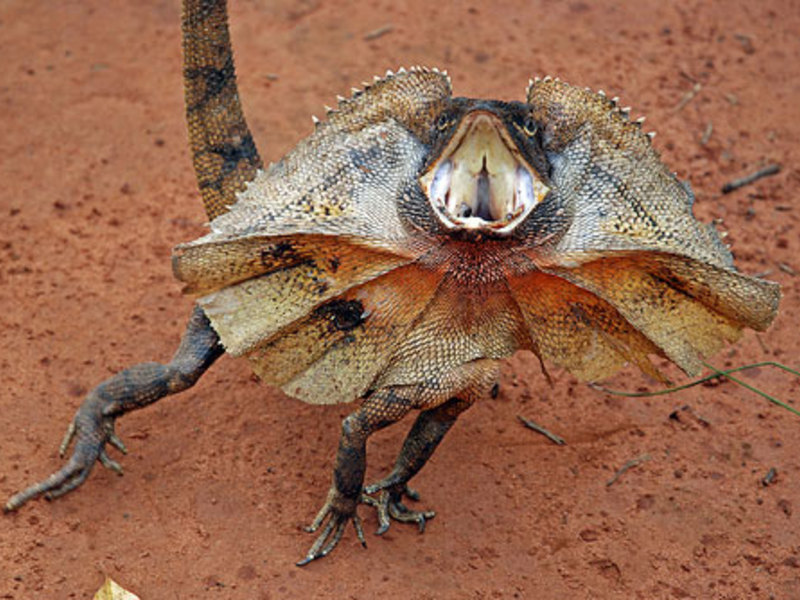
 Pets that share our apartments or houses are becoming increasingly sophisticated and interesting. Classic pets like cats, dogs, and birds are becoming less common. People are increasingly adopting various insects, arachnids, and reptiles. Lizards of various kinds are especially common, and this is not surprising, as many are quite cute and friendly, making each one a perfect substitute for the proverbial cat or puppy.
There are numerous lizards suitable for pets. This article presents some of the most popular, with descriptions of their characteristics and photos of each species.
Chameleons
- Yemeni chameleon The Yemeni chameleon is a fairly popular species, often kept as a pet. The reason for its popularity is its undemanding nature regarding housing and feeding. Appearance: Adults often reach up to 60 centimeters in length (females are slightly shorter). The chameleon's color changes during periods of stress and pregnancy. Housing: This species should be kept alone in a large, ventilated terrarium. It feeds on small insects.
- Three-horned chameleon – a less common, but very striking and noticeable lizard. Appearance: The chameleon lives up to its name with its unusual appearance; the three-horned chameleon has a bright green coloring. Its head bears three horns, one straight and two curved. Its curved tail can be used as a hook. Housing: This chameleon should be kept in the same conditions as other chameleons: a large, vertical, well-ventilated terrarium, but kept alone.
Agamidae
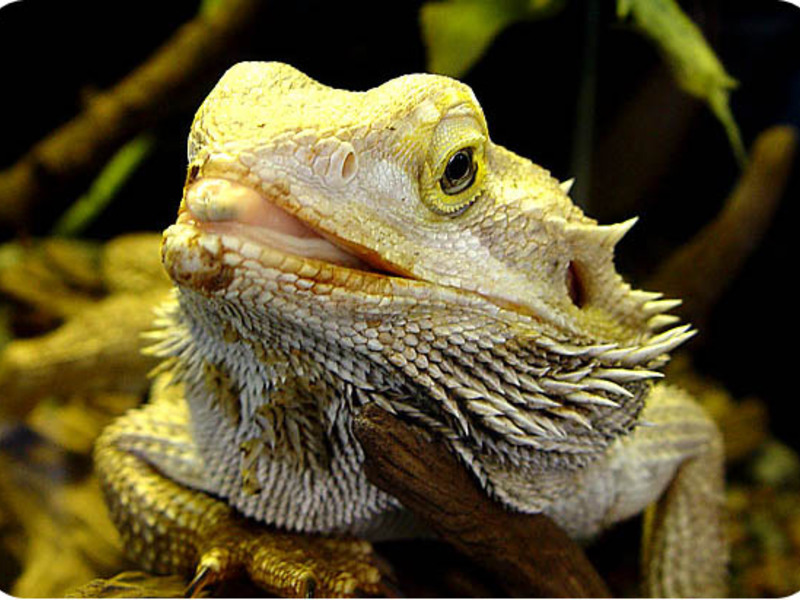
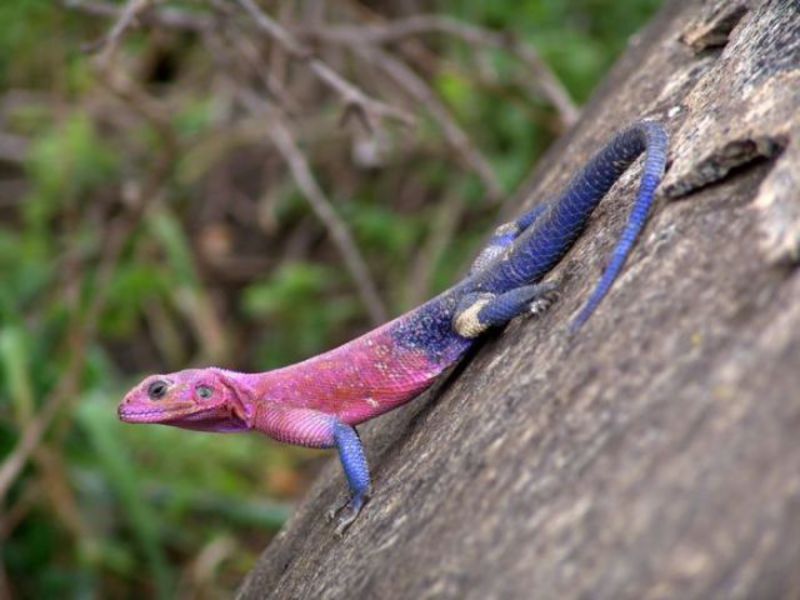
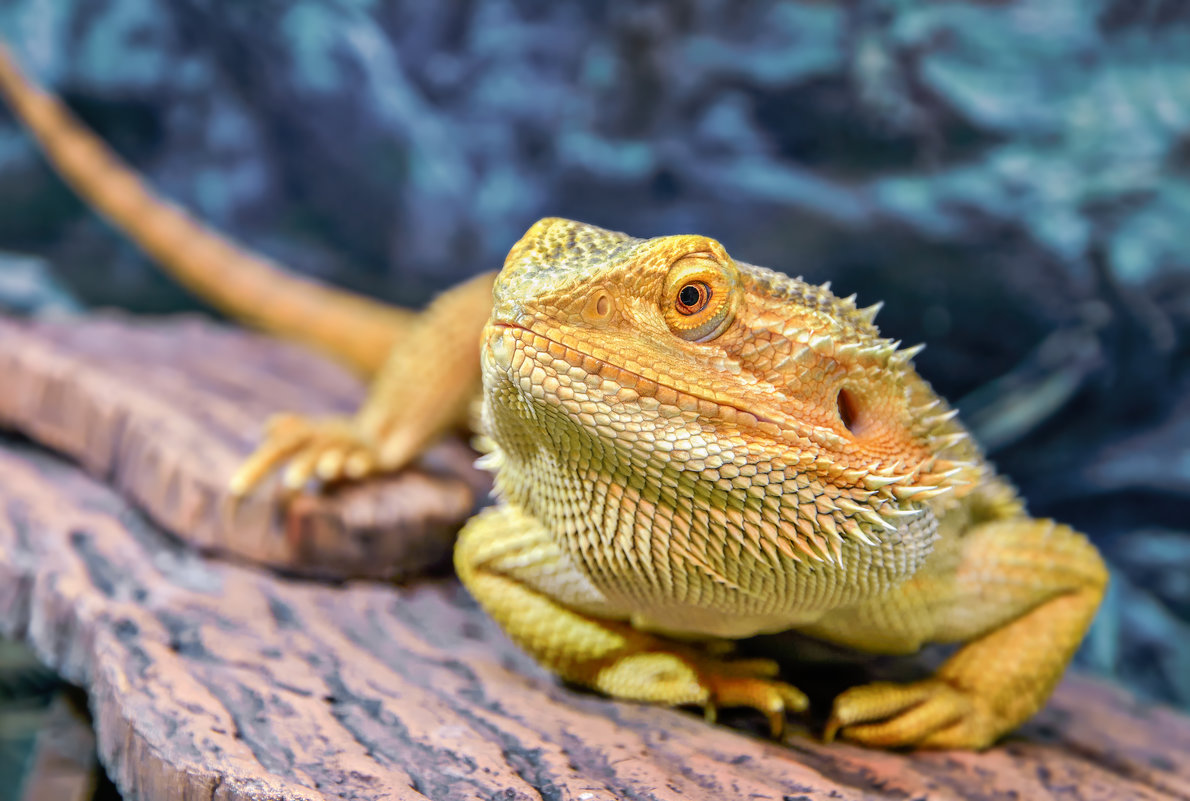
 Bearded dragon – a docile and tenacious lizard. This small agama with a spiky beard (from which it gets its name) can be an excellent starter for breeding lizards at home. Appearance: these agamas reach a decent size and require ample space, most often having a light, "milky" coloration. Housing requirements: the animal should be housed in a terrarium with a minimum capacity of two hundred liters, ensuring good ventilation.
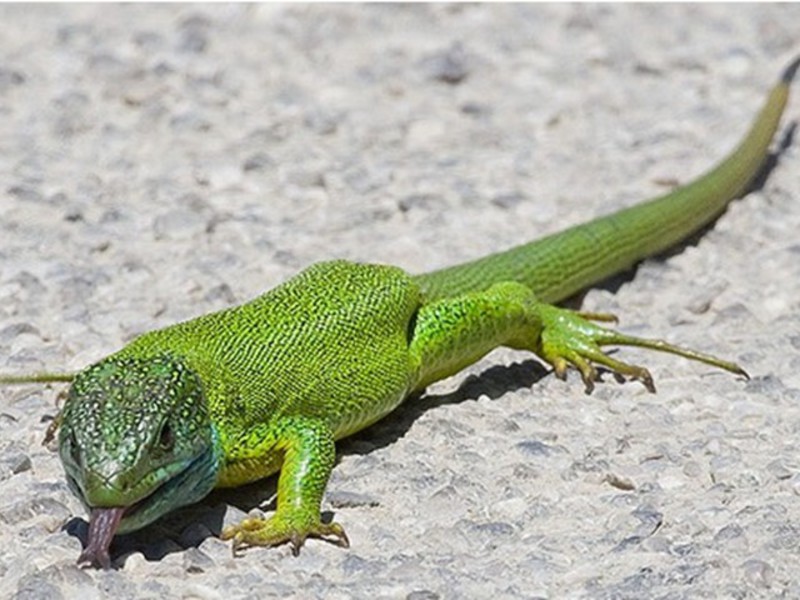
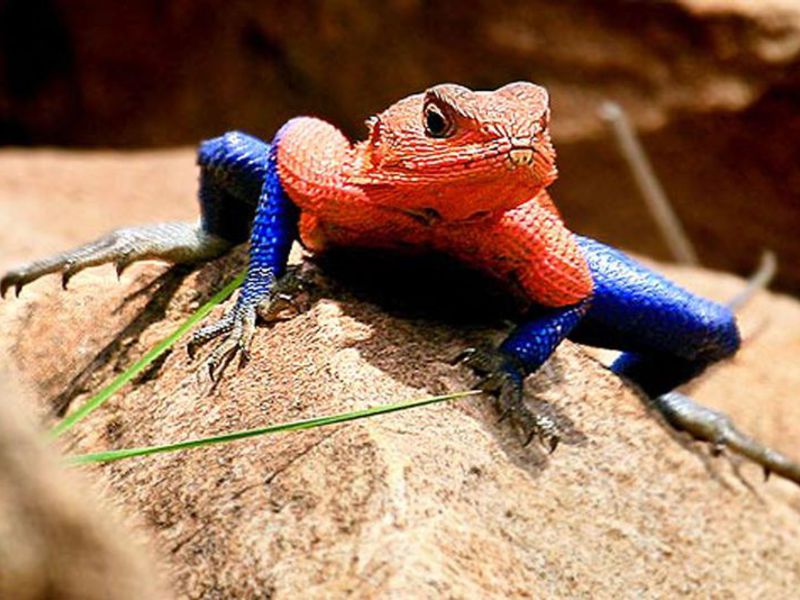
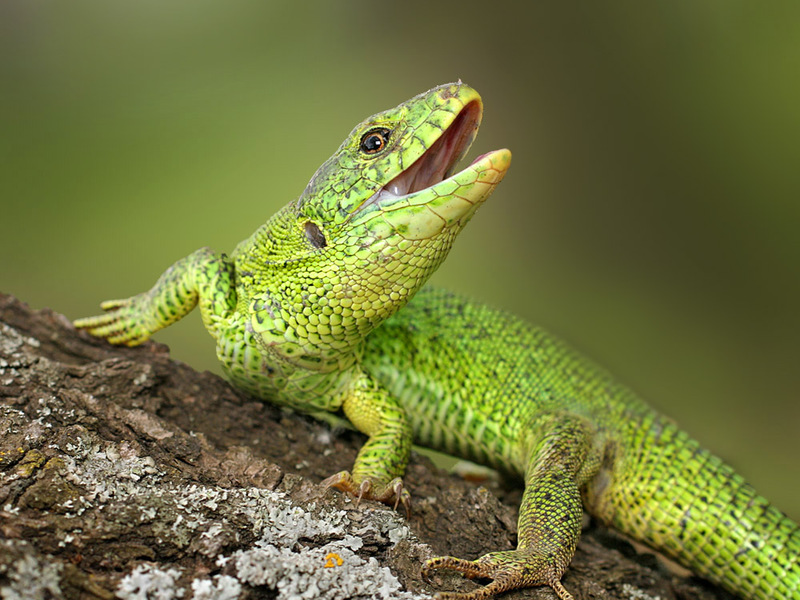
- Water agama – Like other agama species, they can become a true member of the family. These lizards are often allowed to roam the house on their own. Appearance: Water agamas lack a pronounced beard and are bright green in color. Housing requirements: Water agamas should be kept in a terrarium with a capacity of at least two hundred liters. Like many other lizard species, water agamas can swallow fine soil, causing numerous stomach problems, so paper is best.
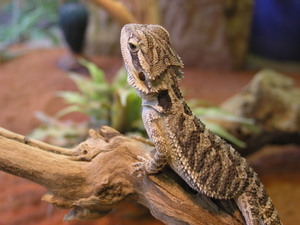 Bearded dragon – a docile and tenacious lizard. This small agama with a spiky beard (from which it gets its name) can be an excellent starter for breeding lizards at home. Appearance: these agamas reach a decent size and require ample space, most often having a light, "milky" coloration. Housing requirements: the animal should be housed in a terrarium with a minimum capacity of two hundred liters, ensuring good ventilation.
Monitor lizards
- Black and white tegu – a typical South American lizard. Appearance: This specimen often reaches a size of up to one and a half meters. This monitor lizard is a predator, emerging from its burrow during the day to feed on small and large animals it can catch. Housing requirements: Keeping this lizard in captivity would require a truly gigantic terrarium, or better yet, an entire enclosure. Its diet should include chicks, locusts, and rats. Just look at the photo of this "dinosaur" to understand that this is serious business.
Geckos
- The fat-tailed gecko is a very small and even cute member of the lizard family. In the wild, it leads a rather secretive lifestyle. It lives throughout West Africa. Appearance: The gecko rarely exceeds 30 centimeters in size. Thanks to its compact size, the fat-tailed gecko easily fits even in a small terrarium. Housing requirements: 100 liters of water is enough for three females and one male. Do not house two males in the same terrarium, as this will lead to constant territorial rivalry. These lizards feed on small insects and artificial, vitamin-rich reptile food.
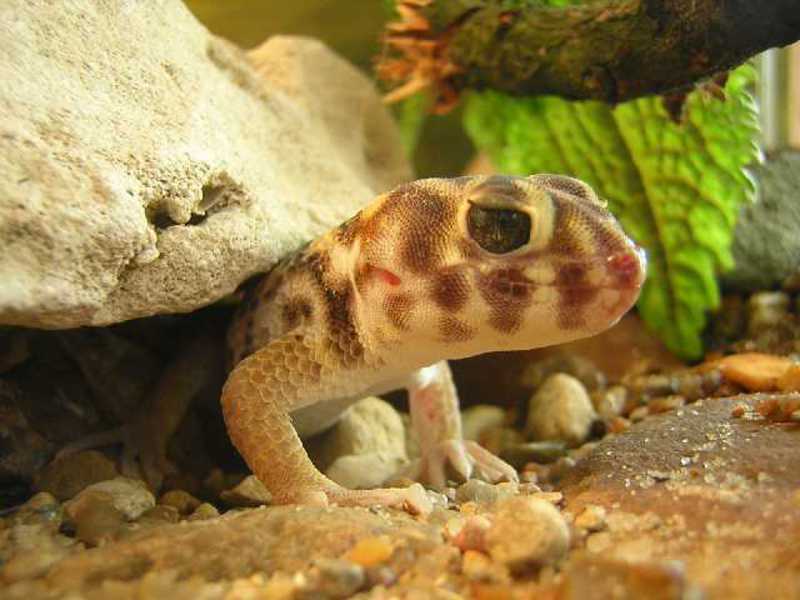
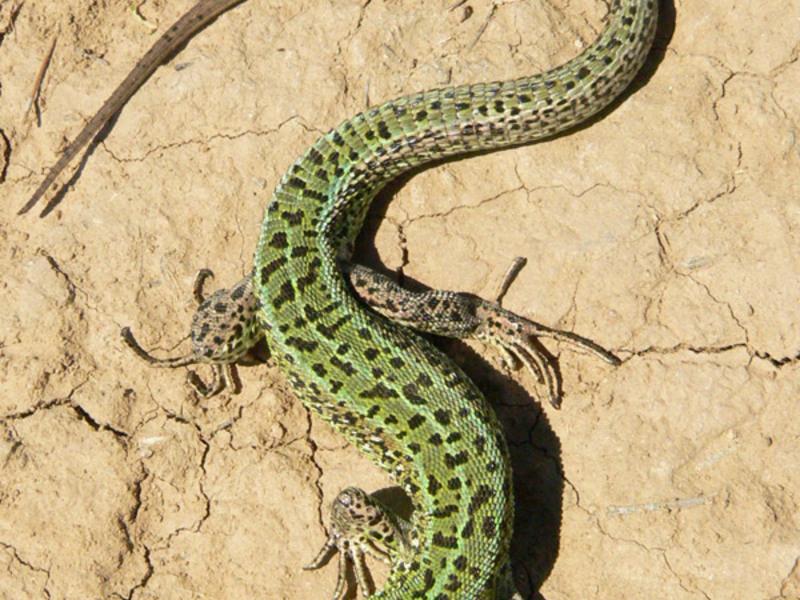
- Leopard lizard The spotted gecko is another gecko species. It's larger, but also more popular among exotic lovers. Appearance: This lizard is often called the leopard's namesake. It's the similar spotted coloration that evokes such associations and sets it apart from other geckos. The spotted gecko averages 30 centimeters in length. This gecko is captivating at first sight; take a look at the photo below to see for yourself. Housing: As with the fat-tailed gecko, a small 60-90 liter terrarium is sufficient for a couple of geckos. These lizards do not require substrate.
Iguanas
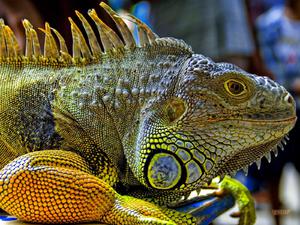
- Common iguana – a subtropical inhabitant, a rather massive species. These lizards prefer to live in trees. Appearance: They often reach impressive sizes (up to one and a half meters in length). Despite the above facts, iguanas are often acquired as pets. Care: The green iguana's natural habitat involves very high temperatures. For this reason, it is necessary to stock up on plenty of heat lamps, including ultraviolet lamps.
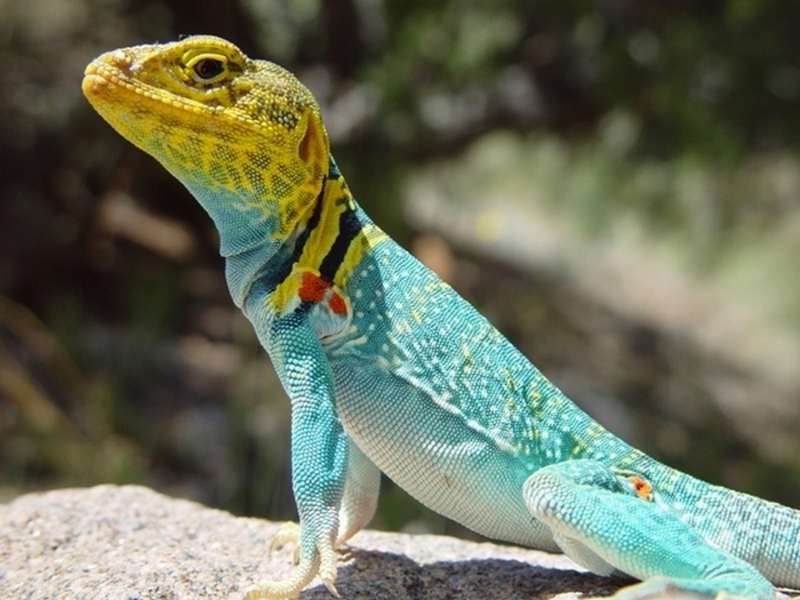
- Collared iguana – another dangerous predator from America. Appearance: They are fairly miniature lizards, rarely reaching more than 32 centimeters in length. Housing: They are a very agile and ferocious representative of the domestic lizards, so you should consider purchasing live food (large insects, mice). Like other iguanas, the collared iguana requires plenty of light and heat. The temperature under the lamps should reach 40 degrees Celsius or more.
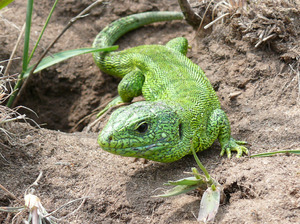 Common iguana – a subtropical inhabitant, a rather massive species. These lizards prefer to live in trees. Appearance: They often reach impressive sizes (up to one and a half meters in length). Despite the above facts, iguanas are often acquired as pets. Care: The green iguana's natural habitat involves very high temperatures. For this reason, it is necessary to stock up on plenty of heat lamps, including ultraviolet lamps.
Skinks
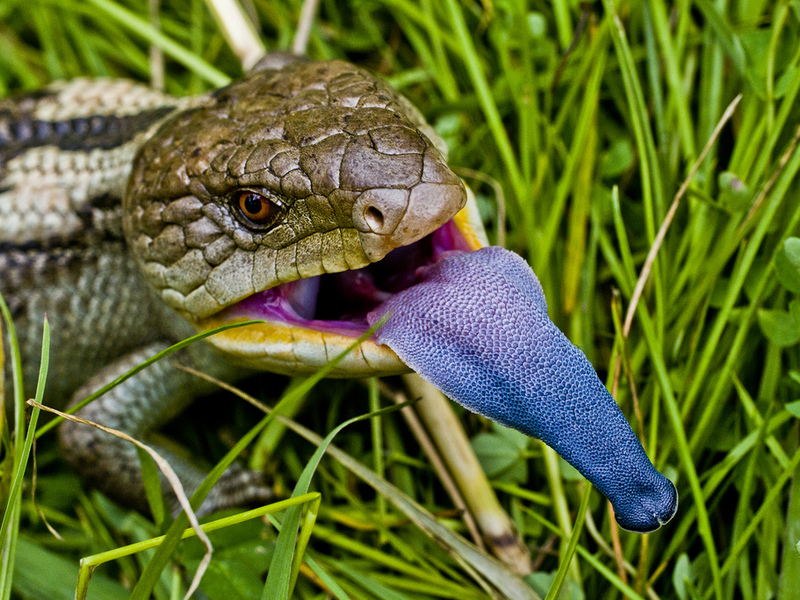
- Blue-tongued skink – a very patient and docile lizard that, despite its "grumpy" appearance, can be the best choice for beginners. Appearance: a large, light-colored animal with large scales. A distinctive feature, as its name suggests, is its blue tongue. Care requirements: This species is native to Australia, and export from there is prohibited. However, this lizard is available for sale here, and it thrives in a home environment. A terrarium 100 cm long and 50 cm wide is ideal.
Domestic lizards