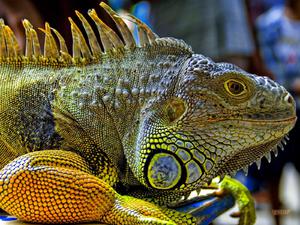
Nowadays, keeping exotic animals—spiders, snakes, lizards, etc.—at home is very popular. While keeping cats and dogs is straightforward, caring for these unusual pets raises a host of questions. In some cases, a lack of information and serious mistakes can lead to the death of the animal.
One of the most popular unusual pets is the chameleon. In Western countries, the craze for keeping this exotic reptile in captivity began in the post-war years, while in Russia, the chameleon craze began in the 1980s. There are 80 species of these animals, divided into three genera. In the wild, they live in Africa, most commonly in Madagascar, although some varieties are found much further north (for example, in Bulgaria and Turkey).
The chameleon is an insectivorous lizard that many call the most unusual inhabitant of our planet.
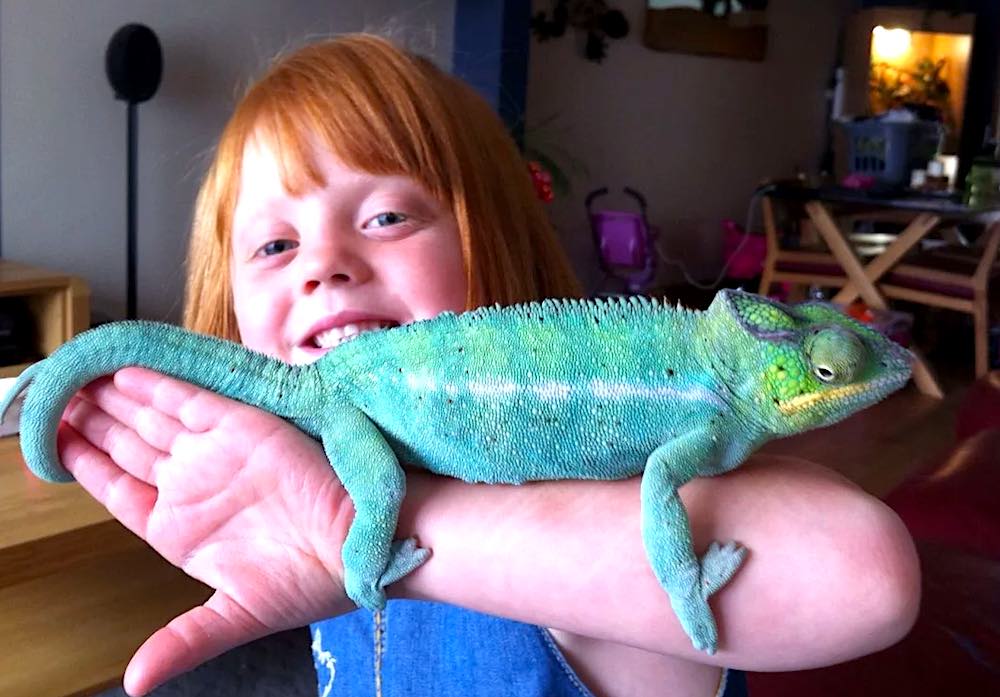
Their appearance distinguishes them from other lizards, leading them to be classified as a separate suborder. Their key external characteristics include the ability to blend into their surroundings by changing skin color, eyes that rotate independently of each other, and fused fingers. The anatomy of chameleons suggests that their ancestors may have been dinosaurs. The presence of blind appendages in their lungs still allows these animals to inflate themselves when threatened and frighten enemies.
Chameleons most often live in humid tropical forests, in trees and tall shrubs, and rarely descend to the ground. However, some species can also be found in oases in desert and steppe regions.
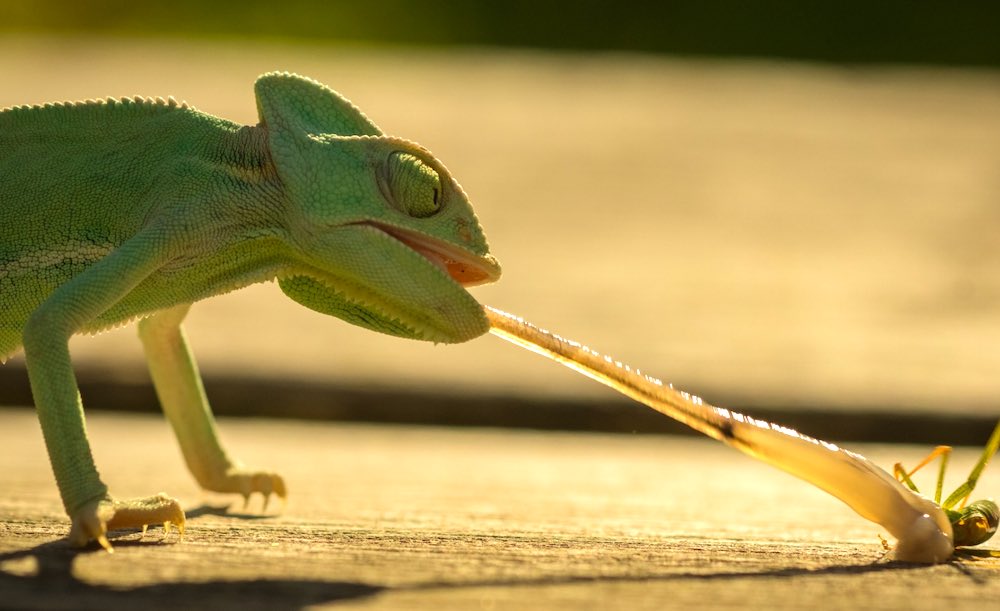
Yemeni chameleons are the most common species found in Russia. Males reach up to 50 cm in length, while females reach up to 40 cm. They have five-toed feet, a long tail, rough skin, and a long, suction-cup tongue that can be extended up to 30 cm. Like other chameleon species, these chameleons have highly mobile, round eyes.
In this article, we'll look at the specifics of keeping chameleons at home.
Keeping a Chameleon at Home: Difficulties, Pros, and Cons
Chameleons have become popular due to their ability to change skin color. However, chameleons present certain challenges when it comes to keeping them.
Advantages:
- unusual and attractive appearance;
- These pets do not take up much space and do not emit odors or unpleasant sounds.
Disadvantages of keeping a chameleon:
- the need for careful care - these reptiles have a weak immune system, they are very vulnerable to some diseases, and can catch an illness and die even from a simple draft;
- Chameleons require attention and care;
- They need live food, as well as a specially equipped terrarium and an ultraviolet lamp;
- females lay "fat eggs" even without fertilization - at this time they need to be provided with special conditions;
- quite expensive price - from 30 dollars for young Yemeni chameleons;
- low life expectancy;
- They don't get along well even with females of their own species.
Read more about all types of domestic lizards.
Nutrition and care
To keep a chameleon, you need to purchase a special vertical exoterrarium with a capacity of 100-120 liters. Two lamps are installed: an incandescent lamp and a UV lamp. The UV lamp is turned on every day for 6-8 hours and should be replaced every six months.
It's important to create the right temperature inside the terrarium; the bottom of the terrarium is heated at night. The optimal temperature is between 22 and 24 degrees Celsius, with a lamp providing a temperature between 30 and 32 degrees Celsius. A mini-pond is essential, ideally occupying 25% of the space. To maintain a humidity level of 30-50%, misting the terrarium with warm water daily is sufficient. Good ventilation is also essential.
Inside terrarium There should be wood (snag, branch) and greenery (natural is best, but artificial is acceptable). To prevent the growth of pathogenic microflora, the terrarium should be cleaned every 2-3 days.
As for nutrition, their diet consists primarily of crickets and cockroaches; mealworms, locusts, and zophobas are also suitable. Despite their small size, chameleons are voracious eaters. Adults need 4-5 insects per day, while juveniles need 2-3. However, it's best to remove live food at night. Plants that can be fed include leaves of certain plants and bananas. A varied diet is essential to prevent gastrointestinal problems.
In the wild, these animals lick up water that accumulates on leaves. Providing a water bottle isn't enough—to prevent dehydration, the inside of the terrarium needs to be sprayed.
Additionally, there are vitamin and mineral supplements for reptiles available at veterinary pharmacies. These can be added to the food in the proportions specified in the instructions.
How long does a chameleon live at home?
Chameleons aren't exactly known for their longevity. Even males of the Chameleo jacksonii species won't live longer than 12 years under ideal conditions. Larger species live longer than smaller ones, and males live longer than females.
Most often, small species live 2-3, maximum 4 years. Males can live up to 5 years.
Tips and nuances
Keep in mind that chameleons are animals with their own individual personalities, manners, and character. One pet will prefer solitude, while another will strive to be constantly on display. Their sociability also varies. Some chameleons can bite due to their powerful jaws. However, captive-bred animals are often more docile.
Also keep in mind that many chameleon species are prohibited from being exported from their natural habitat. Therefore, purchase animals only from reputable breeders—and it's best to choose chameleons raised in captivity, zoos, and exoticariums. An F2 certificate confirms their official status, indicating that the animal was bred in captivity in the second generation.
Chameleons require constant care and attention, so be prepared to devote time to your pet. Their attitude toward their owner will depend on how attentive they are. Even an aggressive chameleon can eventually bond with its owner if they make the effort.
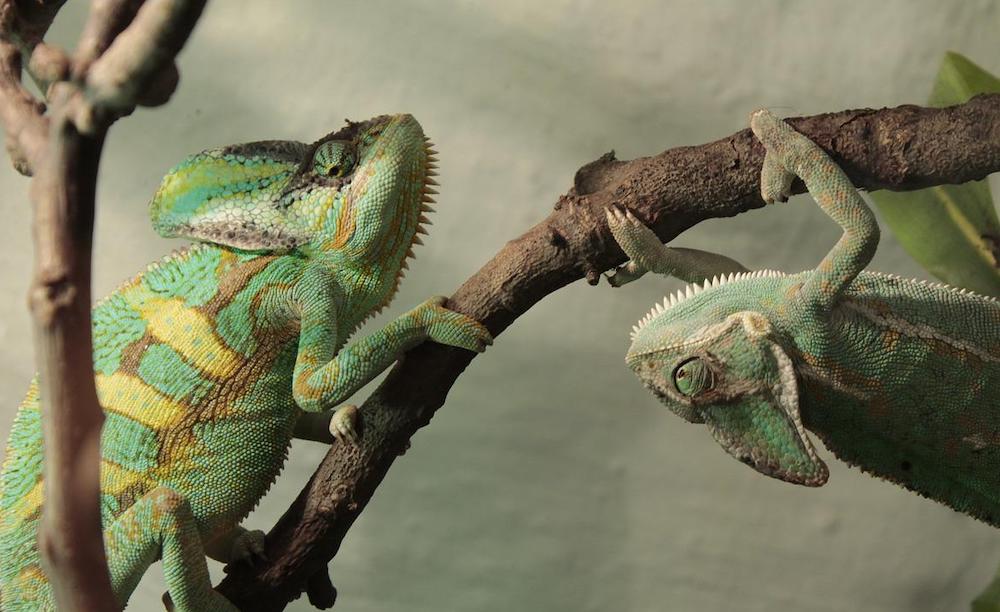
Please note that chameleons are aggressive towards other chameleons, so only one individual should be kept in a terrarium. Adding a second chameleon can have tragic consequences, especially if you don't plan to breed.
There are some subtleties to chameleons' drinking regimens. Some are accustomed to licking dew, others to drinking from a running stream, and they drink from a water bottle less often. Providing your chameleon with a suitable hydration option is crucial.
A chameleon's color change is one indicator of its attitude toward the world around it. Each species has its own colors for aggression, stress, pregnancy, poor health, and mating behavior.
The first 3-4 weeks of your chameleon's stay in your home is its adaptation period. Don't rush this process. Use this time to learn about its personality and habits. The more information you have, the easier it will be to recognize if your pet becomes ill.
The most obvious sign of a chameleon's ill health is sitting for long periods of time during daylight hours with its eyes closed. This is normally impossible. A chameleon's eyes should be clear, and their color should fluctuate (sometimes bright, others pale).
Other warning signs include mucus discharge from the mouth or nose, refusal to eat, lethargy, and sunken eyes. Chameleons are most often diagnosed with gastrointestinal and ocular diseases. A healthy animal has a dry nose, a good appetite, and easy breathing.
Caring for a chameleon isn't difficult, but it's important to understand the nuances of keeping it at home, including feeding and care. This way, your chameleon will delight you with its appearance and behavior.
Read also about characteristics of reptiles.