After the release of the film "Free Willy," the charming killer whale Keiko became a star. Her incredible talent and intelligence captivated audiences. Caring people wanted the film's script to be brought to life and the dolphin-actor to find freedom. And this is what came of it.
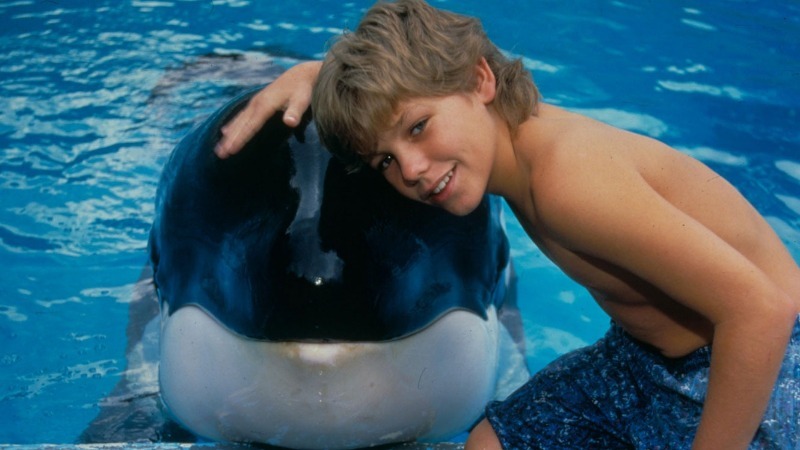
Before filming the movie
A baby dolphin was captured in 1979 off the coast of Iceland and placed in the Hafnarfjörður Aquarium. Three years later, the orca was sold to Ontario, and in 1985, she began performing at a Mexico City amusement park. Her high intelligence and trainability helped make Keiko a star in Mexico. But despite earning a fortune for her owners, her living conditions were appalling.
Incredible popularity
In 1993, the charming and intelligent dolphin was featured in the film "Free Willy." He immediately captured the hearts of a huge audience. Public demand for improved living conditions for the dolphin and his return to the wild began. A charity was created, allowing people to donate money for the ailing dolphin's treatment.
The public ignored all warnings from aquarium staff that Keiko would not survive in the wild. A special facility was then built in Reykjavik to prepare the orca for freedom. For about four years, aquarium staff trained Keiko to hunt in the wild and feed on live fish. A special chip was implanted in the orca, allowing it to be located in the ocean and provided with support if needed.
What happened to the killer whale in the end?
And so, Keiko was free! It was 2002. The dolphin had settled in Taknes Fjord and joined a pod of killer whales. And although he showed some interest in his fellow whales, he remained attached to people. It was clear that the dolphin sought human contact, and was more drawn to the ocean's surface than to the depths.
A team of biologists constantly monitored Keiko's health, and when it became apparent that the dolphin had lost significant weight, he had to be urgently fed. After recovering, the dolphin was released back into the ocean. But even though domesticated, he never adapted to life in the deep. A year later, Keiko, emaciated and suffering from pneumonia, washed up on a Norwegian shore, where he took his last breath amid the loud sobs of the coastal residents.
This is how the concept of human freedom led an unfortunate dolphin to tragedy. Having been fed fish by a trainer his entire life, he preferred interacting with people, not the inhabitants of the ocean. And he was never able to change.

 Mark
Mark  Alexey
2 comments