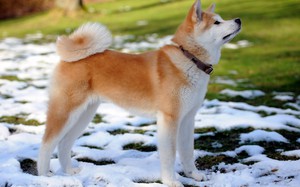
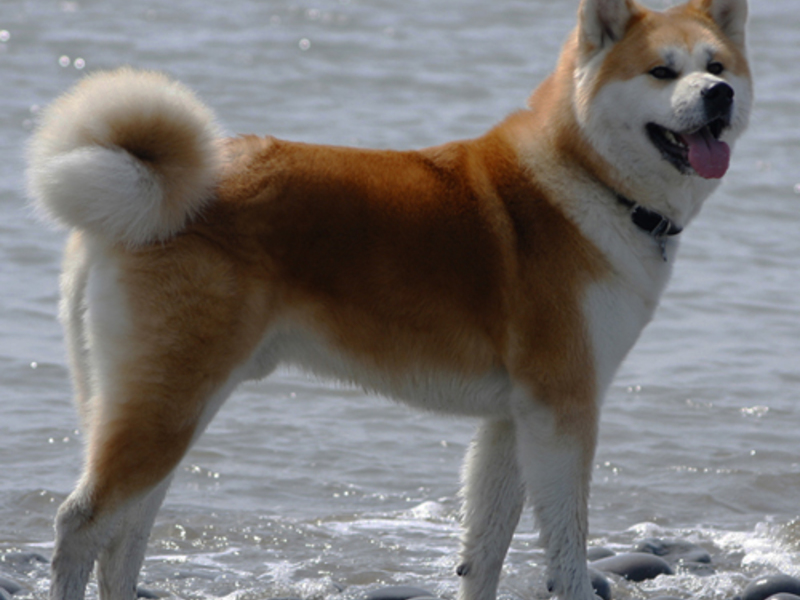
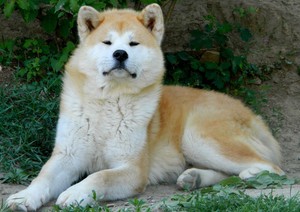
 Viewers of the film "Hachiko: A Dog's Tale" fell in love with the main character. So they want to know the breed of the dog that starred in this tragic story. The sweet dog that played the lead role in the famous film is a Japanese Akita Inu. In Japan, these dogs are treated with care and reverence, believed to bring good luck and happiness. They are protected by the state in that country.
This dog breed has been around for a long time, but it has only recently gained popularity. According to Russian statistics, after the release of the film "Hachiko" in 2009, the number of people wanting to buy Akita Inus increased. increased by approximately 20 percent.
The story behind the film "Hachiko"
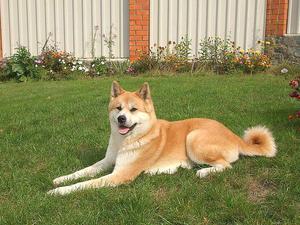 Hachiko is a real dog who actually existed. She was born on November 10, 1923. As a puppy, she was given to a Japanese professor. Hidesaburo Ueno named him Hashiko, which means "eighth" in Japanese. This nickname is easy to explain: the professor already had seven dogs, and Hashiko was the eighth. When the world learned of Hashiko's existence, his name began to be pronounced with a European sound. This is how the name Hachiko came to be.
Perhaps the world would never have known about Hachiko if the professor had not been involved in his upbringing and had not taught him see you off to the train in the morning and meet you after lunch, sitting at the train station. Every day for two years, Hashiko came to the train station with him, waited for him to leave for work, and only then slowly walked home. At precisely 3:00 PM, he returned to the platform to meet his owner.
But in May 1925, tragedy struck: Hidesaburo Ueno fell ill at work. A fatal heart attack occurred. That day, his pet was unable to wait for his master. But for almost ten years, the professor's pet had been arriving at the platform at the same time, 3:00 PM, and waiting for his master. The dog slept on the porch of the house where he had grown up and previously lived with the professor.
Relatives and even close friends, seeing the dog's suffering, tried to take Hachiko for themselves, but he always returned to the station and to the porch. Soon, all the railway workers and merchants knew Hachiko and admired his devotion. They always recognized him and tried to feed him.
In the spring of 1935 Hachiko was found dead Not far from the train station. Everyone in Japan already knew the story of this dog and admired him. But then another fact came to light: after examining Hachikō's body, doctors discovered he had terminal cancer and died of a heart attack. From that day on, March 8th—the day of Hachikō's death—was declared a day of mourning, and Hachikō, the Akita Inu, became a symbol of devotion. Now all dogs of this breed are considered the most loyal.
Hachiko and Culture
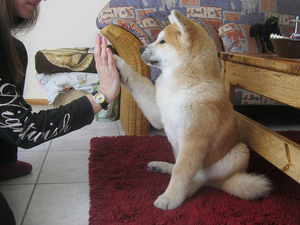 In 1932, when Hachiko was still alive, an article appeared in the most famous Japanese newspaper published in Tokyo, It was told about the dog's devotionWhen people read the article "A Faithful Dog Awaits the Return of His Owner, Who Died Seven Years Ago," they tried to see the dog. They flocked to the train station and observed Hachikō, deeply moved by his behavior.
As early as 1934, the dog attended the unveiling of a monument ceremoniously erected in honor of Hachikō for his devotion and love. However, since it was constructed of metal, it was dismantled during World War I to donate the metal for the war effort. However, in the postwar period, in 1948, a monument to Hachikō, the dog from the film, was erected at Shibuya Station, where the dog died. Today, this monument serves as an ideal meeting place for lovers, as it symbolizes eternity and fidelity.
After Hachiko's death, the entrails were buried next to the owner, and a stuffed figurine was made from the skin. It can now be seen in Japan's National Science Museum.
This true story formed the basis for the film "Hachiko," which was filmed in Japan in 1987. In 2009, American directors created a remake called "Hachiko: A Dog's Best Friend." However, the directors added their own perspective to the story.
Description of the Akita Inu dog breed
It's a known fact that the main character in the film "Hachiko: A Dog's Life" is an Akita Inu. We'll try to tell you about him.
The Japanese Akita Inu originated on the island of Honshu and was named after the province of Akita. According to legend, the ancestors of these dogs were Spitz-type breeds, crossed with mastiffs. In ancient times, the Akita Inu was a good hunting dog, essential for any hunt. Akitas easily defeated any animal: bears, deer, and wild boars.
During the Great Patriotic War (1941–1945), the Akita breed was decimated, as the army needed only German Shepherds. To save the Akita, many owners tried to crossbreed their dogs with German Shepherds during this period. This is how the modern Akita breed emerged.
Today, there's a slightly different version of the Akita breed that's officially recognized. It's called the Great Japanese Dog or the American Akita Inu. It was developed after the Japanese gave an Akita to Helen Adams Keller, who lived in America.
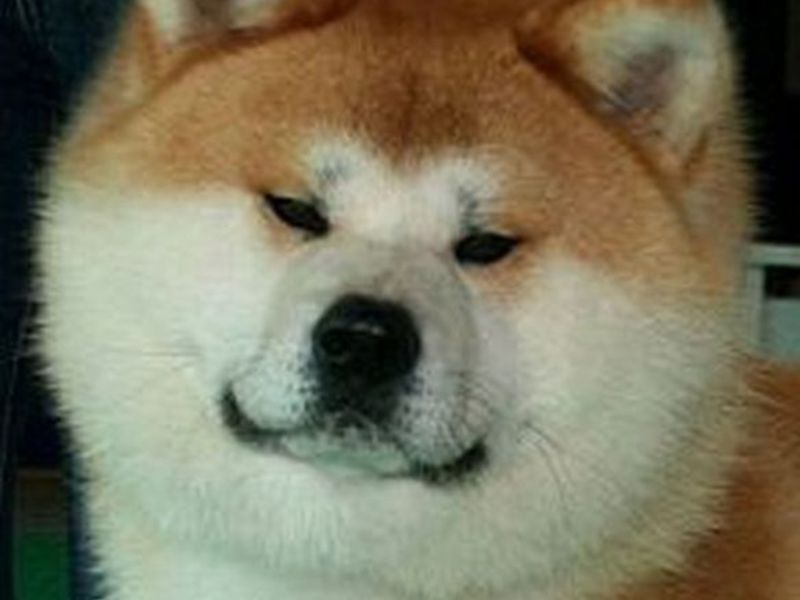
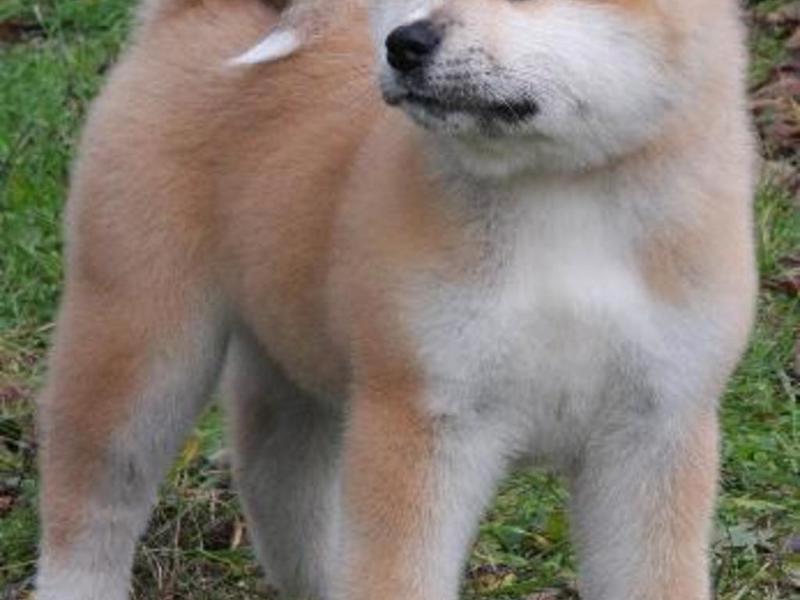
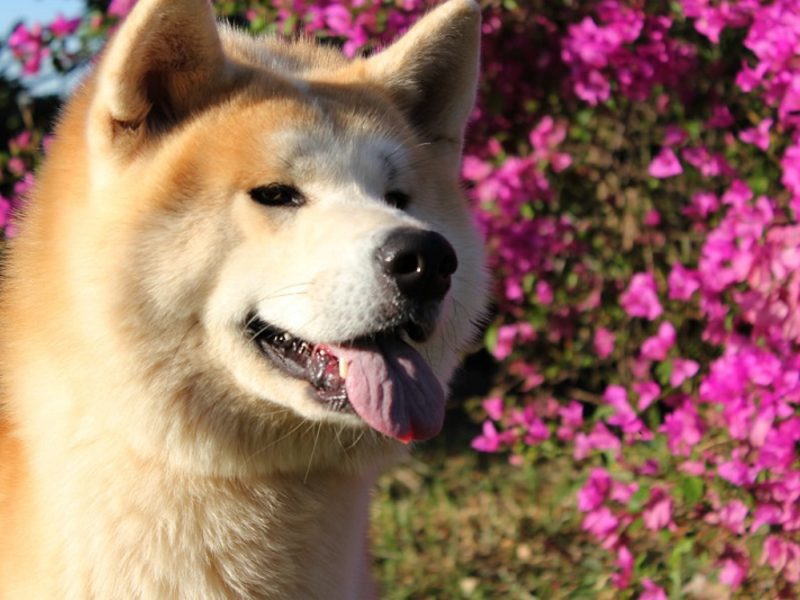
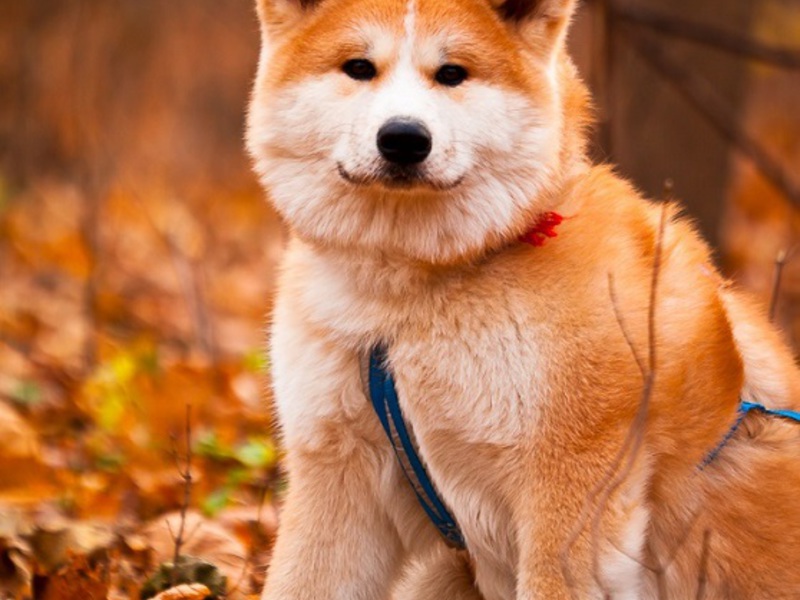
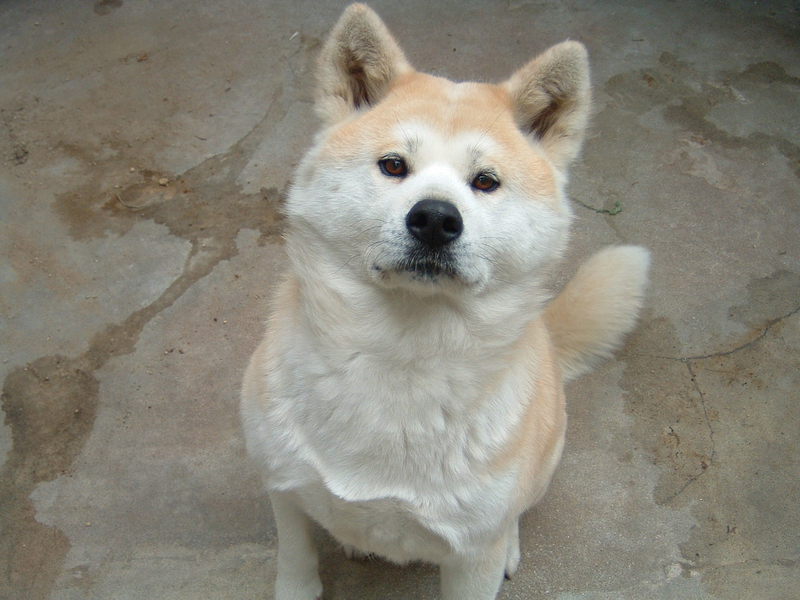
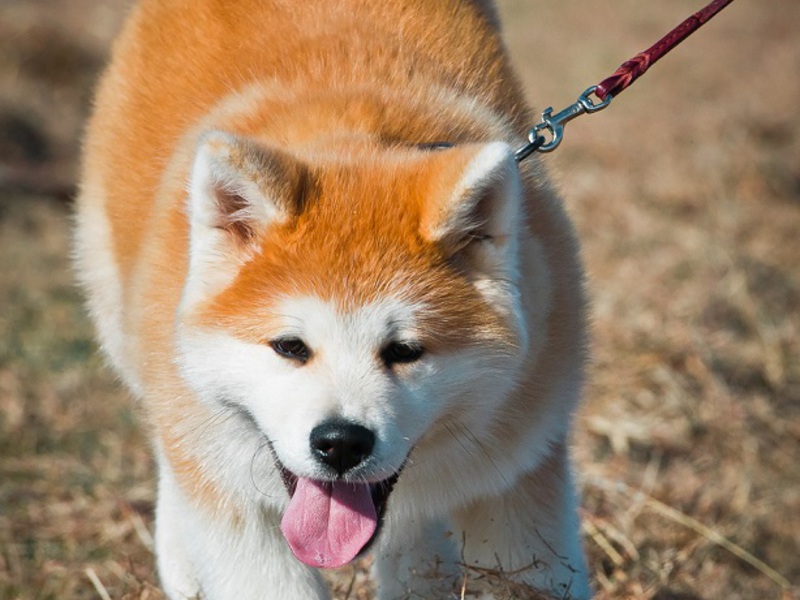
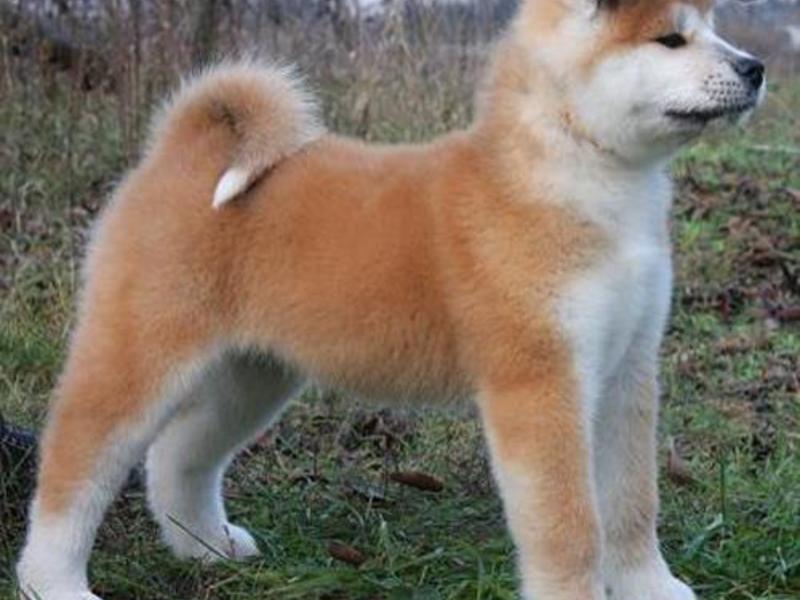
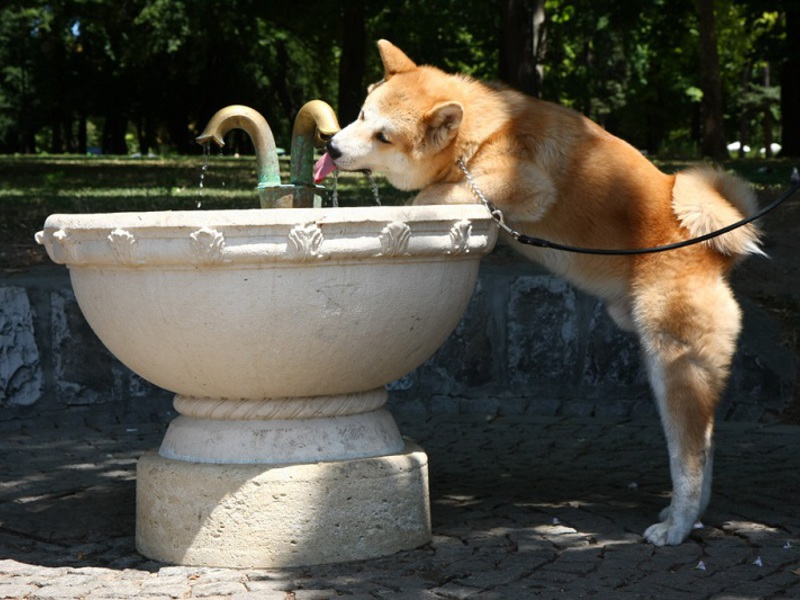
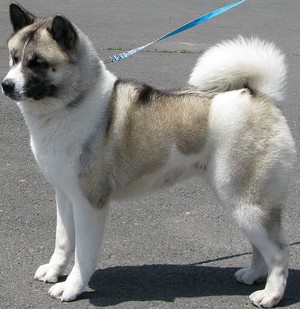
What does the Japanese Akita Inu dog breed look like? The appearance features are as follows:
- The coat color can be any, but only natural.
- The coat itself is long, beautiful and silky.
- The height of an adult dog reaches 57-71, but a female will be slightly smaller.
These dogs are courageous by nature, naturally loyal, intelligent, and active. They are easy to train, love children, and would never harm their owner. If they are raised in a family with other pets, they will be treated with respect. Akita Inus are considered excellent helpers, good companions in any endeavor, intelligent guardians, and loving and caring nannies.
Most often dogs of this breed are used in the following areas:
- Police.
- Rescue service for people.
- Guide dog for the blind.
A few rules for caring for an Akita Inu dog
Knowing the breed of the beloved movie character Hachiko, it's important to know how to properly care for such dogs. It's worth noting that the Akita Inu does not require any special careYou just need to follow these steps:
 Remove dirt from the eyes that accumulates overnight. A special chamomile solution is used for rinsing the eyes. This procedure is performed every morning and also as needed.
- Ear cleaning is also necessary as needed. To remove wax, wrap a handkerchief around the owner's finger and clean. The use of cotton swabs is strictly prohibited.
- An Akita Inu dog needs to be bathed once a month using a special shampoo.
- Visit a veterinarian every six months.
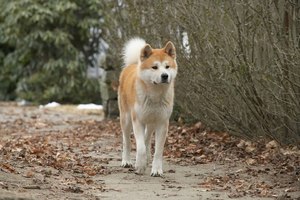 Remove dirt from the eyes that accumulates overnight. A special chamomile solution is used for rinsing the eyes. This procedure is performed every morning and also as needed.
The Akita Inu breed has always been prized in Japan, but after the release of the film "Hachiko: My Best Friend," it became famous throughout the worldThe puppies became popular, and many dogs of this breed were named after the beloved character – Hachiko.
 Svetlana
1 comment